



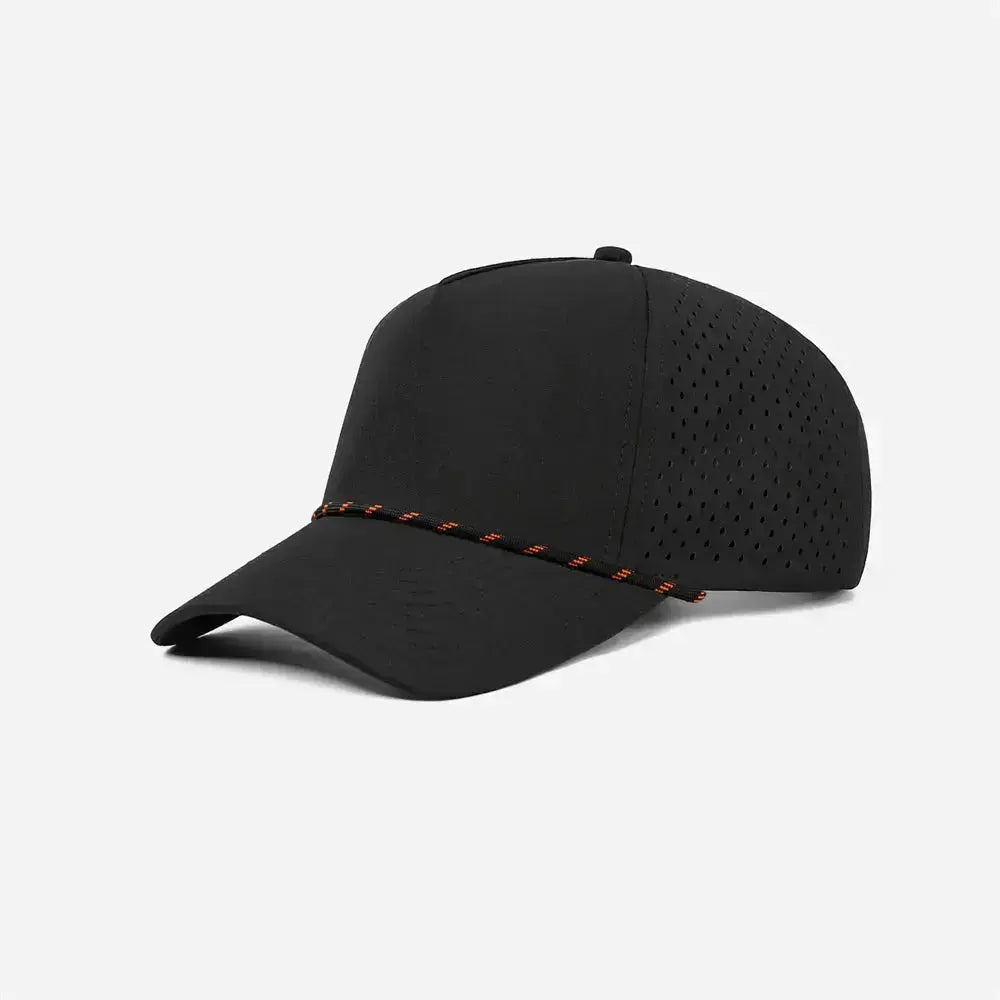
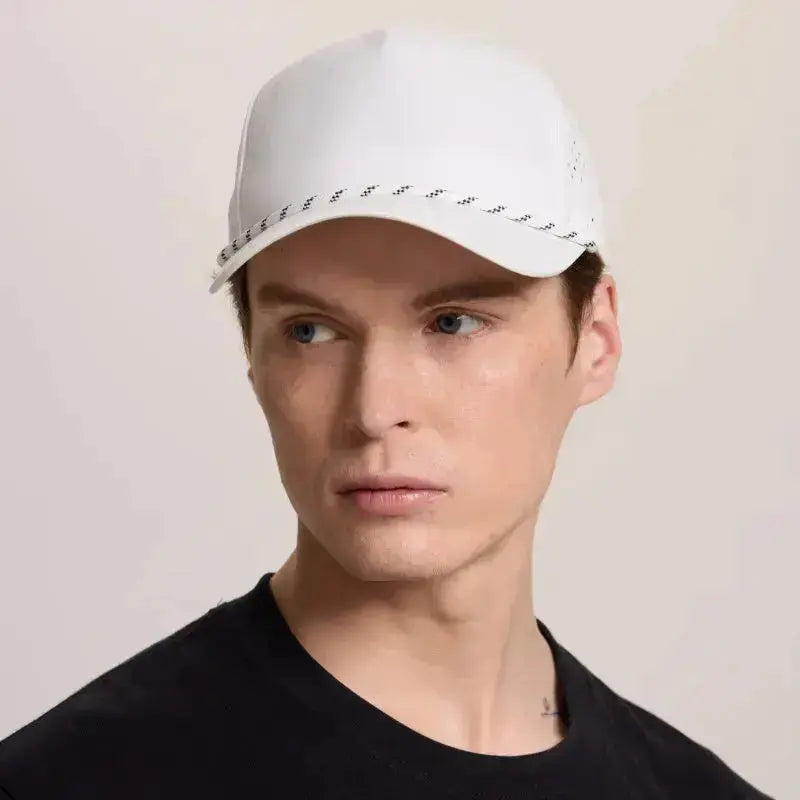
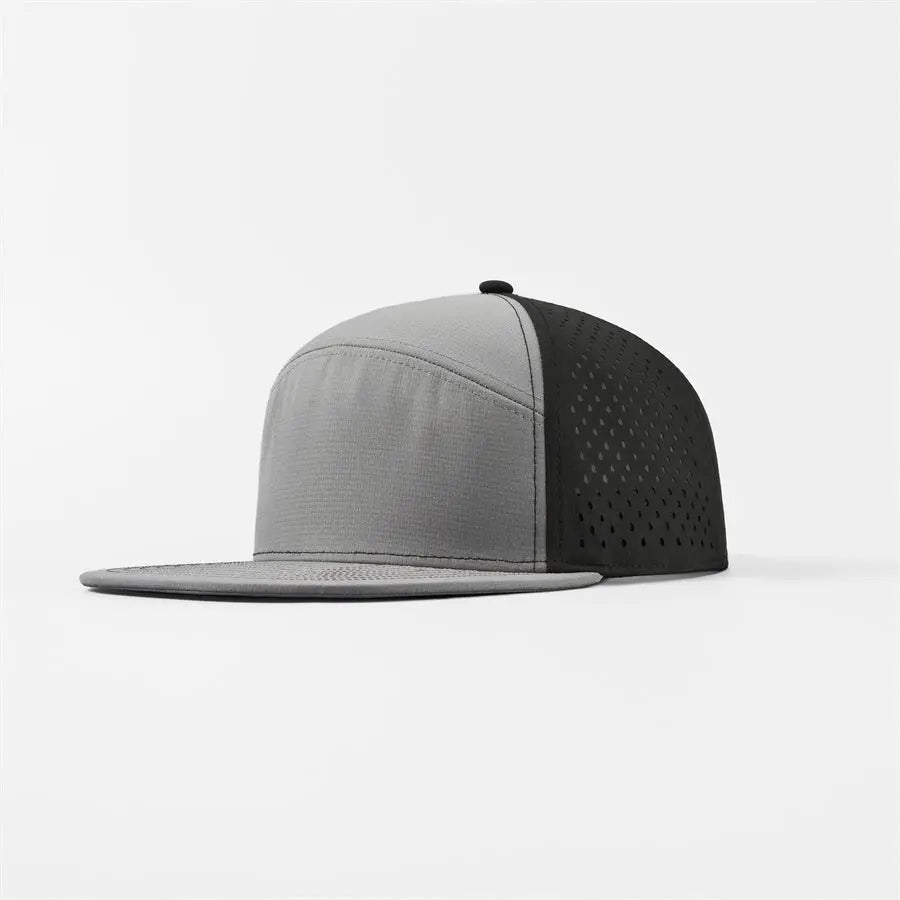
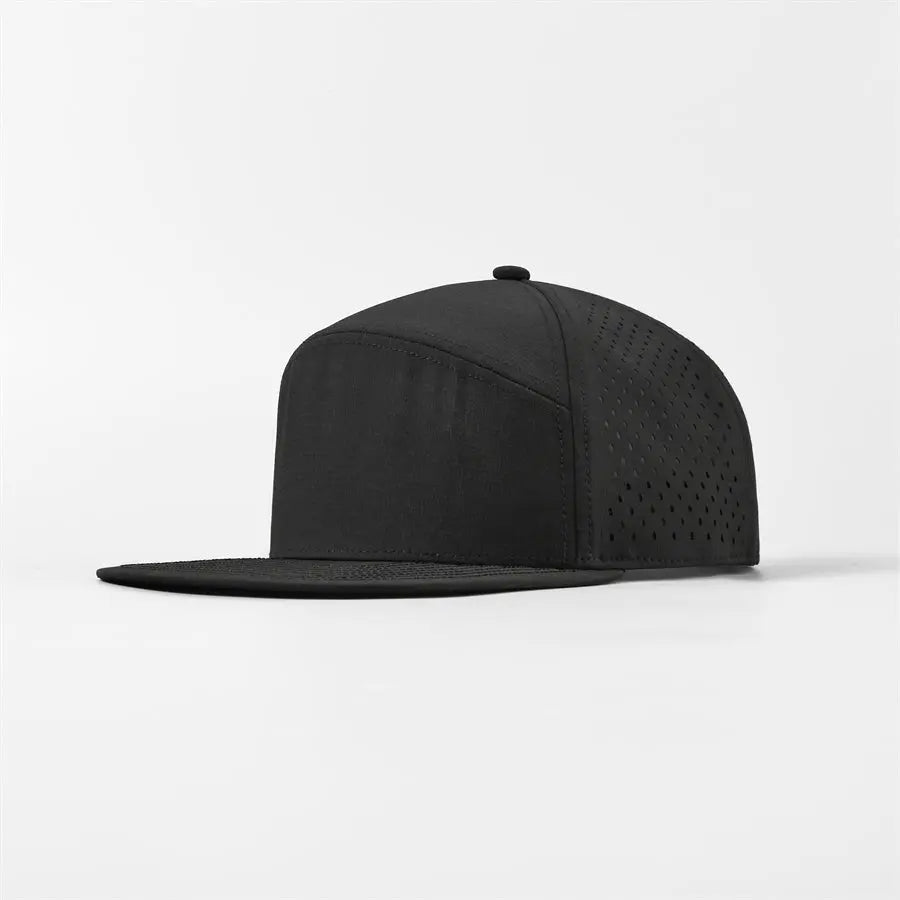




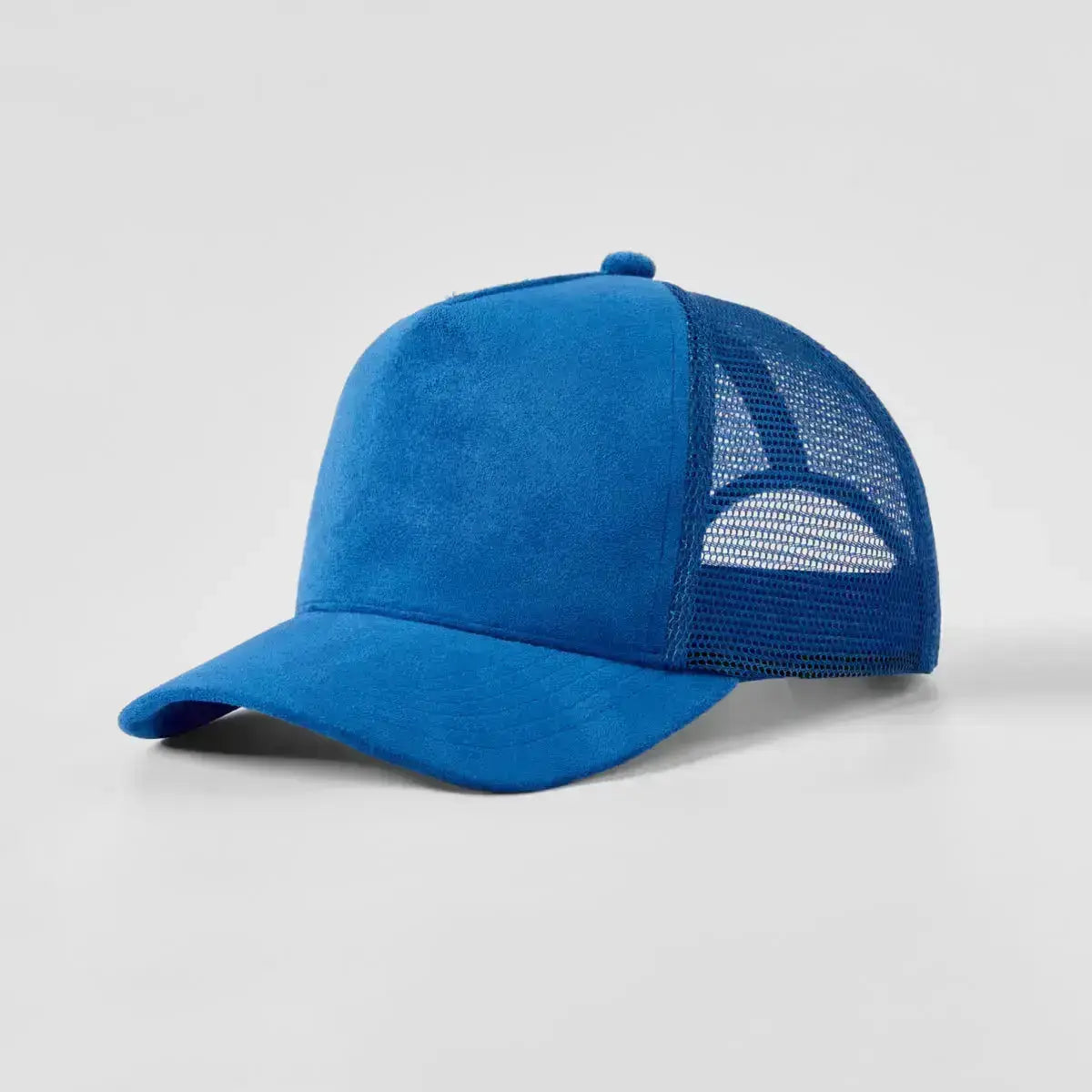

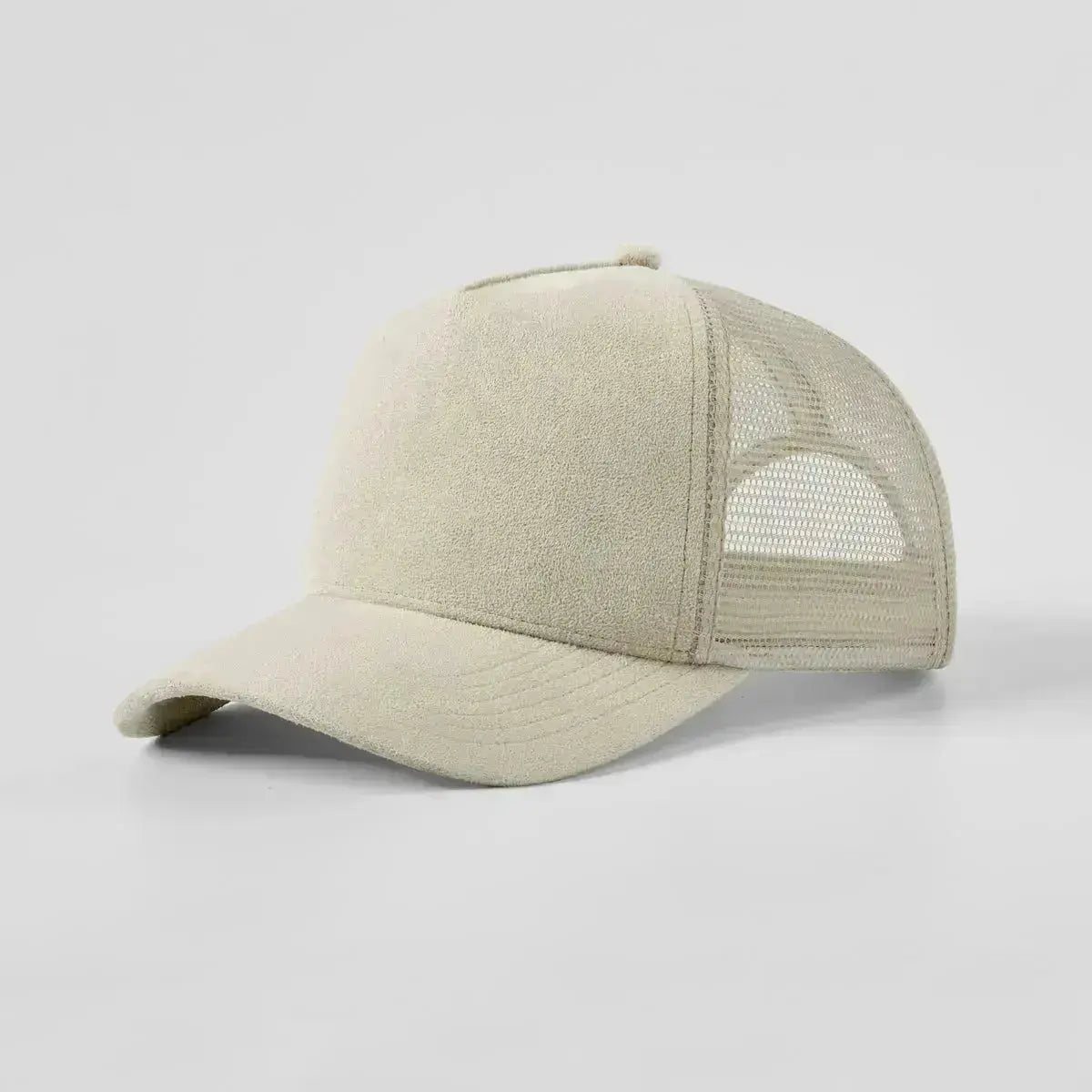
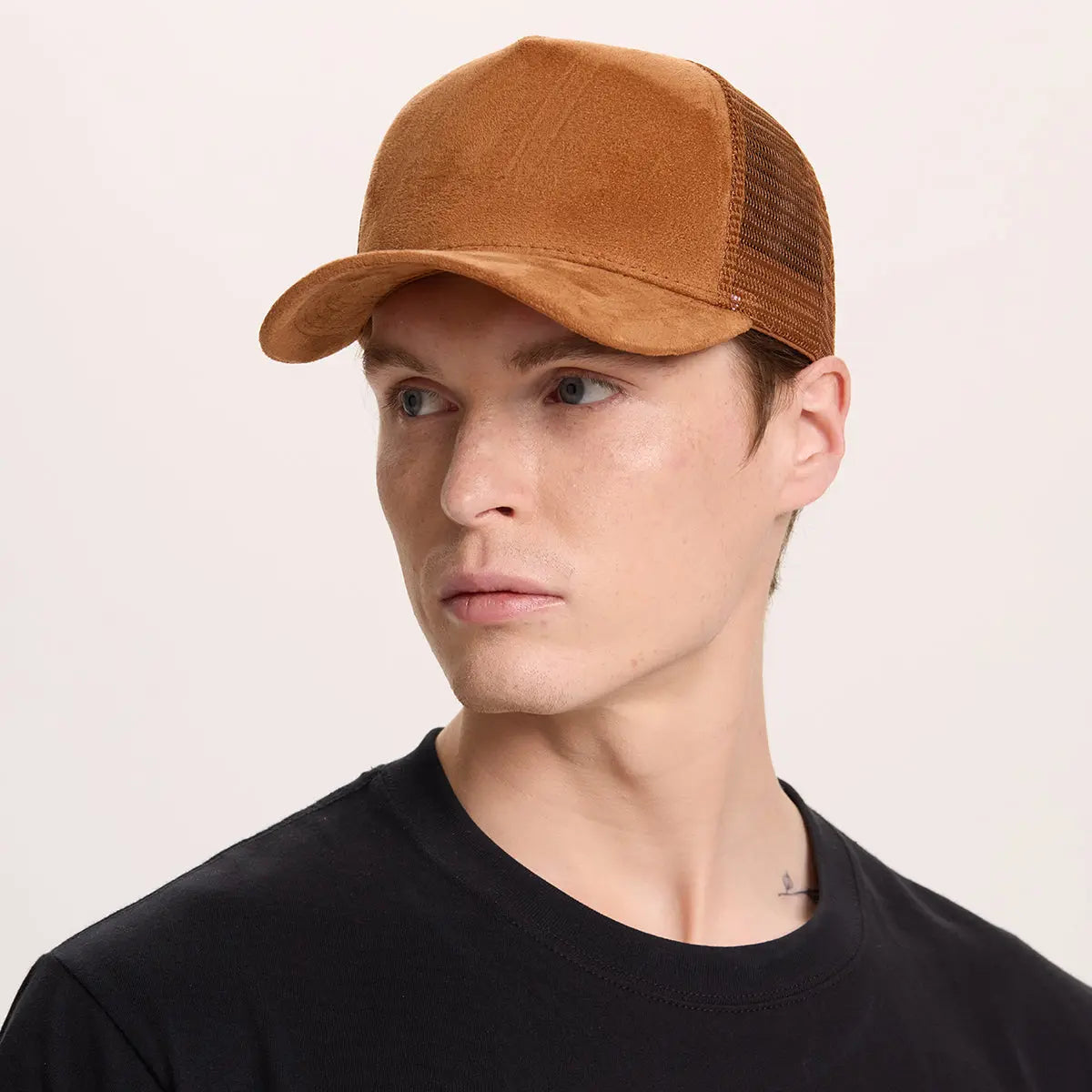
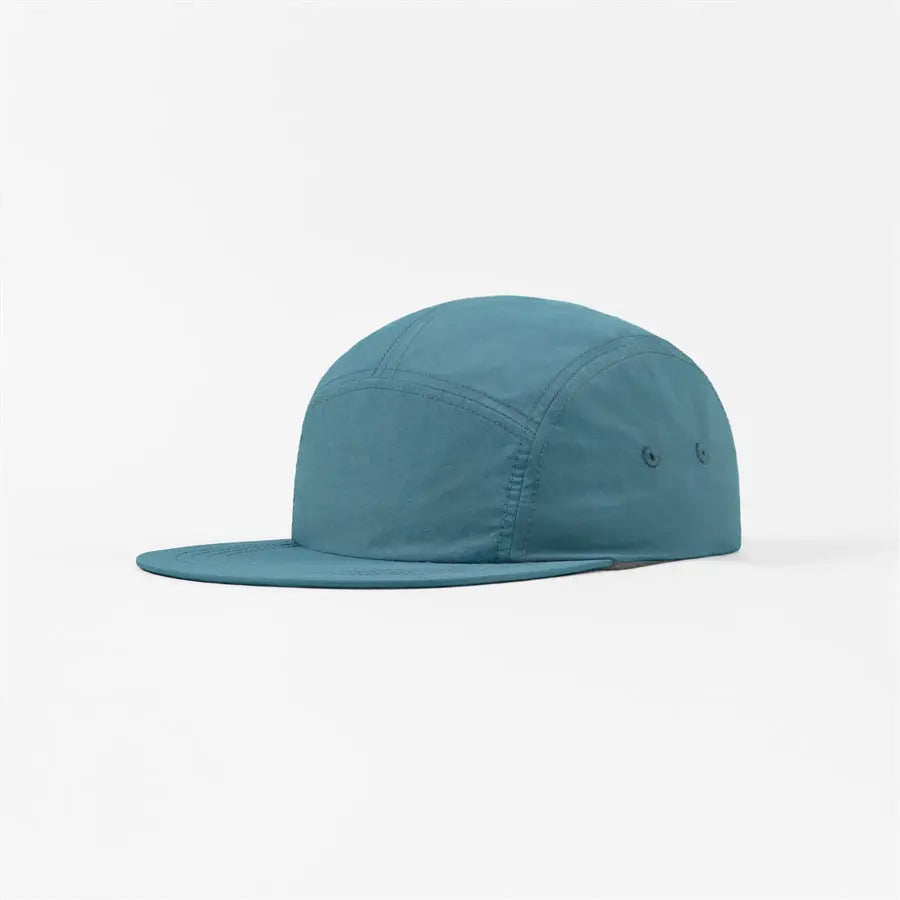


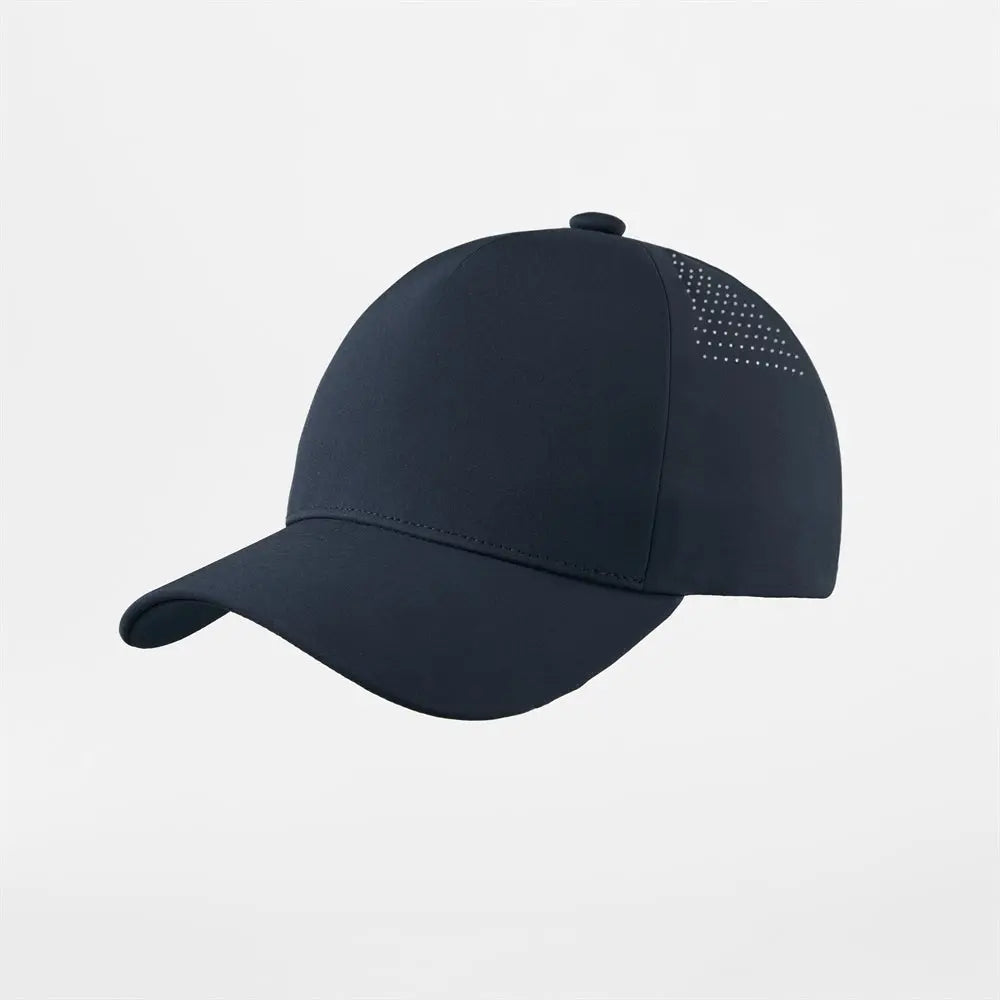
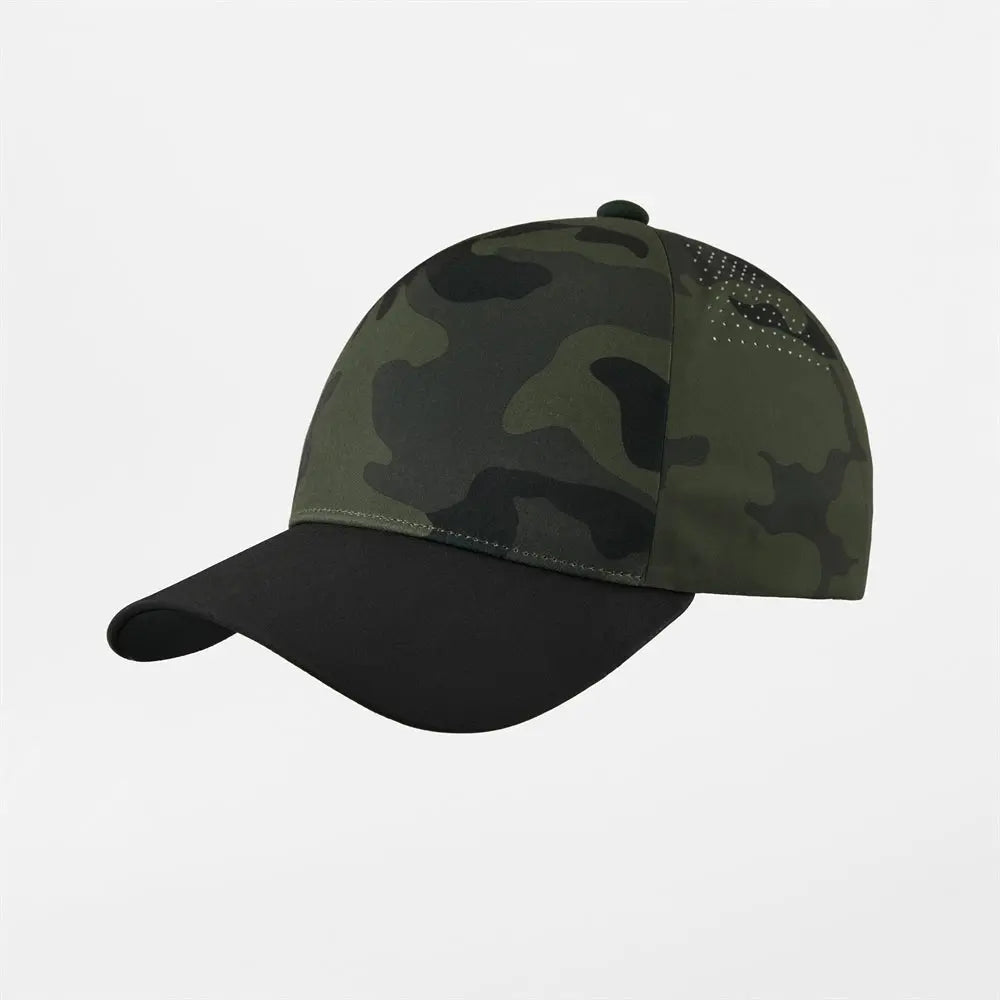
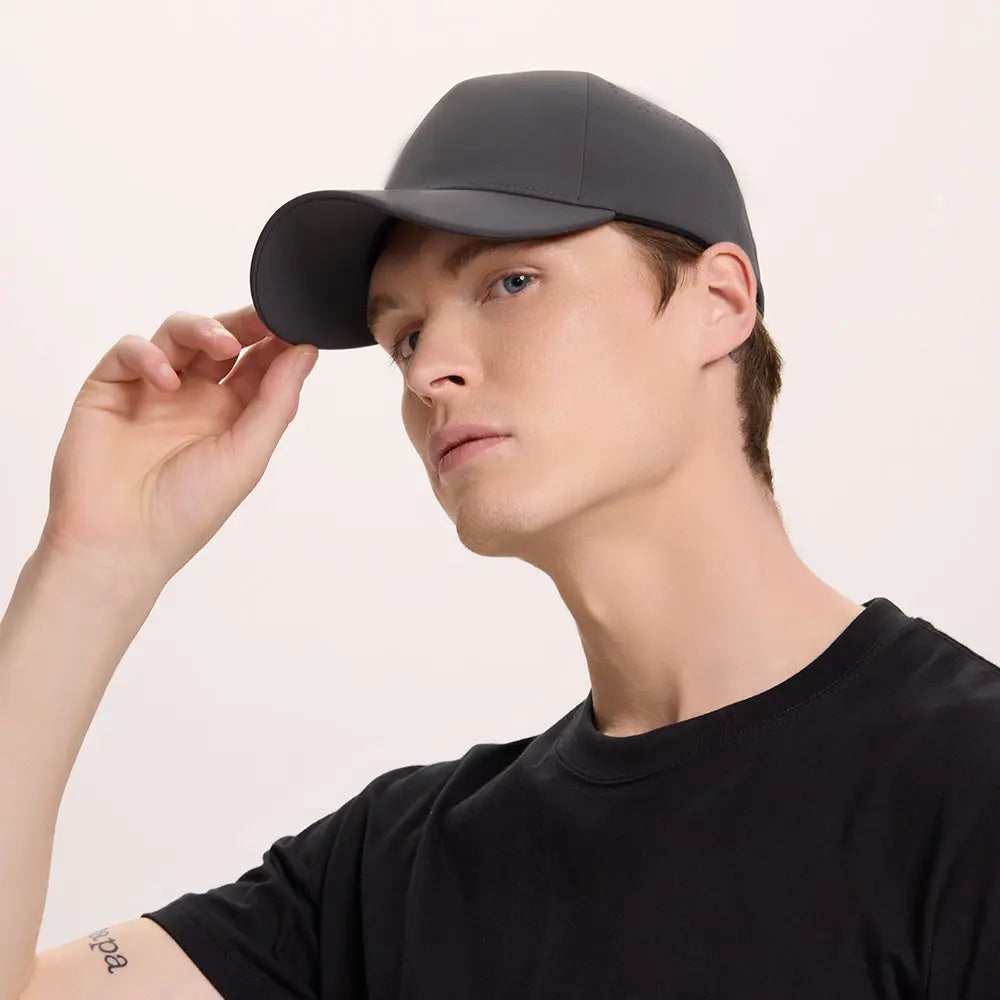

Embroidery is one of the most timeless, versatile, and durable decoration techniques in the apparel and headwear industry. By using needle and thread to create designs on fabric, embroidery adds texture, dimension, and a premium look to everyday products.
If you’ve ever wondered what embroidery is or how it can be used not only as a decoration technique but also as a creative or business opportunity, you’re in the right place.
In this article, we’ll explore what embroidery is, how it works, the main techniques used today, what products can be embroidered, and why embroidery remains one of the most trusted methods for custom apparel and headwear—especially for brands looking to create a premium and long-lasting impression.
What Is Embroidery?
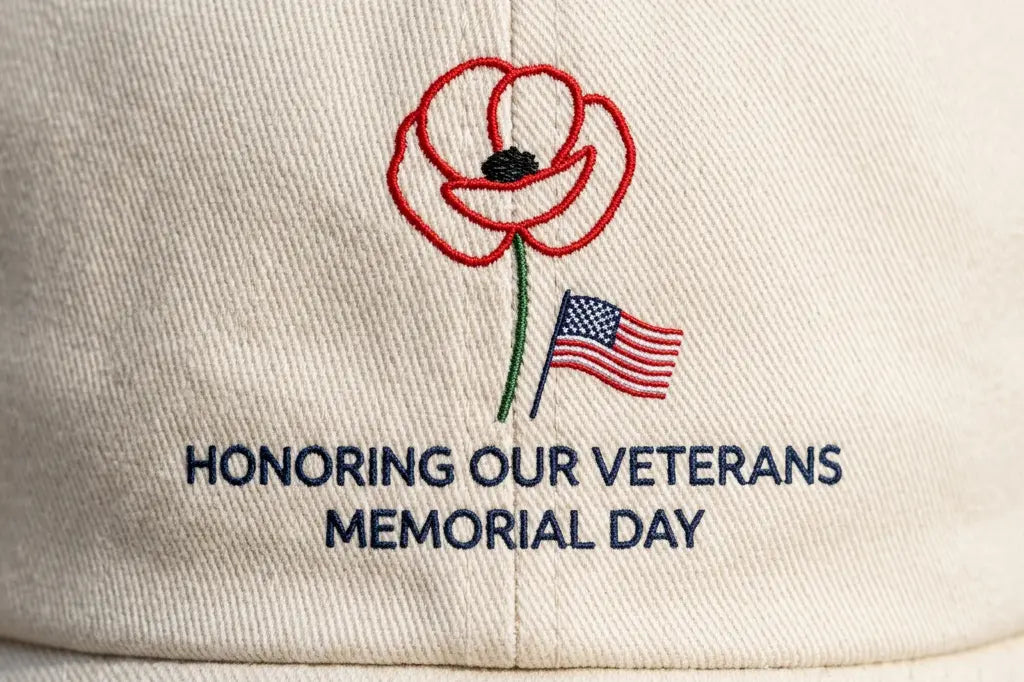
Embroidery is the art of decorating fabric or other materials with thread, yarn, or decorative elements using a needle. It involves stitching designs directly onto materials such as hats, garments, bags, towels, or other textiles.
It can be used to create logos, lettering, patterns, illustrations, and textured designs. Traditional embroidery was done by hand, but modern embroidery is often completed with computerized machines that can reproduce detailed designs quickly and consistently.
Embroidery may also include decorative elements such as beads, sequins, pearls, or metallic threads, which add texture, color, and depth to a simple surface.
You see embroidery everywhere in daily life—on a logo stitched into a cap, a monogram on a towel, or branding on a corporate uniform. It has existed for thousands of years because it is both visually rich and extremely durable.
Compared with flat printing, embroidery offers a raised, textured finish that gives products a more premium and professional appearance.

How Does Embroidery Work?
Whether embroidery is done by hand or machine, the process usually includes three main steps.
1. Prepare the Artwork
The first step is preparing the design. For machine embroidery, the artwork must be converted into a digital embroidery file. This process is called digitizing.
Digitizing determines how the design will be stitched, including stitch direction, stitch density, thread color sequence, and detail placement. A well-prepared embroidery file is essential for achieving a clean, accurate, and durable result.
2. Stabilize and Hoop
Before stitching begins, the fabric is tightly secured in a hoop or frame. A stabilizer or backing is often added behind the fabric to keep it firm during embroidery.
This step helps prevent stretching, puckering, and distortion. It is especially important when embroidering on hats, performance fabrics, knit materials, or stretchy apparel.
3. Stitch and Finish
Once the fabric is prepared, the design is stitched using thread by hand or machine. After embroidery is complete, loose threads are trimmed, excess backing is removed, and the product is cleaned, pressed, or steamed for a polished finish.
The final result is a durable, textured design that feels premium, professional, and ready to wear.
Main Types of Embroidery
1. Hand Embroidery
Hand embroidery is the traditional method of creating designs with a needle and thread. It is often used for artistic projects, personalized gifts, and highly detailed one-off designs.
Common hand embroidery stitches include:
- Running stitch
- Back stitch
- Satin stitch
- Chain stitch
- Cross stitch
- Blanket stitch
Hand embroidery has a unique handcrafted feel and allows for a high level of personal expression. However, it requires more time and is not ideal for large-scale production.

2. Machine Embroidery
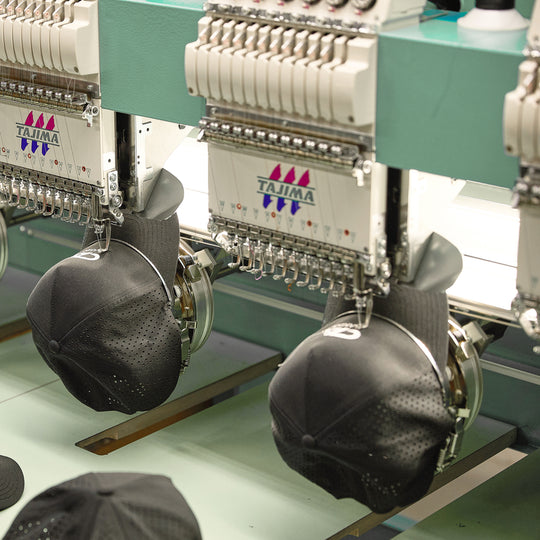
Machine embroidery is the most common method used in commercial production today. Computerized embroidery machines follow a digital stitch file to reproduce designs accurately and efficiently.
This method is ideal for:
- Hats and caps
- Baseball caps and snapbacks
- Golf shirts and polo shirts
- Jackets
- Corporate uniforms
- Bags and promotional products
Machine embroidery allows brands, businesses, sports teams, and organizations to produce consistent, high-quality logos across large orders efficiently.

3. Specialized and Cultural Embroidery Styles
Embroidery is also a cultural art form with many traditional styles around the world. These techniques show how embroidery goes beyond decoration and becomes storytelling through fabric.
- Kutch embroidery from India: Known for bright colors, mirror work, and decorative chain stitches.
- Hardanger embroidery from Norway: Features geometric patterns, cutwork, and lace-like effects.
- Crewel work from England: Uses wool threads to create textured floral and natural motifs.
- Needlepoint: Stitched on canvas to create dense, decorative patterns with yarn or thread.
These styles highlight embroidery as both a craft and a form of cultural expression.
What Is Embroidery Used For?
Embroidery is widely used across fashion, branding, promotional products, gifts, and creative industries. It is especially valuable when a product needs to look premium, durable, and professional.
Apparel and Branding
Embroidery is commonly used on:
- Baseball caps and snapbacks
- Dad hats and rope hats
- Golf hats and performance caps
- Polo shirts and golf shirts
- Jackets and uniforms
- Tote bags and accessories
Embroidery adds a raised, textured, premium look that printing methods often cannot replicate. For fashion brands and apparel companies, it helps products feel more retail-ready and high-quality.

Corporate and Promotional Products
Companies use embroidery to create:
- Branded merchandise
- Employee uniforms
- Event giveaways
- Sports team apparel
- Corporate gifts
- Promotional hats and apparel
A well-stitched logo communicates professionalism, craftsmanship, and quality. It also helps build a consistent brand image across uniforms, events, and customer-facing products.

Gifts and Home Decor
Embroidery is also popular for personalized and meaningful products such as:
- Personalized towels
- Baby clothing
- Cushion covers
- Wedding gifts
- Handkerchiefs
- Home décor items
These items feel more handcrafted, personal, and memorable.
Why Is Embroidery So Popular?
Embroidery remains one of the most valuable decoration methods because it offers several important advantages.
Durability
Embroidery is highly durable. The stitched design does not peel like some printing methods and is resistant to everyday wear, fading, and washing.
Premium Appearance
Embroidery creates a raised and textured look that adds depth and value to the product. It gives logos and designs a polished, professional appearance.
Long Lifespan
High-quality embroidery can remain intact for a long time. Threads stay vibrant and secure, making embroidered products suitable for repeated use.
Brand Value
Embroidery enhances perceived product quality. A clean embroidered logo can make a hat, uniform, or promotional item feel more premium and trustworthy.
Versatility
Embroidery works on many different materials, including cotton, polyester, blends, canvas, wool, and knit fabrics. This makes it one of the most versatile decoration methods for both fashion and business use.

Design Tips for Embroidery
Although embroidery is a premium decoration method, not every design is suitable for direct embroidery.
Small text, thin lines, gradients, shadows, and highly detailed artwork may not reproduce clearly with thread. For the best result, embroidery designs should use clean shapes, bold lines, readable fonts, and limited color complexity.
If a logo has too many fine details, it may be better to simplify the artwork or choose another decoration method such as:
- Embroidered patch
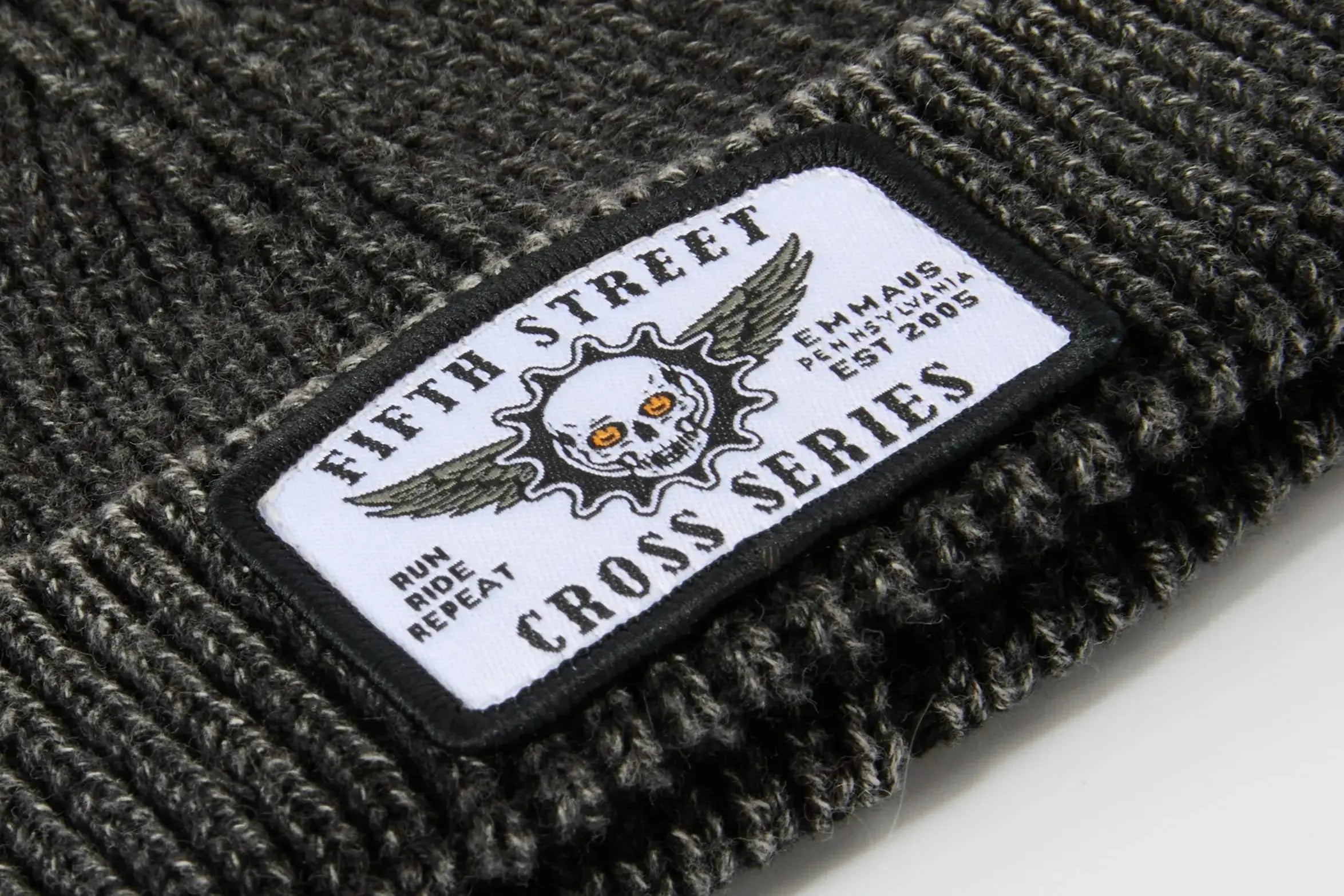
- Woven patch
- PVC patch
- Leather patch
- DTF printing
- Heat transfer
Choosing the right decoration technique based on the artwork helps ensure the final product looks clean, professional, and durable.
Embroidery in Modern Business
Today, embroidery is no longer limited to traditional workshops. With modern production systems, computerized embroidery machines, and flexible custom manufacturing, businesses can launch embroidered products more efficiently than ever before.
This allows brands to:
- Test new designs quickly
- Avoid unnecessary inventory risk
- Scale production efficiently
- Create premium branded products
- Focus on creativity and marketing
For fashion brands, embroidery can make products feel more premium and retail-ready. For companies, embroidered uniforms and hats help create a consistent and professional team image. For events and promotional campaigns, embroidered products are more likely to be kept and used by customers because they feel durable and valuable.
From fashion brands to corporate suppliers, embroidery remains a powerful tool for building identity, quality, and long-term brand value.
Conclusion
Embroidery is more than just stitching—it is a combination of craftsmanship, technology, and design. It transforms ordinary products into premium, long-lasting pieces with texture, durability, and visual impact.
Whether used for custom hats, apparel, bags, uniforms, promotional products, gifts, or artistic expression, embroidery delivers a timeless and premium finish that continues to stand out in today’s market.
If you are looking to create products that feel high-end, durable, meaningful, and professional, embroidery is one of the most effective ways to bring your designs to life.
FAQ: Embroidery for Custom Hats and Apparel
1. What is embroidery?
Embroidery is the process of decorating fabric with needle and thread to create logos, text, patterns, or designs.
2. Why is embroidery popular for custom hats?
Embroidery gives hats a premium, textured, and durable finish. It is ideal for logos, branding, uniforms, and promotional products.
3. What is the difference between hand embroidery and machine embroidery?
Hand embroidery is done manually and is often used for artistic pieces. Machine embroidery uses computerized machines, making it better for bulk production and consistent logo quality.
4. What products can be embroidered?
Common embroidered products include baseball caps, snapbacks, dad hats, rope hats, golf hats, polo shirts, jackets, uniforms, tote bags, and beanies.
5. Is embroidery durable?
Yes. Embroidery is long-lasting because the design is stitched into the fabric, making it resistant to peeling, fading, and everyday wear.
6. What type of logo works best for embroidery?
Simple logos with bold lines, clear shapes, readable text, and limited colors work best. Small text, thin lines, and gradients may need to be simplified.
7. Can detailed designs be embroidered?
Some detailed designs can be embroidered, but very complex artwork may look better as an embroidered patch, woven patch, PVC patch, DTF print, or heat transfer.
8. What is digitizing?
Digitizing is the process of converting artwork into a stitch file that embroidery machines can read.
9. Is embroidery good for business branding?
Yes. Embroidery gives branded products a professional, high-quality look and helps build a stronger brand image.
10. Why choose embroidery?
Embroidery is durable, premium, versatile, and ideal for creating custom hats and apparel that look professional and long-lasting.