

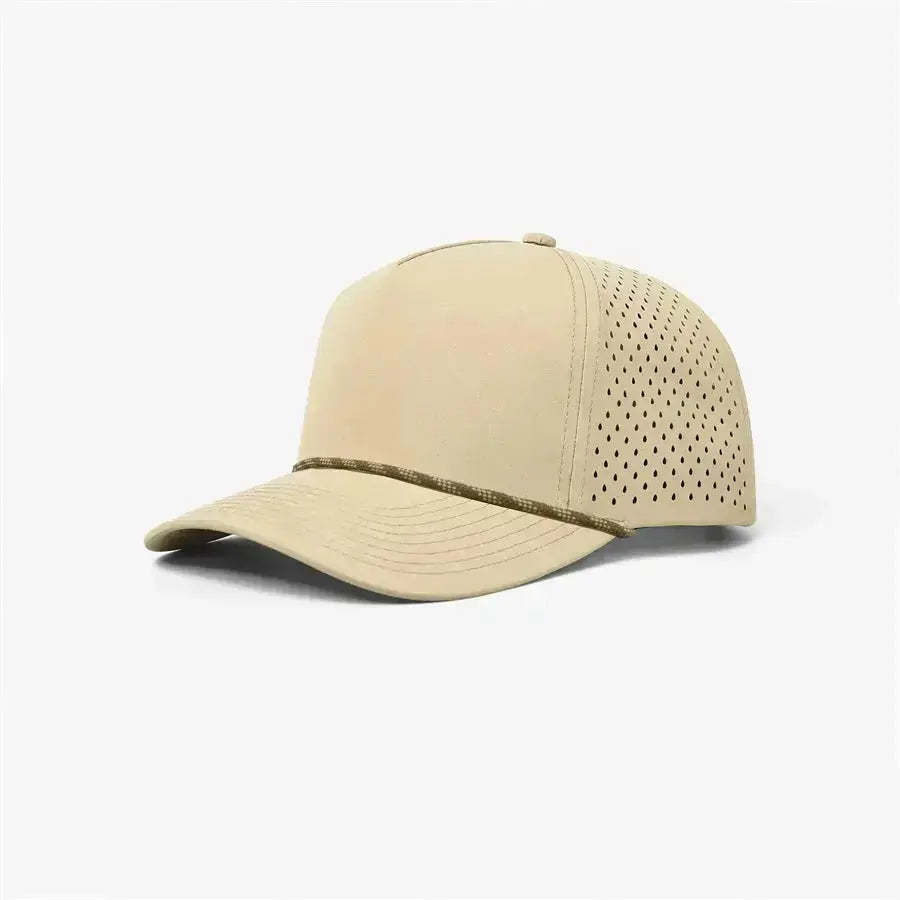
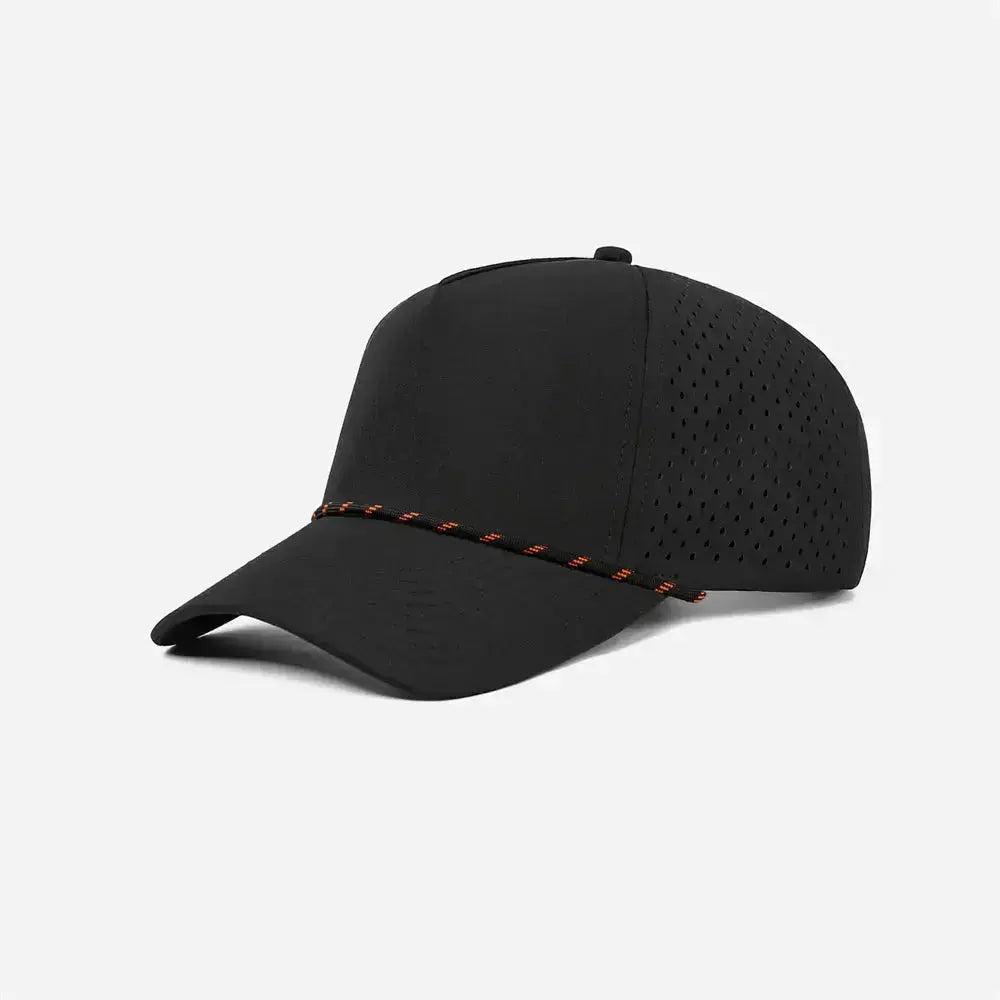
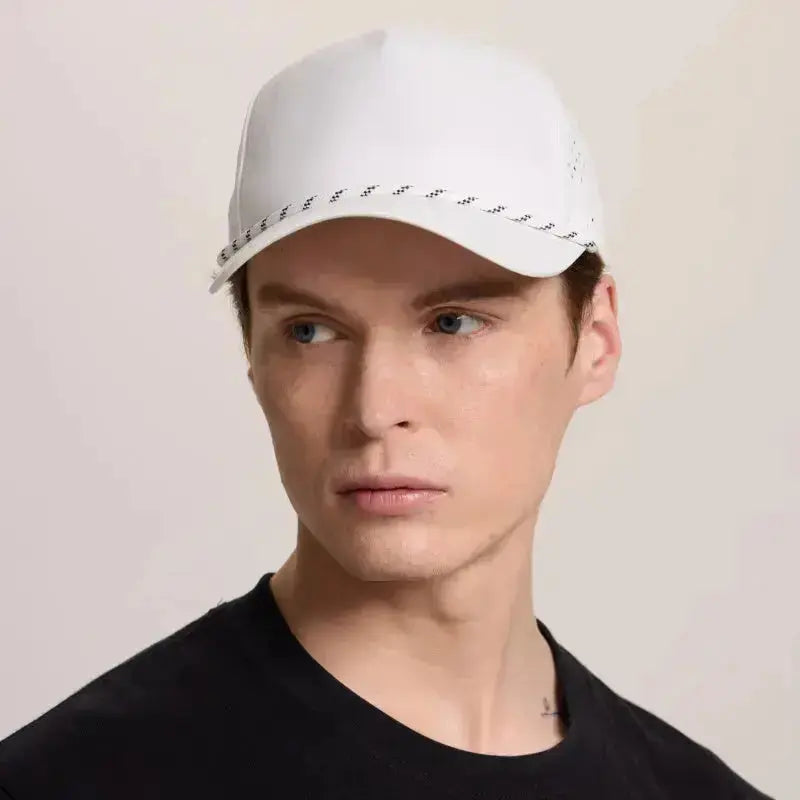
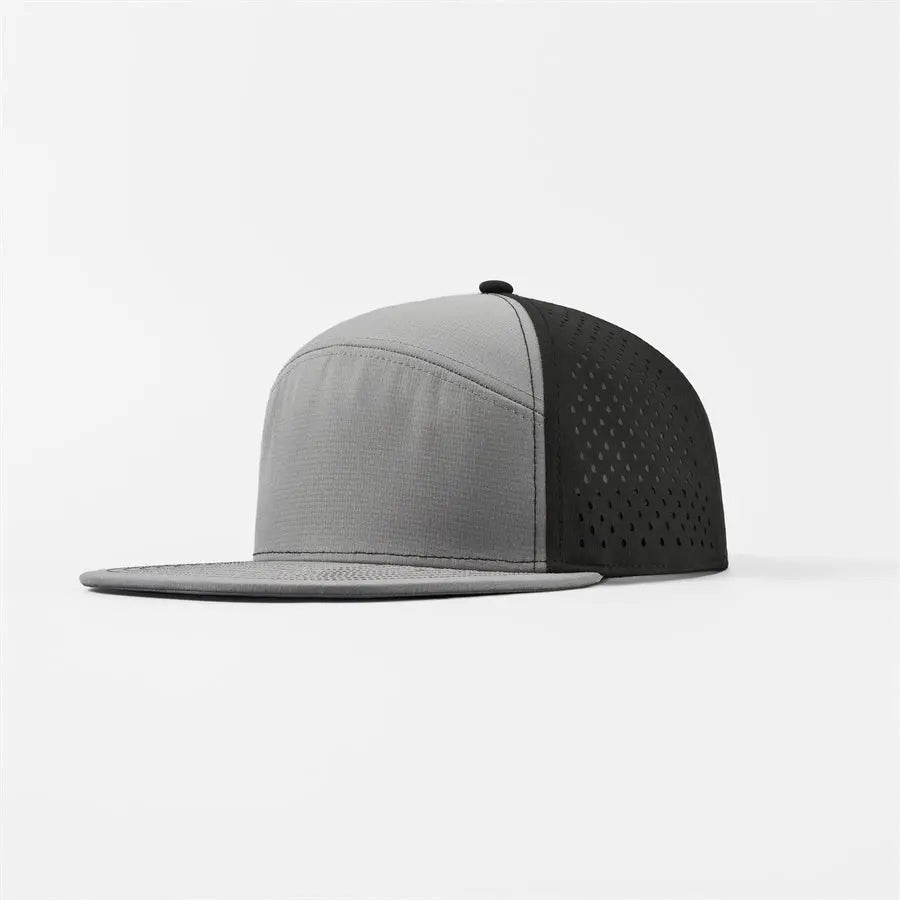









Introduction
When a logo contains gradients, fine lines, small text, or photo-like details, traditional embroidery may not reproduce every element clearly. A sublimation patch offers an effective alternative by printing the design directly into a polyester fabric surface.
Unlike embroidered patches, which build artwork with thread, sublimation patches use heat and pressure to transfer dye into the fabric. This process creates a smooth, lightweight patch with vivid colors and excellent detail.
Sublimation patches are commonly used on custom hats, uniforms, workwear, sports apparel, bags, event merchandise, and promotional products. They are especially suitable for brands that want detailed, colorful artwork without the thickness or stitch limitations of embroidery.
This guide explains how sublimation patches are made, their advantages and limitations, available borders and backings, and how they compare with embroidered and woven patches.

What Is a Sublimation Patch?
A sublimation patch is a custom fabric patch produced using dye-sublimation printing. The design is printed onto transfer paper with specialized sublimation ink and then transferred to a polyester patch material using high temperature and pressure.
During this process, the dye becomes part of the polyester fibers instead of sitting on top of the fabric. The finished design feels smooth and does not have the raised texture associated with embroidery.
Sublimation patches can reproduce:
- Full-color logos
- Gradients and shading
- Fine lines
- Small lettering
- Detailed illustrations
- Photo-style graphics
- Complex backgrounds
- Multiple colors without separate thread changes
They may also be called:
- Dye-sublimated patches
- Printed fabric patches
- Full-color printed patches
- Photo patches
- Sublimated logo patches

How Are Sublimation Patches Made?
Producing a sublimation patch generally involves several steps.
1. Artwork Preparation
The original logo or graphic is reviewed and prepared for printing. High-resolution artwork is important because the printing process can reproduce small details that would be difficult to create with thread.
Vector files are preferred for logos, but high-resolution PNG, PSD, PDF, or TIFF files may also work.
The design should include:
- Correct dimensions
- Accurate colors
- Sufficient image resolution
- A defined patch shape
- Appropriate space around the border
- Any required bleed area
2. Printing the Transfer
The prepared artwork is printed onto sublimation transfer paper using special dye-based ink.
The design may initially appear less vibrant on the paper because the colors become fully developed during the heat-transfer process.
3. Heat Transfer
The printed transfer paper is placed against a polyester fabric. Heat and pressure convert the dye into a gas, allowing it to bond with the polyester fibers.
Because the design becomes part of the material, it generally does not crack or peel like a surface-applied print.
4. Cutting the Patch
After printing, the patch is cut into the required shape. Common cutting methods include:
- Laser cutting
- Heat cutting
- Die cutting
- Manual cutting for certain samples or shapes
Laser and heat cutting can help seal the polyester edge and reduce fraying.
5. Adding the Border
Depending on the design and patch shape, the edge may be finished with:
- Merrowed border
- Embroidered border
- Heat-cut edge
- Laser-cut edge
- Sewn edge
- No visible raised border
6. Applying the Backing
The selected backing is added based on how the patch will be attached to the final product.
Common options include sew-on, heat-seal, adhesive, and hook-and-loop backing.
7. Quality Inspection
The finished patch should be checked for:
- Color accuracy
- Print sharpness
- Patch dimensions
- Border consistency
- Cutting quality
- Backing adhesion
- Correct shape and orientation
A physical sample is recommended before bulk production, particularly when the design contains important brand colors or very small details.
Advantages of Sublimation Patches
Full-Color Printing
Sublimation patches can reproduce a wide range of colors within one design. They are useful for artwork that would require many thread colors if produced as an embroidered patch.
The number of printed colors generally has less effect on production complexity than the number of embroidery thread colors.
Gradients and Shading
Traditional embroidery divides artwork into solid thread colors. Sublimation printing can create smoother transitions between colors, making it suitable for:
- Sunsets
- Shadows
- Sky backgrounds
- Water effects
- Camouflage patterns
- Multicolor illustrations
- Realistic landscapes
Fine Details
Because the design is printed instead of stitched, sublimation can reproduce thinner lines and smaller elements than many embroidery methods.
It works well for:
- Detailed emblems
- Small lettering
- Complex illustrations
- Signature-style artwork
- Fine outlines
- Photo-inspired designs
However, extremely small text may still become difficult to read, particularly when the patch itself is small.
Lightweight Construction
Sublimation patches are thinner and lighter than heavily embroidered patches. This makes them suitable for lightweight hats, performance apparel, bags, uniforms, and products where a thick patch may feel too heavy.
Smooth Surface
The printed surface remains relatively flat and smooth. It does not have raised stitches, making it a practical option when the artwork requires visual detail instead of tactile texture.
Flexible Patch Shapes
Sublimation patches can be cut into many shapes, including:
- Circles
- Squares
- Rectangles
- Ovals
- Shields
- Diamonds
- Custom outlines
A laser-cut or heat-cut edge is usually more suitable than a traditional merrowed border for highly irregular shapes.
Consistent Reproduction
Once the artwork and color settings are approved, sublimation can provide consistent results across a production run.
The quality still depends on the fabric, equipment, heat settings, artwork preparation, and color-management process.

Limitations of Sublimation Patches
Limited Texture
Sublimation patches are designed for visual detail rather than raised texture. They do not provide the dimensional surface of embroidered, chenille, PVC, or silicone patches.
If a thick, handcrafted, or premium textured appearance is the main goal, embroidery may be more suitable.
Best on Polyester Materials
Sublimation ink bonds most effectively with polyester. The patch face is therefore usually made from polyester twill, polyester satin, or another compatible synthetic material.
It is not normally used to print directly onto a 100% cotton patch surface because the dye does not bond with cotton in the same way.
Color Differences May Occur
Colors displayed on a monitor may not look exactly the same after printing. Differences can result from:
- Screen calibration
- RGB-to-CMYK conversion
- Fabric color
- Heat settings
- Ink formulation
- Printing equipment
- Lighting conditions
A sample should be approved when precise color matching is important.
White or Light-Colored Bases Work Best
Sublimation ink is transparent and does not normally include white ink. Designs are therefore usually printed on white or light-colored polyester fabric.
Printing on dark fabric may reduce color accuracy and visibility unless a separate light-colored base layer is used.
Fine Details Still Have Minimum Requirements
Although sublimation offers more detail than embroidery, it cannot guarantee perfect reproduction of unlimited detail. Very small lettering, low-resolution images, and weak color contrast may still produce unclear results.
Less Traditional Appearance
Some customers prefer the classic texture and craftsmanship of embroidery. A sublimation patch has a flatter, more printed appearance, which may not suit every brand or product collection.

Common Materials Used for Sublimation Patches
Polyester Twill
Polyester twill is one of the most common materials for sublimation patches. It has a durable woven texture and provides a familiar patch appearance.
It works well for:
- Custom hats
- Uniforms
- Workwear
- Outdoor merchandise
- Sports apparel
- Promotional products
Polyester Satin
Polyester satin has a smoother and slightly shinier surface. It can improve the appearance of photo-style designs, fine graphics, and bright colors.
It is often selected for fashion products, event merchandise, and decorative applications.
Polyester Felt
Polyester felt provides a softer and thicker base. It may be used when the patch needs more body while retaining a printed surface.
Its texture may affect very small printed details, so sampling is recommended.
Blended Patch Materials
Some patches use layered or blended constructions to combine printed artwork with:
- Embroidered borders
- Embroidered text
- Foam
- Felt
- Reflective material
- Hook-and-loop backing
These combination patches can create more texture while preserving full-color details.

Sublimation Patch Border Options
The border affects the patch’s shape, appearance, and durability.
Merrowed Border
A merrowed border is a thick thread edge wrapped around the outside of the patch. It creates a traditional patch appearance and adds noticeable texture.
It is best suited to simple shapes such as:
- Circles
- Squares
- Rectangles
- Ovals
- Standard shields
A merrowed border may not follow sharp corners or complex custom shapes precisely.
Embroidered Border
An embroidered border is stitched around the design and can be thinner or more flexible than a traditional merrowed edge.
It is suitable when the patch needs a clean thread finish without an excessively thick border.
Heat-Cut or Laser-Cut Edge
A heat-cut edge creates a thin, clean outline and is well suited to irregular shapes and modern designs.
It works particularly well for:
- Custom silhouettes
- Detailed outlines
- Small patches
- Minimalist branding
- Patches with narrow border areas
Because this finish is less raised, it creates a flatter appearance than a merrowed border.
Combination Border
A patch may use a printed face with an embroidered or merrowed outer border. This construction combines detailed color printing with a more traditional stitched edge.
Sublimation Patch Backing Options
Sew-On Backing
A sew-on patch is attached directly to the product with stitching. It is one of the most secure options for hats, uniforms, workwear, bags, and frequently washed garments.
Sewing is often recommended for permanent applications.
Heat-Seal Backing
A heat-seal backing allows the patch to be applied with a heat press. The correct temperature, pressure, and pressing time depend on the patch adhesive and the material of the final product.
Not every hat or fabric can safely withstand high heat. Testing is necessary before bulk application.
Hook-and-Loop Backing
Hook-and-loop backing allows patches to be removed or replaced. It is commonly used for:
- Tactical caps
- Uniforms
- Team identification
- Name patches
- Outdoor gear
- Interchangeable branding
One side is attached to the product, while the corresponding patch surface is added to the back of the patch.
Adhesive Backing
A peel-and-stick adhesive is useful for temporary placement, event use, packaging, or positioning the patch before sewing.
It is generally less suitable for long-term attachment or repeated washing.
No Backing
A patch without added backing remains flexible and can be sewn directly onto a product during manufacturing.
This option may be suitable for apparel factories, decorators, and private-label production programs.
Sublimation Patch vs. Embroidered Patch
The best option depends on whether texture or graphic detail is more important.
| Feature | Sublimation Patch | Embroidered Patch |
|---|---|---|
| Production method | Dye printed into polyester | Design created with thread |
| Surface | Smooth and flat | Raised and textured |
| Color gradients | Excellent | Limited |
| Photo-style artwork | Suitable | Usually unsuitable |
| Fine details | Very good | Depends on stitch size |
| Small text | Better for many designs | May require simplification |
| Traditional patch appearance | Moderate | Strong |
| Dimensional effect | Limited | Available |
| Weight | Lightweight | Usually heavier |
| Best for | Detailed, colorful graphics | Bold logos and classic branding |
Choose a sublimation patch when the design contains gradients, illustrations, numerous colors, or photo-like details.
Choose an embroidered patch when the design is bold and relatively simple and a textured, premium appearance is preferred.

Sublimation Patch vs. Woven Patch
Both options can reproduce more detail than standard embroidery, but their surfaces and production methods differ.
| Feature | Sublimation Patch | Woven Patch |
|---|---|---|
| Design method | Printed dye | Woven threads |
| Gradients | Excellent | Limited |
| Photo reproduction | Suitable | Not ideal |
| Texture | Smooth printed fabric | Fine woven texture |
| Small lettering | Very good | Very good |
| Color transitions | Smooth | Created with separate thread colors |
| Traditional textile feel | Moderate | Strong |
| Best for | Full-color complex artwork | Detailed logos with solid colors |
A woven patch is often preferred for detailed logos that still need a thread-based appearance. A sublimation patch is more suitable for gradients, photography, shading, and complex color transitions.

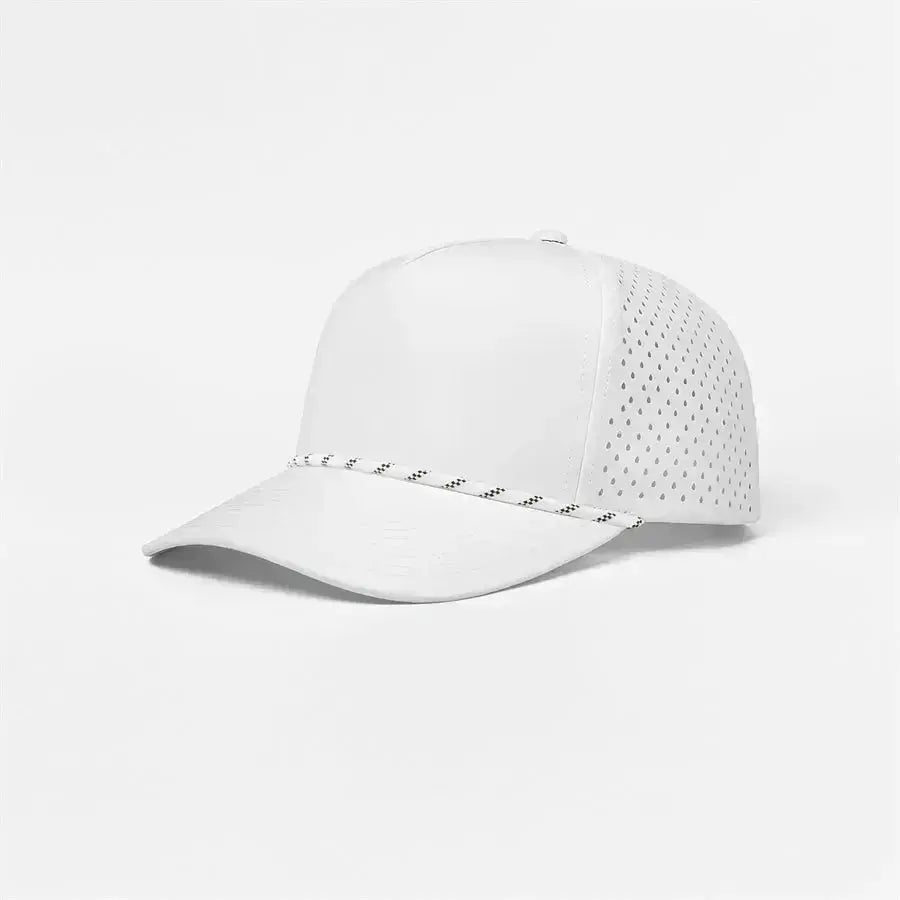
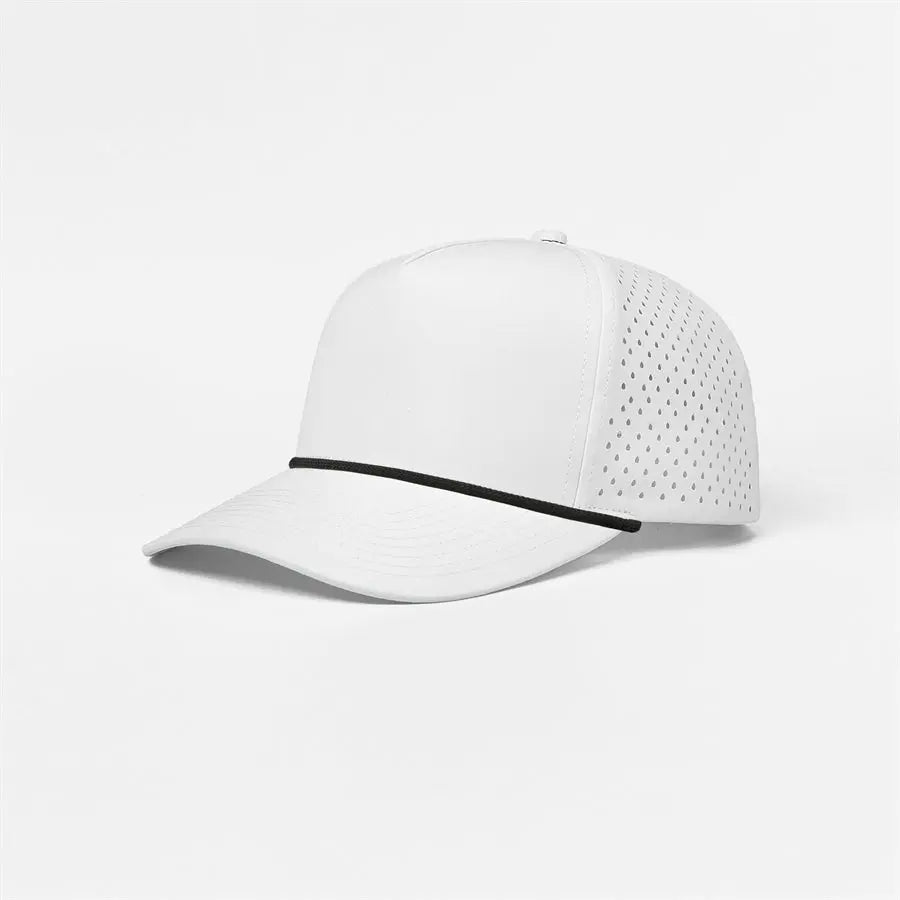
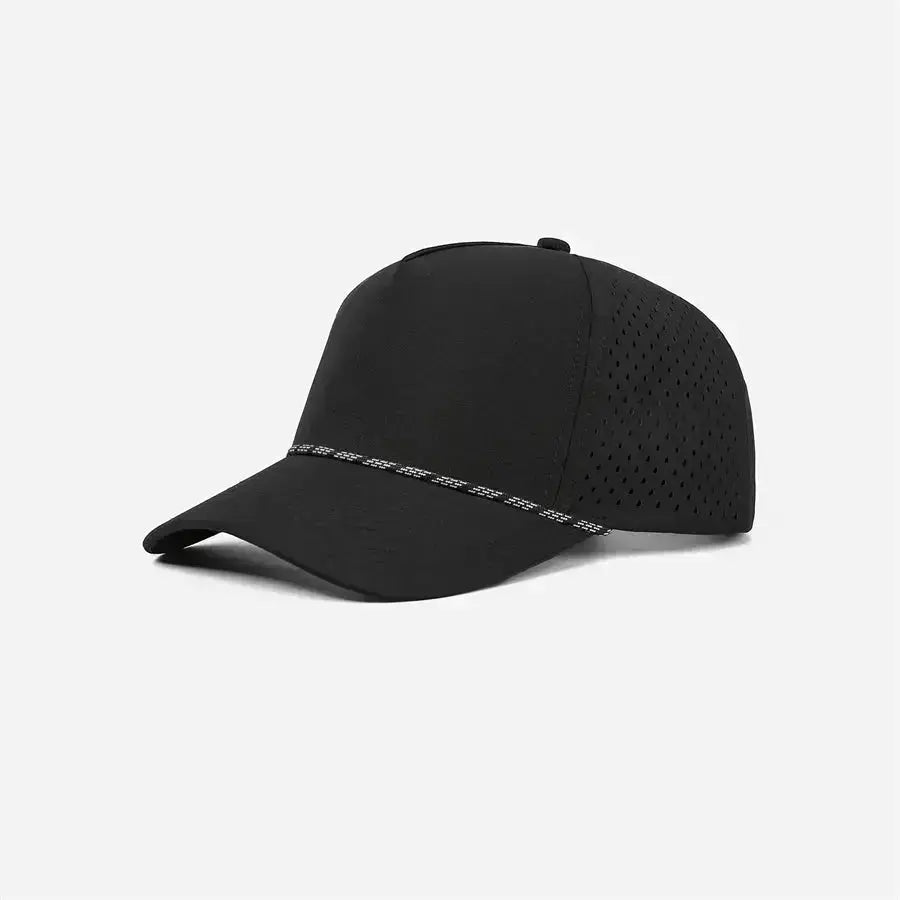
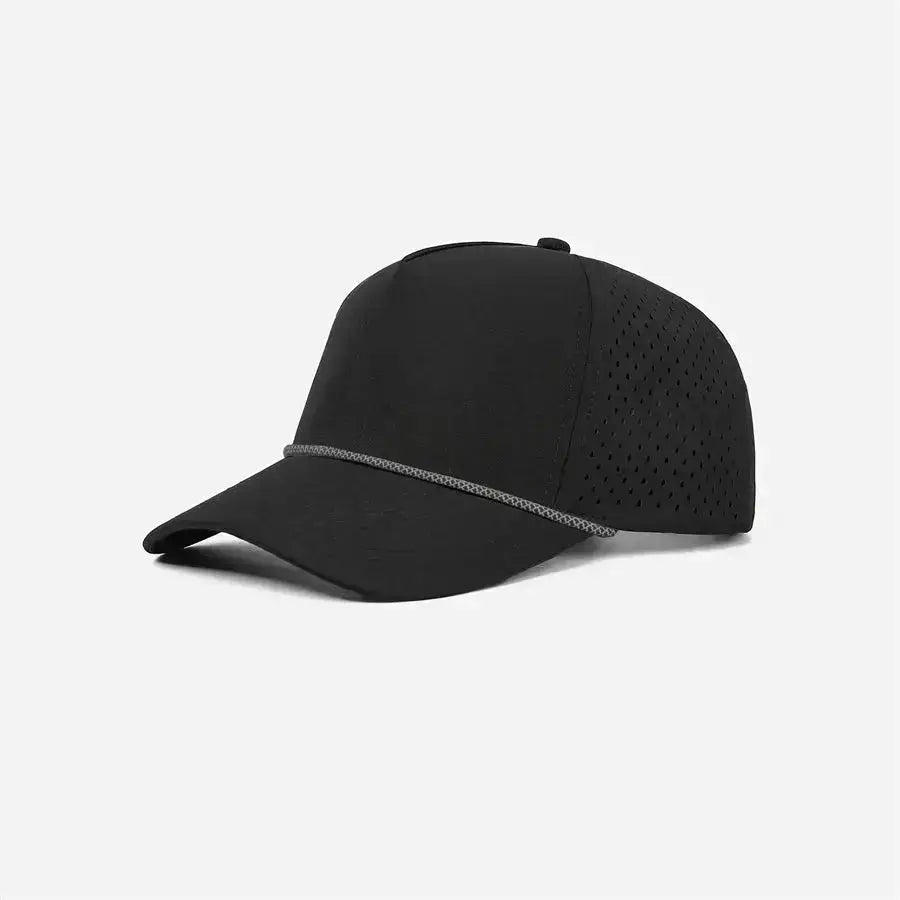
Are Sublimation Patches Good for Hats?
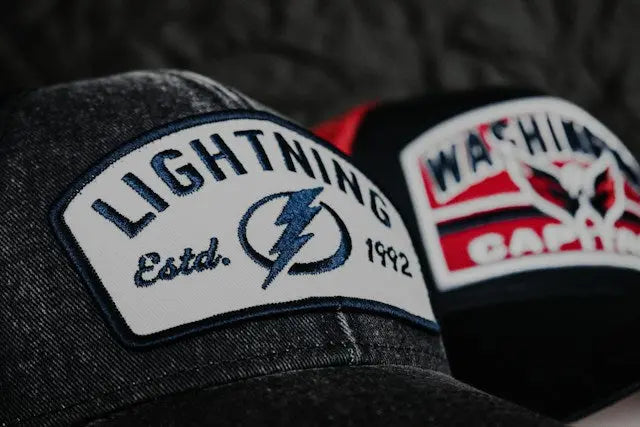
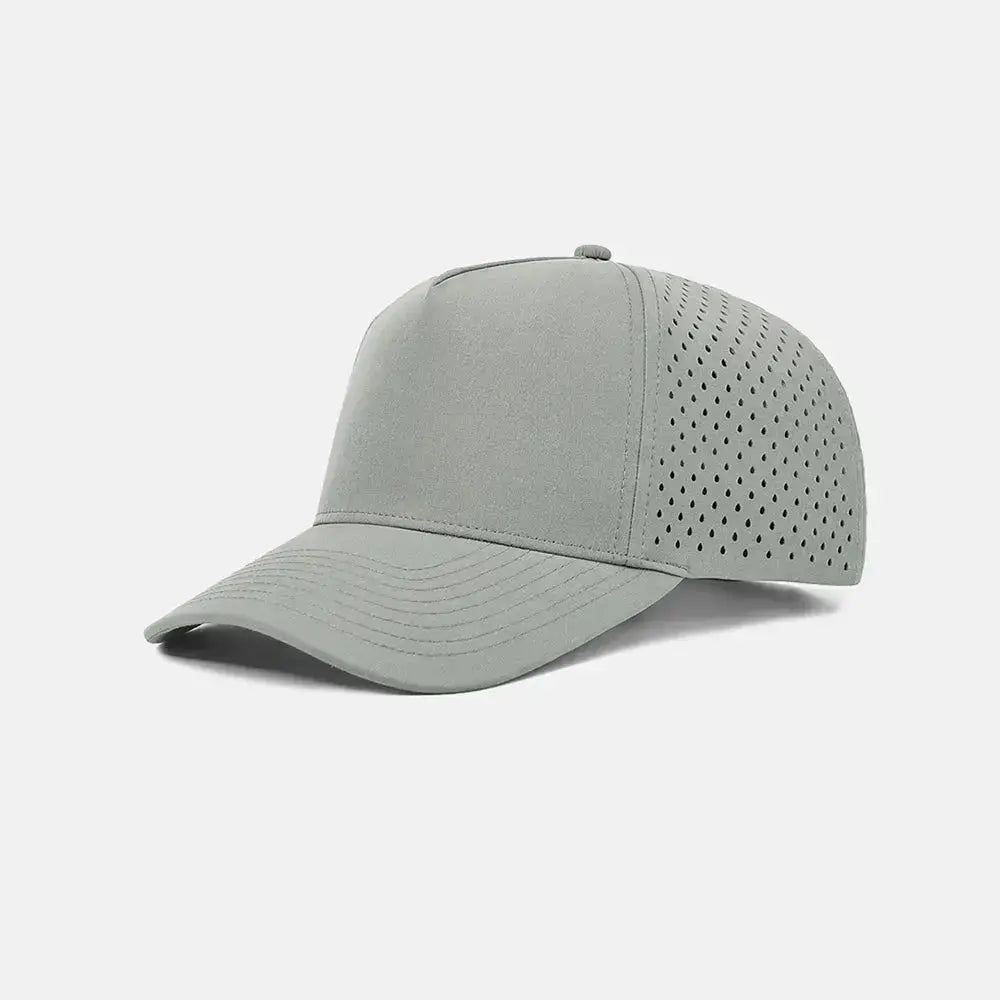
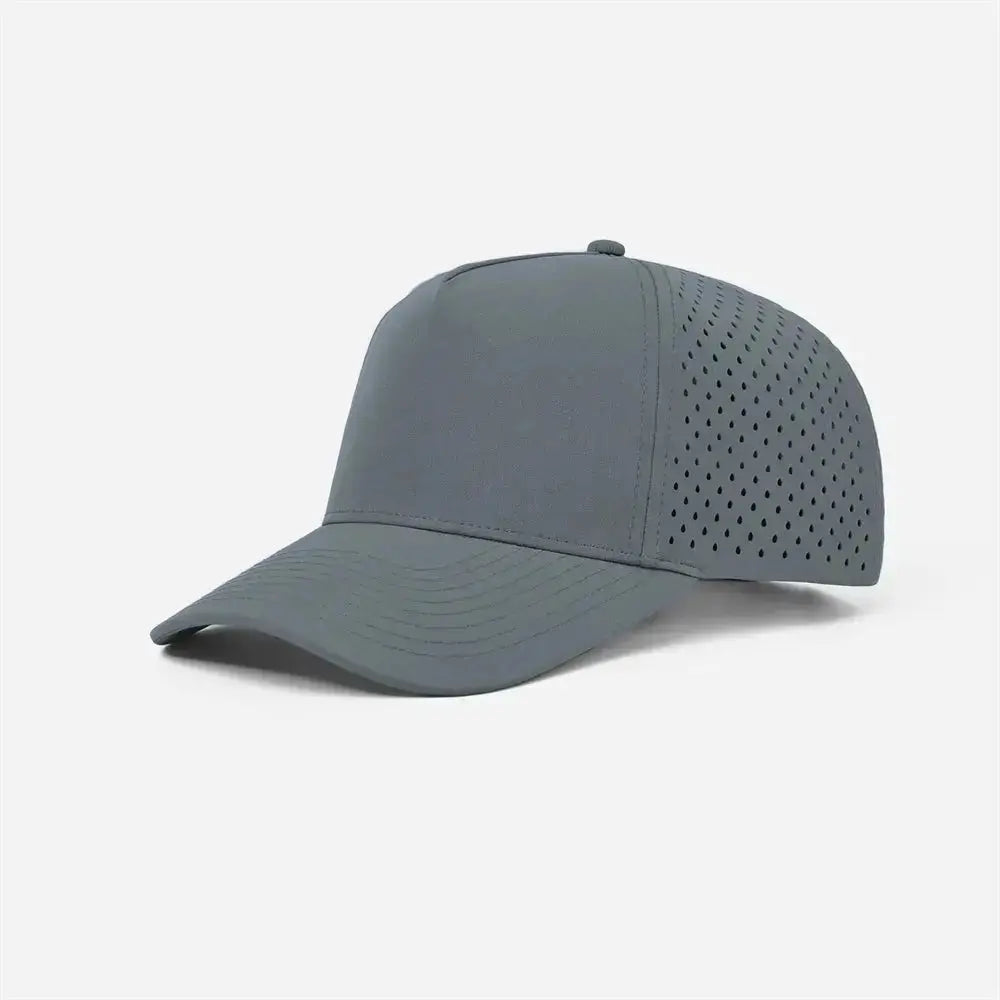
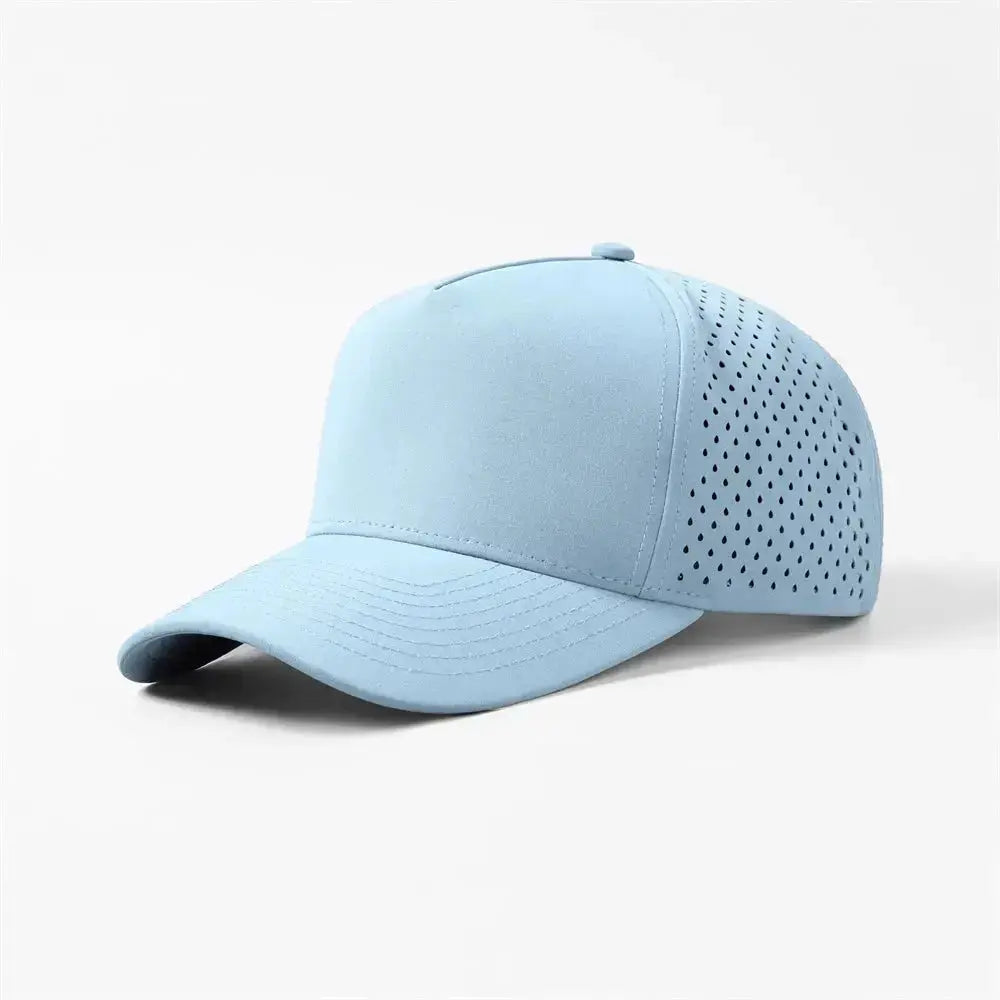
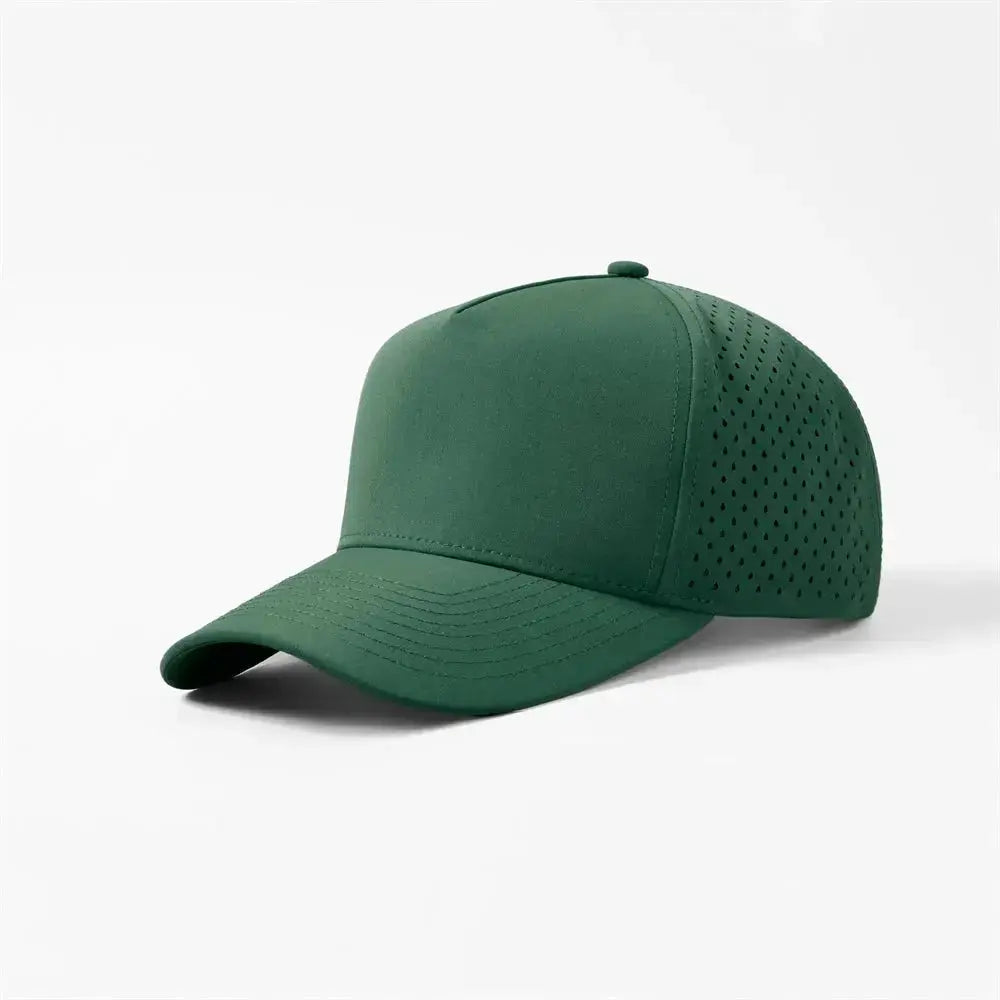
Yes. Sublimation patches are suitable for many types of custom hats, particularly when the artwork is too detailed for embroidery.
They can be applied to:
- Baseball caps
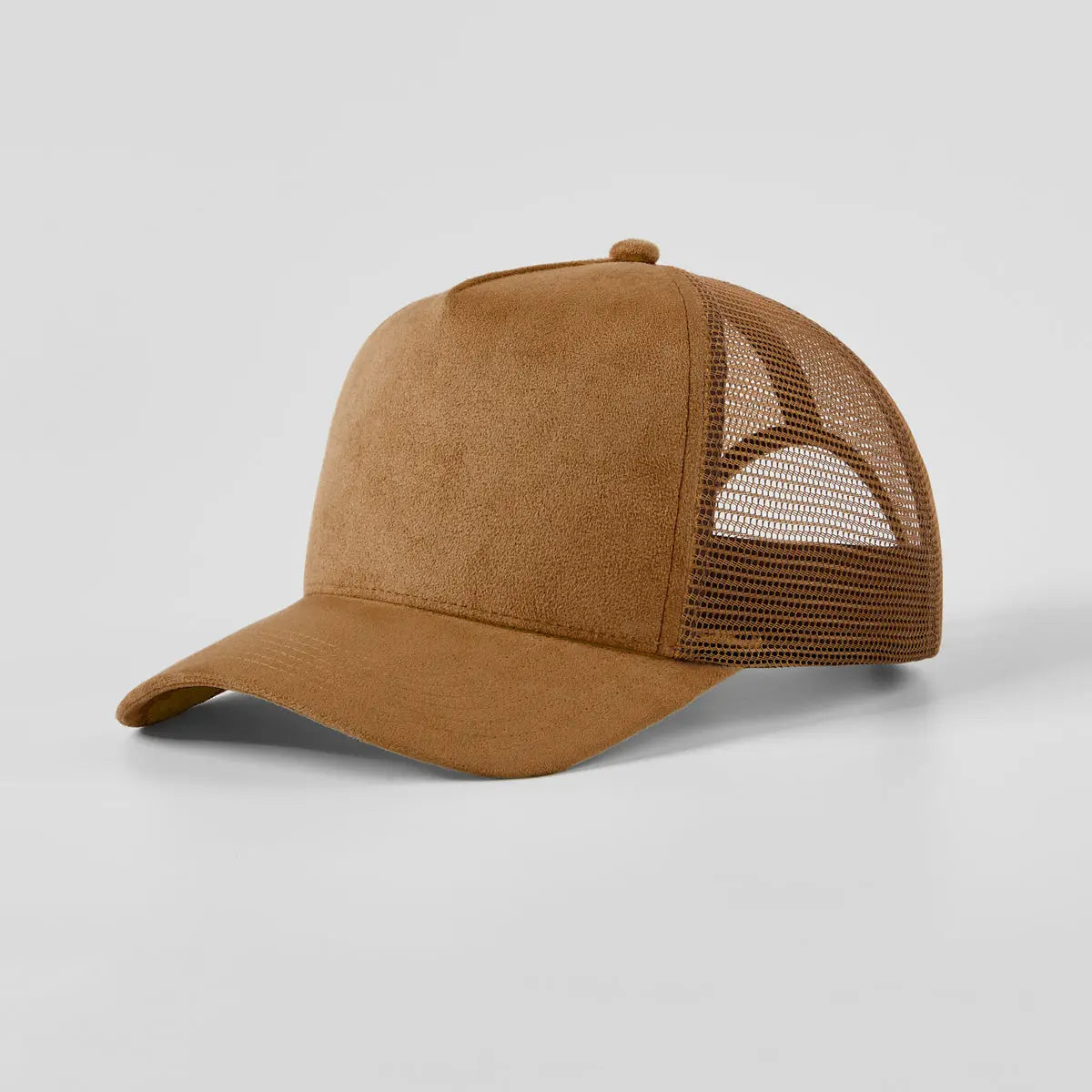
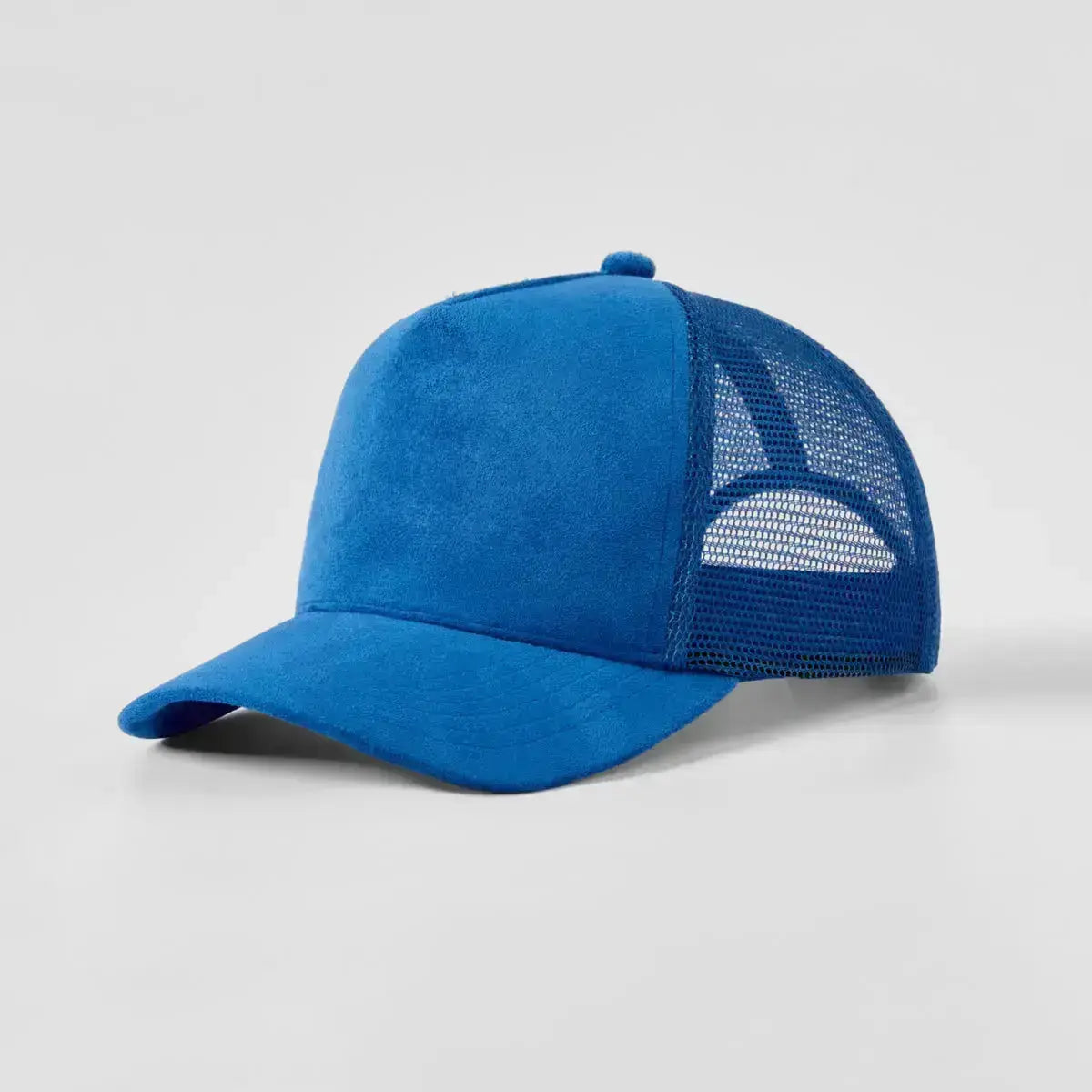
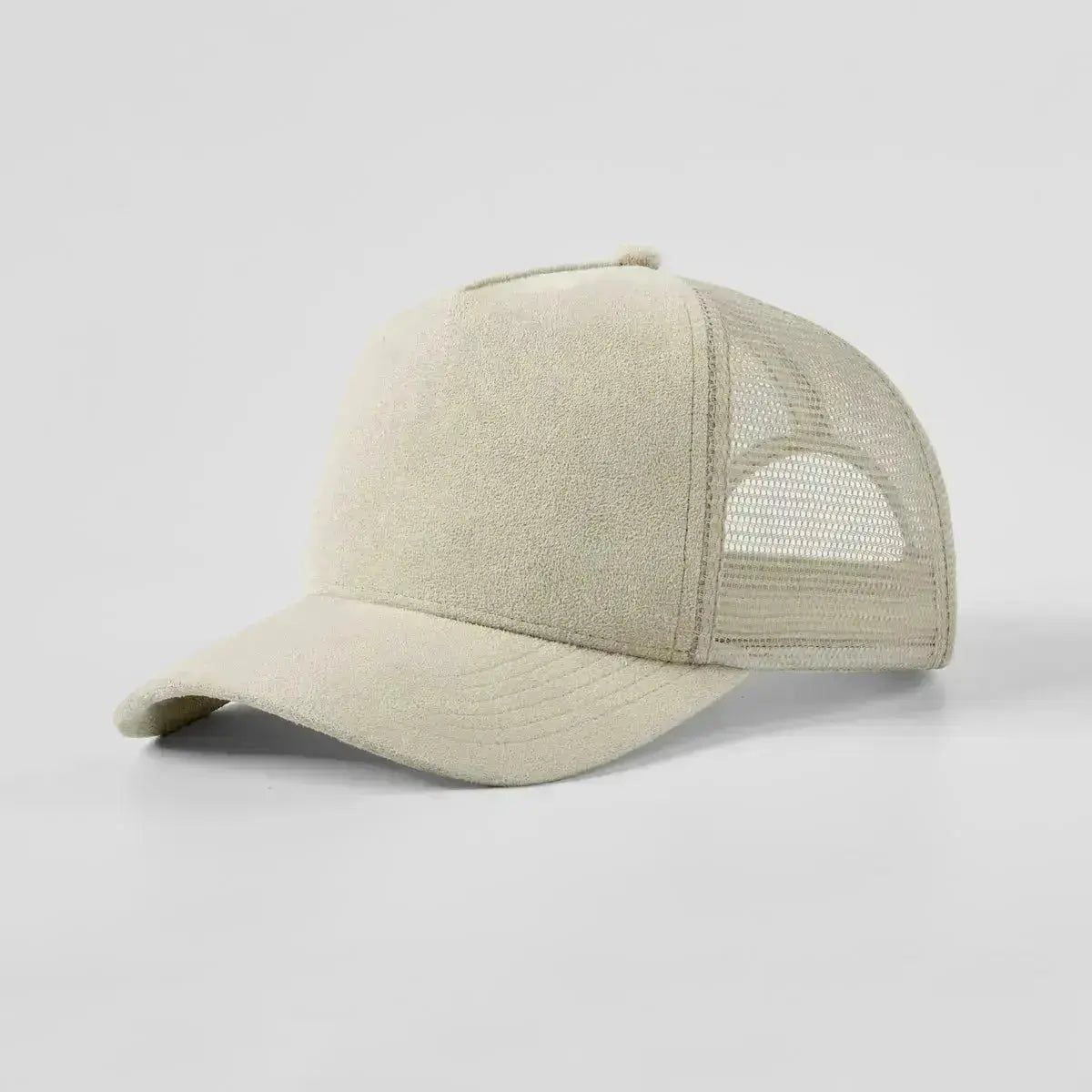
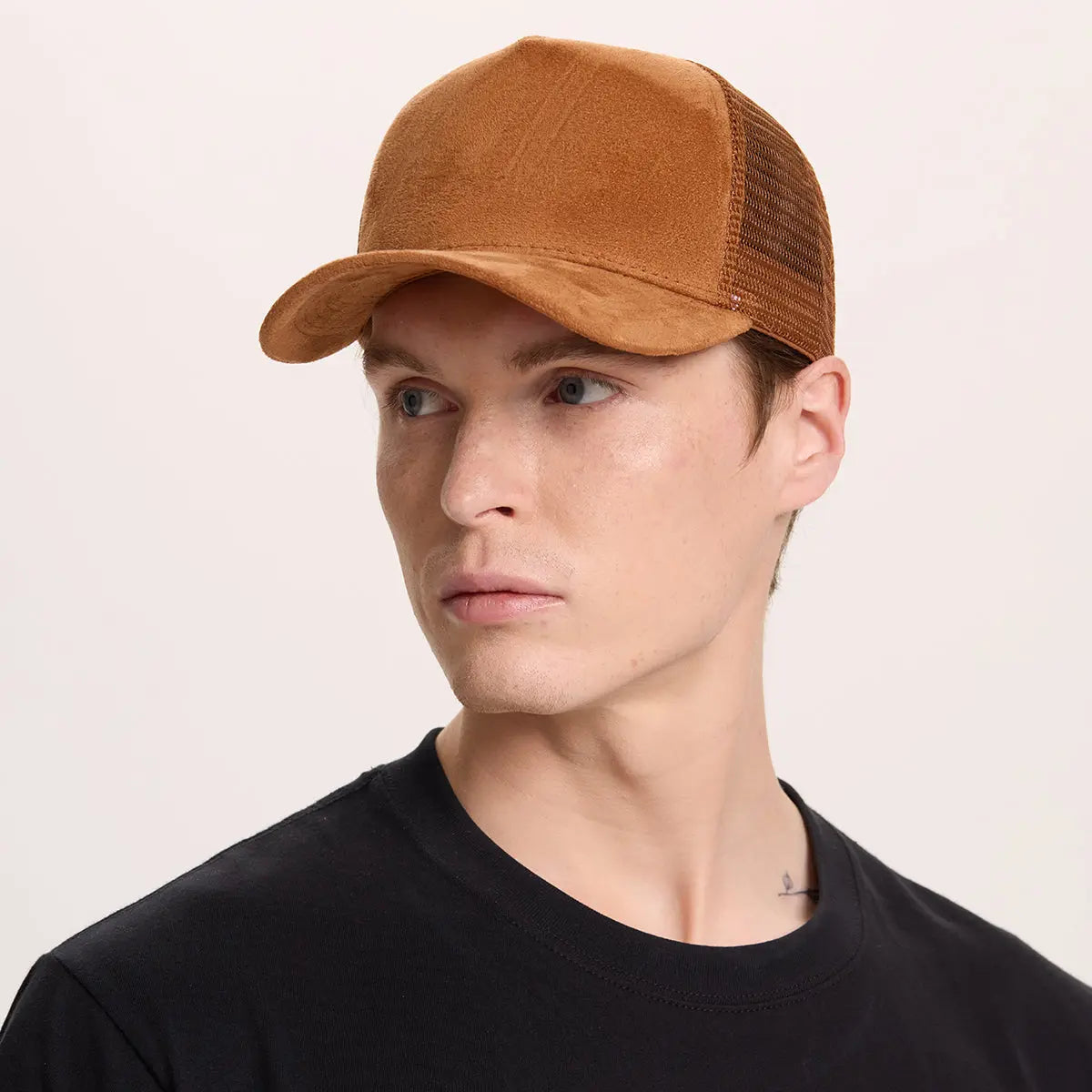
- Trucker hats
- Snapback hats
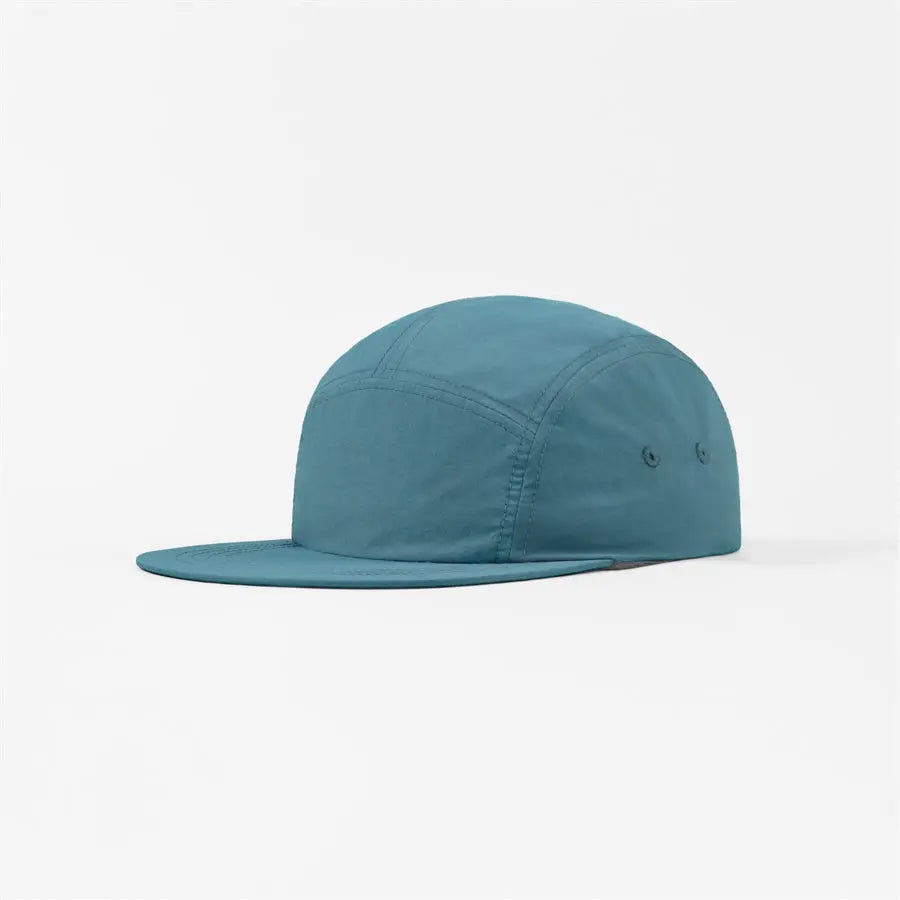
- Five-panel caps
- Dad hats
- Rope caps
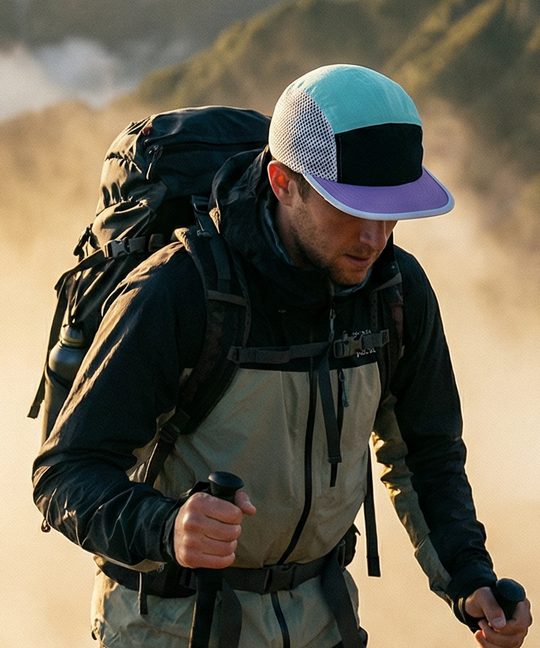
- Performance caps
- Beanies
- Camper caps
- Bucket hats
The correct patch size and attachment method depend on the hat structure.
Structured Caps
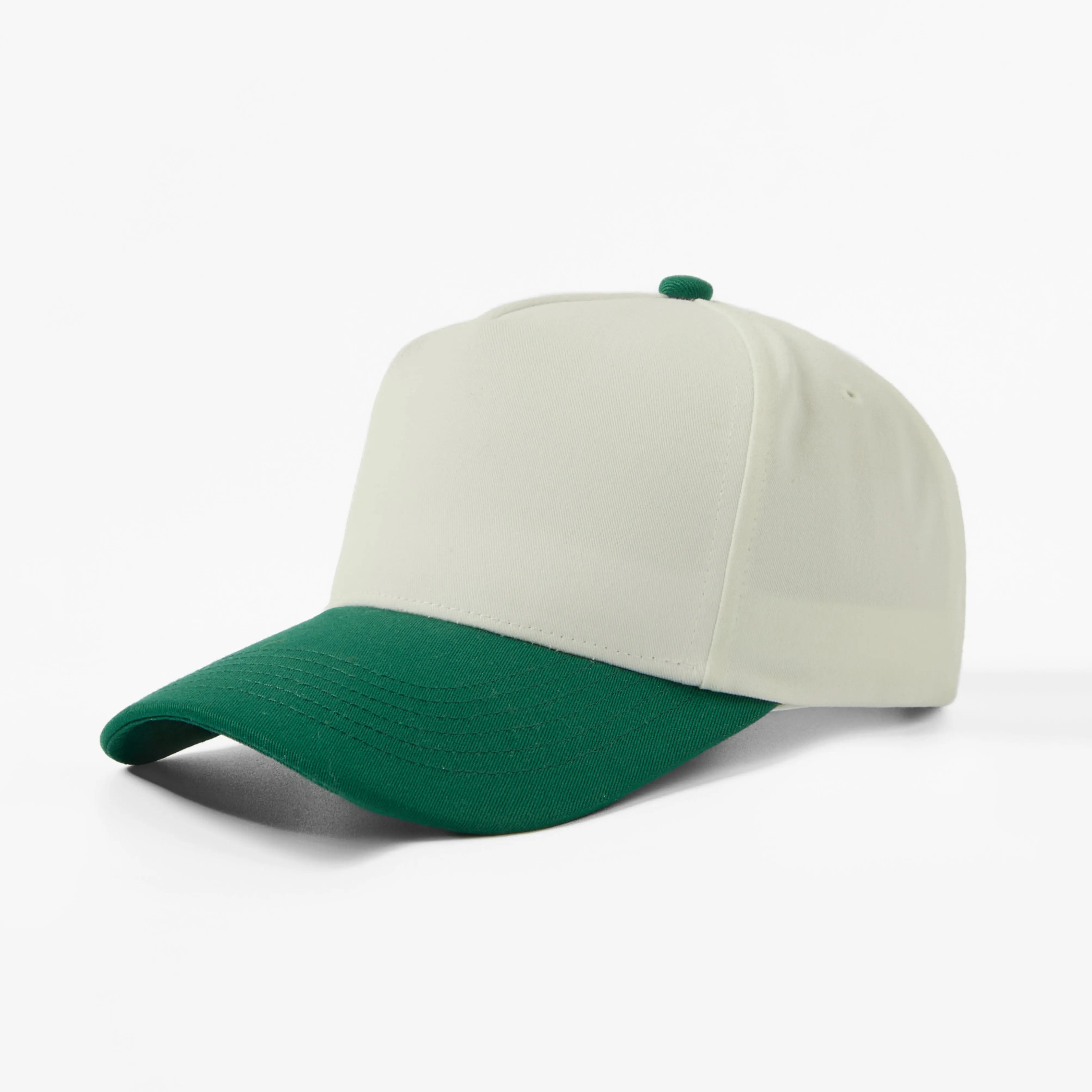
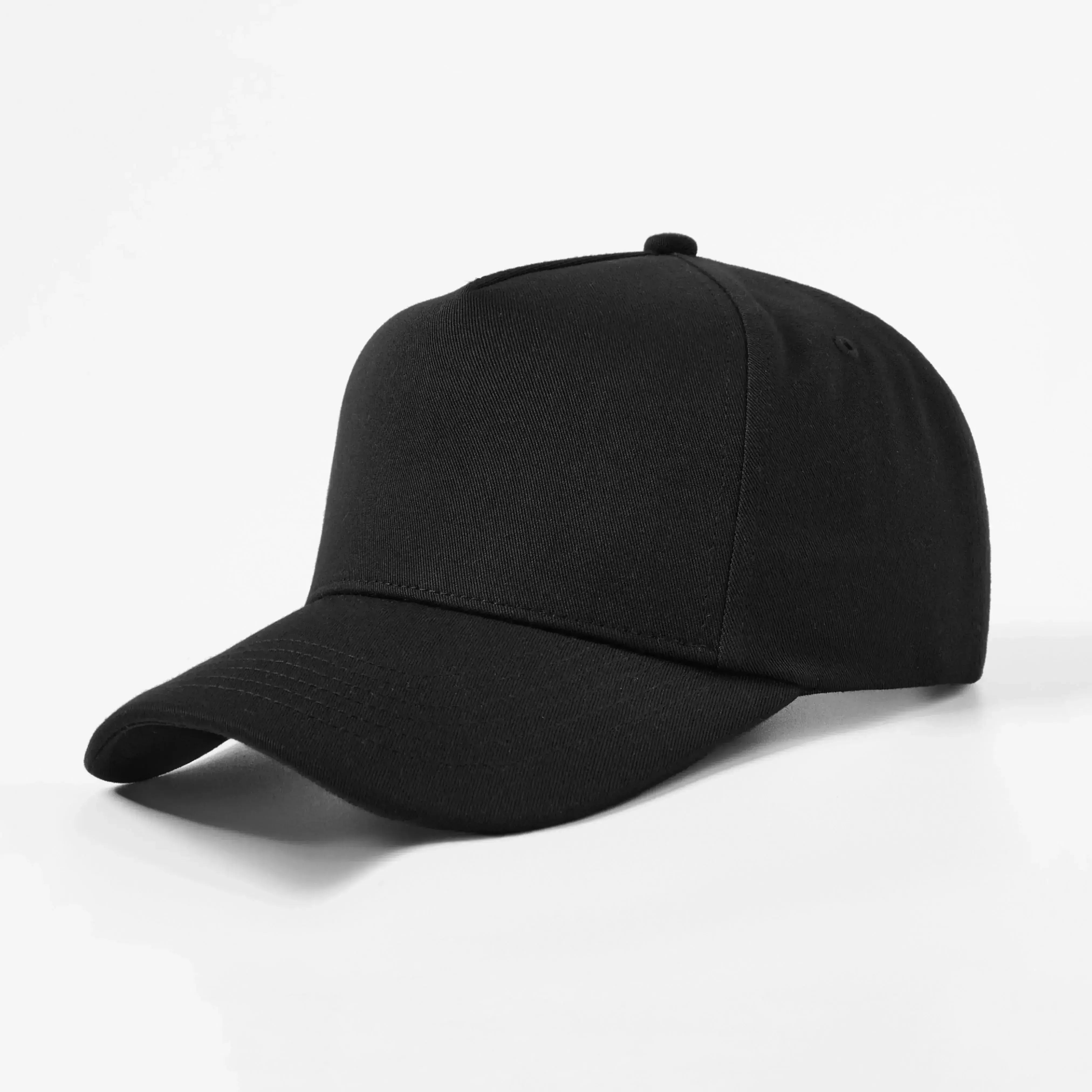
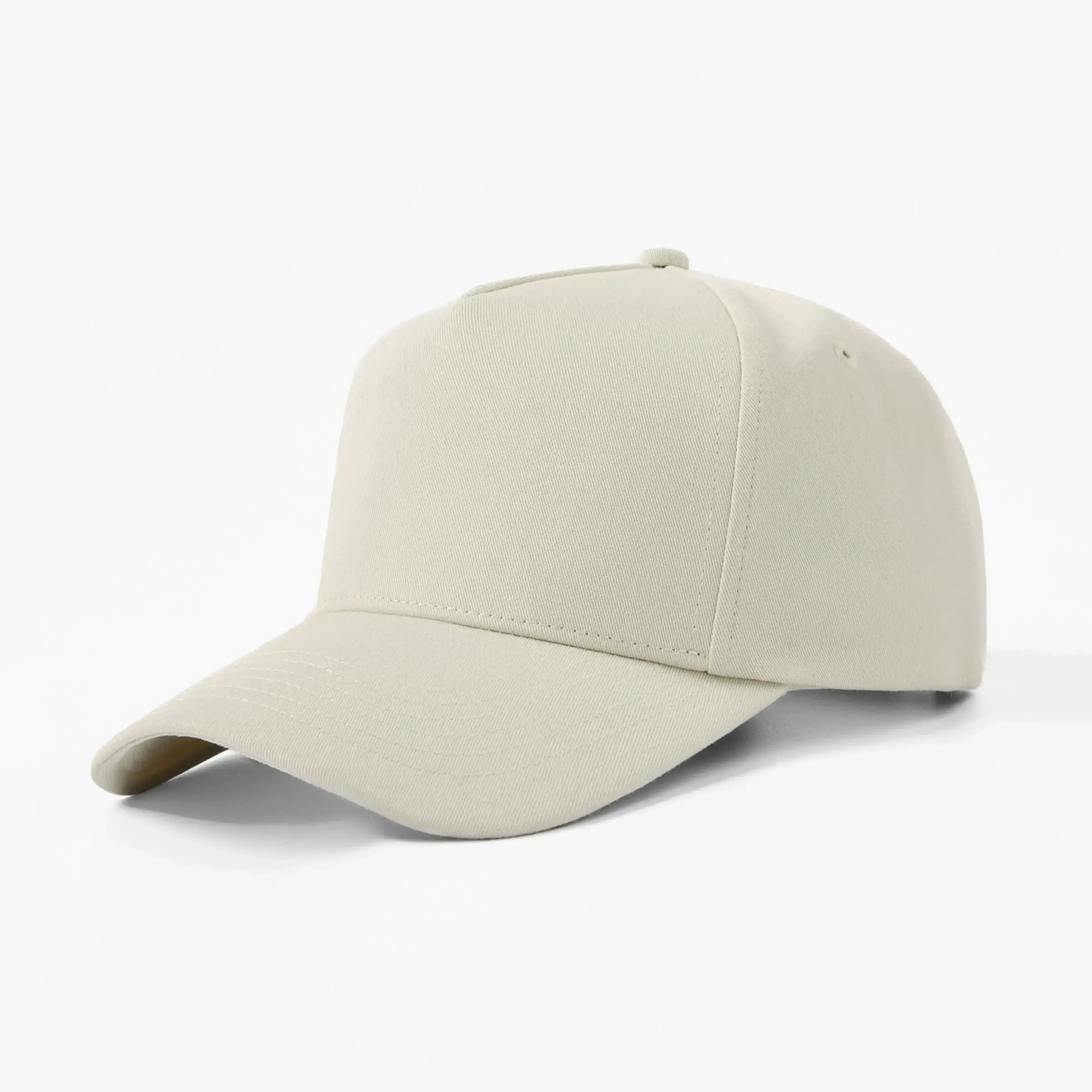
Structured baseball caps, snapbacks, and trucker hats provide stable front panels that can support medium or large patches.
Sew-on and heat-applied patches may both be available, depending on the fabric and construction.
Unstructured Caps
Dad hats and soft five-panel caps may distort if the patch is too large, thick, or rigid. A lightweight sublimation patch with a thin edge can help maintain a natural fit.
Performance Caps
Performance caps often use lightweight polyester, nylon, or stretch fabric. Heat application must be tested carefully because excessive temperature may affect coatings, stretch, color, or fabric performance.
Sewing may provide a safer attachment option for some technical materials.
Beanies
Sublimation patches can be sewn onto cuffed beanies, but the patch should not be so wide or stiff that it restricts stretch.
A flexible patch construction generally works better on knitted materials.
How to Design a Sublimation Patch
Use High-Resolution Artwork
Low-resolution graphics may appear blurry or pixelated. Supply vector artwork whenever possible.
Recommended file formats may include:
- AI
- EPS
- SVG
- PSD
- High-resolution PNG
- High-resolution TIFF
Maintain Strong Contrast
Small text and fine details need sufficient contrast against the background. Dark text on a dark background or light elements on a pale background may be difficult to distinguish.
Consider the Finished Size
Artwork that looks clear on a computer screen may become unreadable after it is reduced to patch size.
Review the design at its actual production dimensions before approval.
Keep Text Readable
Avoid using excessively thin fonts. Small script lettering and narrow strokes may become difficult to read, even with high-quality printing.
Add Border Space
Leave sufficient space between important artwork and the patch edge. Text and logos positioned too close to the cutting line may appear crowded or uneven.
Choose the Right Shape
A patch shape should complement the artwork and the available decoration area.
Simple shapes are suitable for traditional merrowed borders, while irregular shapes usually work better with laser-cut or heat-cut edges.
Plan for the Hat’s Seams
Hat seams, eyelets, visor position, crown curve, and panel shape can affect the patch placement.
A patch that works on a broad five-panel front may not fit the same way on a curved six-panel crown.
Common Mistakes to Avoid
Using Low-Resolution Images
A low-quality image cannot automatically become sharp simply because sublimation printing supports fine detail.
Start with the best available artwork.
Making the Patch Too Large
An oversized patch may not follow the hat’s crown naturally. It can create lifting, wrinkles, or stiffness.
Ignoring the Hat’s Curvature
Flat artwork must be attached to a curved surface. Patch dimensions should be selected according to the crown profile and front-panel width.
Selecting the Wrong Border
A thick merrowed border may overwhelm a small patch or fail to follow a complex shape. A thin heat-cut edge is often better for detailed custom outlines.
Using Heat Without Testing
Some performance fabrics, waterproof coatings, foam fronts, and synthetic materials may be damaged by high temperature.
Always test the application method before production.
Expecting Exact Screen Colors
Digital screens display colors using light, while physical patches reproduce colors with dye on fabric. Sample approval is the most reliable way to evaluate the finished color.
Skipping a Physical Sample
A digital mockup shows the design and general placement, but it cannot fully demonstrate texture, color, thickness, flexibility, border quality, or attachment.
How to Order Custom Sublimation Patches
Before requesting a quote, prepare the following information:
- Patch quantity
- Finished dimensions
- Patch shape
- High-resolution artwork
- Required border type
- Backing or attachment method
- Product receiving the patch
- Logo placement
- Delivery location
- Required delivery date
- Packaging requirements
If the patches will be applied to hats, also provide:
- Hat style or SKU
- Hat color
- Crown structure
- Crown profile
- Front-panel dimensions
- Patch position
- Preferred attachment method
A digital mockup should be reviewed first, followed by a physical sample when color, fit, or construction is critical.
How to Care for Sublimation Patches
Care requirements depend on the patch material, backing, border, and product to which it is attached.
General recommendations include:
- Follow the finished product’s care label.
- Wash with cool or lukewarm water when permitted.
- Use mild detergent.
- Avoid chlorine bleach.
- Avoid aggressive scrubbing around the patch.
- Do not expose heat-sensitive fabrics to high temperatures.
- Air-dry when possible.
- Avoid ironing directly over the printed patch.
- Check sewn edges periodically on frequently used items.
Sew-on patches generally offer greater security for items that are washed or worn frequently.
Frequently Asked Questions
What is a sublimation patch?
A sublimation patch is a polyester fabric patch with artwork transferred into the fibers using dye, heat, and pressure. It provides a smooth surface with vivid colors and detailed graphics.
Can sublimation patches reproduce photographs?
Yes. They are one of the most suitable patch options for photo-style artwork, gradients, shading, and complex illustrations.
Are sublimation patches durable?
A properly produced sublimation design becomes part of the polyester fibers, so it does not normally crack or peel like some surface prints. Overall durability also depends on the fabric, border, backing, attachment, and care.
Can sublimation patches be ironed onto hats?
Heat-seal backing may be available, but the hat fabric and construction must tolerate the required temperature and pressure. Sewing may be safer for some performance and heat-sensitive materials.
Can sublimation patches have embroidered borders?
Yes. A sublimated patch face can be combined with an embroidered or merrowed border to add texture and create a traditional patch appearance.
Are sublimation patches waterproof?
Polyester patch materials may resist moisture, but a sublimation patch should not automatically be described as fully waterproof. Water resistance depends on the fabric, backing, border, attachment, and finished product construction.
Can sublimation patches be made in custom shapes?
Yes. Laser-cut and heat-cut edges are particularly suitable for irregular shapes and detailed outlines.
What is the minimum order quantity?
Minimum quantities depend on the supplier, patch specifications, production method, and whether the patch is ordered alone or applied to a product. Some suppliers offer small-batch production or no minimum order quantity for selected custom programs.
Is sublimation better than embroidery?
Neither method is universally better. Sublimation is better for gradients, numerous colors, fine details, and photo-style designs. Embroidery is better for raised texture, bold logos, and a traditional stitched appearance.
Custom Sublimation Patch Hats
Custom sublimation patch hats are suitable for:
- Company merchandise
- Employee uniforms
- Corporate gifts
- Sports teams
- Clubs and associations
- Outdoor brands
- Retail collections
- Schools and universities
- Events and festivals
- Tourism merchandise
- Promotional campaigns
- Holiday gifts
When ordering custom hats, select the hat style before finalizing the patch. The crown shape, front-panel width, fabric, seams, and visor position determine the most appropriate patch size and attachment method.
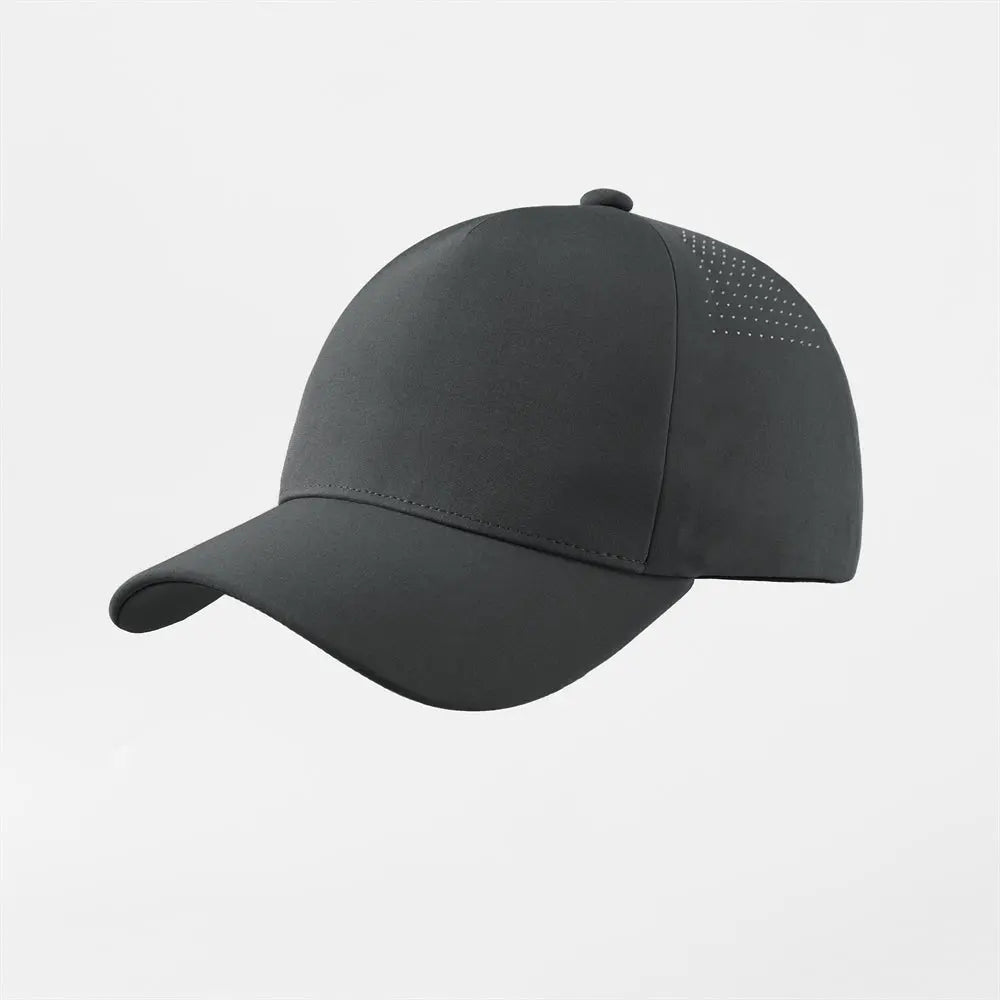
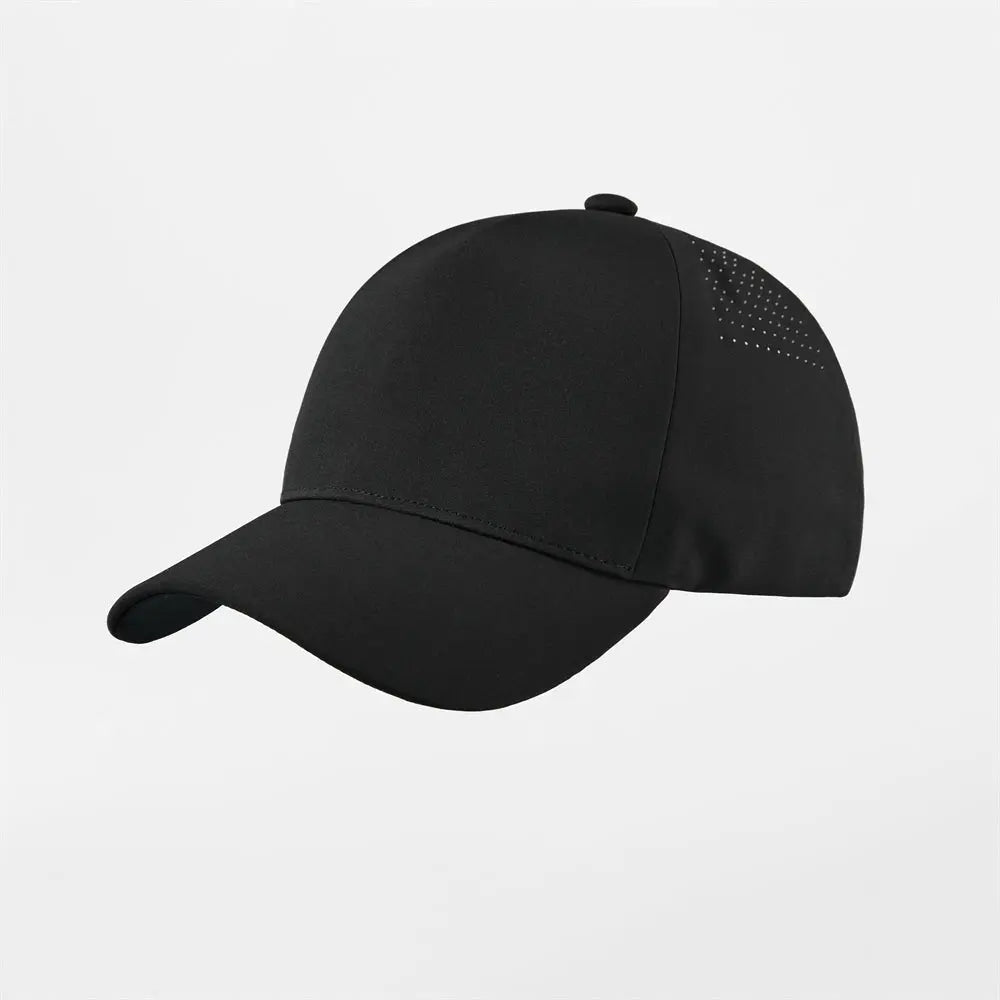
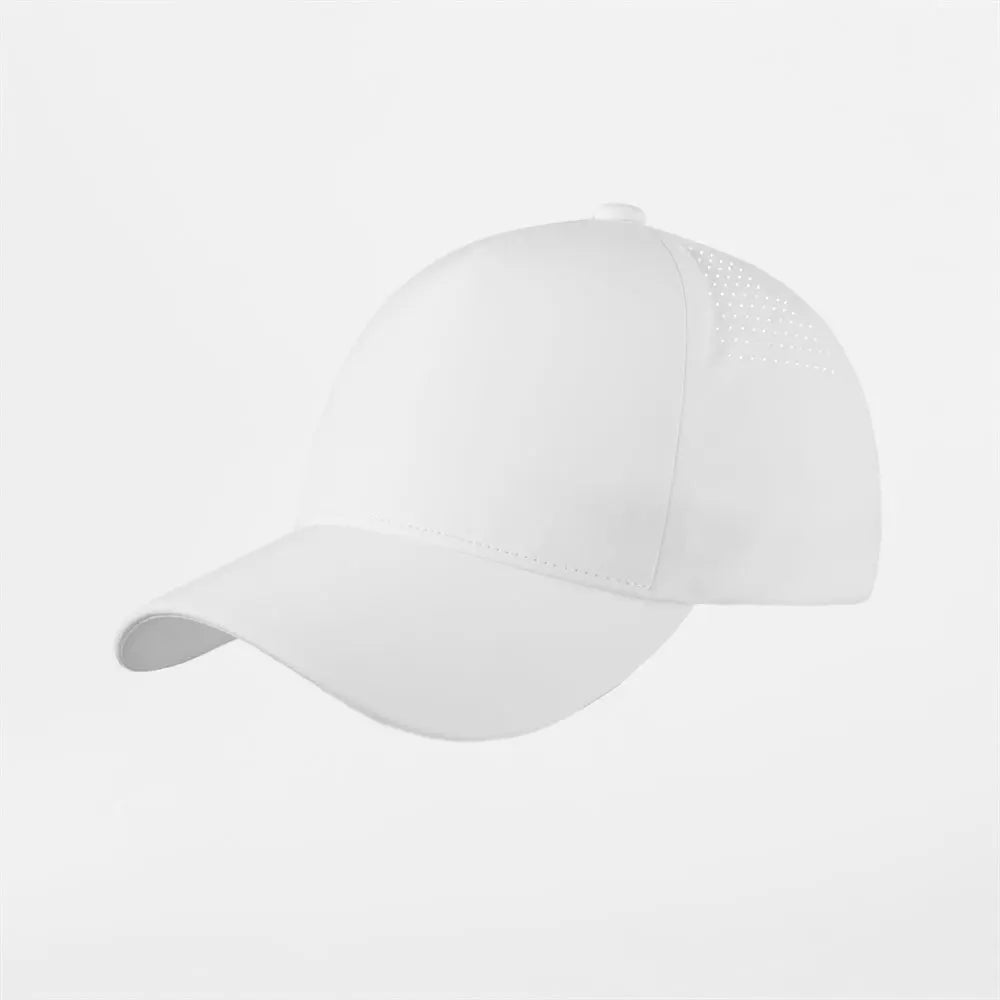
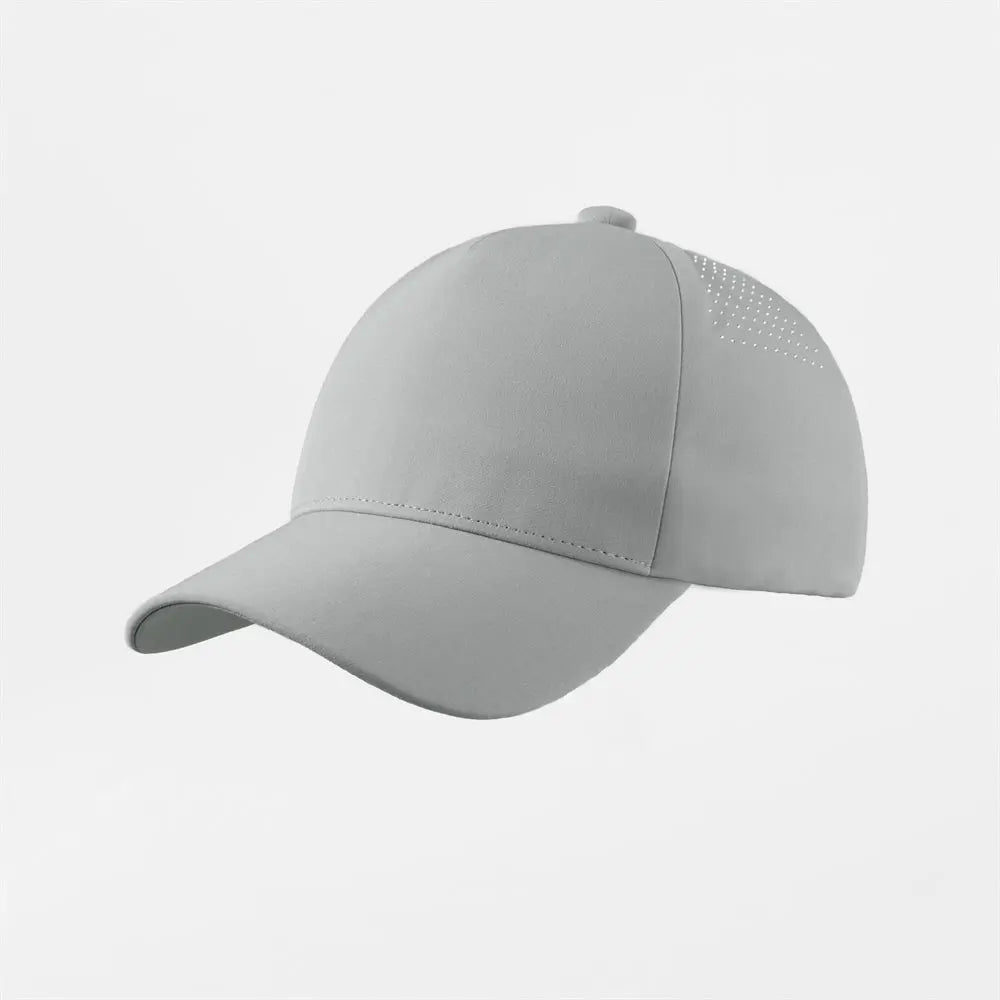
Foremost Hat offers blank and custom headwear with wholesale pricing, online customization, free digital mockups, and sample approval options. Available decoration methods include embroidery, printing, and custom patches for businesses, brands, teams, and promotional programs.
Conclusion
Sublimation patches provide a practical solution for designs that contain gradients, fine lines, small lettering, multiple colors, or photo-style details. Their smooth surface, lightweight construction, and flexible shape options make them suitable for custom hats, uniforms, apparel, bags, and branded merchandise.
However, a successful patch requires more than a detailed print. Buyers should also consider the polyester base material, patch size, border, backing, attachment method, product fabric, and final application.
For simple logos that need texture, an embroidered patch may be the better choice. For detailed logos with solid colors, a woven patch may offer the right balance. For colorful, complex, or photographic artwork, a sublimation patch is often the most effective option.