



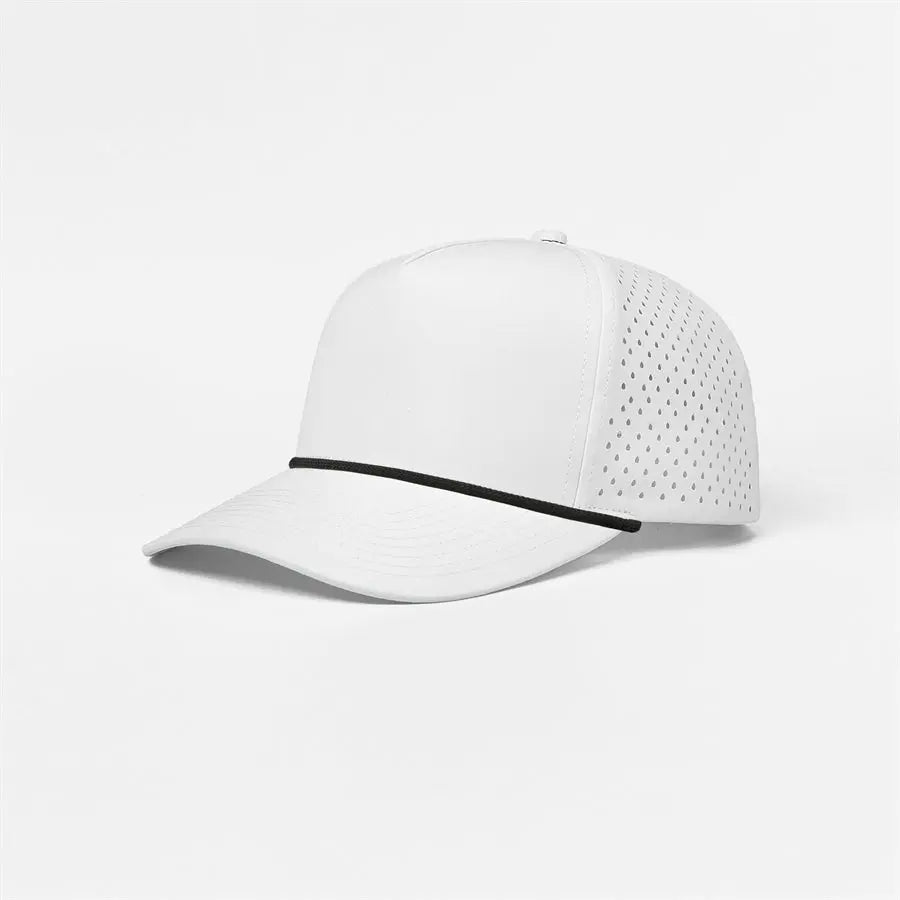
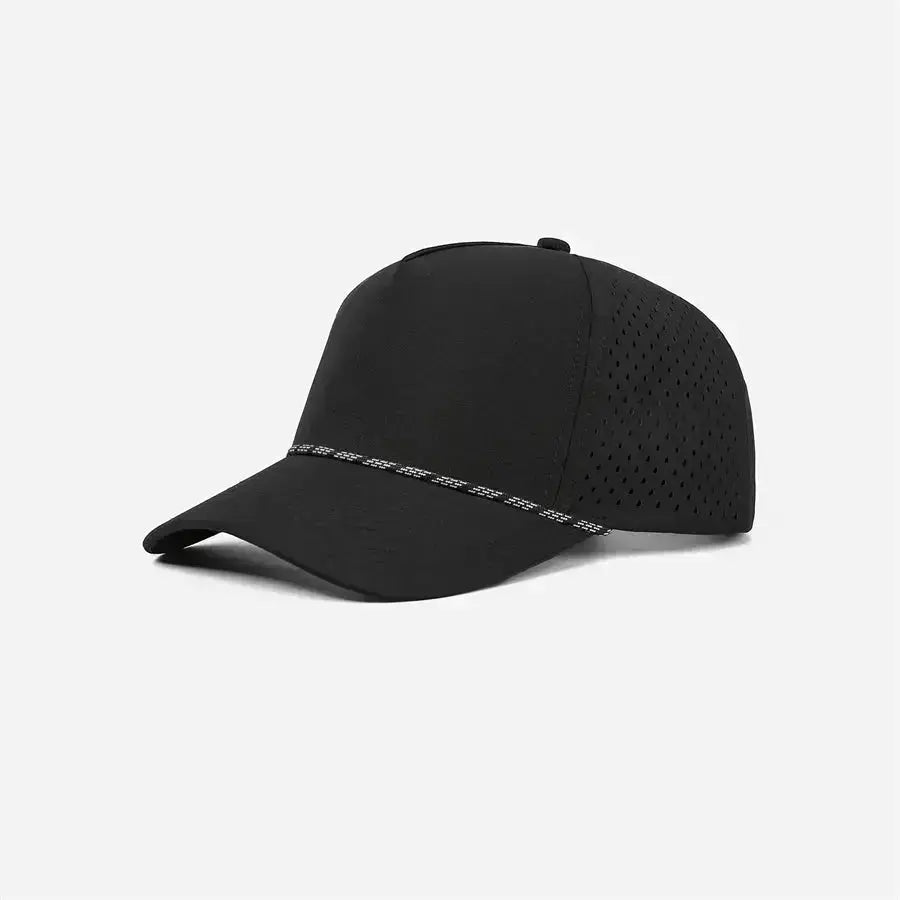
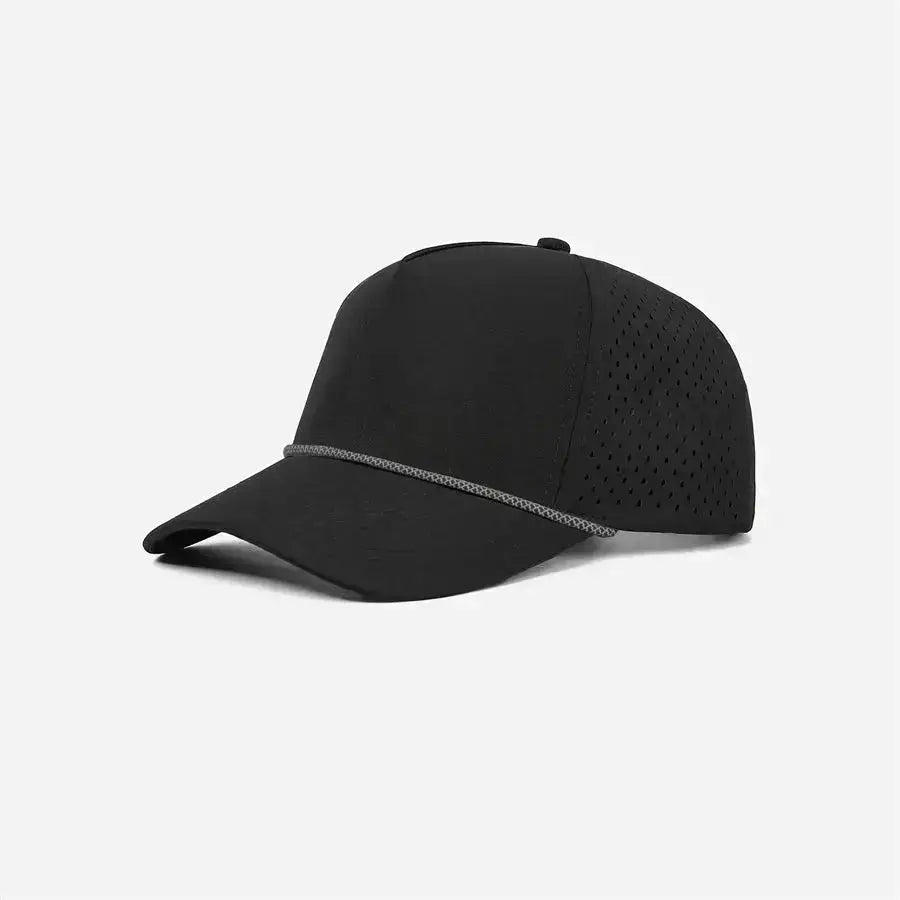
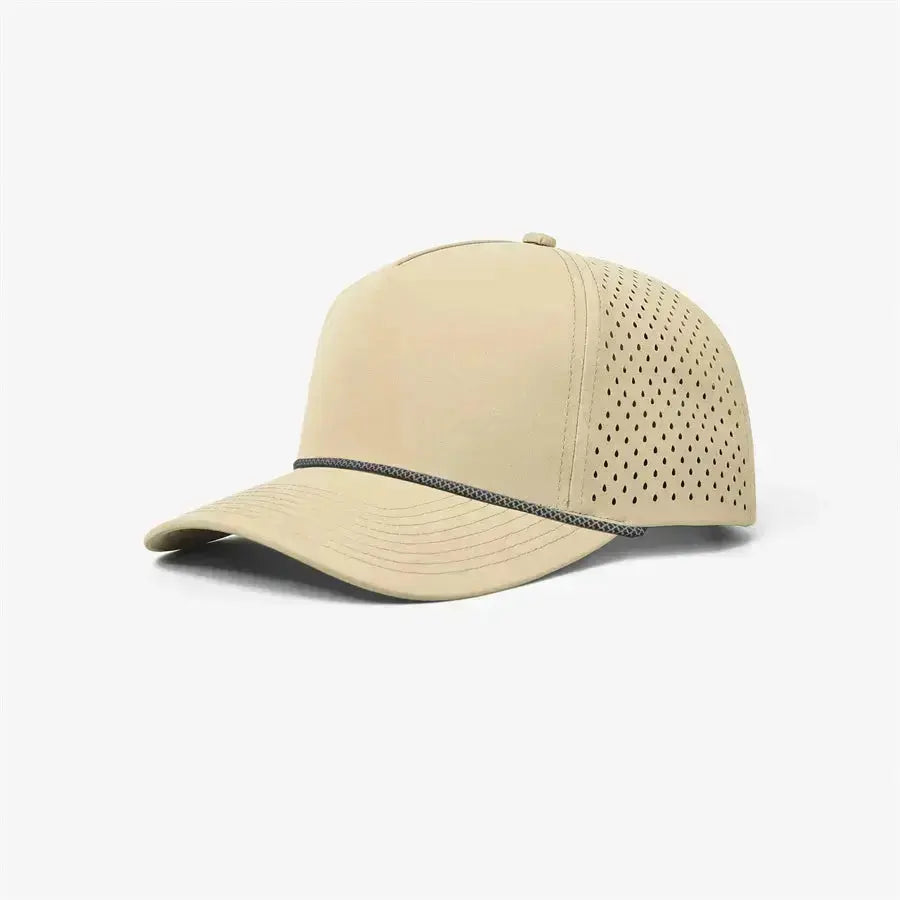
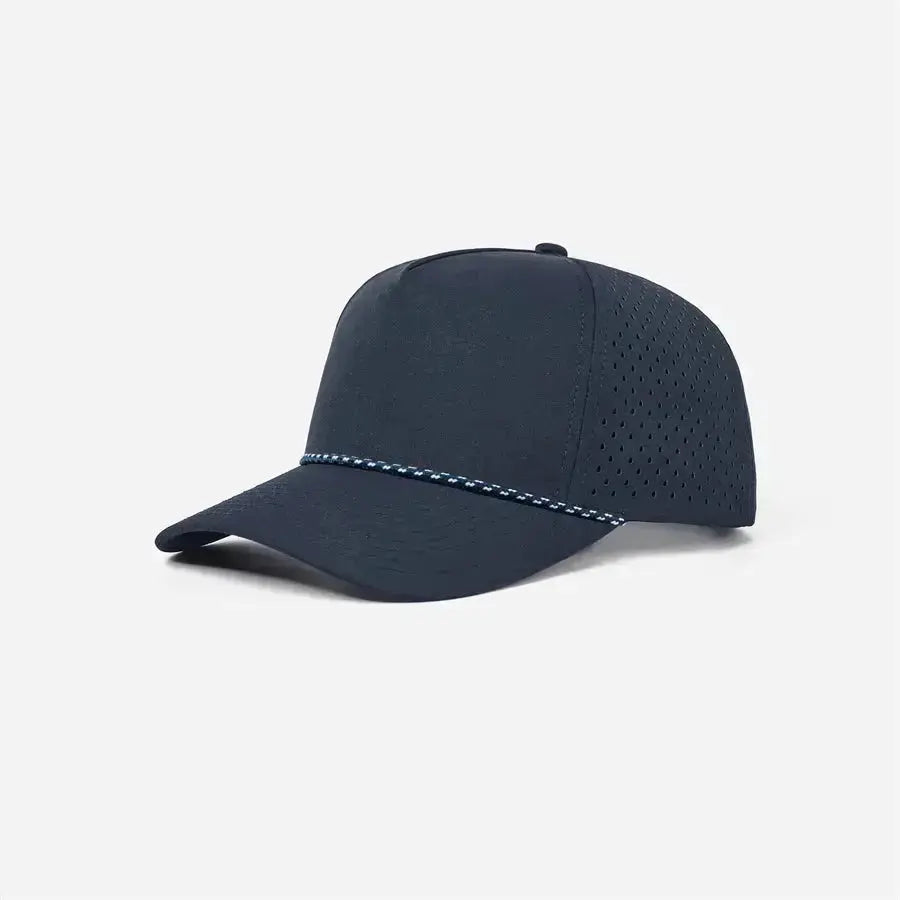
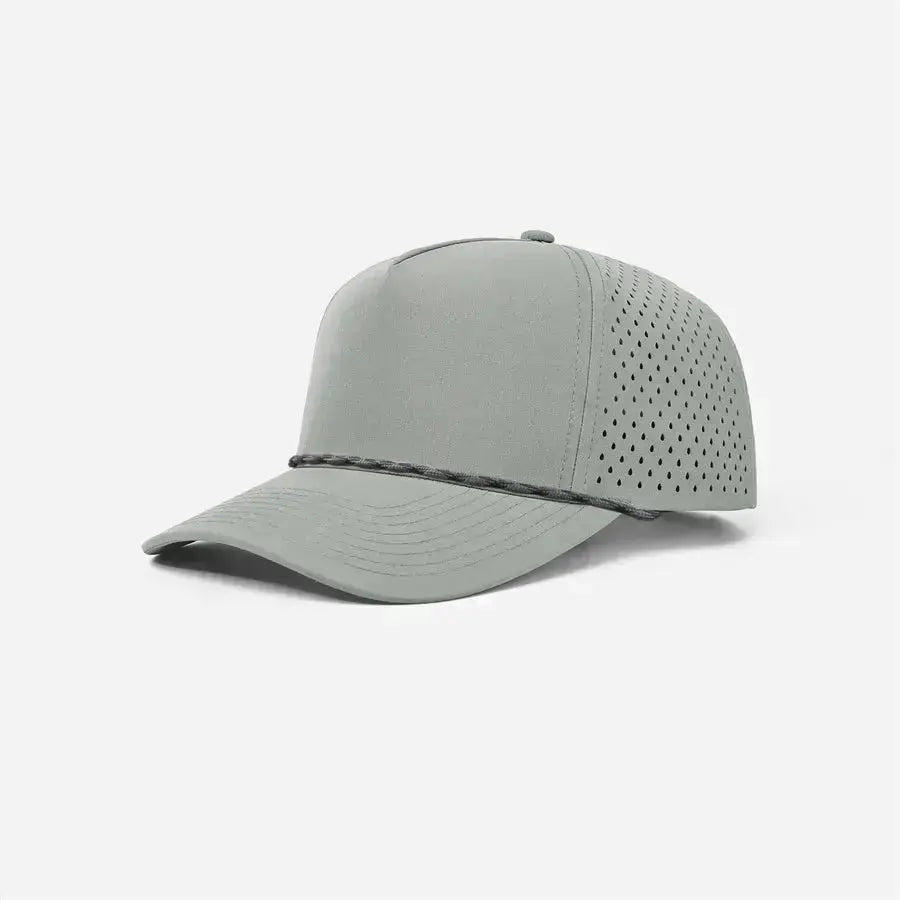
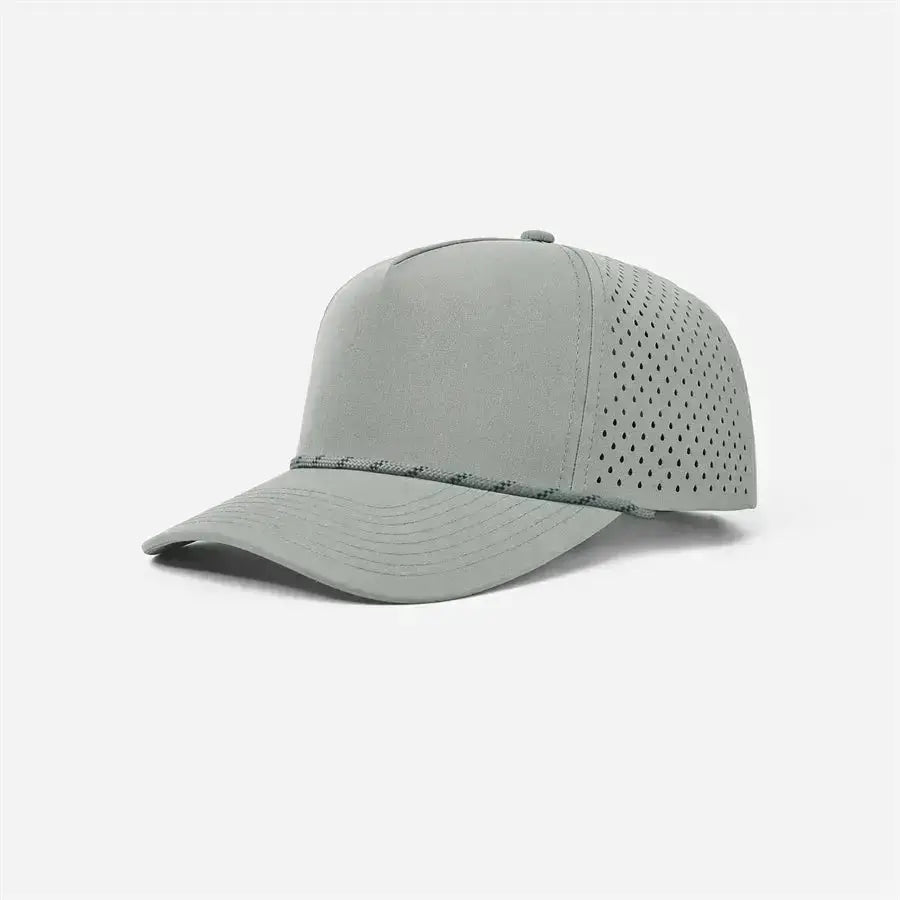
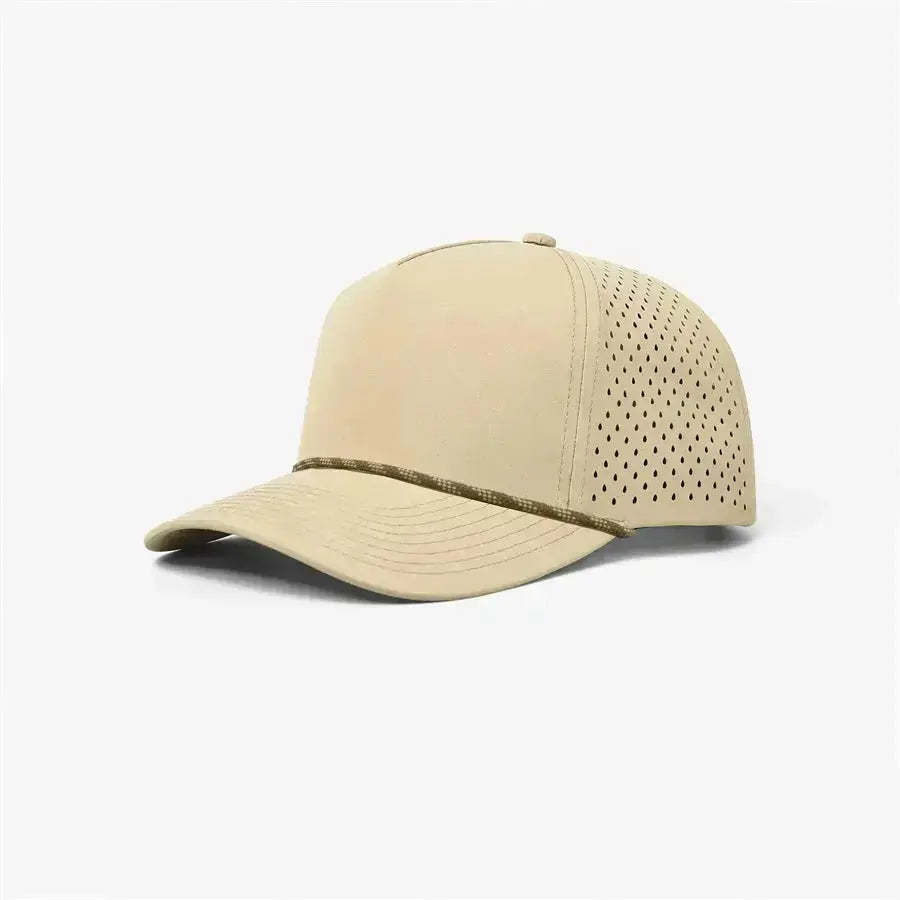








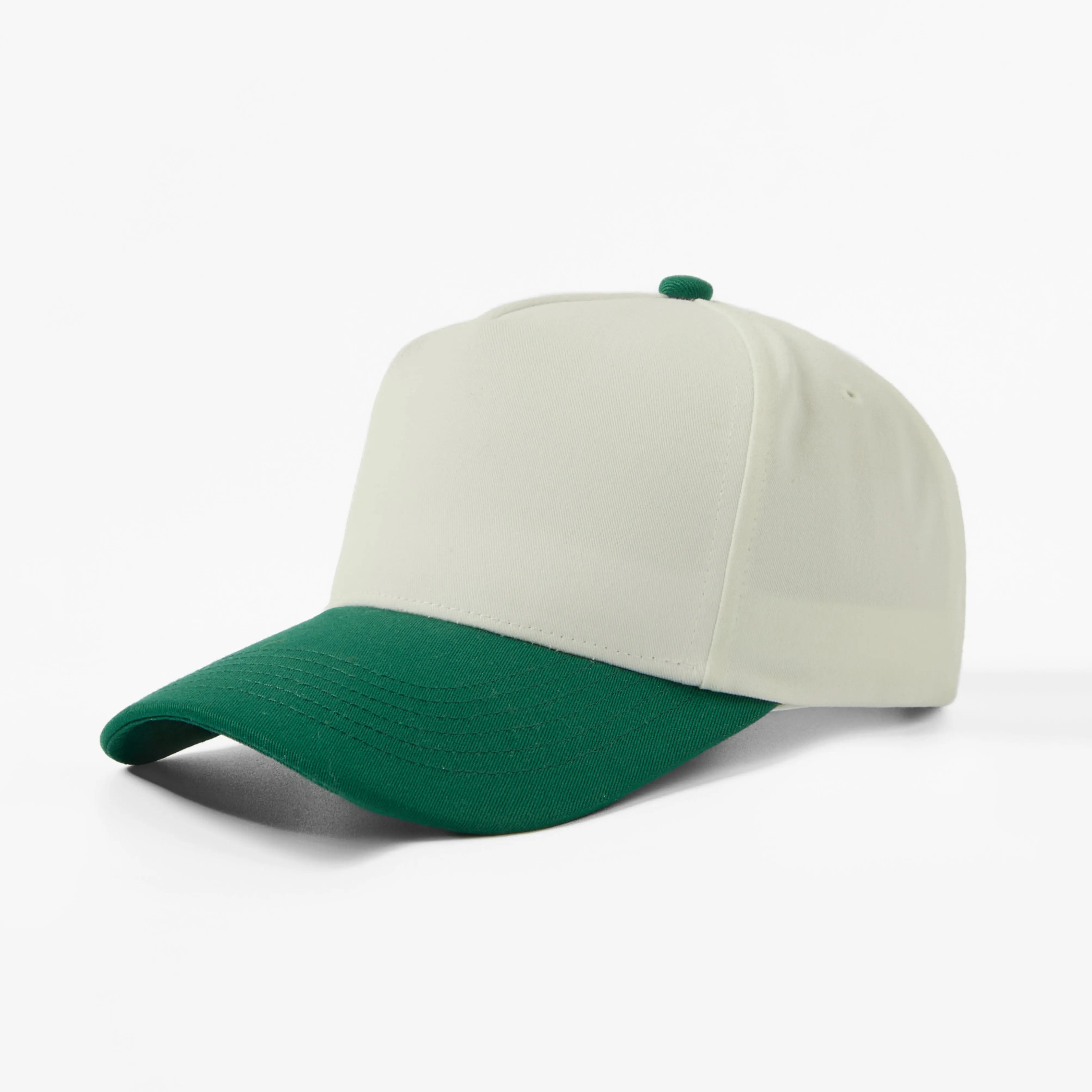
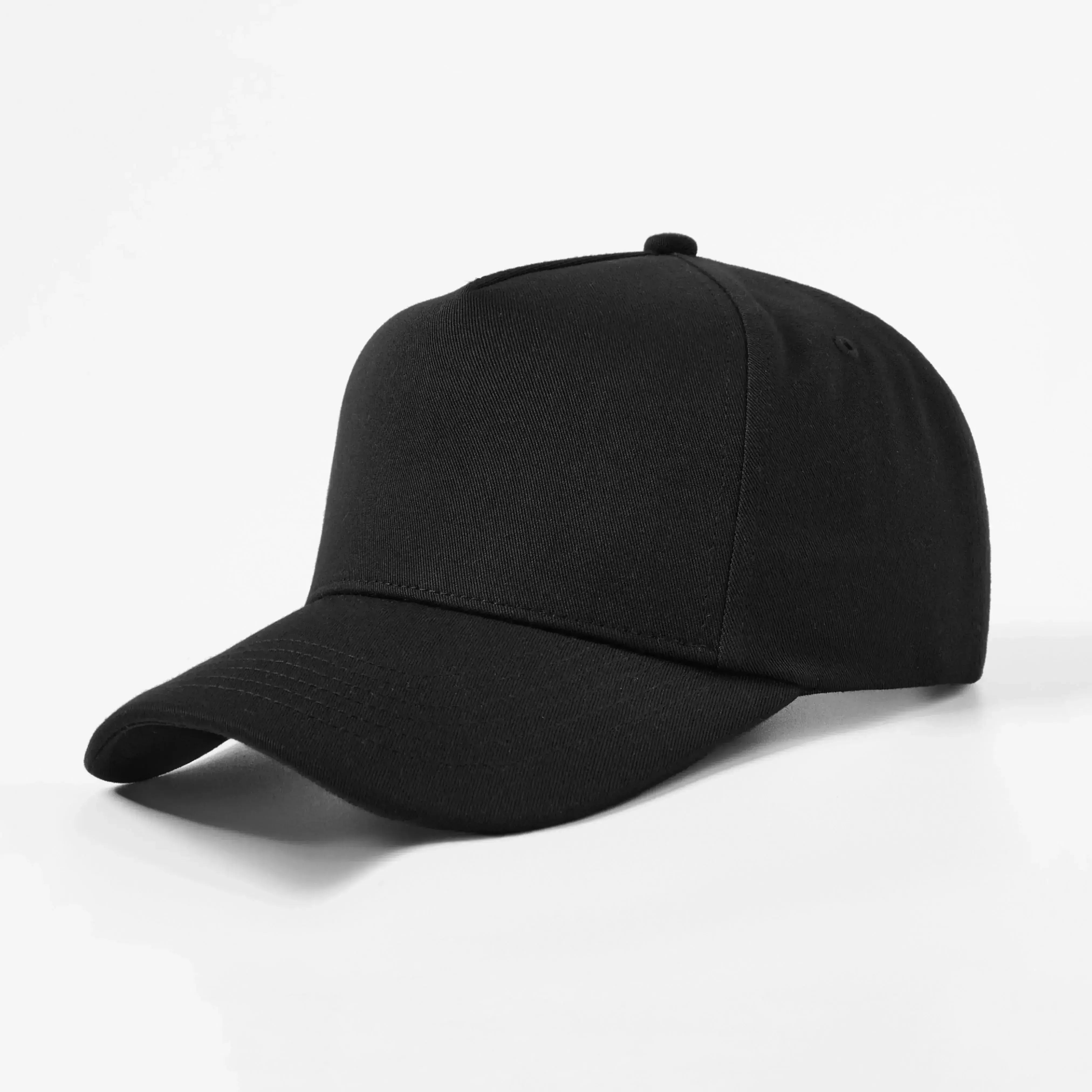
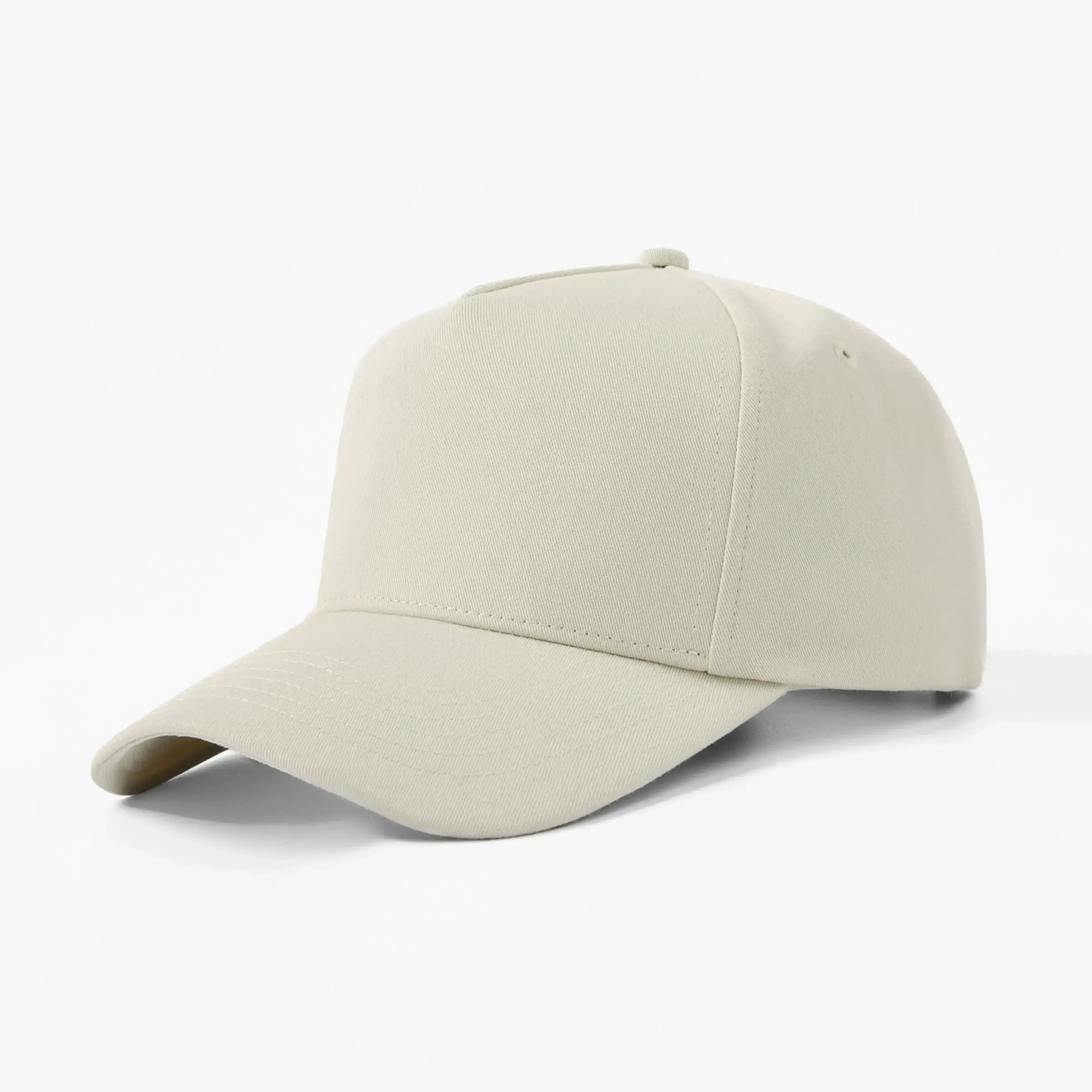
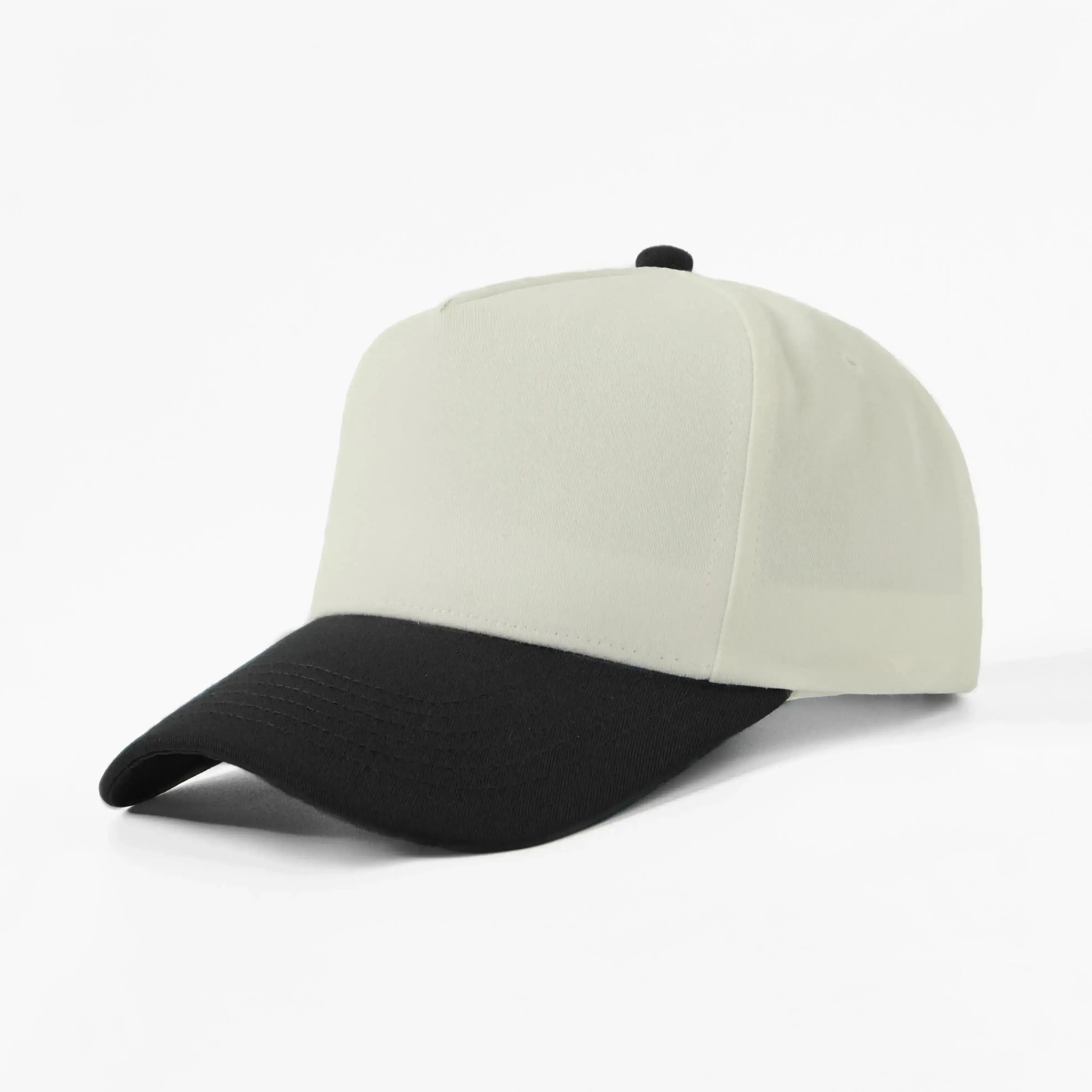

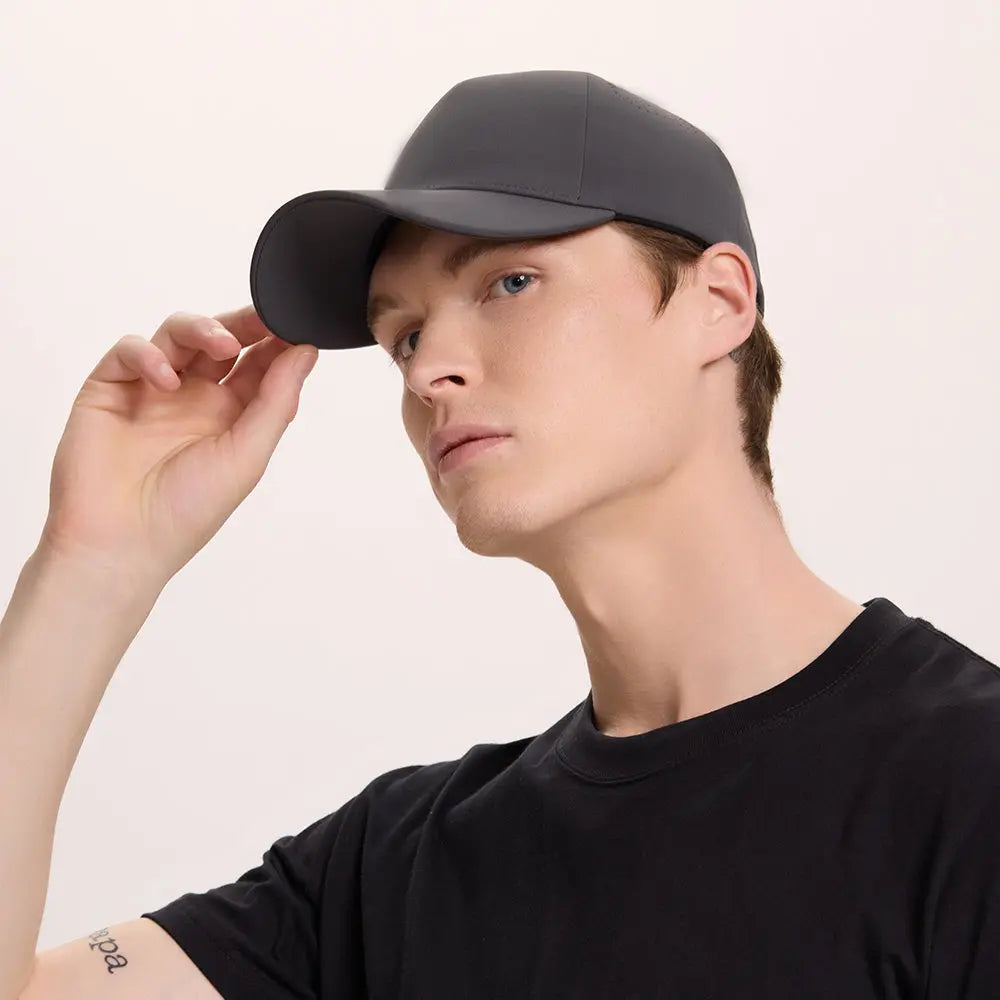

When choosing a molded patch for custom hats, bags, sportswear, uniforms, or branded merchandise, silicone and PVC are two of the most popular options. Both can create durable, colorful, three-dimensional designs, but they differ in softness, flexibility, thickness, appearance, and ideal applications.
A silicone patch usually provides a softer, more premium feel, while a PVC patch delivers a firmer structure and stronger molded 3D appearance. The better choice depends on your logo, product material, intended use, budget, and desired brand image.
This guide compares silicone patches vs. PVC patches to help brands, embroidery shops, promotional product distributors, teams, and corporate buyers select the right option.
What Is a Silicone Patch?
A silicone patch is molded from soft-touch silicone to create a flexible, smooth, rubber-like brand decoration. Multiple molded layers can be used to create raised lettering, borders, symbols, and recessed areas.
Silicone patches are particularly popular for premium sportswear, modern lifestyle brands, performance merchandise, outdoor products, and custom headwear.

Advantages of Silicone Patches
- Soft-touch, premium feel
- Flexible and resistant to cracking
- Clean color definition
- Suitable for custom shapes
- Supports raised and recessed designs
- Works well with modern, minimalist branding
- Comfortable on flexible products
- Maintains its shape under regular use
Silicone has a softer and more refined tactile feel than many conventional molded patches. This makes it a strong choice when the customer experience and perceived product value are important.
Typical Silicone Patch Specifications
| Specification | Typical option |
|---|---|
| Material | Premium soft-touch silicone |
| Colors | Approximately 1–6 colors per design |
| Raised detail | Up to approximately 0.5 mm |
| Total thickness | Approximately 1.5 mm |
| Maximum front size | Up to approximately 120 × 50 mm |
| Maximum side or back size | Up to approximately 70 × 40 mm |
| Attachment | Sew-on or iron-on, depending on construction |
| Patch production time | Approximately 10–12 business days after approval |
These specifications are general production guidelines. Final size, thickness, color count, and attachment method depend on the artwork, product, placement, and supplier capabilities.
What Is a PVC Patch?
A PVC patch is made by placing liquid PVC into a custom mold to produce a durable, structured, three-dimensional decoration.
PVC patches are widely used for outdoor brands, tactical products, sports teams, workwear, uniforms, bags, and performance merchandise. The firmer construction creates strong raised details and a recognizable molded-rubber appearance.

Advantages of PVC Patches
- Durable and long-lasting
- Strong molded 3D effect
- Weather-resistant material
- Easy-to-clean surface
- Suitable for bold logos
- Maintains a structured shape
- Effective for outdoor and tactical branding
- Supports custom borders and multiple molded levels
PVC patches are generally firmer than silicone patches. This can make the edges, borders, and raised areas appear more defined.
Typical PVC Patch Specifications
| Specification | Typical option |
|---|---|
| Material | Molded soft PVC |
| Colors | Approximately 2–6 colors per design |
| Raised detail | Up to approximately 0.5 mm |
| Total thickness | Approximately 1.8 mm |
| Recommended minimum line width | Approximately 1 mm |
| Maximum front size | Up to approximately 120 × 50 mm |
| Maximum side or back size | Up to approximately 70 × 40 mm |
| Attachment | Sew-on or iron-on, depending on construction |
| Patch production time | Approximately 10–12 business days after approval |
Designs containing more than six colors may need to be simplified or produced using a printed or hybrid decoration method.
Silicone Patch vs. PVC Patch: Quick Comparison
| Feature | Silicone patch | PVC patch |
|---|---|---|
| Feel | Soft, smooth and premium | Firmer and more structured |
| Flexibility | High | Medium to high |
| Typical thickness | About 1.5 mm | About 1.8 mm |
| 3D appearance | Refined, soft raised effect | Strong, defined molded relief |
| Color range | Usually 1–6 colors | Usually 2–6 colors |
| Fine details | Limited by mold and material | Limited by mold and minimum line width |
| Surface | Soft-touch and slightly refined | Smooth, rubber-like and easy to clean |
| Weather performance | Good when properly produced | Very good for outdoor applications |
| Best aesthetic | Premium, modern and minimalist | Outdoor, tactical, bold and sporty |
| Common applications | Fashion, lifestyle, sportswear and premium merchandise | Outdoor gear, uniforms, tactical products and team merchandise |
| Attachment | Sew-on or heat-applied, depending on design | Sew-on or heat-applied, depending on design |
| Mold required | Yes | Yes |
1. Feel and Appearance
The most noticeable difference between silicone and PVC patches is the tactile feel.
Silicone Patch Feel
Silicone has a softer and more flexible surface. It feels smoother when touched and can create a premium, modern appearance.
This makes silicone suitable for:
- Lifestyle brands
- Premium corporate merchandise
- Modern sportswear
- Performance apparel
- Fashion collections
- Minimalist logos

PVC Patch Feel
PVC is usually firmer and slightly more rigid. It creates sharper molded borders and a stronger 3D effect.
PVC works well for:
- Outdoor brands
- Tactical designs
- Team merchandise
- Workwear
- Uniforms
- Equipment bags
- Bold promotional products
Choose silicone when softness and perceived quality are priorities. Choose PVC when the design needs a stronger, more rugged molded appearance.

2. Flexibility and Durability
Both materials are durable when correctly formulated and attached, but they behave differently.
Silicone remains flexible and is less likely to feel stiff on products that bend during use. It can be a better option for softer or more flexible materials.
PVC provides a firmer structure and holds its molded shape well. It is commonly selected for outdoor products that require a bold, durable decoration.
Actual durability depends on:
- Material formulation
- Patch thickness
- Mold quality
- Product surface
- Attachment method
- Exposure to heat and sunlight
- Washing and care
- Frequency of use
A physical sample should be tested when the product will face demanding outdoor or industrial conditions.
3. Weather and Water Resistance
PVC is frequently selected for outdoor and tactical applications because its molded surface resists moisture and is easy to wipe clean.
Silicone can also perform well in outdoor environments and retain flexibility across changing conditions. However, neither material automatically makes the finished product completely waterproof.
The final performance depends on:
- Patch material
- Backing
- Adhesive
- Sewing holes
- Product fabric
- Application temperature and pressure
- Edge construction
Use “water-resistant” rather than “waterproof” when the performance of the complete product has not been independently tested.
4. Logo Details and Minimum Line Width
Both silicone and PVC patches require molds, so very small details can be difficult to reproduce.
Silicone Patch Design Requirements
Silicone patches work best with:
- Bold logos
- Simple shapes
- Clear borders
- Medium or large lettering
- Distinct color separation
- Raised and recessed levels
Details smaller than approximately 0.3 mm may be difficult to reproduce reliably. Extremely fine lines, tiny text, complex enclosed areas, and photo-style artwork are generally not recommended.

PVC Patch Design Requirements
PVC patches also work best with bold, simplified artwork. A line or design element of approximately 1 mm or wider is generally recommended for reliable visibility.
Avoid:
- Tiny text
- Hairline outlines
- Complex gradients
- Photo-realistic graphics
- Very small enclosed cavities
- Excessive color changes
If the original logo is too detailed, the design can be simplified, enlarged, or converted to a printed patch.

5. Color Options
Silicone patches typically support approximately one to six molded colors per design. PVC patches commonly use two to six colors.
Each color usually occupies a separate molded area, so the artwork should have clear color boundaries.
Color availability may be affected by:
- Pigment selection
- Material formulation
- Minimum color-area size
- Contrast between adjacent colors
- Mold structure
- Order quantity
Physical material colors may look different from screen colors. A sample should be approved when precise brand-color matching is required.
6. Patch Thickness and Weight
Silicone patches are commonly produced at approximately 1.5 mm total thickness, while PVC patches may be approximately 1.8 mm thick.
The small difference can affect the final appearance:
- Silicone patches tend to feel softer and more integrated with the product.
- PVC patches tend to look slightly heavier and more dimensional.
A patch that is too thick or large may pull on lightweight fabric, distort a soft panel, or feel visually unbalanced. The patch size and thickness should match the product structure.
7. Attachment Methods
Silicone and PVC patches may be attached using sewing, heat application, or another supplier-approved method.
Sew-On Attachment
Sewing creates a visible or hidden stitched border around the patch. It is suitable when:
- The product can be safely sewn
- Long-term mechanical attachment is preferred
- Heat may damage the fabric
- The patch has a sewing channel or suitable border

Iron-On or Heat-Applied Attachment
A heat-activated backing can provide a clean appearance without a visible stitch line.
It works best when:
- The application surface is stable and reasonably flat
- The fabric can tolerate the required temperature and pressure
- The patch backing is compatible with the material
- The heat press can apply even pressure
Curved, heavily textured, coated, perforated, or heat-sensitive surfaces may not be suitable for heat application.

Attachment options vary by patch construction and product. Confirm the method before approving the order.
8. Which Patch Is Better for Custom Hats?
For custom hats, the decision depends on the crown structure, fabric, logo, and desired appearance.
Choose a Silicone Patch When:
- You want a premium soft-touch finish
- The brand has a modern or minimalist identity
- The hat uses a flexible performance material
- A lighter, softer patch is preferred
- The design uses simple shapes and clean colors
- The product is positioned as premium merchandise
Choose a PVC Patch When:
- You want a stronger molded 3D appearance
- The brand has an outdoor, tactical or sports identity
- The logo uses bold borders and large lettering
- The patch needs an easy-to-clean surface
- A firmer, more structured decoration is preferred
- The product is intended for rugged use
Both options generally work best on stable, structured hat panels. Soft or highly curved areas should be tested before bulk production.
9. Best Applications
Silicone Patches Are Best For:
- Premium custom hats
- Performance apparel
- Lifestyle brands
- Modern corporate merchandise
- Sportswear
- Minimalist logos
- Soft-touch branded accessories
PVC Patches Are Best For:
- Outdoor headwear
- Tactical merchandise
- Team uniforms
- Workwear
- Equipment bags
- Sports brands
- Bold 3D logos
- Weather-resistant promotional products
10. When Neither Material Is the Right Choice
Silicone and PVC are not suitable for every design.
Consider another decoration method when the artwork contains:
- Photo-style images
- Complex gradients
- Very fine lines
- Extremely small lettering
- Numerous small color areas
- Highly intricate illustrations
Alternative options include:
- Woven patches
- Embroidered patches
- Printed patches
- DTF transfers
- Direct embroidery
- Sublimation, when compatible with the material
A woven patch may reproduce small details more clearly, while embroidery can create a traditional textured appearance.
11. Mold, Sample and Production Process
Both silicone and PVC patches require a custom mold for new designs.
A typical process includes:
- Submit the logo or artwork.
- Confirm the patch size and placement.
- Simplify details where required.
- Select the material and color.
- Confirm raised and recessed areas.
- Choose the attachment method.
- Create the mold.
- Produce a physical sample.
- Review the sample.
- Approve bulk production.
- Attach the finished patches to the products.
- Complete final quality inspection.
Typical bulk patch production may take approximately 10–12 business days after mold and sample approval. Complete custom-product delivery takes longer because it may also include attachment, quality inspection, packing, and shipping.
Sustainability and Material Claims
Silicone is sometimes marketed as “eco-friendly” or “biodegradable,” but these claims should not be made automatically.
Standard silicone is generally not considered biodegradable under normal environmental conditions. PVC patches should also not be marketed as recyclable or environmentally friendly without supporting documentation.
Before making a sustainability claim, confirm:
- Exact material composition
- Recycled content, if any
- Relevant testing
- Supplier documentation
- Certification scope
- Disposal or recycling conditions
Use specific, verifiable material information instead of broad environmental claims.
How to Choose Between Silicone and PVC
Ask the following questions before selecting the material:
- Should the patch feel soft or firm?
- Does the design need a strong 3D effect?
- How many colors does the logo contain?
- Does the artwork include fine lines or small text?
- Will the product be used outdoors?
- Is the application surface flat, curved, or flexible?
- Can the fabric tolerate heat?
- Is sewing available?
- Does the patch need to match an exact brand color?
- What is the target price and order quantity?
If you are still unsure, request one sample in each material and compare the feel, appearance, flexibility, attachment, and overall fit with the final product.
Frequently Asked Questions
Is a silicone patch the same as a PVC patch?
No. Both are molded patches, but silicone is generally softer and more flexible, while PVC is usually firmer and creates a stronger molded 3D appearance.
Is silicone better than PVC?
Not in every situation. Silicone is often better for premium, soft-touch branding. PVC is often better for rugged outdoor, sports, tactical, and workwear applications.
Which patch is more flexible?
Silicone is generally softer and more flexible than PVC.
Which patch creates a stronger 3D effect?
PVC usually creates a firmer and more defined molded 3D appearance. Silicone can also use raised layers, but its overall effect tends to feel softer.
Are silicone and PVC patches waterproof?
The molded patch materials can resist moisture, but the finished product is not automatically waterproof. Sewing holes, adhesive, backing, and fabric construction all affect the final performance.
Can silicone and PVC patches reproduce small text?
Only to a limited extent. Small text and thin lines may not mold clearly. Simplifying or enlarging the artwork usually produces better results.
Can these patches be applied with a heat press?
They can be heat-applied when made with a suitable backing and used on a compatible surface. The fabric, coating, temperature, pressure, and application time must be tested.
Do silicone and PVC patches require a mold?
Yes. A new custom design generally requires mold tooling, although the same approved mold may be used for repeat production.
How long does patch production take?
Bulk patch production typically takes about 10–12 business days after the mold and sample are approved. Complete product delivery may require additional time for attachment, inspection, packing, and shipping.
Which material is better for custom hats?
Choose silicone for a softer, more premium finish. Choose PVC for a firmer, more rugged 3D look. The hat structure, fabric, placement, and logo design should also be considered.
Conclusion
Silicone and PVC patches both offer durable, three-dimensional branding, but they create different visual and tactile experiences.
A silicone patch is the better choice when softness, flexibility, and a premium modern feel are priorities. A PVC patch is often more suitable when the design needs a firm structure, bold relief, easy cleaning, and an outdoor or tactical appearance.
Before bulk production, simplify the artwork for molding, confirm the patch dimensions, select the correct attachment method, and approve a physical sample on the actual product.
With the right material and design preparation, both silicone and PVC patches can turn custom hats, apparel, bags, and branded merchandise into distinctive, professional products.