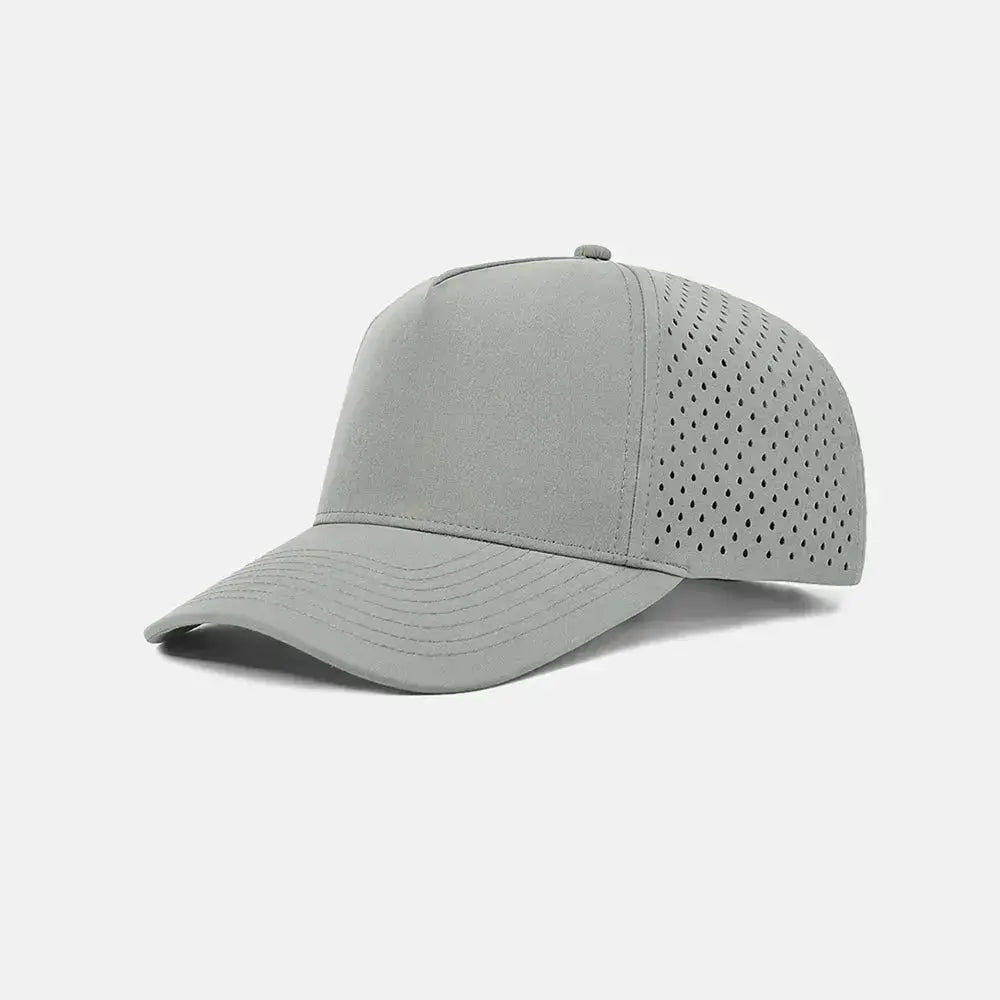
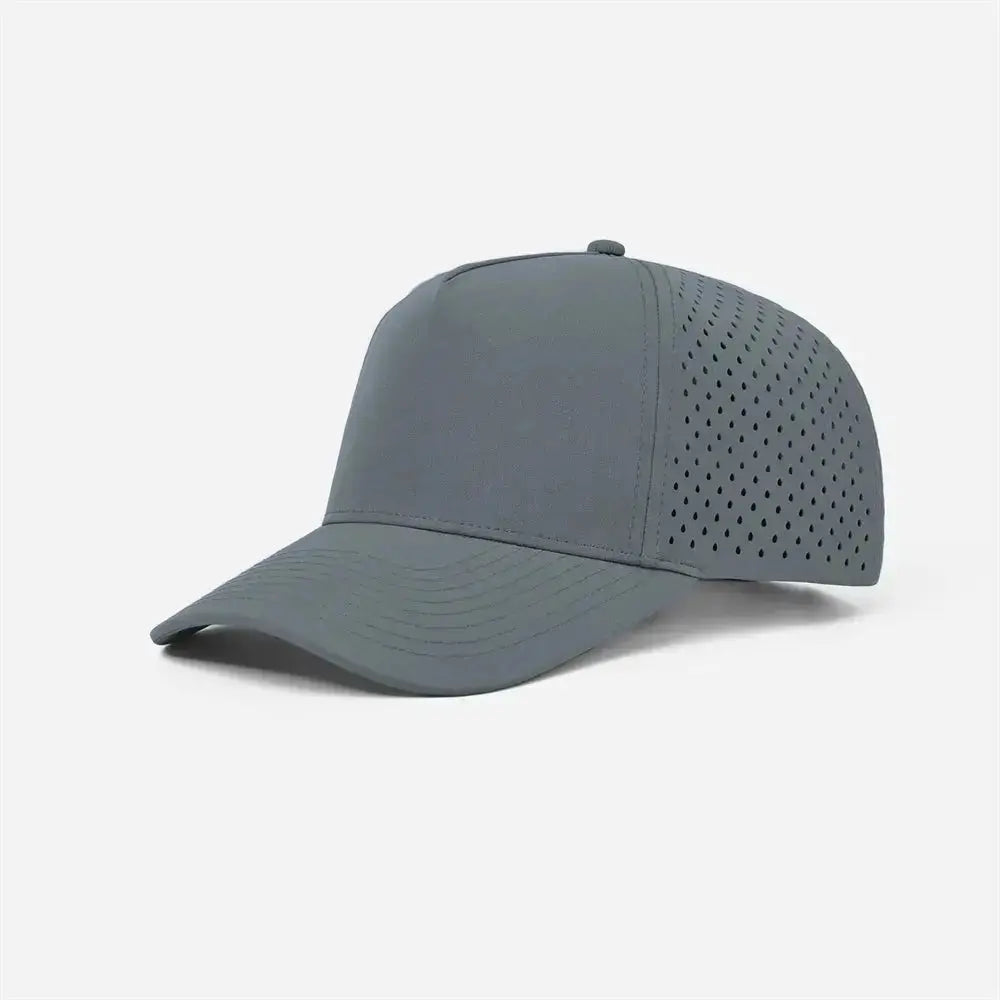
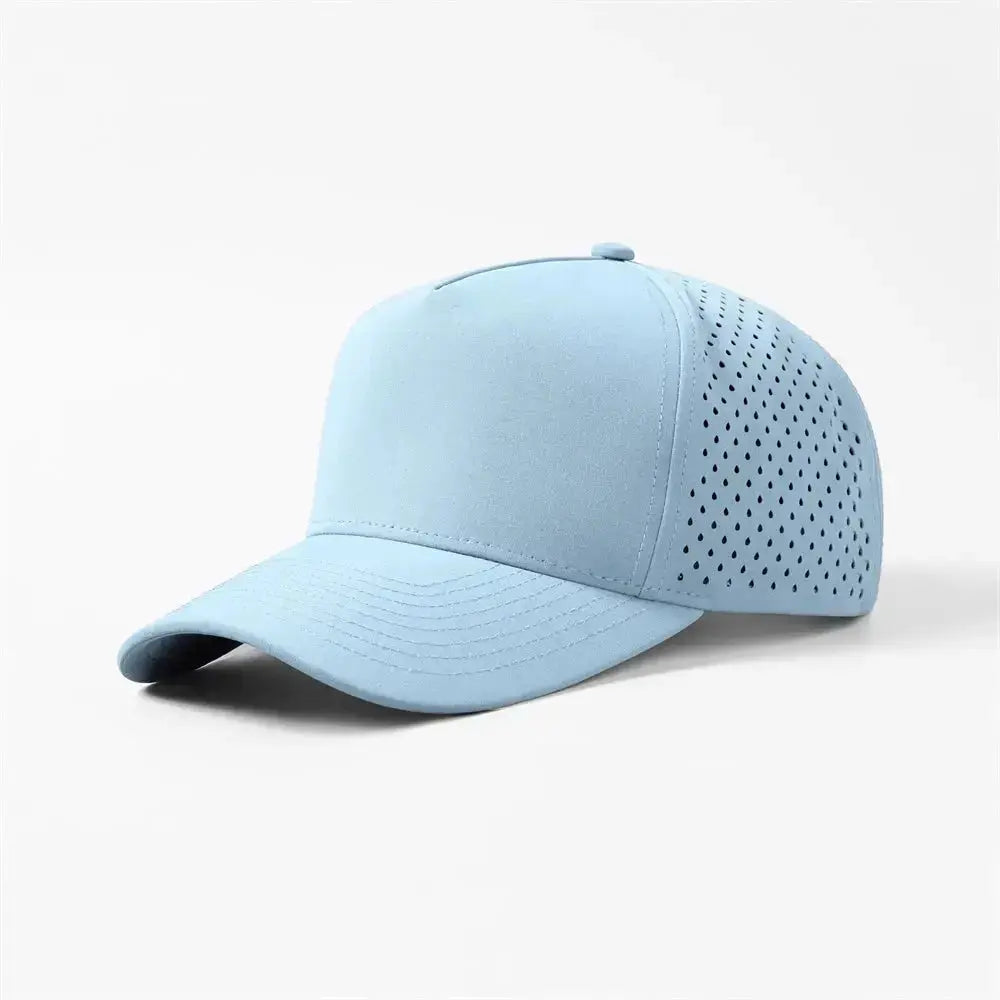
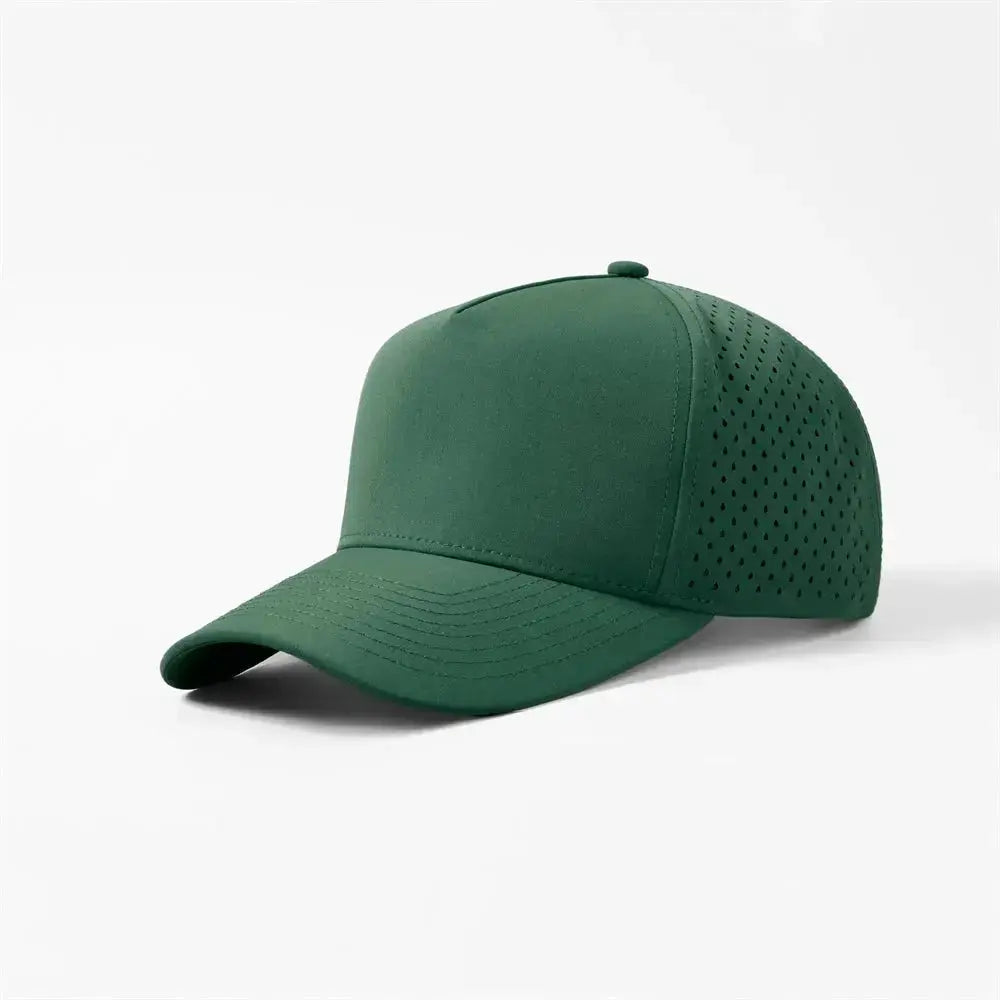
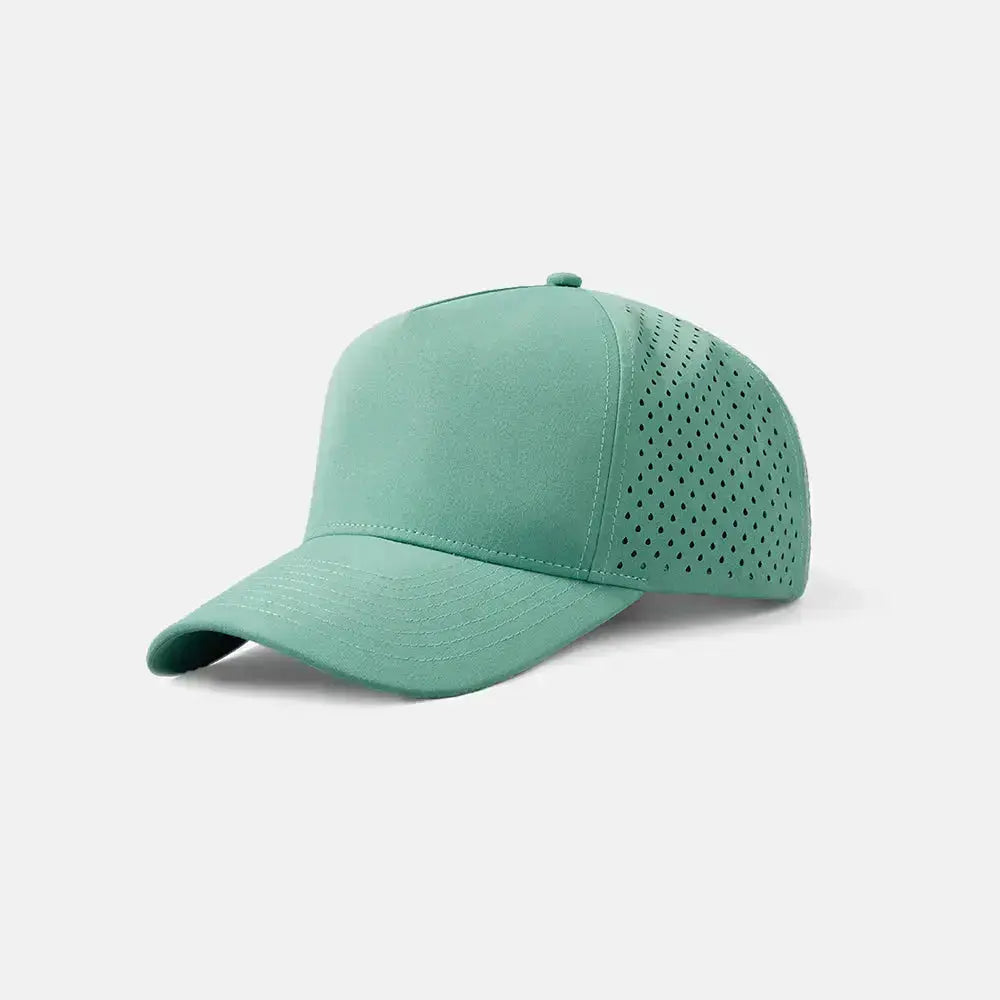
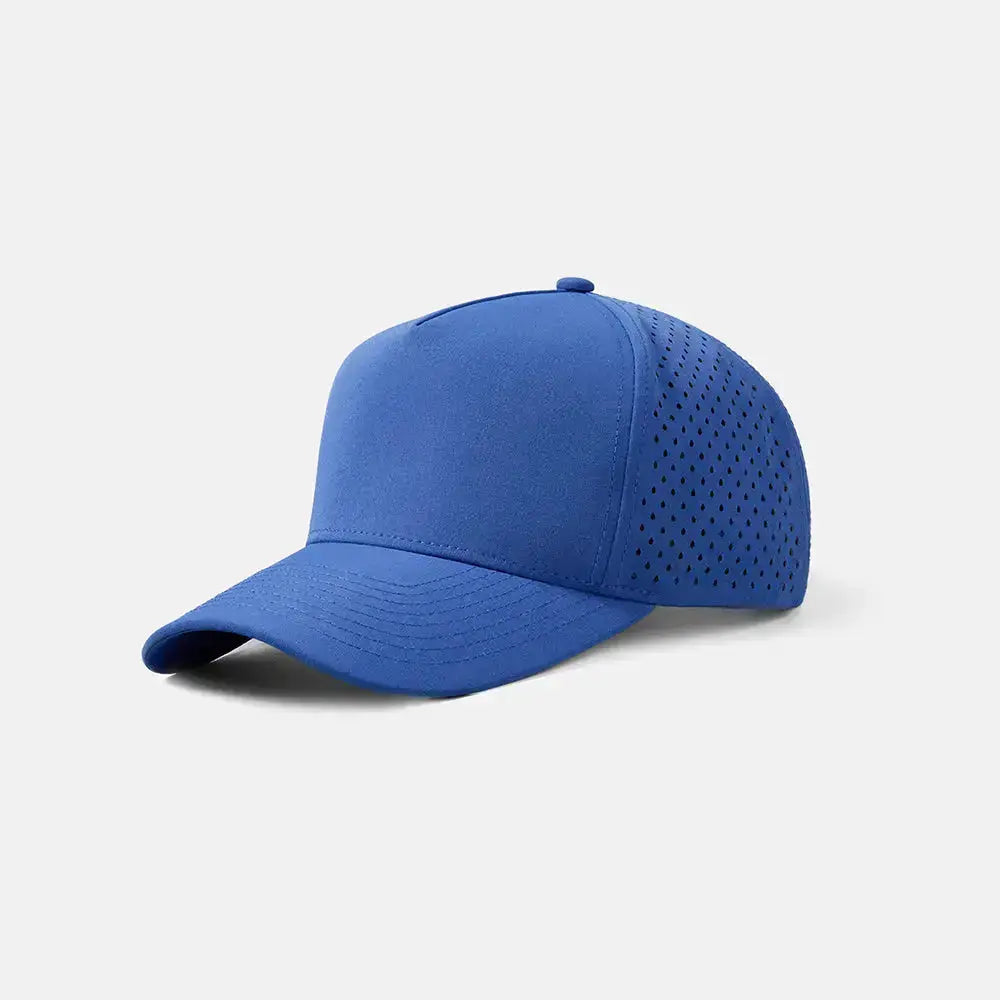
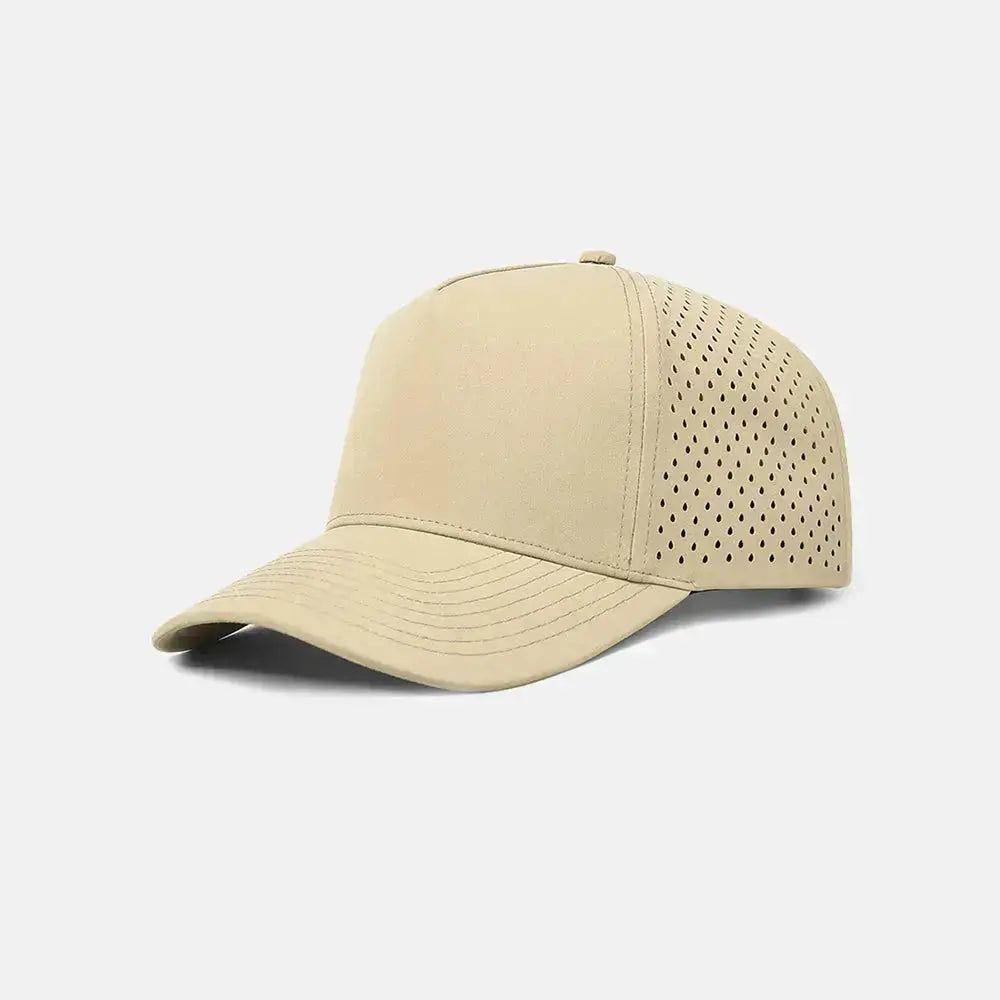
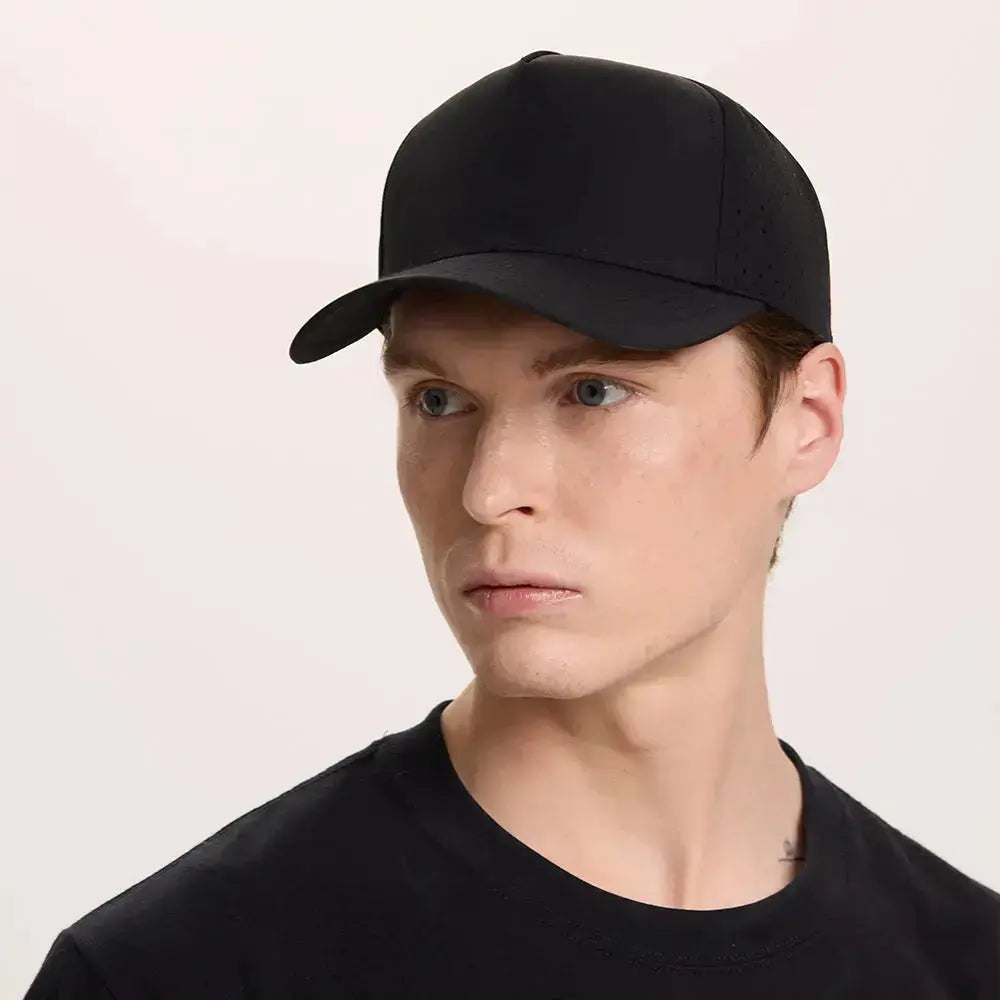
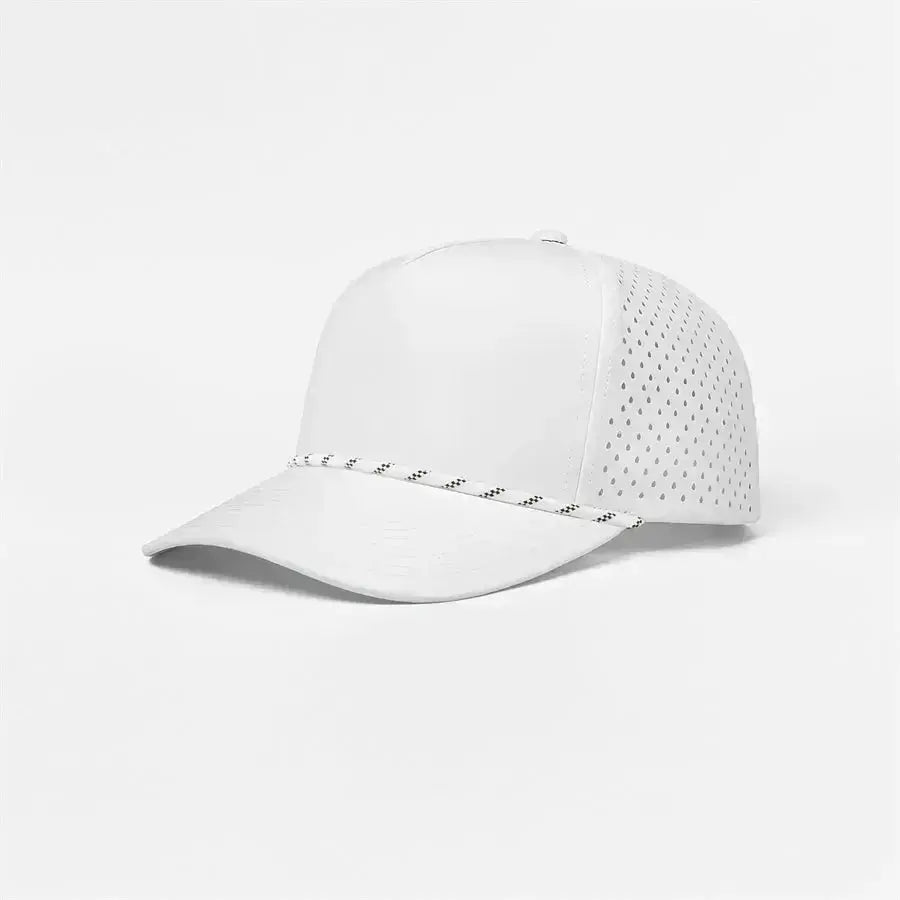
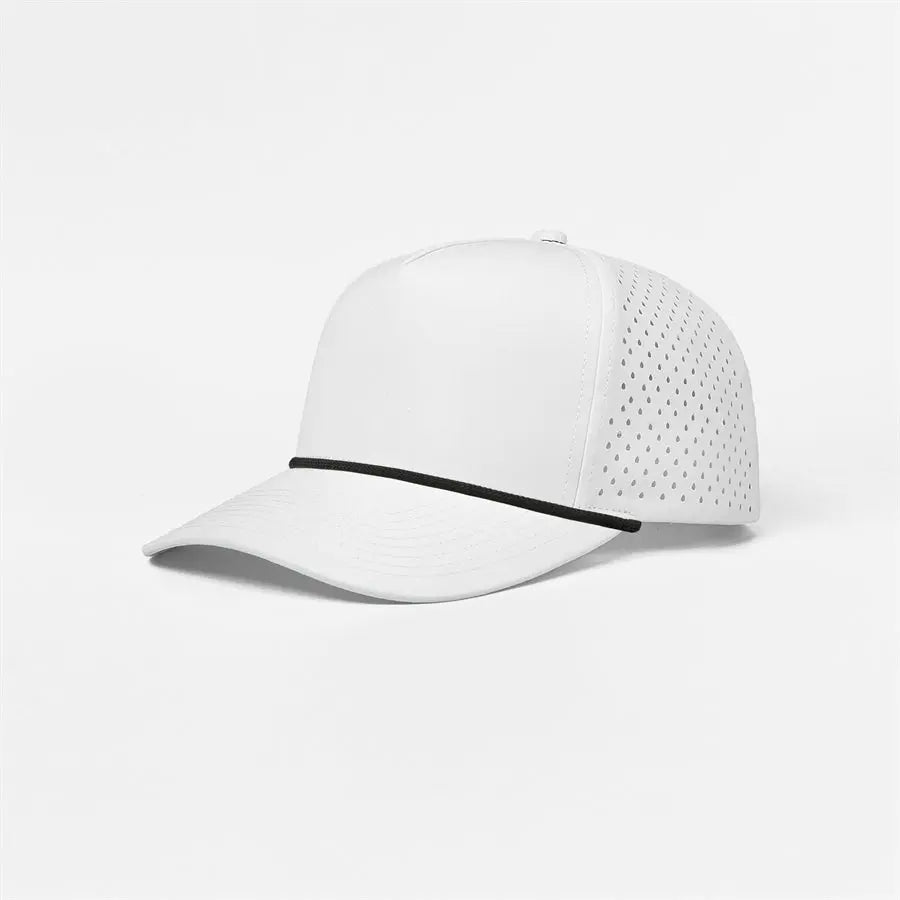
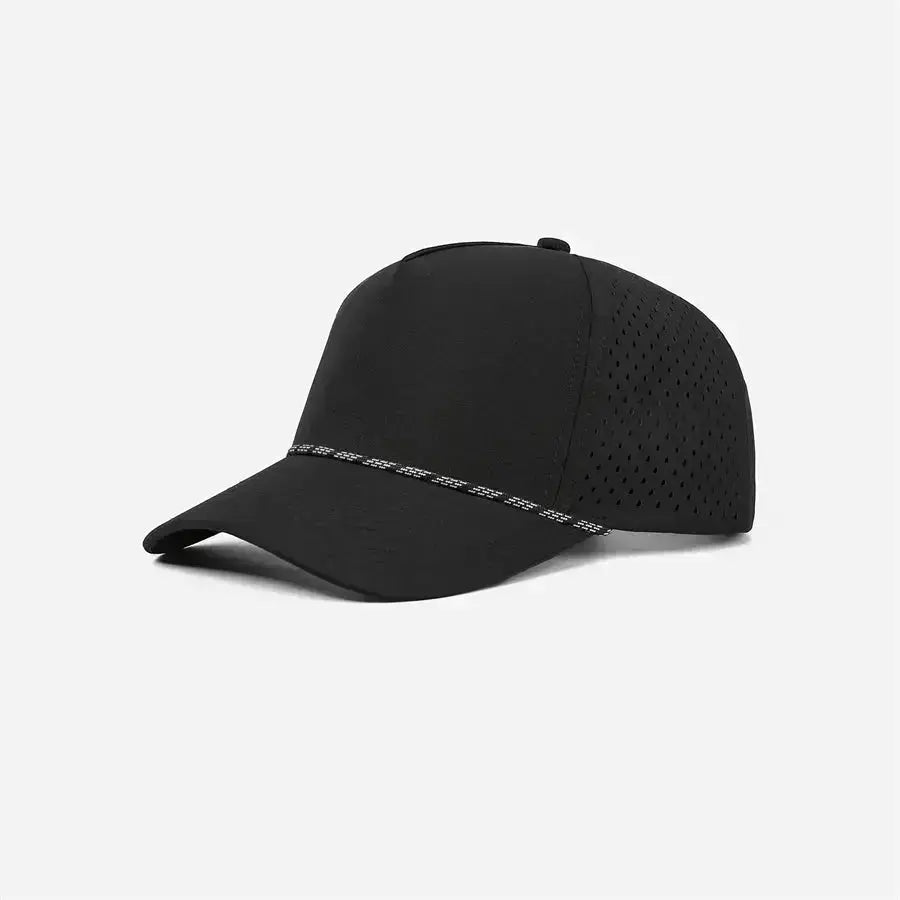
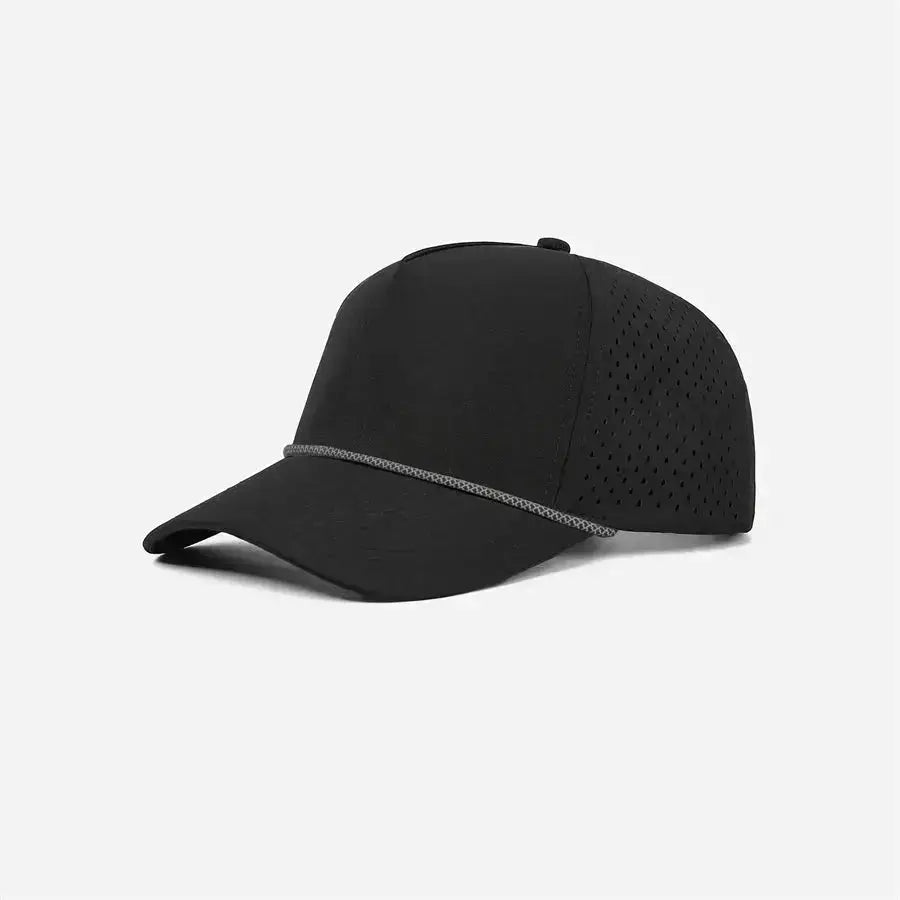
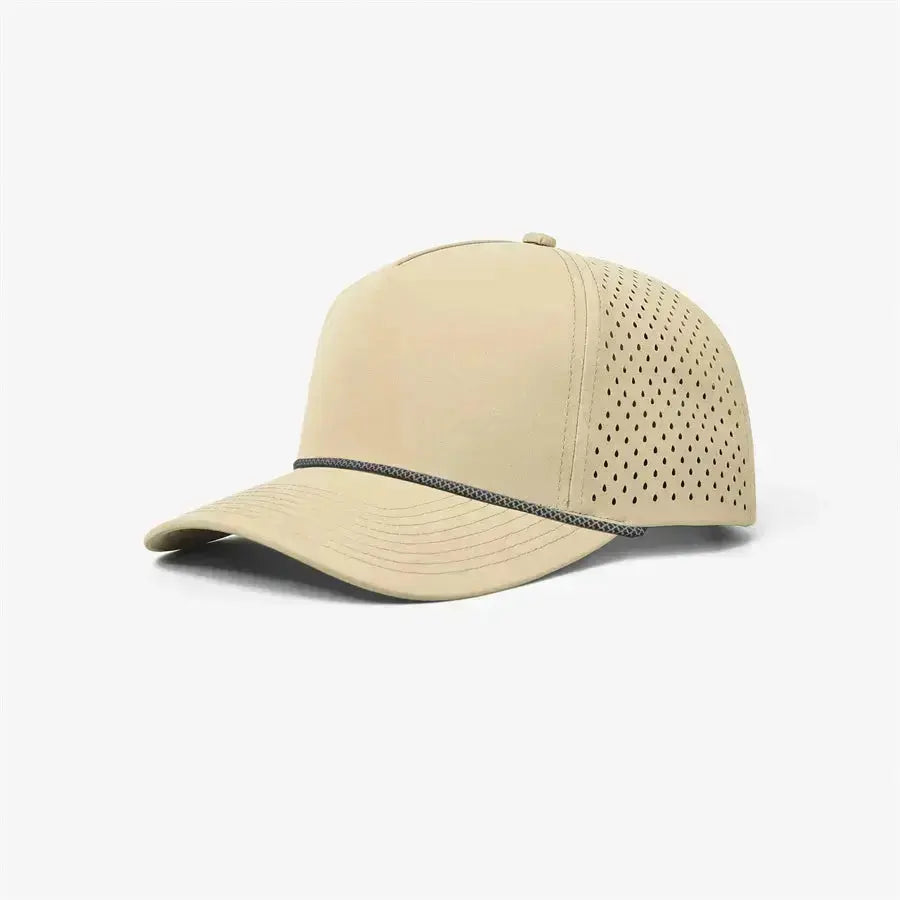
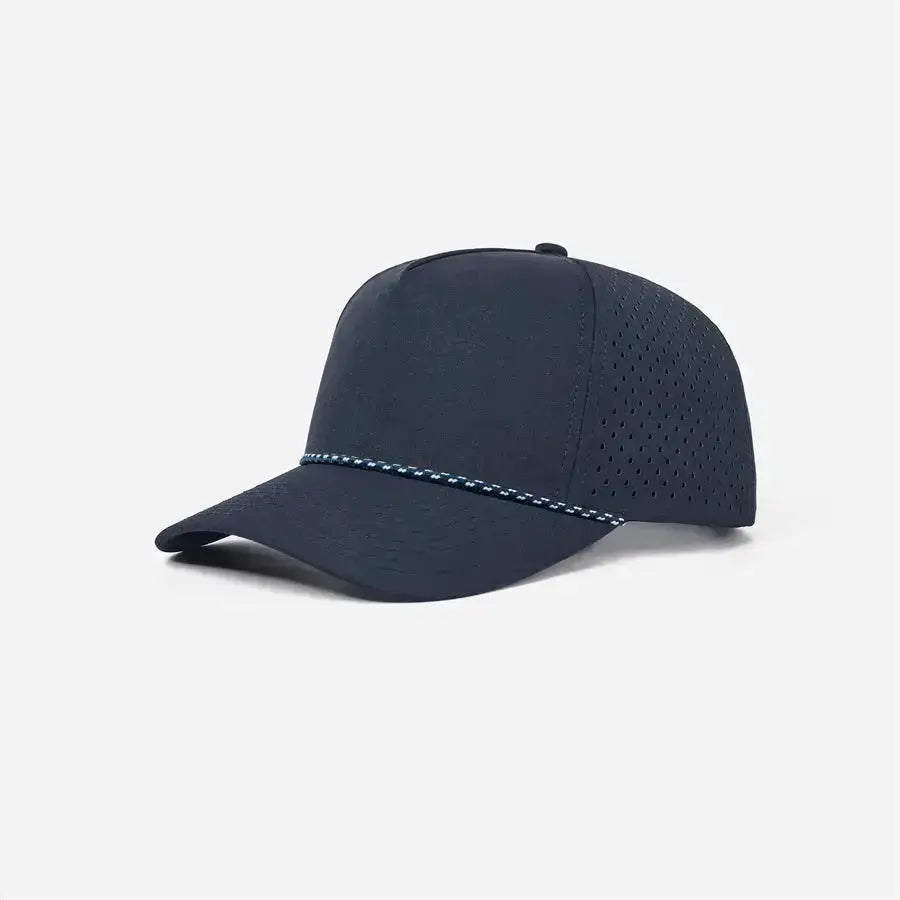
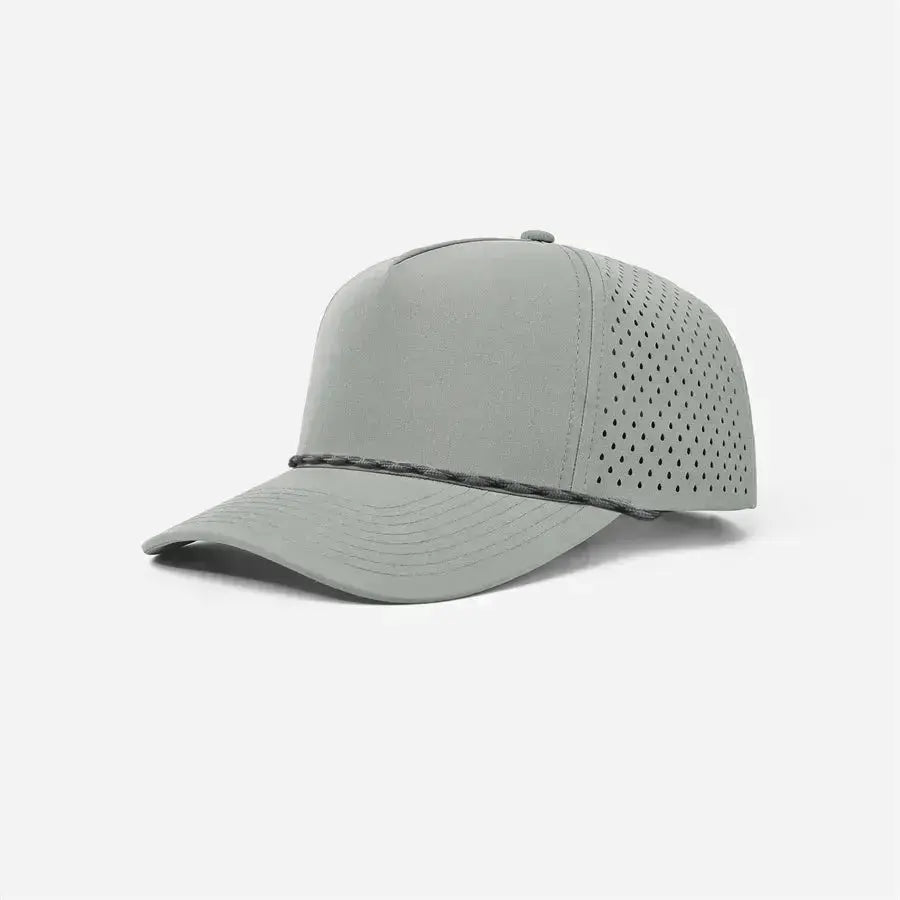
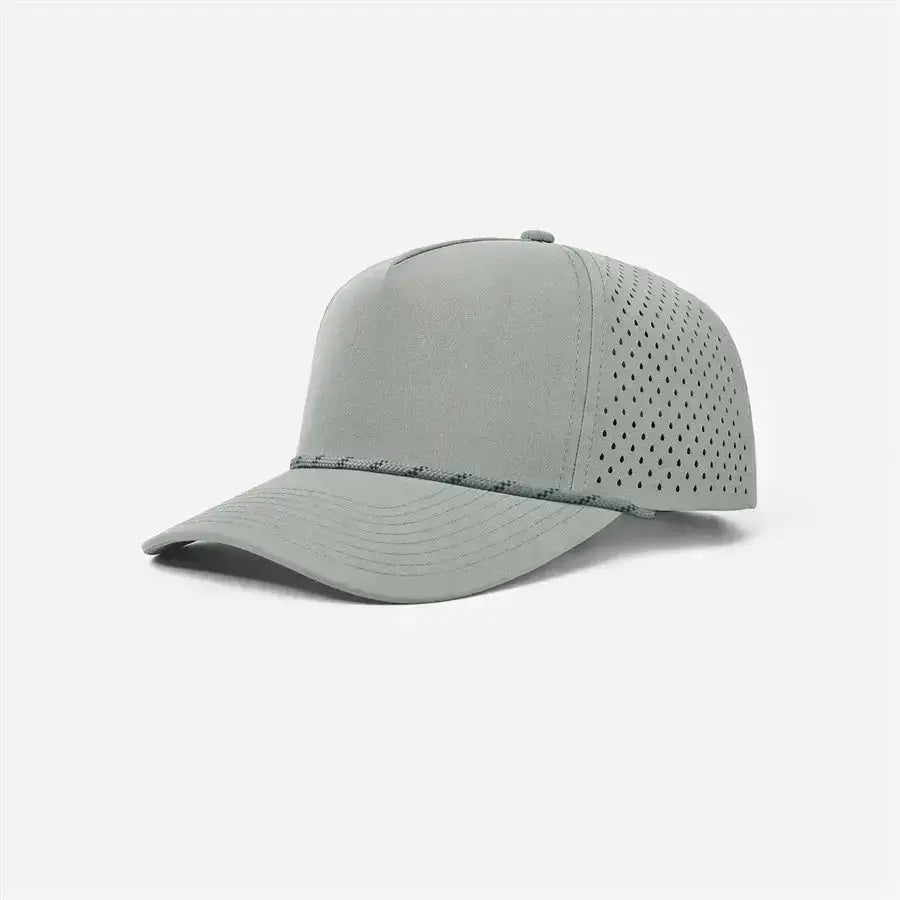
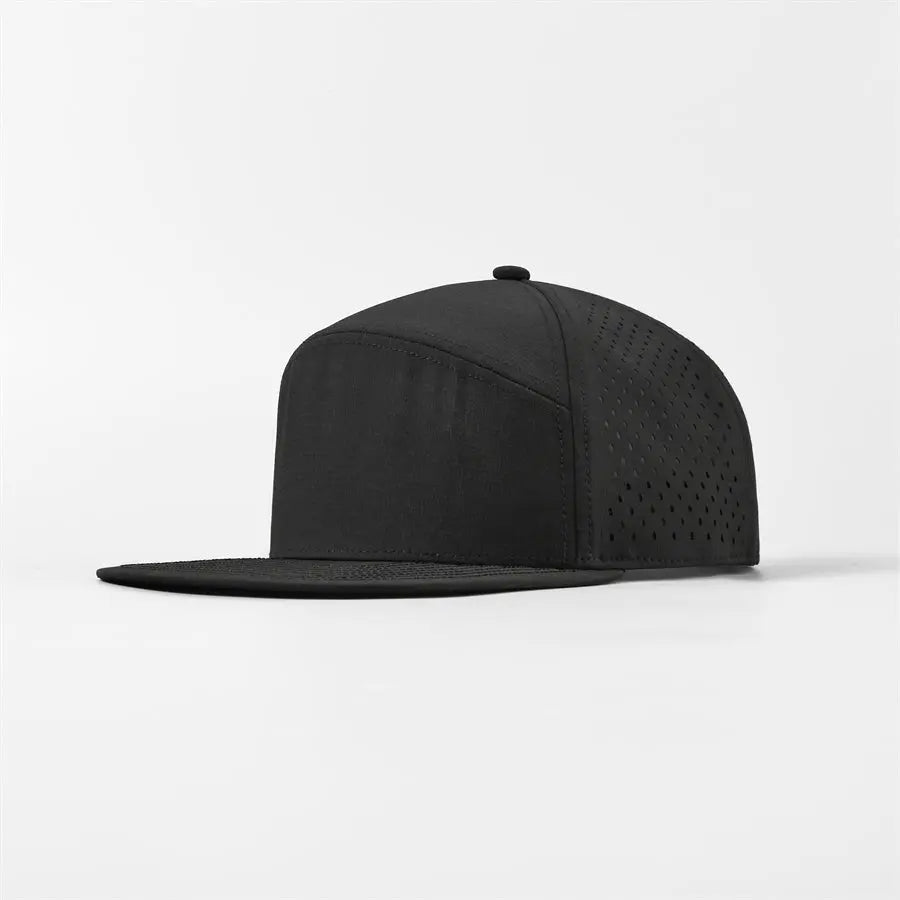
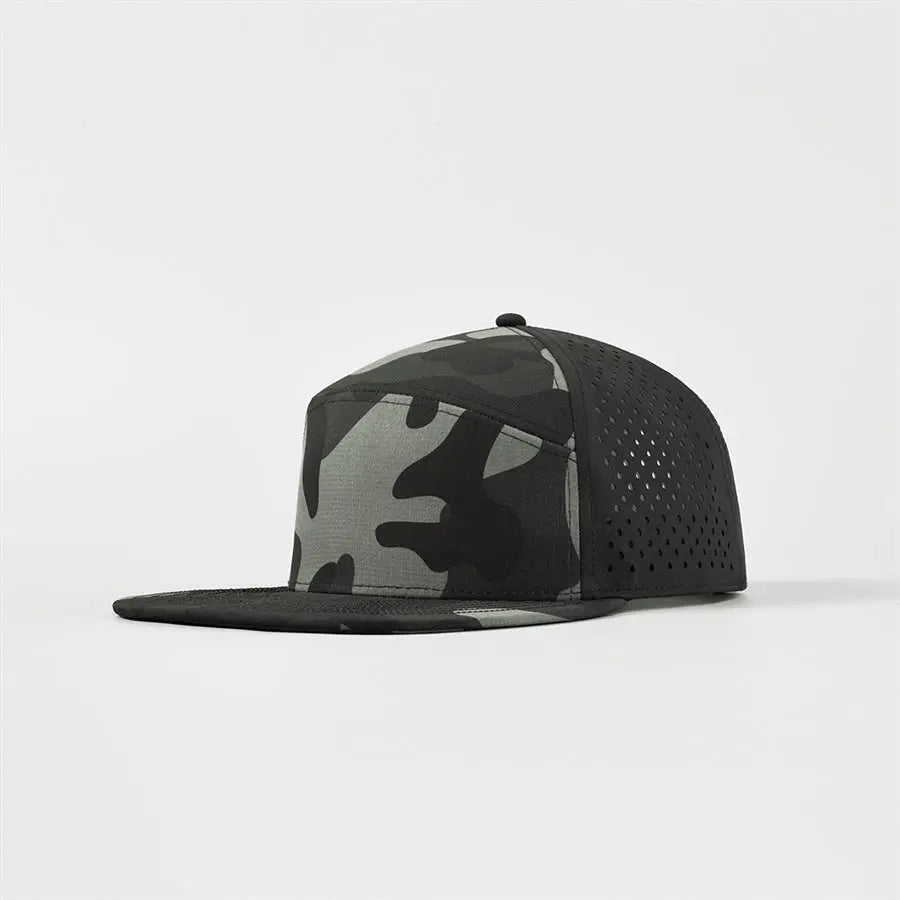
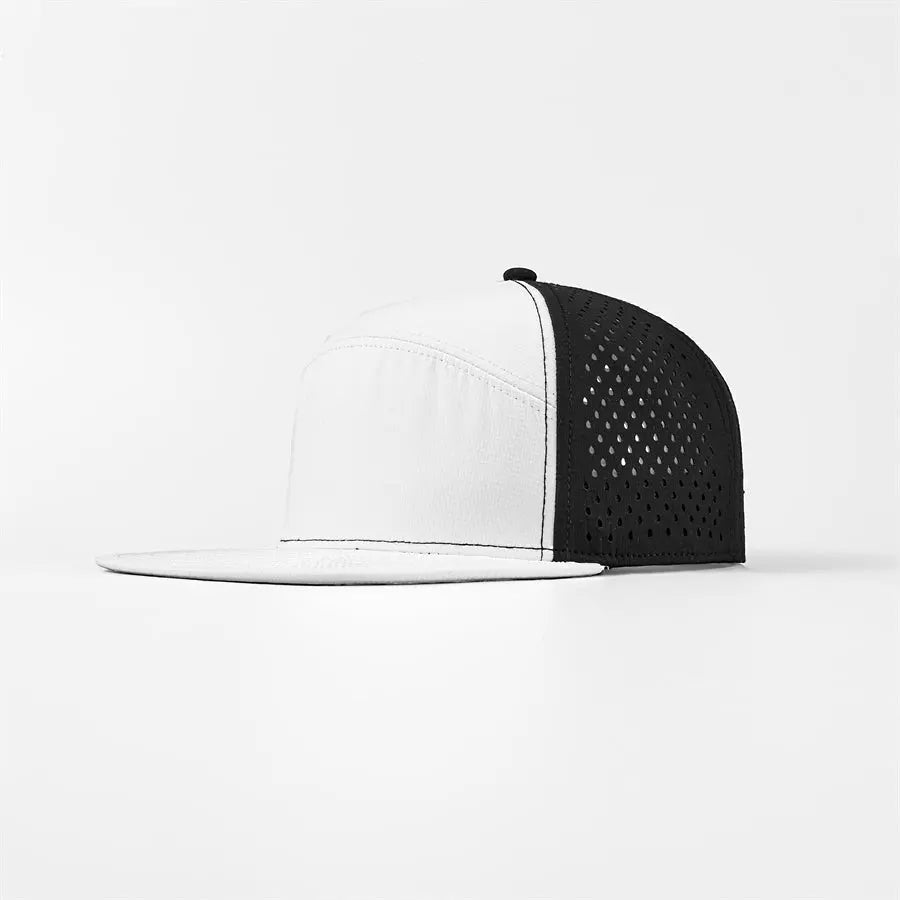
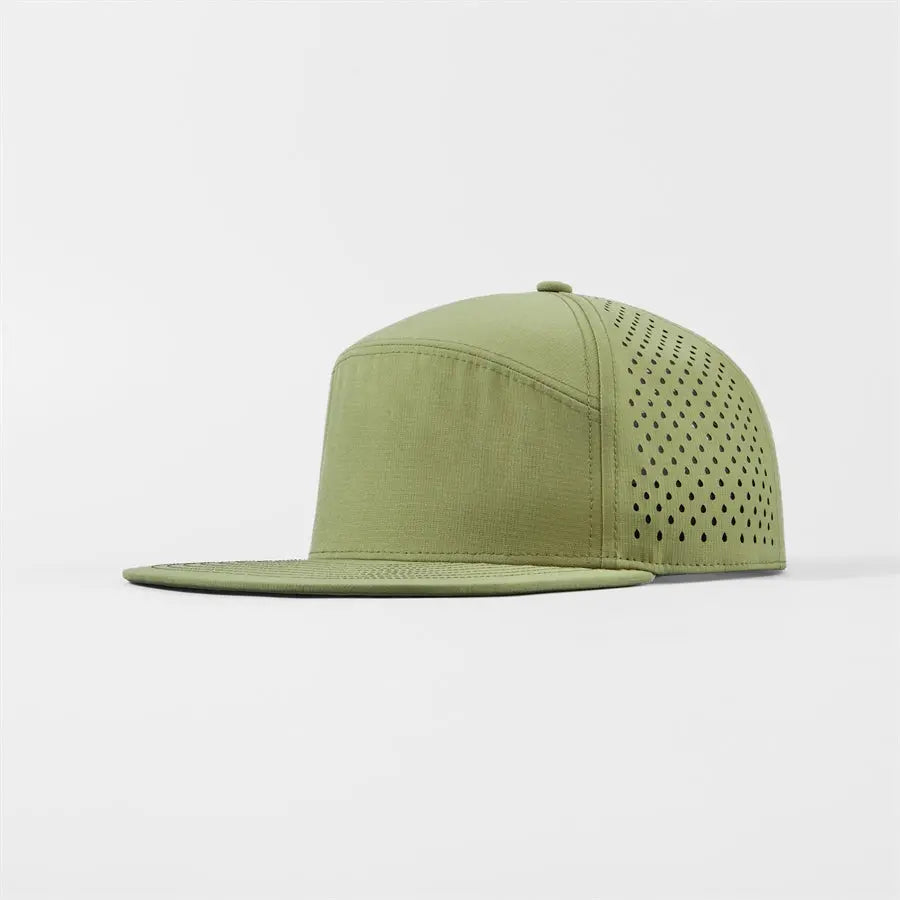





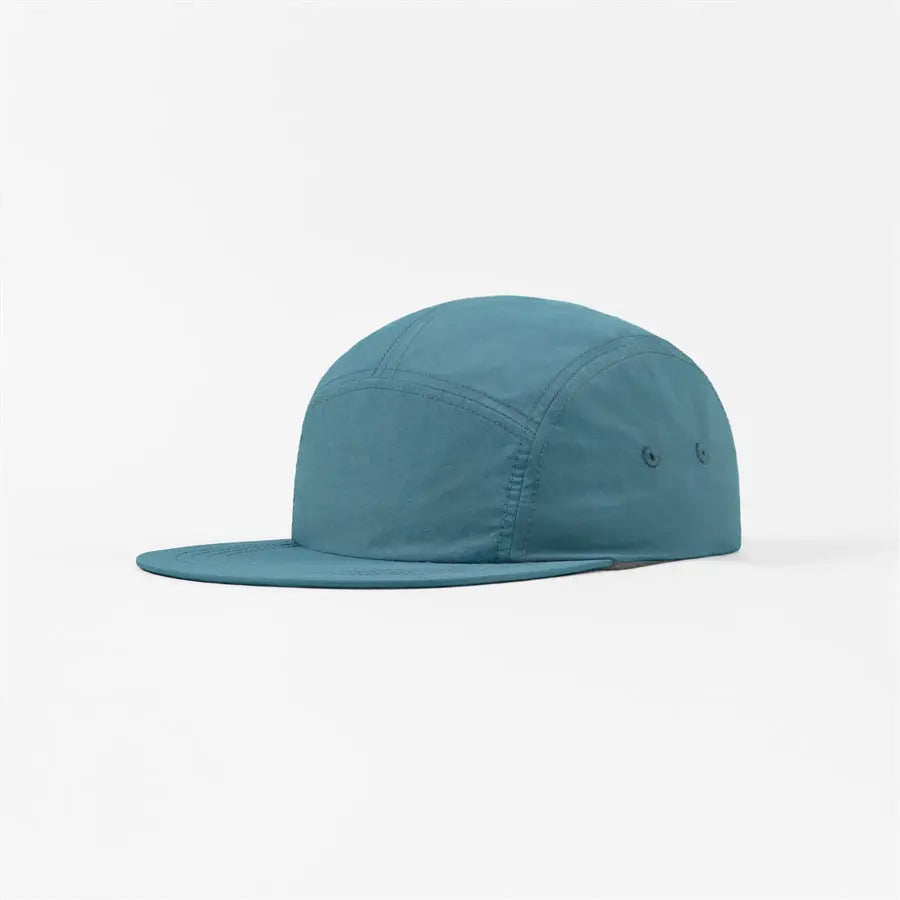


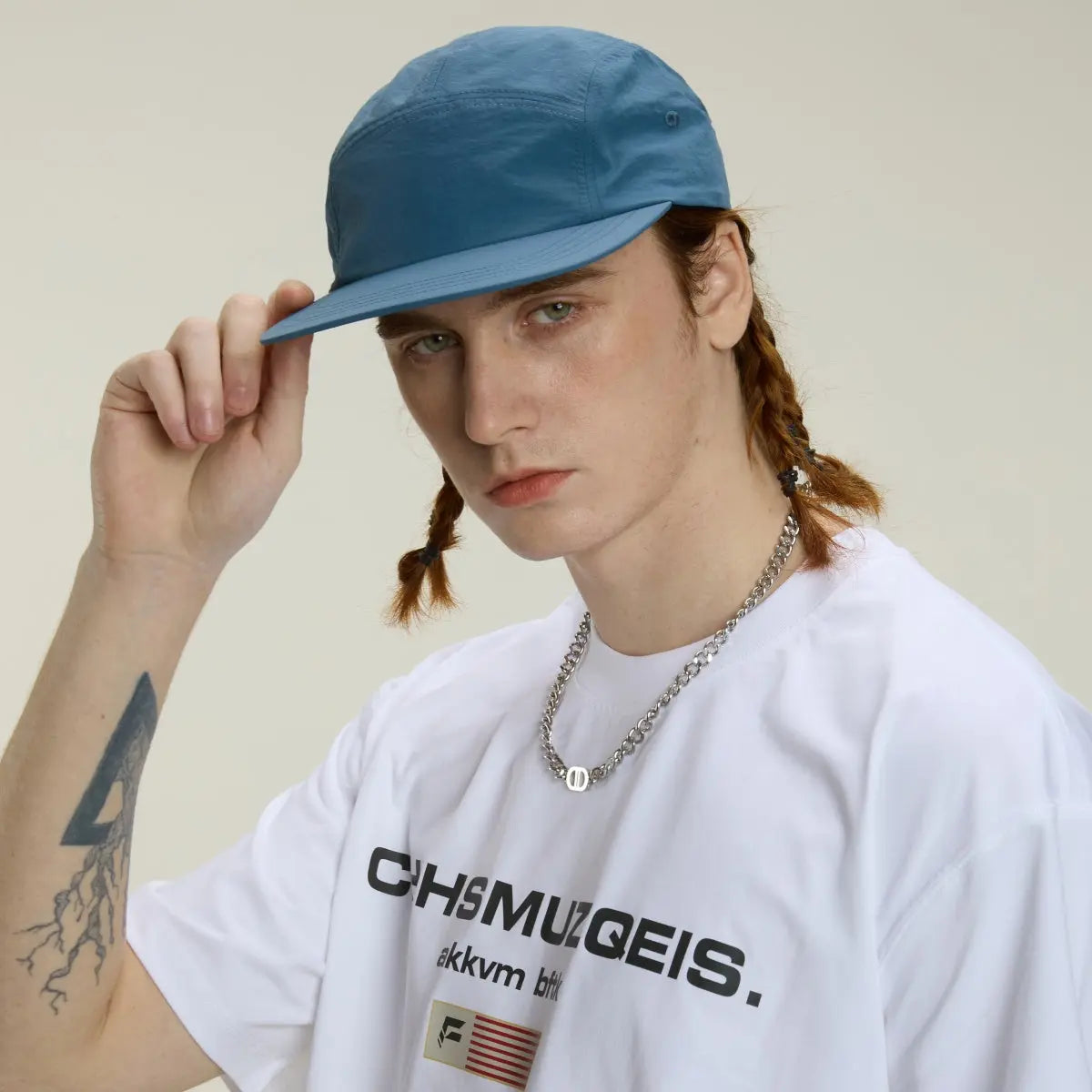
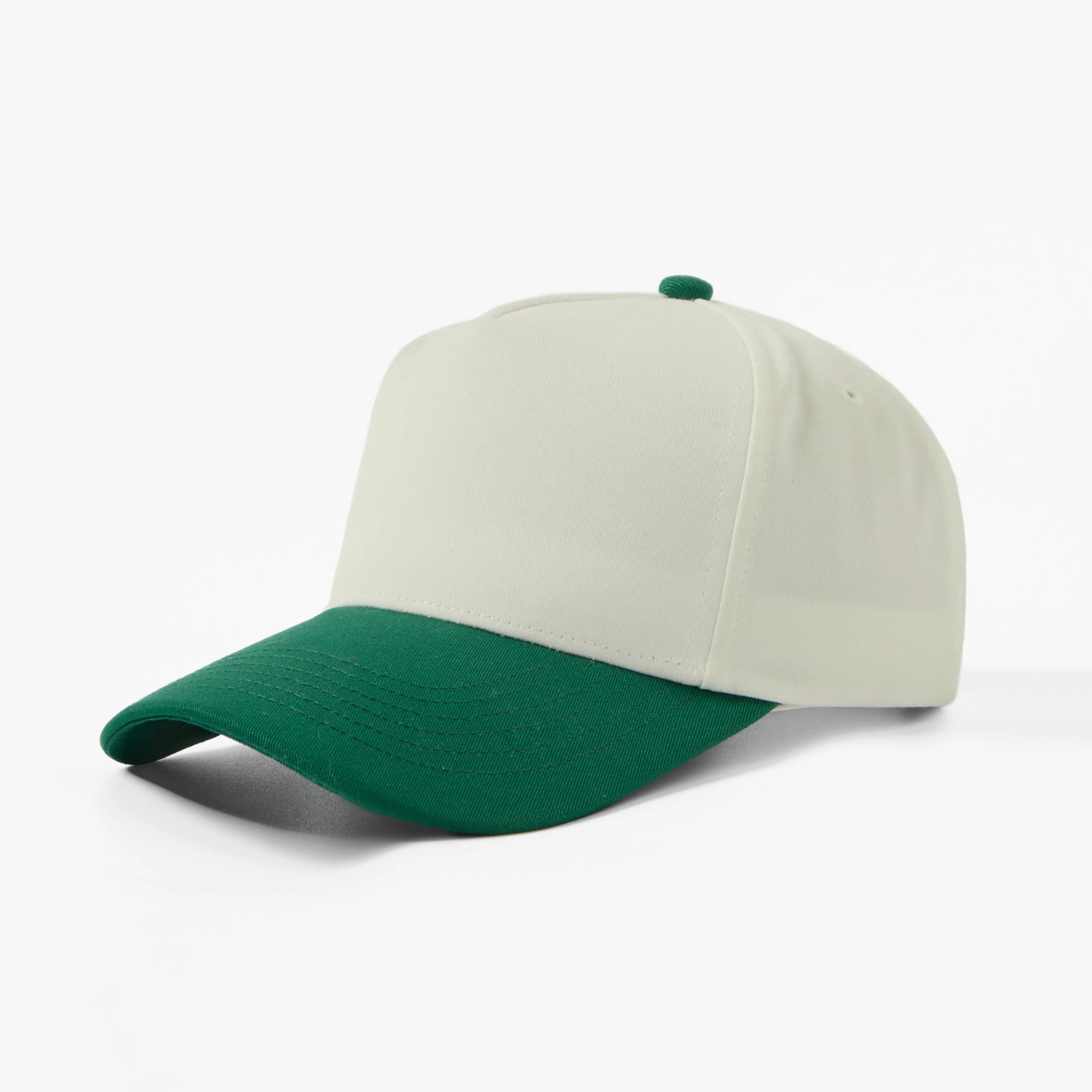
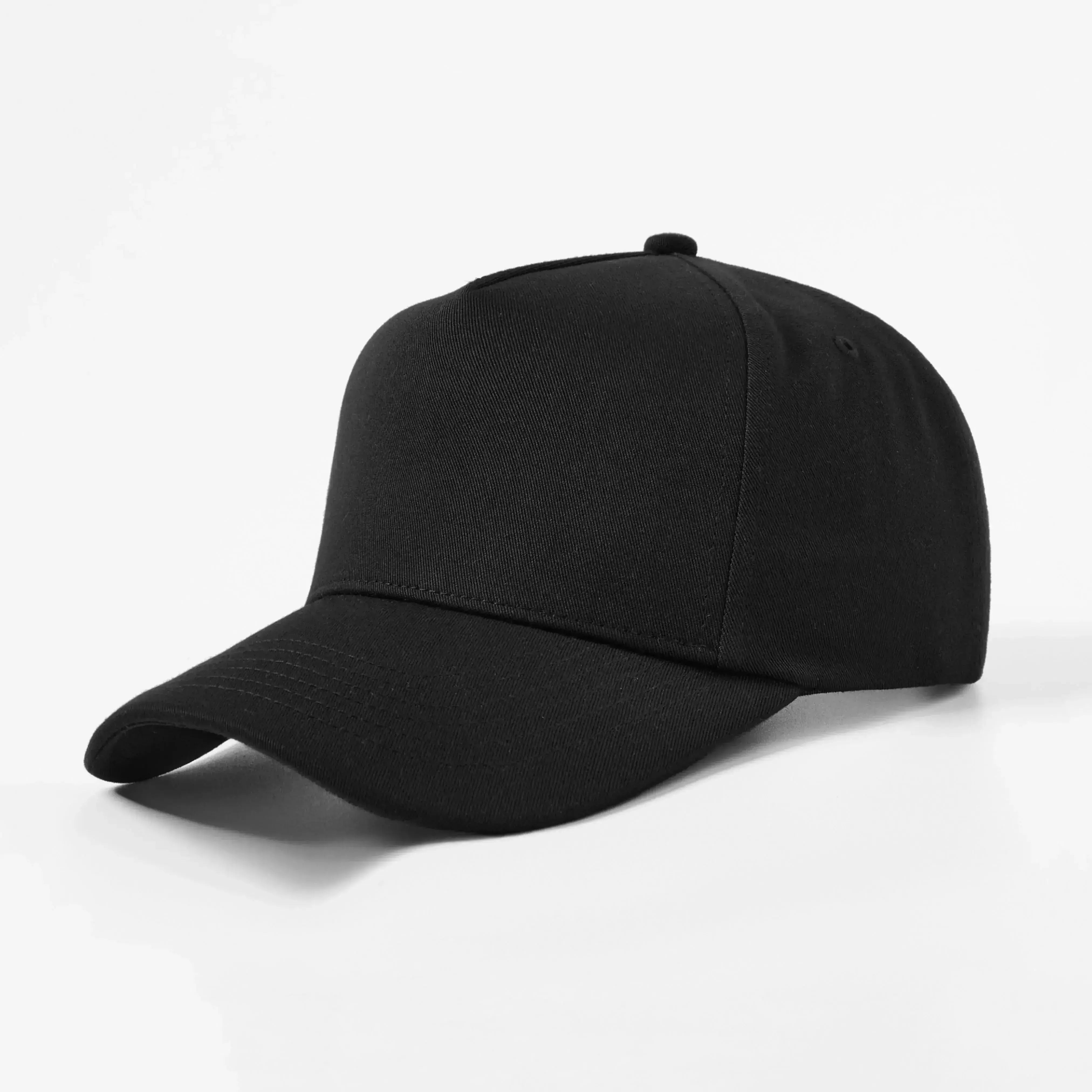
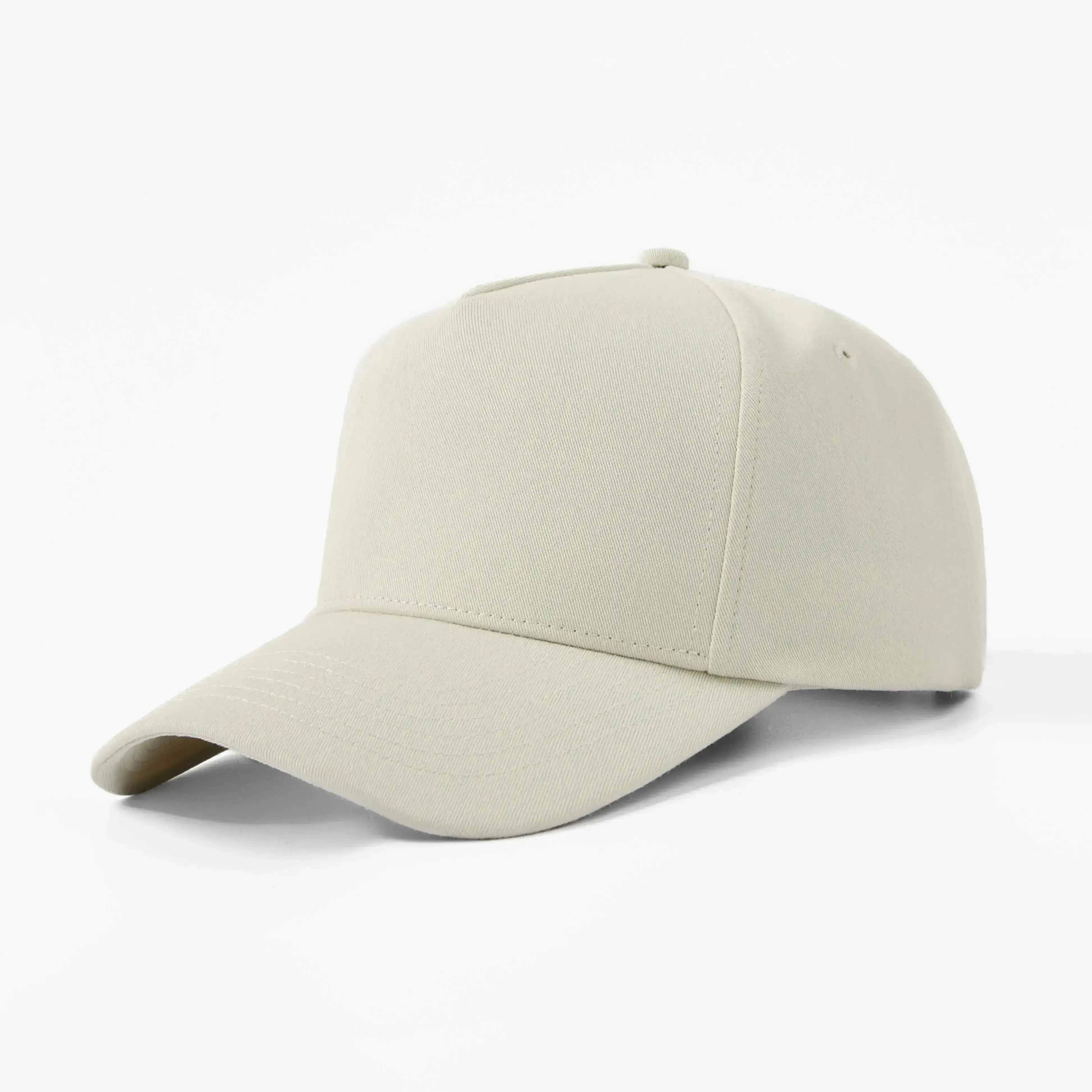
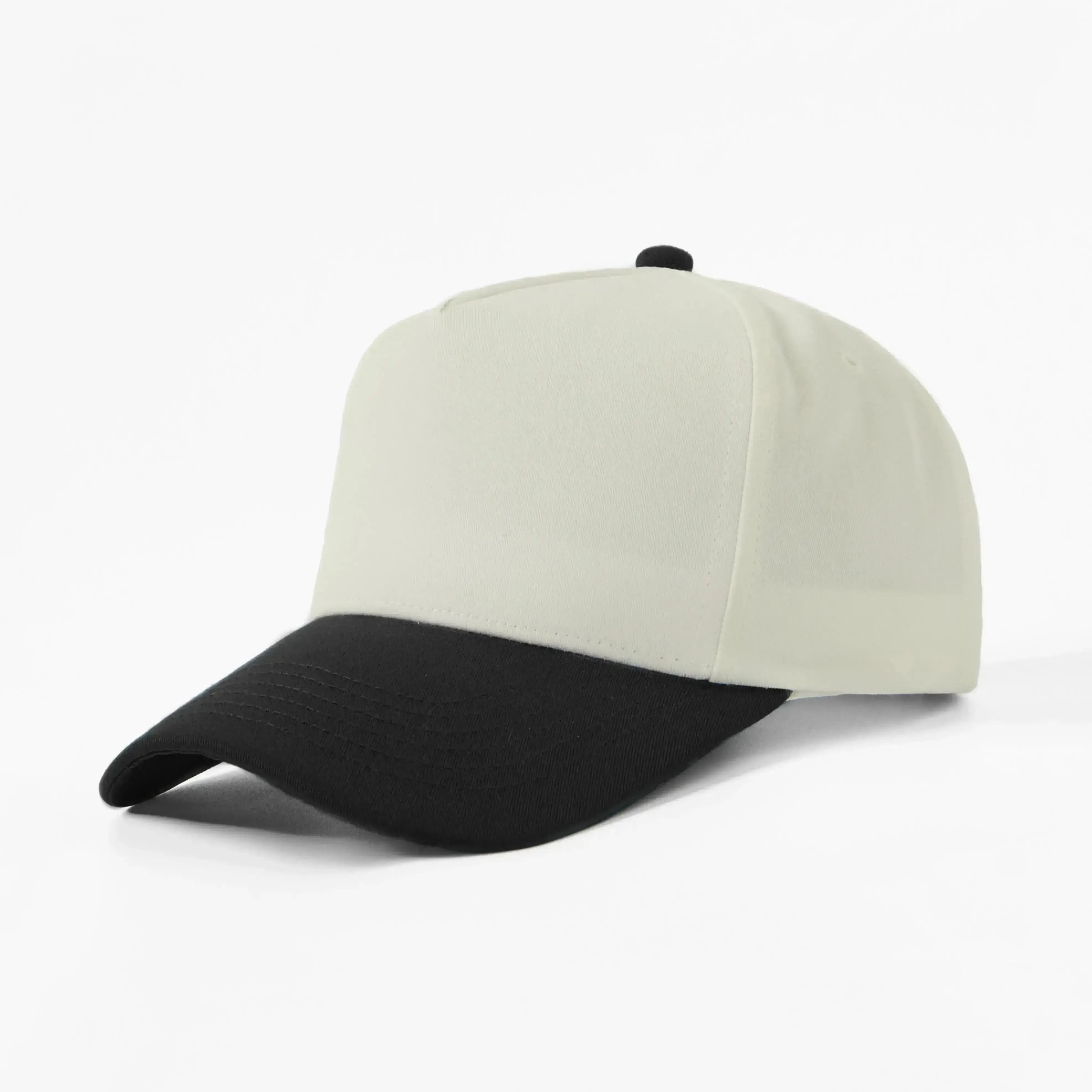
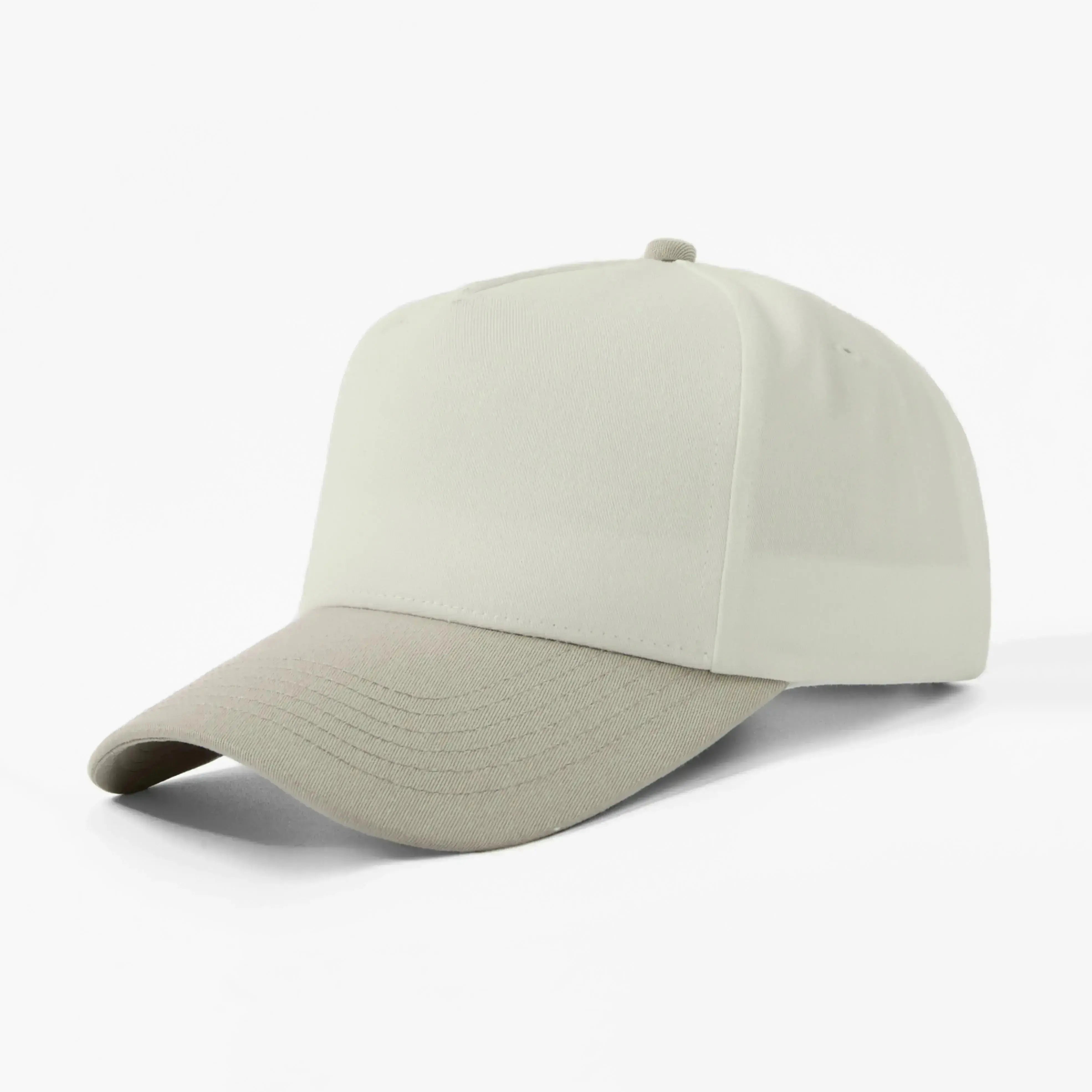
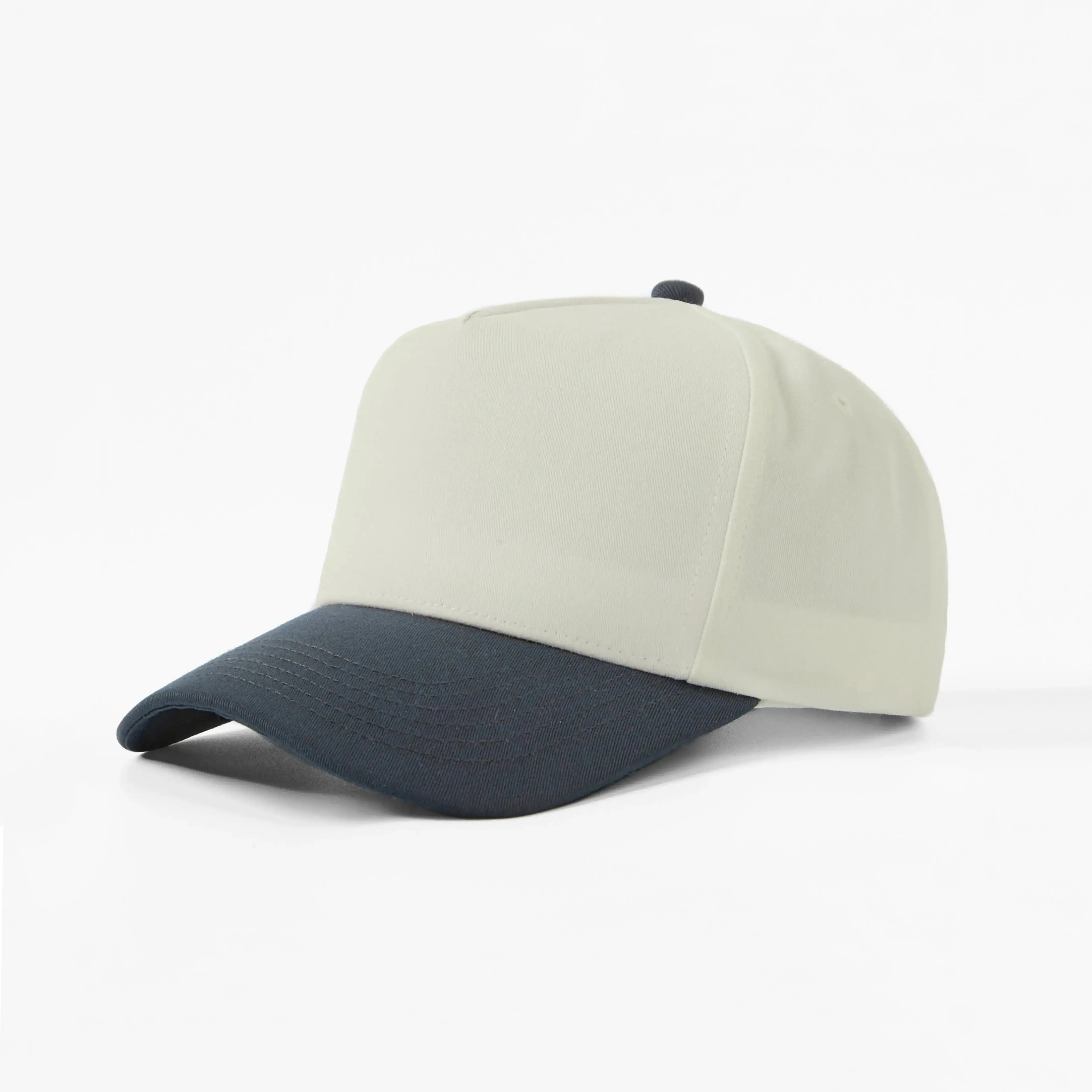
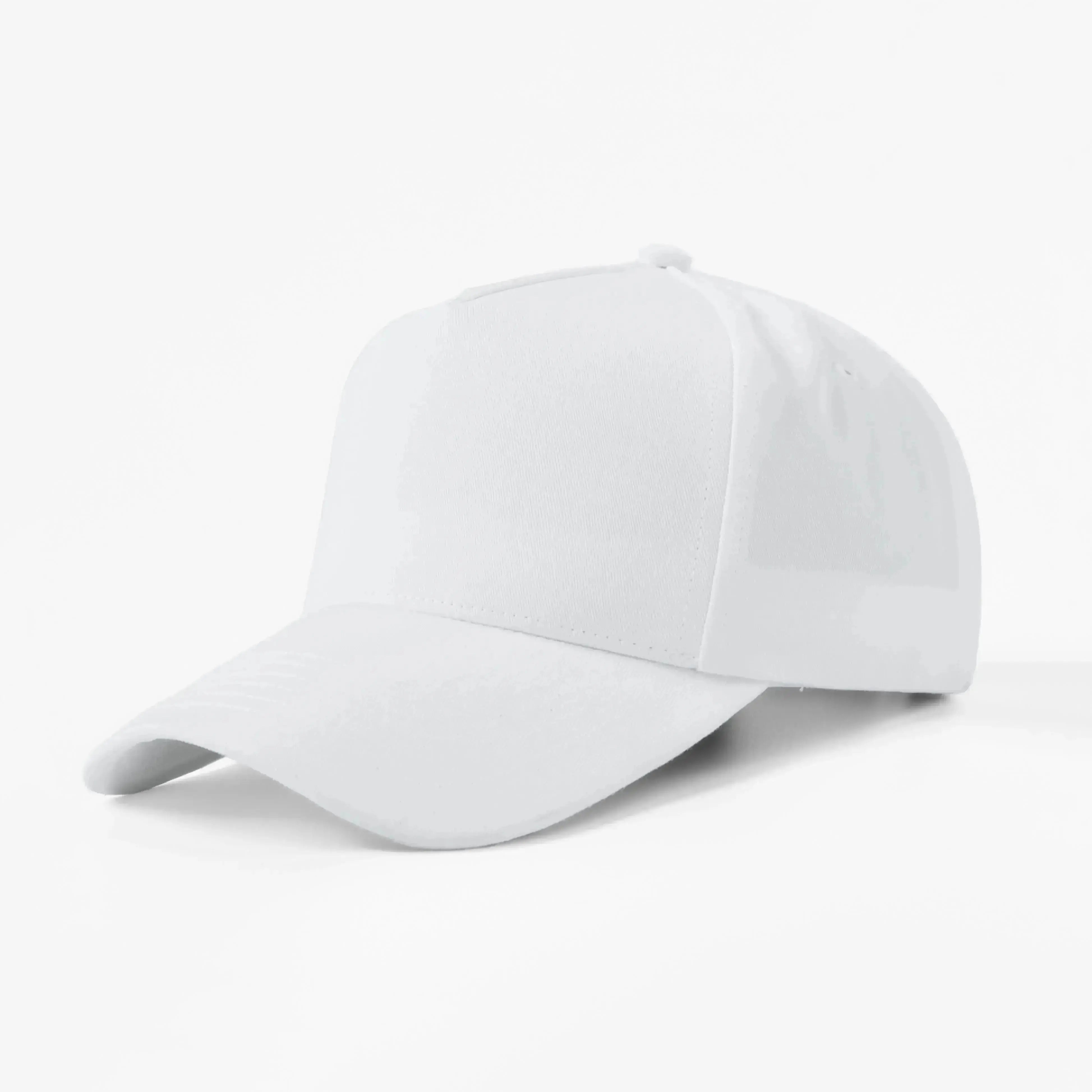
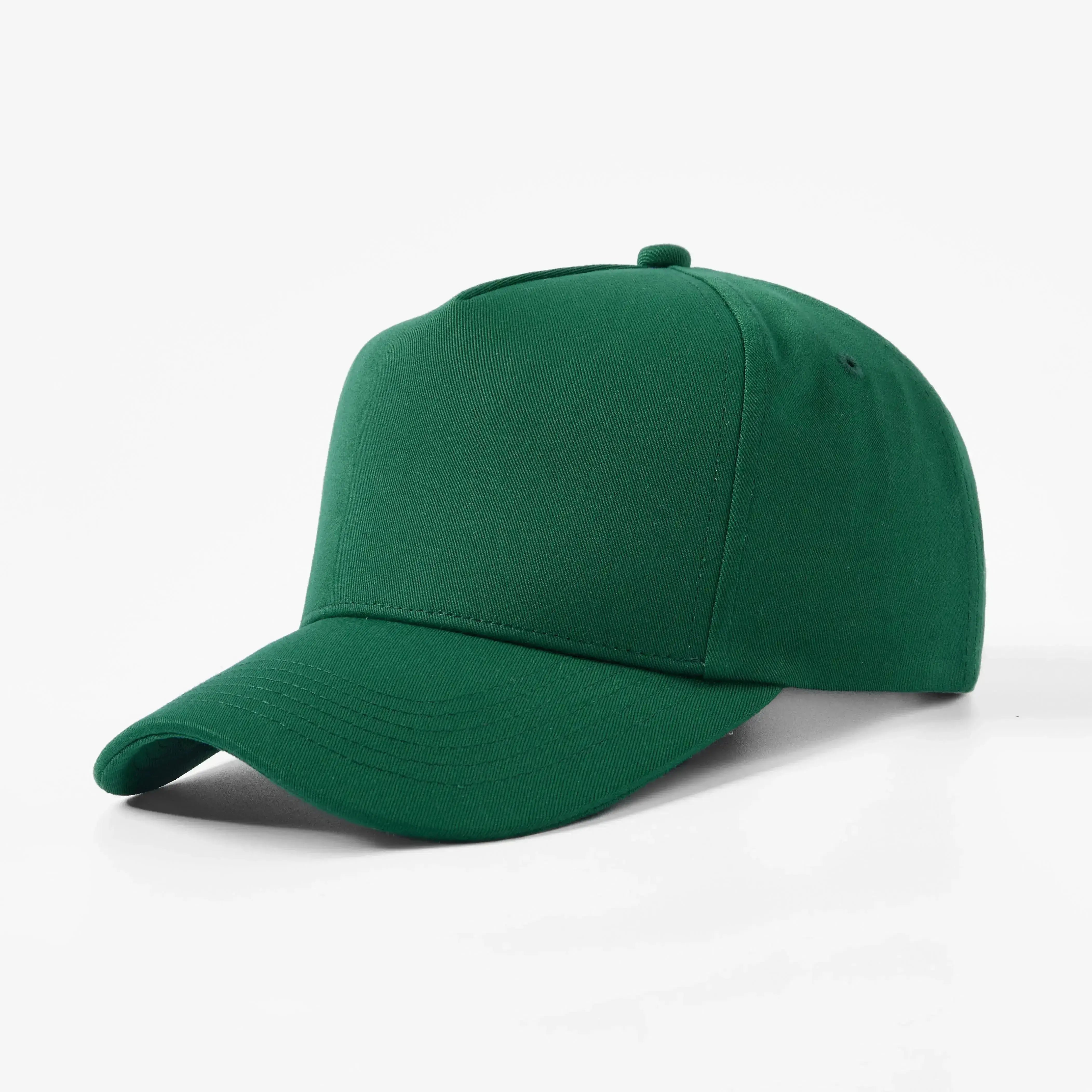
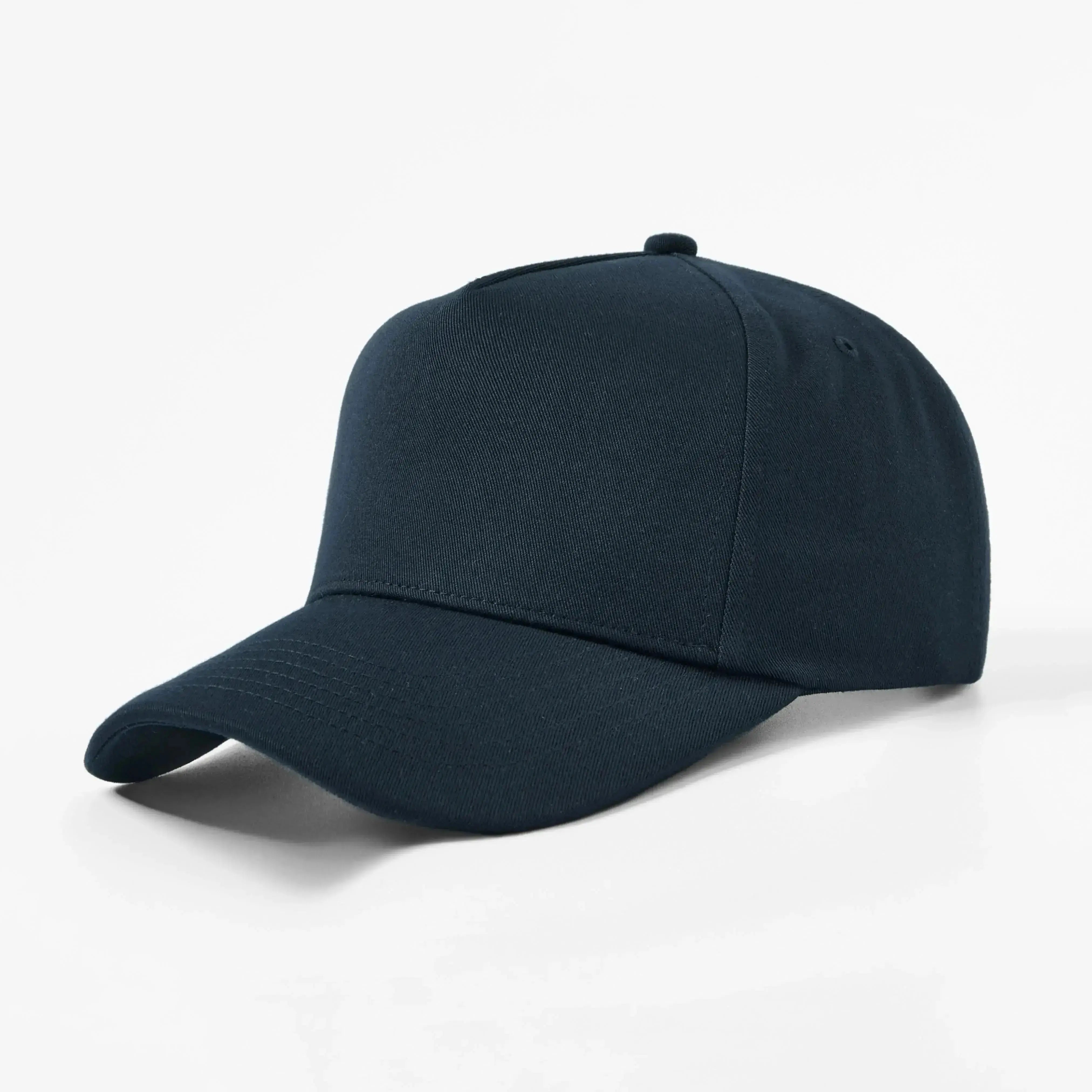
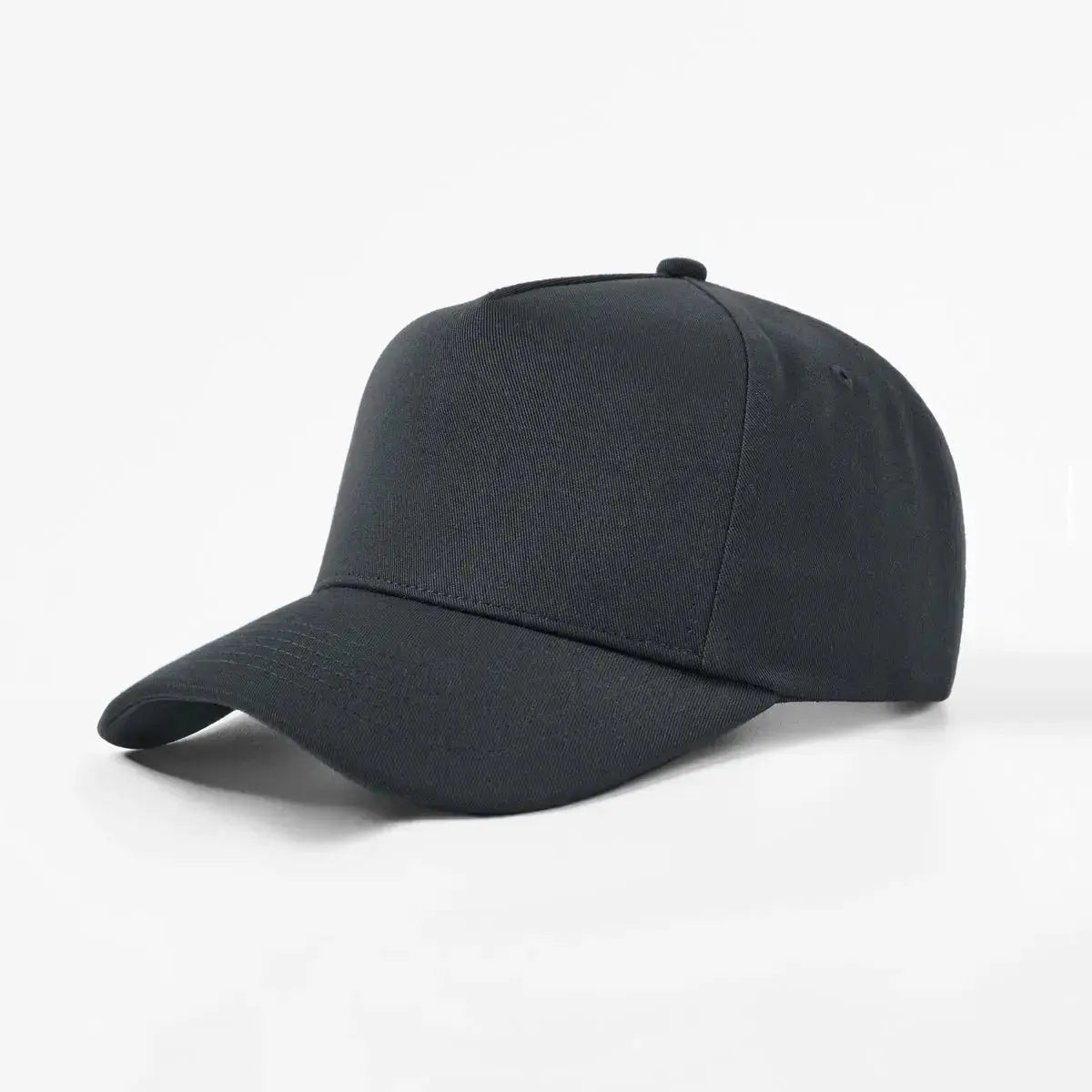

A golf hat may seem like a small part of your equipment, but it can have a meaningful effect on your comfort and concentration. Golfers often spend four or more hours outdoors during a round, dealing with direct sunlight, heat, humidity, wind, and changing weather.
The right golf hat can shade your eyes, manage sweat, reduce glare, and help you remain comfortable from the first tee to the final green. For golf clubs, retailers, tournament organizers, and corporate buyers, it can also serve as a practical product for merchandise, team identity, sponsorship, and brand promotion.
This guide explains how to choose a golf hat based on function, fit, material, style, sun protection, and customization. It also covers the most important considerations when ordering custom or wholesale golf hats.

Start With Function
Appearance matters, but function should come first. A hat that looks good but traps heat, shifts during the swing, or absorbs too much moisture will quickly become uncomfortable.
When comparing golf hats, look for:
- Lightweight construction
- Breathable fabric
- A moisture-wicking sweatband
- Reliable UV protection
- A secure and adjustable fit
- A brim that shades the eyes
- Quick-drying performance
- A shape that suits the wearer
A performance-first approach is especially important for golfers who walk the course or regularly play in hot and humid conditions. Lightweight materials, moisture management, UV protection, and adjustable closures are among the main features recommended for an effective golf hat.

Understand UV Protection
Golf involves long periods of outdoor exposure, often with limited shade. A hat should therefore be evaluated as a piece of protective equipment rather than only a fashion accessory.
What Does UPF Mean?
UPF stands for Ultraviolet Protection Factor. It measures how much UV radiation can pass through a fabric.
A UPF 50 fabric allows approximately 1/50th of UV radiation to pass through, meaning it blocks about 98%. Fabrics rated UPF 40–50+ provide excellent UV protection, while lower ratings allow more radiation to reach the skin.
Fabric Construction Matters
Color alone does not determine UV protection. A tightly woven, light-colored technical fabric with a verified UPF rating may provide better protection than a loosely woven dark material.
Polyester-spandex blends and purpose-built UV-blocking fabrics are common choices for performance golf hats. Dense fabric construction helps limit the amount of UV radiation that passes through the material.
Brim Width and Shape
A standard golf cap mainly shades the forehead, eyes, and part of the face. A wider brim provides additional coverage for the ears and neck.
Brim stiffness also matters. A soft brim may shift in the wind, while a structured brim provides more consistent shade. A longer brim can increase facial coverage, although it should not interfere with visibility or the golf swing.
Consider a Dark Underbrim
A dark-colored surface underneath the brim can help reduce reflected glare from the fairway, sand, water, and surrounding surfaces. This is a useful detail for performance golf hats designed for bright conditions.
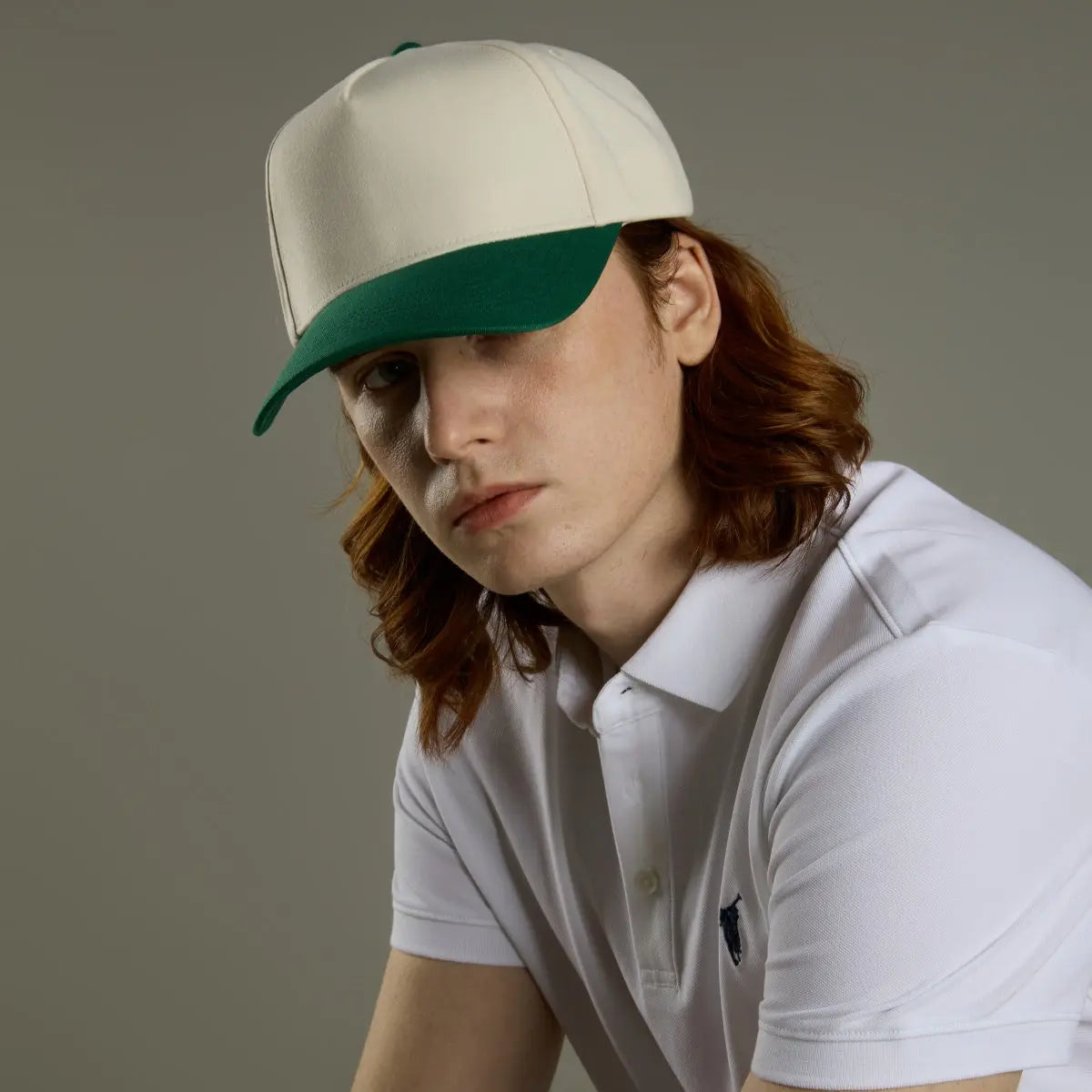
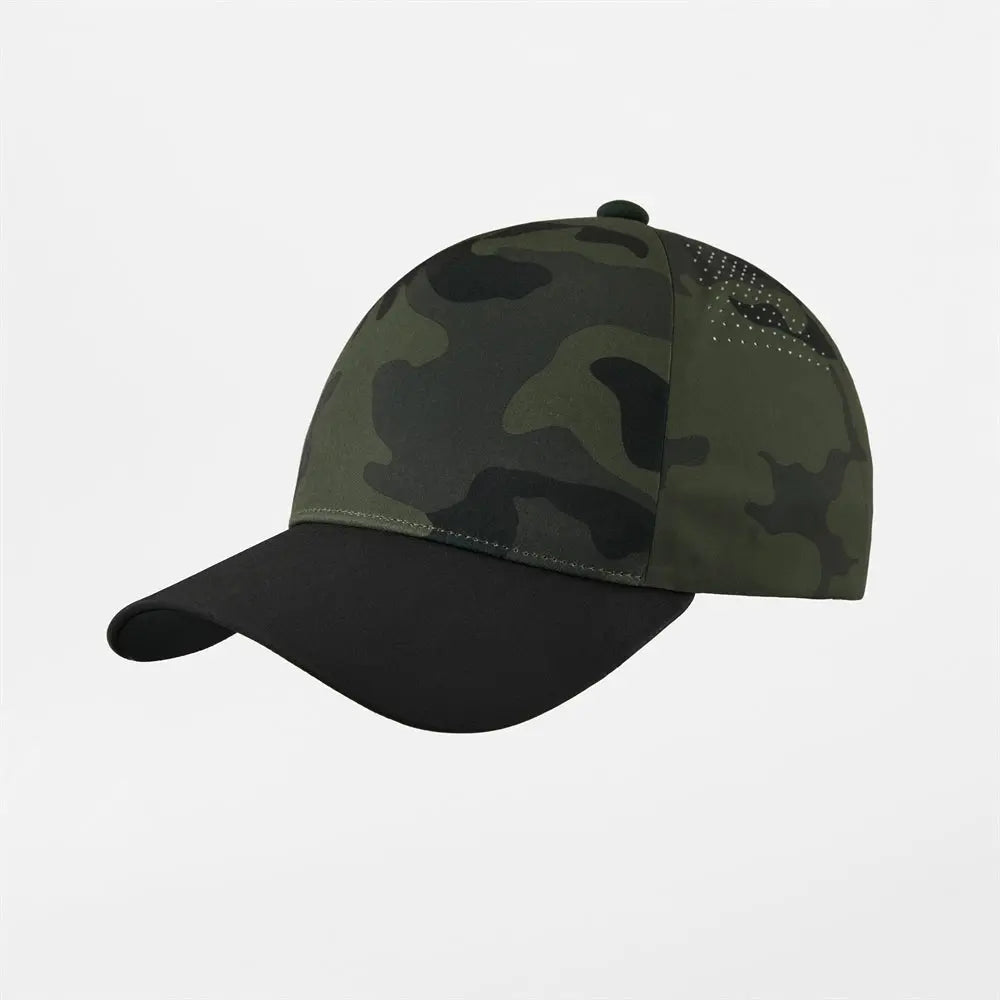
It also creates an opportunity for two-tone custom designs, combining a light-colored crown with a darker underbrim.
A Hat Does Not Replace Sunscreen
Even a UPF-rated golf cap leaves parts of the face, ears, and neck exposed. Golfers should combine suitable headwear with sunscreen, sunglasses, and protective clothing.
Players who need greater coverage may prefer a bucket hat or wide-brim golf hat.

Match the Golf Hat to the Playing Conditions
There is no single golf hat that works equally well in every climate. Consider the conditions in which the hat will be worn most often.
Hot and Sunny Conditions
For hot weather, choose a lightweight performance hat made from polyester, nylon, or a technical blend. These materials generally dry more quickly than cotton and can be engineered to move moisture away from the skin.
Useful warm-weather features include:
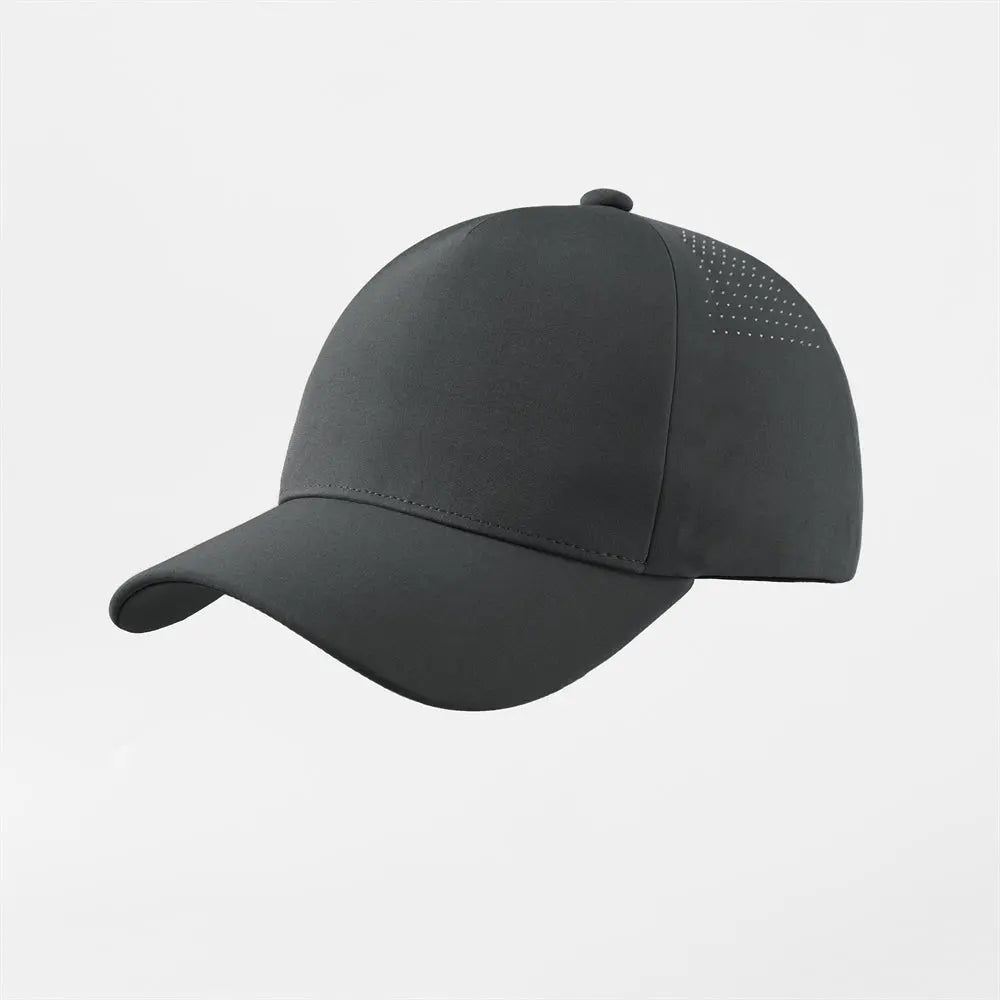
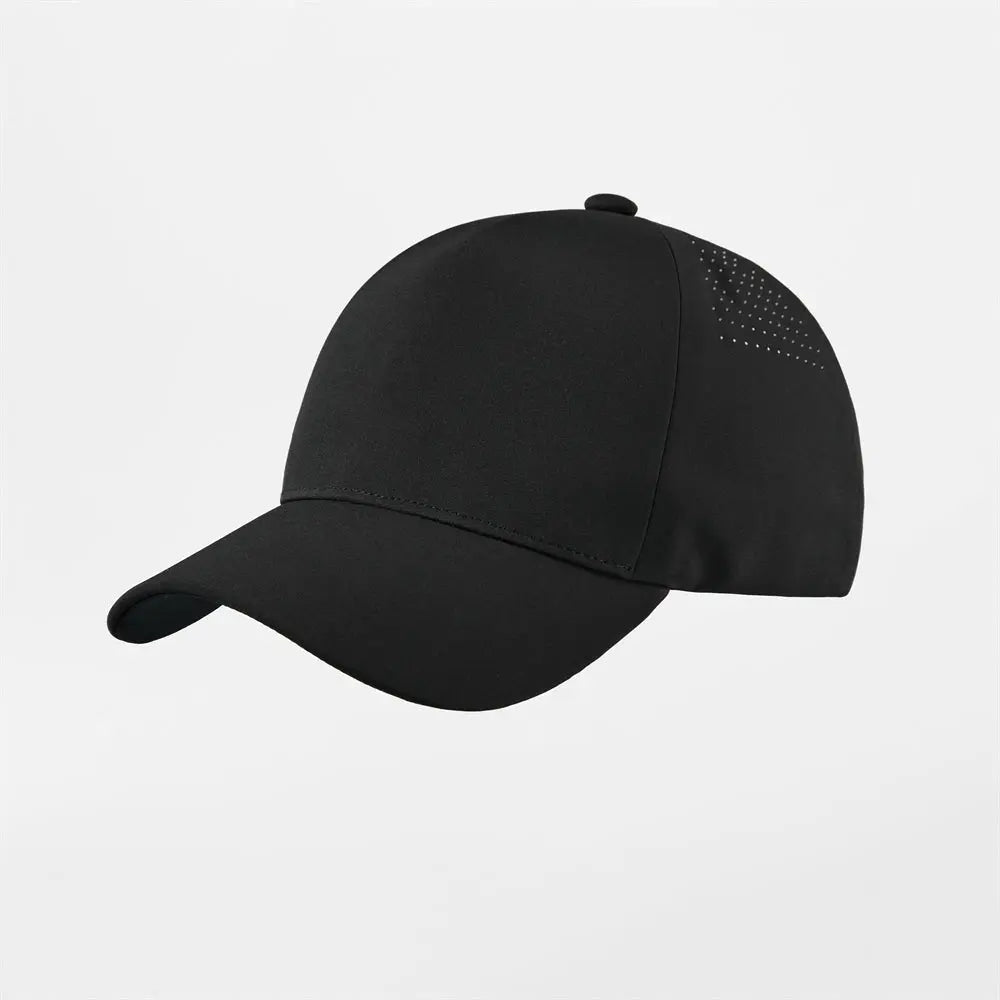
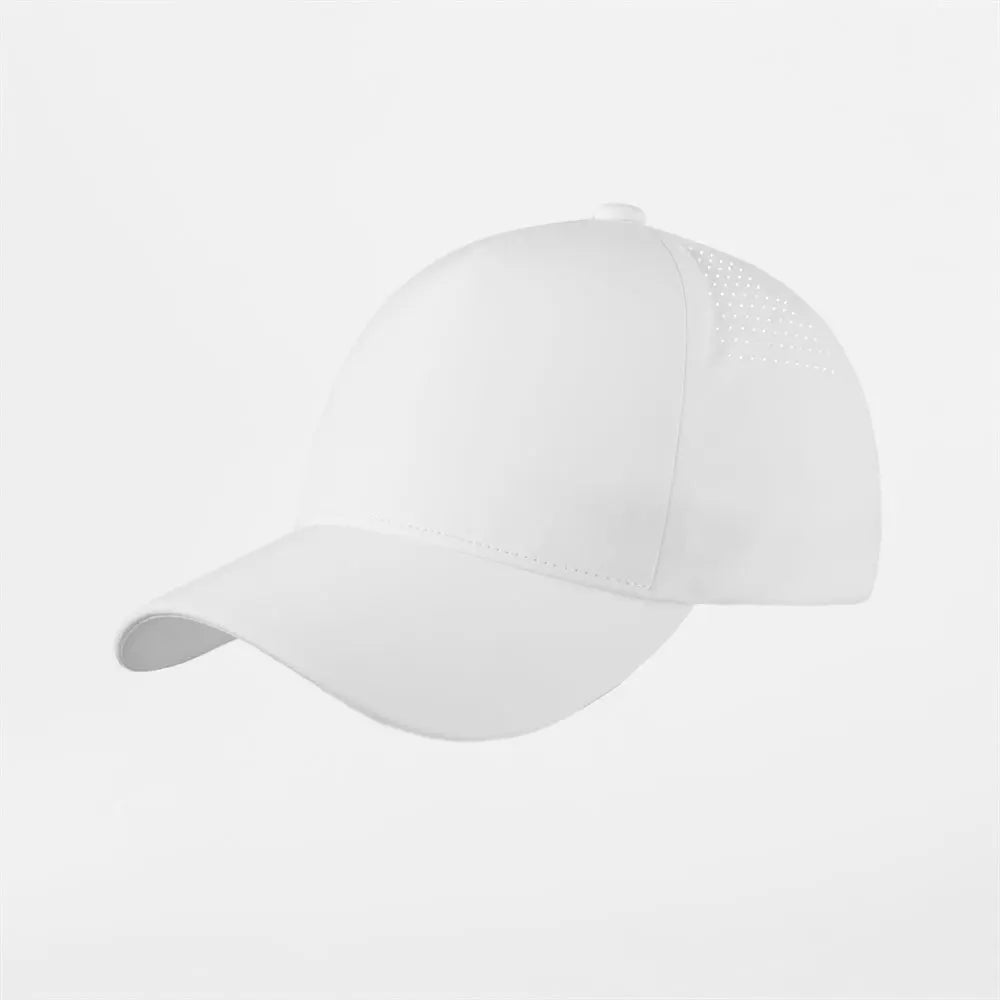
- Laser-cut ventilation
- Mesh or perforated panels
- Moisture-wicking sweatbands
- Quick-drying fabric
- UPF-rated material
- Lightweight seams and internal construction
Large mesh sections improve airflow, but they may not provide the same UV protection as solid fabric. If sun protection is a priority, look for ventilation systems designed to balance airflow with coverage.

Windy Conditions
A golf hat should remain stable while walking, driving a cart, and swinging a club. In windy conditions, choose a secure low- or mid-profile shape with an adjustable closure.
A structured crown can help the hat maintain its shape, but fit remains the most important factor. The hat should not lift easily or move across the forehead.
Cool or Overcast Conditions
For cooler weather, cotton twill, thicker blended fabrics, and structured caps can provide slightly more warmth. Darker colors may also be suitable for fall and winter collections.
A knit golf hat or beanie is another option for cold-weather play, although it provides less shade for the eyes.
Light Rain
For wet conditions, choose polyester or nylon with a water-resistant finish. A curved, structured brim can help direct water away from the face.
Water-resistant and waterproof are not the same. A fully waterproof hat may provide greater rain protection but can feel less breathable during physical activity.
Choose the Right Golf Hat Style
Each golf hat style offers a different combination of appearance, coverage, ventilation, and customization potential.
Traditional Golf Caps
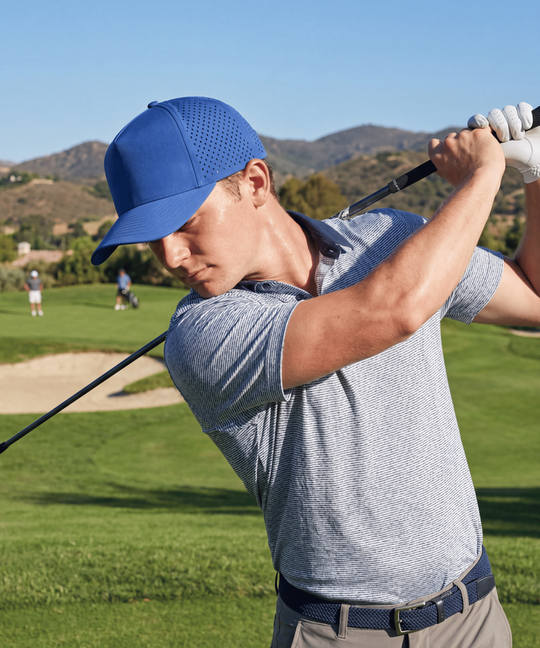
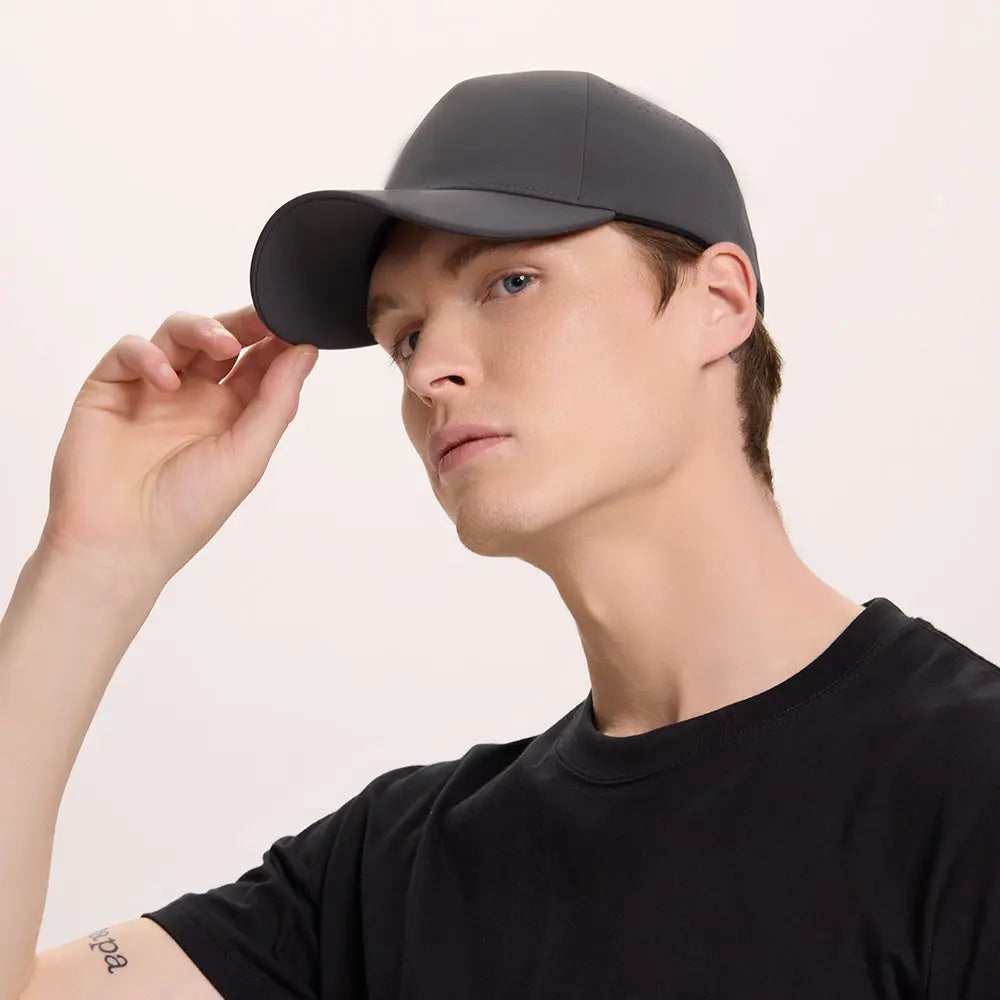
Traditional golf caps resemble baseball caps and remain one of the most versatile options. They typically feature a curved brim, paneled crown, and adjustable back closure.
Their advantages include:
- Familiar fit
- Good forward shade
- Multiple fabric options
- Easy adjustment
- Large front decoration area
- Broad customer appeal
Traditional caps are suitable for golf clubs, corporate events, tournaments, retail programs, and promotional campaigns.

Performance Golf Hats
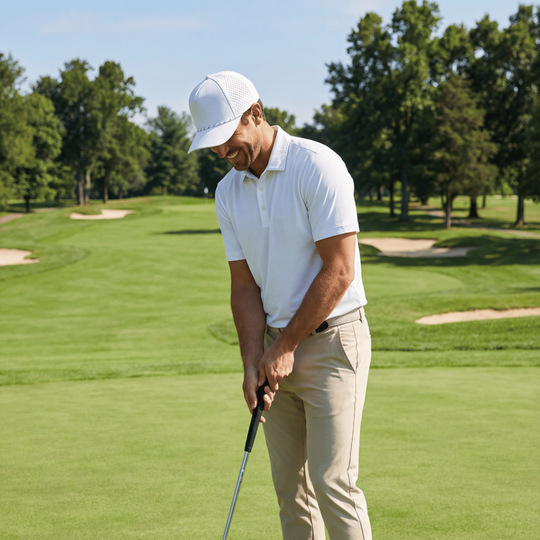
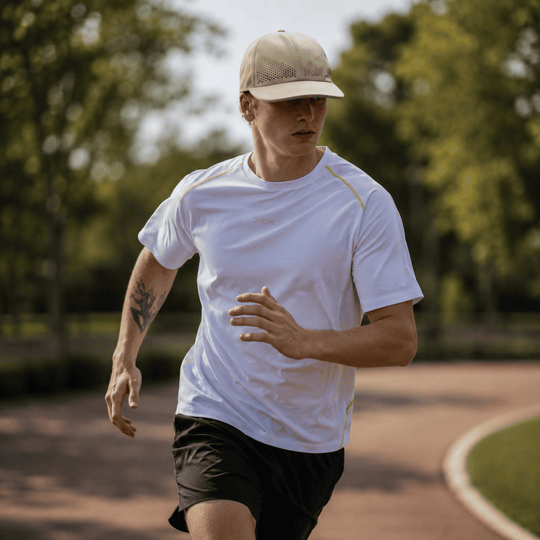
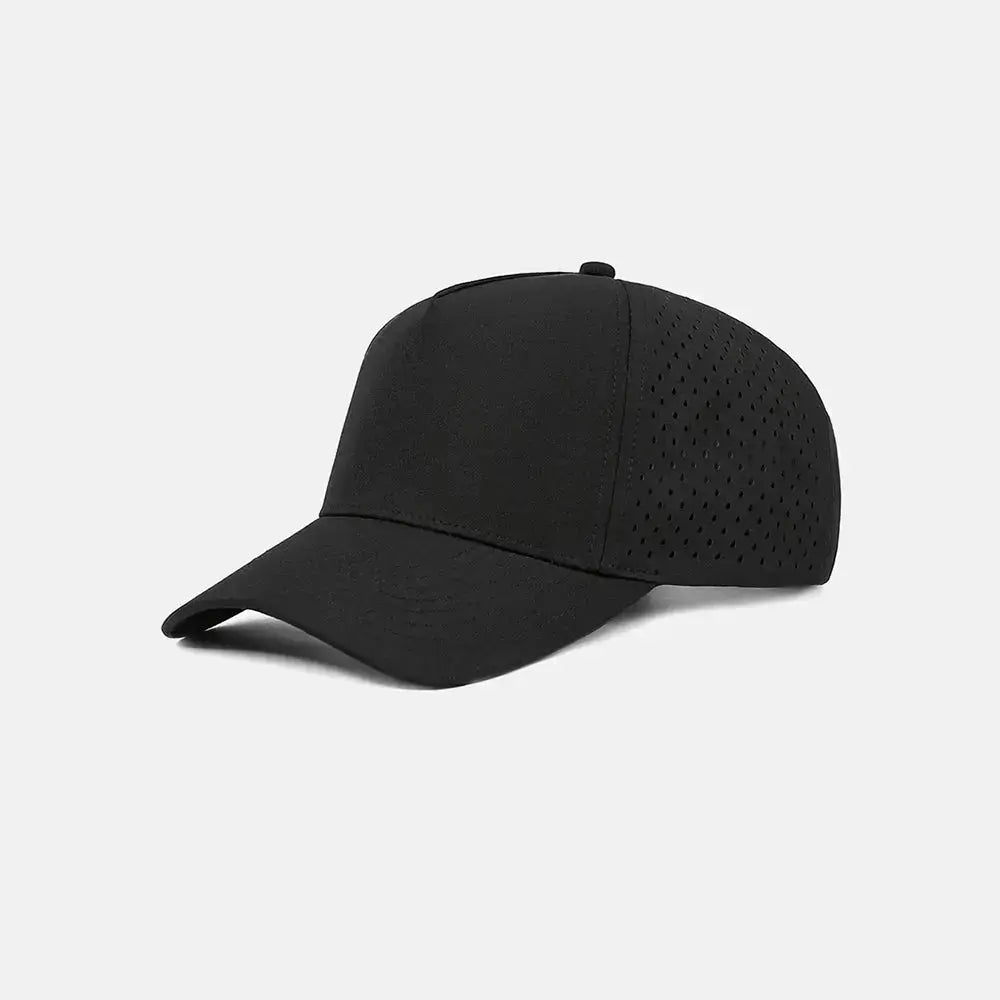
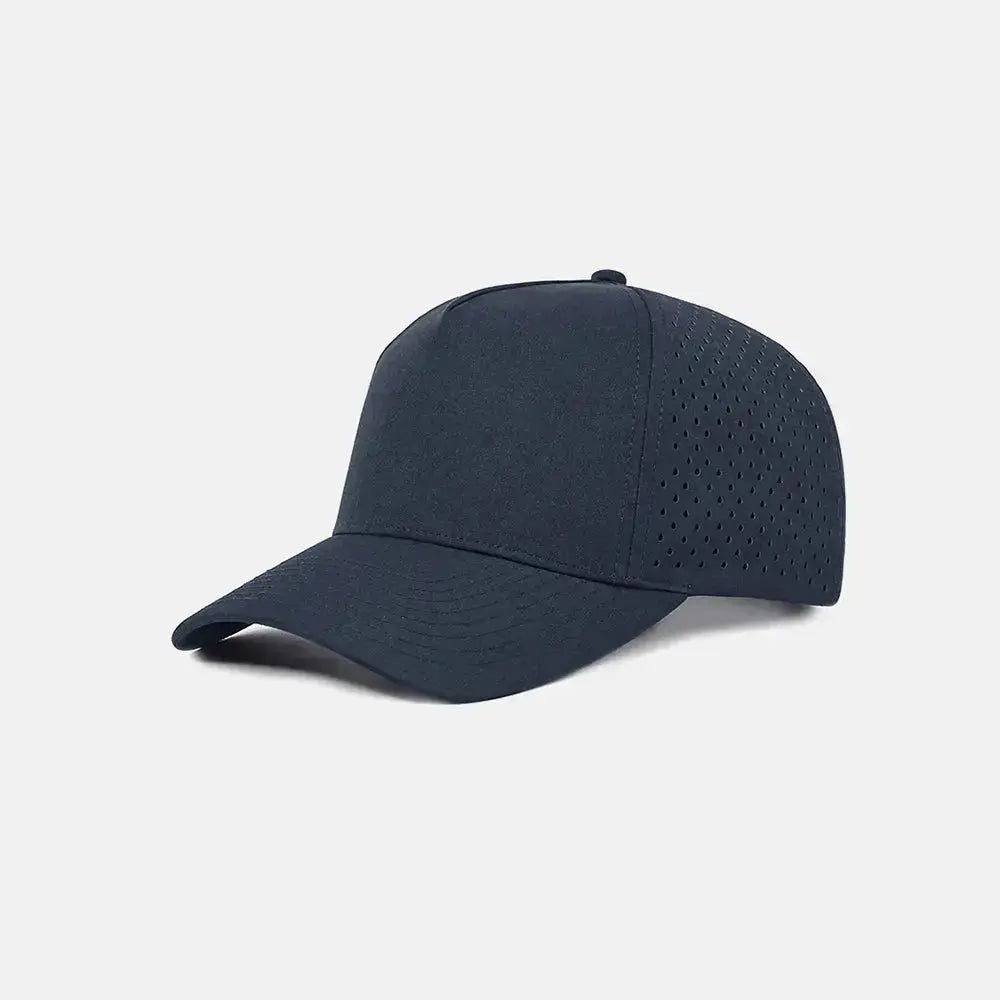
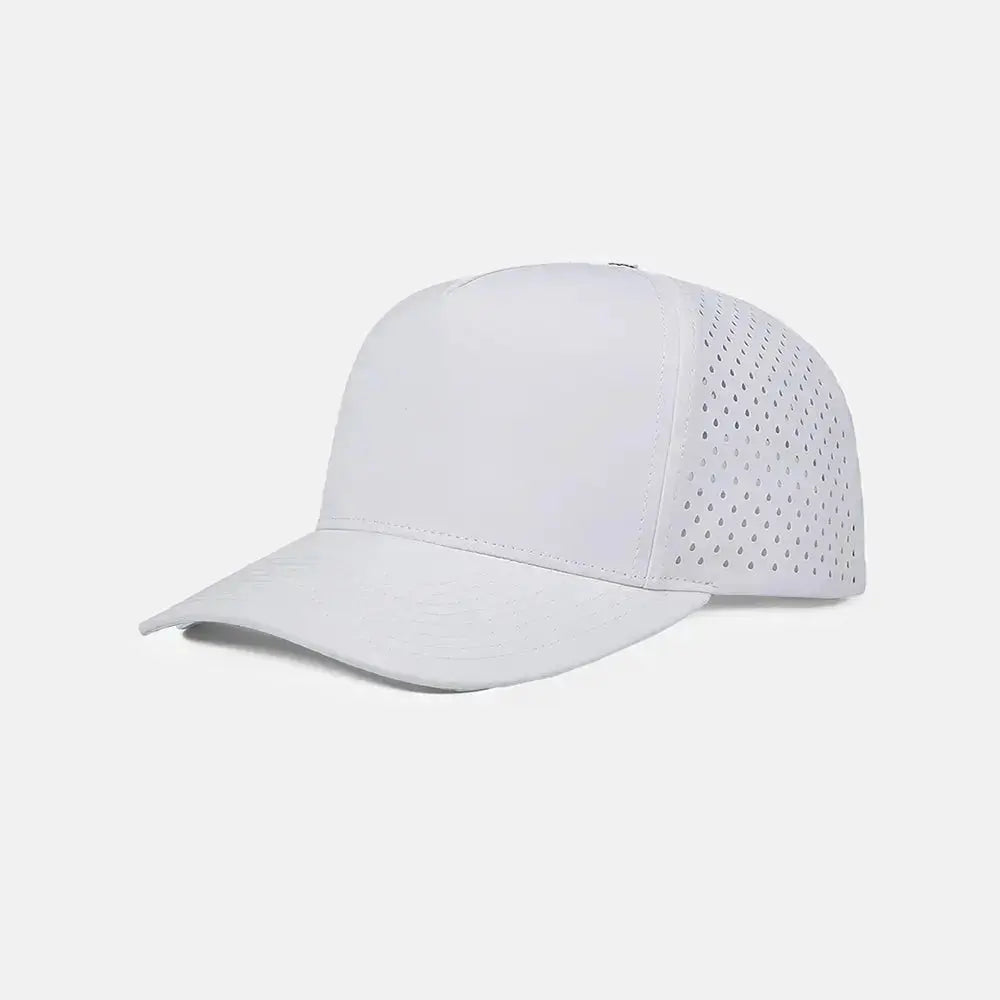
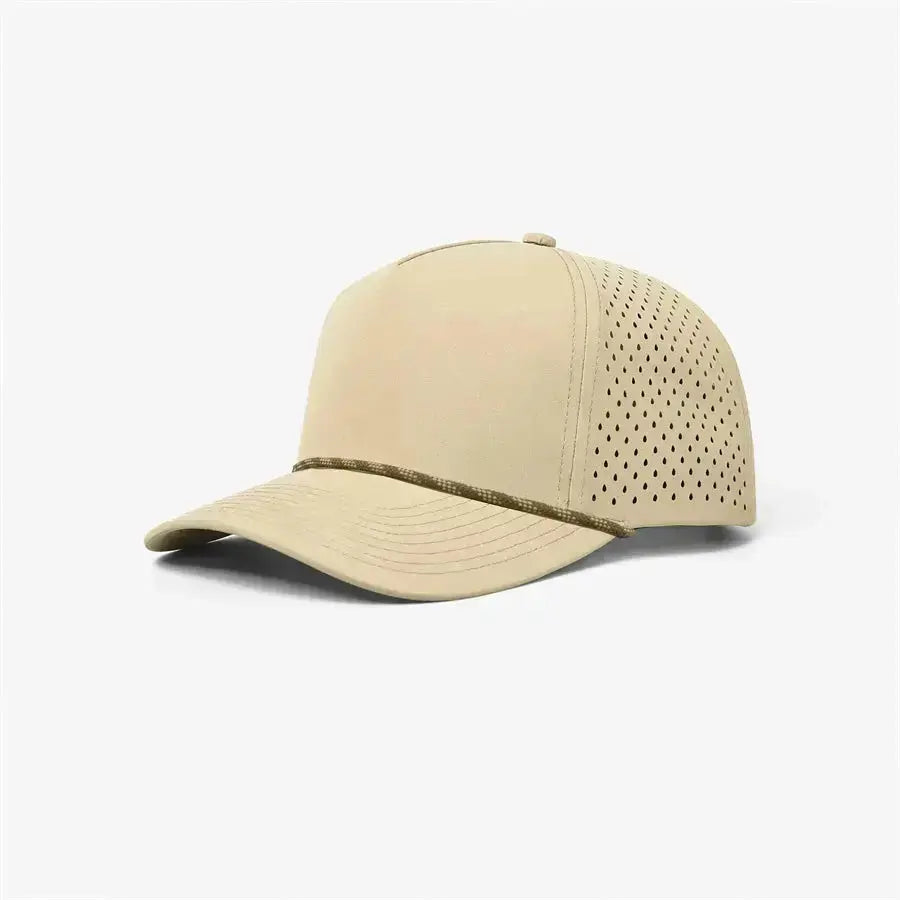
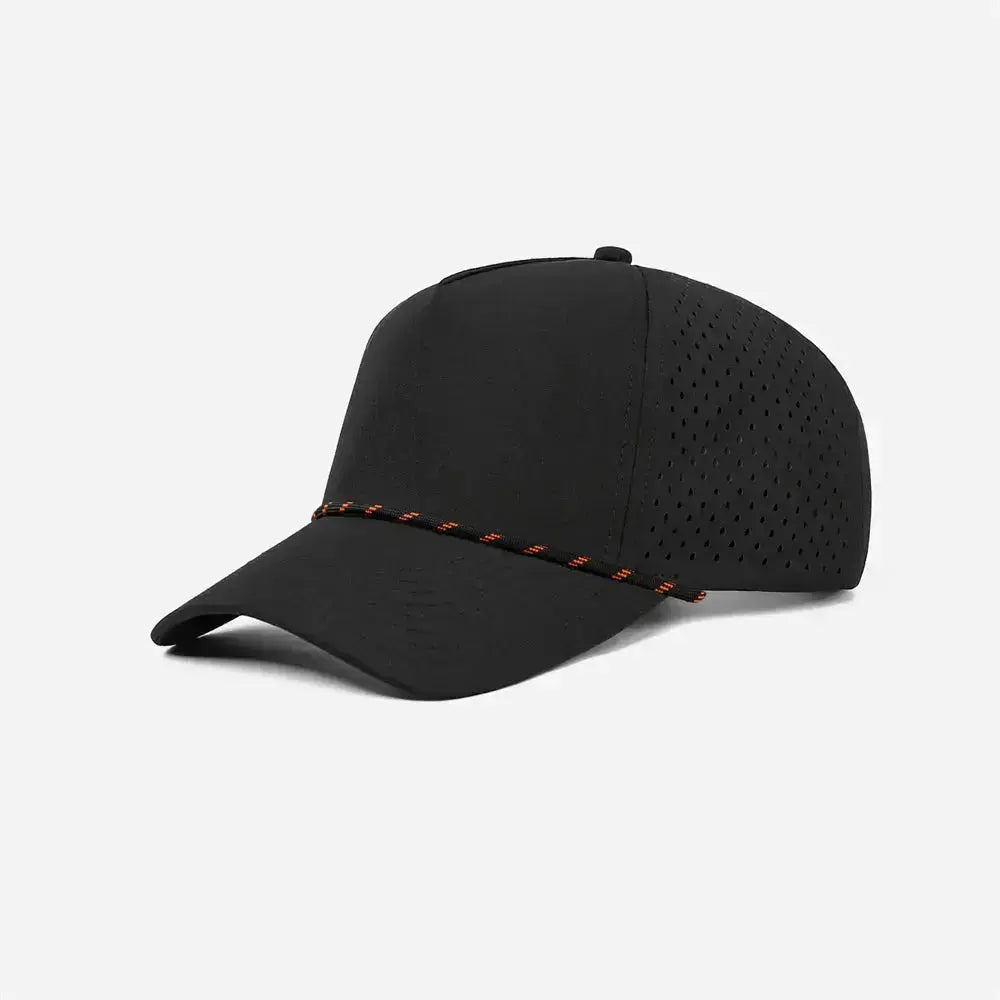
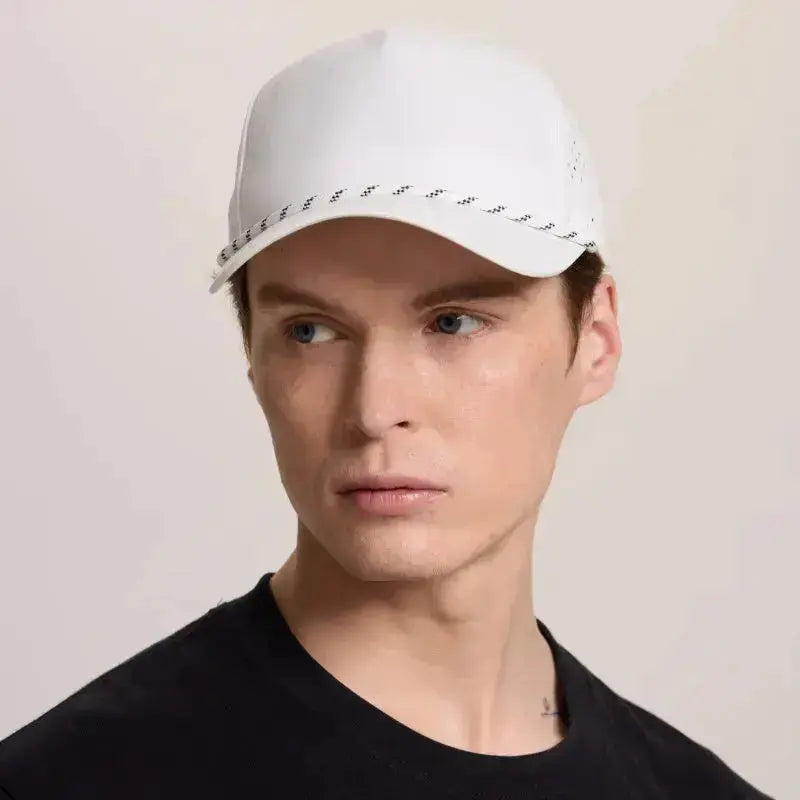
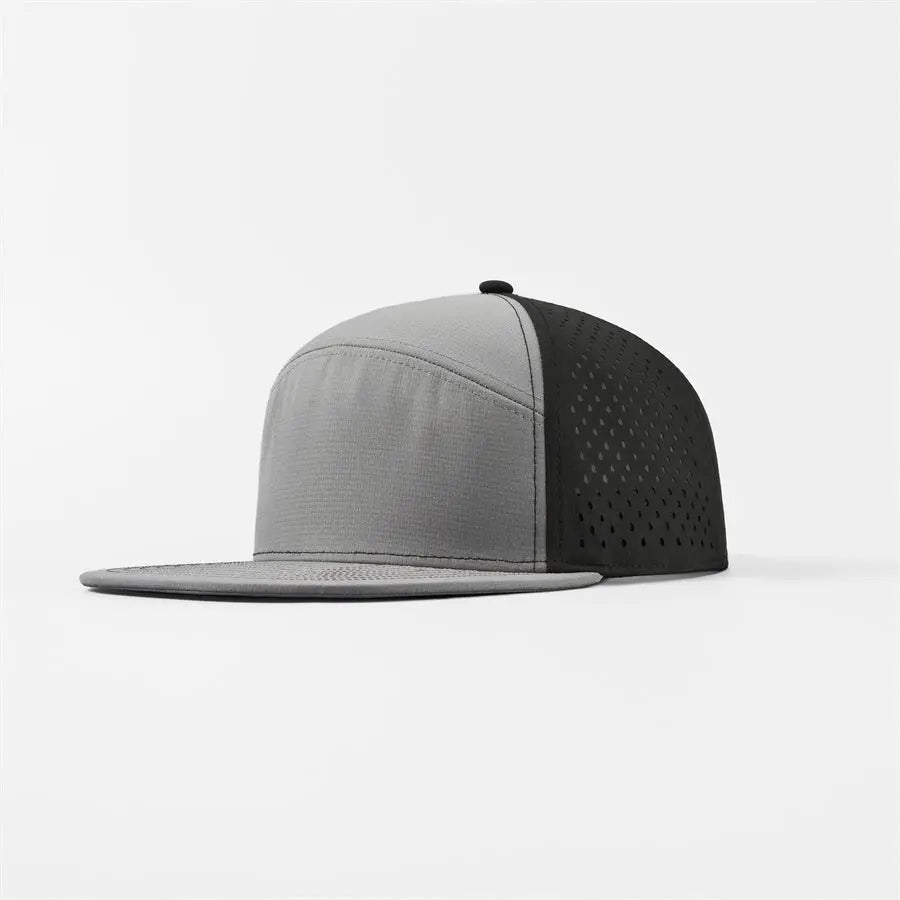
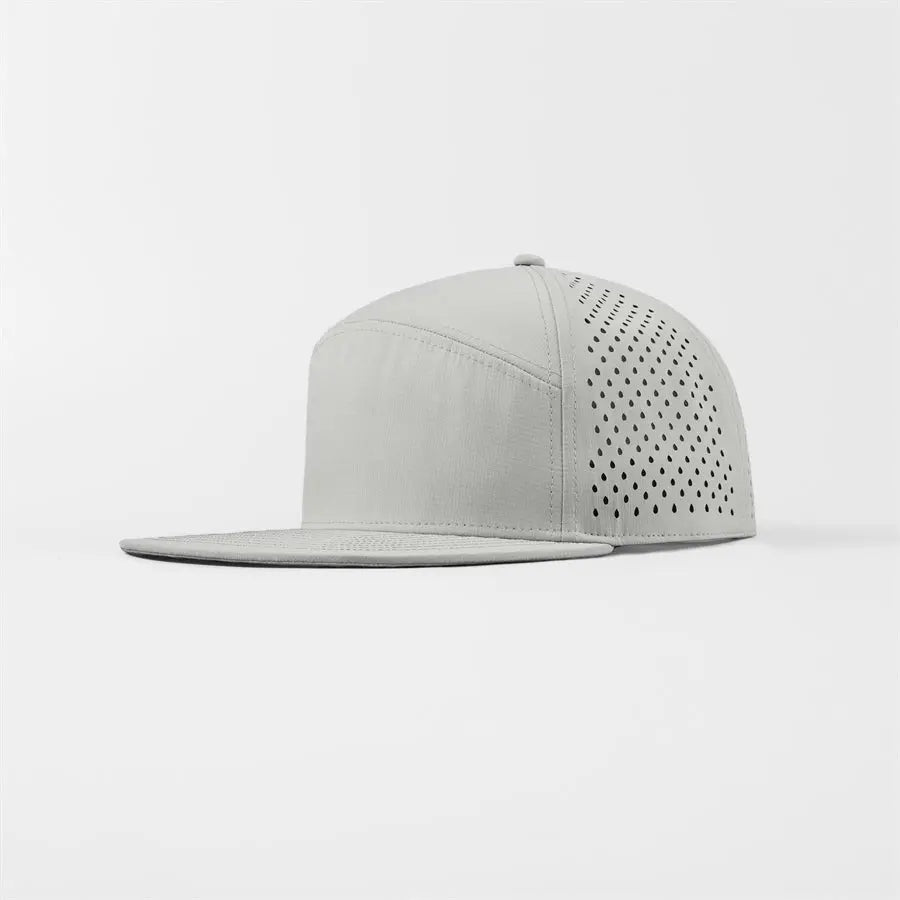
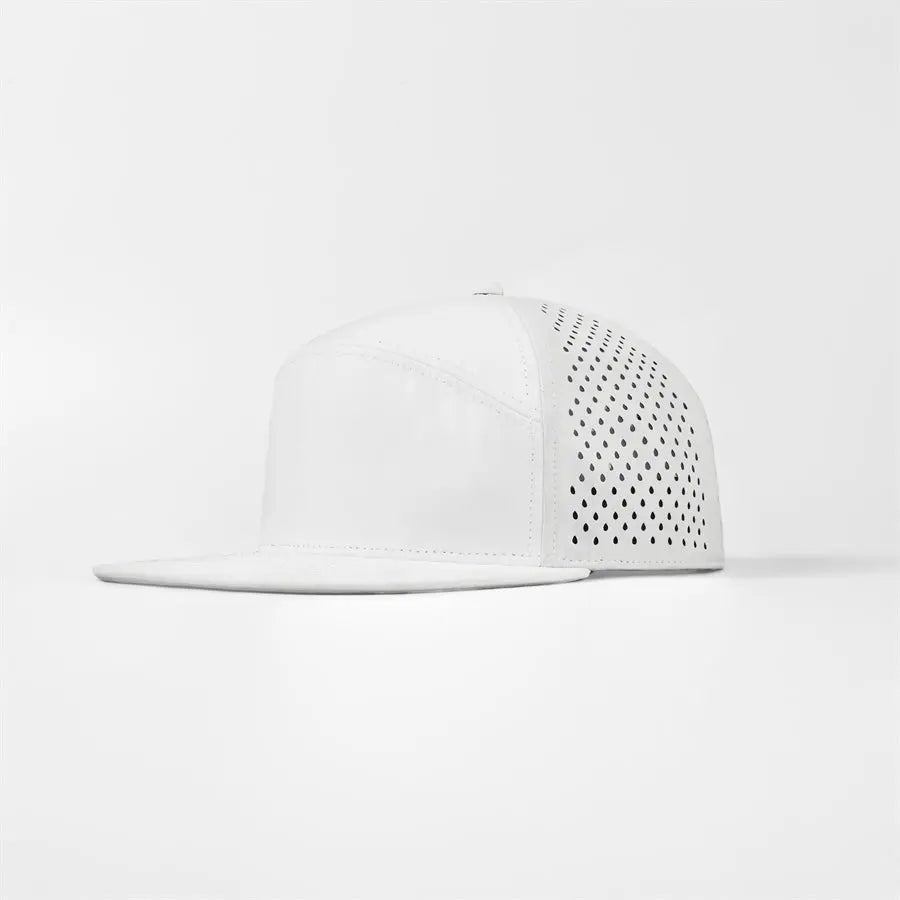
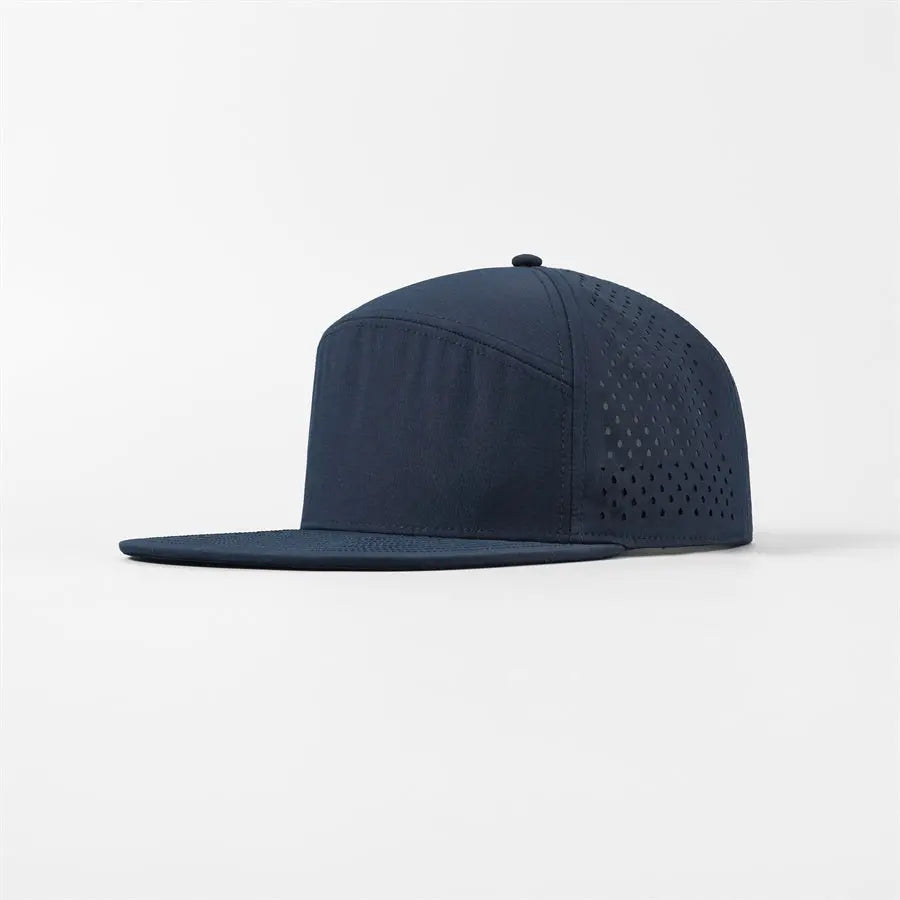
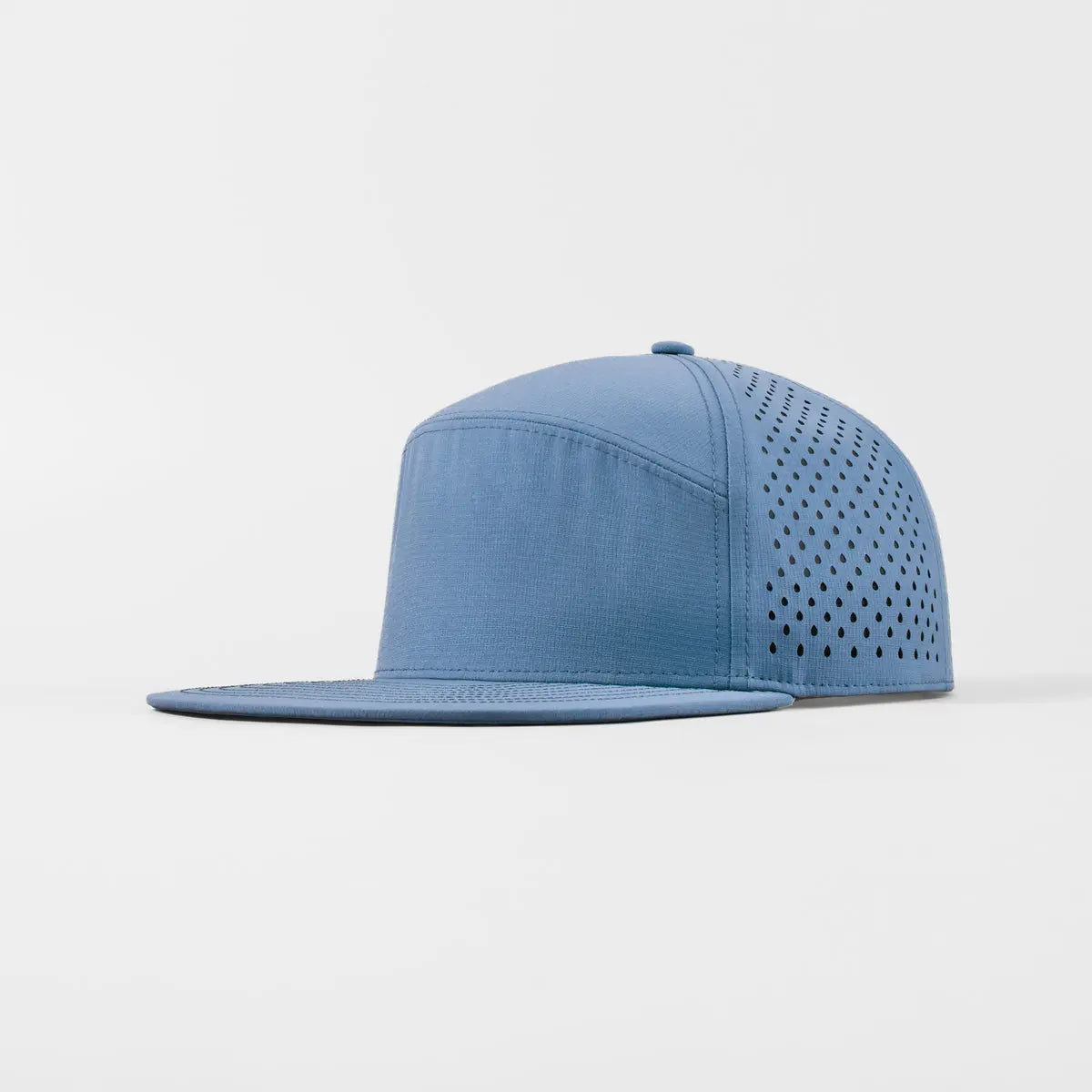
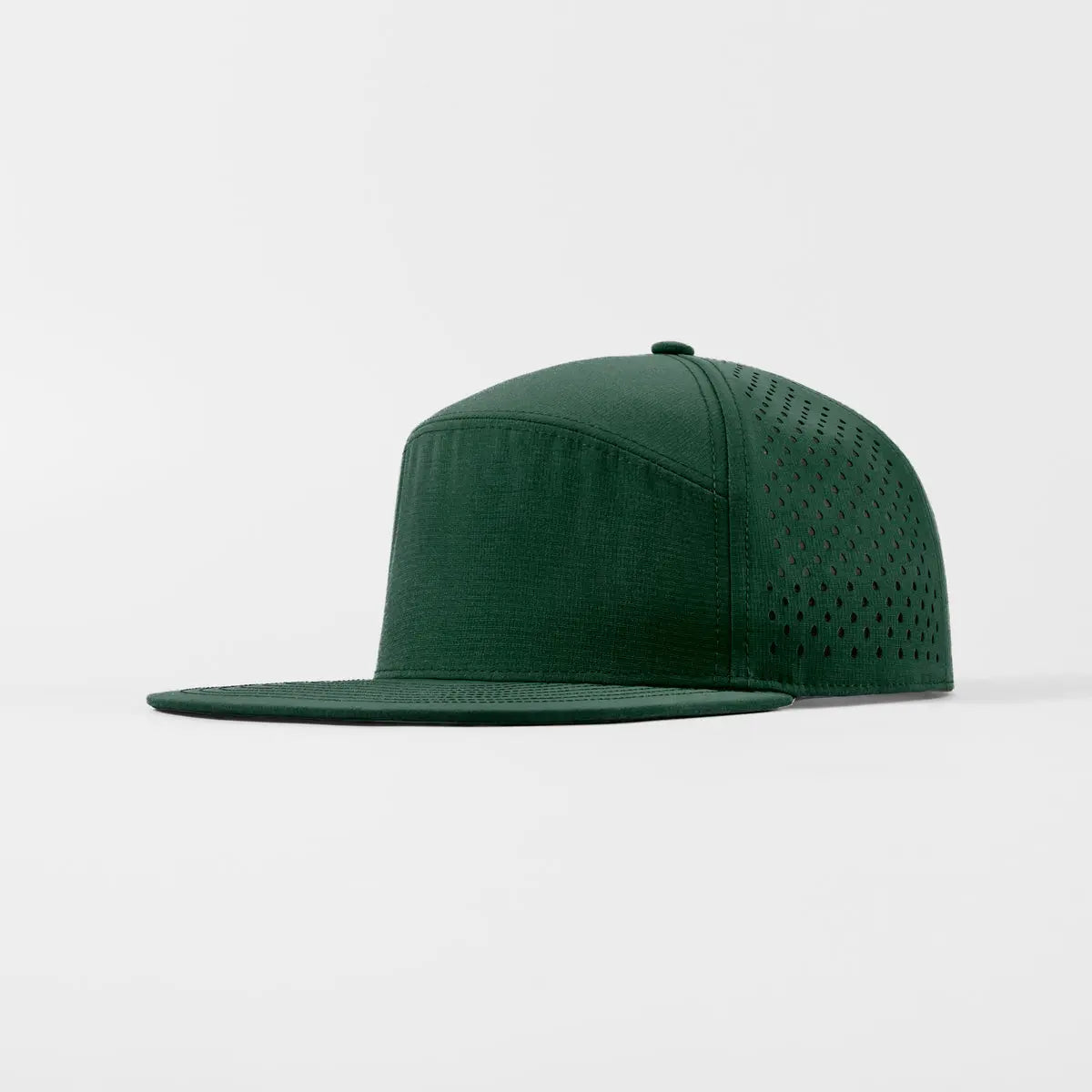
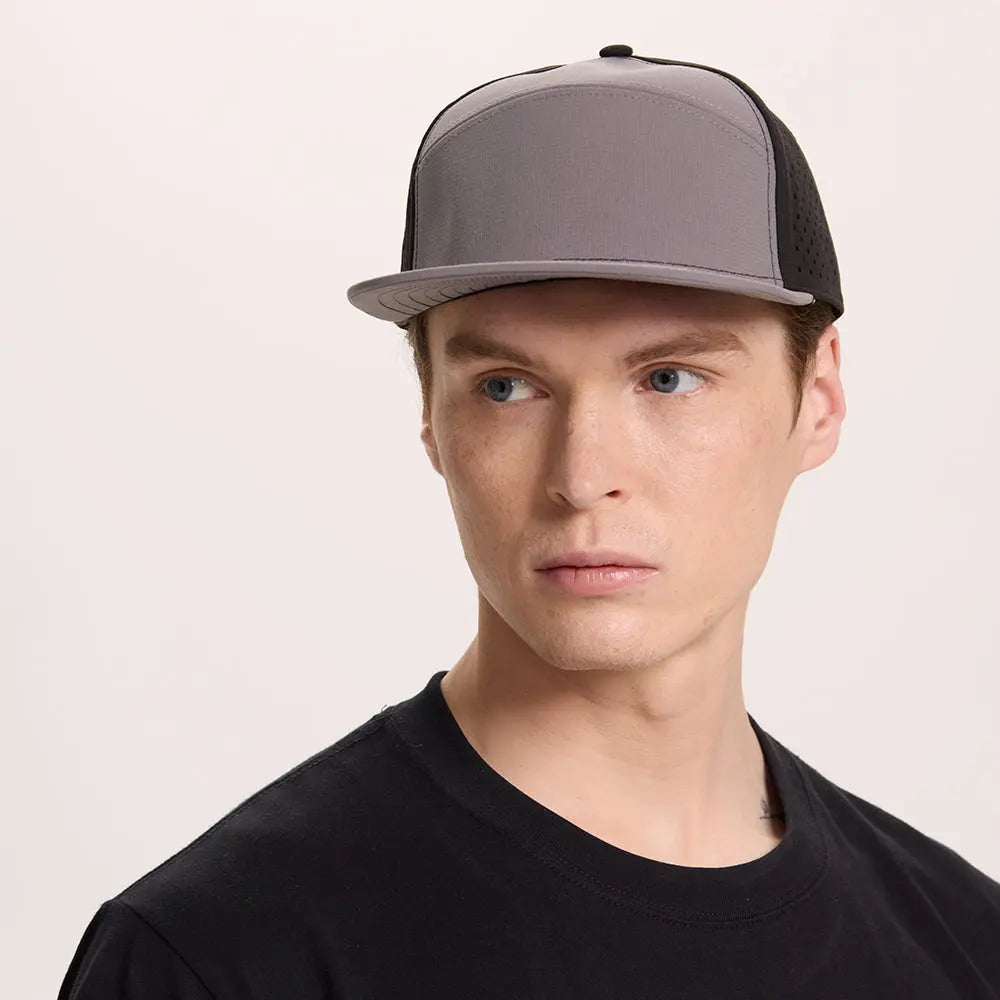
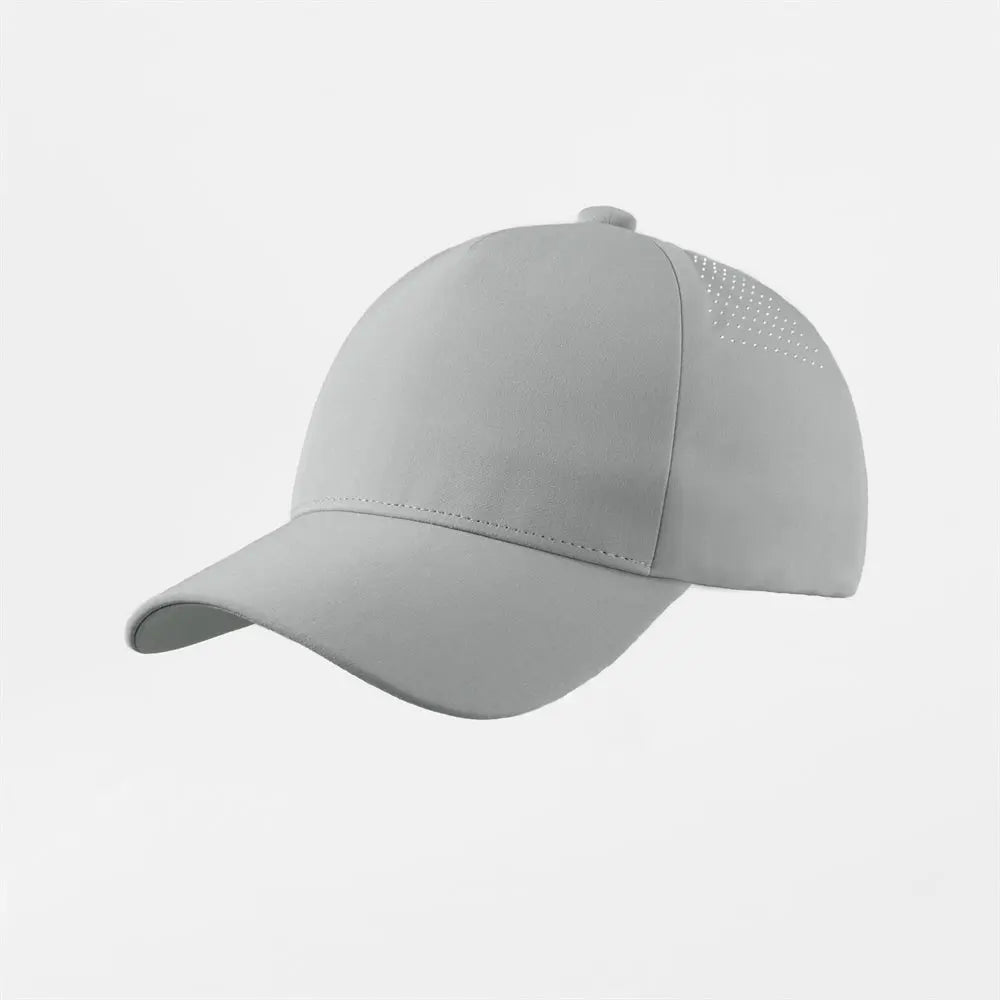
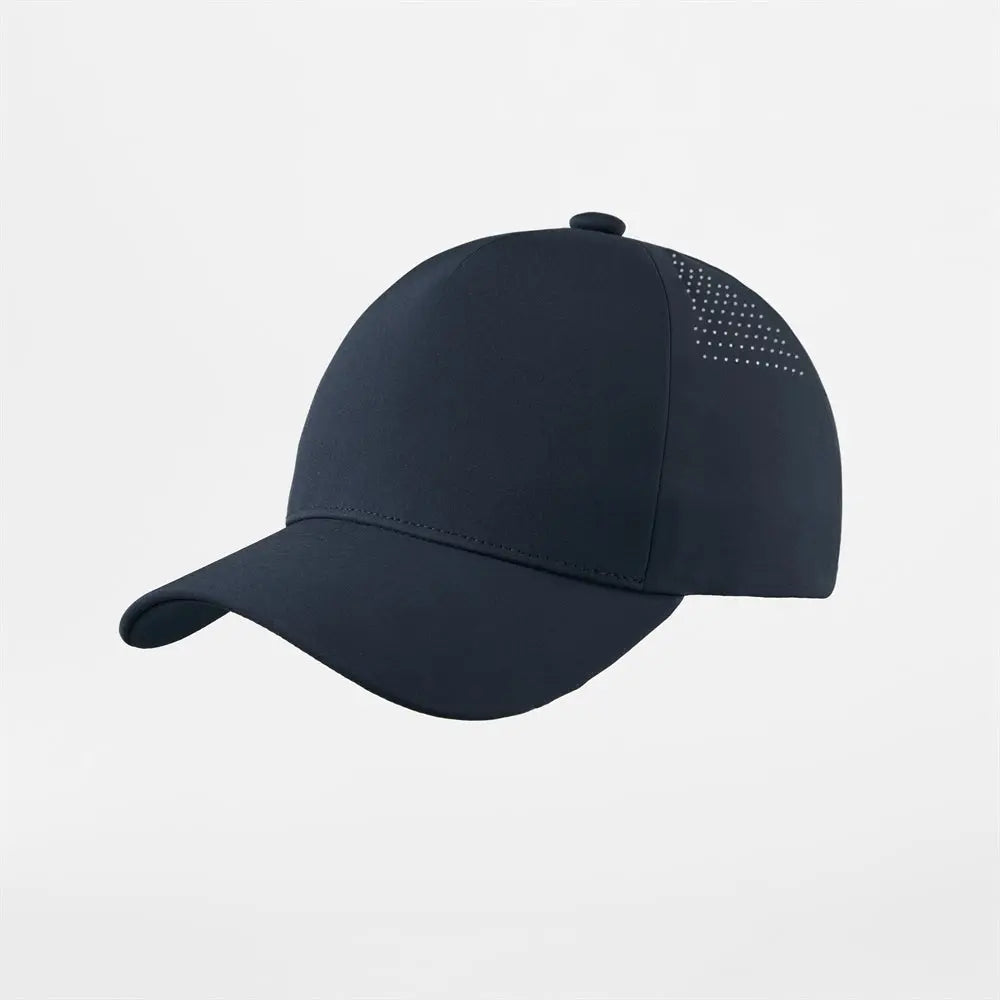
Performance golf hats use lightweight synthetic fabrics and are designed for active wear. They may include quick-drying materials, moisture-wicking sweatbands, laser-cut ventilation, and UPF protection.
This style is suitable for golfers who prioritize technical performance. It is also an effective choice for premium custom golf hats because it connects a brand with quality, comfort, and active lifestyles.

Rope Golf Hats
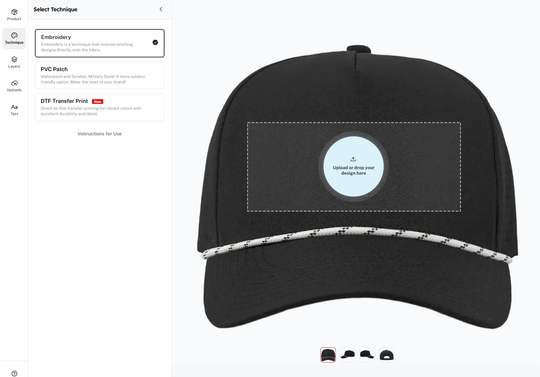
A rope golf hat has a decorative cord across the front of the crown, above the brim. Its retro-inspired appearance has become popular in golf lifestyle collections.
Rope hats work particularly well for:
- Country club merchandise
- Golf brands
- Tournament gifts
- Resort collections
- Corporate golf events
- Private-label headwear
Because the rope occupies part of the front panel, logo size and placement should be reviewed carefully.

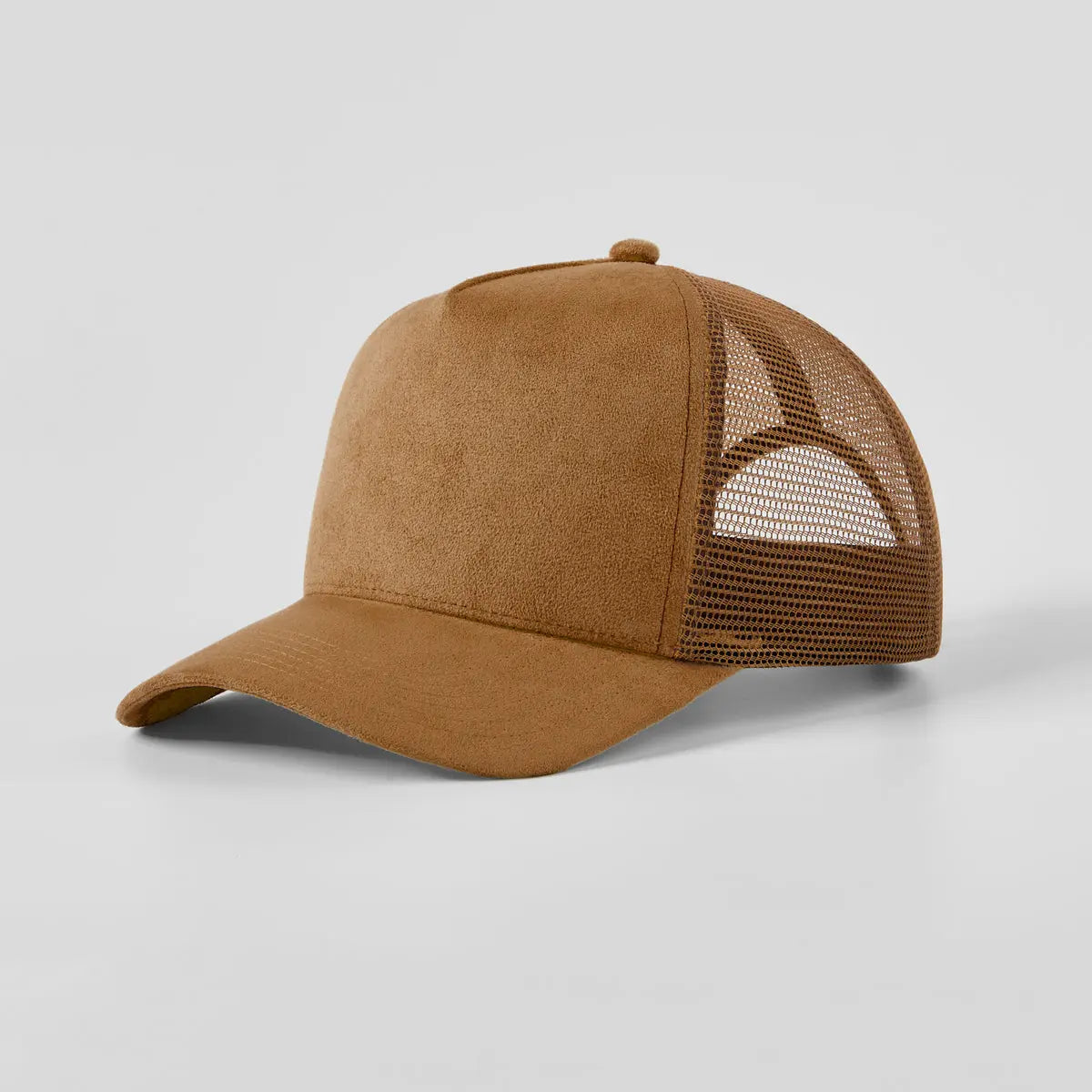
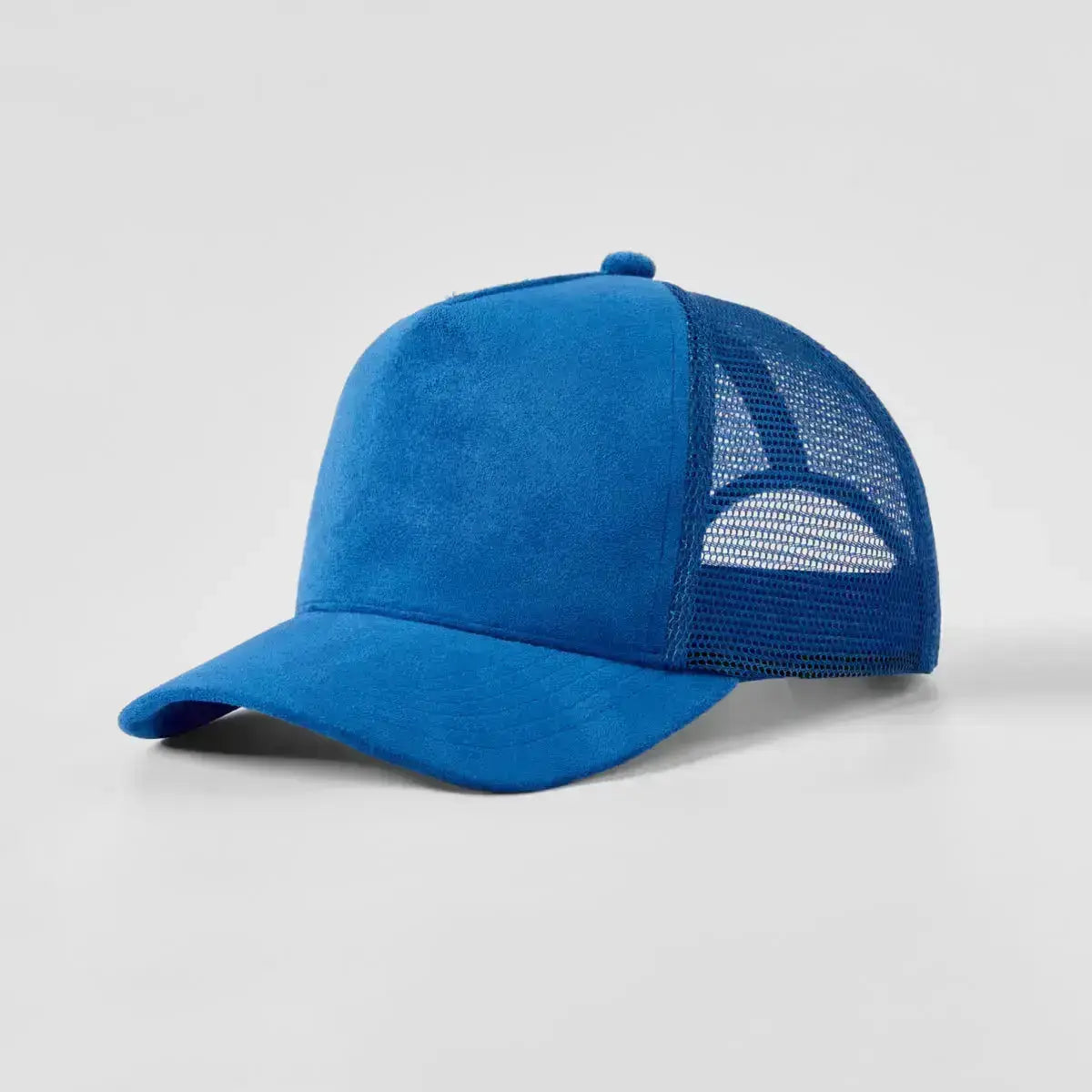
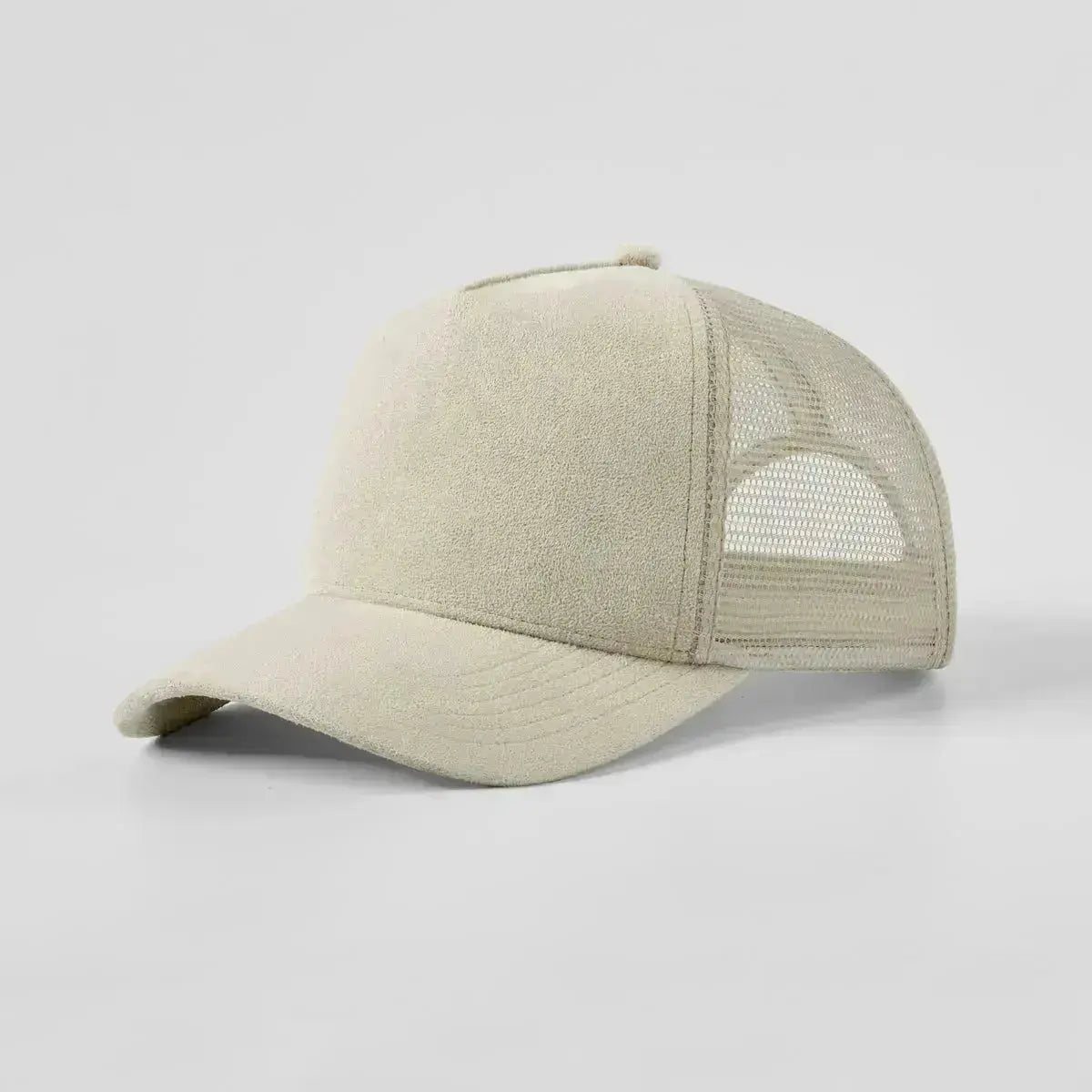
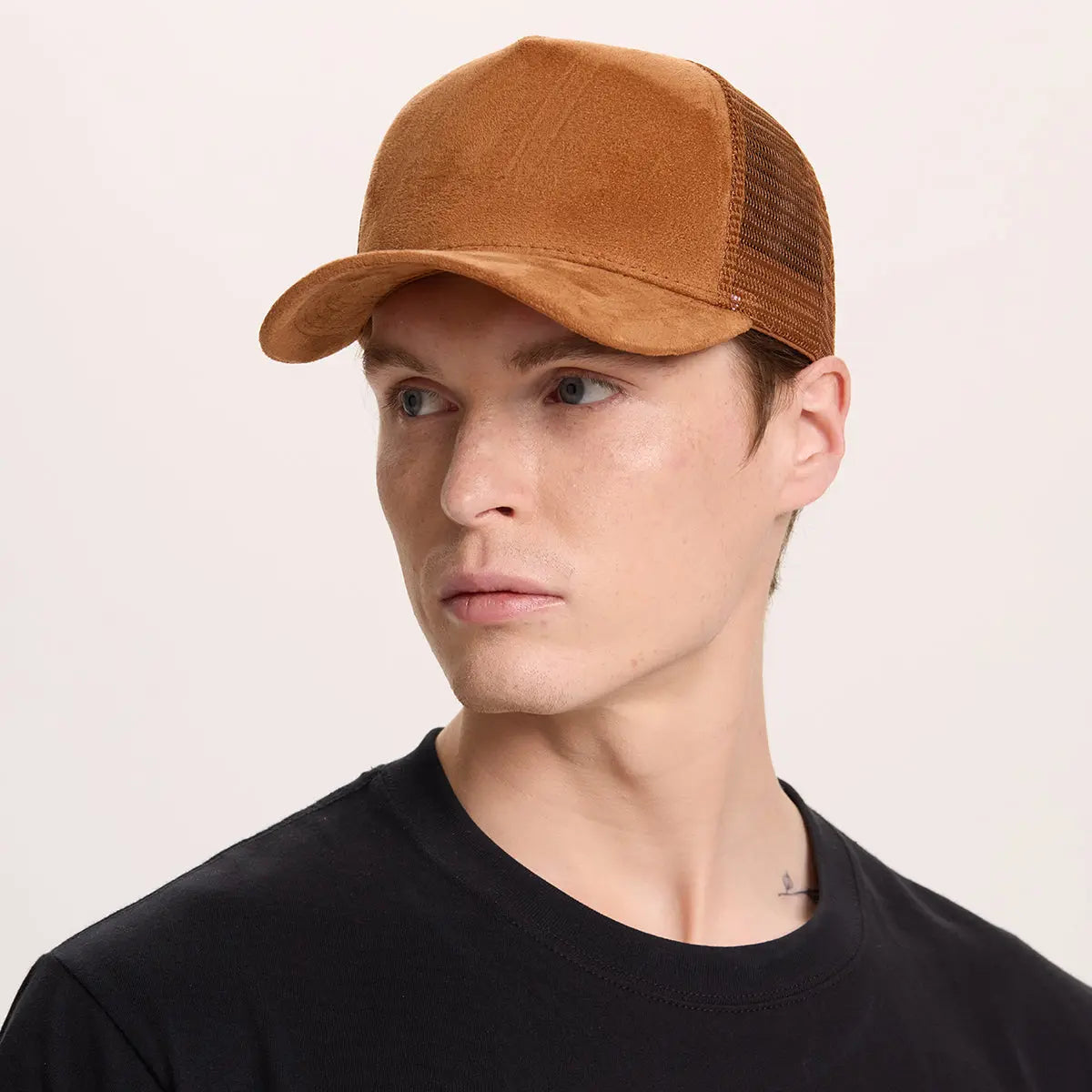
Trucker Golf Hats
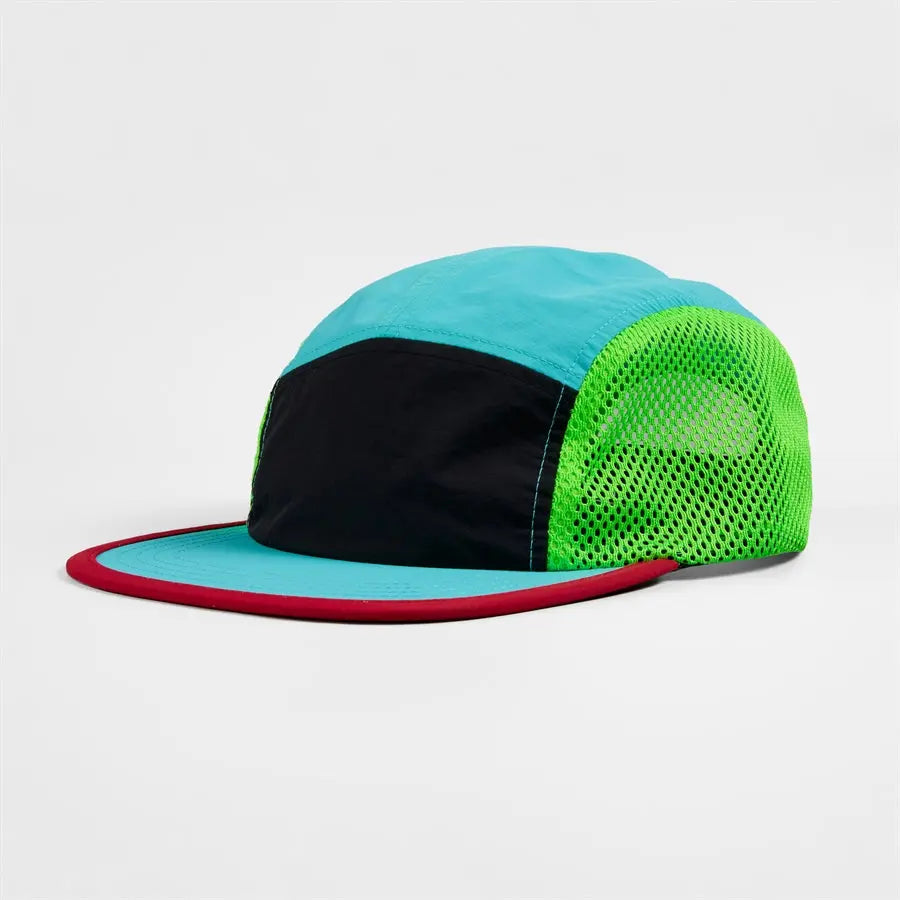
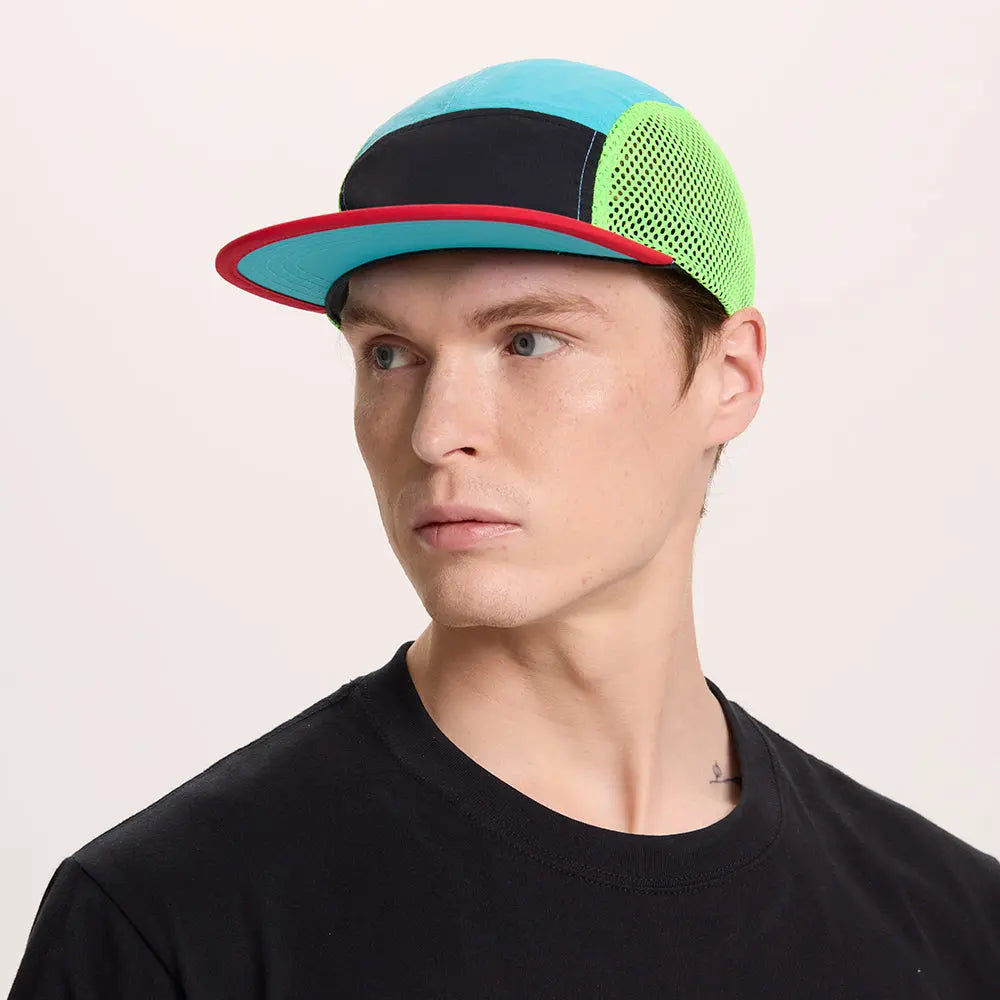
A trucker golf hat usually combines a solid front panel with a mesh back. It offers good ventilation and a casual appearance.
The front panel can support embroidery, printed patches, leather patches, or woven labels. However, mesh-backed hats generally provide less scalp protection than full-fabric performance caps.

Golf Visors
A visor shades the face and eyes while leaving the top of the head open. It offers excellent airflow, which can feel more comfortable in humid conditions.
However, a visor does not protect the scalp or crown from sunlight. A full cap provides more complete coverage, while a visor prioritizes ventilation.
Golf Bucket Hats
A golf bucket hat has a brim around the entire crown, providing additional shade for the ears and neck.
Bucket hats are useful for:
- Open courses with limited shade
- Long tournament days
- Golf course staff
- Strong sunlight
- Outdoor golf events
- Lifestyle merchandise
Their soft construction can make detailed embroidery more difficult, so decoration methods should be tested before bulk production.
Flat Caps
Flat caps offer a traditional golf-inspired appearance. They are often made from cotton, wool blends, or textured fabrics.
This style can work for heritage collections and premium club merchandise, although it is generally less breathable than a modern performance cap.
Straw Golf Hats
Straw hats offer a distinctive warm-weather look and can provide wide coverage. They may suit resort courses, summer events, and hospitality programs.
However, they usually require more careful packing and storage than fabric caps and may offer fewer decoration options.
Structured vs. Unstructured Golf Hats
Crown construction affects fit, style, packability, and logo presentation.
Structured Golf Hats
Structured hats contain support material behind the front panels. This allows the crown to maintain its shape when it is not being worn.
They offer:
- A clean and polished appearance
- Stable support for embroidery
- A prominent logo area
- Consistent presentation in retail displays
- A professional tournament or corporate look
A structured crown is a strong option for branded golf hats because it creates a reliable surface for decoration.

Unstructured Golf Hats
Unstructured hats do not contain firm front-panel support. They feel softer and conform more naturally to the wearer’s head.
They are usually:
- Lightweight
- Flexible
- Comfortable
- Easy to pack
- Casual in appearance
They work well for walking rounds and relaxed lifestyle collections, although detailed embroidery may not appear as crisp as it does on a structured hat.

Choose the Right Profile
Crown profile describes how high the hat sits on the head.
-
Low-profile hats sit closer to the head and create a relaxed look.
-
Mid-profile hats balance comfort, visibility, and logo space.
-
High-profile hats have taller front panels and suit larger graphics or patches.
A mid-profile, adjustable golf cap is often a safe choice for wholesale or event orders because it suits a broad range of wearers.
Measure for the Correct Fit
An attractive golf hat will not be worn regularly if it does not fit well.
To measure head size:
- Use a flexible measuring tape.
- Wrap it around the head where the hat will naturally sit.
- Position it above the eyebrows and ears.
- Keep the tape snug but not tight.
- Record the measurement in inches or centimeters.
- Compare it with the supplier’s size chart.
Hat sizing can vary between manufacturers, so buyers should not assume that the same labeled size will fit identically across different products. Trying on samples or reviewing an accurate size chart is especially important for fitted hats.
A properly fitted golf hat should:
- Stay in place during the swing
- Avoid pressure points
- Sit level on the head
- Provide consistent shade
- Leave enough room for comfort
- Remain stable in light wind
Compare Closure Options
The closure influences fit, appearance, and inventory planning.
Snapback
Plastic snap closures are durable and easy to adjust. They are commonly used on structured caps, rope hats, and trucker hats.
Because one adjustable hat can fit a range of head sizes, snapbacks are practical for tournaments and bulk orders.

Hook-and-Loop
Hook-and-loop closures are lightweight and easy to adjust. They are often used on performance golf hats.
They are functional and cost-effective, although they may look less premium than a fabric strap with a metal buckle.
Fabric Strap and Buckle
A fabric strap with a metal or plastic buckle creates a clean, refined appearance. This option works well for country club merchandise, client gifts, and premium retail programs.

Stretch-Fit
Stretch-fit hats use elastic fabric to accommodate a limited size range. They offer a clean back profile but may require two or more sizes for larger groups.

Fitted
Fitted golf hats have no opening or adjustable closure. They offer a streamlined appearance but require accurate sizing and more complex inventory management.
For golf tournaments and promotional orders, adjustable closures are usually the simplest option.
Choose the Best Material
Material influences performance, durability, appearance, decoration, and price.
Polyester
Polyester is widely used for performance golf hats because it is:
- Lightweight
- Durable
- Quick-drying
- Suitable for moisture-wicking finishes
- Compatible with many custom designs
It is a practical choice for golf tournaments, branded sportswear, and wholesale performance collections.

Nylon
Nylon is smooth, lightweight, and resistant to abrasion. It works well for technical, packable, and water-resistant hats.
Some decoration methods may require testing because nylon can react differently to heat than cotton or polyester.
Cotton Twill
Cotton twill offers a soft, traditional feel. It is suitable for casual golf hats, club merchandise, and lifestyle collections.
However, cotton absorbs moisture, dries more slowly, and may fade with repeated exposure to sunlight and washing.
Blended Fabrics
Cotton-polyester blends combine the natural texture of cotton with some of the durability and quick-drying performance of polyester.
They are a versatile option for buyers seeking a balance between comfort, appearance, and cost.
Recycled Materials
Recycled polyester can support sustainability-focused merchandise and private-label collections.
Businesses should verify material composition, certifications, traceability, and testing before making environmental claims.
Consider Durability and Care
A golf hat may be exposed to sweat, sunscreen, rain, repeated washing, and long periods of sunlight. Product quality therefore depends on more than the outer fabric.
Look for:
- Reinforced stitching
- A stable brim
- Colorfast fabric
- A durable closure
- A well-attached sweatband
- Consistent panel construction
- Clear care instructions
Golf hats with UV protection should be washed according to the manufacturer’s instructions. Cold water, gentle cleaning, reshaping while damp, and air-drying can help preserve the hat’s fit and performance. Bleach and high heat may damage synthetic fibers or applied finishes.
How to Choose a Custom Golf Hat
For clubs, companies, tournaments, and retailers, the best golf hat must perform well and present the brand clearly.
Choose the Base Style
Begin with the target audience and intended use.
- A performance cap suits active golfers and hot climates.
- A rope hat supports a modern golf-lifestyle identity.
- A trucker hat creates a casual look.
- A bucket hat provides broader coverage.
- A structured cap gives a clean corporate appearance.
- A visor works well for warm-weather events.
Custom golf hats can combine practical sun protection with personal expression and brand promotion. The base style should therefore support both the user’s needs and the intended brand message.
Plan the Logo Placement
The front panel is the primary decoration area, but additional branding can be placed on:
- The left or right side
- The back arch
- The closure strap
- The underbrim
- An internal label
- A woven seam label
Tournament hats may include a main event logo on the front, a sponsor logo on the side, and the event date on the back.

Select a Decoration Method
Common options include:
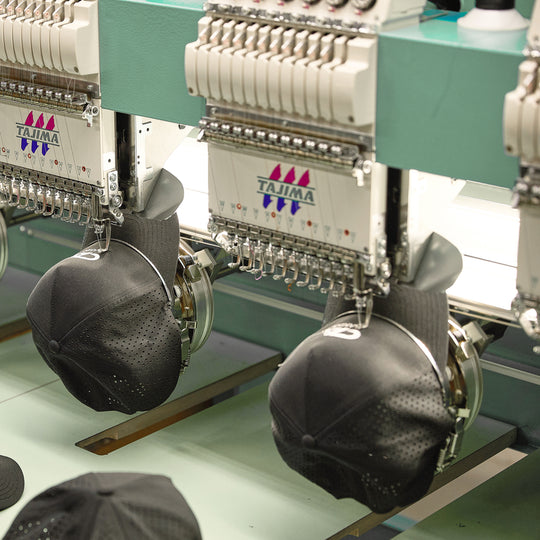
- Flat embroidery
- 3D puff embroidery
- Embroidered patches
- Woven patches
- Printed patches
- Leather patches
- Silicone patches
- Heat-transfer printing
Flat embroidery is versatile and works well for most club and company logos. Three-dimensional embroidery is more suitable for bold lettering and simple shapes.
Woven patches can reproduce finer details, while leather patches create a premium or heritage-style appearance.

Simplify the Artwork
A logo designed for a website or printed brochure may contain details that are too small for embroidery.
Before production, confirm:
- Minimum letter height
- Minimum line thickness
- Logo dimensions
- Thread colors
- Pantone references
- Number of decoration positions
- Whether the artwork needs to be simplified
A clean, readable logo is usually more effective than an oversized or overly complicated design.
Add Personalization Carefully
Names, initials, tournament dates, team titles, and short messages can make a golf hat feel more personal. These elements can be placed on the side, back, or under the brim.
For large orders, variable personalization may increase cost and production time. Buyers should confirm how names or individual details will be submitted and checked.
How to Choose Wholesale Golf Hats
Retailers and distributors should consider customer demand, inventory risk, and repeat-order availability.
A balanced wholesale golf hat collection may include:
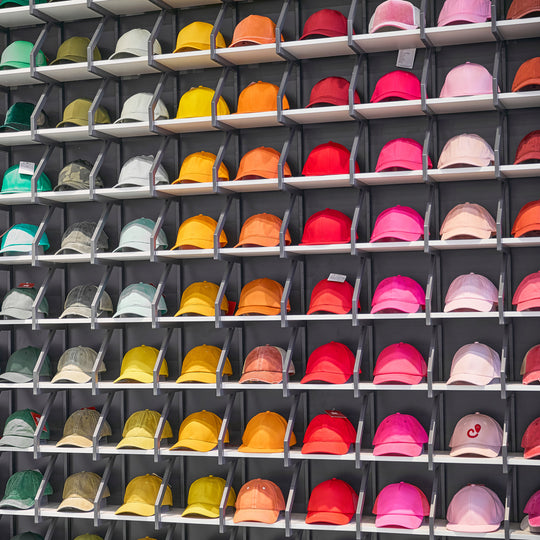
- Black, white, navy, and gray core colors
- One or two seasonal colors
- A traditional cap
- A lightweight performance style
- A rope or lifestyle hat
- Adjustable closures
- Multiple price levels
Before placing an order, ask the supplier about:
- Minimum order quantity
- Mixed-color ordering
- Sample availability
- Custom decoration
- Fabric and color consistency
- Production lead time
- Packaging
- Quality inspection
- Shipping terms
- Repeat-order capability
Core colors are usually safer for an initial order. Sales data can then guide the introduction of bolder colors and specialized styles.
Approve a Sample Before Bulk Production
A pre-production sample allows the buyer to examine both the hat and the decoration.
Review:
- Crown profile
- Overall fit
- Fabric color
- Brim shape
- Logo size
- Logo position
- Embroidery density
- Thread colors
- Closure quality
- Internal labels
- Packaging
The sample should be worn, viewed from several angles, and tested under realistic conditions. Changes should be documented before mass production begins.
Common Mistakes to Avoid
When choosing a personal, custom, or wholesale golf hat, avoid these common errors:
- Focusing only on appearance
- Ignoring the playing climate
- Choosing fabric that traps heat
- Assuming every hat offers UV protection
- Selecting the wrong crown profile
- Using a closure that does not suit the audience
- Making the logo too large
- Using artwork that is too detailed for embroidery
- Skipping sample approval
- Ordering too close to a tournament date
- Purchasing too many unusual colors
- Failing to confirm washing instructions
- Making performance claims without test information
The best golf hat should balance function, comfort, appearance, and production quality.
Frequently Asked Questions
What type of hat is best for golf?
A lightweight performance cap is the best all-purpose choice for many golfers. It provides shade, manages sweat, and remains comfortable during long rounds. Players who need more coverage may prefer a bucket hat, while those prioritizing airflow may choose a visor.
What is the best material for a golf hat?
Polyester is a popular choice because it is lightweight, durable, and quick-drying. Nylon works well for technical and water-resistant designs, while cotton offers a softer and more traditional feel.
What UPF rating should a golf hat have?
UPF 50+ is a strong choice for golfers who spend long periods in direct sunlight because it blocks approximately 98% of UV radiation. Buyers should look for a clearly published and verified rating.
Is a golf visor better than a golf hat?
A visor provides greater airflow but leaves the scalp exposed. A full golf hat provides more complete coverage. The better choice depends on heat tolerance, hair coverage, course conditions, and sun-protection needs.
How should a golf hat fit?
It should feel secure without causing pressure. The hat should remain stable during the swing and in light wind. Adjustable closures provide the most flexible fit for events and large groups.
Are structured or unstructured golf hats better?
Structured golf hats maintain their shape and provide a stable surface for logos. Unstructured hats feel softer and more relaxed. The right option depends on the desired appearance, fit, and decoration method.
What is the best golf hat for customization?
A structured mid-profile cap with a smooth front panel is one of the most versatile choices. It provides a reliable surface for embroidery and suits a wide range of wearers.
How far in advance should custom golf hats be ordered?
Lead times vary according to the hat style, decoration method, quantity, sampling process, and shipping method. Tournament and event orders should allow enough time for artwork approval, sampling, production, inspection, and delivery.
Final Thoughts
Choosing the right golf hat begins with function. Consider the climate, sun exposure, fit, material, brim, ventilation, and moisture management before focusing on style.
For personal use, the best hat is one that stays comfortable and secure throughout the round. For custom and wholesale golf hat orders, buyers must also consider the target audience, logo area, decoration method, minimum order quantity, quality control, and production schedule.
A carefully selected golf hat can perform well on the course, complement a golfer’s style, and represent a club, event, or brand long after the final hole.