

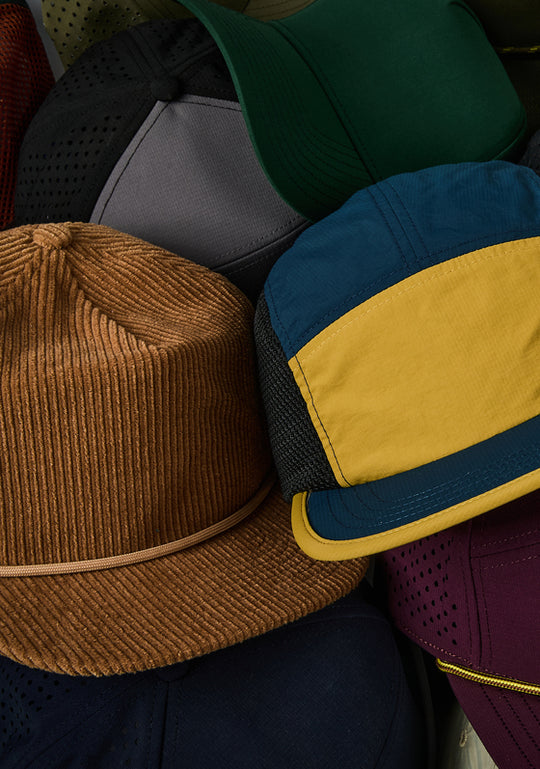


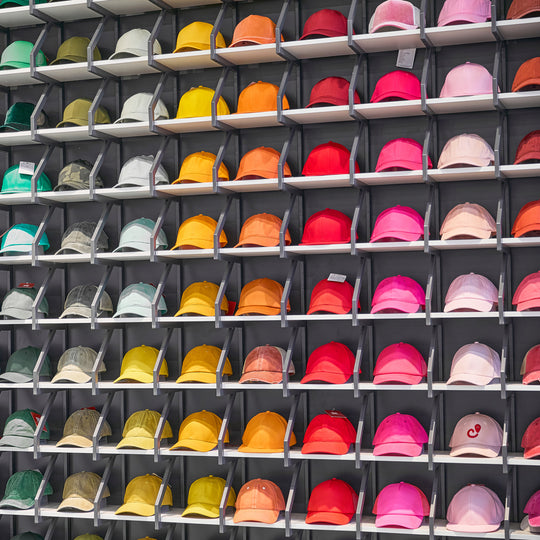
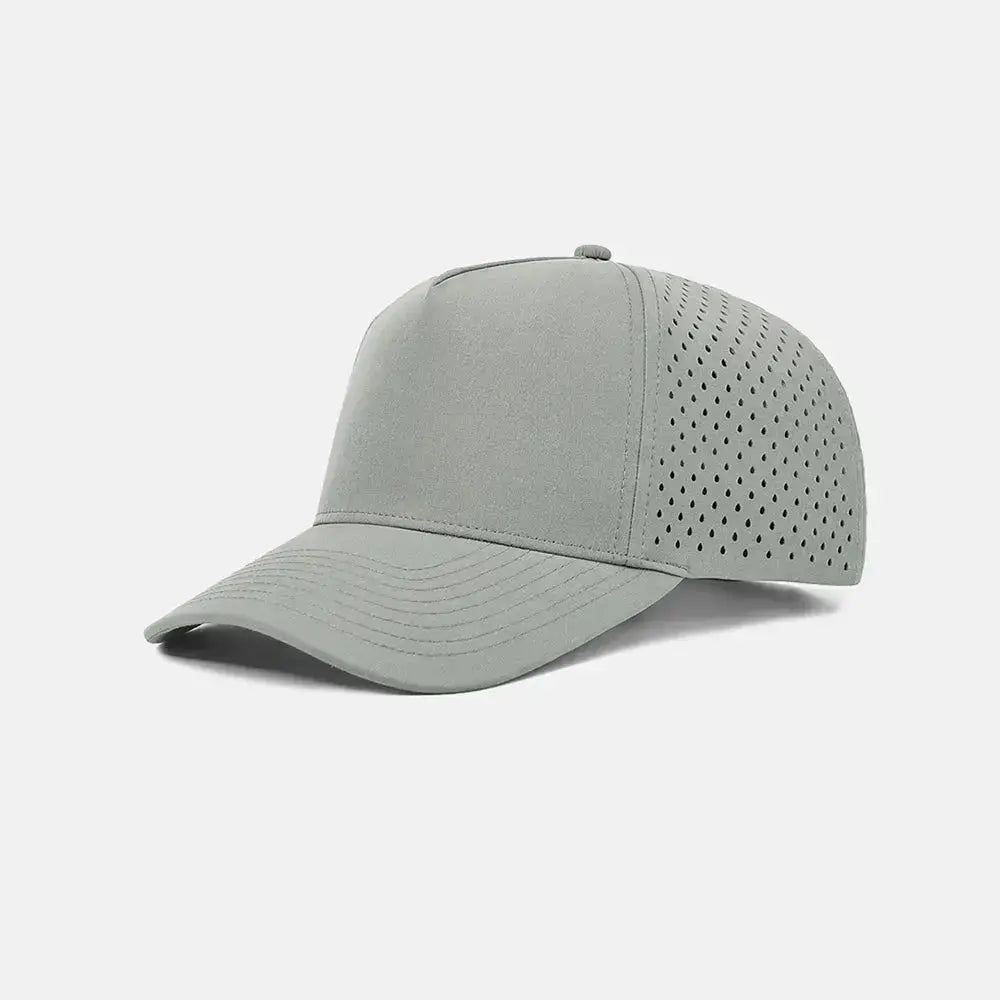
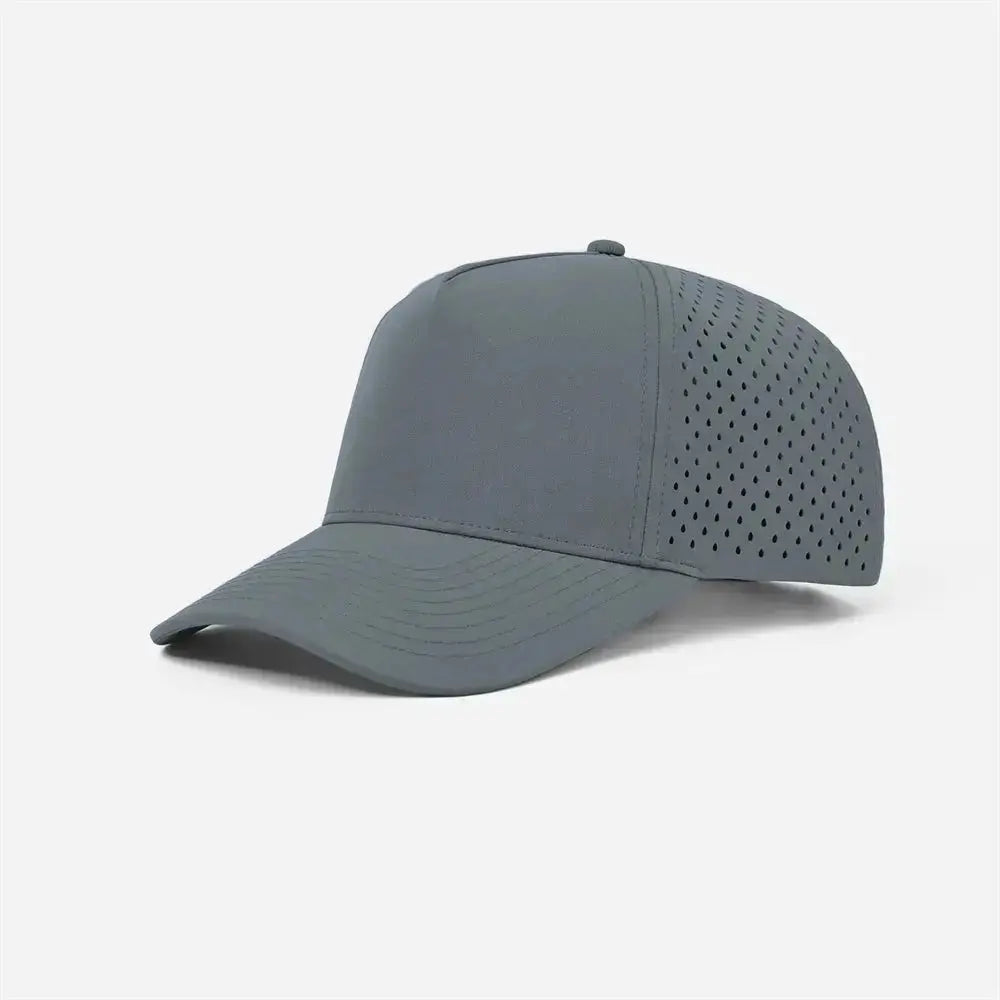
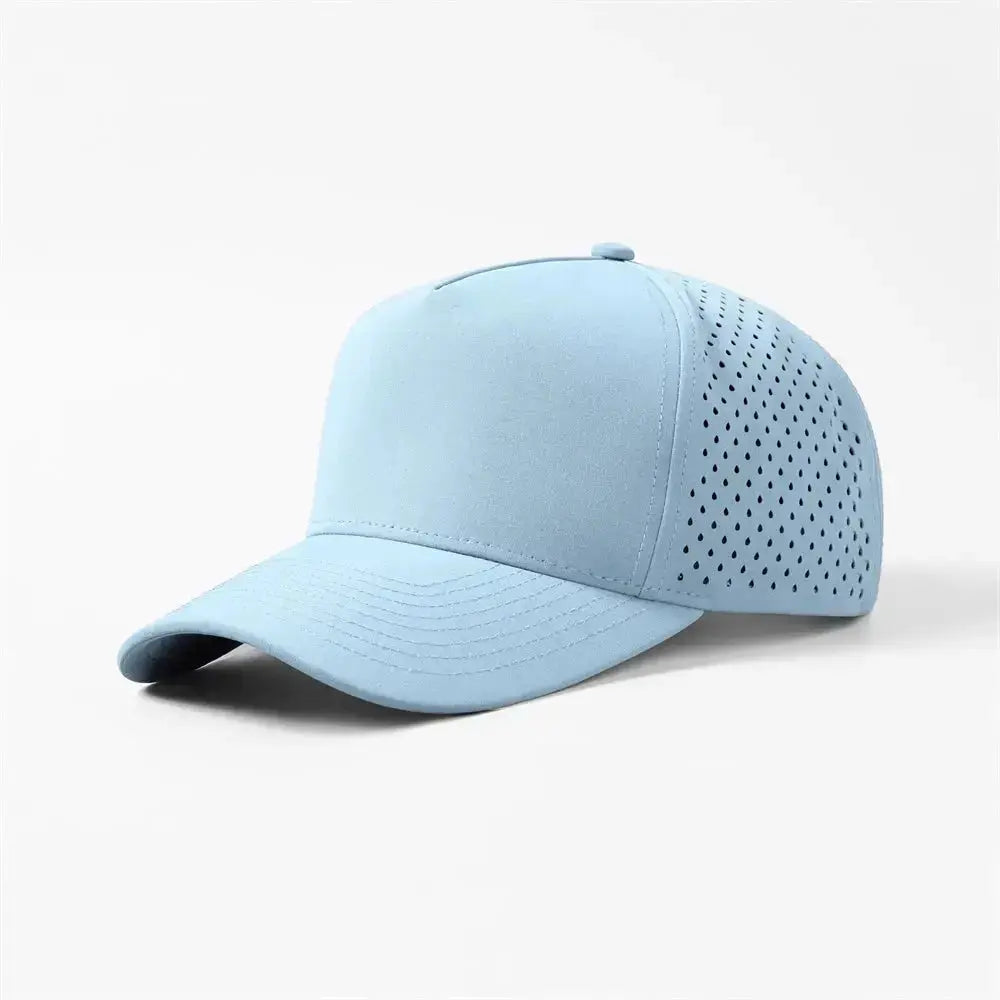
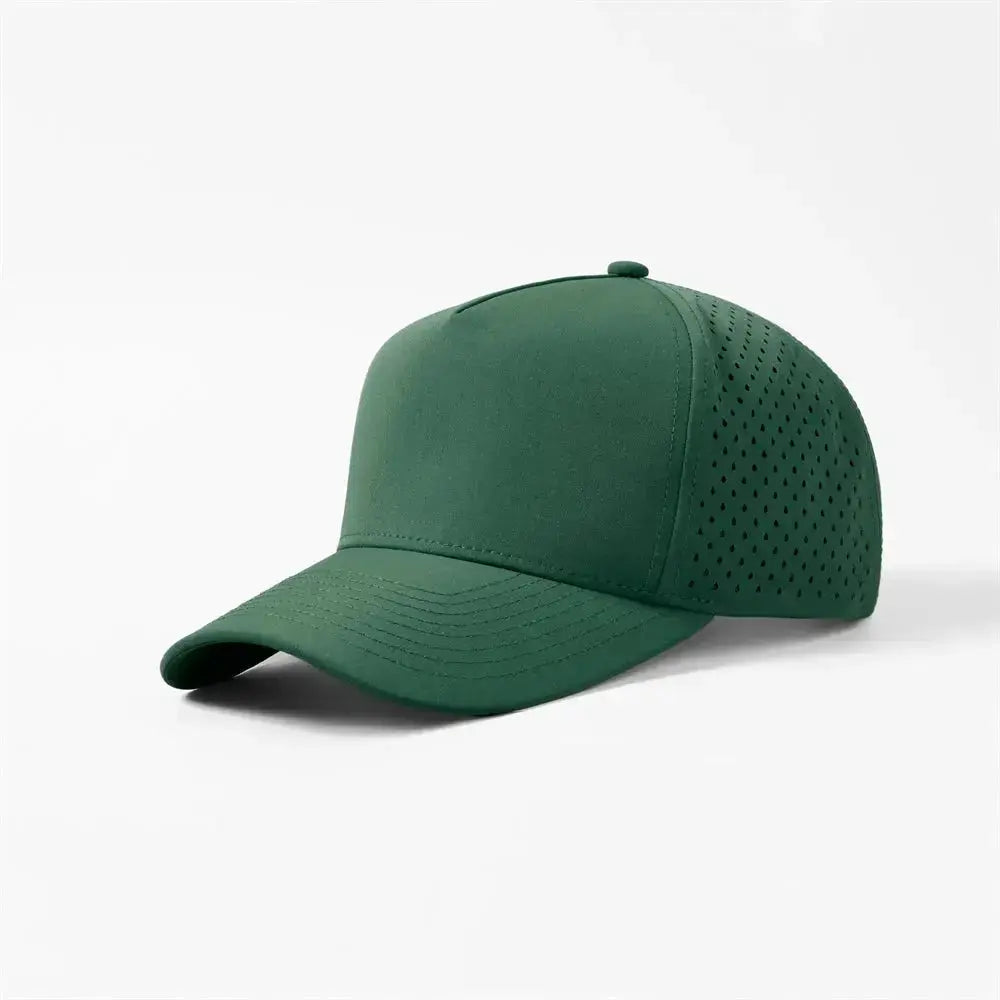
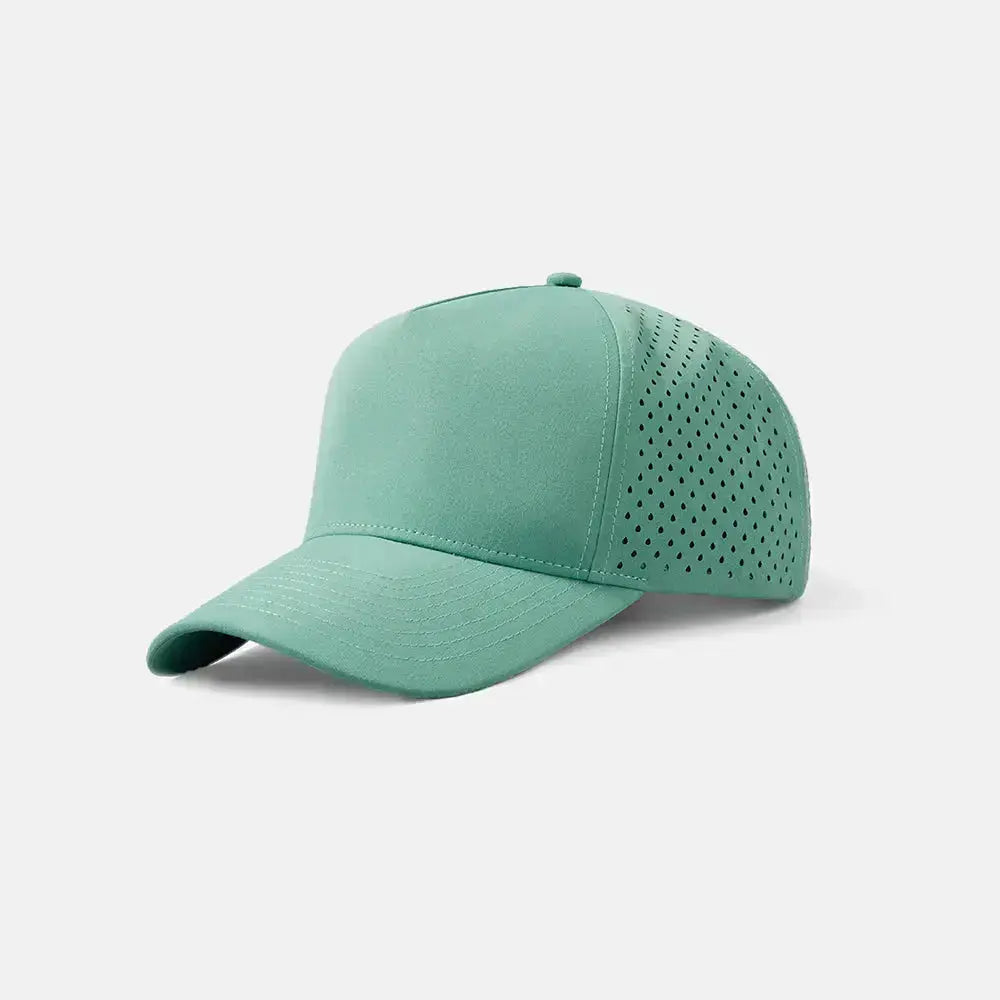
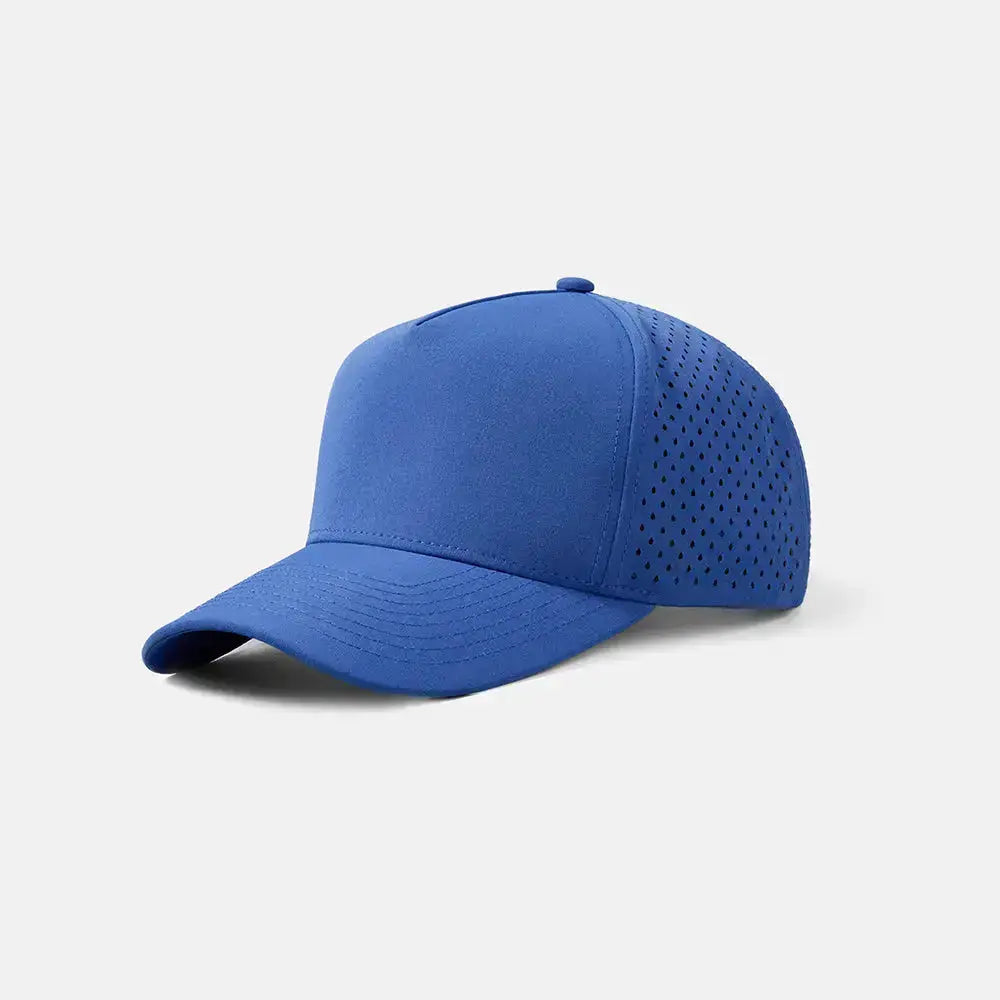
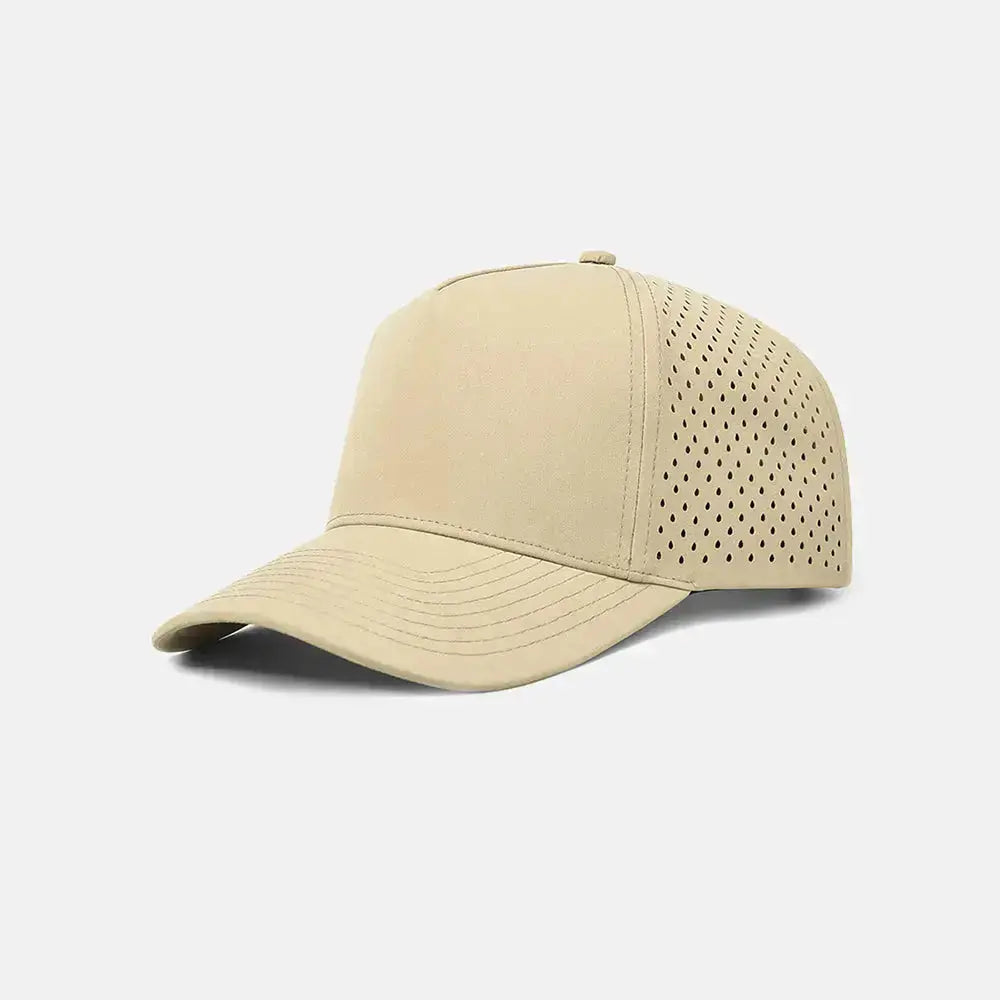
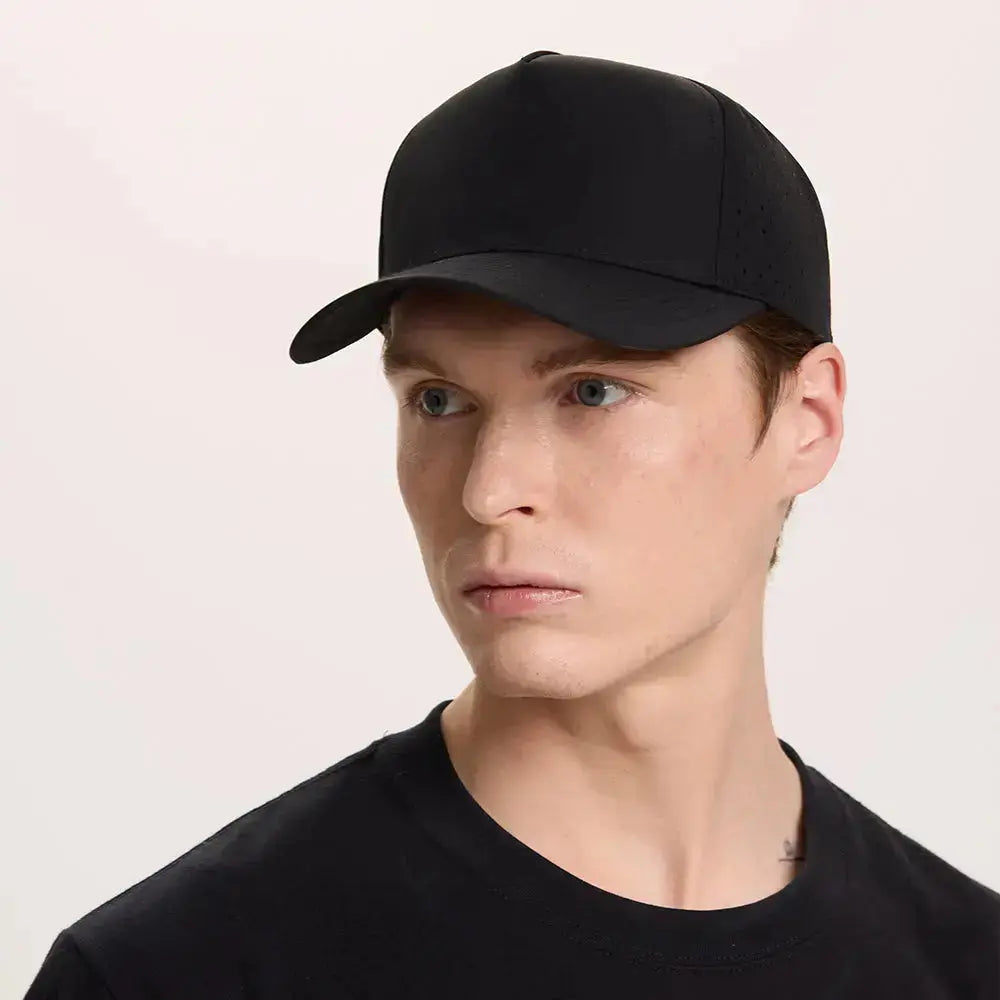
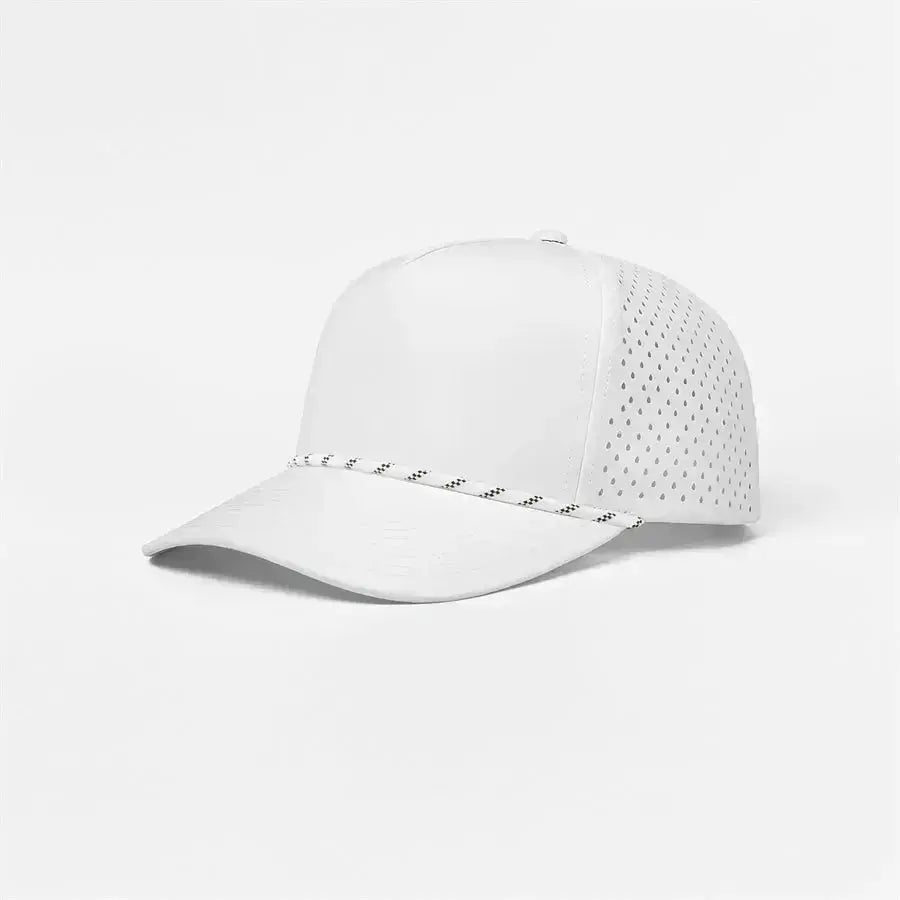
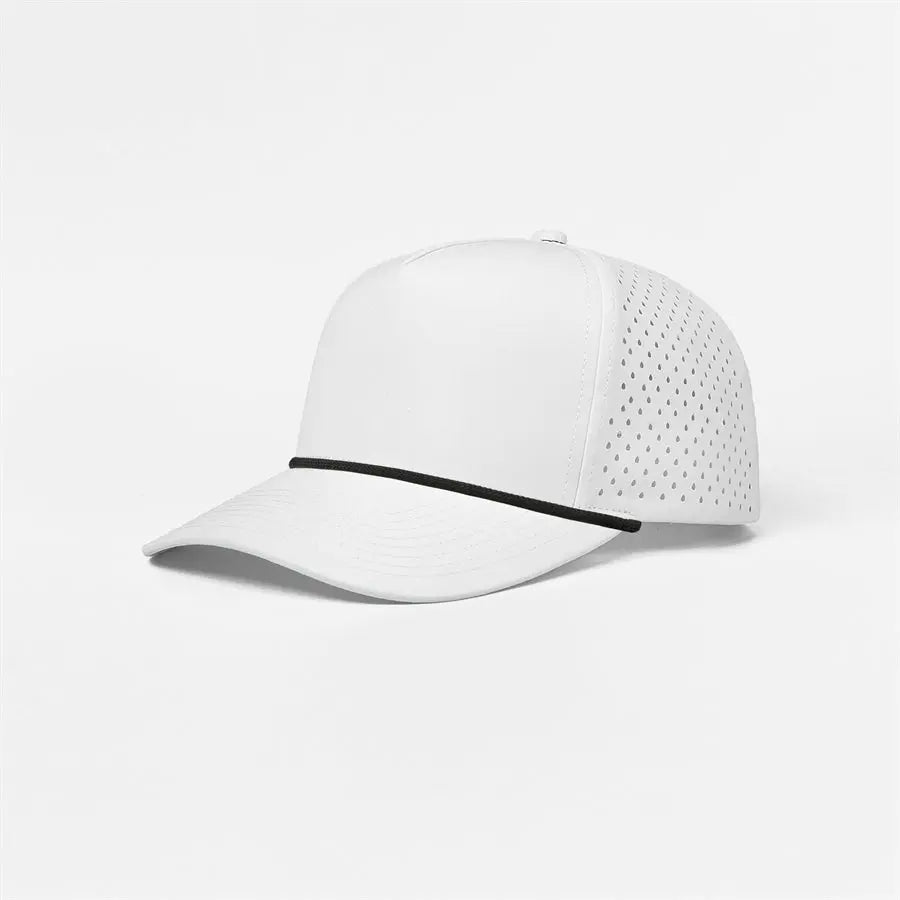
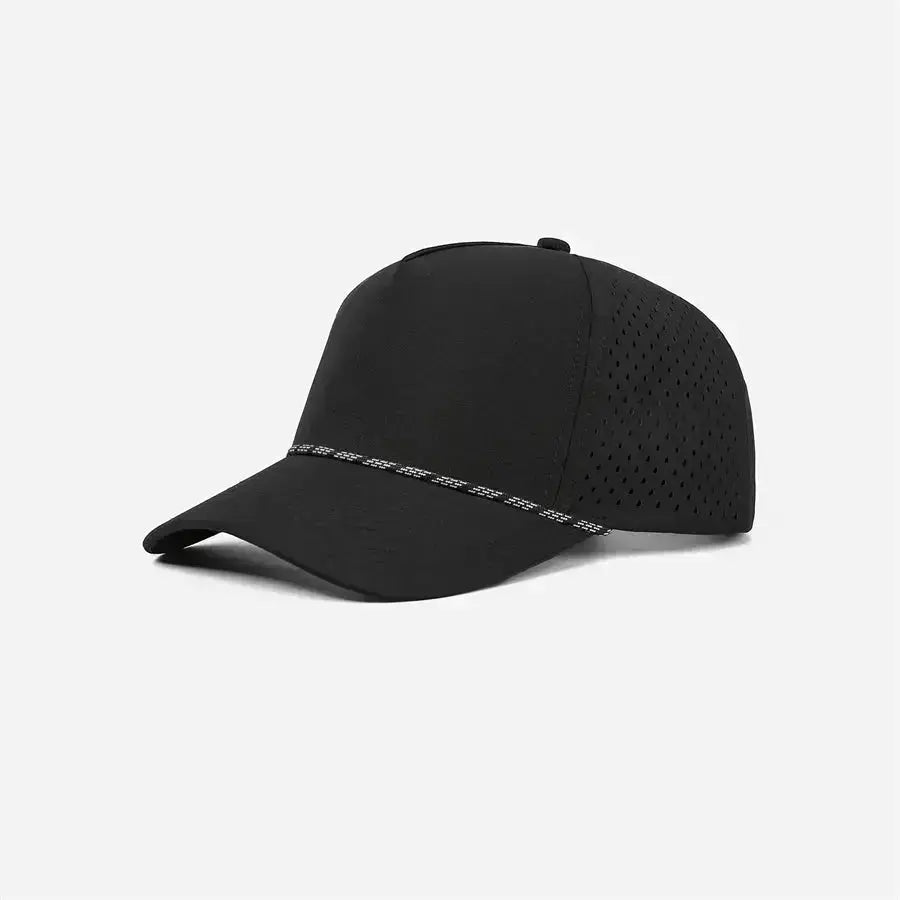
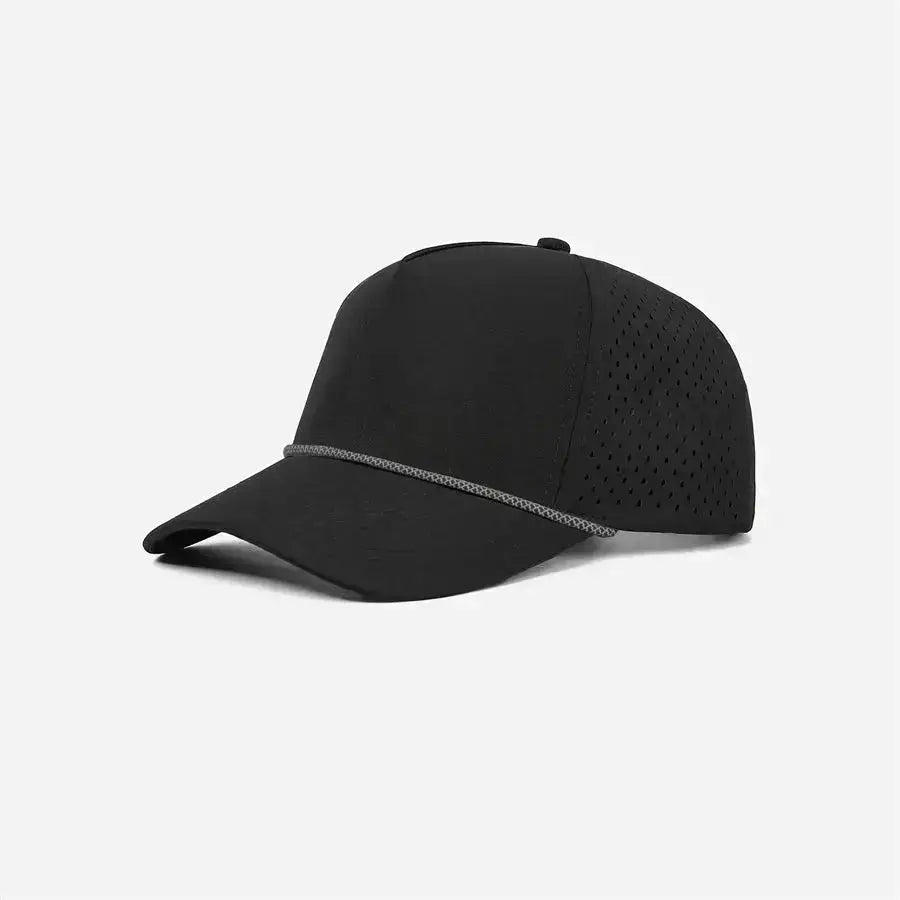
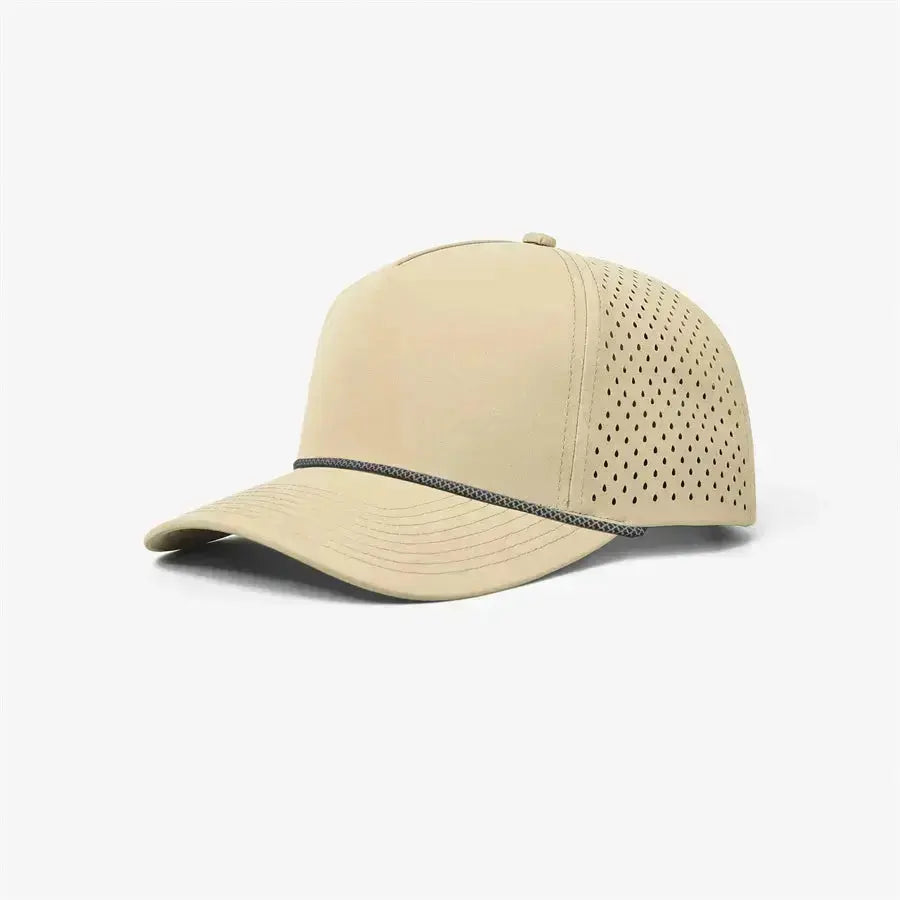
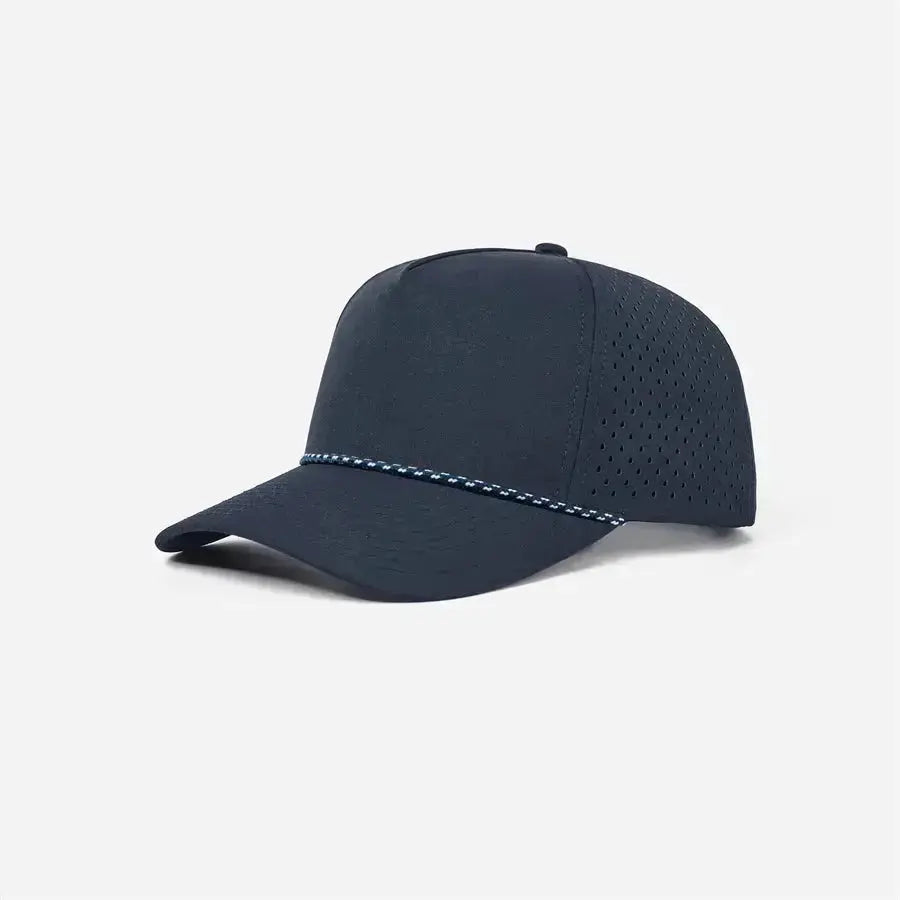
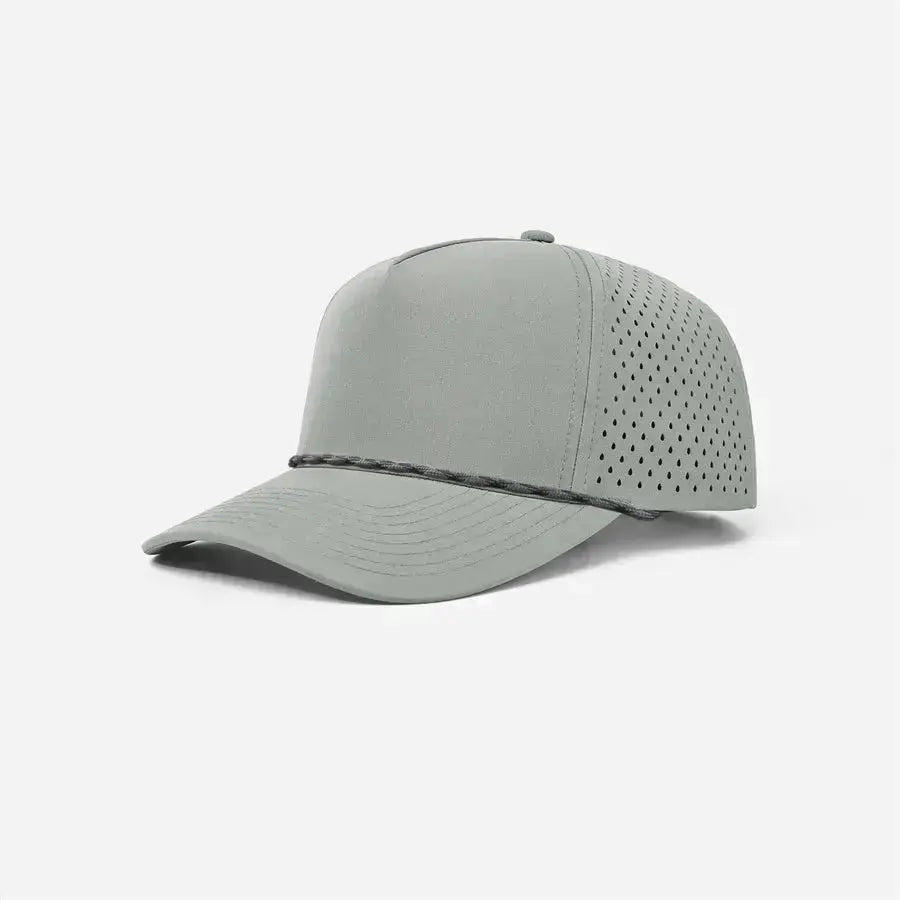
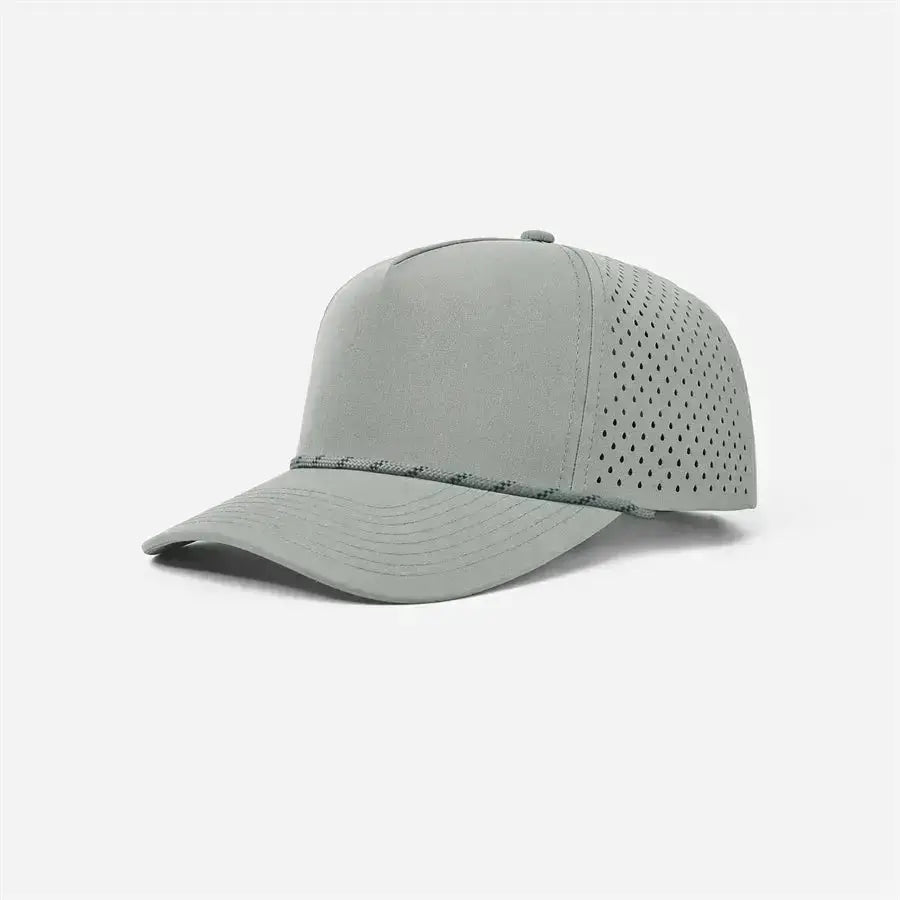
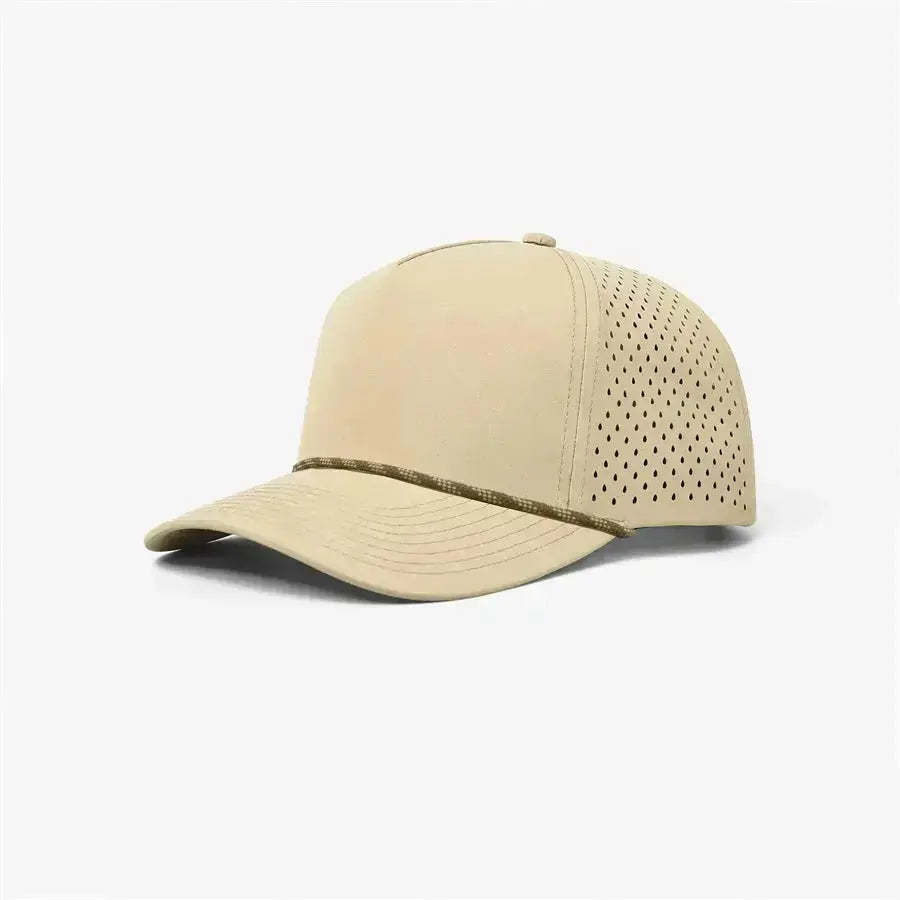
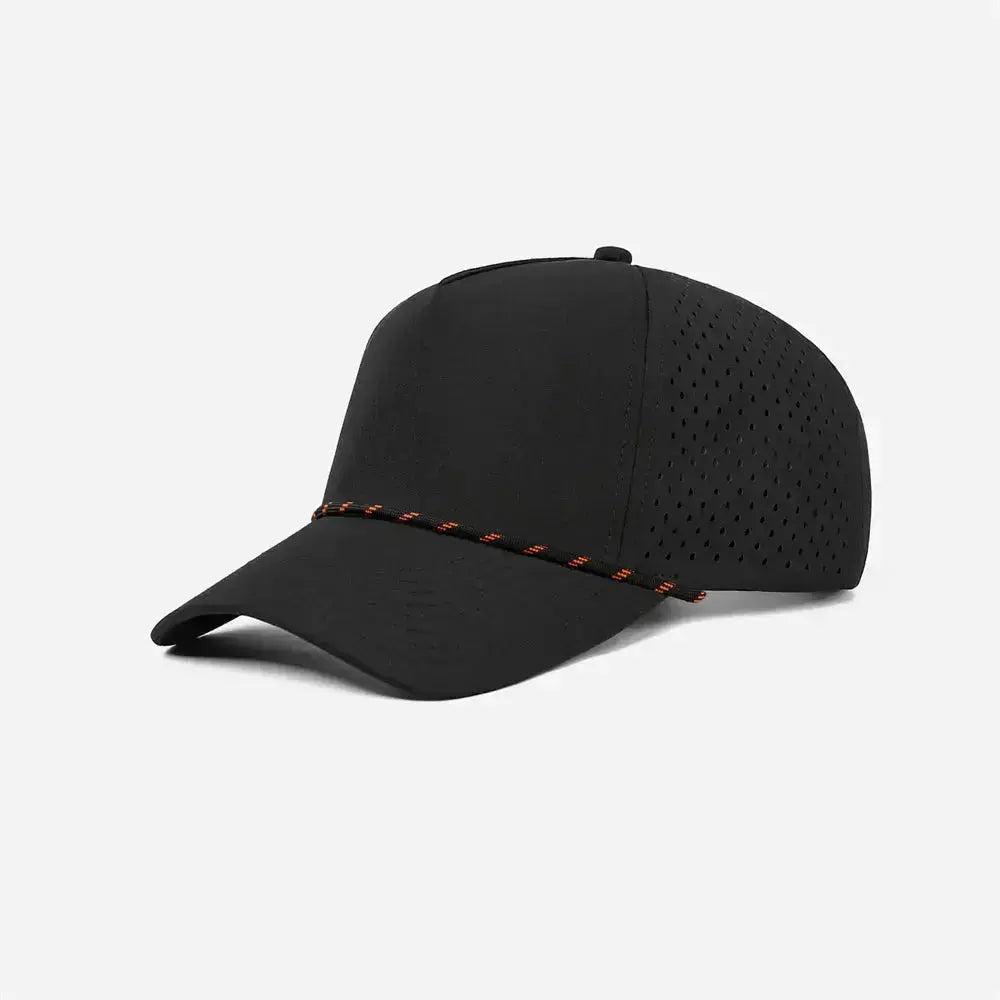
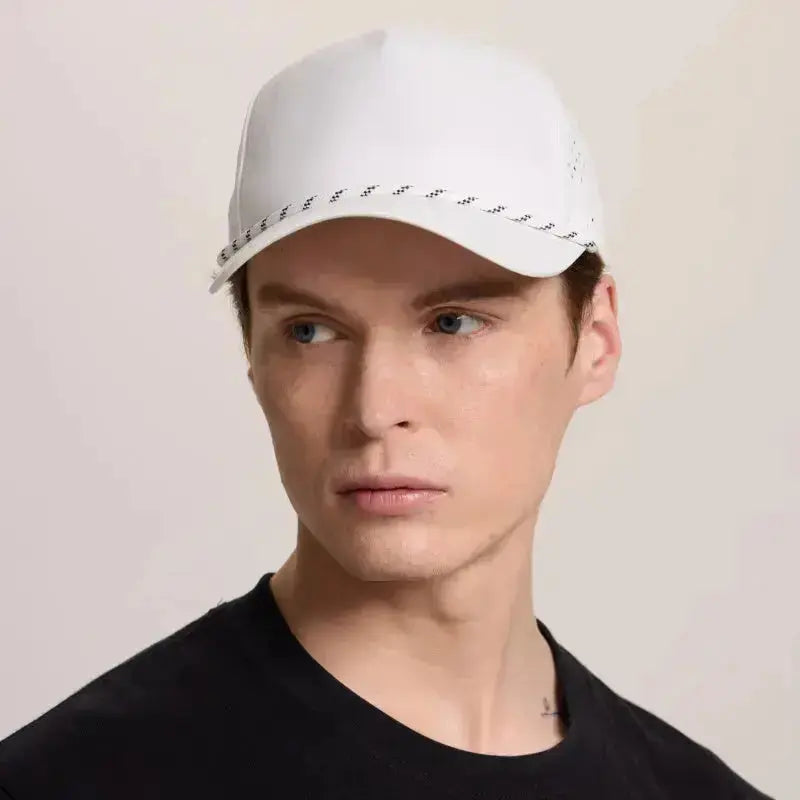
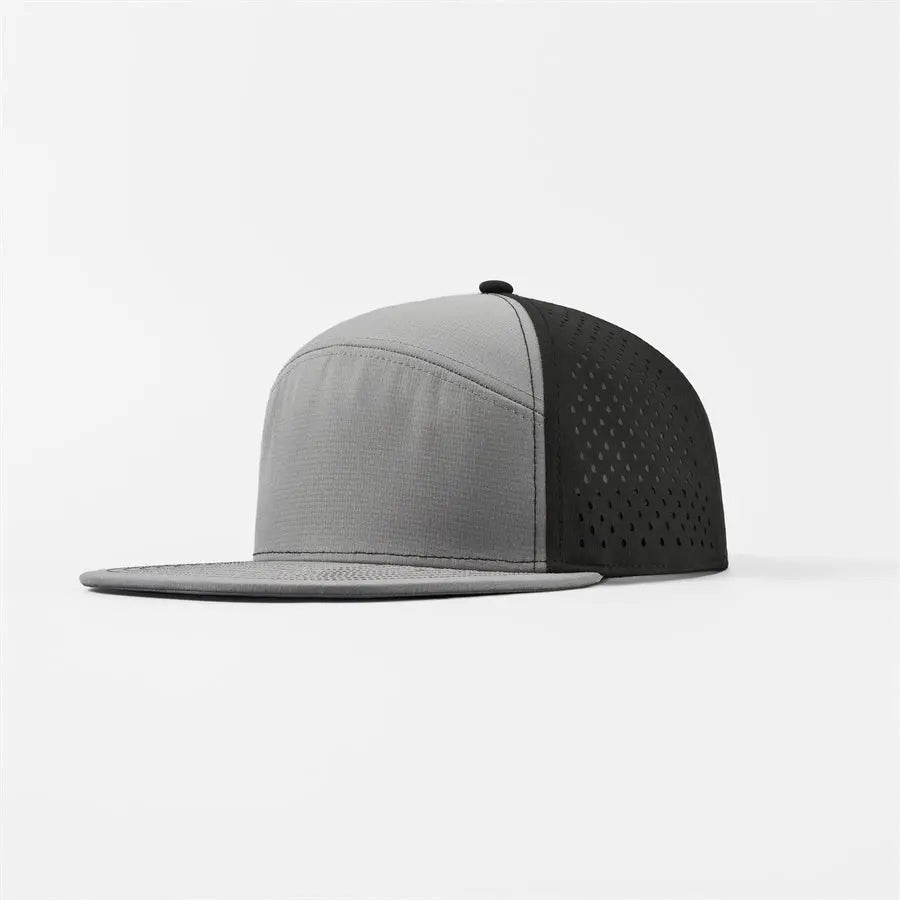
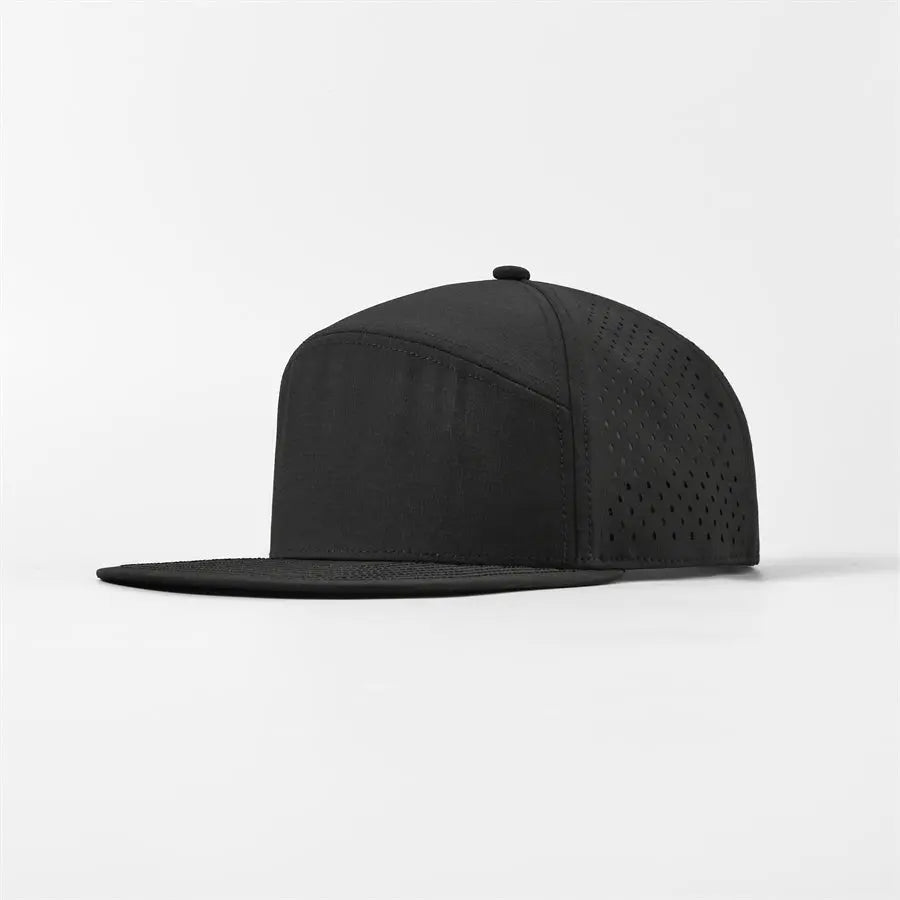
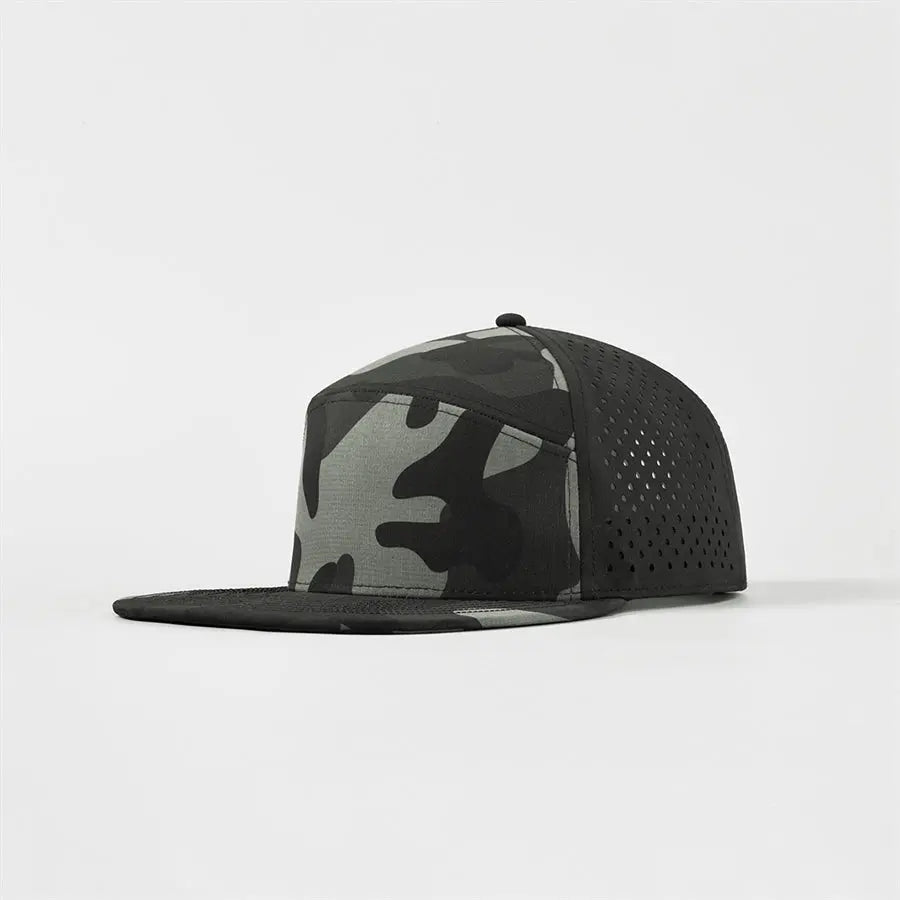
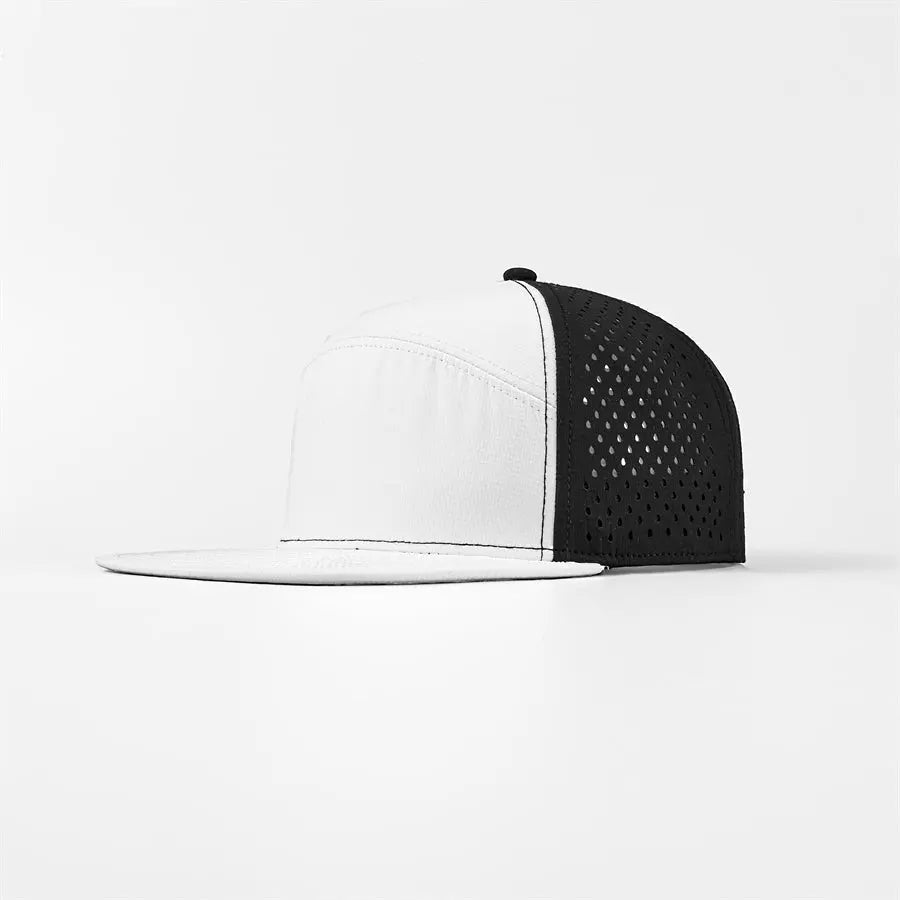
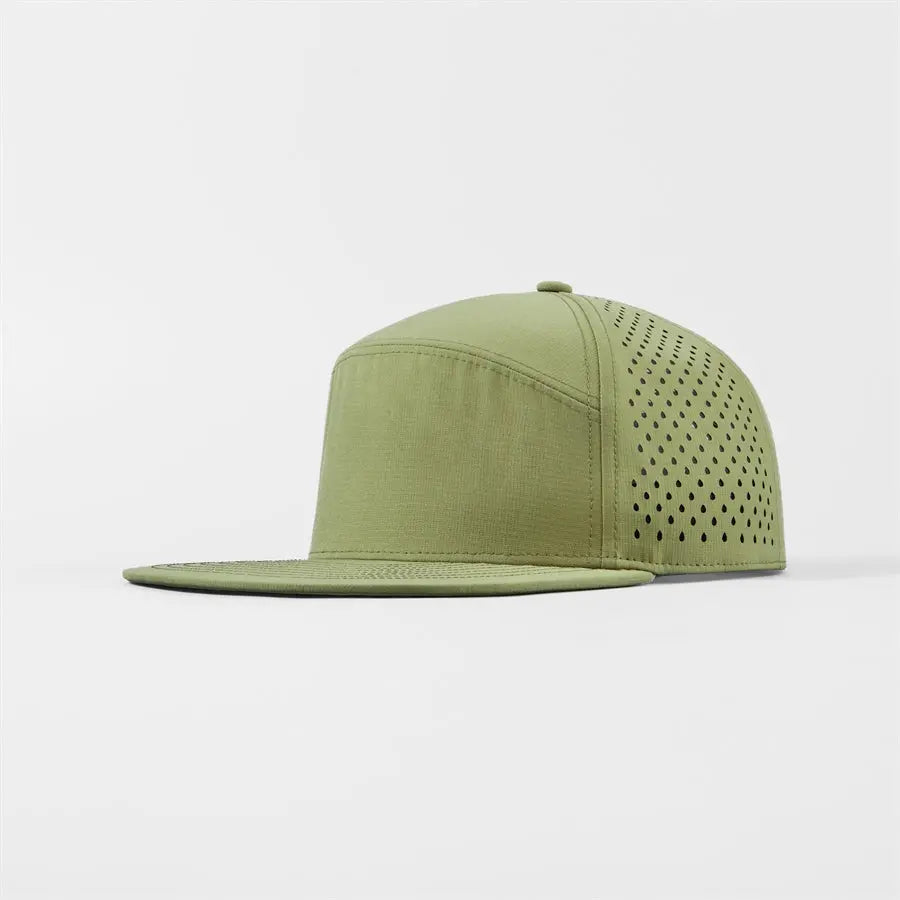
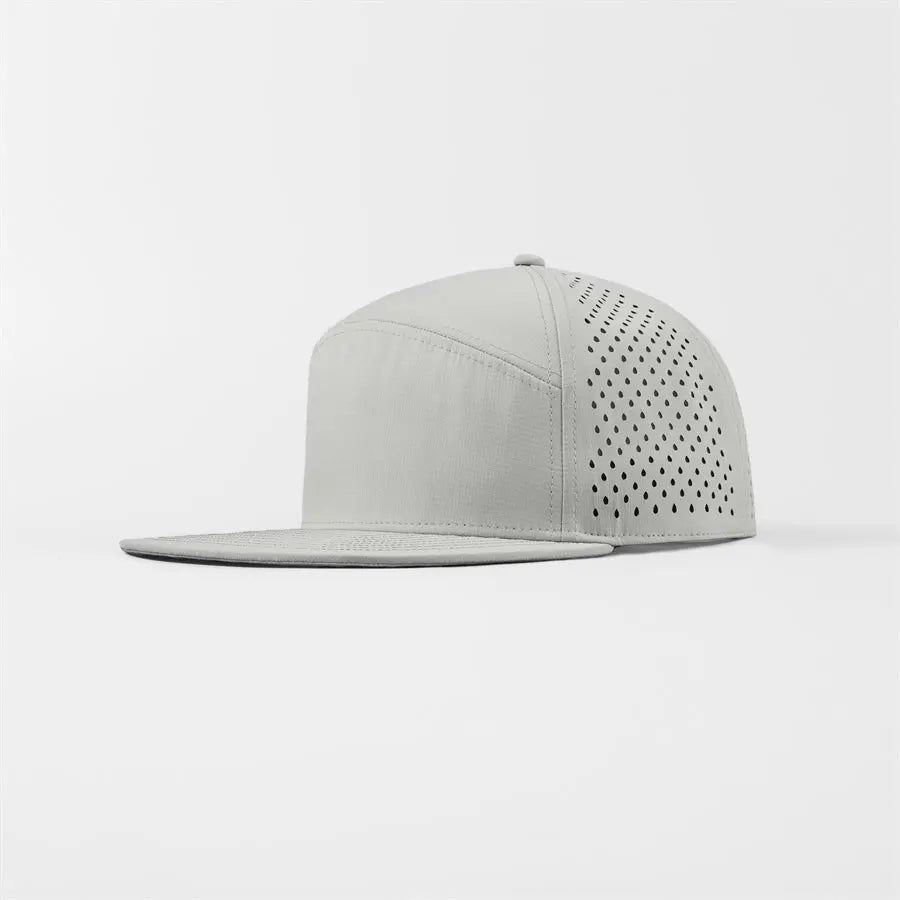
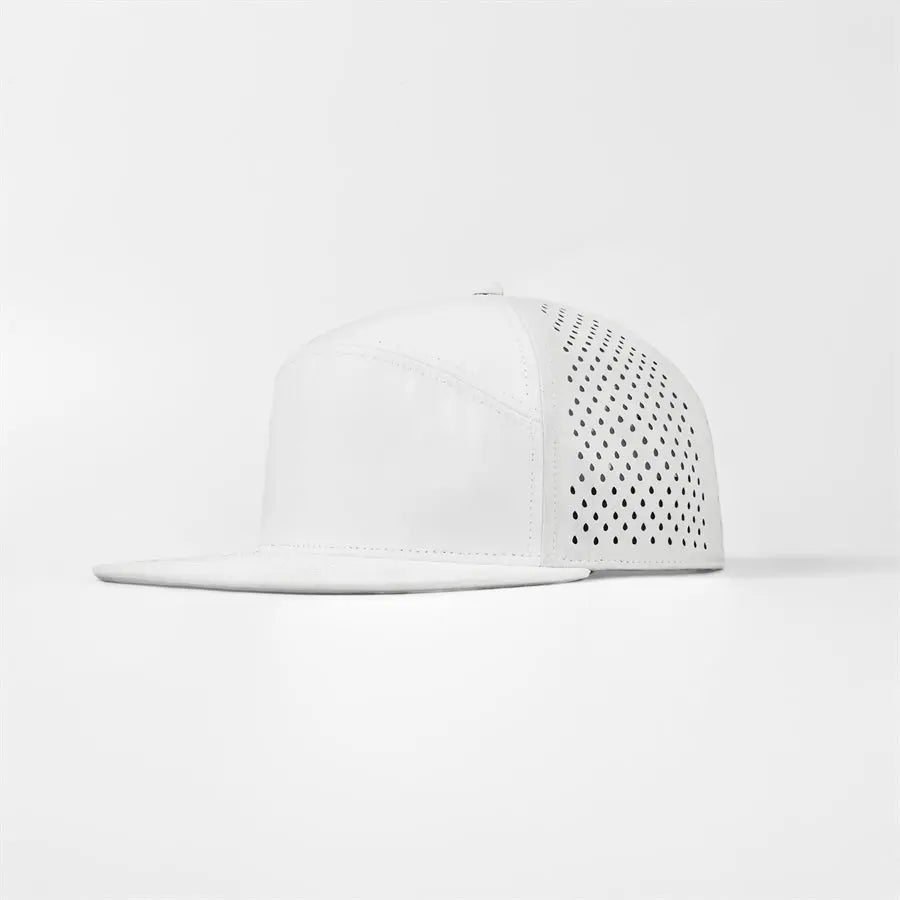
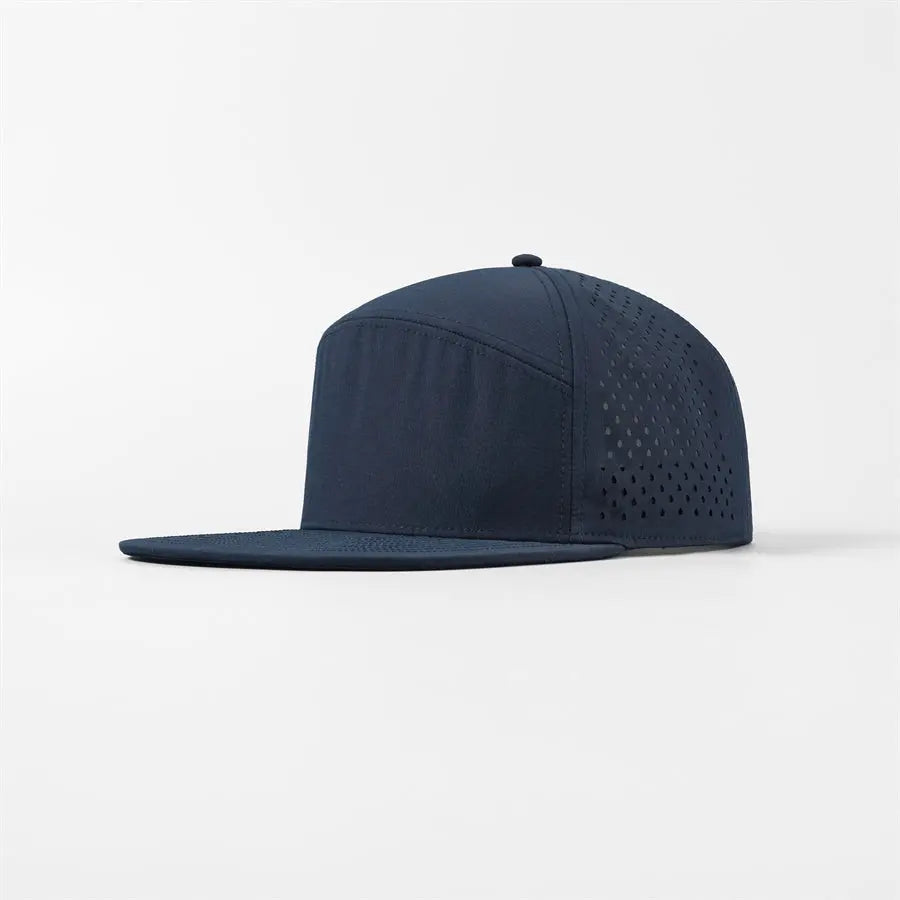
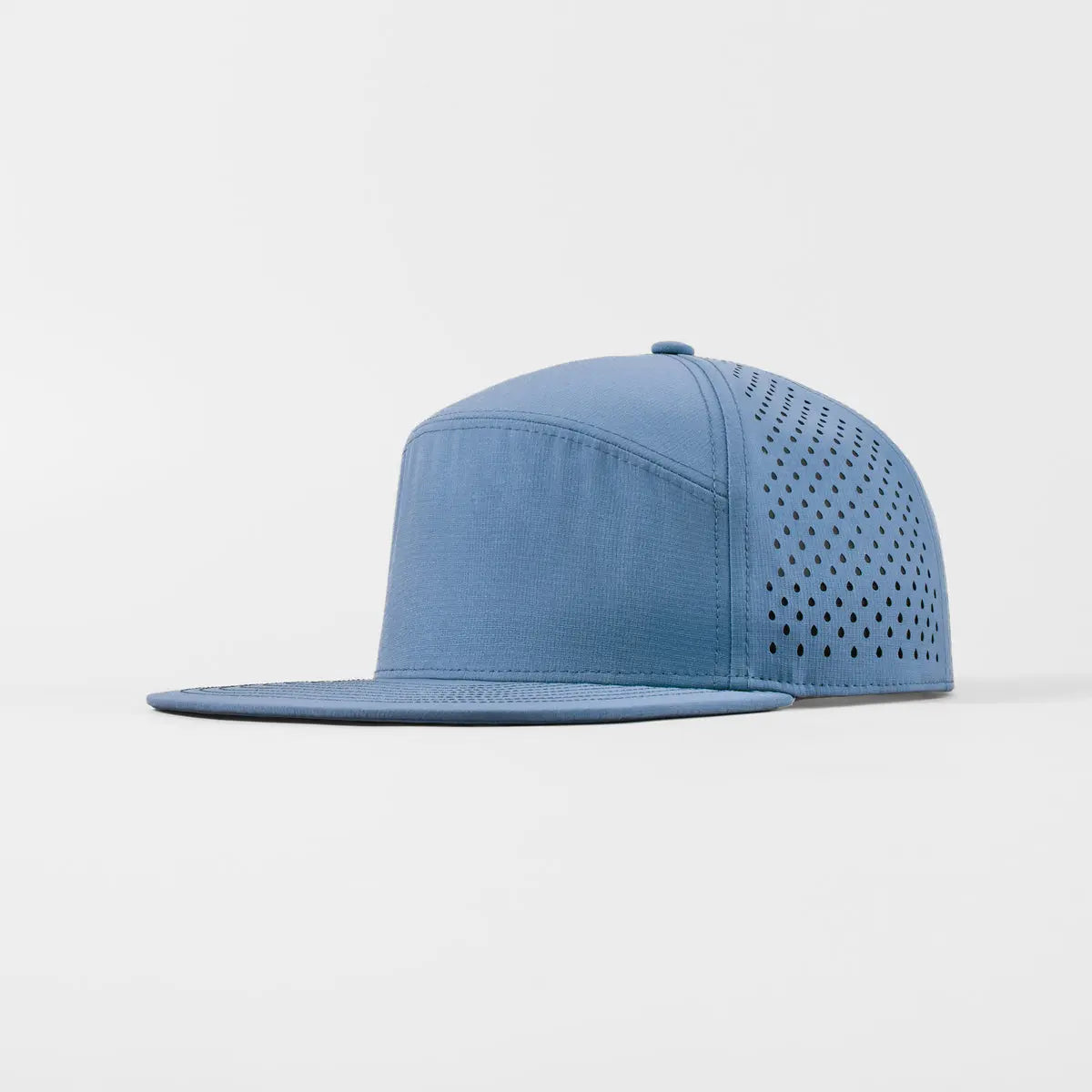


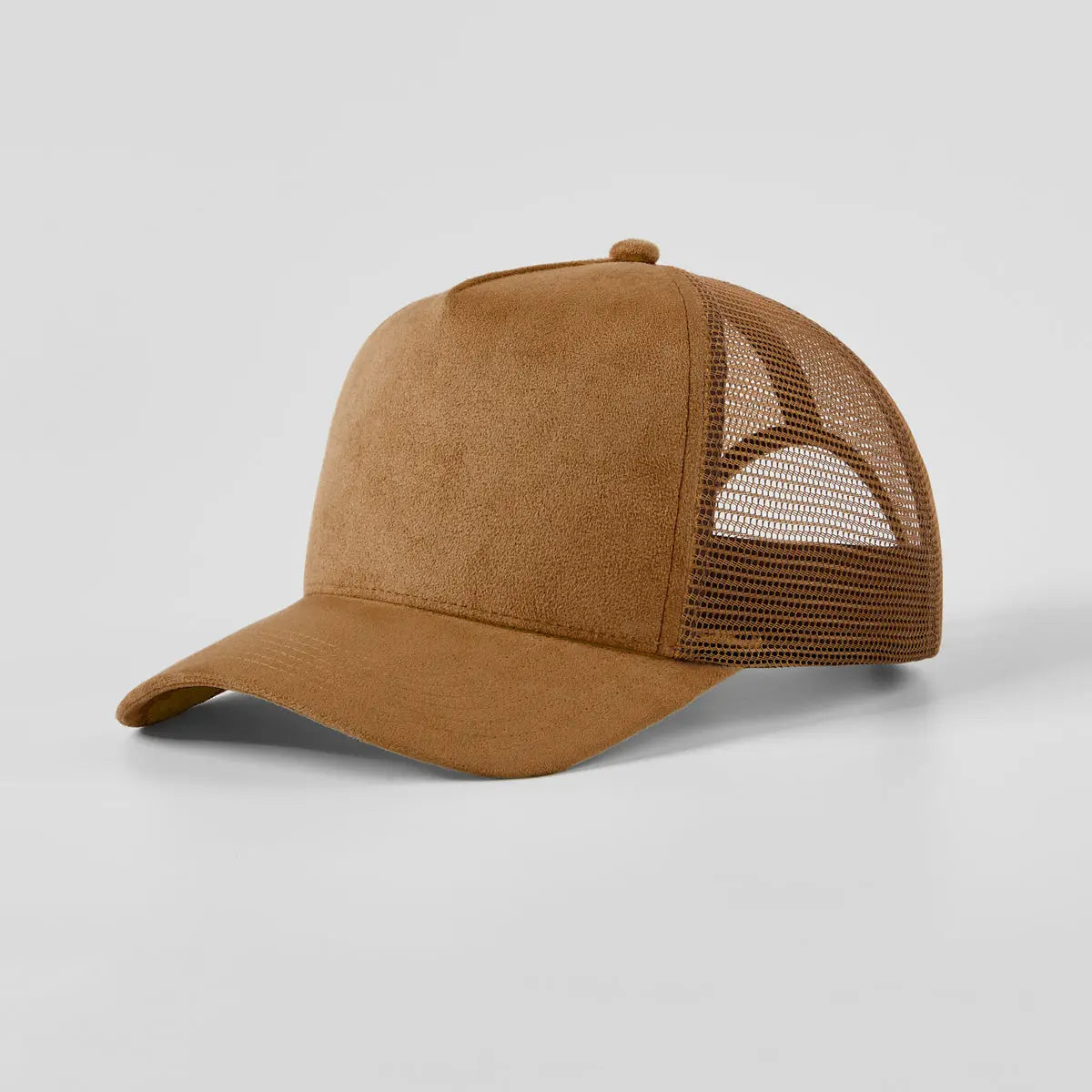


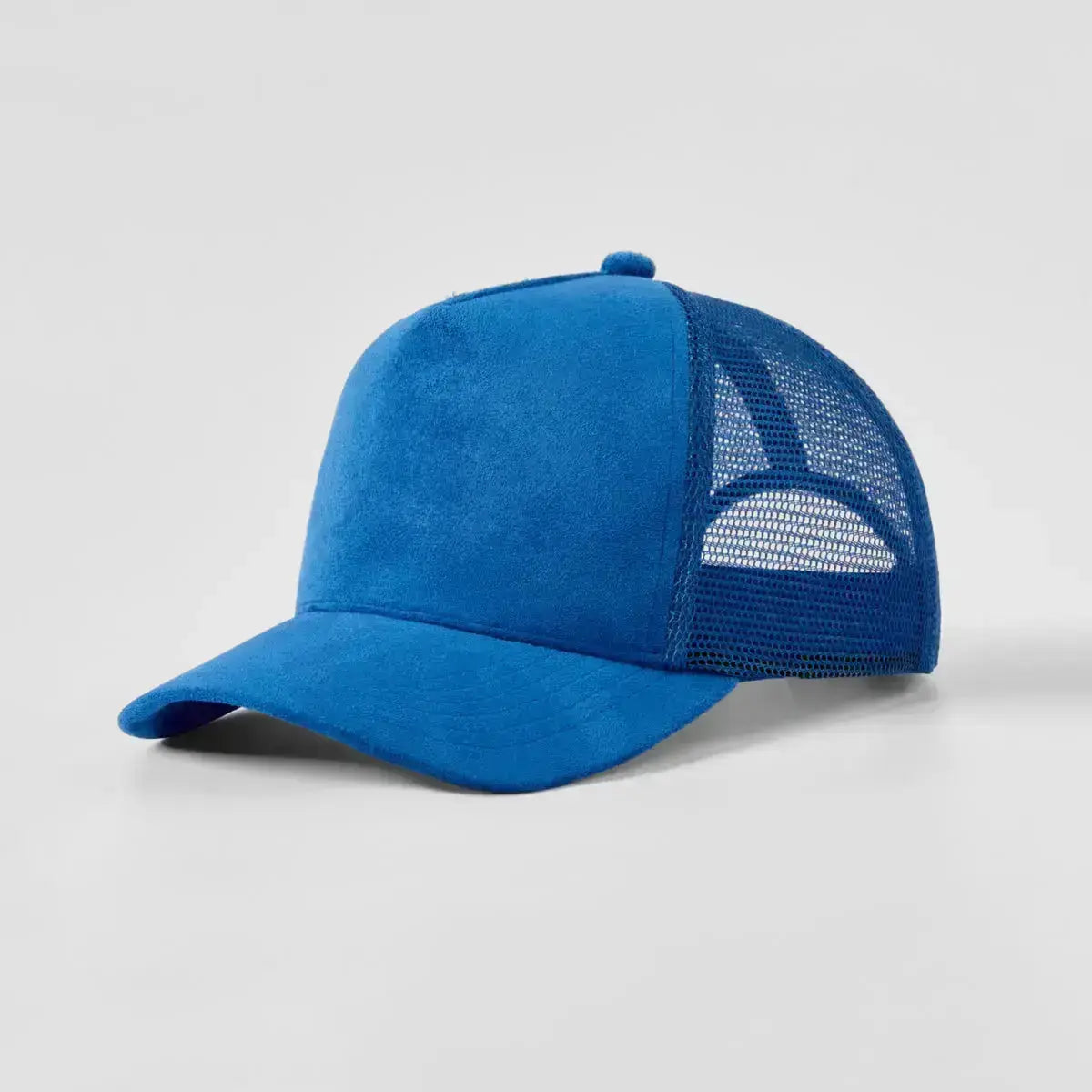

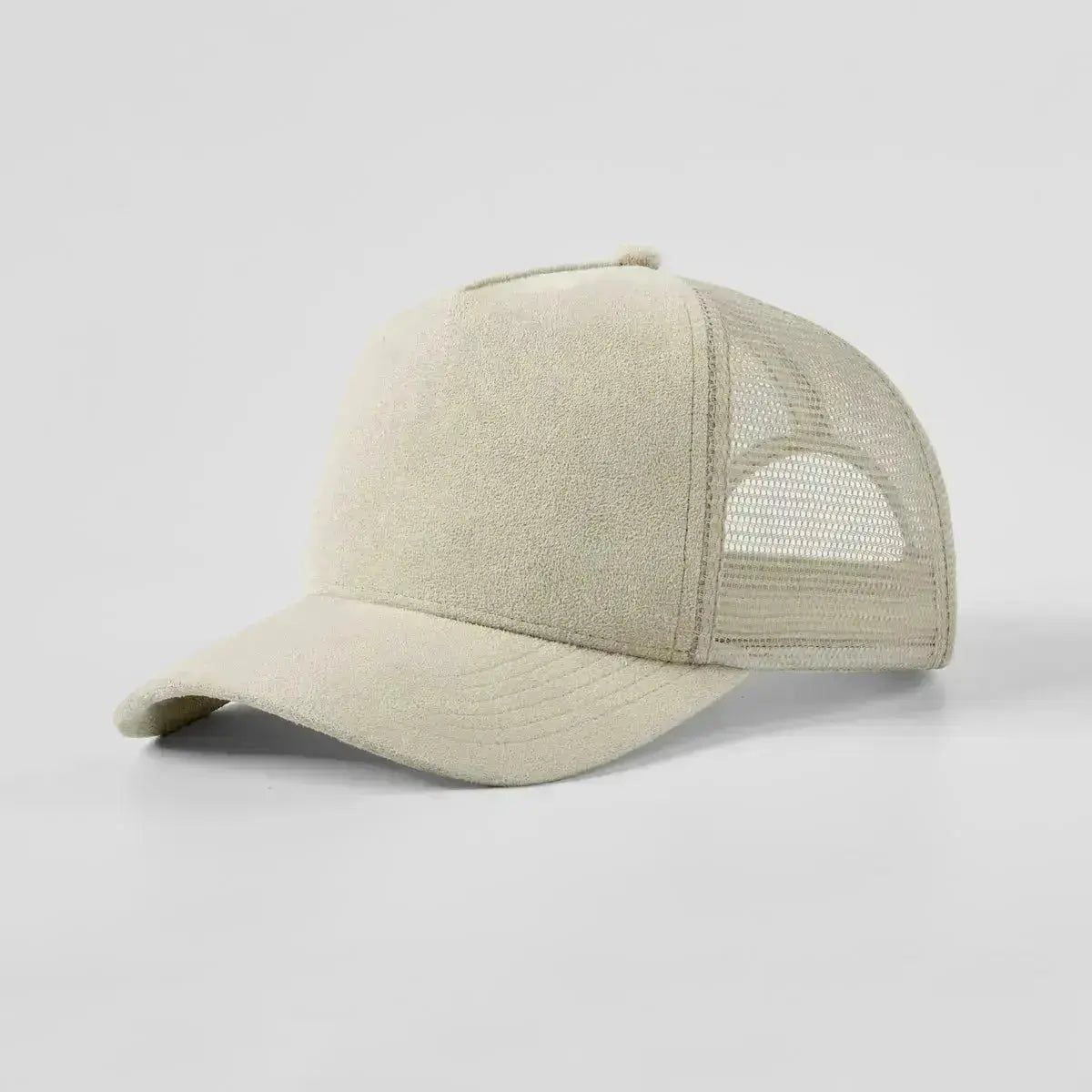
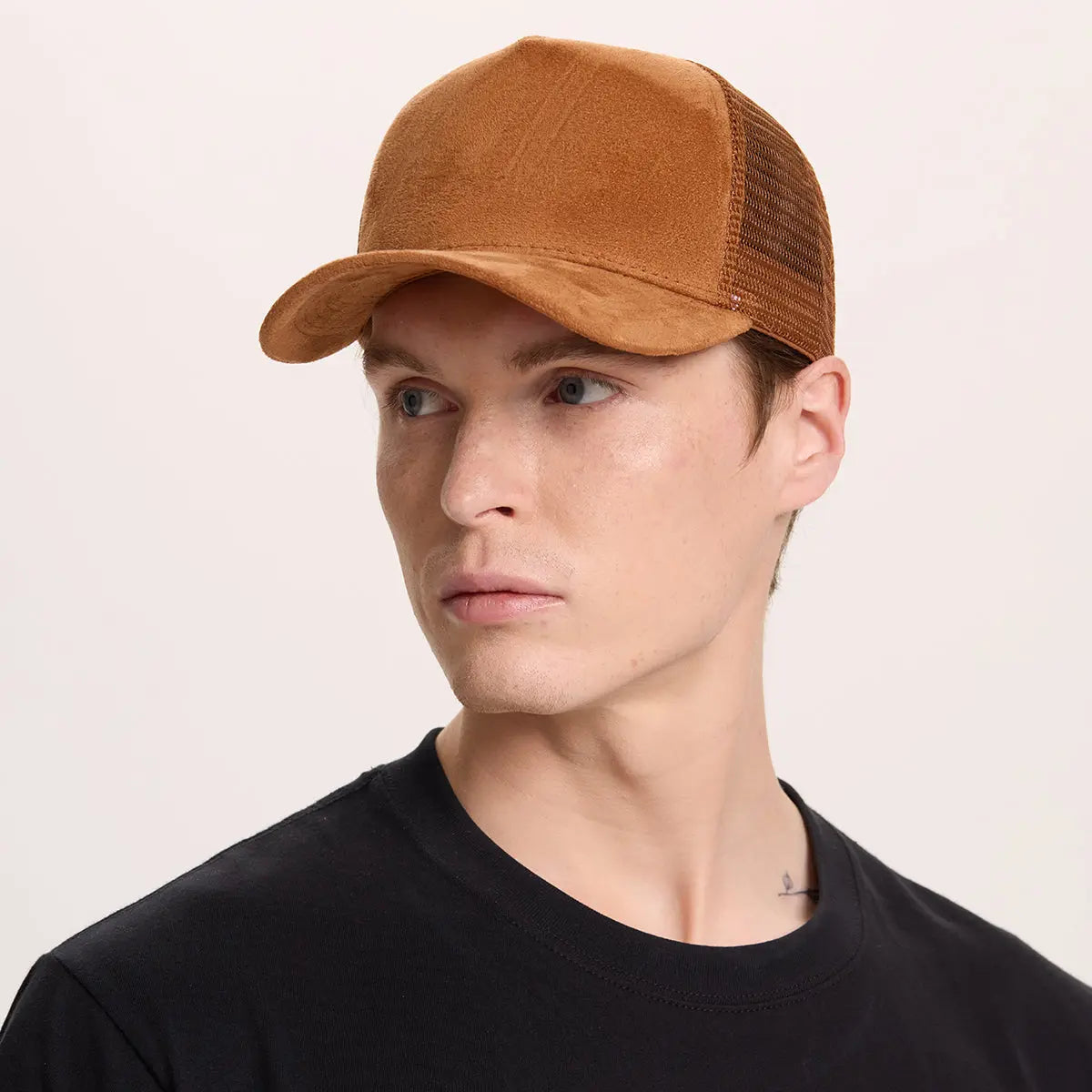


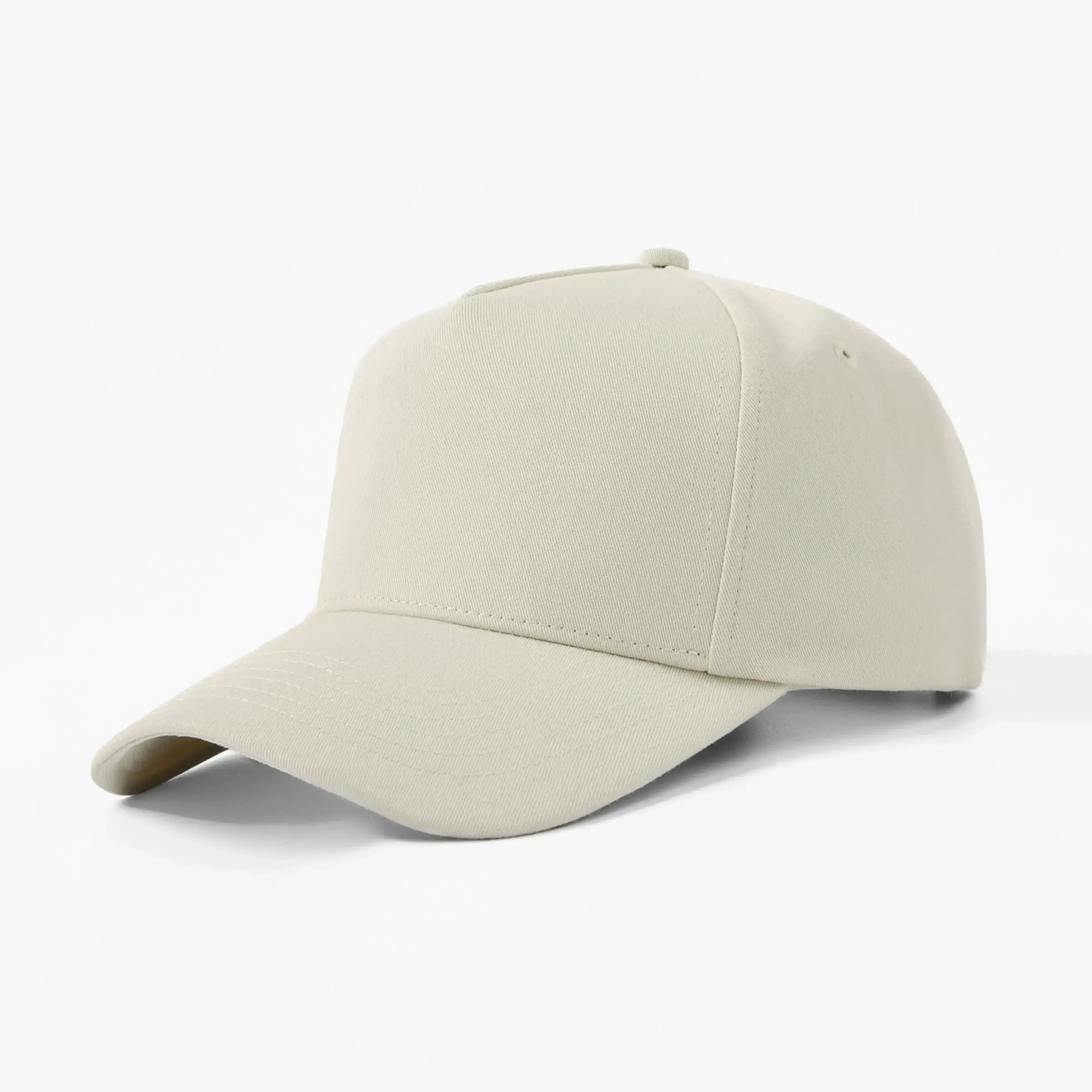
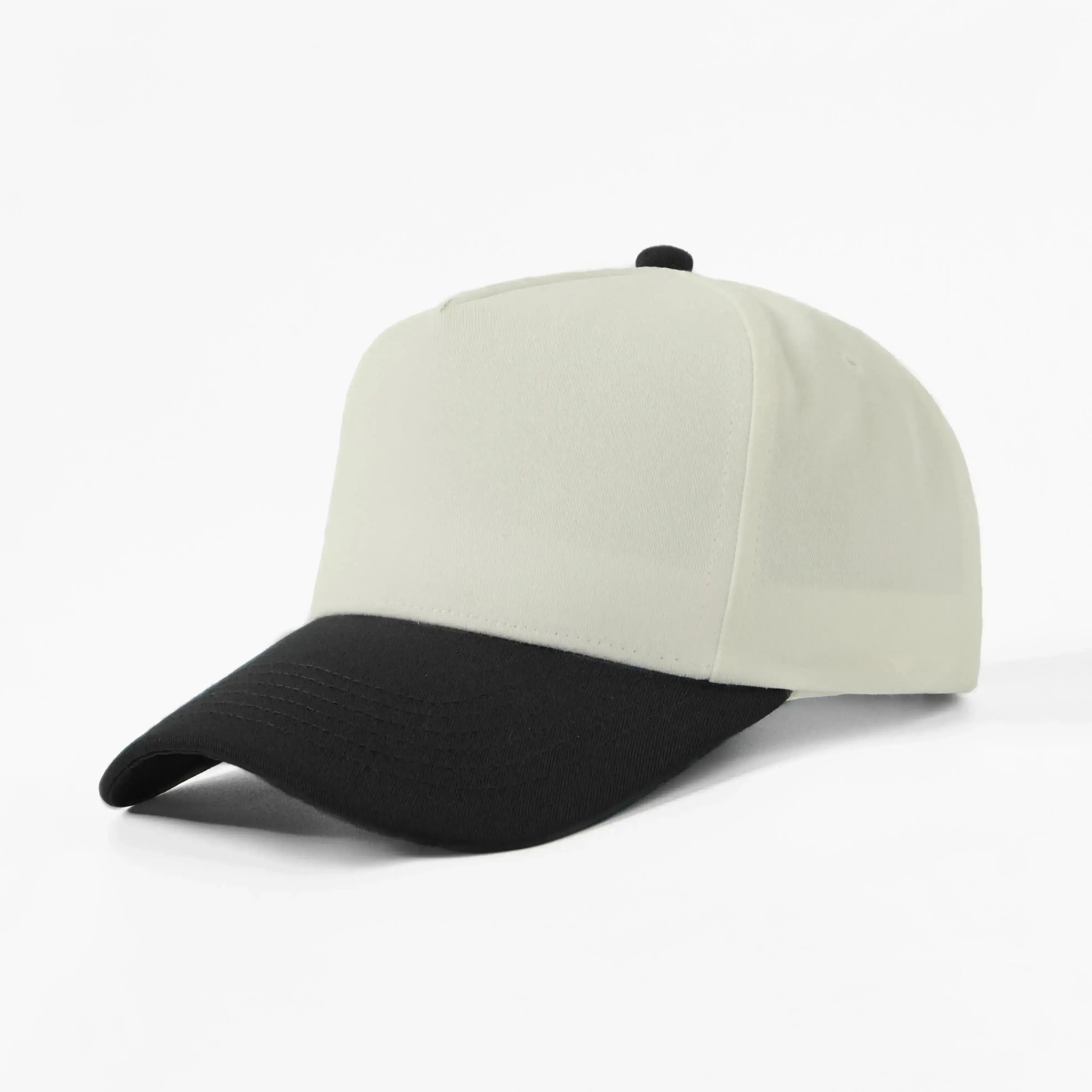
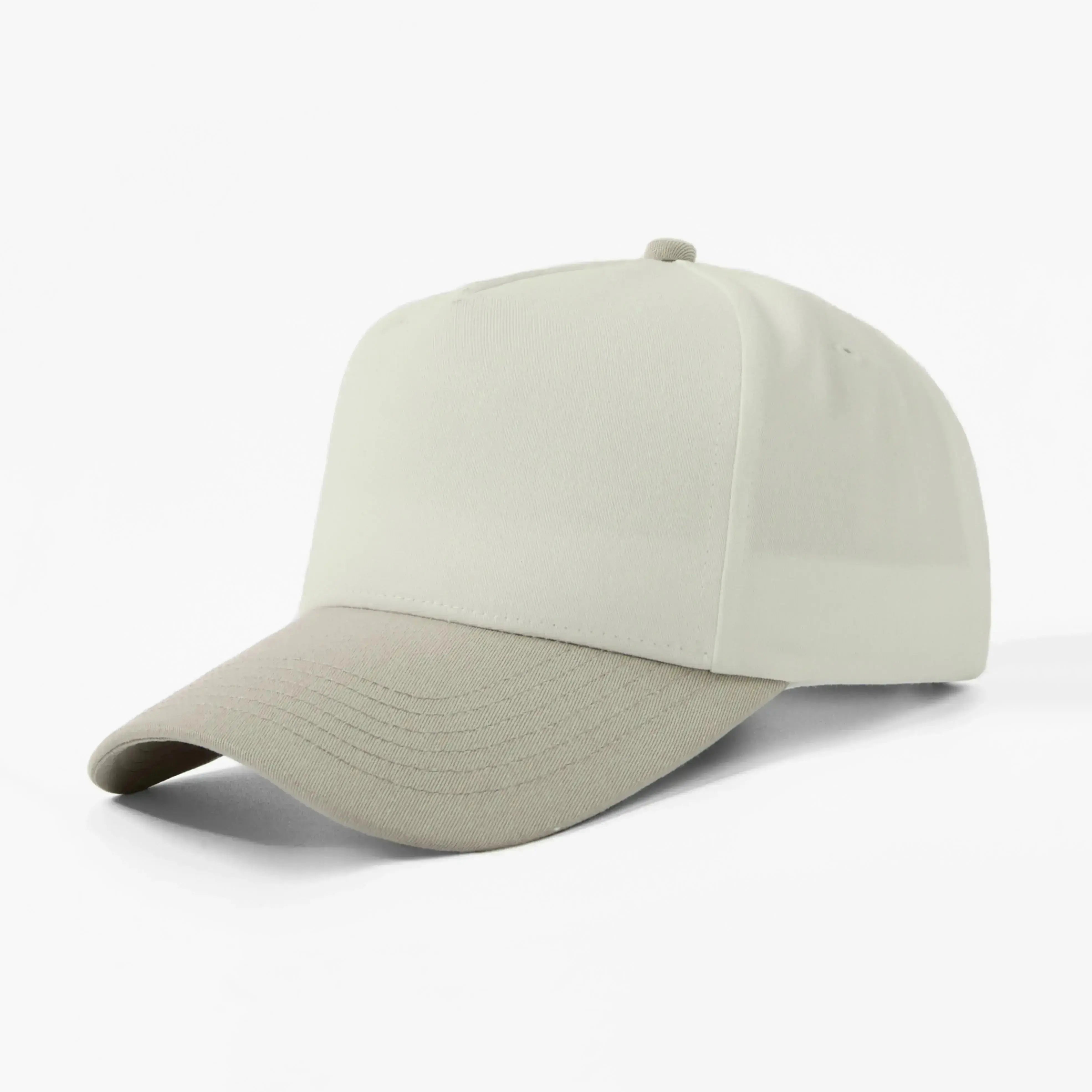
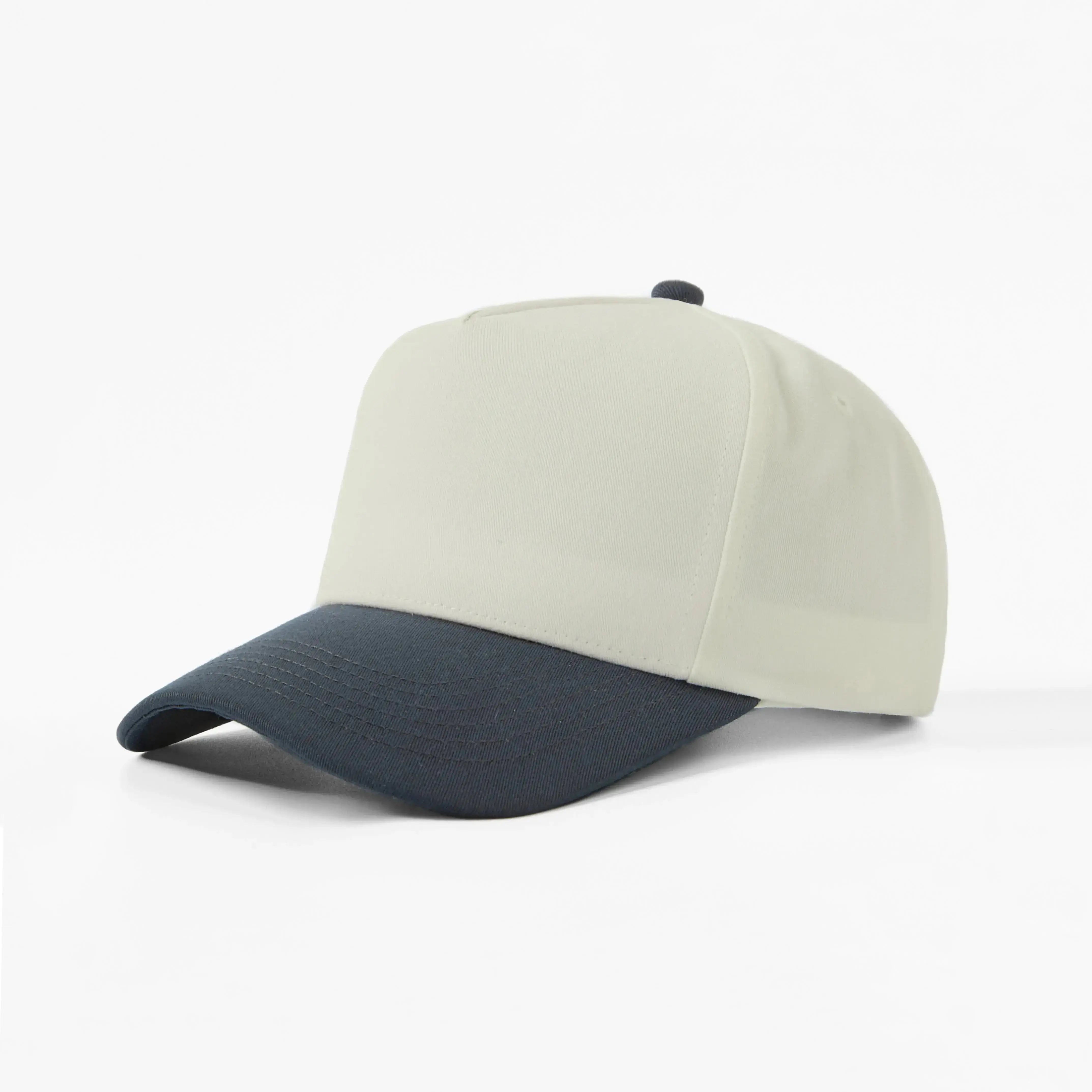
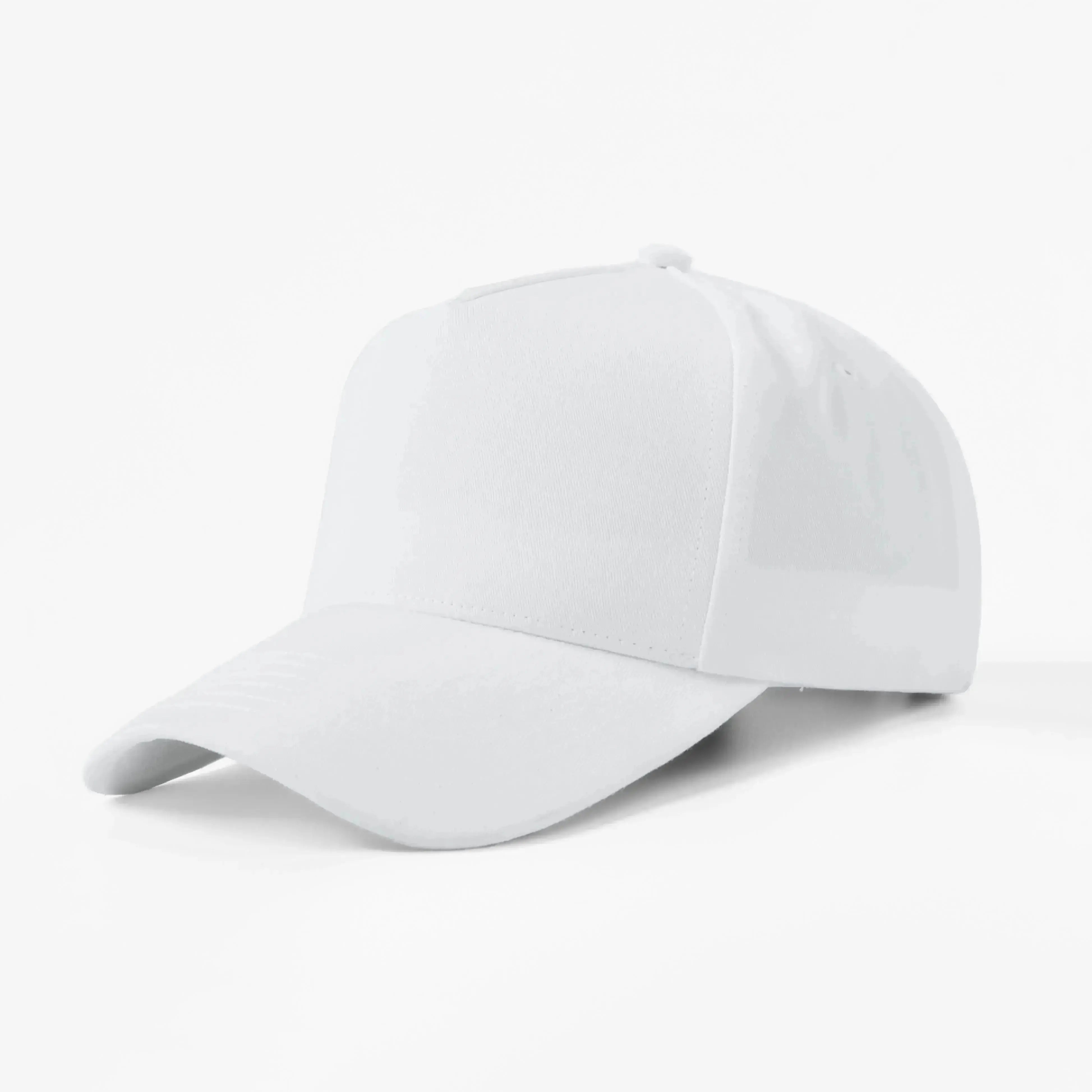
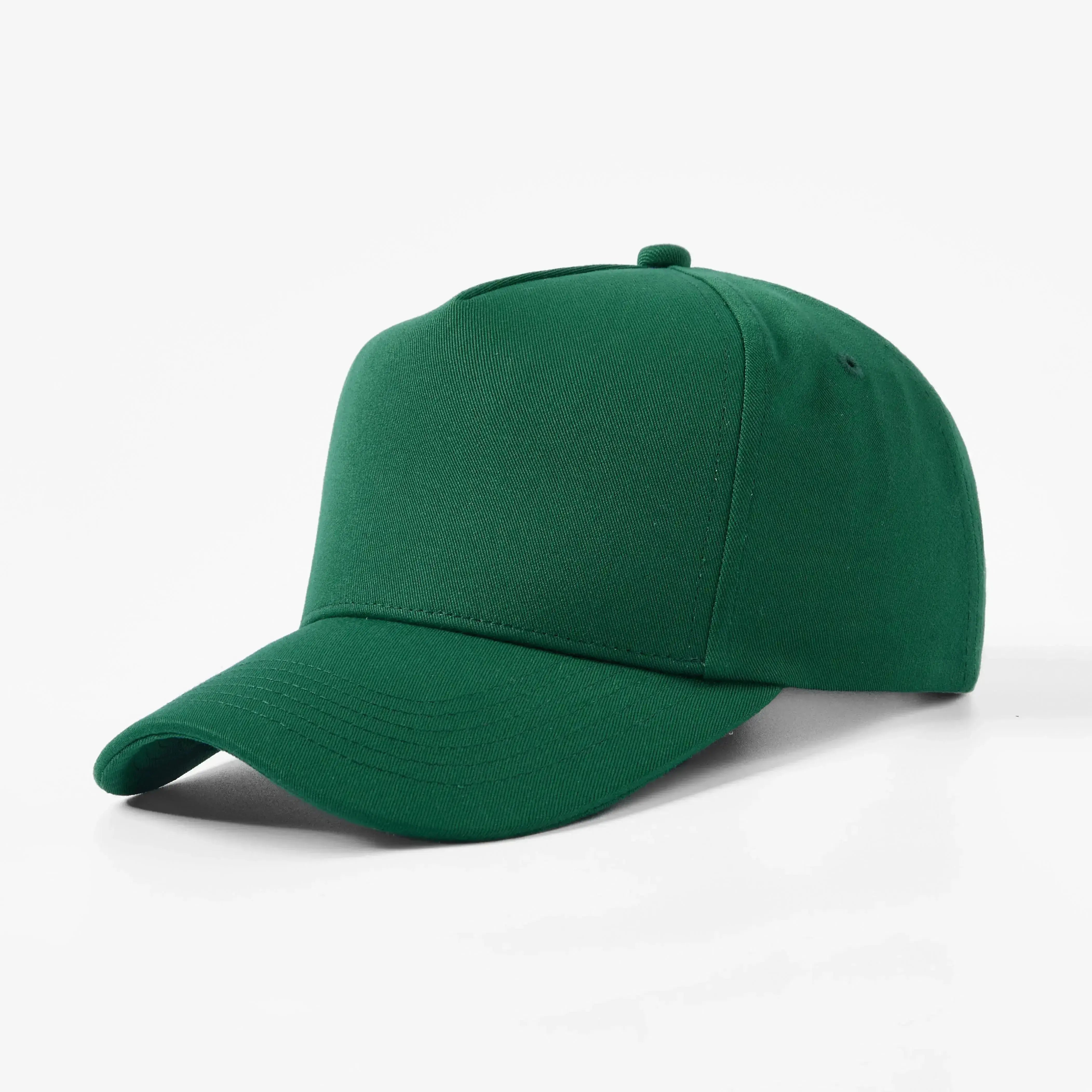
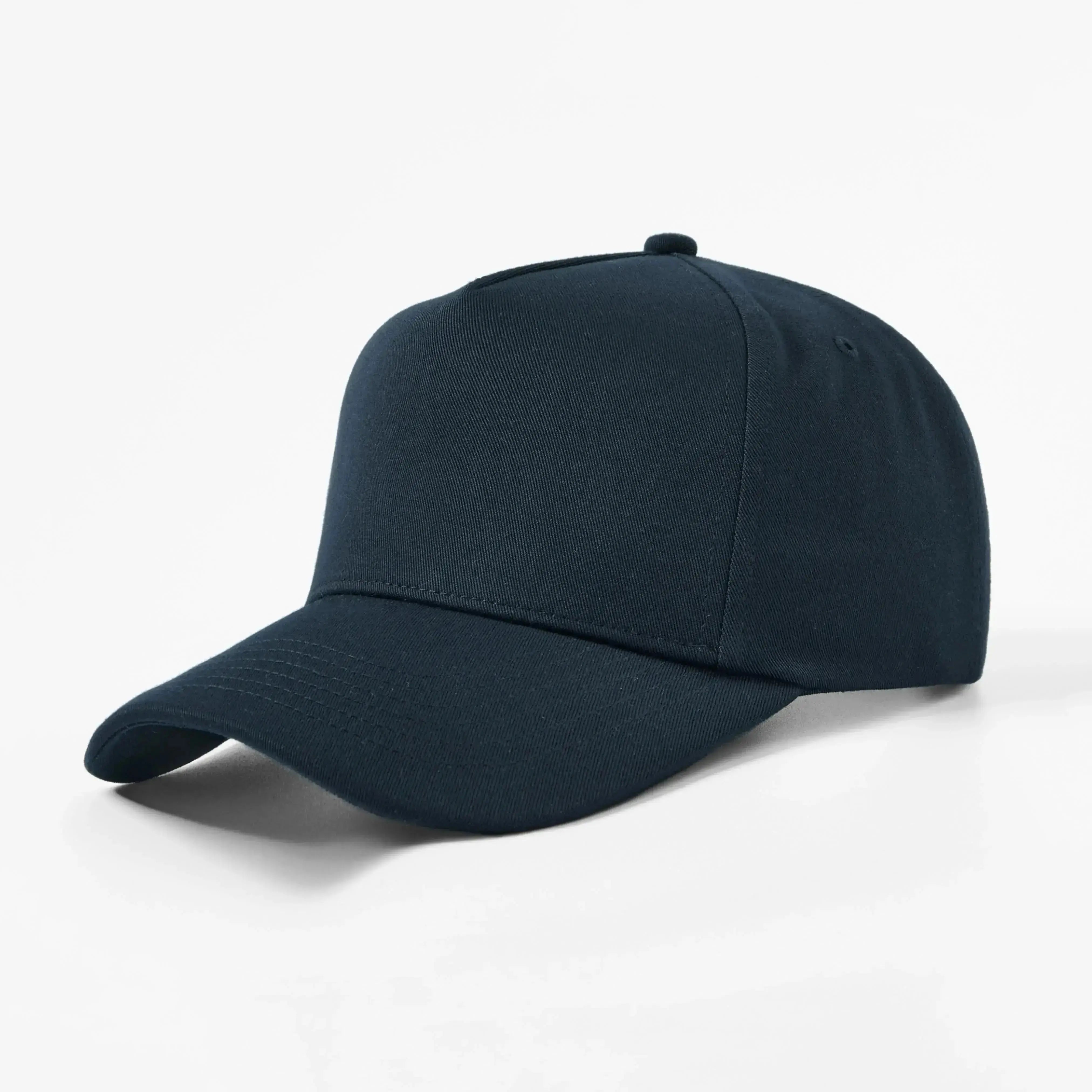
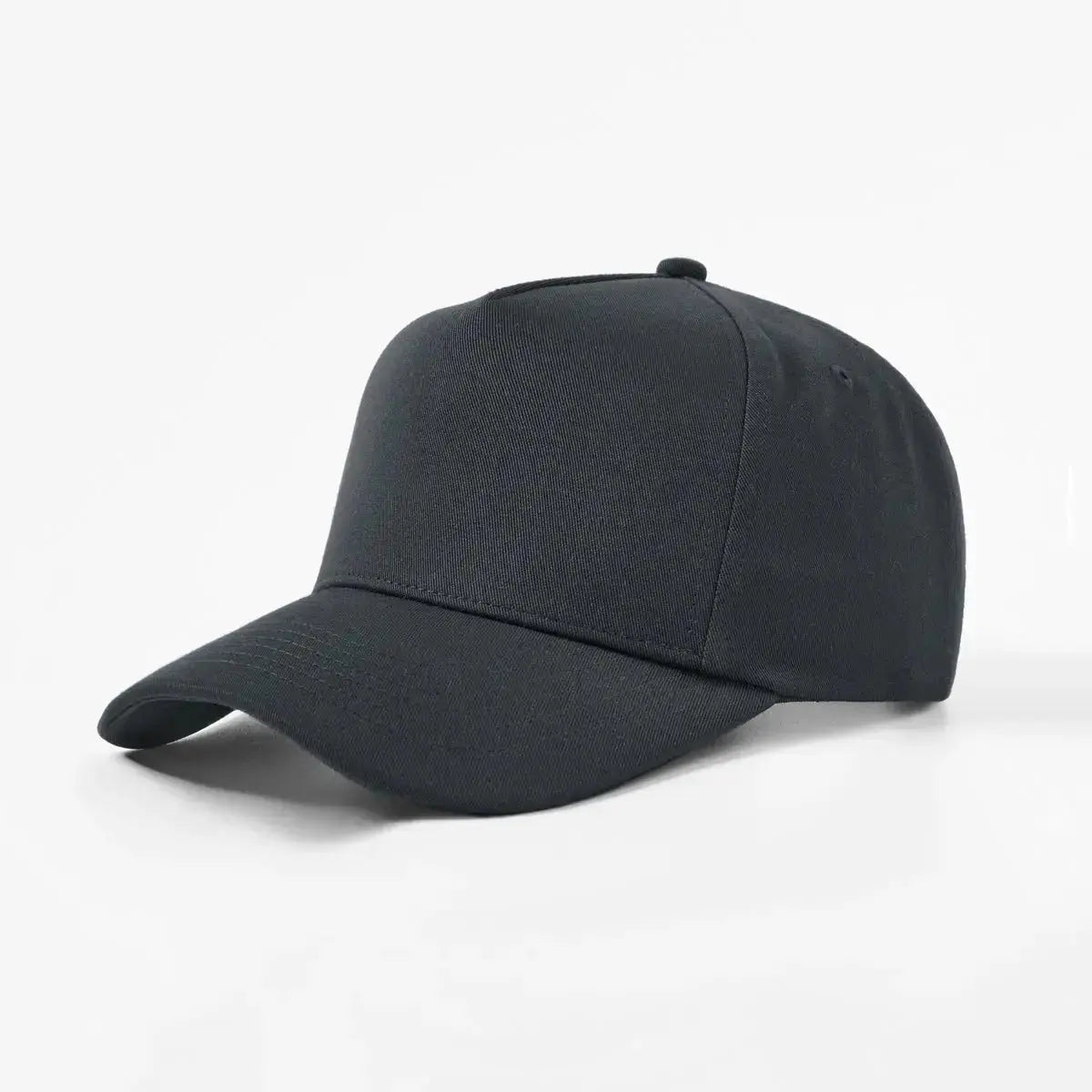
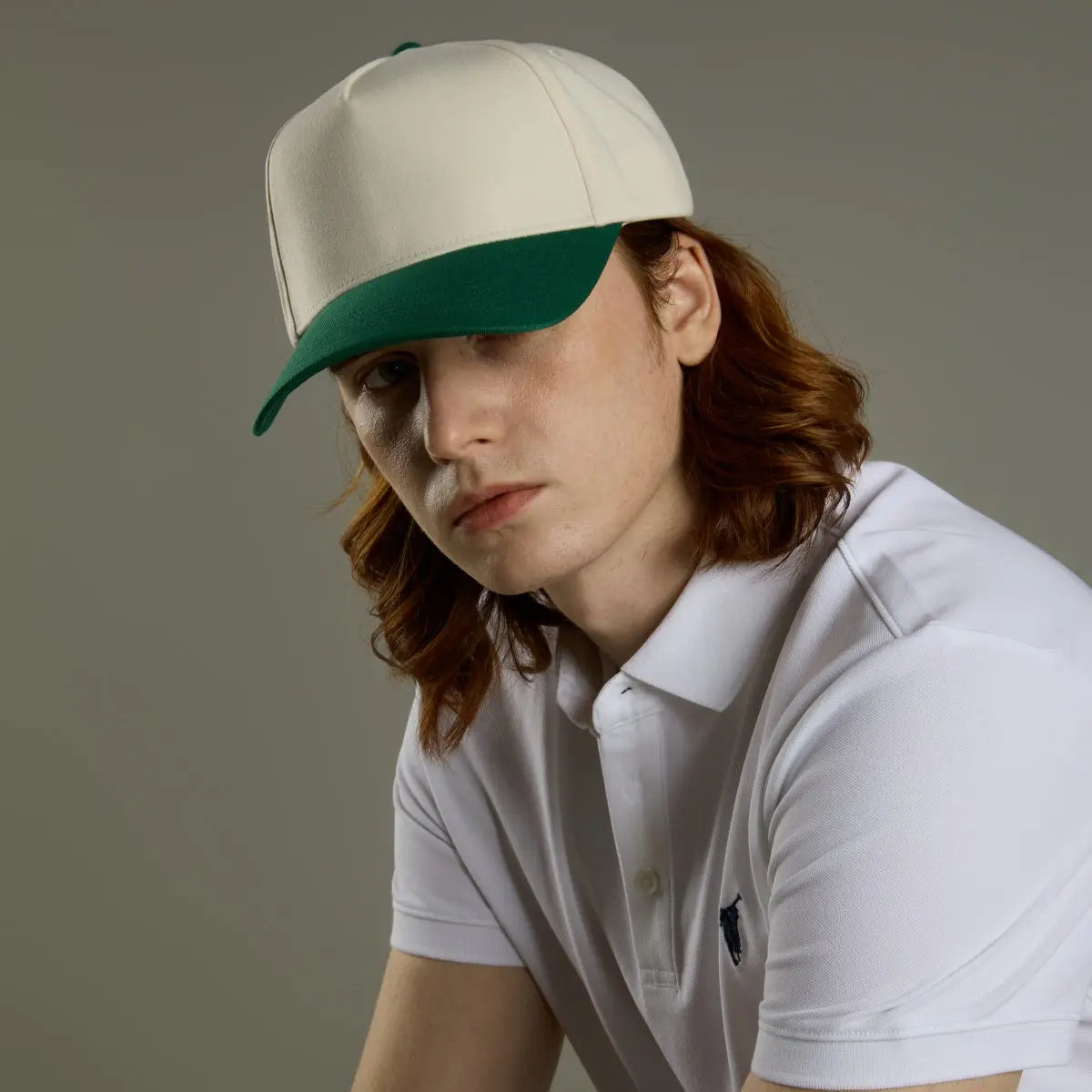
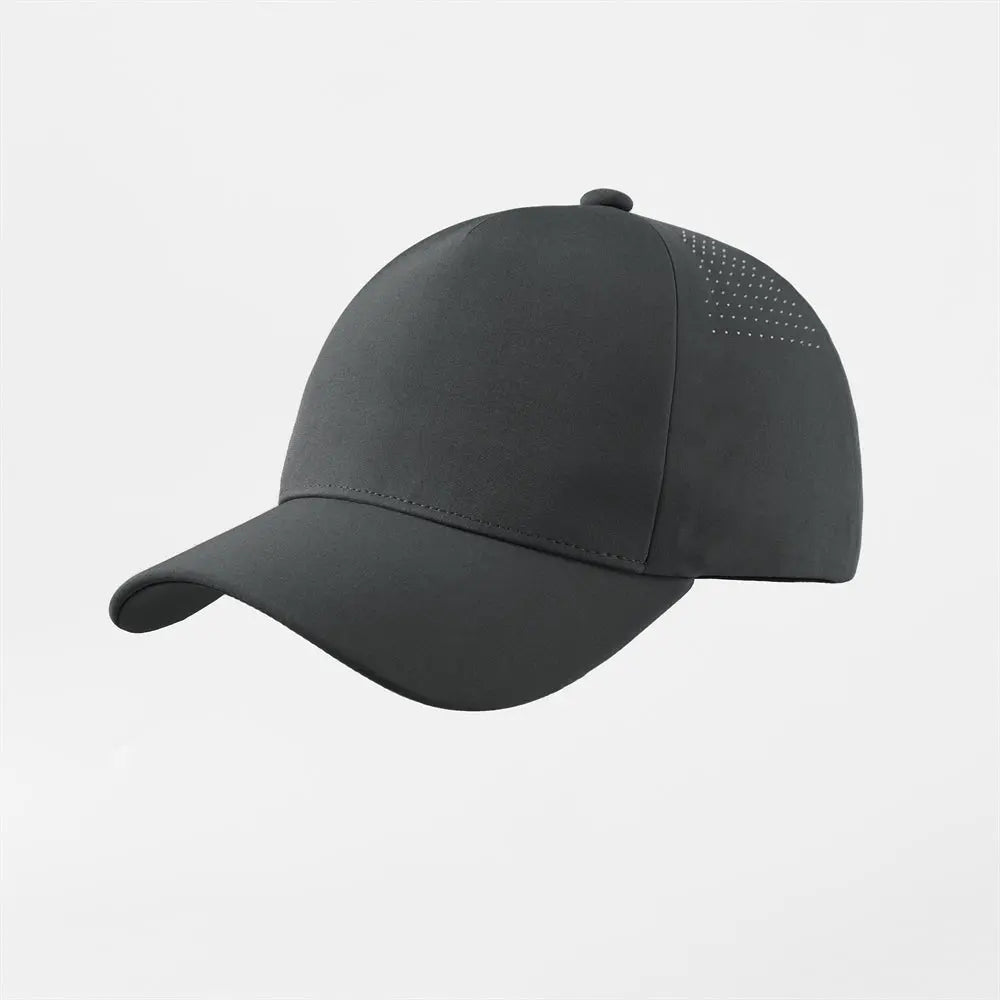
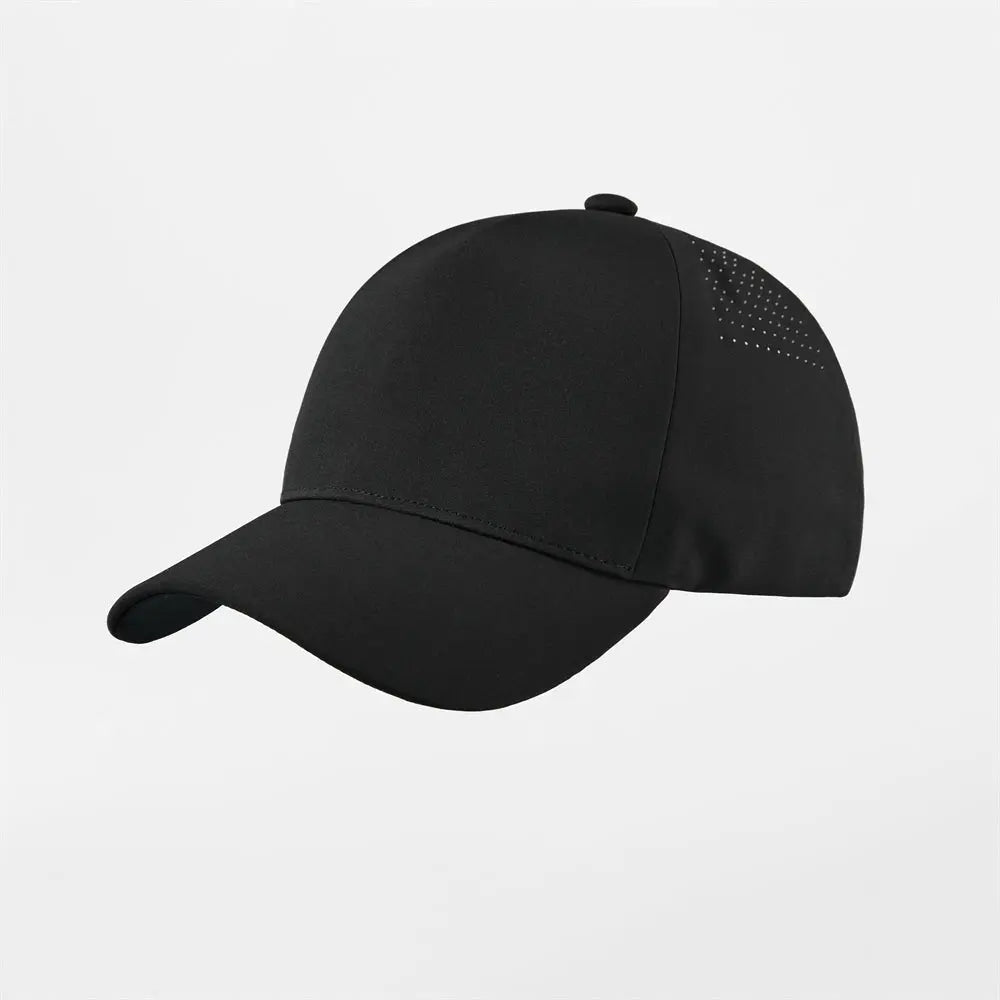
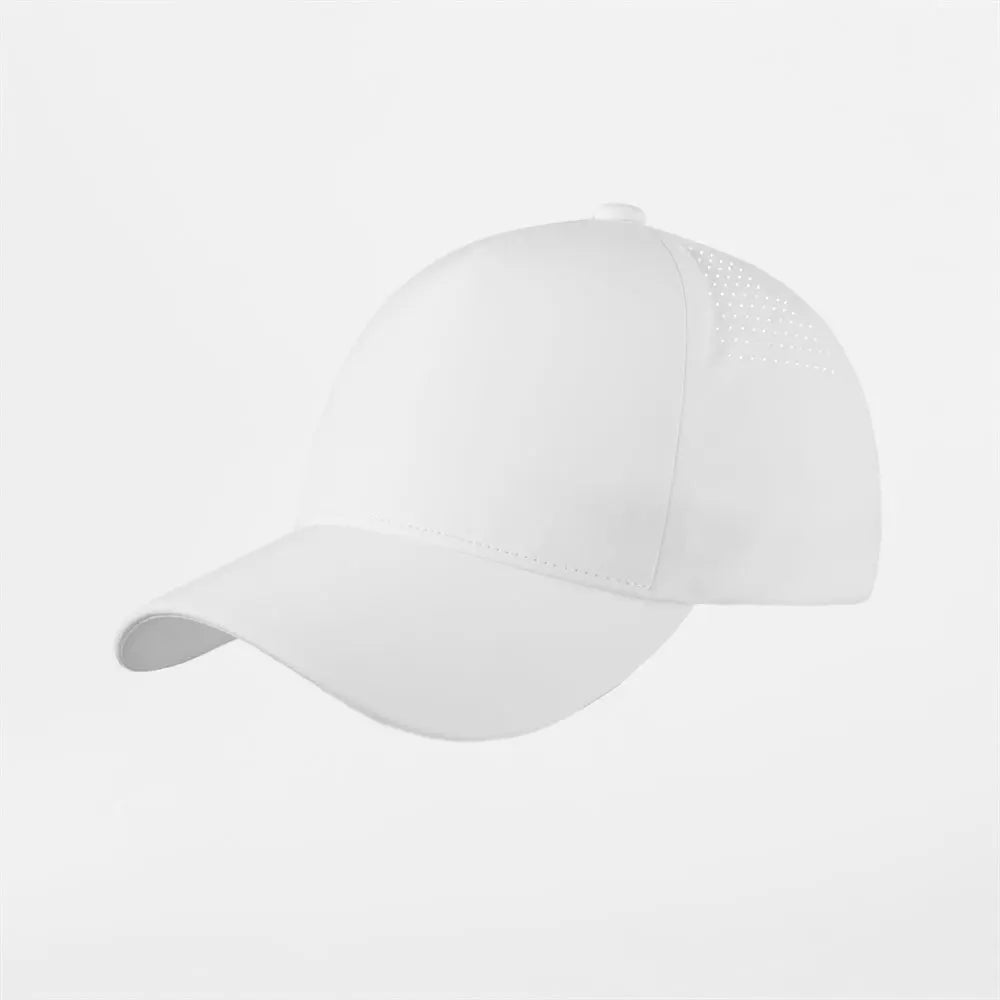
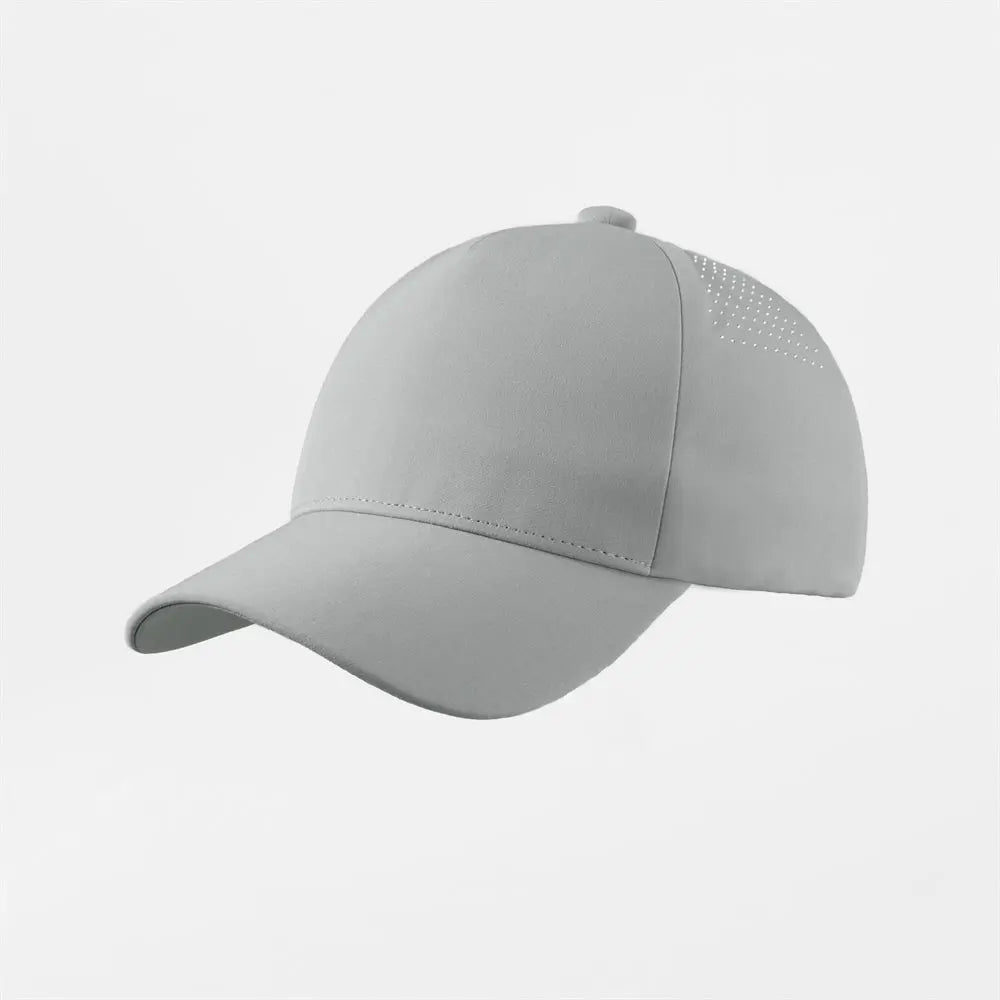
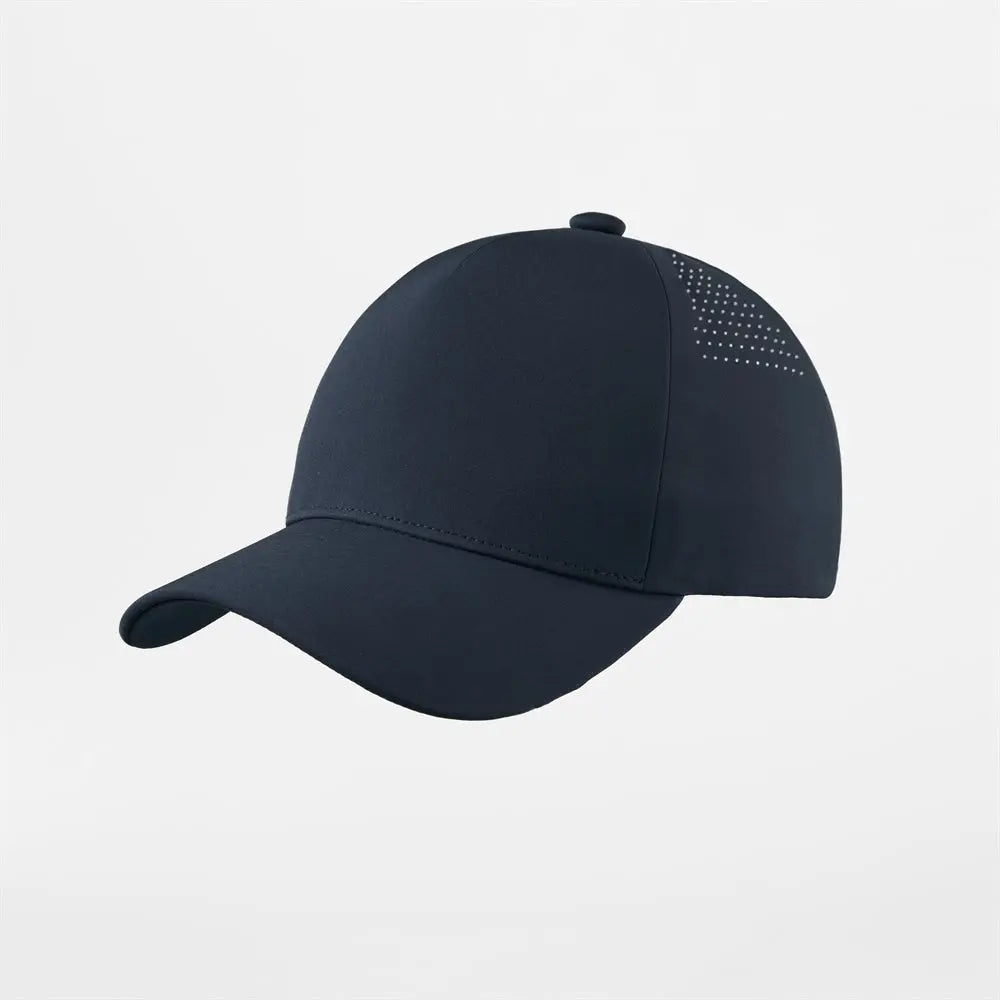
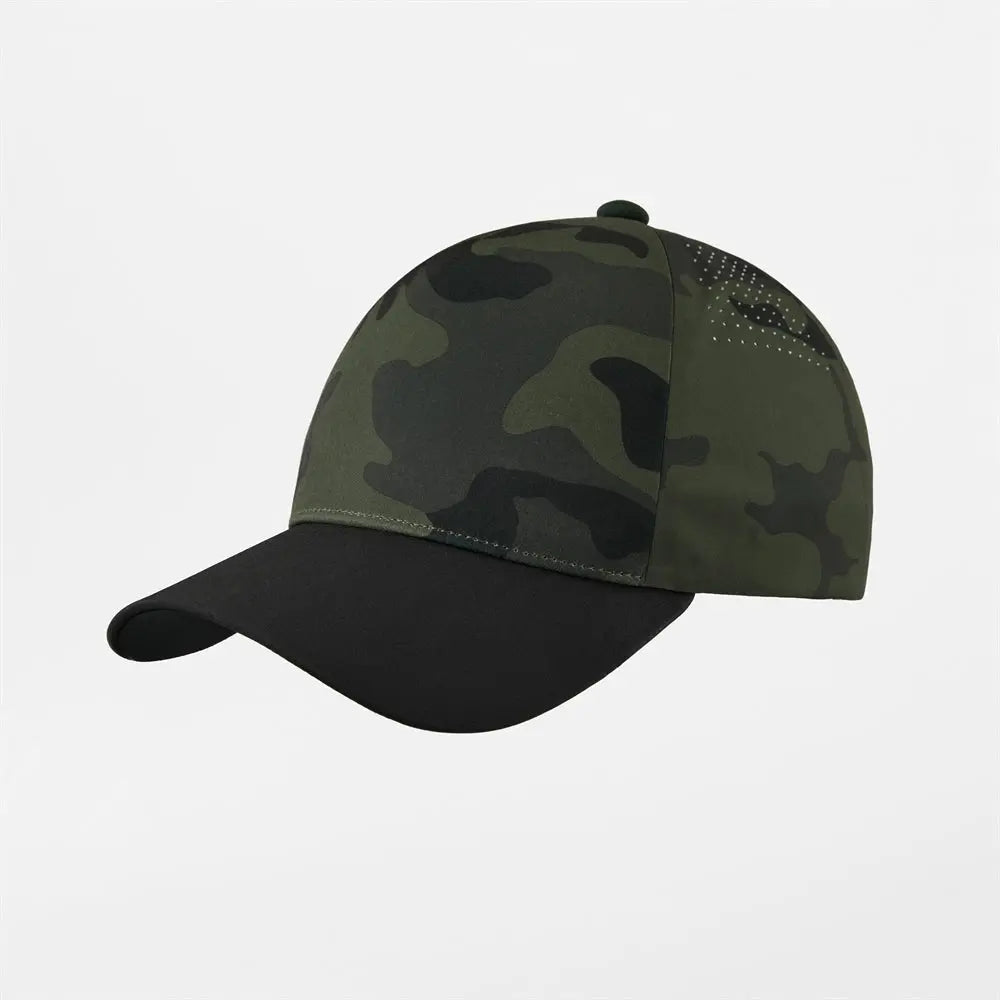
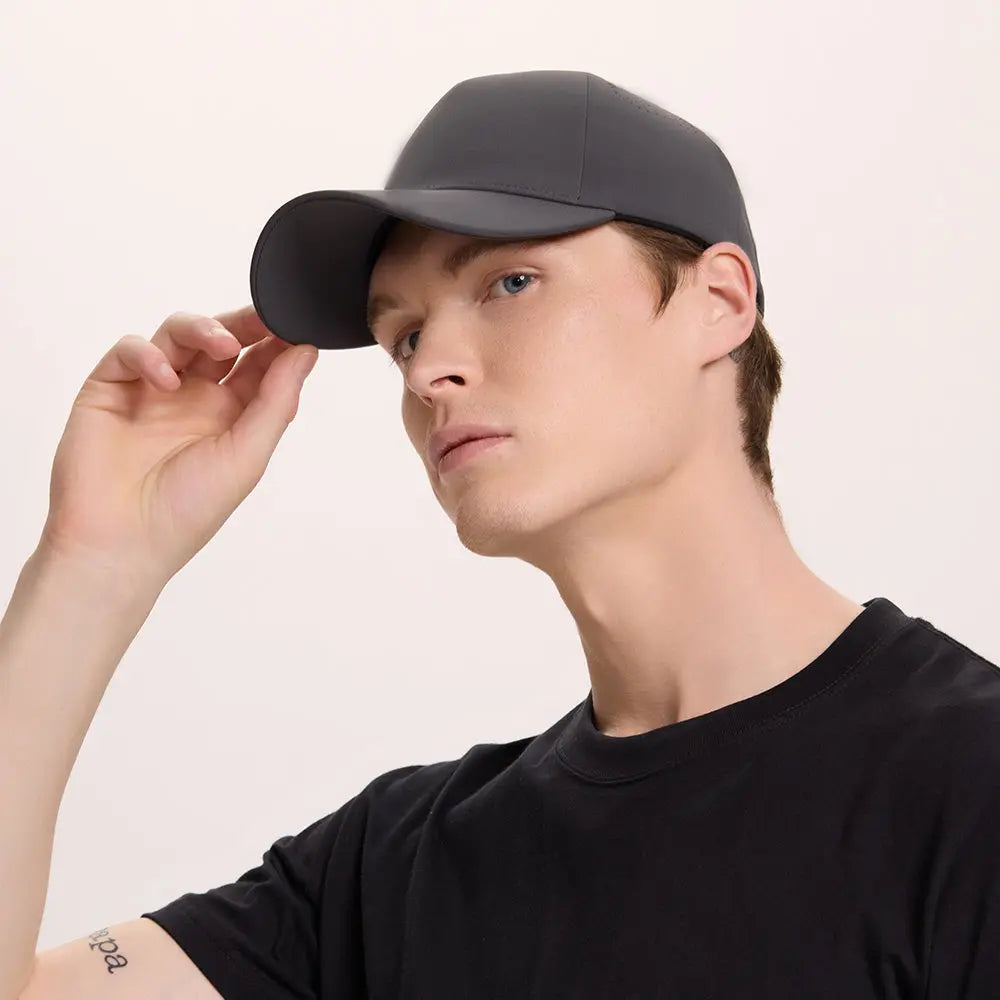

A cap is more than a practical accessory. It can provide shade, complete an outfit, represent a team, or turn a company logo into wearable brand exposure. From classic baseball caps and breathable trucker hats to performance caps and casual dad hats, there is a cap for nearly every audience and application.
For brands, businesses, schools, sports teams, event organizers, decorators, and retailers, custom caps offer a useful combination of function, visibility, and long-term promotional value.
This guide explains what a cap is, how it is constructed, how popular cap styles differ, which materials to consider, and how to choose the right cap and decoration method for a custom or wholesale order.
What Is a Cap?
A cap is a close-fitting type of headwear that usually features a crown and a front visor, also known as a bill, brim, or peak. Unlike hats with a full brim, caps normally have a visor only at the front.
Although the baseball cap is the most familiar example, the term “cap” includes many different styles:
- Baseball caps
- Dad hats
- Snapback caps
- Trucker caps
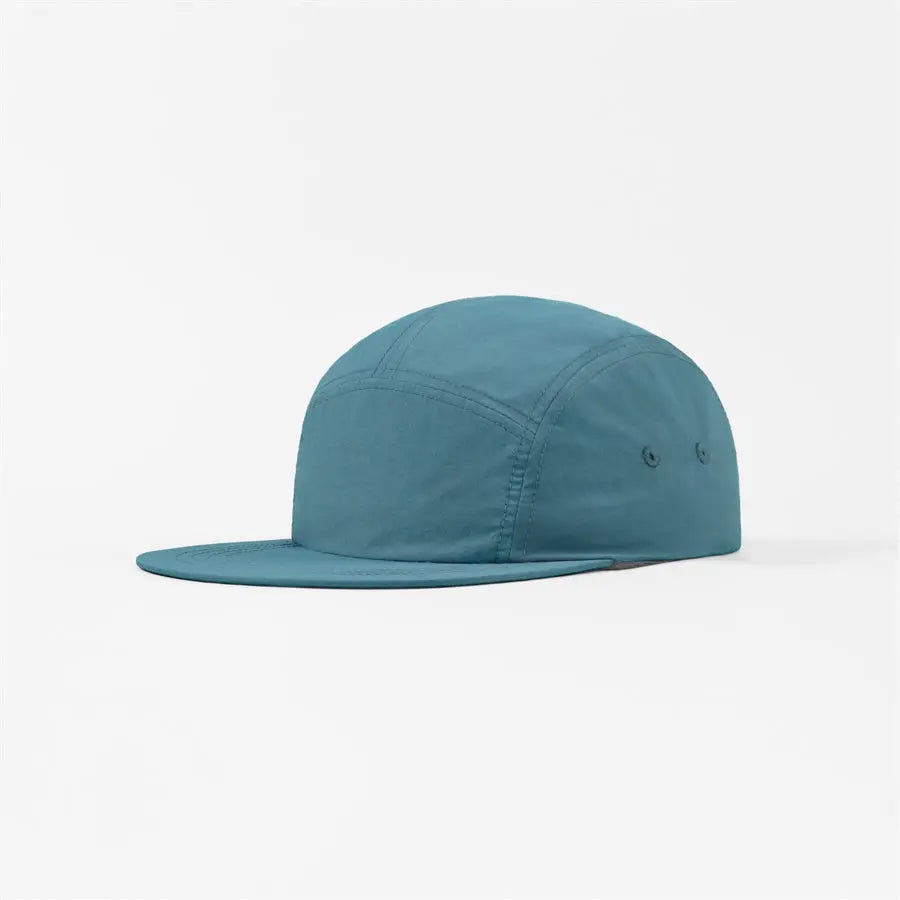
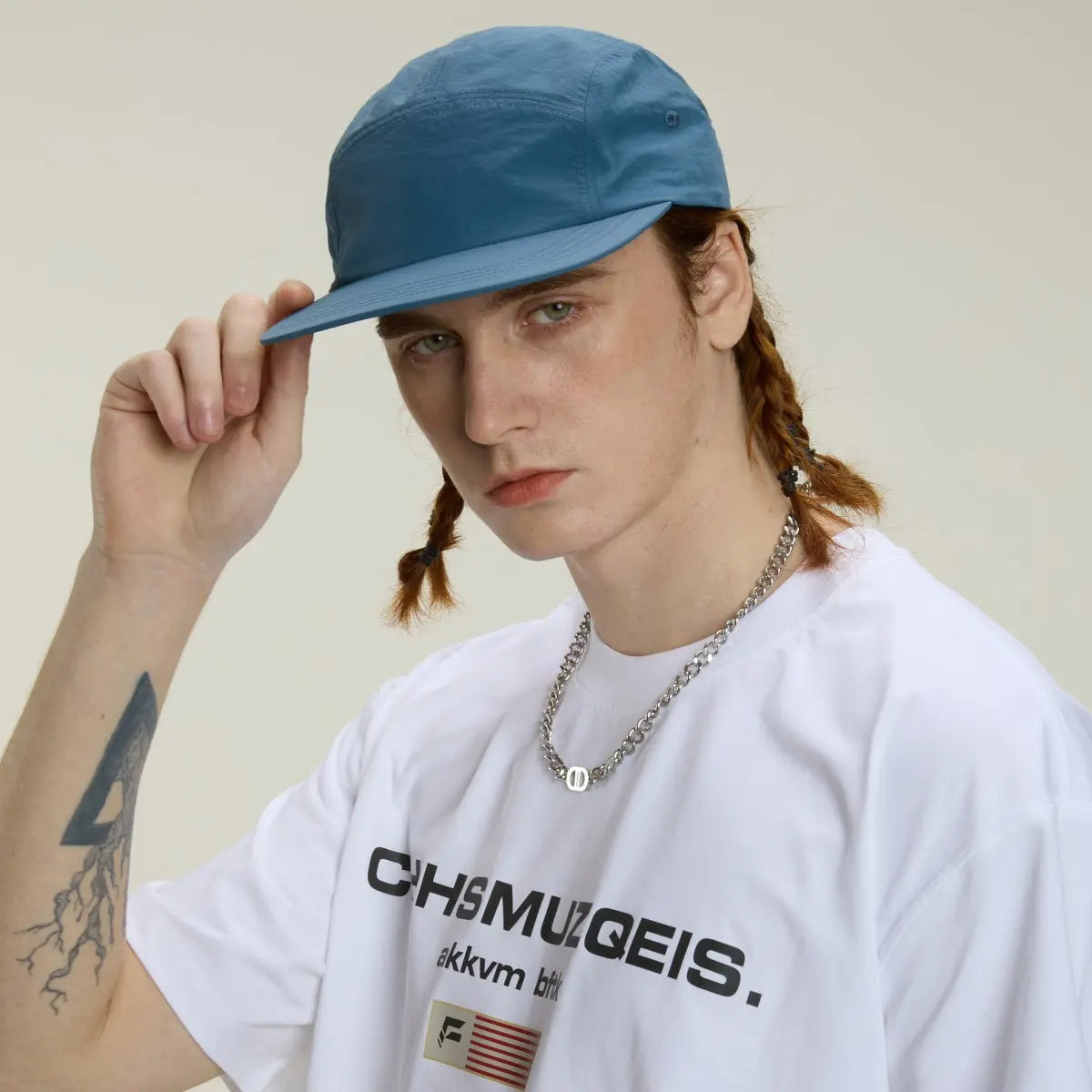
- Five-panel caps
- Seven-panel caps
- Performance caps
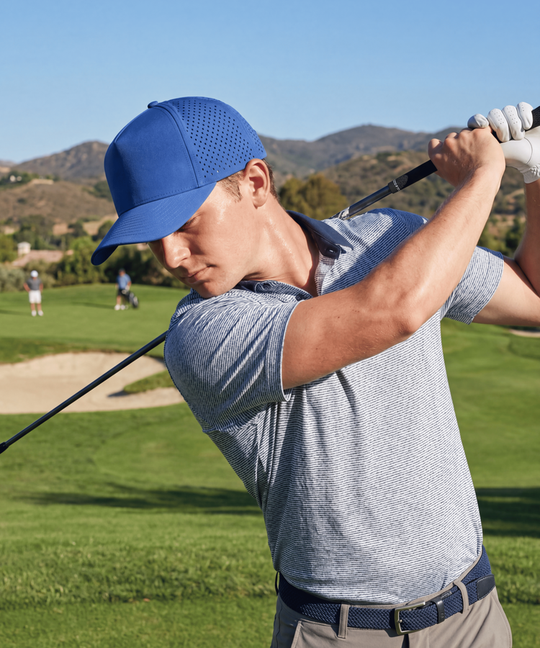
- Golf caps
- Camper caps
- Visors
The crown structure, panel construction, fabric, visor shape, closure, and decoration all influence how a cap looks, fits, and performs.
Cap vs. Hat: What Is the Difference?
“Hat” is the broader category. It includes nearly every type of head covering, such as caps, beanies, bucket hats, fedoras, cowboy hats, and sun hats.
A cap is a specific type of hat. It normally has a fitted crown and a visor at the front but no brim around the sides or back.
In everyday conversation, people often use “cap” and “hat” interchangeably. For product sourcing and customization, however, using the correct terminology makes it easier to communicate requirements such as crown structure, panel count, visor shape, closure, fit, and material.
Anatomy of a Cap: Key Parts Explained
Understanding the anatomy of a cap makes it easier to compare different styles, communicate with suppliers, and choose the right product for customization.

Crown
The crown is the upper portion of the cap that covers the head. Its construction strongly influences the cap’s shape, fit, and available decoration area.
A crown can be:
-
Structured: Reinforcement behind the front panels helps the cap maintain its shape.
-
Unstructured: The softer crown conforms more naturally to the wearer’s head.
Structured crowns are often preferred for prominent embroidery, 3D puff embroidery, and patches. Unstructured crowns create a softer, more relaxed appearance and work well for casual lifestyle designs.
Panels
Panels are the individual fabric sections sewn together to form the crown. Most caps use five-, six-, or seven-panel construction.
-
Five-panel caps often provide a broad front area with fewer visible seams.
-
Six-panel caps offer the traditional rounded shape associated with baseball caps.
-
Seven-panel caps create a distinctive front structure and can provide additional decoration space.
Panel construction affects the crown shape, seam placement, fit, and usable area for embroidery, printing, or patches.
A center seam can also influence logo placement. Detailed graphics and large patches may work better on a seamless front panel, while smaller embroidery can often be applied across a center seam.

Visor, Bill, Brim, or Peak
The visor is the section that extends from the front of the crown to shade the face. Depending on the market or region, it may also be called the bill, brim, or peak.
The visor’s shape, length, thickness, stitching, and internal material can affect both the appearance and performance of the cap.
Undervisor
The undervisor is the underside of the visor. It may match the cap or use a contrasting color to create an additional design detail.
Custom undervisor options may include:
- Contrasting colors
- Printed patterns
- Brand messages
- Woven or printed labels
- Performance fabrics
- Camouflage or seasonal graphics
The undervisor is particularly useful for adding subtle branding without changing the cap’s main front design.
Sweatband
The sweatband runs around the inside circumference of the cap. It helps absorb moisture, improves comfort, and supports a secure fit.
Sweatbands may be made from cotton, polyester, moisture-wicking fabric, or elastic materials. Performance caps often include quick-drying or moisture-managing sweatbands for sports and outdoor activities.
Top Button
The top button is the small fabric-covered component located where the crown panels meet. It is mainly decorative but also creates a finished appearance at the top of the cap.
Some performance and safety-focused caps use a buttonless crown to improve comfort or reduce pressure when worn with helmets, headphones, or other equipment.
Inner Taping
Inner taping covers and reinforces the seams where the crown panels are joined. It helps strengthen the cap while creating a cleaner interior finish.
For private-label programs, inner taping can sometimes be customized with a printed or woven brand name. Because custom taping requires changes during manufacturing, it normally has a higher minimum order quantity than decorating an in-stock blank cap.
Closure
The closure is the adjustable or fitted section at the back of the cap. It controls the size and contributes to the cap’s overall appearance.
Common closure types include:
- Plastic snapback
- Fabric strap with metal buckle
- Hook-and-loop closure
- Nylon webbing strap
- Elastic or stretch-fit band
- Fitted, closed-back construction
An adjustable closure can accommodate a range of head sizes, but it cannot fully compensate for a crown that is too shallow or too deep.

Eyelets
Eyelets are small ventilation openings positioned around the crown. They allow air to circulate and can help reduce heat buildup.
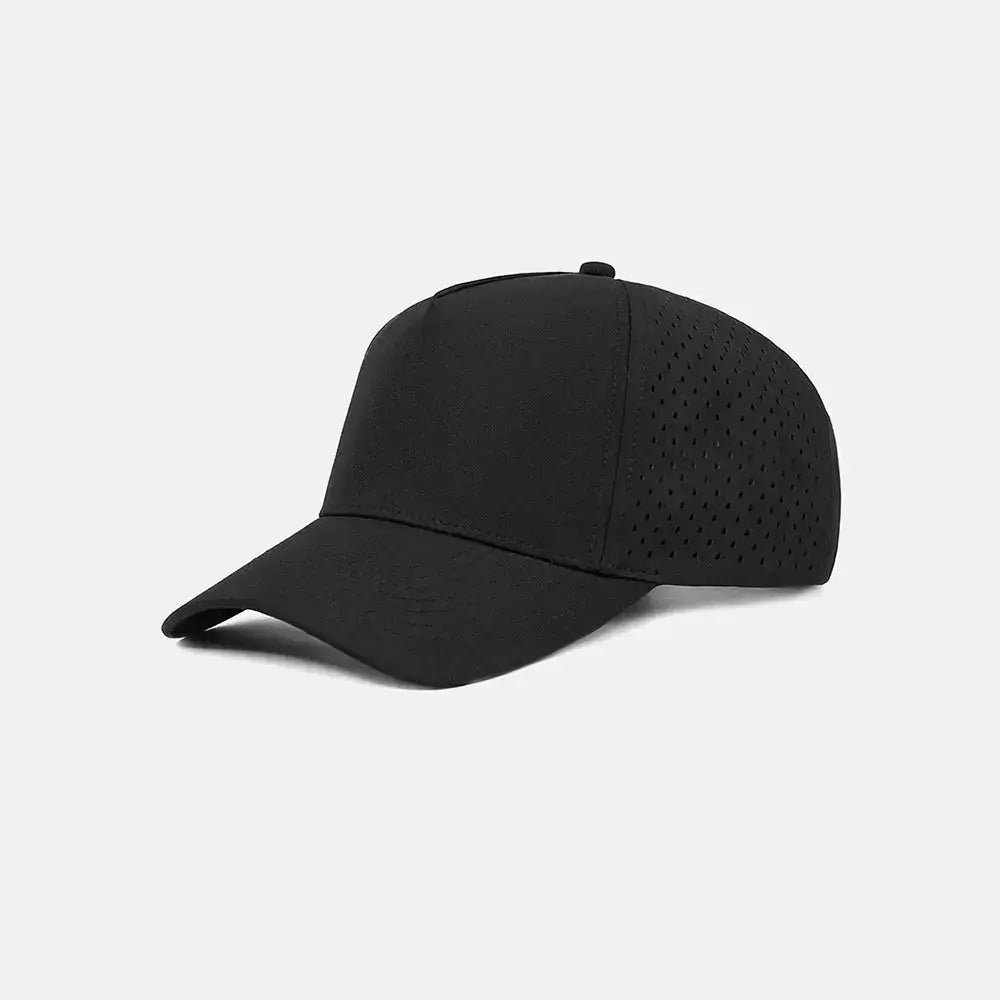
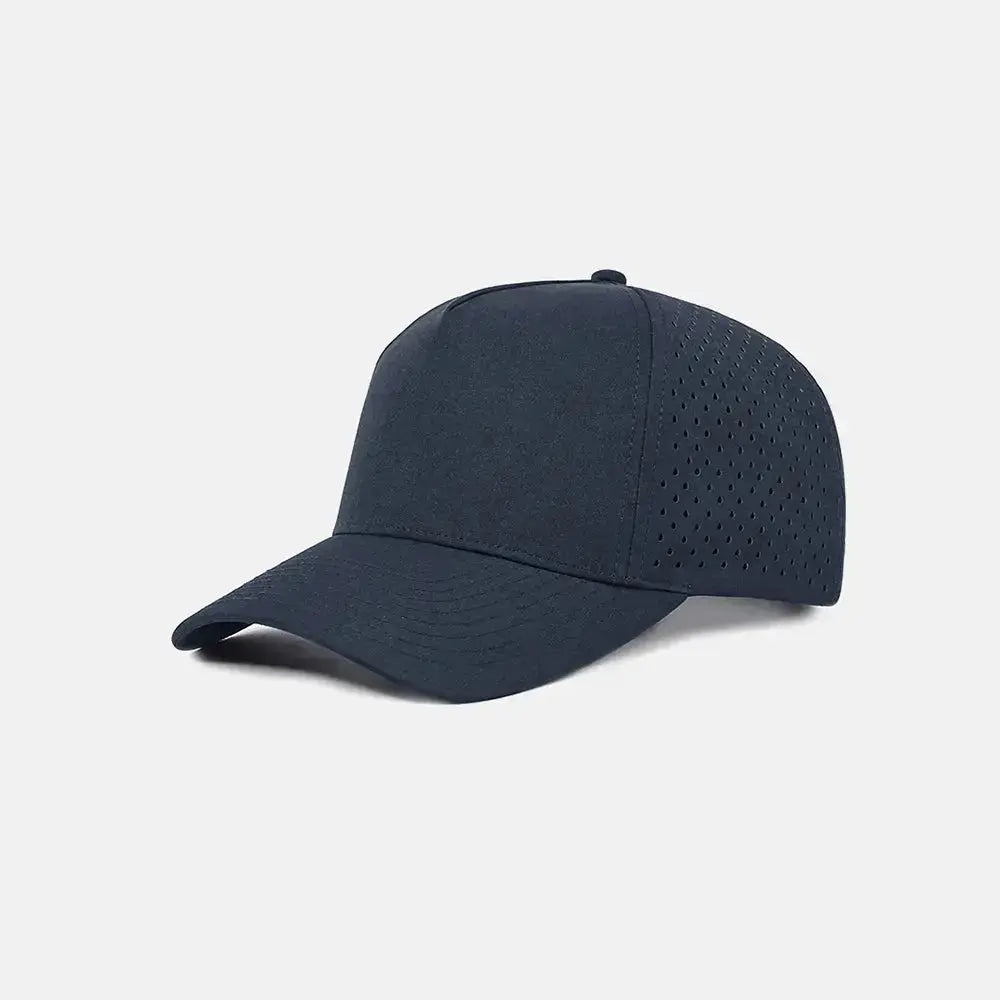
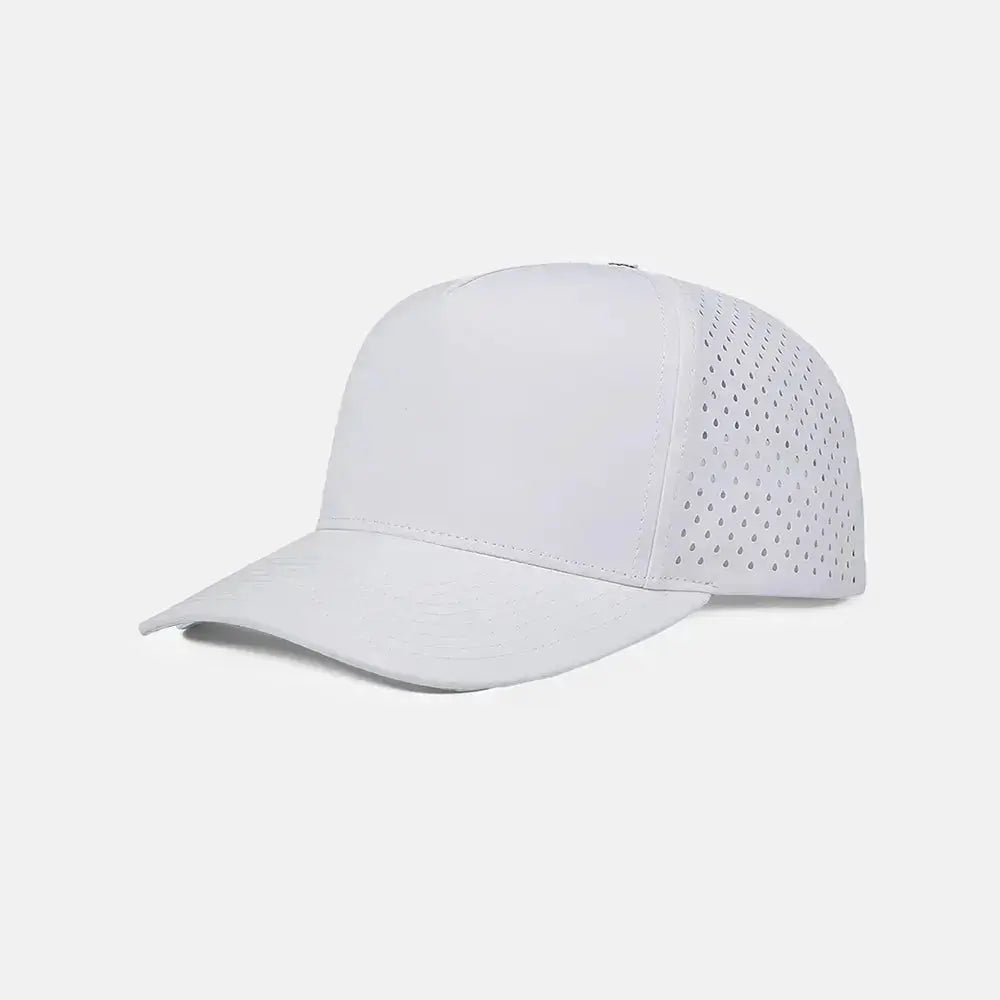
Traditional eyelets are normally embroidered. Some outdoor and performance caps use laser-cut perforations to provide greater airflow and a cleaner, more technical appearance.
Profile
The profile refers to the height and overall shape of the crown. It affects how closely the cap sits against the head and how much front decoration space is available.
Caps are generally classified as low-, mid-, or high-profile. However, exact dimensions and fit can vary between styles and manufacturers.
Major Visor Types
The shape of the visor changes both the style and functionality of a cap. The three most common options are curved, flat, and slightly curved visors.

Curved Visor
A curved visor is the classic option found on many baseball caps, dad hats, golf caps, and performance caps. Its rounded shape helps shade the face while creating a familiar, sporty appearance.
Curved visors work well for:
- Everyday casual wear
- Corporate uniforms
- Golf and tennis
- Running and outdoor activities
- Team merchandise
- Promotional programs
Some visors are pre-curved during manufacturing, while others can be shaped by the wearer.
Flat Visor
A flat visor extends outward with little or no curve. It creates a sharper, more structured silhouette and is commonly associated with snapbacks, streetwear, team merchandise, and fashion collections.
Flat visors pair particularly well with:
- High-profile crowns
- 3D puff embroidery
- Large front patches
- Bold wordmarks
- Contrasting undervisor colors
A flat visor may still be curved after purchase when its internal construction allows it.
Slightly Curved Visor
A slightly curved visor sits between traditional curved and flat styles. It offers a modern appearance while retaining some of the practical shade and natural fit of a curved visor.
This versatile shape is popular for:
- Rope caps
- Golf caps
- Performance caps
- Lifestyle brands
- Modern corporate merchandise
Major Crown Profile Differences
Crown profile influences the fit, silhouette, and available logo area. Because manufacturers may measure crown height differently, wholesale buyers should review product dimensions or approve a physical sample before placing a bulk order.

Low-Profile Caps
Low-profile caps have shorter crowns that sit closer to the head. They create a relaxed, streamlined silhouette and are commonly found in dad hats and certain fitted or performance styles.
Low-profile caps are suitable for:
- Casual and minimalist designs
- Small embroidered logos
- Lightweight lifestyle collections
- Customers who prefer a close-fitting cap
Some low-profile crowns measure approximately 2 to 3 inches, but dimensions vary depending on the measuring method and cap construction.
Mid-Profile Caps
Mid-profile caps balance crown height and head coverage. They provide more front decoration space than most low-profile caps without appearing excessively tall.
They are a versatile choice for:
- Corporate uniforms
- Promotional merchandise
- Golf and sports programs
- Custom embroidery
- Retail collections
Many mid-profile caps fall within an approximate 3- to 4-inch crown-height range, although specifications differ among manufacturers.
High-Profile Caps
High-profile caps feature taller crowns and more prominent front panels. They are commonly used for structured snapbacks, trucker caps, fashion merchandise, and bold logo applications.
High-profile caps are well suited to:
- Large front logos
- 3D puff embroidery
- Embroidered or PVC patches
- Streetwear designs
- Statement branding
Some high-profile crowns measure more than 4 inches, but the finished fit also depends on the crown angle, panel shape, internal structure, and head circumference.
Popular Types of Caps
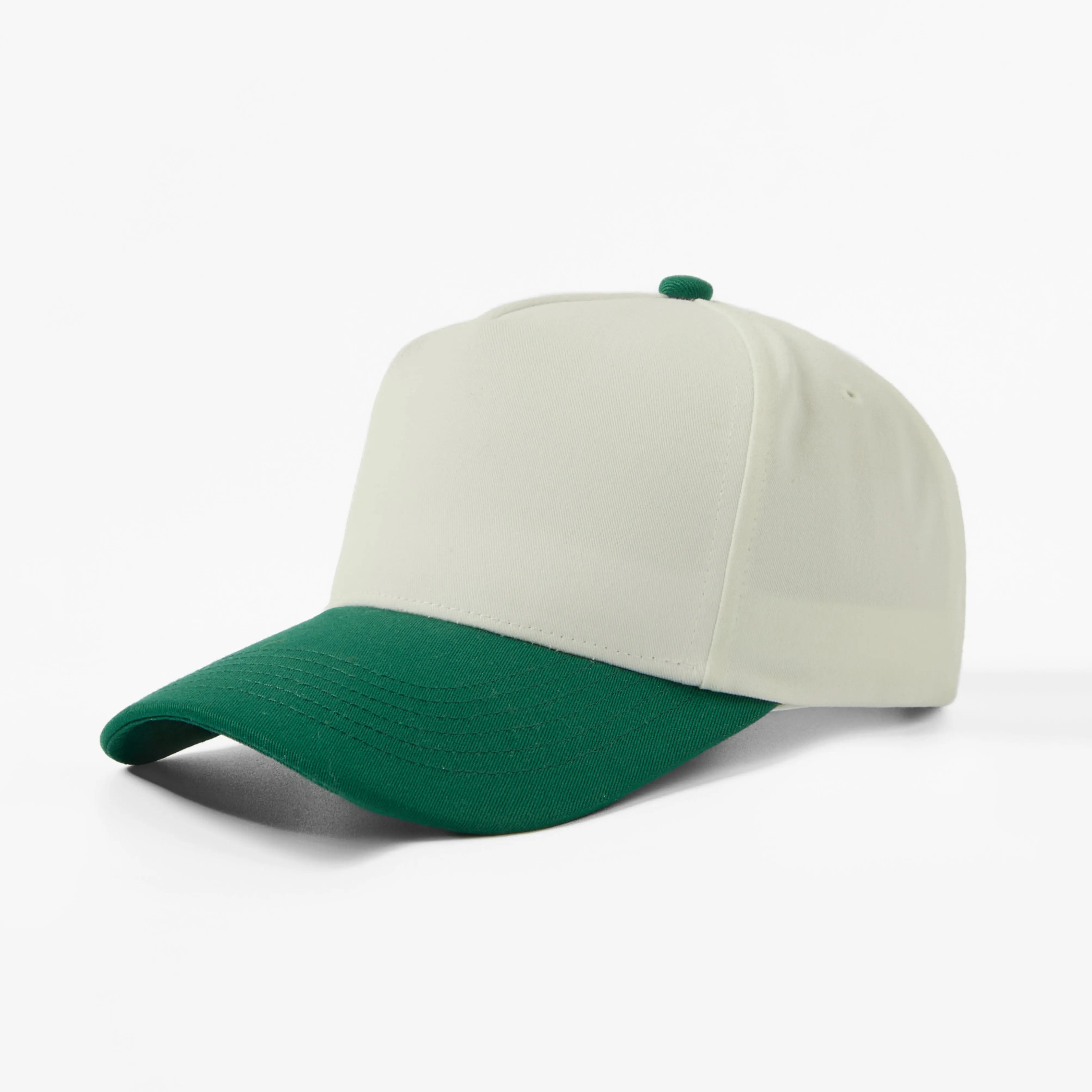
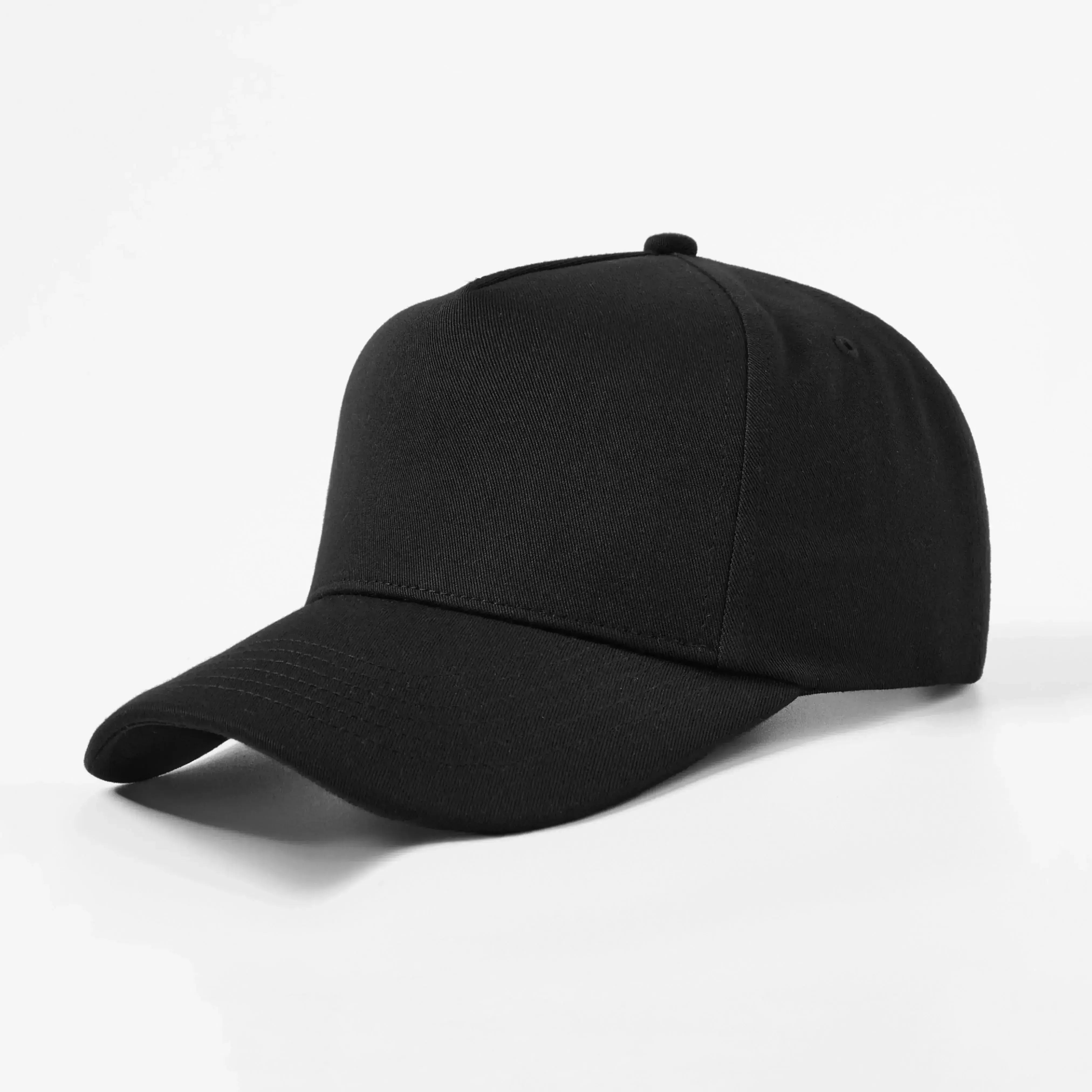
Baseball Caps
Baseball caps commonly feature a rounded crown, front visor, and five- or six-panel construction. They may be structured or unstructured and are available with fitted, stretch-fit, or adjustable closures.
Their familiar shape makes them suitable for employee uniforms, sports teams, retail collections, promotional giveaways, and everyday branded merchandise.
Dad Hats
Dad hats are typically unstructured, low-profile caps with curved visors and adjustable fabric straps. Their soft crown creates a relaxed, casual appearance.
They work especially well with:
- Small embroidered logos
- Minimalist artwork
- Tonal embroidery
- Vintage color palettes
- Lifestyle branding

Snapback Caps
A snapback is technically defined by its adjustable plastic snap closure. In fashion and promotional markets, the name is also associated with structured crowns, prominent front panels, and flat or slightly curved visors.
The firm front area makes snapbacks a popular option for bold embroidery, 3D puff logos, large patches, and streetwear-inspired designs.

Trucker Caps
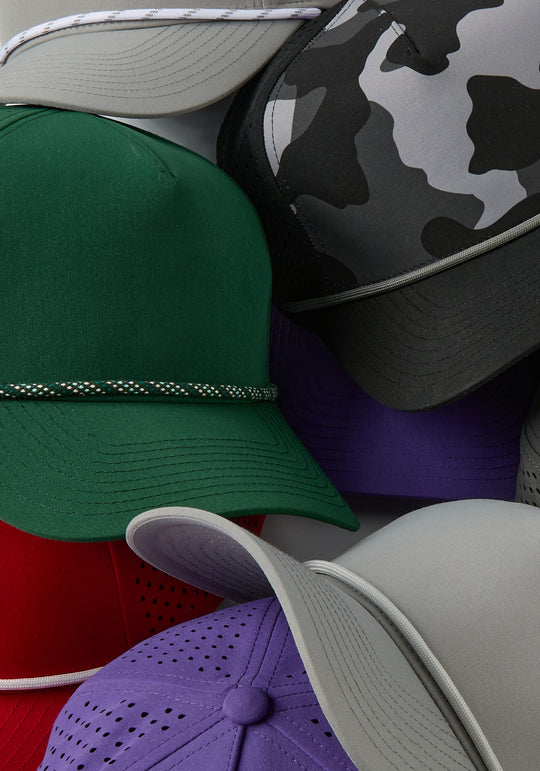
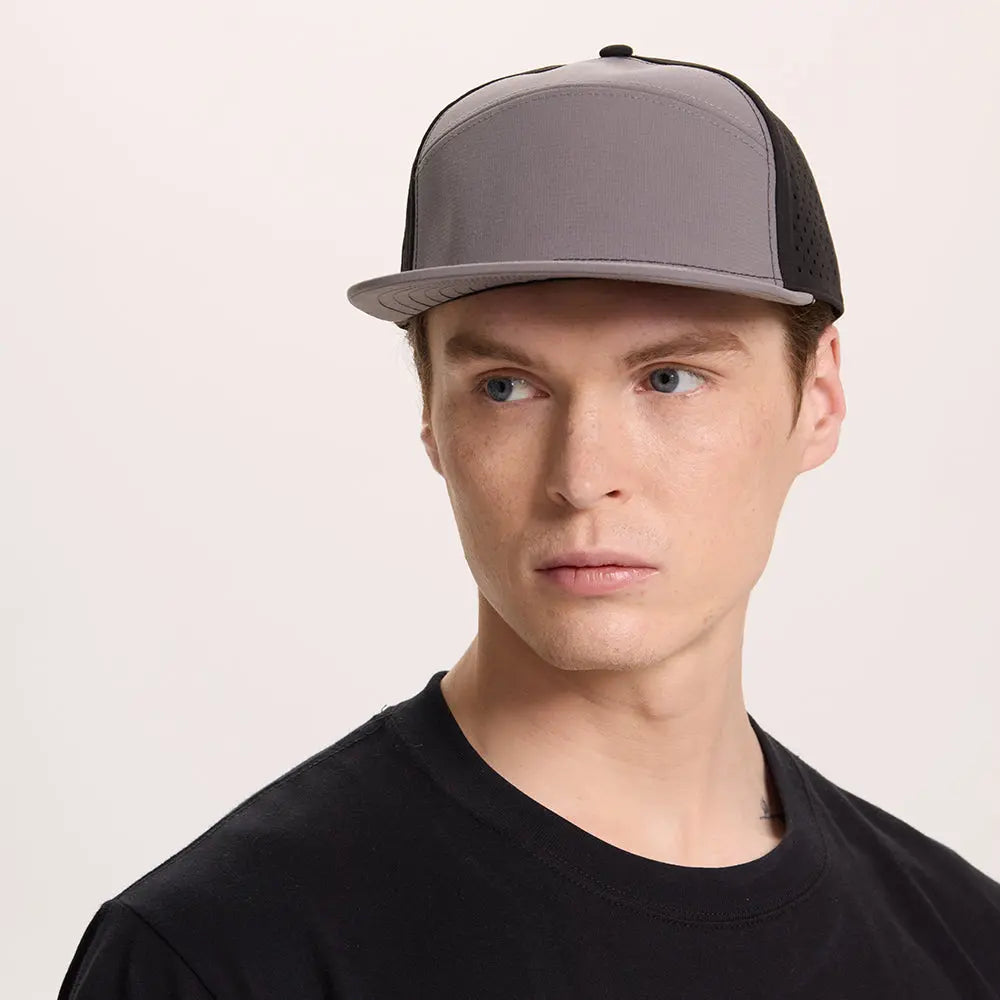
Trucker caps usually combine a structured front with mesh back panels. The mesh supports airflow, making this style popular for outdoor work, summer events, agriculture, transportation, sports, and lifestyle merchandise.
Common constructions include:
- Foam-front trucker caps
- Cotton-twill trucker caps
- Five-panel trucker caps
- Six-panel trucker caps
- Modern performance-mesh caps

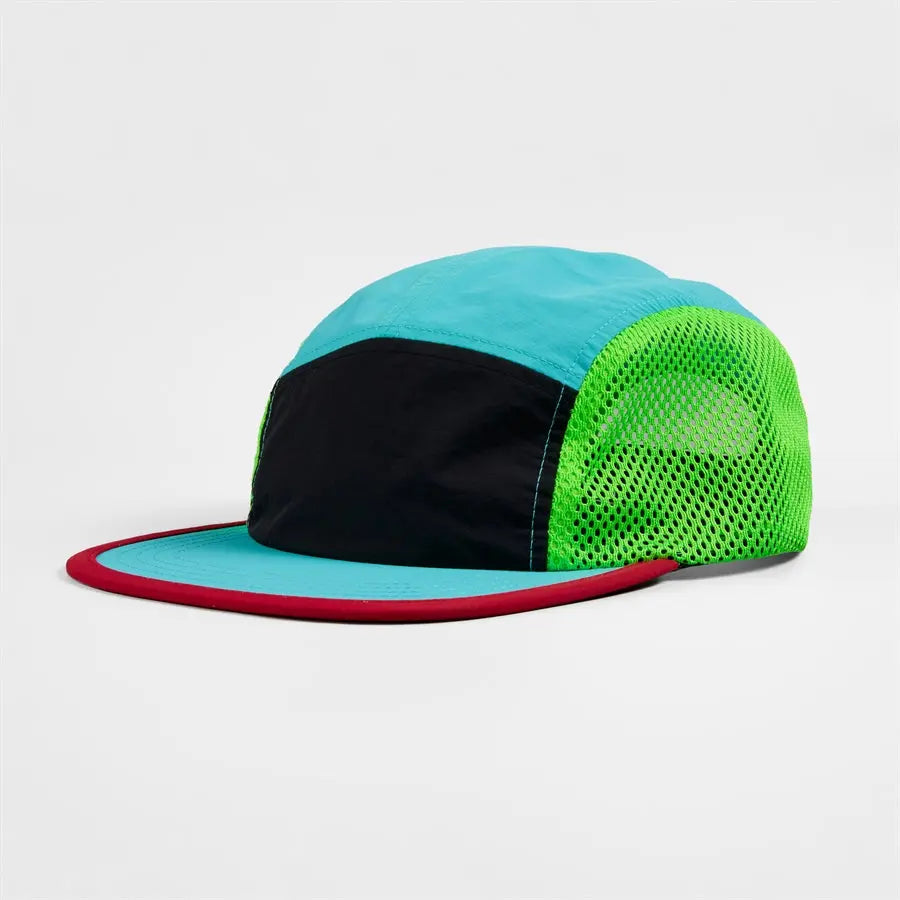
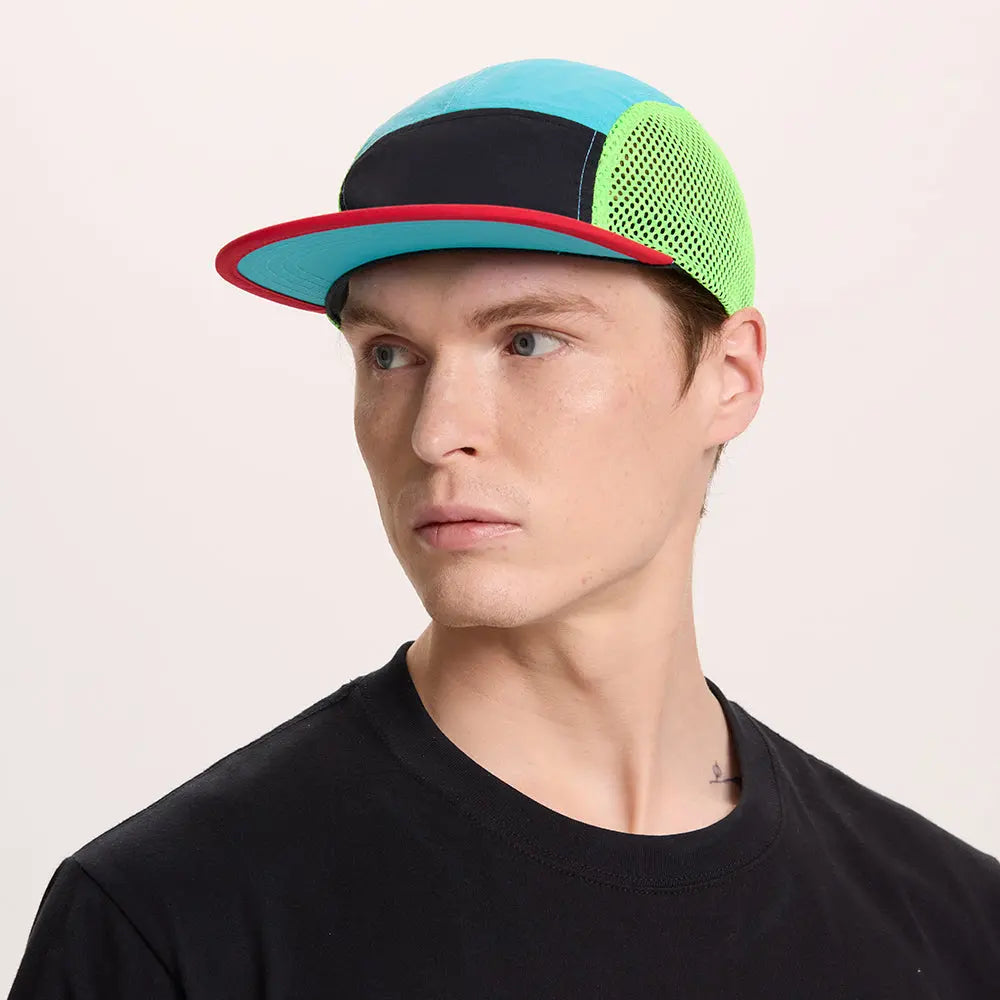
Five-Panel Caps
A five-panel cap usually has a broad or lightly shaped front section with fewer visible seams across the decoration area.
Depending on its construction, it may have a streetwear, outdoor, athletic, or workwear appearance. Five-panel caps are often selected for woven patches, printed graphics, leather patches, screen printing, and prominent front logos.

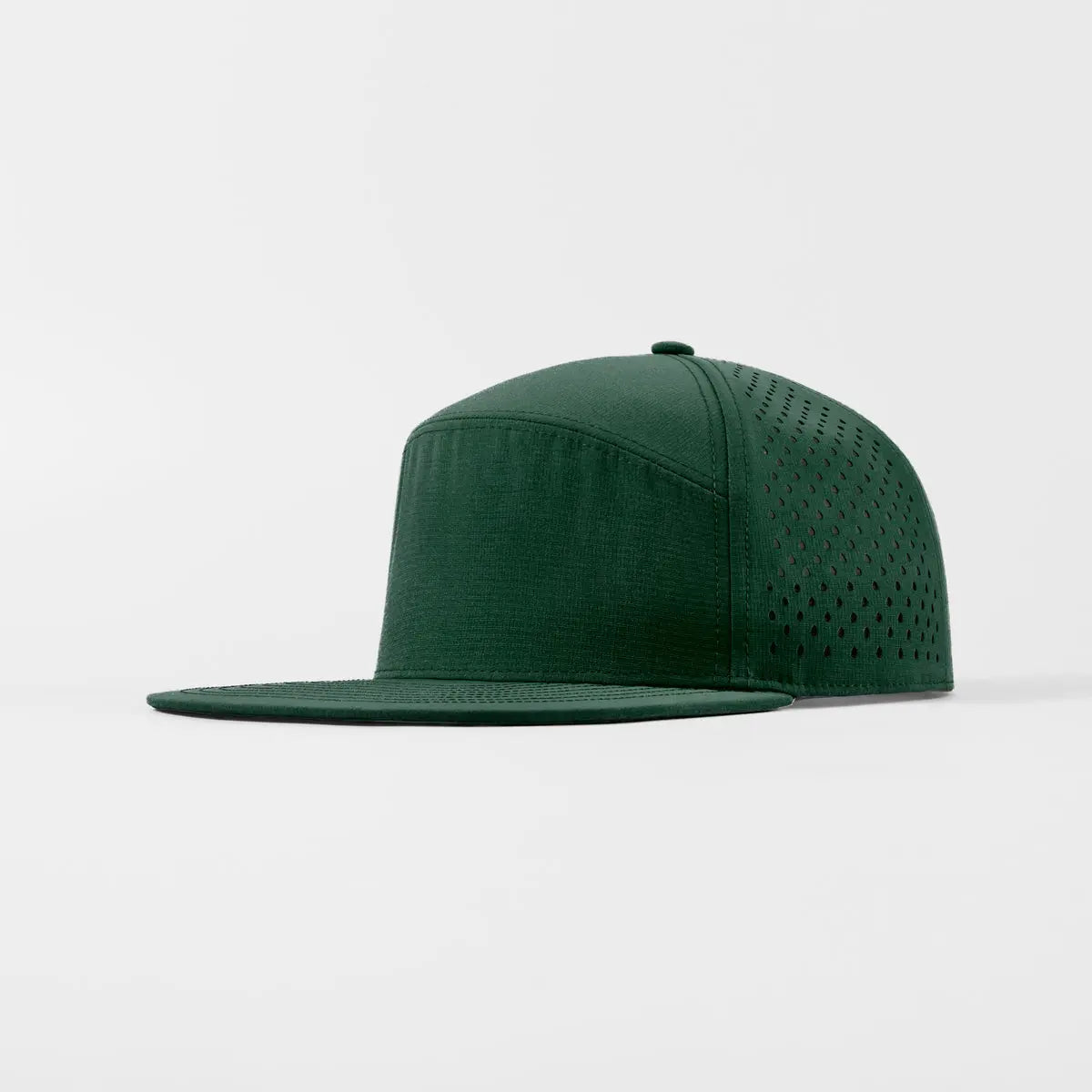
Seven-Panel Caps
Seven-panel caps use an additional front panel arrangement to create a distinctive shape. Many designs provide a broad front decoration area without placing a center seam directly through the main logo.
This construction is popular for outdoor brands, performance collections, patches, and large embroidered designs.

Performance Caps
Performance caps are designed for running, golf, hiking, tennis, fitness, and other active uses.
They may include:
- Lightweight fabrics
- Moisture-wicking sweatbands
- Quick-drying finishes
- Stretch panels
- Laser-cut ventilation
- Water-repellent treatments
- Reflective details
- UV-protection features
Fit, ventilation, fabric performance, and weight are especially important when choosing caps for athletic programs.

Visors
A visor has a front bill and headband but leaves the top of the head uncovered. It provides shade and ventilation for golf, tennis, running, hospitality, and warm-weather events.
Common Materials Used for Caps

Cotton Twill
Cotton twill is comfortable, breathable, and widely used for baseball caps and dad hats. It offers a familiar texture and works well with embroidery, patches, and selected printing methods.
Washed Cotton
Garment-washed cotton has a softer feel and a faded or vintage appearance. Minor color differences may be part of the intended washed finish.
Washed cotton is especially popular for dad hats, casual caps, lifestyle collections, and vintage-inspired merchandise.
Polyester
Polyester is durable, lightweight, and resistant to wrinkles. It is commonly used for performance caps, uniforms, outdoor programs, sublimated designs, and promotional headwear.
Recycled Polyester
Recycled polyester can be produced from post-consumer or post-industrial materials. It is frequently used for performance, golf, rope, and outdoor caps.
Businesses making recycled-content claims should confirm:
- The exact recycled-fiber percentage
- The fiber composition
- The scope of any certification
- The availability of supporting documentation
Nylon
Nylon is lightweight, durable, and suitable for packable, outdoor, and water-resistant cap designs.
The exact level of water resistance depends on the fabric construction, coating, seam design, and surface treatment. “Water-resistant” should not automatically be interpreted as completely waterproof.

Canvas
Canvas is thicker and firmer than standard cotton twill. It offers a rugged appearance suited to workwear collections, outdoor brands, utility-inspired merchandise, and premium casual caps.
Corduroy
Corduroy adds visible texture and a retro appearance. It is often used for seasonal collections, fashion merchandise, outdoor lifestyle products, and vintage-inspired caps.

Mesh
Polyester mesh is commonly used on the side and back panels of trucker caps. Different mesh weights, hole sizes, and levels of stiffness can affect ventilation, stretch, comfort, and appearance.
How Should a Cap Fit?
A well-fitting cap should feel secure without creating excessive pressure. It should remain stable during normal movement while sitting comfortably around the forehead and sides of the head.
Important fit factors include:
- Head circumference
- Crown depth
- Crown profile
- Panel shape
- Visor width and length
- Closure adjustment range
- Sweatband construction
- Fabric stretch
- Hair volume
An adjustable closure can accommodate a range of head sizes, but it cannot fully correct a crown that is too shallow or too deep.
Businesses ordering caps in bulk should review the product dimensions and test samples on several wearers before finalizing the style.
Why Cap Anatomy Matters for Customization
Every part of a cap can influence the appearance of a custom design. A logo that works well on a structured, high-profile snapback may not produce the same result on a soft, low-profile dad hat.
Before ordering custom caps, consider:
- Whether the front panel has a center seam
- The height and width of the decoration area
- Whether the crown is structured or unstructured
- The number and shape of the panels
- The distance between the visor and the logo
- The visor shape and undervisor color
- The closure type
- The position of the eyelets and panel seams
- The material and stretch of the fabric
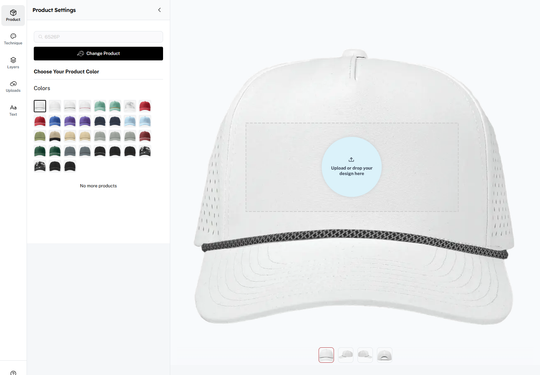
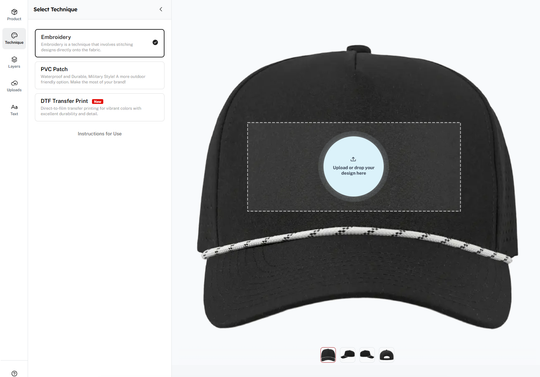
For embroidery, printing, or patch projects, a digital mockup can help confirm the general layout. A physical sample should then be approved to evaluate the actual logo size, placement, fit, materials, and construction before bulk production.
Custom Cap Decoration Options
Custom Embroidery
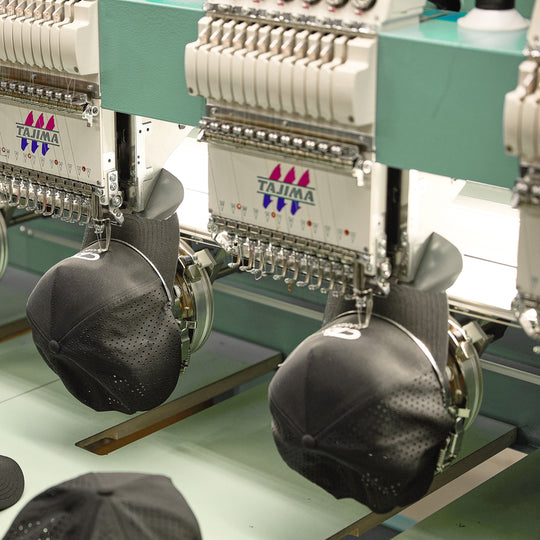
Embroidery is one of the most popular methods for producing custom caps with logos. It creates a durable, textured design and works well for company names, initials, emblems, and simplified artwork.
Common embroidery options include:
- Flat embroidery
- 3D puff embroidery
- Tonal embroidery
- Metallic thread
- Side embroidery
- Back embroidery
Artwork may need to be simplified so that small text, narrow lines, and fine details remain clear after stitching.
Dense embroidery can sometimes distort soft or unstructured caps. Logo size and stitch density should therefore be matched to the crown construction.

Custom Printing
Printing can reproduce gradients, detailed illustrations, and multicolor graphics that may be difficult to achieve with embroidery.
Available methods may include:
- Screen printing
- Heat transfer
- Direct-to-film transfer
- Sublimation
- Silicone or rubber printing
The best printing method depends on the fabric, artwork, order quantity, color requirements, stretch, and intended use.

Custom Patches
Patches give custom caps a distinctive branded appearance and can add texture or dimension.
Popular patch options include:
- Embroidered patches
- Woven patches
- Printed patches
- Genuine leather patches
- Faux-leather patches
- PVC patches
- Silicone patches
- Chenille patches
Patches may be sewn, heat-applied, or attached using another method suitable for the cap and patch materials.

Woven Labels
Small woven labels can be placed on the side panel, back opening, closure, edge, or seam. They are useful for secondary branding and subtle product details.
Custom Interior Details
For full custom or private-label programs, businesses may also customize:
- Inner taping
- Sweatband printing
- Care labels
- Brand labels
- Undervisor graphics
- Closures
- Packaging
These options normally require a higher minimum order quantity than decorating stocked blank caps.
How to Choose the Right Cap for Customization
Start with the intended use and target audience rather than selecting the decoration method first.
For Corporate Uniforms
Choose a comfortable and durable cap with consistent sizing and a professional silhouette.
Structured baseball caps, performance caps, and clean mid-profile styles are dependable choices for employee uniforms.
For Promotional Giveaways
Adjustable caps can accommodate a wider audience. Choose recognizable shapes, popular colors, and artwork that remains readable from a distance.
For Fashion and Retail Collections
Pay close attention to:
- Crown shape
- Visor curve
- Fabric texture
- Color combinations
- Closures
- Labels
- Trims
- Packaging
These details can influence perceived value as much as the main logo.
For Outdoor Programs
Look for breathable or quick-drying fabrics, secure closures, suitable sun coverage, moisture-managing sweatbands, and easy-care construction.
For Sports and Clubs
Consider the activity, climate, uniform colors, ventilation requirements, logo visibility, and how securely the cap needs to fit during movement.
For Events and Teams
Confirm the event date, audience, required quantities, color matching, individual names or numbers, decoration method, and delivery schedule before finalizing the design.
What to Check Before Ordering Wholesale or Custom Caps
Before approving production, confirm:
- Cap style
- Panel construction
- Structured or unstructured crown
- Crown profile and depth
- Fabric type and composition
- Available or custom colors
- Visor shape
- Undervisor color
- Closure type
- Size range
- Logo dimensions
- Decoration placement
- Thread or print colors
- Minimum order quantity
- Sample options
- Production lead time
- Packaging requirements
- Shipping method
A digital mockup is useful for reviewing general placement and colors. However, a physical sample provides a more accurate understanding of the fit, fabric, embroidery quality, logo proportions, and overall appearance.
Common Custom Cap Mistakes to Avoid
Choosing a Logo That Is Too Detailed
Very small text, thin lines, and complicated shading may not reproduce clearly in embroidery. Simplifying the artwork often creates a cleaner and more recognizable result.
Ignoring the Front Seam
A center seam may run through the middle of the logo on some five- or six-panel caps. Check the panel construction before selecting a cap for detailed artwork, printed graphics, or patches.
Ignoring Crown Shape
The same logo can look different on a soft dad hat, a high-profile snapback, and a foam-front trucker cap. The decoration should be planned around the structure of the cap.
Making the Design Too Large
A logo that fills nearly the entire front panel may cause distortion or make the cap look visually unbalanced. Leave sufficient space around the artwork.
Using the Wrong Decoration Method
Not every fabric works equally well with every decoration technique. For example, thick embroidery may distort lightweight materials, while certain printing methods may not adhere properly to water-repellent fabrics.
Selecting a Cap Based Only on Price
A low price may not reflect differences in fabric, stitching, sweatband construction, colorfastness, fit consistency, closure quality, or decoration performance.
Skipping Sample Approval
Samples help identify problems before bulk production. Check the actual fit, logo scale, placement, colors, stitching, trims, and packaging rather than relying only on a digital proof.
How to Care for a Cap
Always follow the product’s care label because fabrics, visors, linings, closures, and decorations may require different treatment.
General care recommendations include:
- Spot-clean light stains when possible.
- Use cool water and mild detergent.
- Avoid aggressive scrubbing around decorated areas.
- Do not twist or wring the cap.
- Reshape the crown and visor while damp.
- Allow the cap to air-dry naturally.
- Avoid high heat unless the care label permits it.
- Store the cap in a dry place where the crown will not be crushed.
Machine washing may damage certain visors, closures, patches, or structured crowns. Only machine-wash a cap when the care instructions specifically permit it.
Frequently Asked Questions
What is the difference between a cap and a baseball cap?
A cap is a broad category of fitted headwear with a front visor. A baseball cap is one specific cap style, traditionally featuring a rounded crown and a front bill.
Which cap is best for a custom logo?
Structured baseball caps and snapbacks offer stable front panels for prominent embroidery and patches. Dad hats work well for smaller embroidery, while trucker caps are suitable for patches and bold branding.
The best option ultimately depends on the logo size, level of detail, decoration method, and desired fit.
Are five-panel or six-panel caps better?
Five-panel caps often provide a broad front decoration area with fewer seams. Six-panel caps offer a traditional rounded shape.
Neither construction is always better. The right option depends on the artwork, fit, style, and intended use.
What is the most breathable cap?
Mesh-back trucker caps and lightweight performance caps with laser-cut ventilation are among the most breathable options.
Fabric weight, sweatband material, panel construction, and fit also affect ventilation and comfort.
What is the difference between a structured and unstructured cap?
A structured cap has reinforced front panels that help the crown maintain its shape. An unstructured cap has a softer crown that conforms more naturally to the wearer’s head.
What cap profile is best for embroidery?
Mid- and high-profile structured caps generally offer more stable decoration space for large embroidery and 3D puff logos. Low-profile and unstructured caps are often better suited to smaller, lighter embroidery.
Can caps be customized in small quantities?
Yes. Some suppliers offer low or no minimum order quantities by decorating stocked blank caps.
Fully custom manufacturing normally requires higher quantities because it may involve custom fabrics, colors, patterns, trims, closures, and production setup.
What information is needed for a custom cap quote?
Provide the following information:
- Preferred cap style
- Required quantity
- Target cap color
- Logo file
- Decoration method
- Logo position
- Delivery location
- Required delivery date
If you are unsure which decoration method to select, the supplier can recommend an option based on the artwork, material, quantity, and budget.
Conclusion
Caps combine everyday function with strong design and branding potential. Choosing the right product involves more than selecting a color or comparing prices. Crown structure, profile, panel construction, fabric, visor shape, closure, fit, and decoration method all influence the final result.
For custom and wholesale cap projects, begin by defining the audience and intended use. Compare suitable cap styles, choose a decoration method that works with the material and crown structure, and approve a physical sample before bulk production.
Whether you need blank caps for your own decoration, custom caps with a logo, employee uniforms, event merchandise, sports headwear, or a complete private-label collection, careful product selection will help create caps that look professional, fit comfortably, and represent the brand effectively.