






















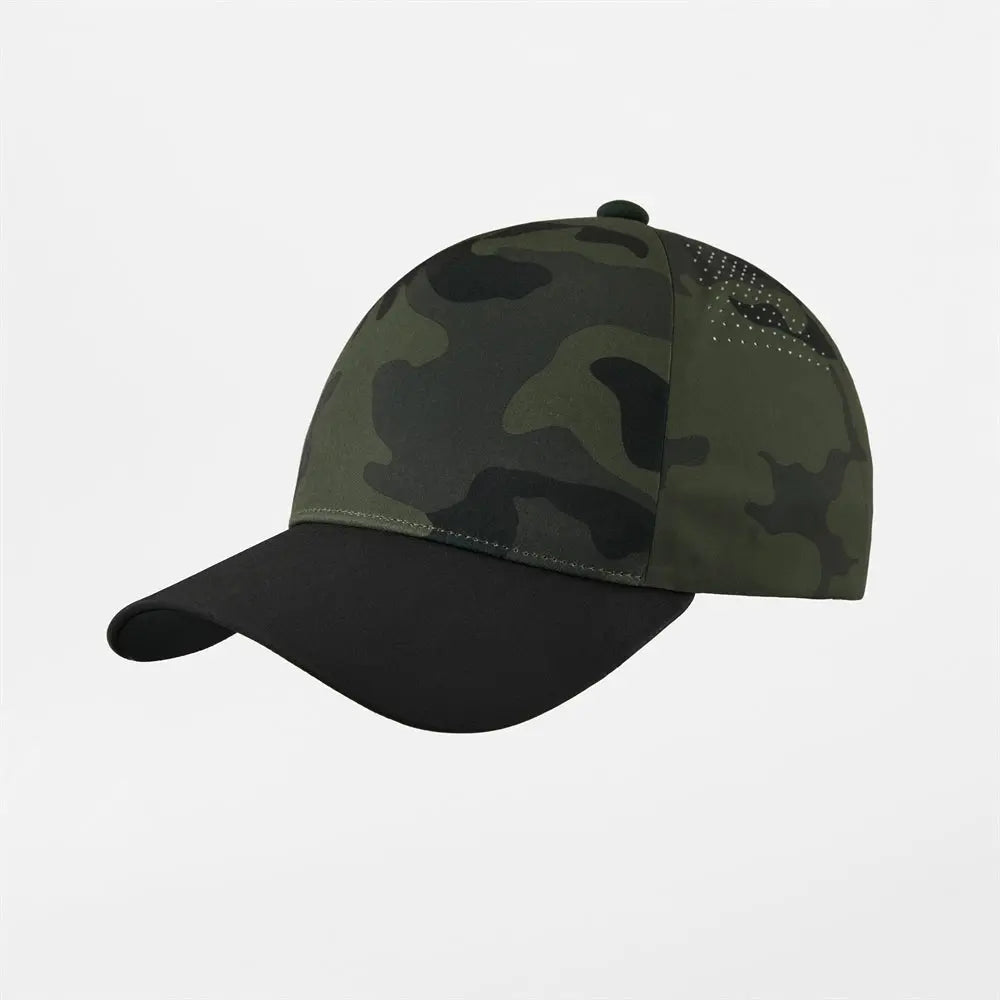


Cotton is one of the world’s most widely used natural fibers, appearing in clothing, bedding, bags, hats, and countless everyday products. However, cotton can be cultivated and processed through different production systems.
When comparing cotton vs organic cotton, the main differences involve farming standards, permitted agricultural inputs, certification, supply-chain traceability, availability, and price. The finished fibers are both cotton, but the methods used to produce and verify them are different.
This guide examines organic cotton vs regular cotton, explains common certifications, and helps brands choose suitable materials for custom cotton hats.
Organic Cotton vs Regular Cotton at a Glance
“Regular cotton” generally refers to conventionally grown cotton that has not been certified under an organic agricultural standard.
| Category | Organic cotton | Regular or conventional cotton |
|---|---|---|
| Farming system | Must comply with a recognized organic standard | Uses conventional agricultural practices |
| Agricultural inputs | Synthetic inputs are restricted; approved alternatives may be used | A broader range of fertilizers and crop-protection products may be permitted |
| Soil management | Emphasizes crop rotation, soil fertility and preventive pest control | Practices vary significantly between farms |
| Water use | Depends on rainfall, region, irrigation, soil and crop yield | Also depends on location and farming methods |
| Traceability | Requires certification and documented chain of custody | Organic traceability is not required |
| Fiber quality | Determined by cotton variety, staple length and processing | Determined by the same factors |
| Price | Usually higher | Generally more affordable and widely available |
| Main advantage | Certified sourcing and sustainability positioning | Price, availability and production scale |

What Is Organic Cotton?
Organic cotton is cotton grown according to a recognized organic agricultural standard. Organic farming typically emphasizes soil health, crop rotation, biological diversity, preventive pest management and restricted use of agricultural chemicals.
Organic does not necessarily mean that no crop-protection products are used. Instead, farmers must follow rules governing which materials and practices are permitted.
For example, USDA organic requirements prioritize cultural, biological and mechanical methods. Synthetic substances are generally prohibited unless specifically allowed, while certain natural substances may also be restricted.
Certified organic cotton must also be properly identified and separated as it moves through the supply chain.

What Is Regular or Conventional Cotton?
Conventional cotton is grown outside a certified organic system. Depending on local regulations, farmers may use synthetic fertilizers, herbicides, insecticides and other agricultural technologies to manage crops and improve yields.
However, conventional cotton is not produced through one universal farming method. Some farms use precision irrigation, integrated pest management, cover crops and reduced tillage to improve efficiency and protect natural resources.
Therefore, the comparison of conventional cotton vs organic cotton should consider specific farming conditions rather than assuming that every conventional farm—or every organic farm—has the same environmental performance.
1. Farming Practices
Organic cotton farming relies heavily on preventive and soil-focused management practices, which may include:
- Crop rotation
- Cover crops
- Compost and approved soil amendments
- Mechanical weed control
- Biological pest management
- Beneficial insect habitats
- Careful monitoring of pests and soil conditions
Conventional cotton growers can use a broader selection of fertilizers and crop-protection products. These tools may support consistent production, but inappropriate or excessive use can contribute to chemical runoff, pest resistance and ecosystem damage.
The actual impact depends on which products are used, how they are applied and how responsibly the farm is managed.
2. Soil Health and Biodiversity
Organic farming standards emphasize maintaining or improving soil fertility. Practices such as crop rotation, composting and cover cropping can support soil microorganisms, reduce erosion and improve soil structure.
Healthier soil may provide benefits such as:
- Better water retention
- Improved nutrient cycling
- Reduced soil erosion
- Greater biological activity
- Increased resilience during dry conditions
These practices are not exclusive to organic farms. Conventional growers can also implement conservation or regenerative agricultural methods.
Organic certification verifies compliance with a defined production system, but it does not mean that every organic farm will produce identical environmental results.

3. Water Consumption
One of the most common claims in the cotton vs organic cotton debate is that organic cotton always uses substantially less water. The reality is more complicated.
Cotton’s water requirements depend on:
- Annual rainfall
- Growing region
- Irrigation method
- Soil condition
- Cotton variety
- Farm management
- Crop yield
- Measurement methodology
Rain-fed organic cotton may require little additional irrigation, while cotton grown in a dry region may require substantial irrigation regardless of whether it is organic or conventional.
Organic farming practices that improve soil structure may help retain moisture, but brands should avoid using a universal water-saving percentage unless the claim is supported by a product-specific or region-specific assessment.
4. Pesticides and Agricultural Chemicals
Organic standards restrict many synthetic pesticides, herbicides and fertilizers. Farmers are generally expected to use preventive, biological and mechanical methods before turning to approved crop-protection substances.
However, organic cotton should not automatically be described as “pesticide-free.” Certain approved substances may still be used when necessary.
Conventional farmers can access a wider range of synthetic products, subject to local regulations. The environmental and worker-safety impact depends on the chemical, dosage, application method and protective procedures.
It is also important to separate cotton farming from textile manufacturing. After harvesting, cotton may go through:
- Ginning
- Spinning
- Weaving or knitting
- Bleaching
- Dyeing
- Printing
- Finishing
- Cutting and sewing
Consequently, organic farming certification alone does not describe every chemical used to produce the finished fabric.
5. Environmental Impact
Organic cotton can support environmental goals by restricting certain agricultural inputs, encouraging soil-focused practices and providing a traceable sourcing system.
However, a finished cotton product’s total environmental impact also depends on:
- Agricultural yield
- Energy consumption
- Water management
- Dyeing and finishing
- Manufacturing efficiency
- Transportation
- Product durability
- Washing and care
- Packaging
- End-of-life treatment
Brands should therefore use clear and verifiable language. “Made with certified organic cotton” is more credible than unsupported claims such as “zero-impact,” “chemical-free” or “completely sustainable.”
6. Price and Availability
Organic cotton is usually more expensive than conventional cotton because of:
- Farm and supply-chain certification
- Independent auditing
- Material segregation
- Traceability requirements
- Smaller production volumes
- More limited yarn and color availability
- Additional supply-chain management
The final price difference depends on cotton quality, fabric weight, order quantity, manufacturing location and certification requirements.
Conventional cotton is generally more widely available and may be more practical for price-sensitive or high-volume projects. Organic cotton is often selected for premium collections and brands with defined responsible-sourcing goals.

7. Is Organic Cotton Softer or More Durable?
Organic cotton is not automatically softer, stronger or more durable than regular cotton. Both materials are made from cotton fiber.
Product quality is influenced by:
- Cotton variety
- Fiber length and uniformity
- Yarn count
- Yarn twist
- Fabric weight
- Weave or knit construction
- Dyeing and finishing
- Sewing quality
- Washing treatment
- Product care
A well-manufactured conventional cotton product can be softer and more durable than a poorly made organic cotton product.
Organic certification explains how the raw material was produced and traced. It should not replace fabric testing, product inspections or sample approval.
8. Organic Cotton Certifications
Different certifications verify different parts of the product and supply chain.
Global Organic Textile Standard
GOTS covers certified organic fibers and establishes requirements for textile processing, chemical management, traceability and social criteria.
Buyers should verify whether certification applies to the yarn, fabric, factory or finished product. They should also check the certificate holder, validity period, product category and labeling authorization.
Organic Content Standard
The Organic Content Standard verifies the presence and chain of custody of certified organic material.
OCS primarily focuses on material content and traceability. It does not include all the processing, chemical-management and social criteria associated with GOTS.
OEKO-TEX STANDARD 100
OEKO-TEX STANDARD 100 tests textile components for specified harmful substances. It does not verify that cotton was organically grown.
A regular cotton product can carry an OEKO-TEX label, while an organic cotton product is not automatically OEKO-TEX certified.

Organic Cotton Hats
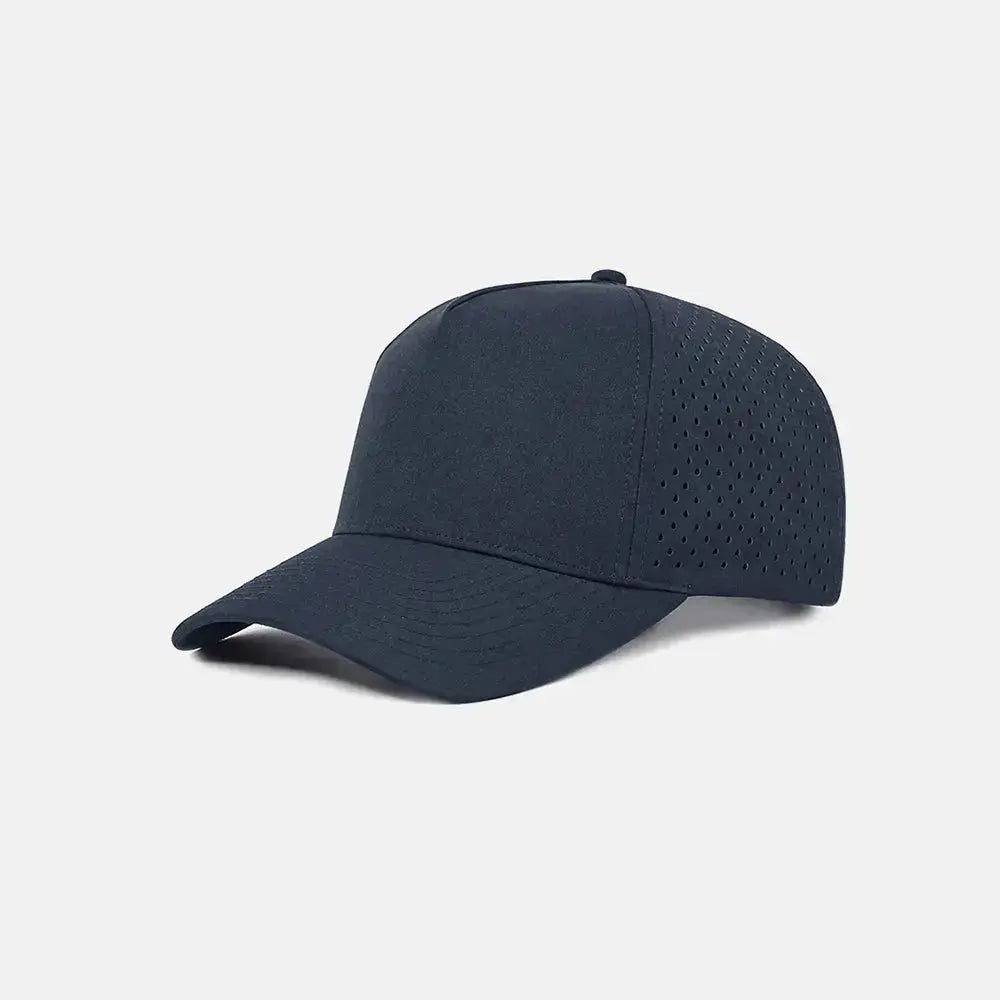
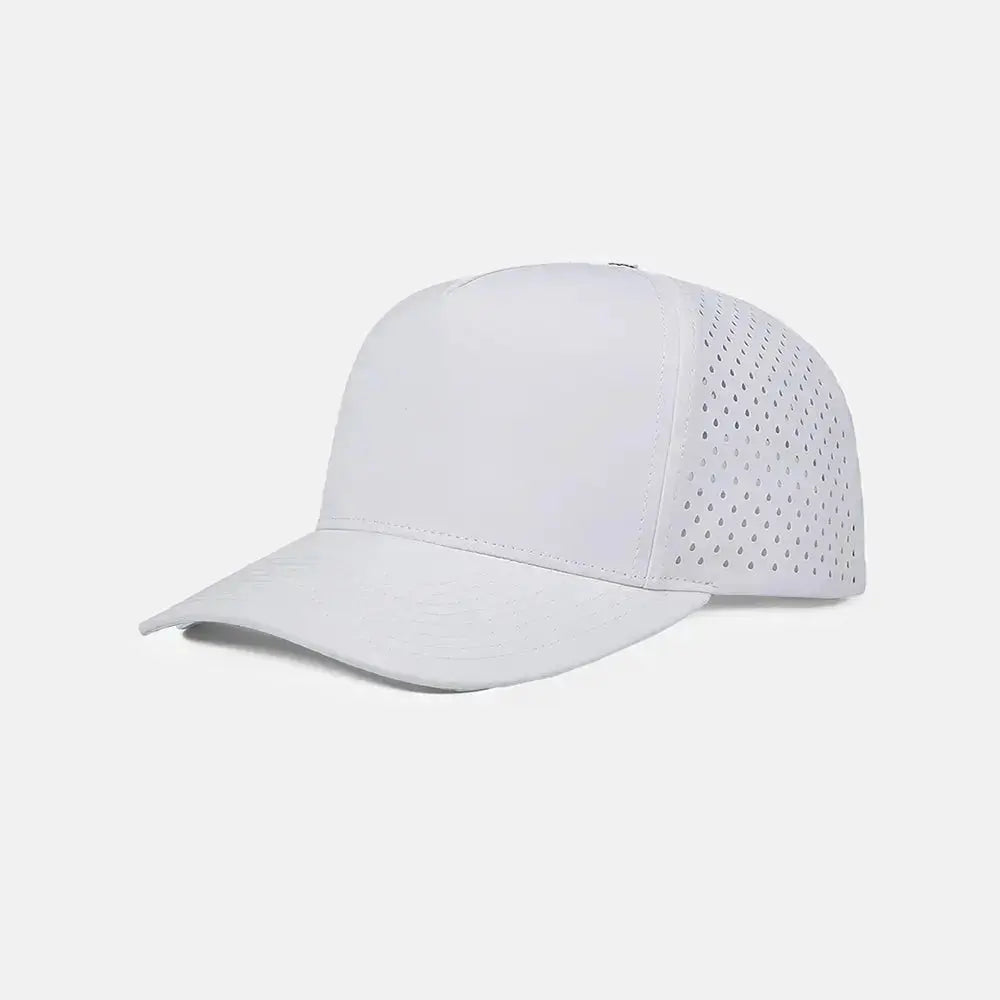
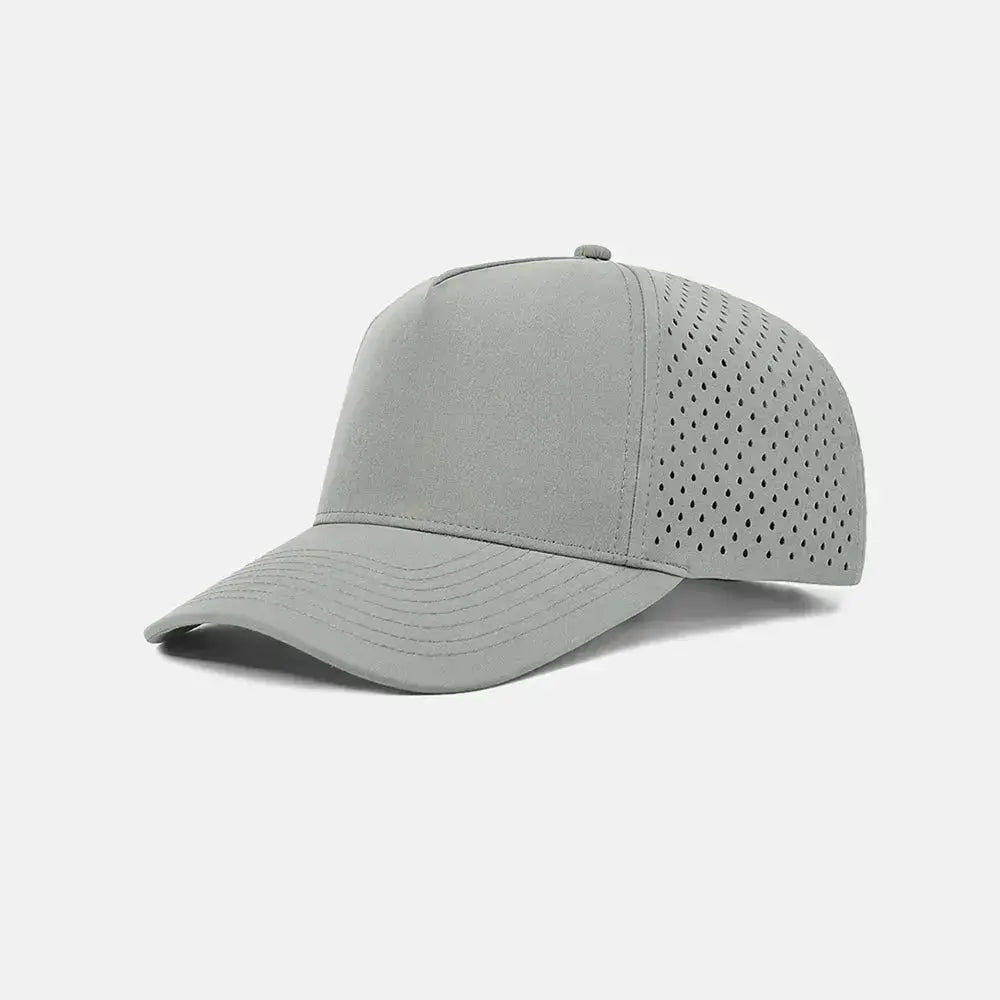
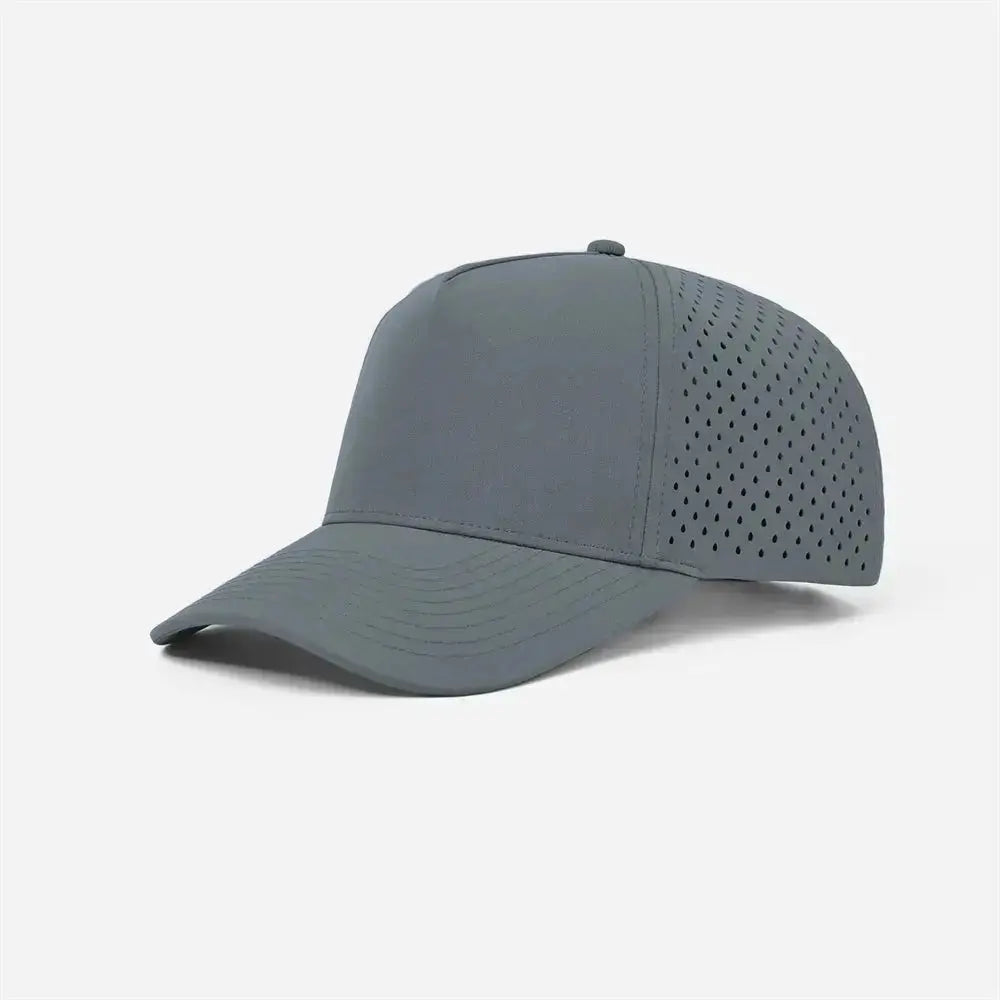
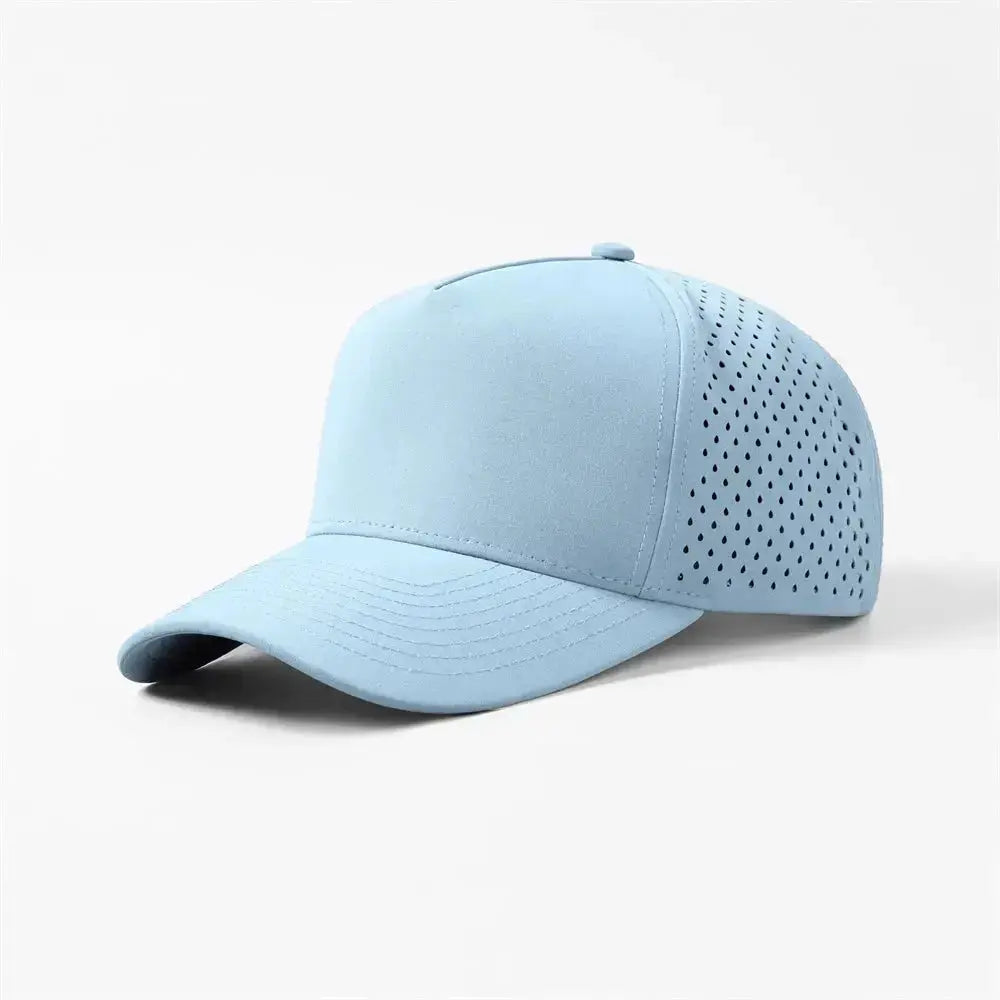
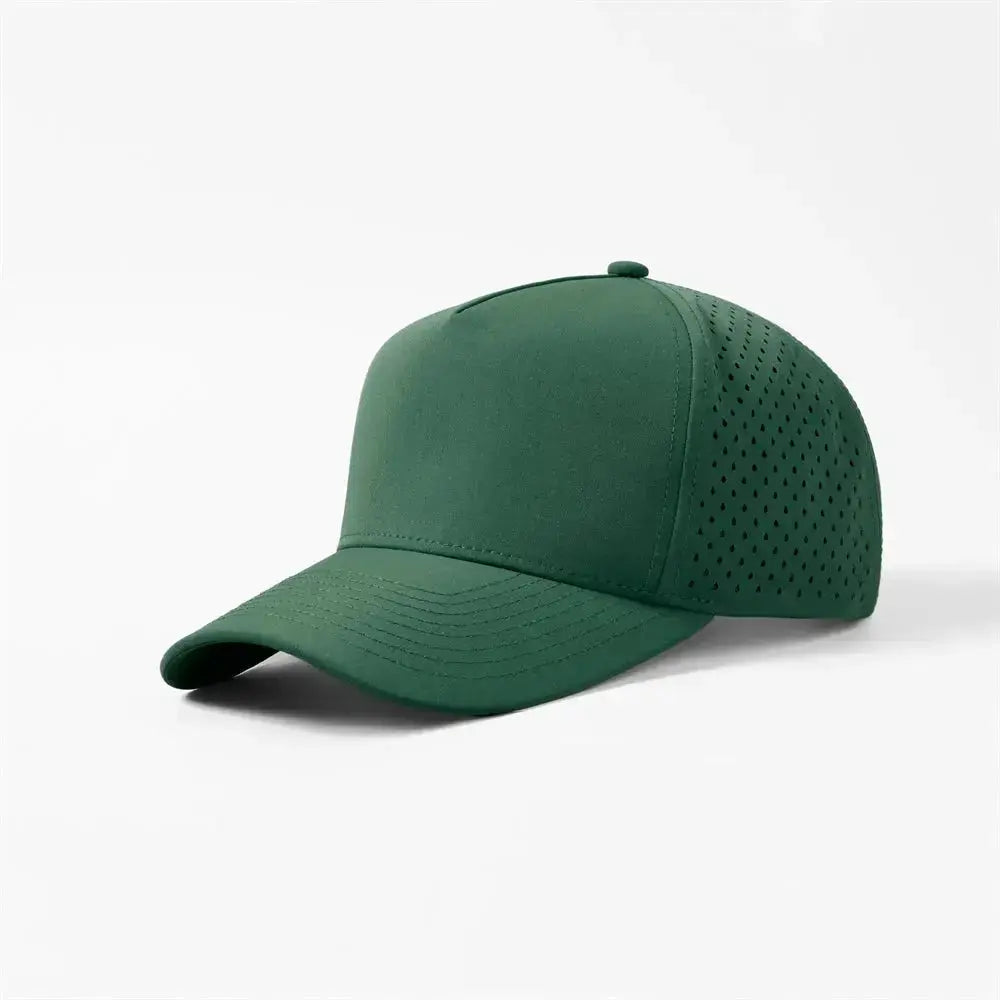
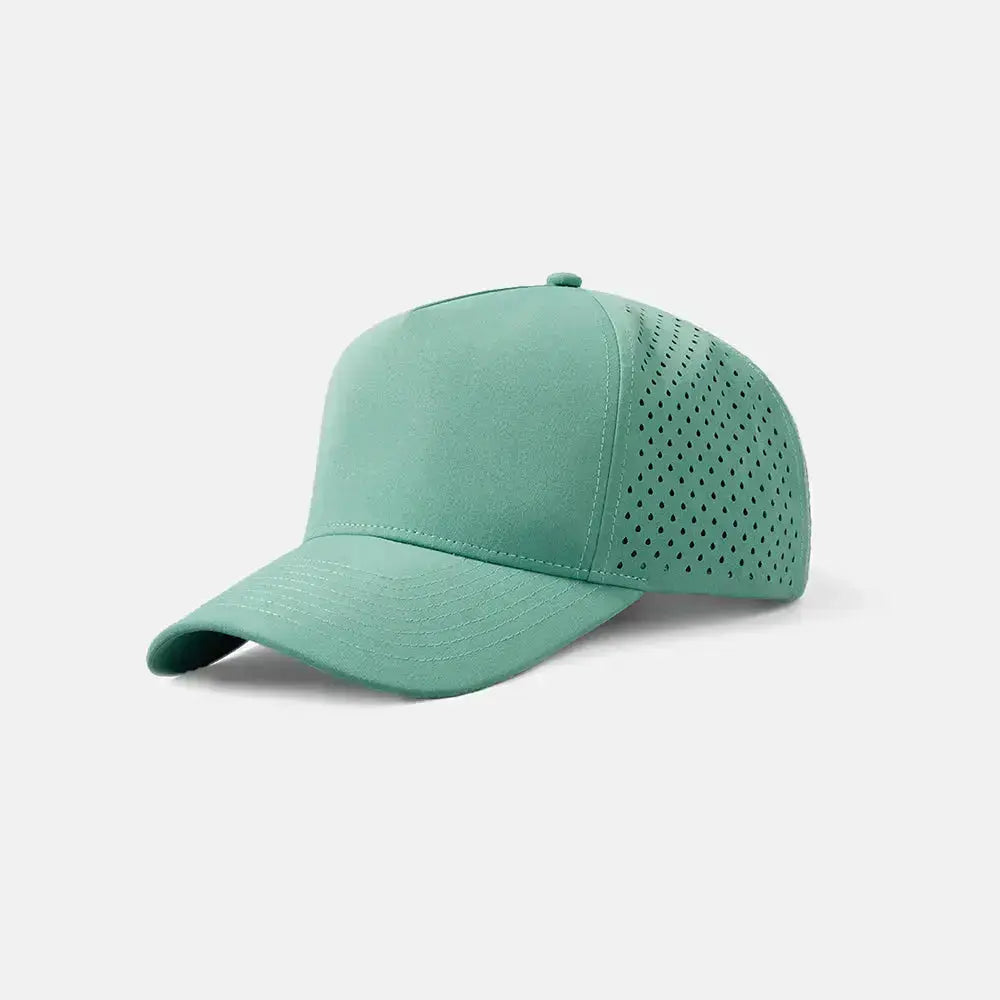
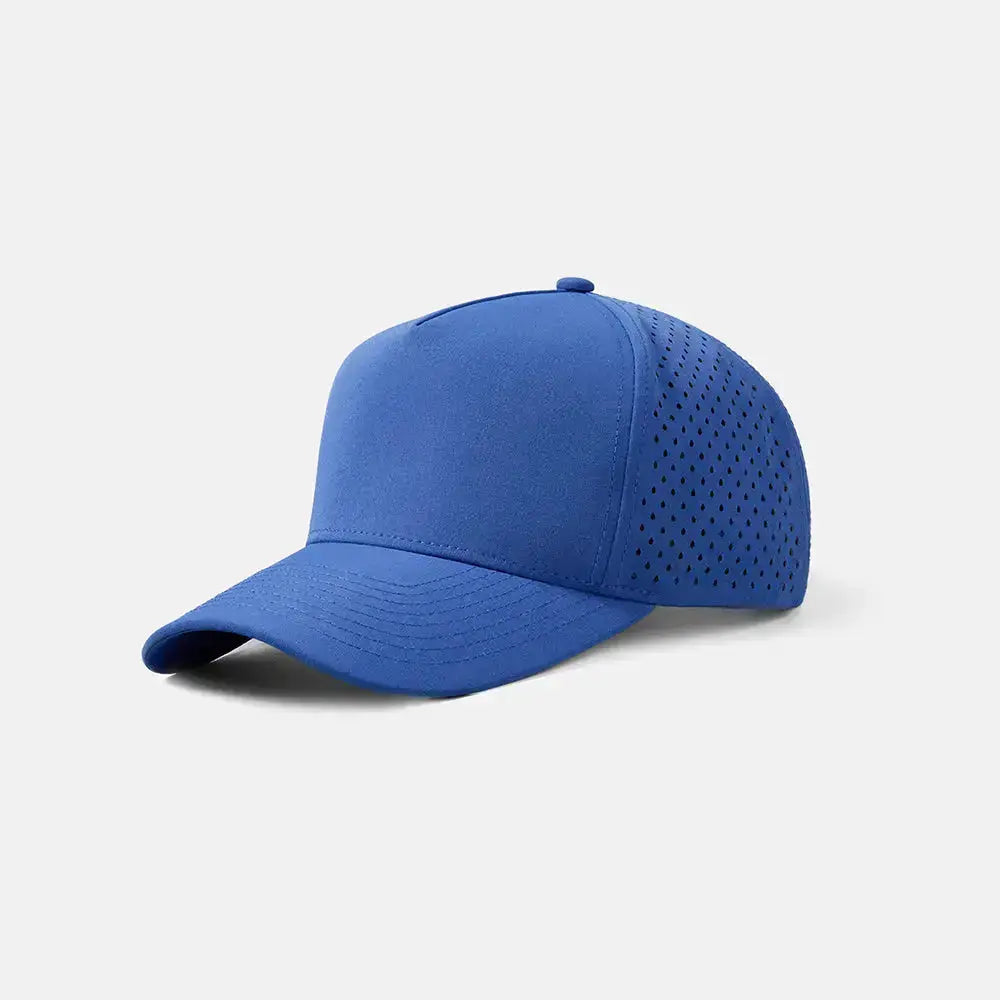
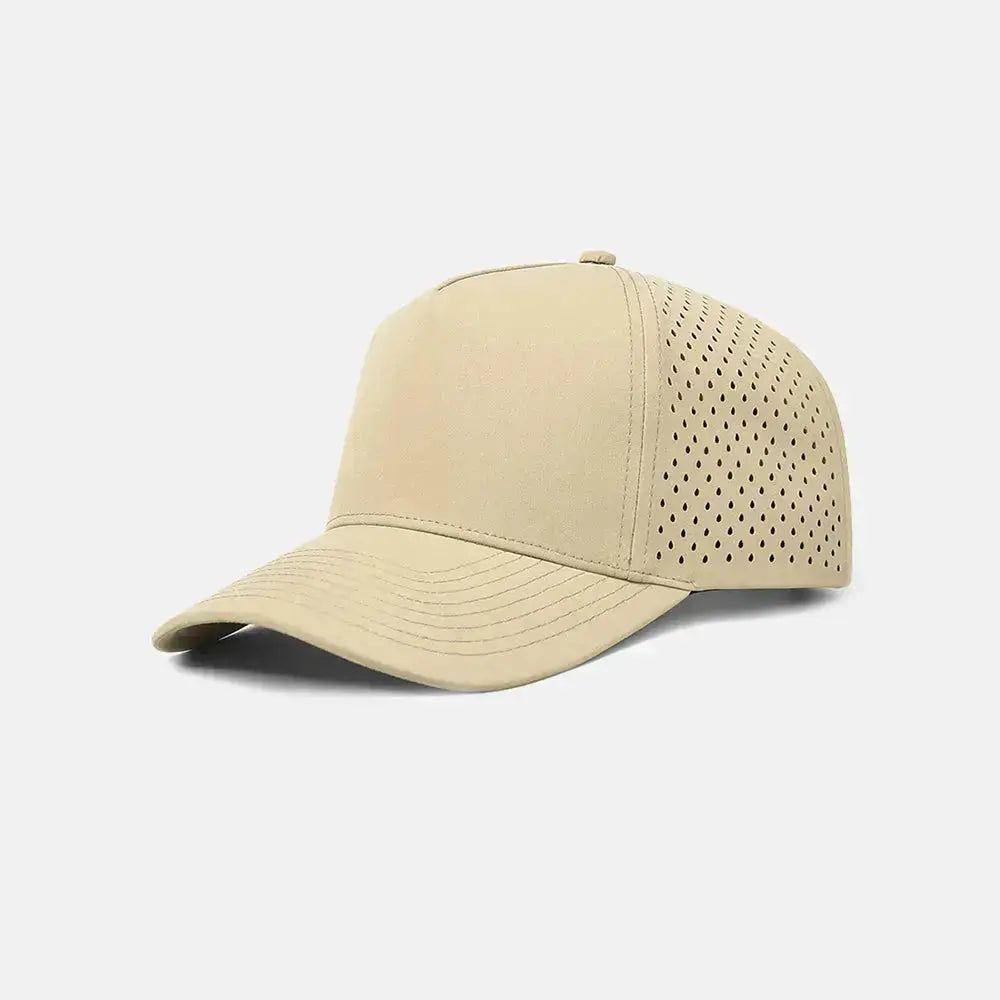
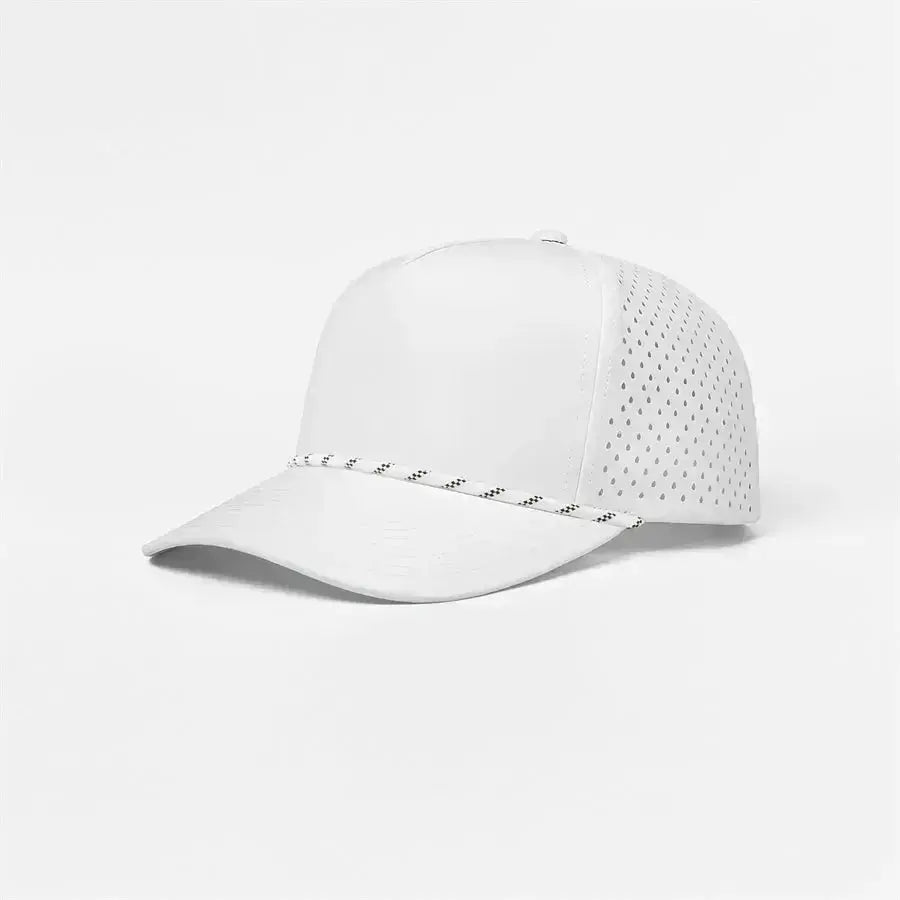
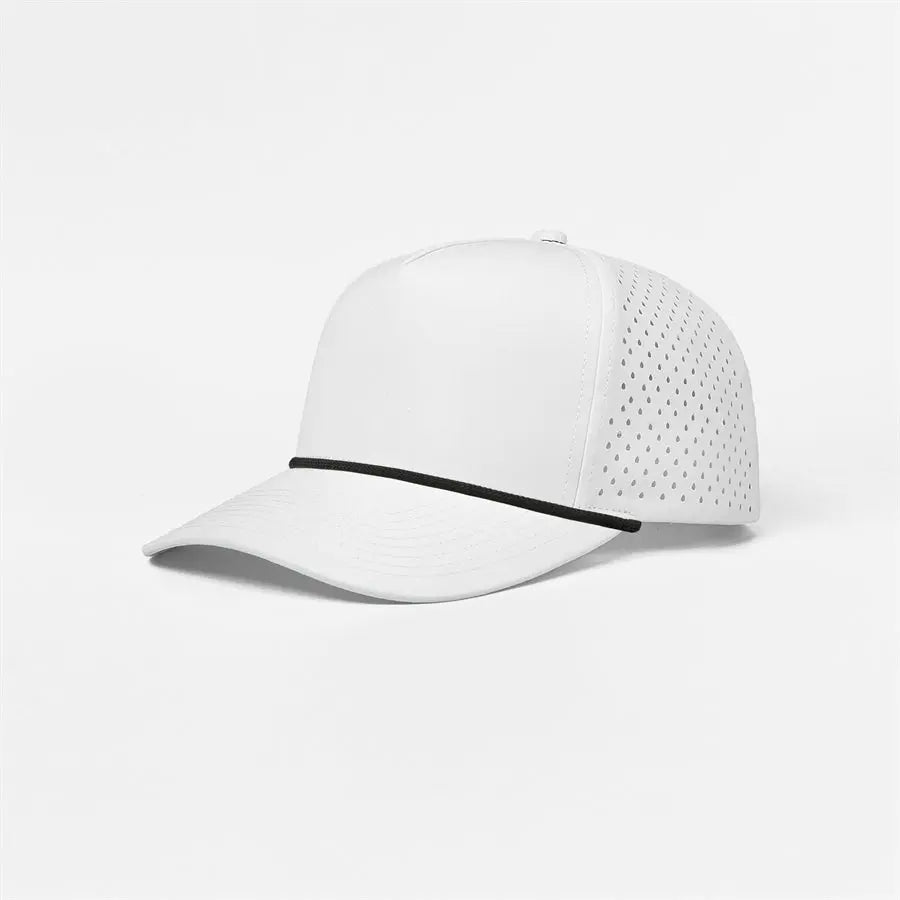
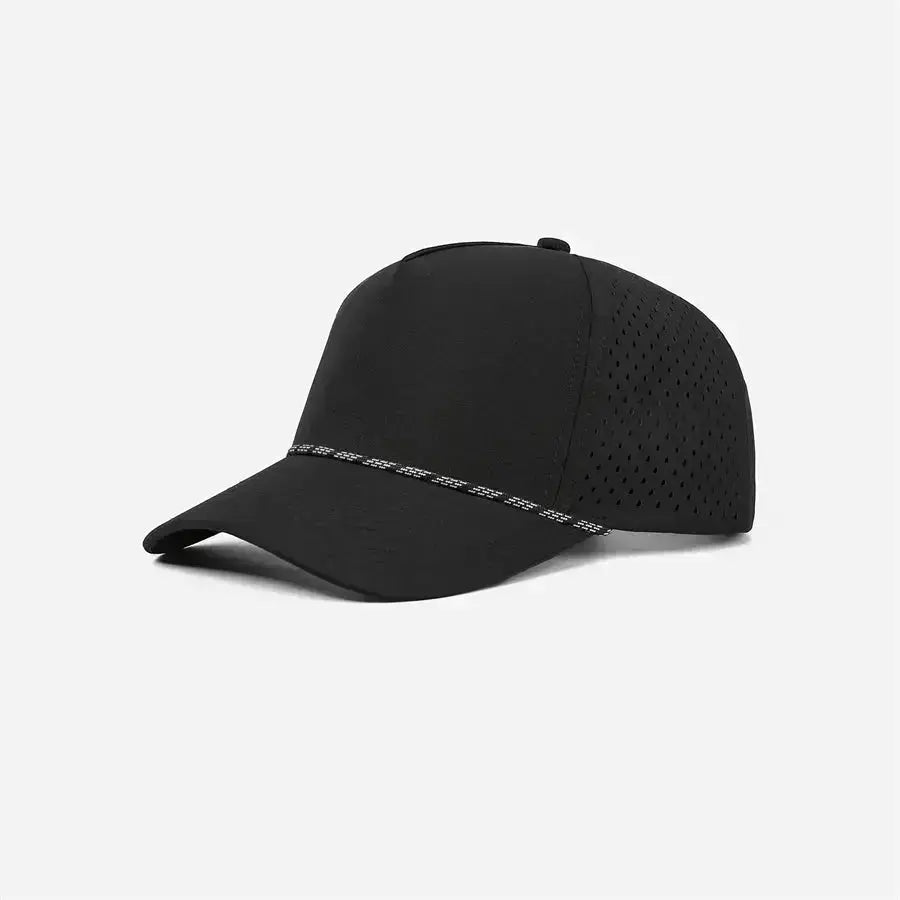
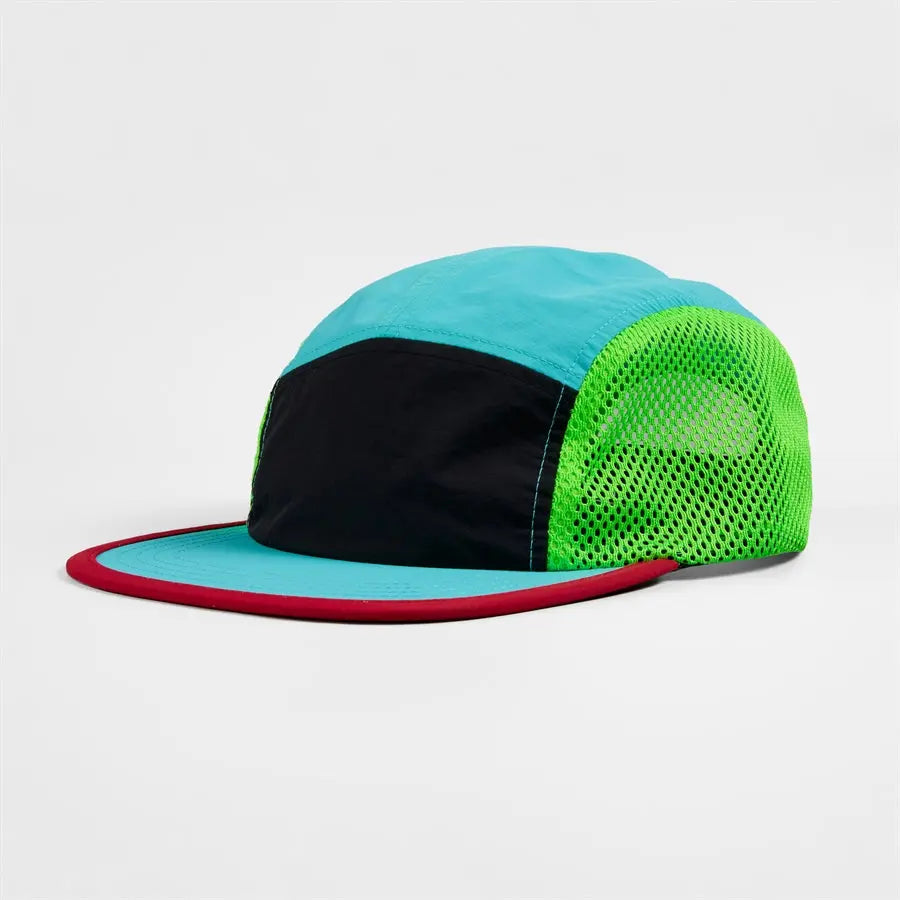
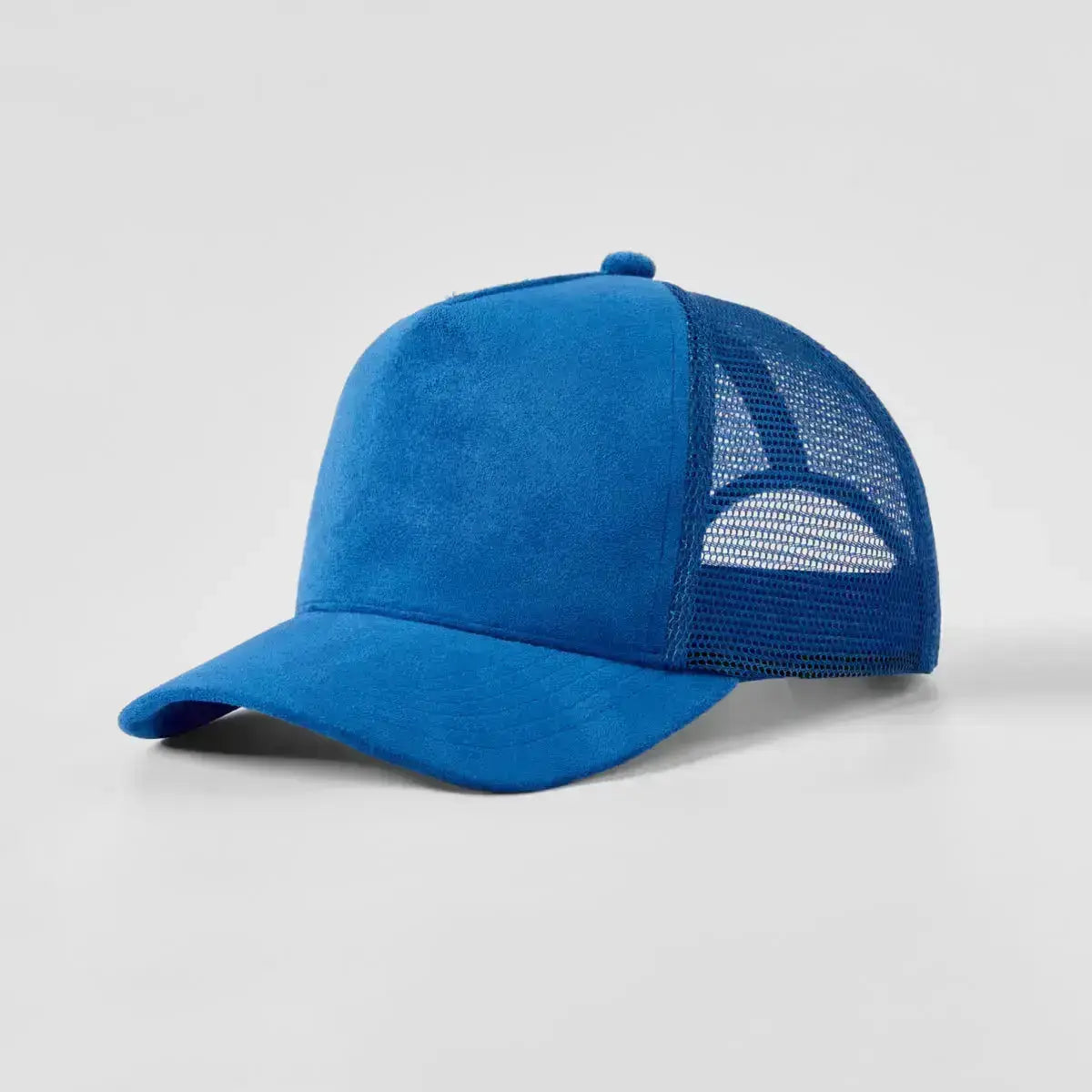
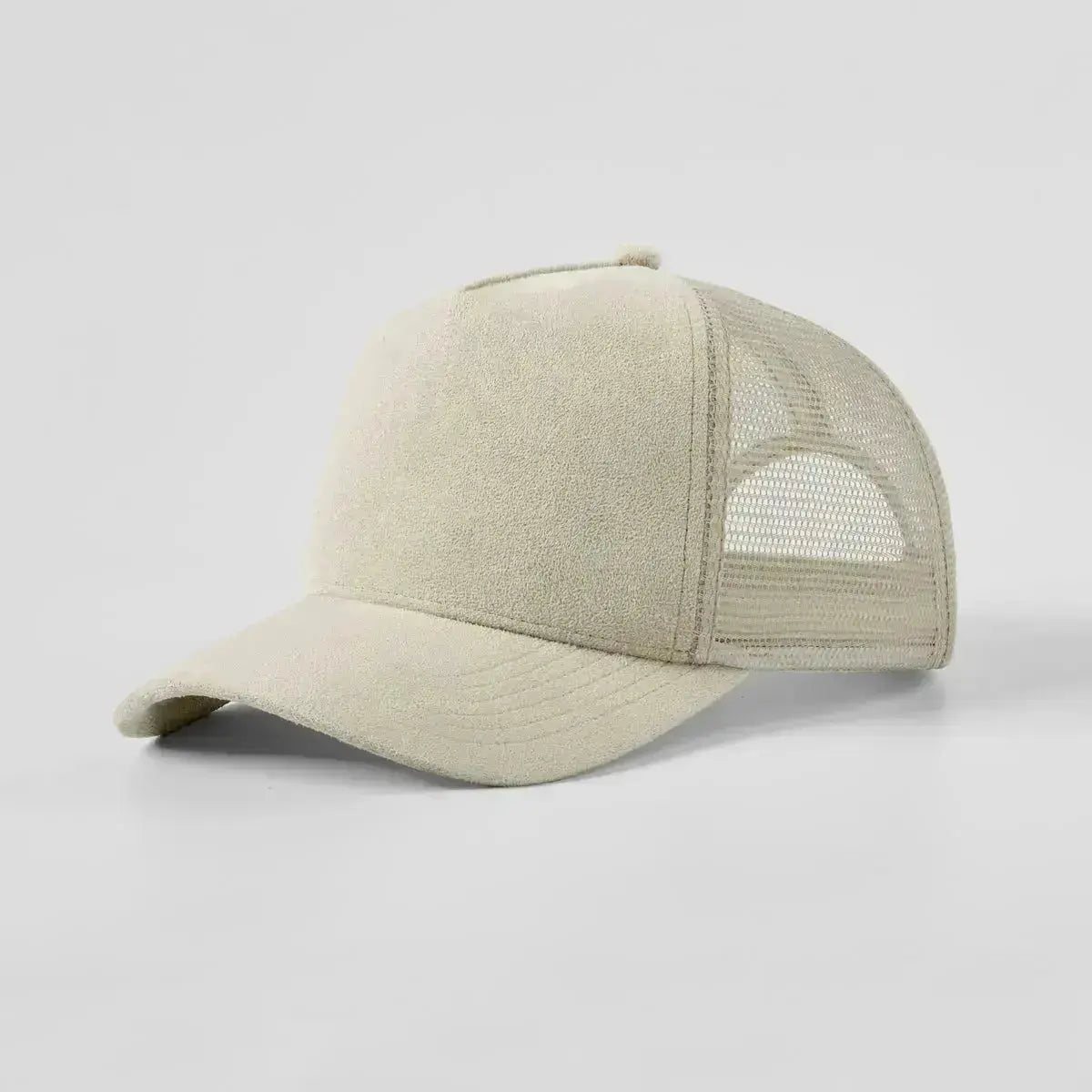
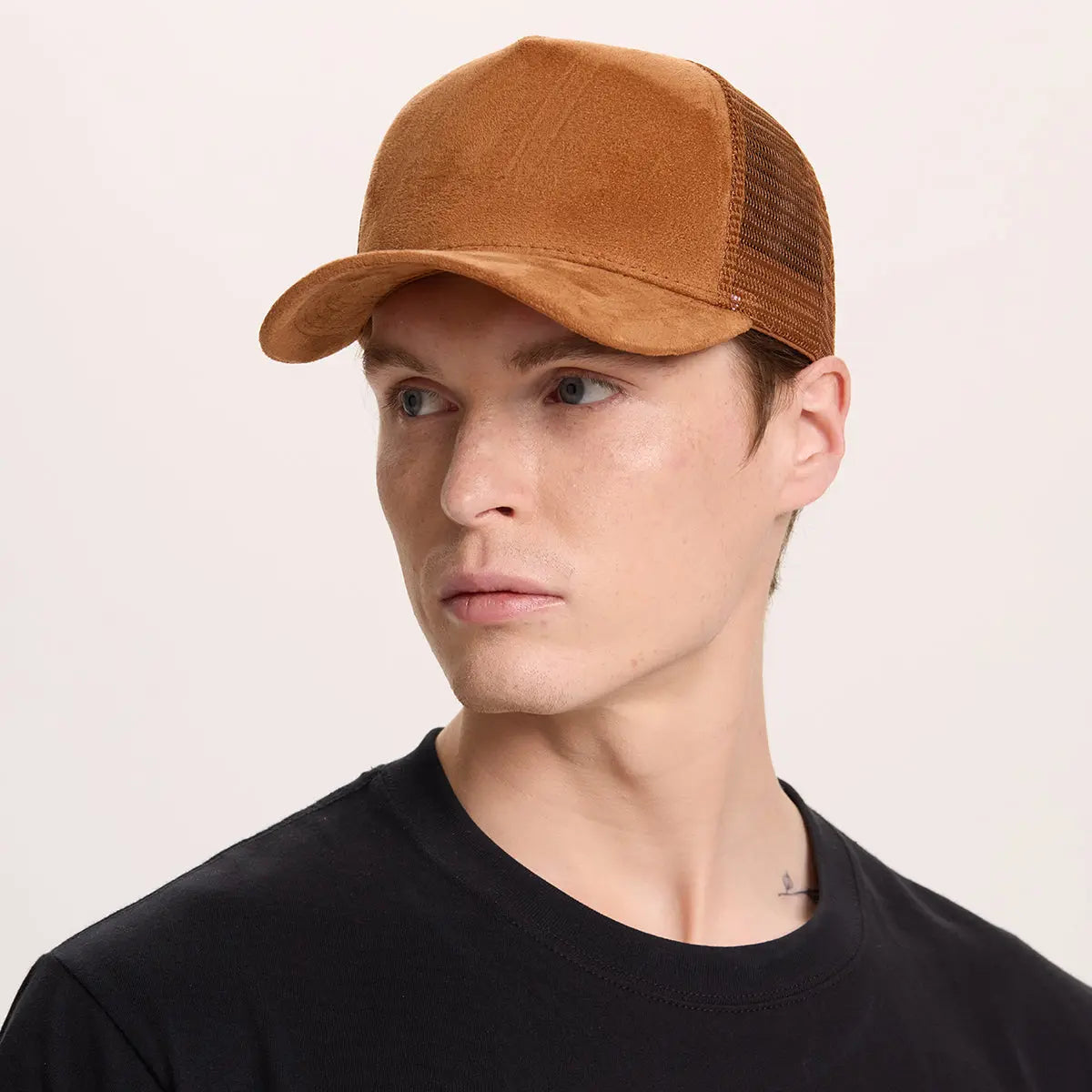
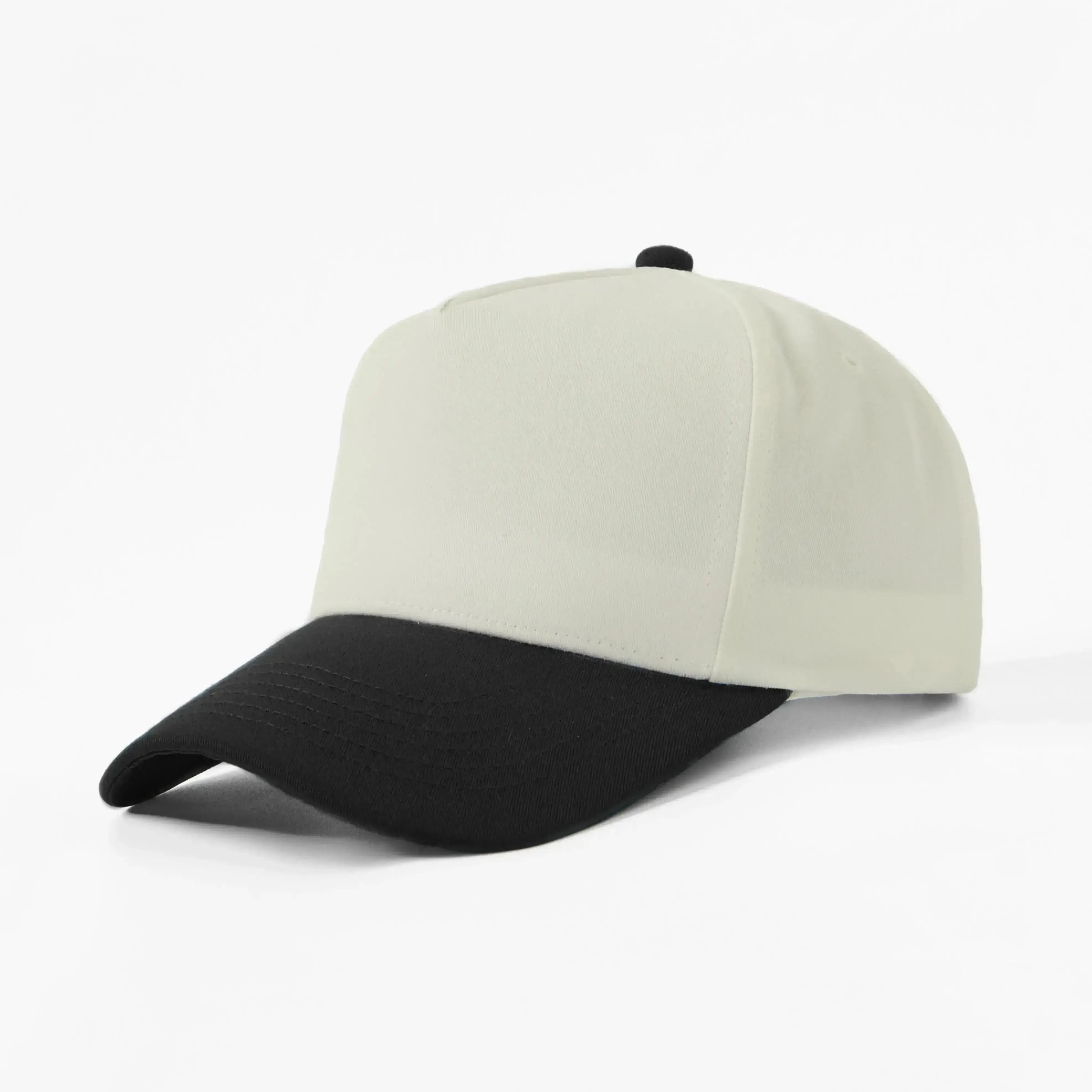
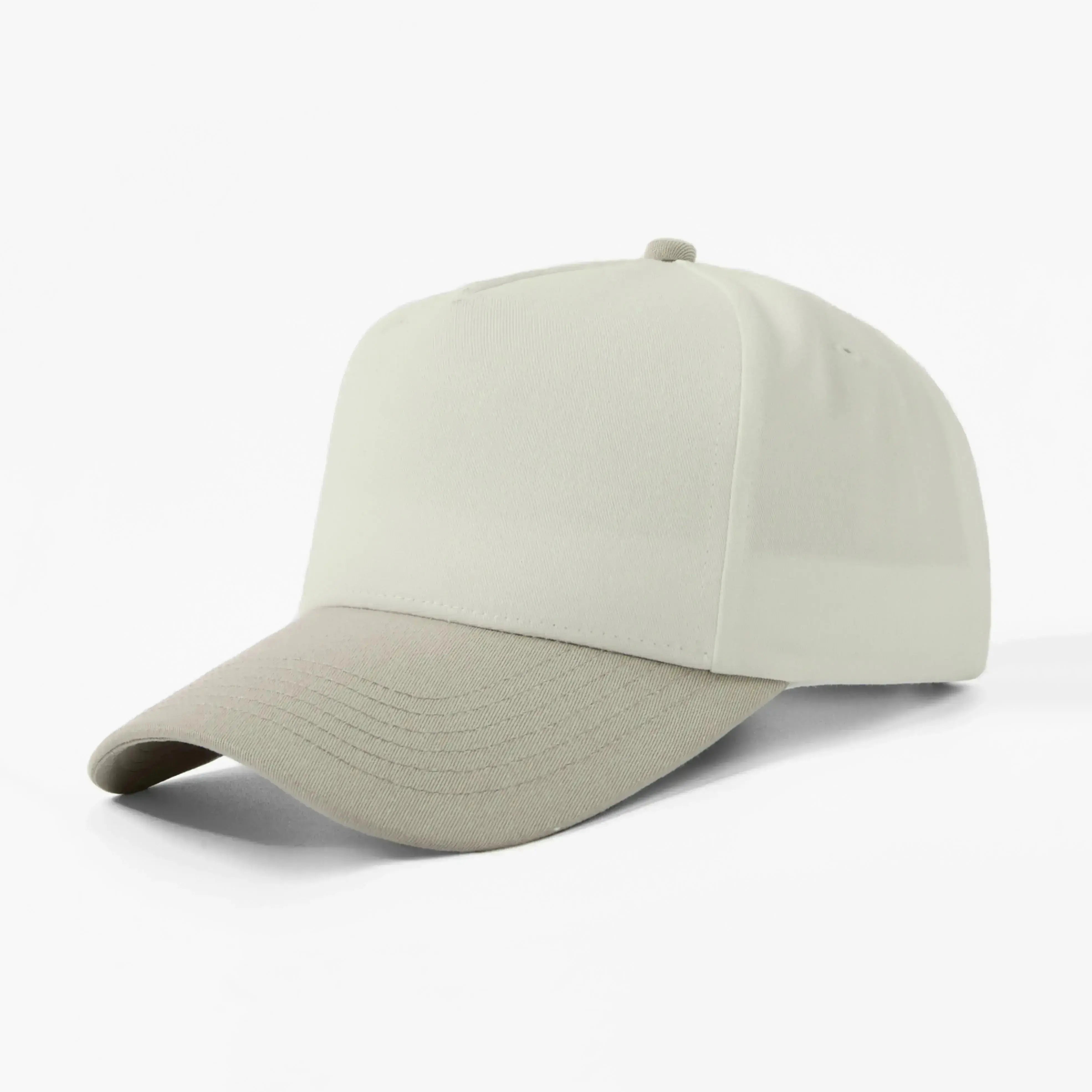
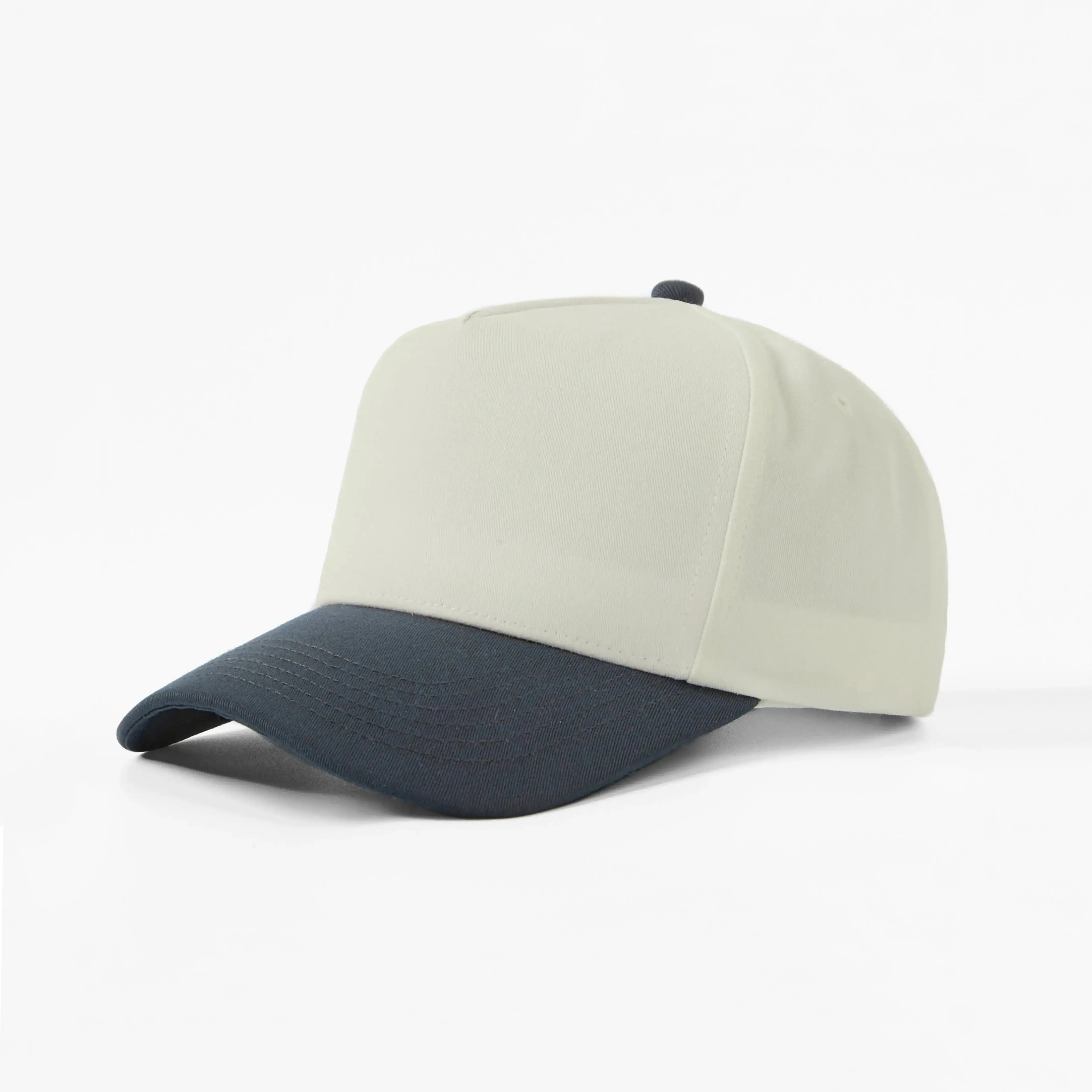
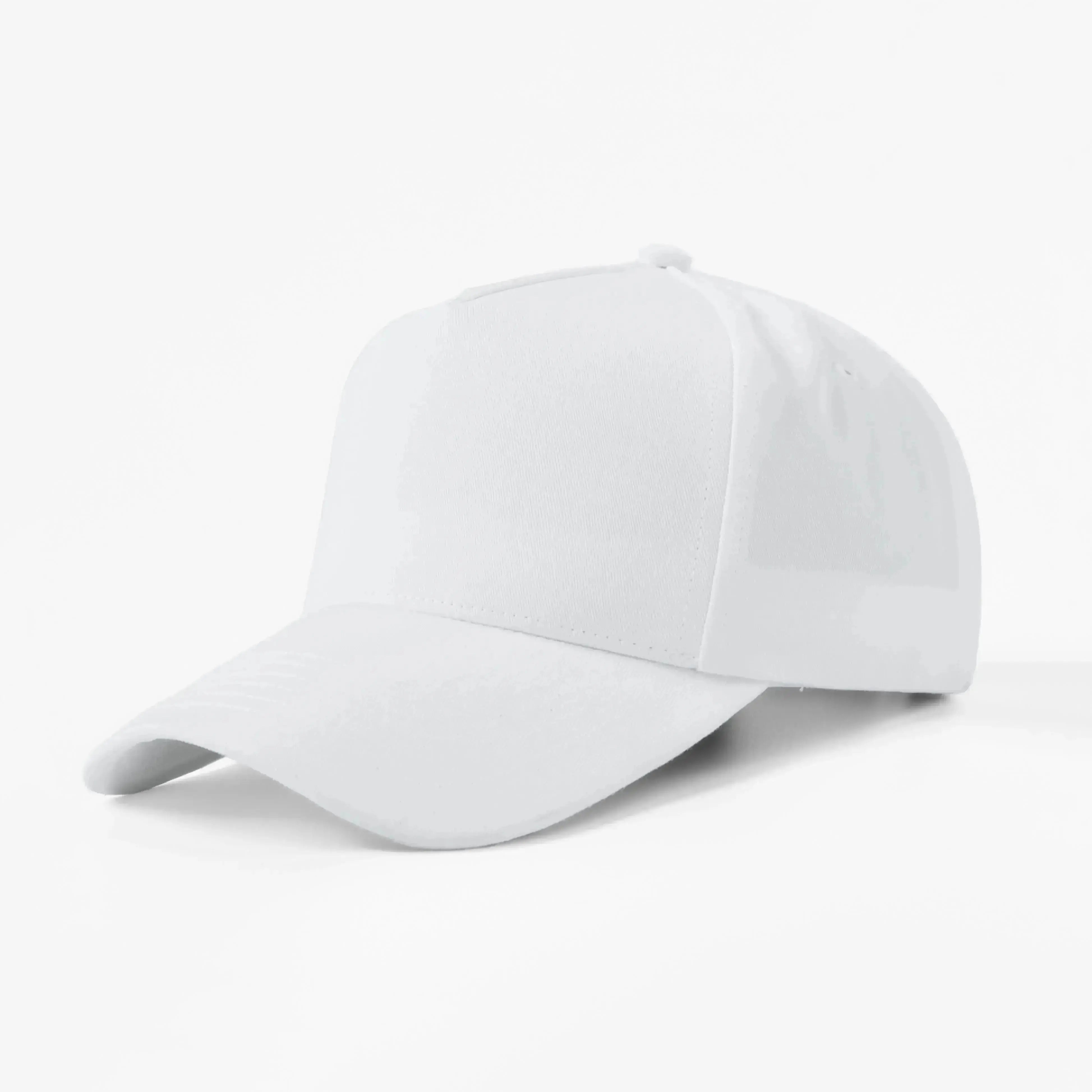
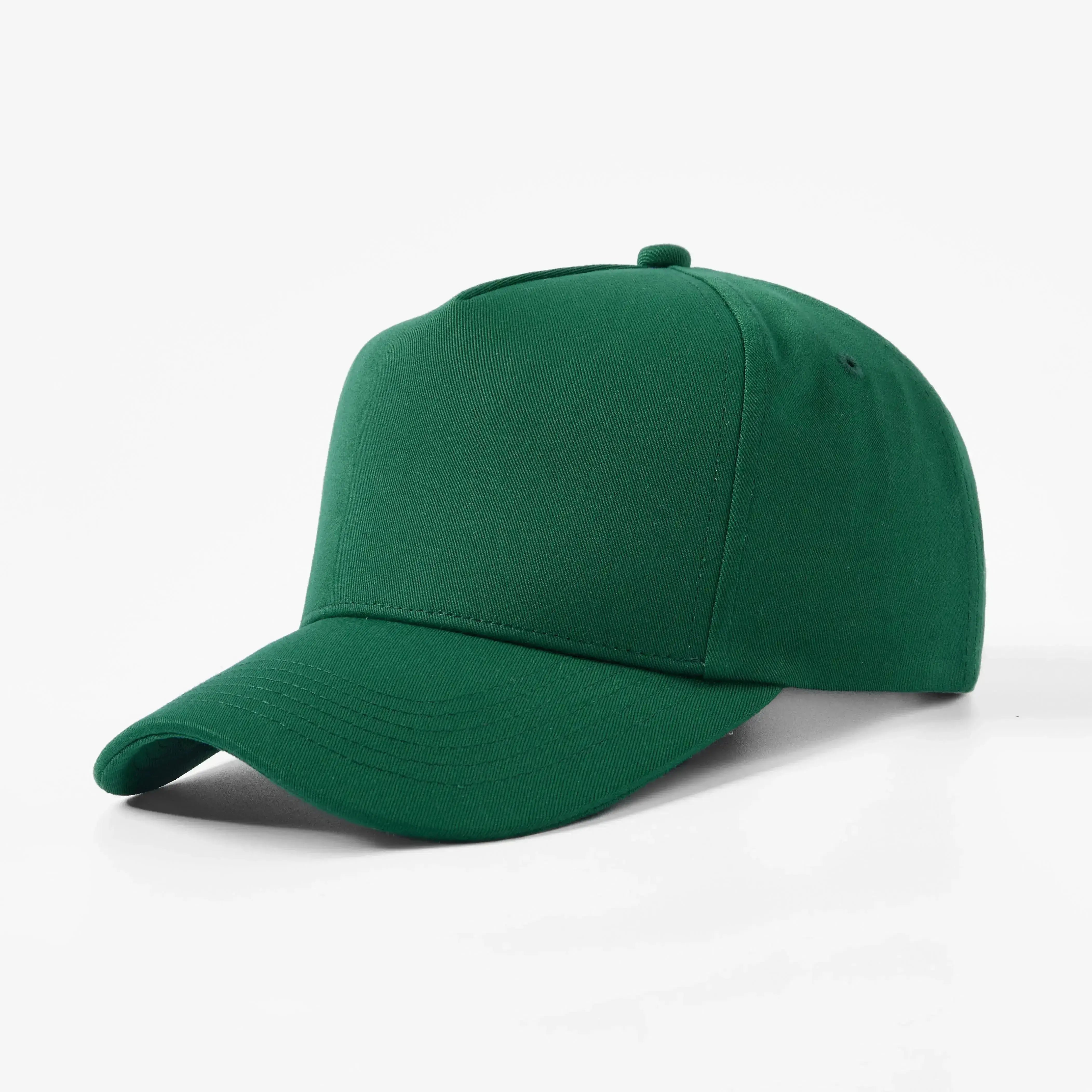
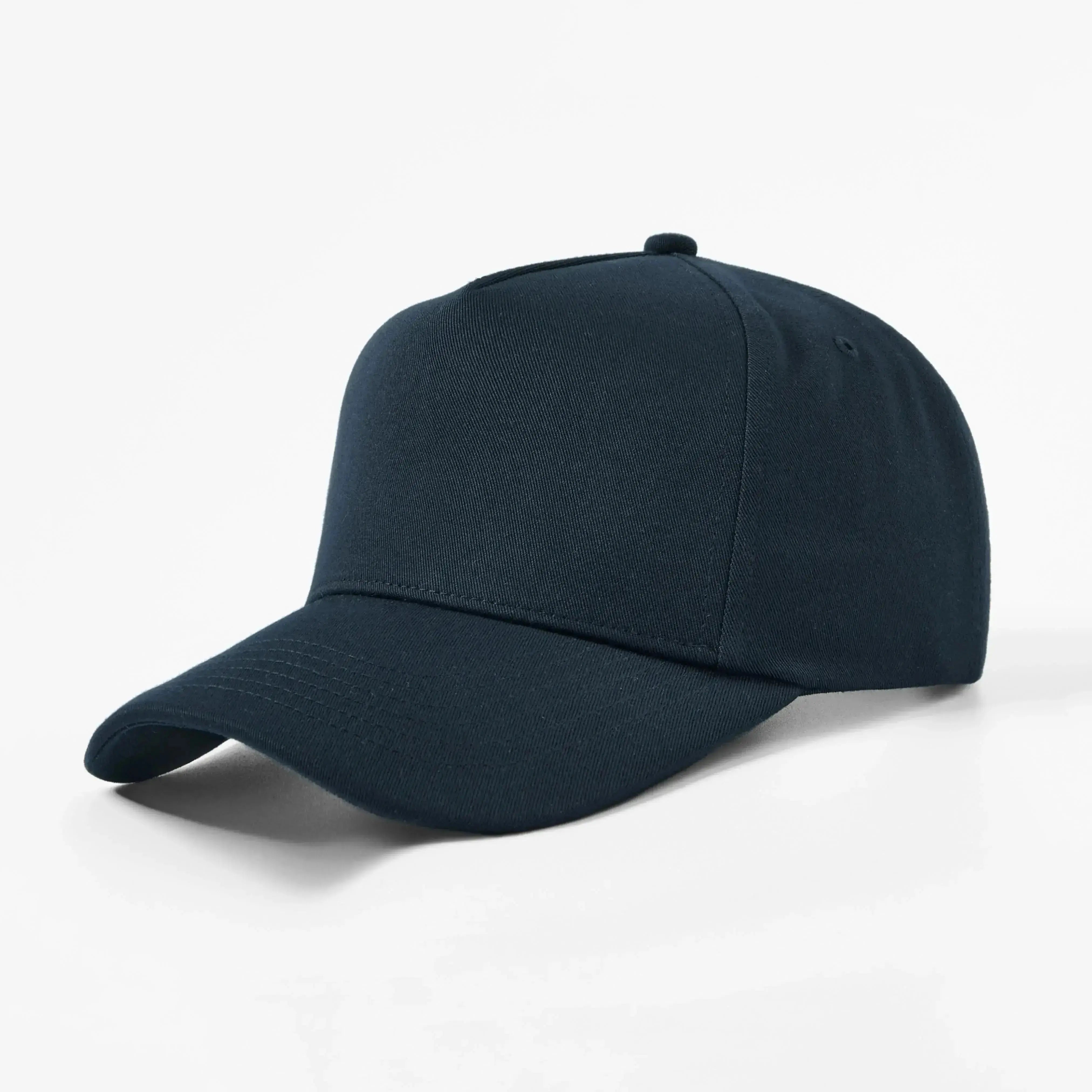
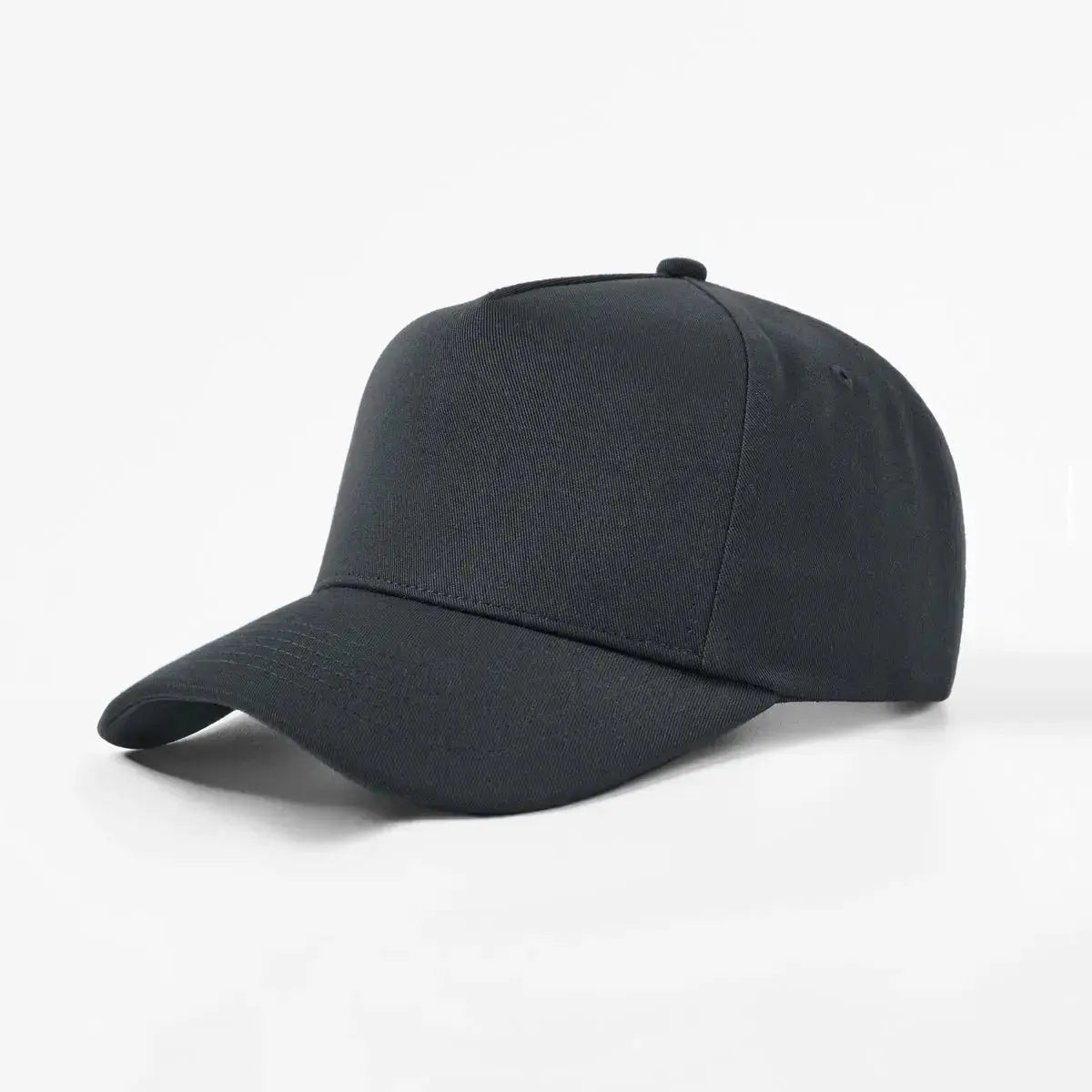
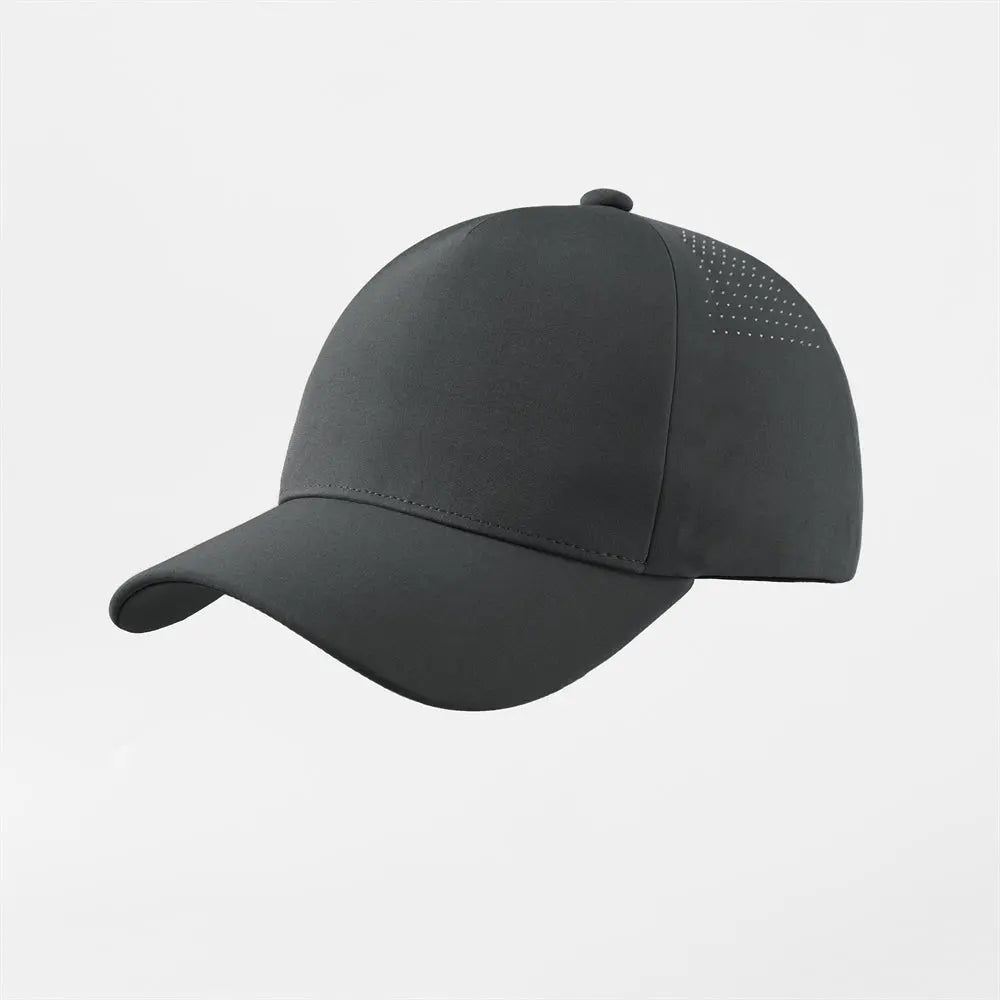
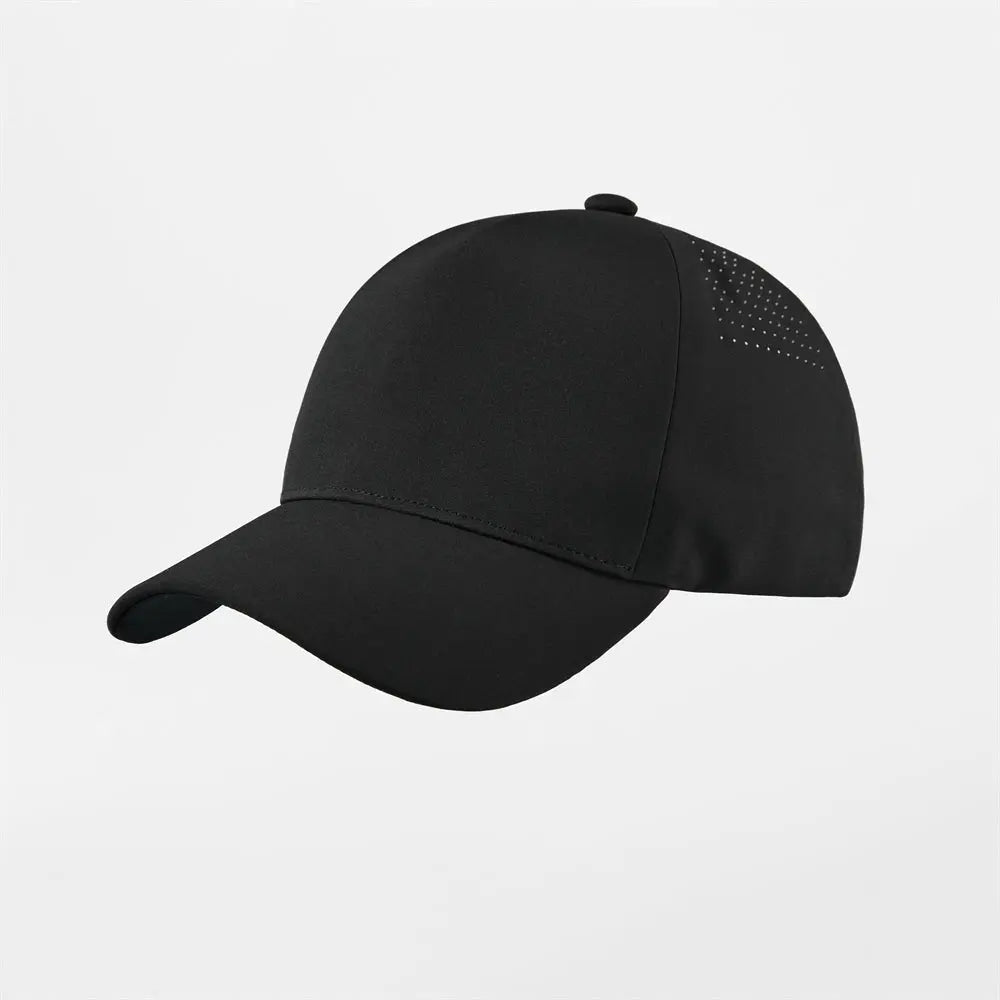
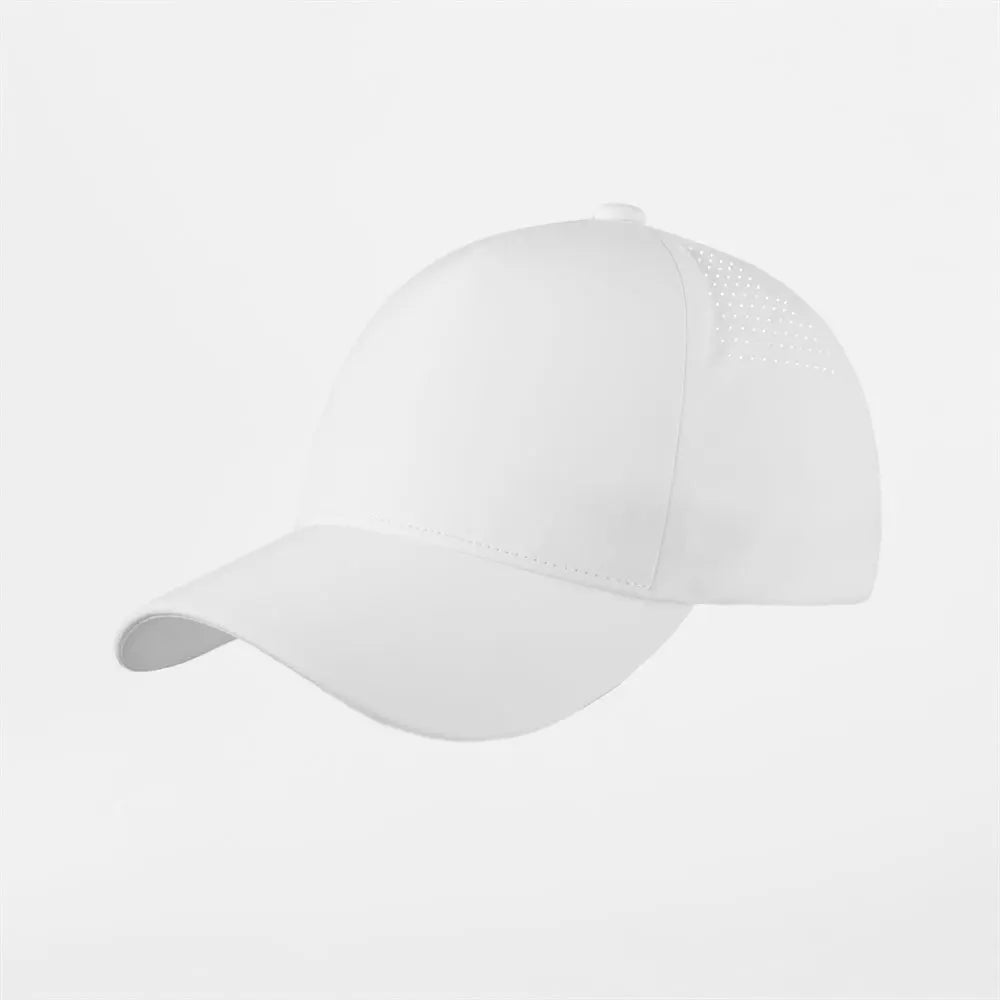
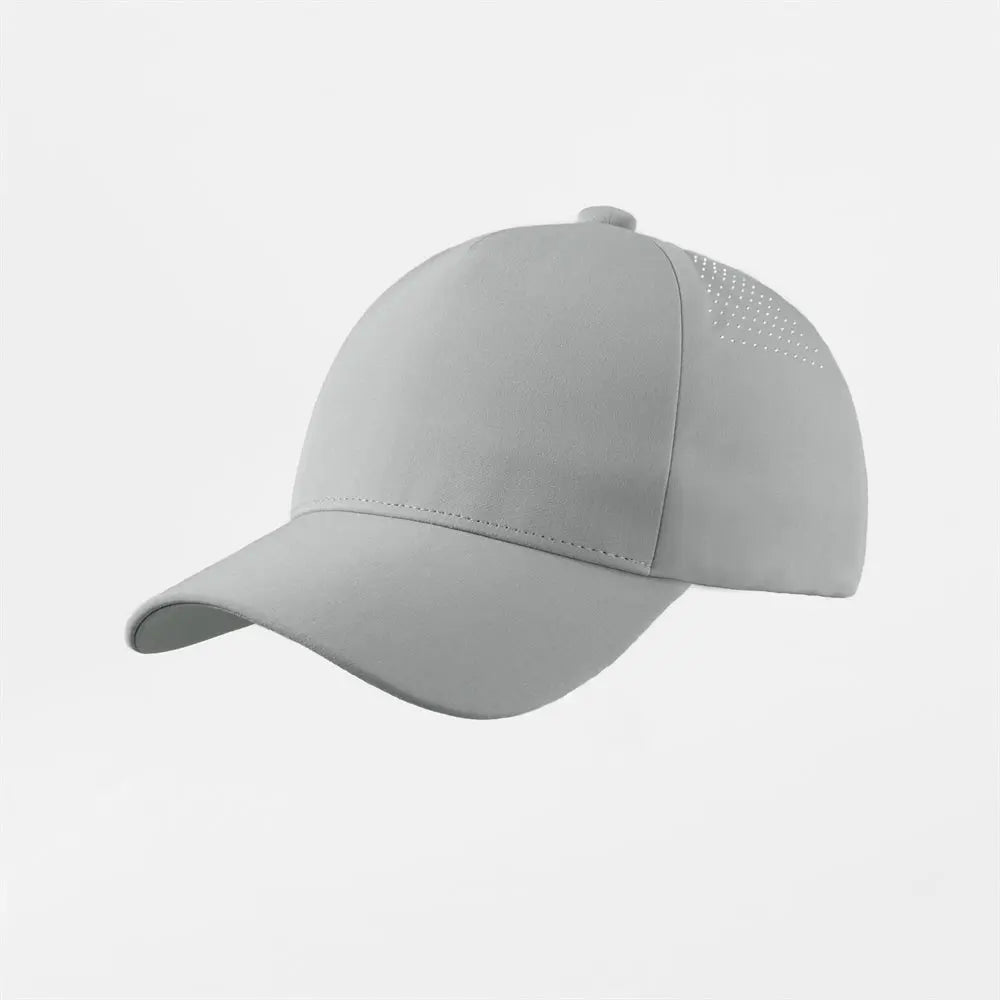
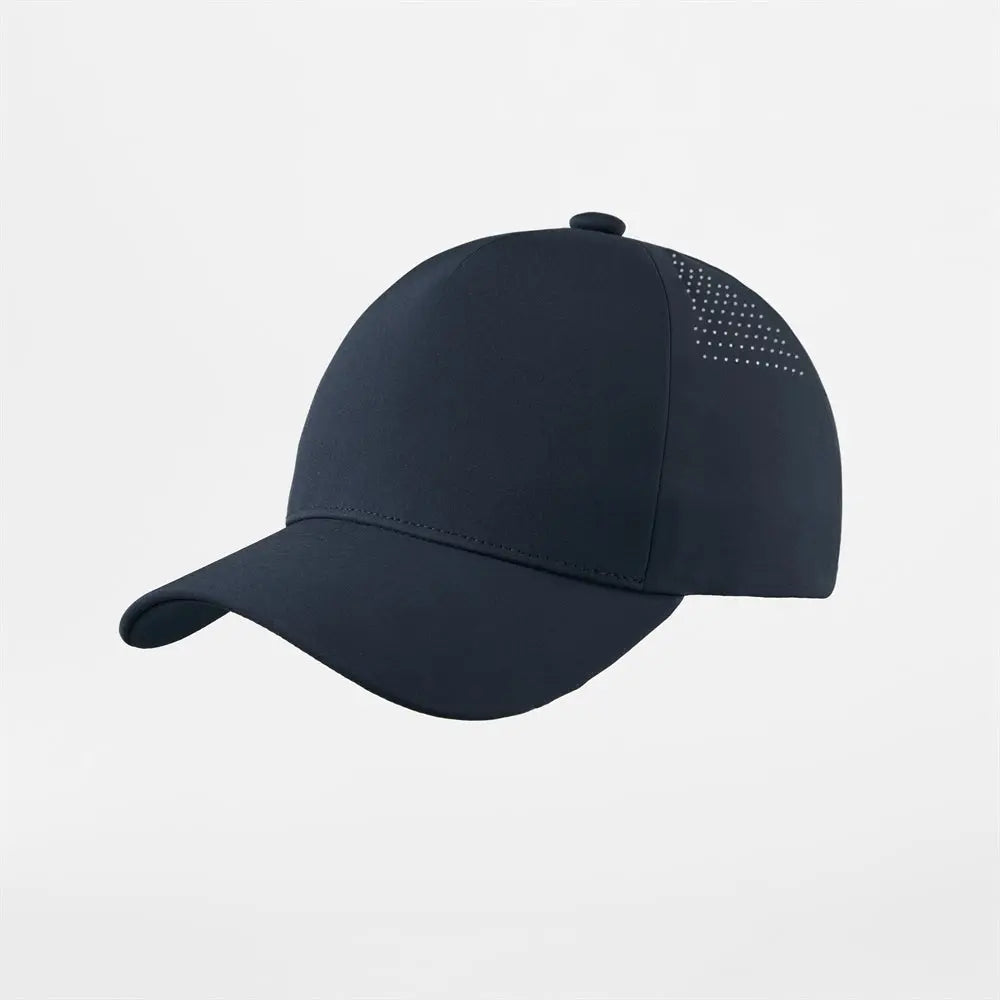
Organic cotton is increasingly used to produce dad hats, baseball caps, bucket hats, five-panel caps and other casual headwear.
An organic cotton hat can help brands introduce certified materials into retail collections, uniforms, corporate gifts and promotional programs.
Organic cotton hats are suitable for:
- Sustainable fashion brands
- Corporate merchandise
- Employee uniforms
- University and school merchandise
- Outdoor and lifestyle brands
- Nonprofit organizations
- Events and promotional campaigns
- Eco-conscious retail collections
However, a hat made with an organic cotton outer fabric may still contain conventional or synthetic components, including thread, sweatbands, buckram, closures, buttons, labels and patches.
Buyers should confirm which parts of the hat are included in the organic claim.

Customization Options for Organic Cotton Hats
Custom Embroidery
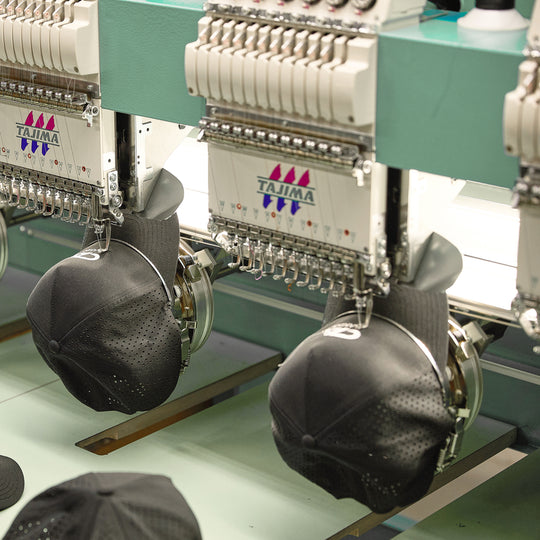
Organic cotton hats can be decorated with logos, lettering and simple embroidered graphics. Because unstructured cotton caps are relatively soft, excessively large or dense embroidery may distort the front panels.
A pre-production sample should be approved before bulk manufacturing.
Custom Printing
Screen printing and heat-transfer printing can reproduce larger graphics and detailed artwork. The supplier should test ink adhesion, color accuracy, flexibility and wash performance on the selected fabric.
If the finished product must remain within a certification program, buyers should also verify whether the printing process and inks meet the applicable requirements.
Custom Patches
Embroidered, woven, printed, leather and faux-leather patches can create a more distinctive appearance. Patch weight and attachment method should be matched to the hat’s structure.
Custom Labels
Woven labels can be attached to the side panel, back opening, seam or adjustable strap. They provide subtle branding without adding the stitch density of direct embroidery.

How to Source Organic Cotton Hats
Before ordering wholesale or custom organic cotton hats, confirm:
- Exact fiber composition
- Certified organic cotton percentage
- Whether the certification applies to the fabric or finished product
- Certification standard and certifying organization
- Current scope certificate
- Transaction certificate availability
- Fabric weight and construction
- Hat dimensions and fit
- Available colors
- Dyeing and finishing methods
- Decoration method
- Minimum order quantity
- Sample approval process
- Production time
- Packaging requirements
Do not rely only on a product name, sustainability logo or supplier statement. Certification documents should correspond to the actual material, manufacturer and product being purchased.
Frequently Asked Questions
What is the difference between cotton and organic cotton?
Organic cotton is still cotton. The main difference is that it is grown under a certified organic system with restrictions on agricultural inputs and requirements for inspection and traceability. Regular cotton is not required to follow those organic standards.
Is organic cotton better than regular cotton?
Organic cotton may be better for brands prioritizing certified sourcing, restricted agricultural inputs and traceability. Regular cotton may be more suitable when price, availability or production scale is the main consideration.
Does organic cotton always use less water?
No. Water consumption depends on rainfall, irrigation, soil, region, crop yield and farm management. Organic practices may improve soil moisture retention, but savings vary by location.
Is organic cotton pesticide-free?
Not necessarily. Organic standards restrict synthetic pesticides and prioritize preventive farming practices, but certain approved substances may still be used.
Is organic cotton softer than regular cotton?
Not automatically. Softness depends on fiber length, yarn quality, fabric construction and finishing processes.
Is organic cotton hypoallergenic?
Organic certification does not guarantee that a finished product is hypoallergenic. Dyes, finishes, detergents, sweatband materials and individual sensitivities can all affect skin comfort.
Can organic cotton hats be embroidered?
Yes. Organic cotton hats can be customized with embroidery, printing, patches and woven labels. Sample approval is recommended to confirm the appearance and stability of the decoration.
Is OEKO-TEX the same as organic certification?
No. OEKO-TEX STANDARD 100 tests for specified harmful substances. GOTS and OCS are used to verify organic materials and their supply chains.
Conclusion
The comparison of organic cotton vs regular cotton is mainly about farming standards, permitted inputs, certification and traceability—not a difference in the fundamental type of fiber.
Organic cotton can support sustainability-focused product programs, but it is not automatically softer, stronger, safer or less water-intensive in every situation. Conventional cotton remains widely available and cost-effective, and its environmental performance varies according to how it is grown and processed.
When choosing between conventional cotton vs organic cotton, brands should evaluate certification, material quality, manufacturing practices, price, durability and intended product use.
For custom organic cotton hats, always verify the fiber composition, certification scope, decoration process and production sample before placing a bulk order.