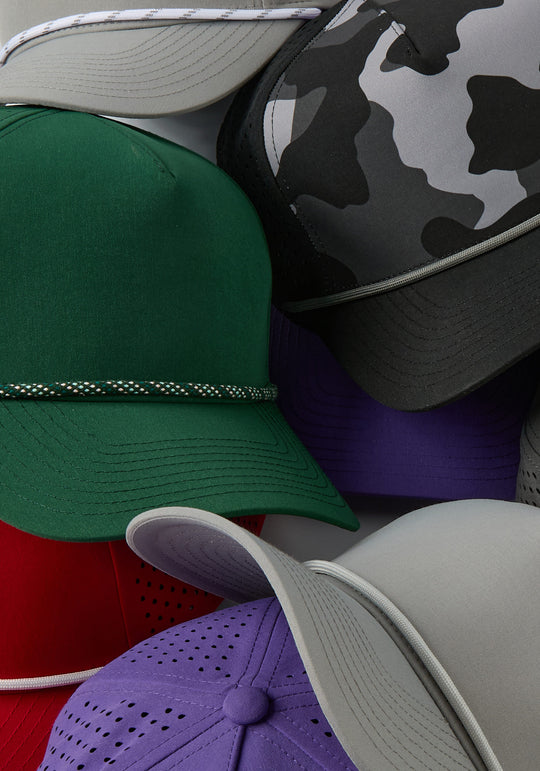
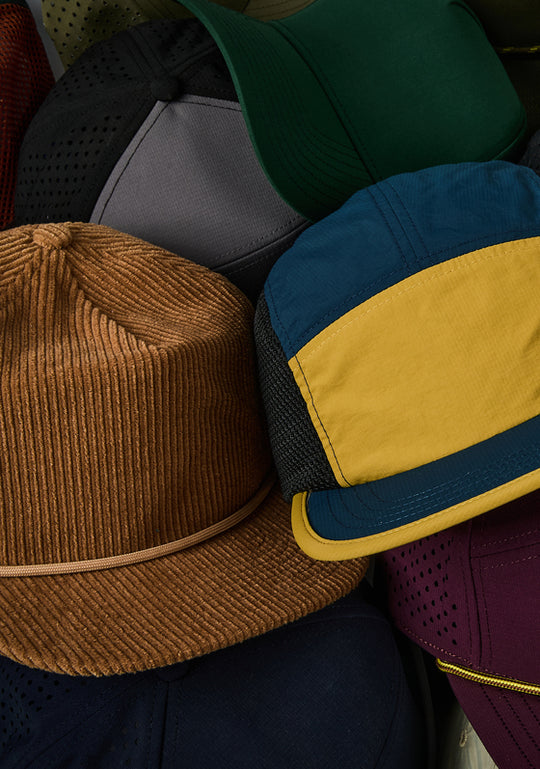







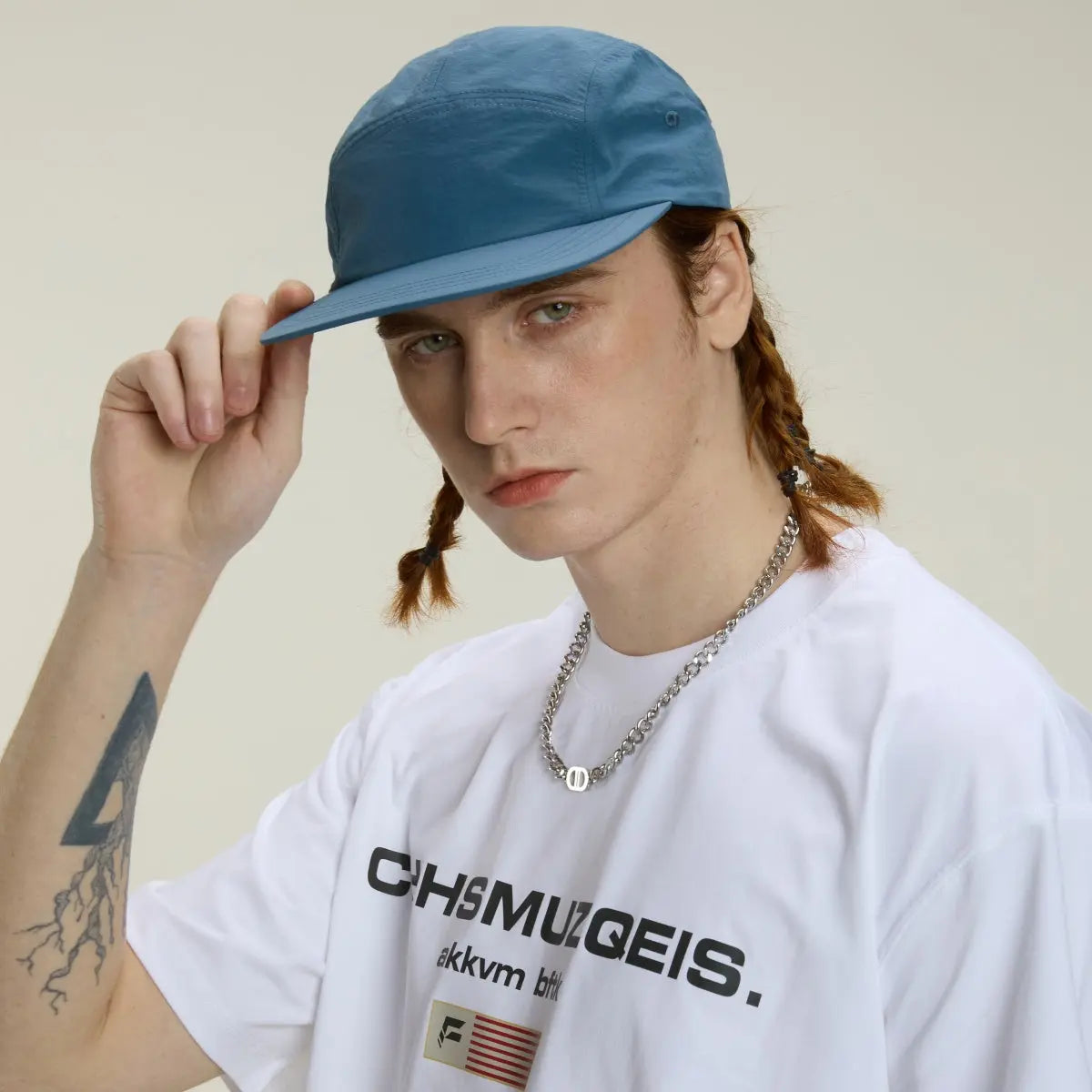
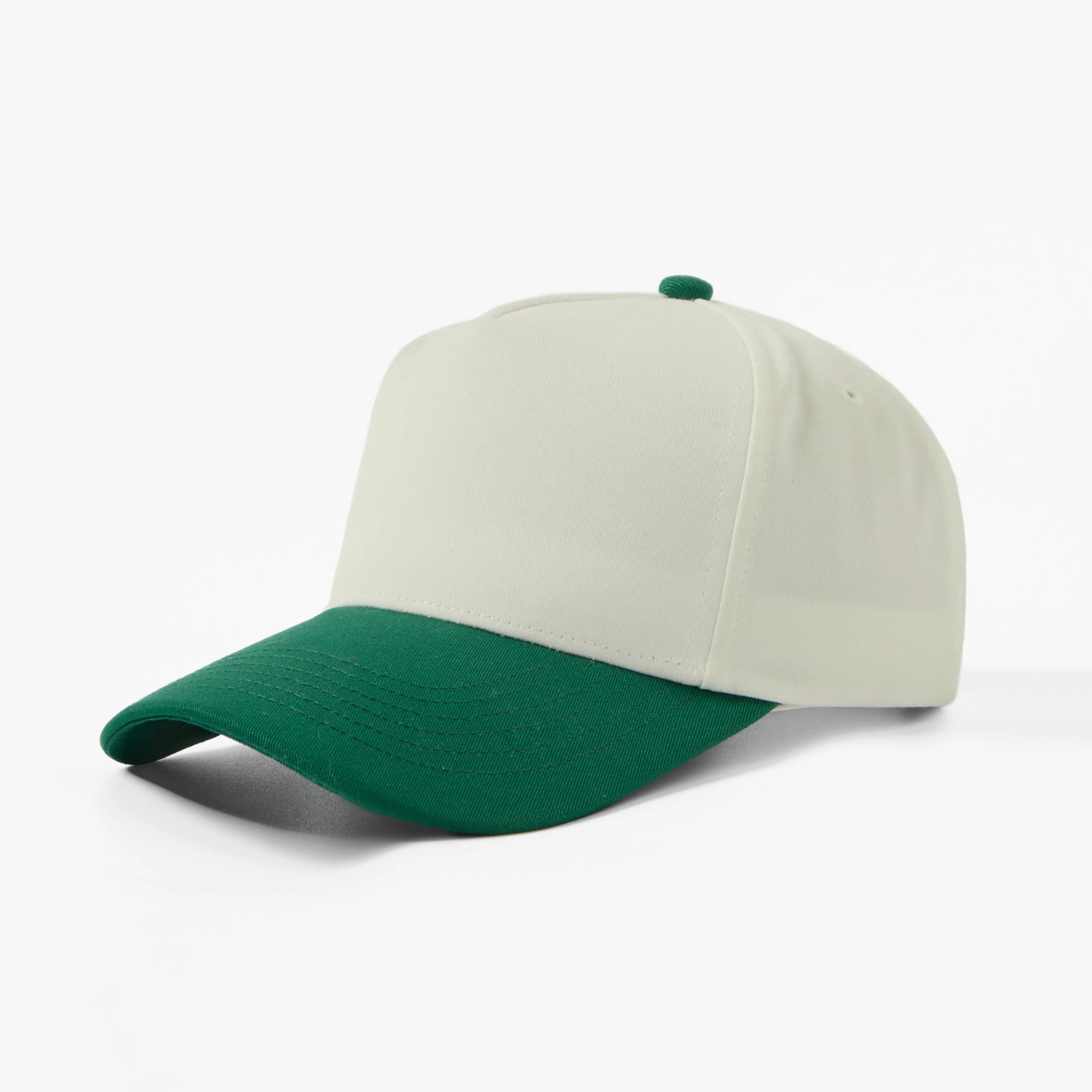
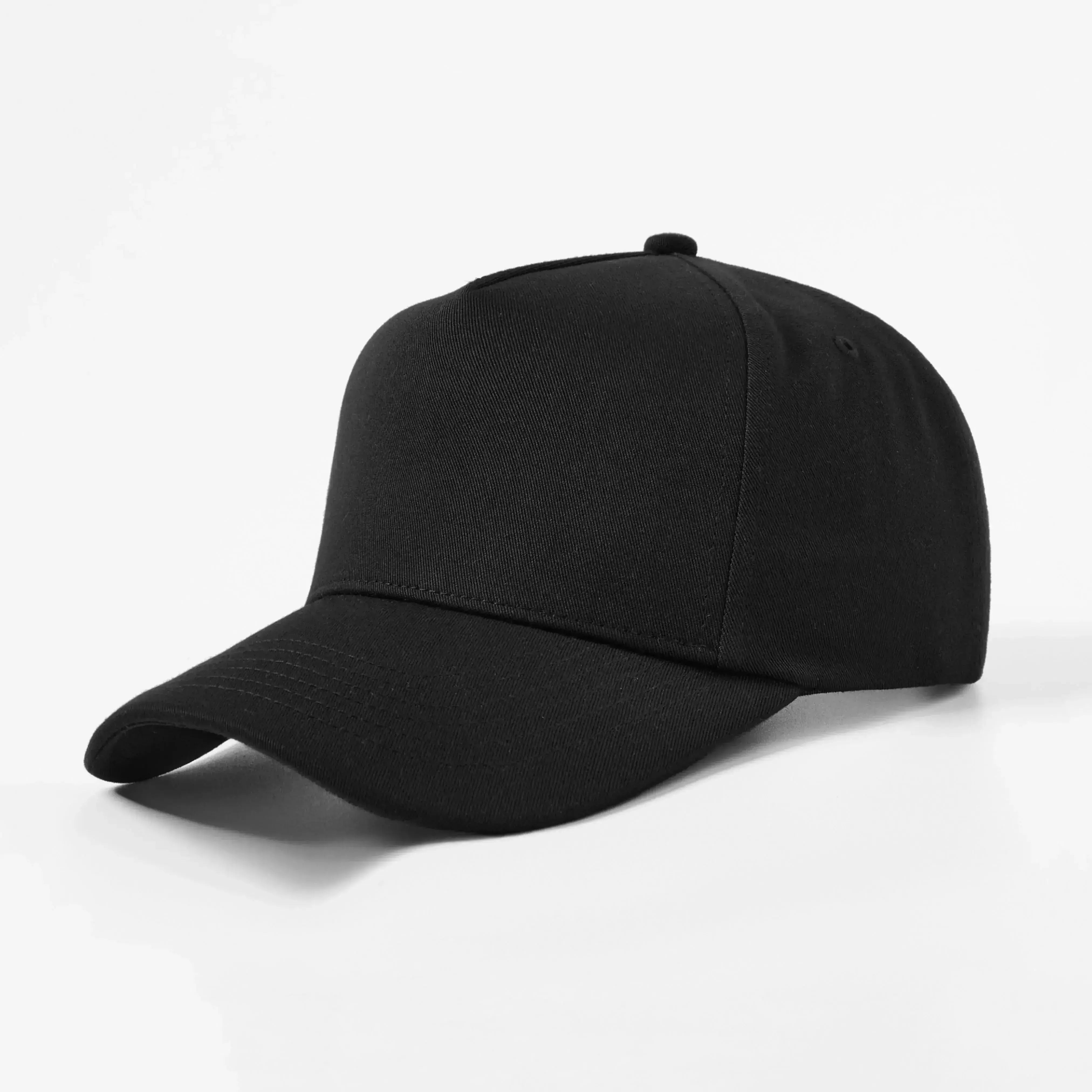
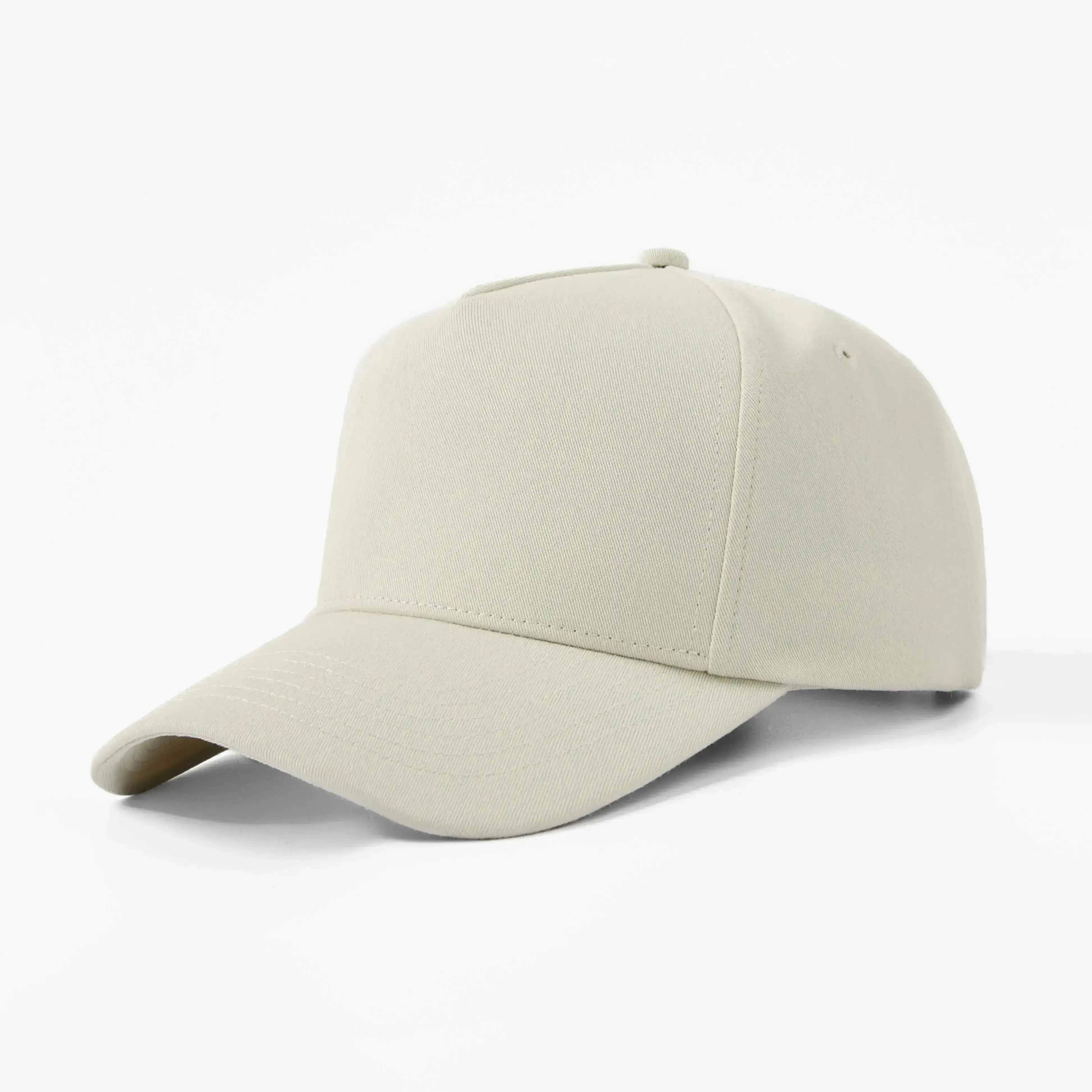

Creating merchandise is no longer limited to major brands, musicians, or professional sports teams. Businesses, content creators, schools, clubs, restaurants, nonprofit organizations, and online communities can all use custom merchandise to strengthen their identity and build lasting connections with their audiences.
If you are wondering how to make your own merch, the process begins with more than placing a logo on a product. Successful merchandise requires the right audience, useful products, thoughtful designs, reliable production, clear pricing, and a practical launch strategy.
This guide explains how to create your own merchandise—from defining your goals and choosing products to approving samples and launching your collection. It also explores why custom hats have become one of the most versatile products for brand merch.

What Is Promotional Merchandise?
Promotional merchandise refers to branded products created to promote a company, organization, event, campaign, or community.
These products usually feature a logo, slogan, illustration, event name, or other recognizable brand element. They may be sold, gifted, included with purchases, distributed at events, or provided to employees.
Common promotional merchandise includes:
- Custom hats
- T-shirts and hoodies
- Beanies
- Tote bags
- Drinkware
- Jackets
- Socks
- Stickers
- Notebooks
- Keychains
- Tech accessories
The terms promotional merchandise, branded merchandise, custom merch, and promotional products are often used interchangeably. However, the intended purpose may be different.
Traditional promotional products are frequently distributed for free to increase brand awareness. Brand merch is often designed with stronger retail appeal and may be sold as part of a permanent or limited-edition collection.

Why Should You Create Your Own Merch?
Well-designed merchandise can provide value beyond simple advertising.
Increase Brand Visibility
Every time someone wears a branded hat, beanie, shirt, or jacket, the product creates another opportunity for the brand to be seen.
Wearable merchandise can reach customers in offices, stores, airports, sporting events, trade shows, gyms, restaurants, and social settings.
Strengthen Community
Merchandise gives customers, employees, club members, and supporters a physical way to identify with a group.
This is especially valuable for:
- Lifestyle brands
- Sports clubs
- Schools and universities
- Musicians and content creators
- Restaurants and breweries
- Nonprofit organizations
- Corporate teams
- Events and conferences
Create an Additional Revenue Stream
Merchandise can become a separate product category rather than only a promotional expense. A strong design combined with a useful product may generate repeat sales and help introduce new customers to the brand.
Reward Employees and Customers
Company merch can be used for employee onboarding, recognition programs, holiday gifts, customer appreciation, product launches, and corporate events.
Make Events More Memorable
Custom merchandise gives attendees something physical to take home. The most effective event merchandise remains useful after the event has ended.

How to Make Your Own Merch in 9 Steps
1. Define the Purpose of Your Merchandise
Before choosing a product or creating a design, determine what you want the merchandise to accomplish.
Your goal may be to:
- Sell products online
- Promote a new business
- Increase brand awareness
- Reward loyal customers
- Create employee gifts
- Support a fundraising campaign
- Build team spirit
- Launch a creator or musician collection
- Supply a club, tournament, or event
- Develop products for retail resale
The goal will influence the product, design, budget, quantity, packaging, and distribution method.
For example, an inexpensive giveaway hat may be appropriate for a large trade show, while a premium merino wool beanie may be more suitable for executive gifts or a high-end lifestyle brand.
2. Understand Your Audience
Effective brand merchandise should reflect the lifestyle and preferences of the people who will receive or purchase it.
Consider:
- Age range
- Location and climate
- Typical clothing style
- Favorite colors
- Interests and activities
- Budget
- Product expectations
- How and where the merchandise will be used
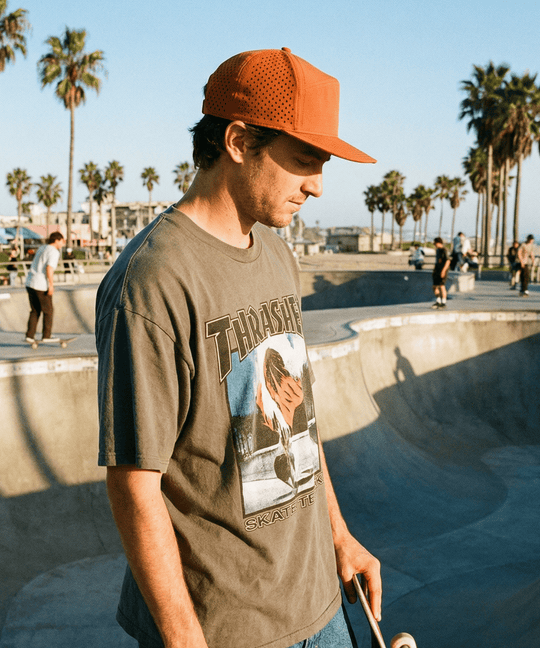
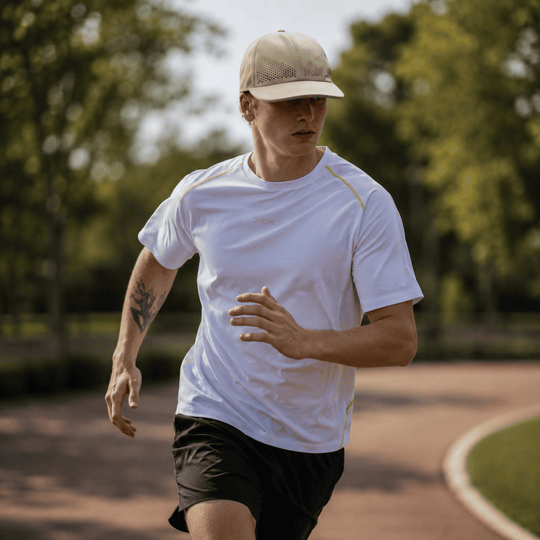
A running club may prefer lightweight, water-repellent performance hats. A ski club may value warm merino wool beanies. A streetwear brand may choose snapbacks, trucker hats, or corduroy caps.
The best merchandise is something the target audience would choose to use even without the logo.
3. Choose the Right Products
Begin with a focused product selection rather than launching too many items at once.
| Product | Advantages | Best for |
|---|---|---|
| Custom hats | One-size-adjustable, visible branding, year-round use | Brands, clubs, events and company merch |
| Beanies | Warm, comfortable and suitable for cuff decoration | Winter gifts, ski clubs and outdoor brands |
| T-shirts | Large printable area and broad appeal | Creator merch, events and retail collections |
| Hoodies | Higher perceived value and strong retail potential | Lifestyle brands and employee gifts |
| Tote bags | Practical and reusable | Retailers, schools and conferences |
| Drinkware | Useful in offices and at events | Corporate gifts and customer appreciation |
| Stickers | Affordable and easy to distribute | Packaging, creators and event giveaways |
For a first collection, consider launching one hero product supported by one or two lower-cost items.

4. Create a Design People Want to Wear
A common mistake is making the logo as large as possible. Good merchandise should feel like a desirable product, not a walking advertisement.
Possible design directions include:
- A small embroidered logo
- A short wordmark
- Brand initials
- A mascot or symbol
- An event date
- A location or set of coordinates
- An illustrated graphic
- An inside joke understood by the community
- A campaign message
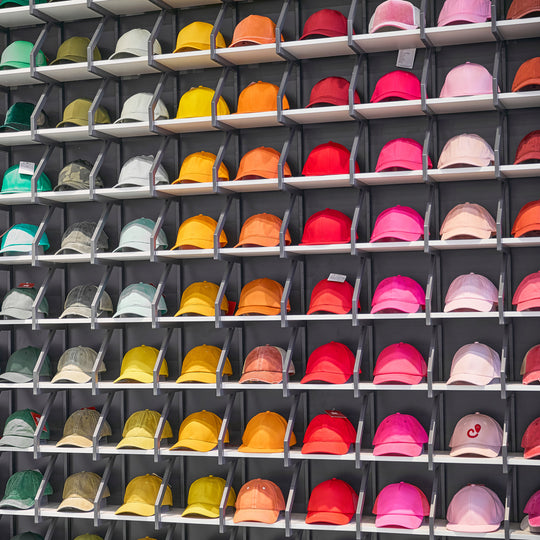
- A limited-edition color combination
The design should match the product and decoration method. Fine details that work in digital artwork may not reproduce clearly in embroidery or on a small patch.
Before production, confirm:
- Final logo dimensions
- Thread or print colors
- Minimum text size
- Design placement
- Color contrast
- Artwork format
- Decoration limitations
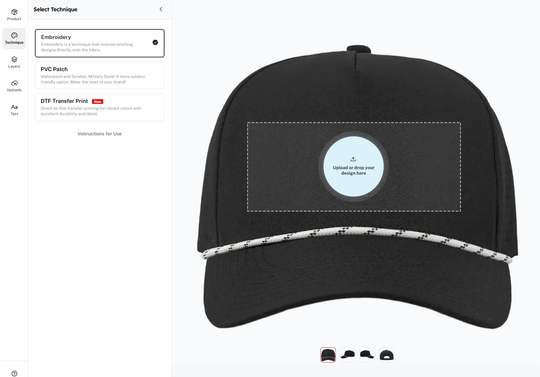
5. Select a Decoration Method
Different customization methods create different appearances, textures, and price points.
| Decoration method | Best for | Main characteristics |
|---|---|---|
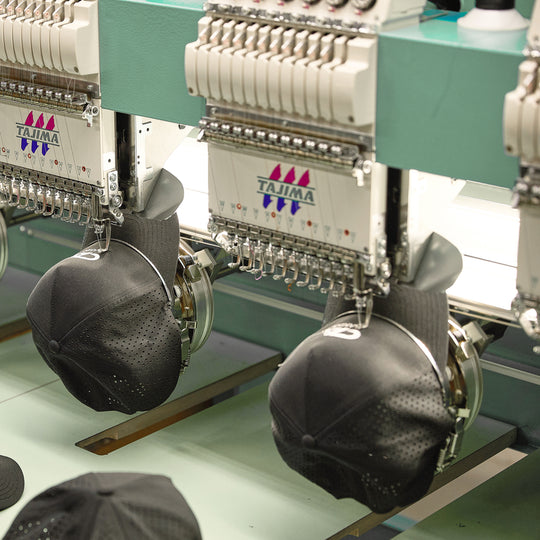
| Flat embroidery | Logos, text and simple graphics | Clean, durable and professional |
| 3D puff embroidery | Bold lettering and simple shapes | Raised, dimensional appearance |
| Woven patch | Detailed artwork and small text | Smooth surface with clear details |
| Embroidered patch | Classic badges and club logos | Textured, traditional appearance |
| Leather patch | Outdoor and premium lifestyle designs | Rugged, dimensional look |
| PVC or silicone patch | Performance and outdoor products | Flexible, durable and modern |
| Screen printing | Bold graphics and larger quantities | Strong color and efficient production |
| DTF or heat transfer | Detailed and multicolor designs | Flexible for smaller production runs |
| Woven label | Subtle branding | Lightweight and suitable for side or seam placement |
The best option depends on the artwork, product material, quantity, budget, and intended appearance.

6. Find a Reliable Merchandise Supplier
Your supplier can significantly affect product quality, production time, communication, and customer satisfaction.
When comparing suppliers, ask about:
- Product selection
- Blank product availability
- Minimum order quantity
- Wholesale pricing
- Decoration capabilities
- Artwork requirements
- Setup or digitizing fees
- Mockup availability
- Sample approval
- Production time
- Shipping time
- Quality-control process
- Packaging options
- Sustainable materials
- Certification documents
- Reorder consistency
For custom hats, working with a specialized headwear supplier can provide more hat styles, better decoration guidance, and greater control over fit and construction.
Foremost Hat offers blank and custom hats at wholesale prices, including embroidery, printing, woven patches, embroidered patches, leather patches, PVC patches, and other decoration options.
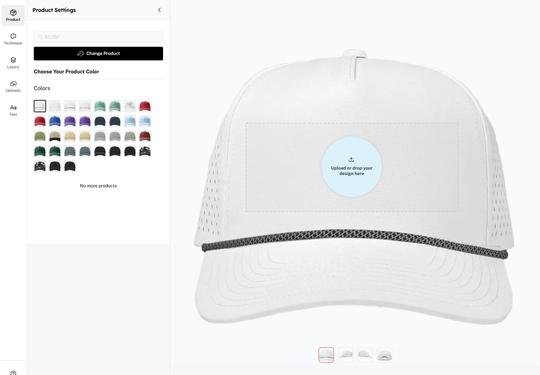
Customers can also use the online hat customizer to select a style, upload artwork, review customization options, and request a free mockup.
7. Review a Mockup and Approve a Sample
A digital mockup helps confirm basic placement, size, and color. However, it cannot fully demonstrate the texture, fit, fabric, stitch quality, or final colors of a physical product.
Before approving production, check:
- Product style and color
- Fit and dimensions
- Logo size
- Logo position
- Thread or print colors
- Embroidery density
- Patch shape and border
- Small-text readability
- Fabric distortion
- Stitching quality
- Label information
- Packaging
Sample approval is especially important for detailed embroidery, custom patches, new materials, unfamiliar products, and larger orders.
8. Calculate Your Merchandise Price
To determine the true cost of your merchandise, include more than the blank product price.
Your total landed cost may include:
- Blank product
- Decoration
- Digitizing or setup
- Custom labels
- Packaging
- Sample charges
- Freight
- Import duties
- Warehousing
- Payment processing
- Fulfillment
- Returns and damaged products
- Marketing expenses
If the merchandise will be sold, select a retail price that provides sufficient margin while remaining appropriate for your audience.
Brands should also consider perceived value. Premium materials, distinctive decoration, custom packaging, and limited-edition designs may support a higher selling price.
9. Launch and Promote Your Merch
Once the products are approved, create a coordinated launch plan.
Common sales and distribution channels include:
- Brand website
- Shopify store
- Social media
- Email marketing
- Retail locations
- Pop-up shops
- Trade shows
- Concerts
- Club events
- Corporate gifting programs
- Influencer partnerships
- Online marketplaces
Effective launch content may include:
- Product photography
- Lifestyle images
- Short videos
- Behind-the-scenes production
- Design stories
- Customer photos
- Limited-edition countdowns
- Early-access offers
- Product bundles
- Employee or ambassador content
After launch, monitor sales, returns, customer feedback, preferred colors, and best-selling products. Use the results to plan reorders and future collections.
Why Custom Hats Work Well for Brand Merch
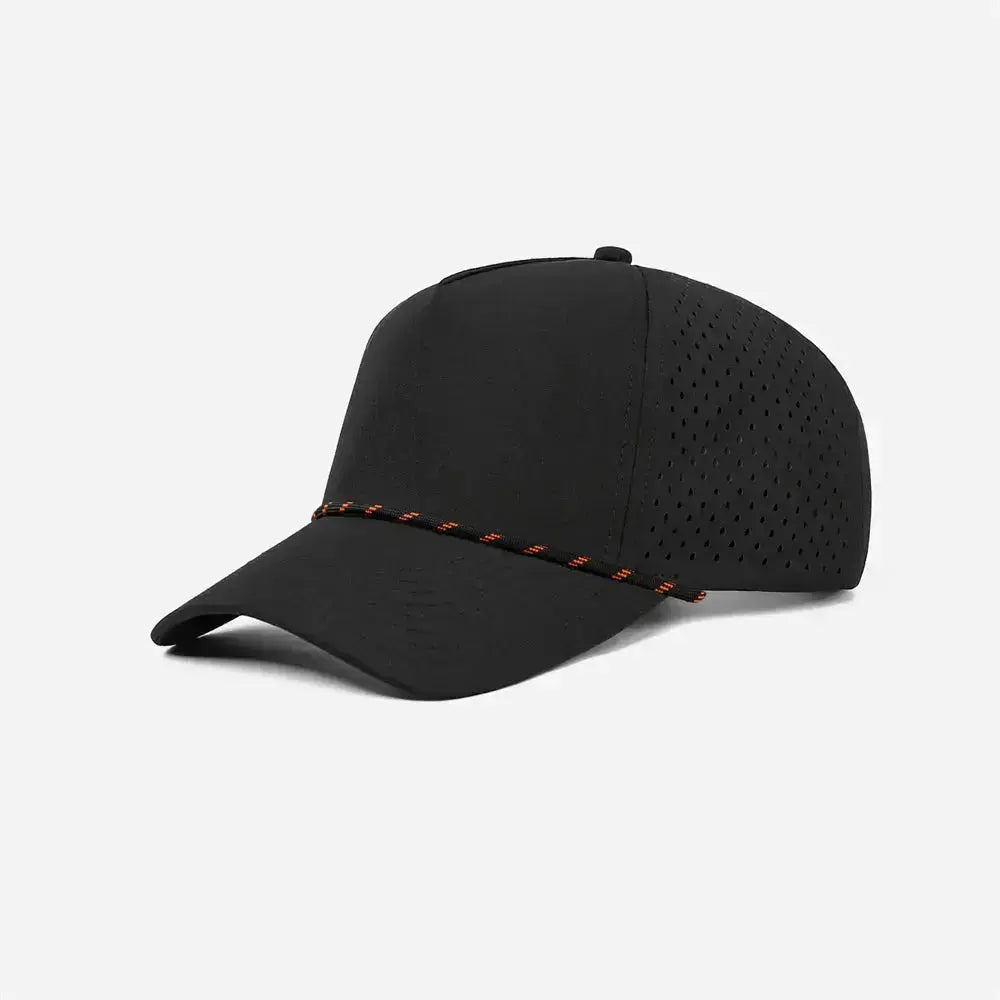
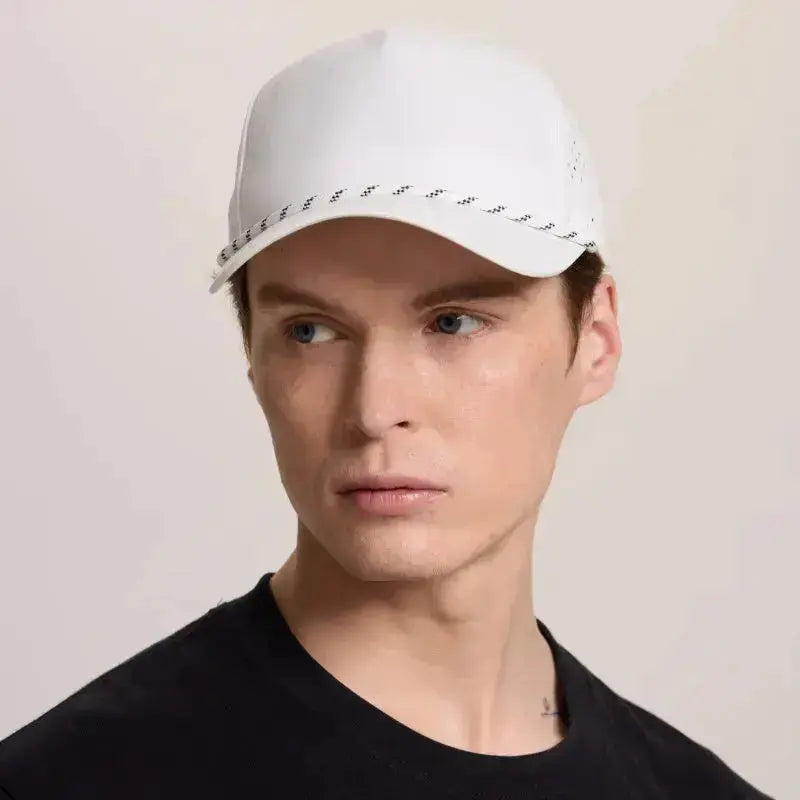
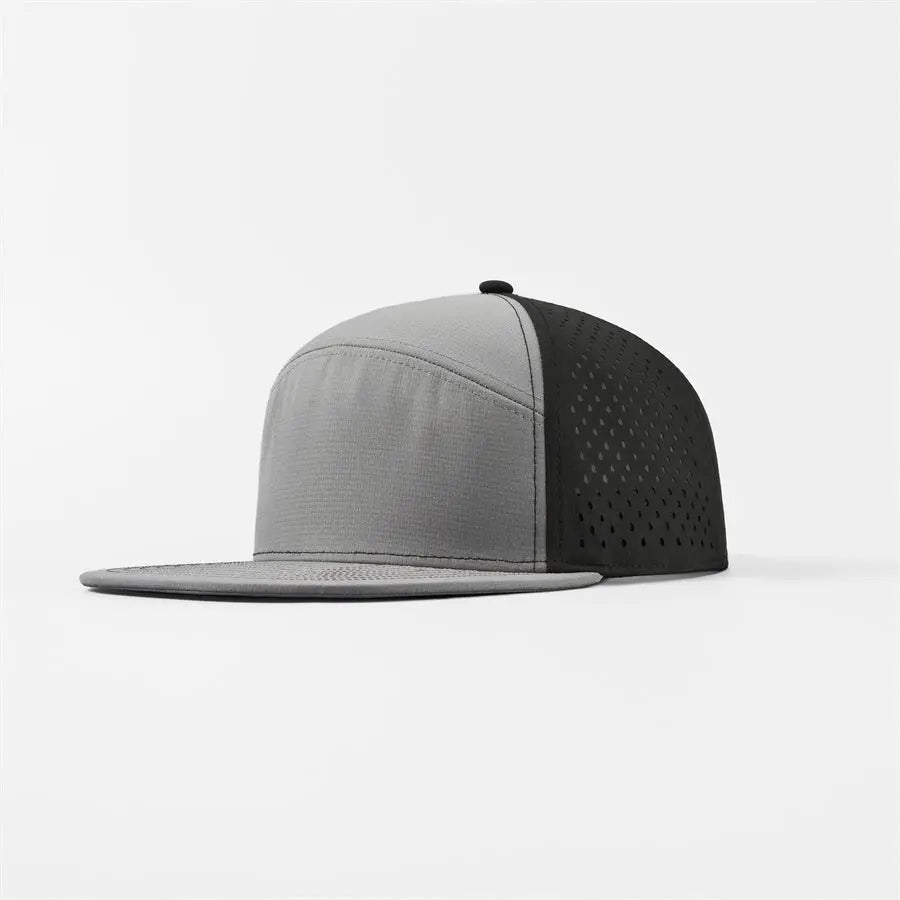
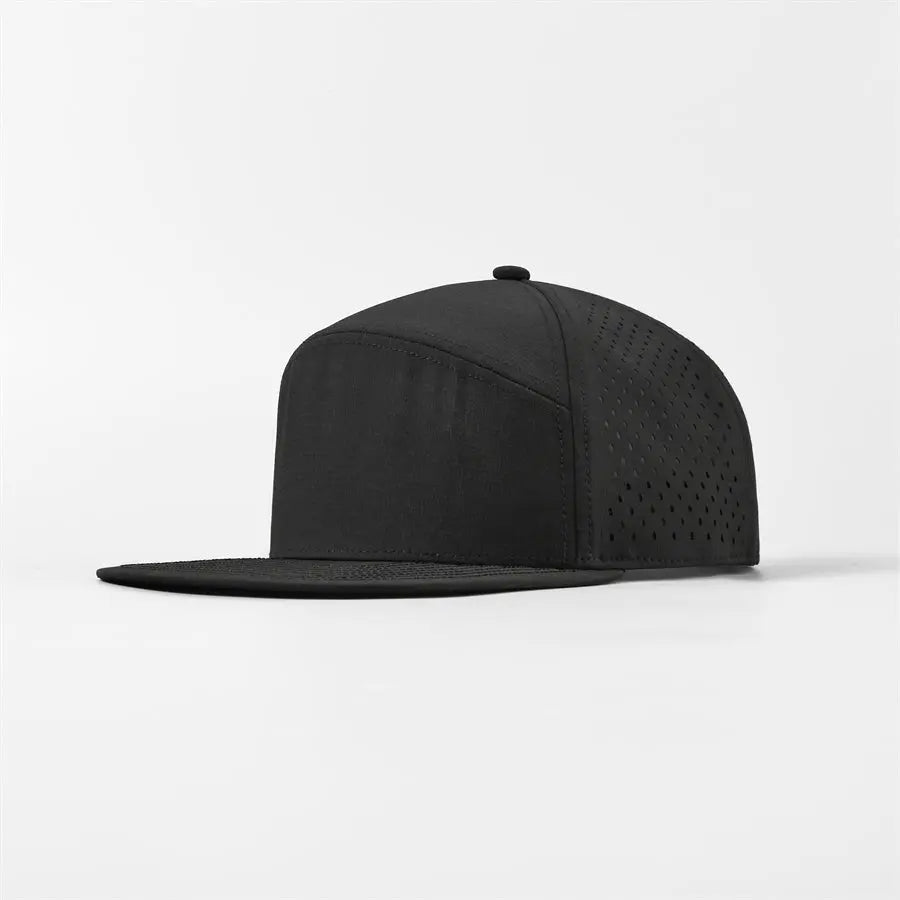
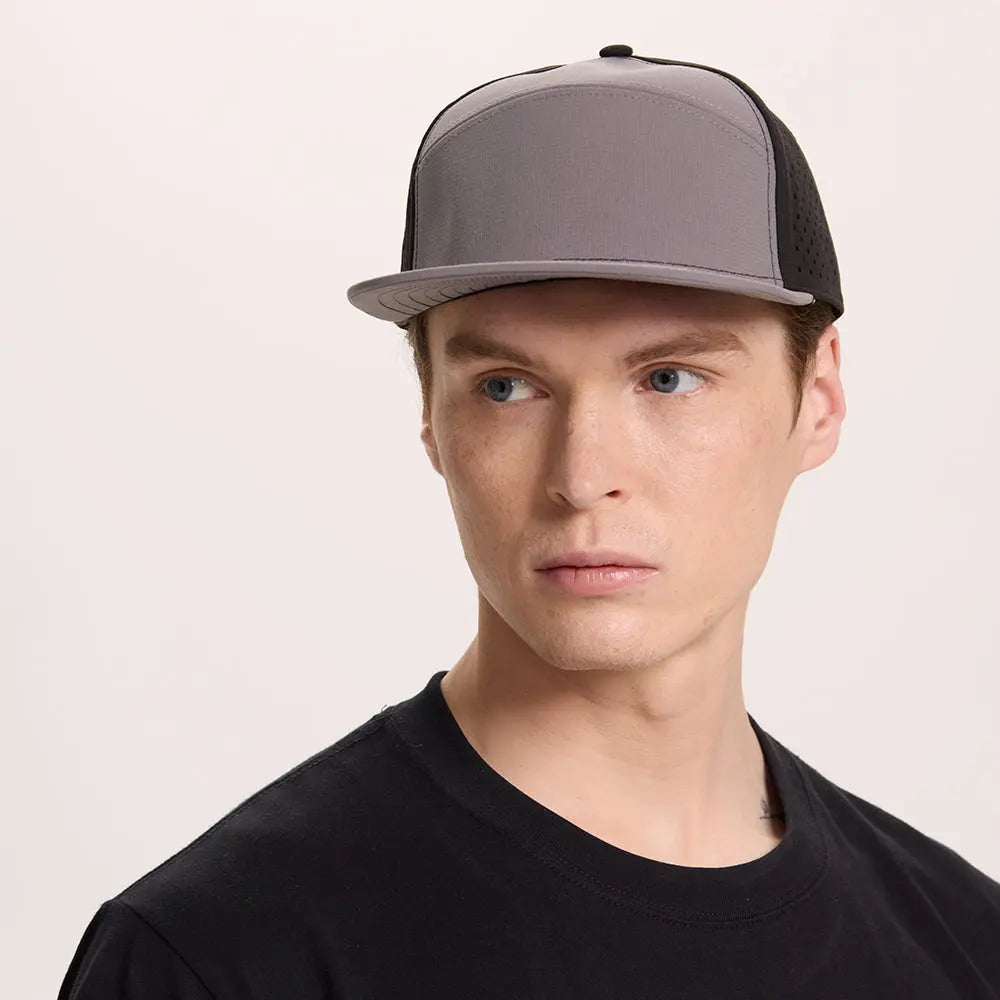
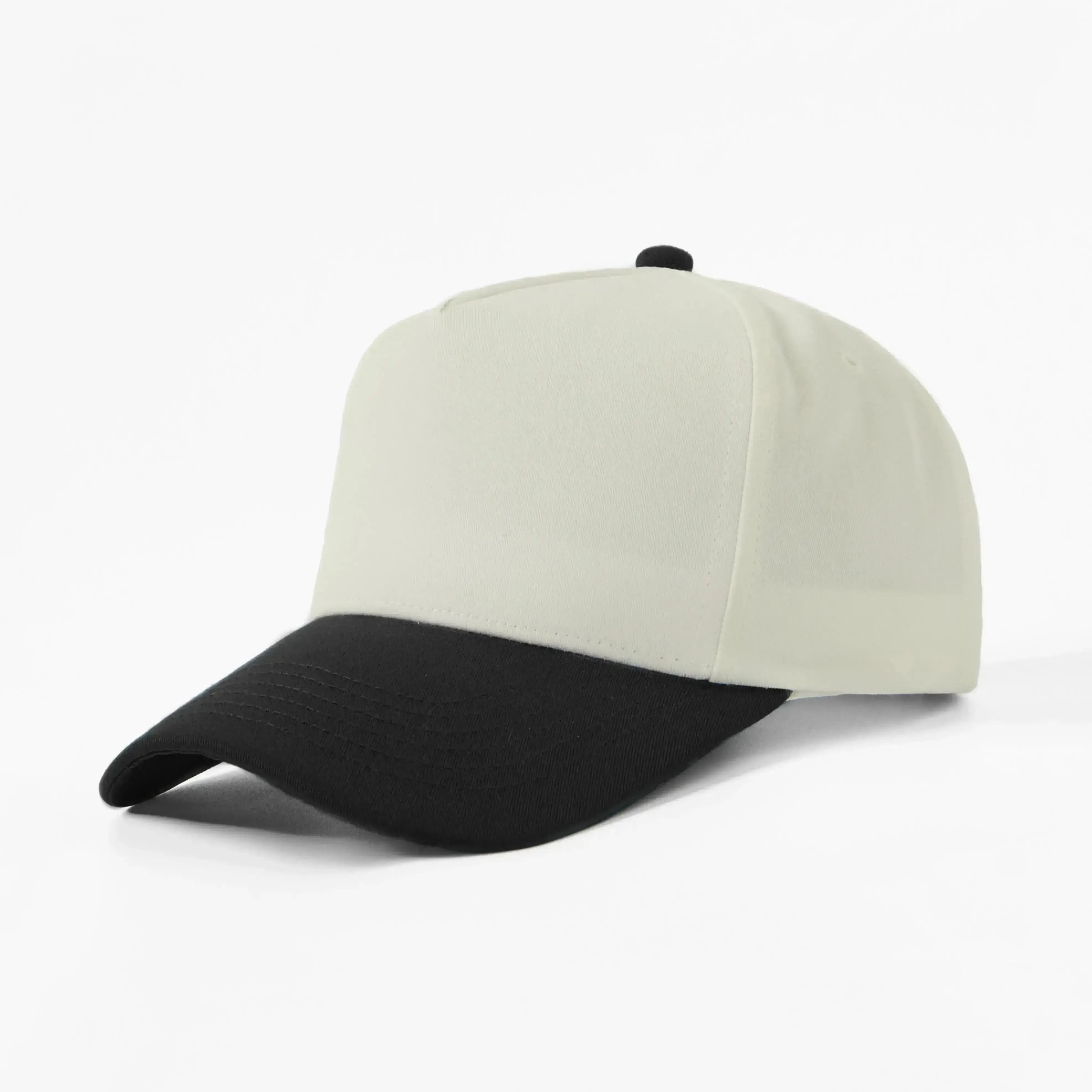
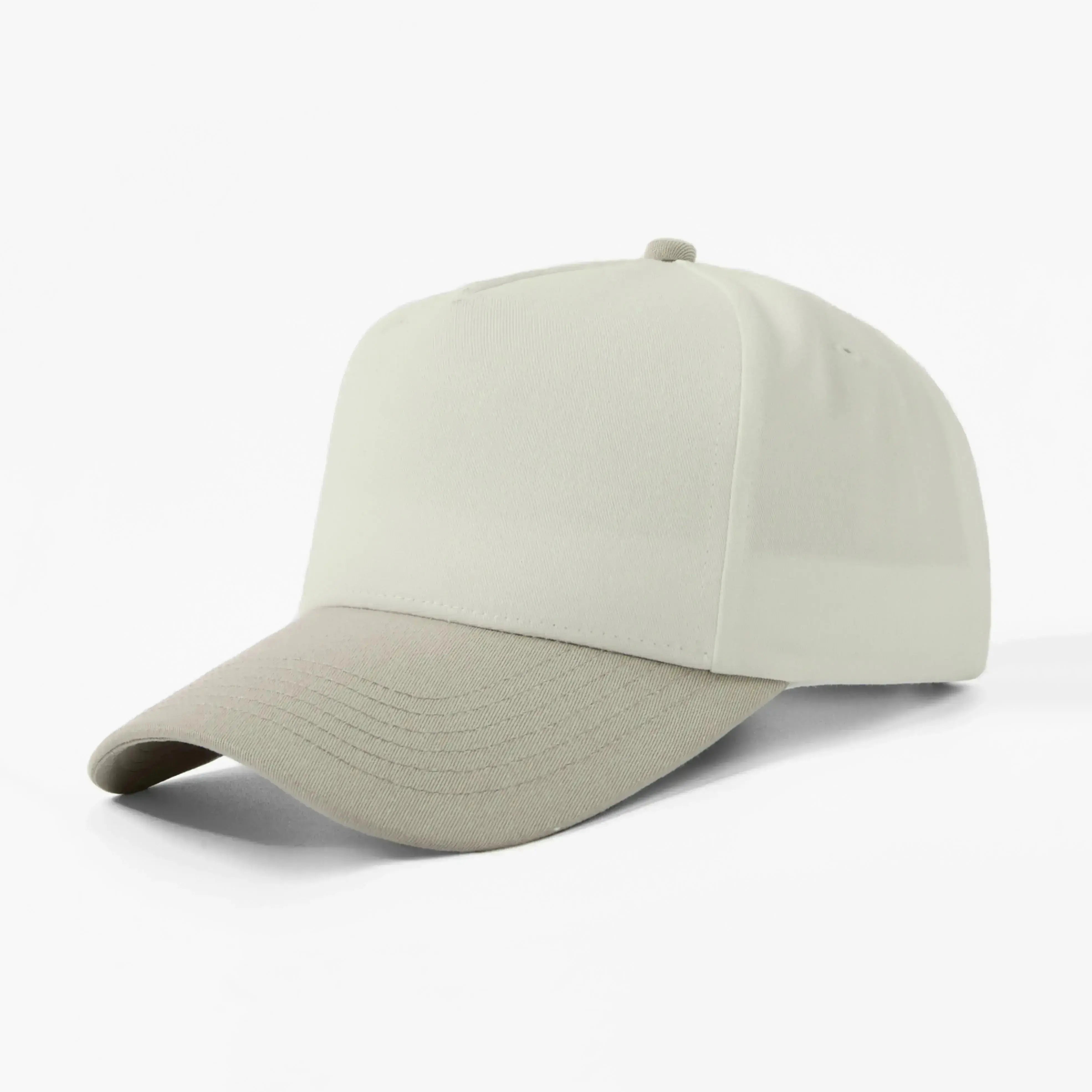
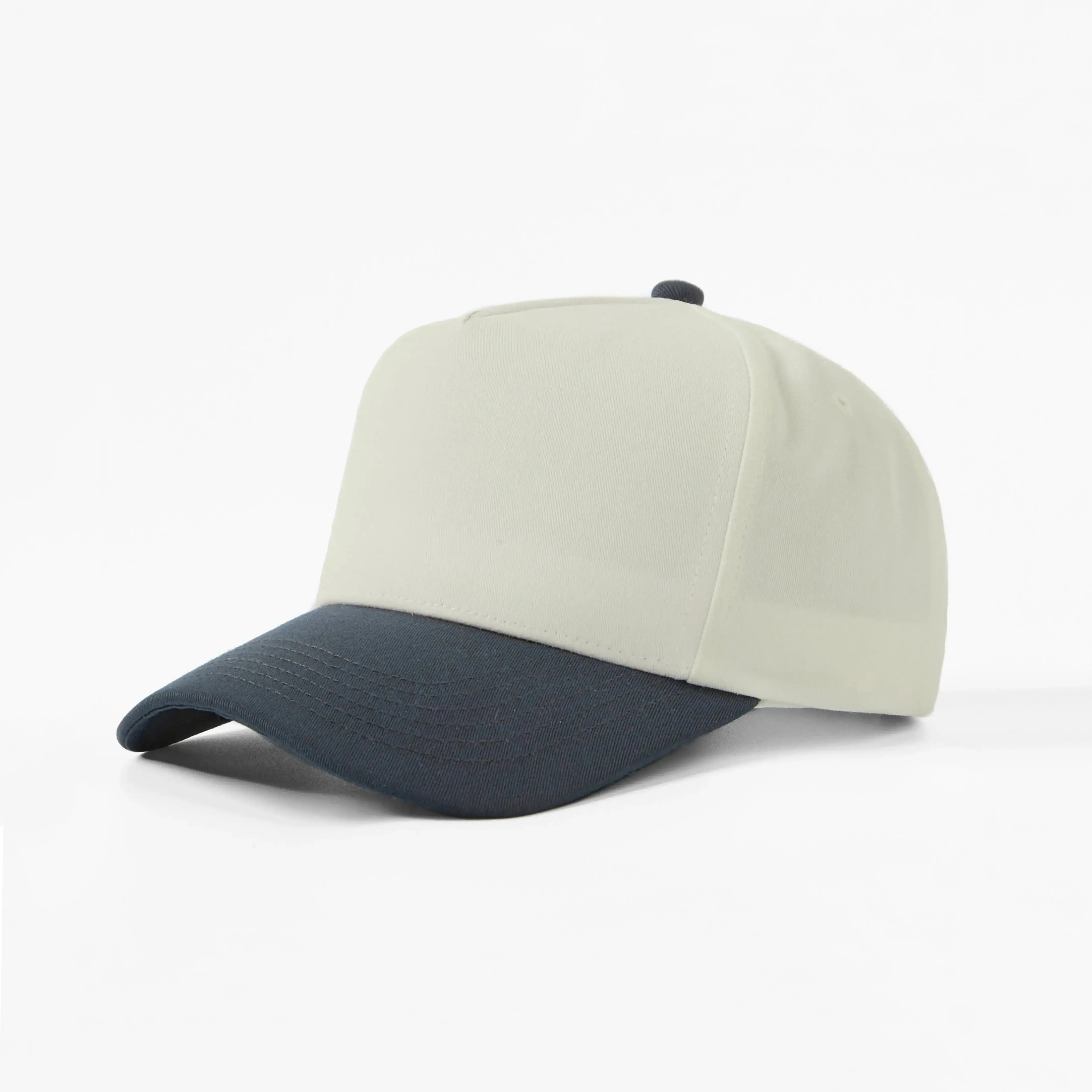
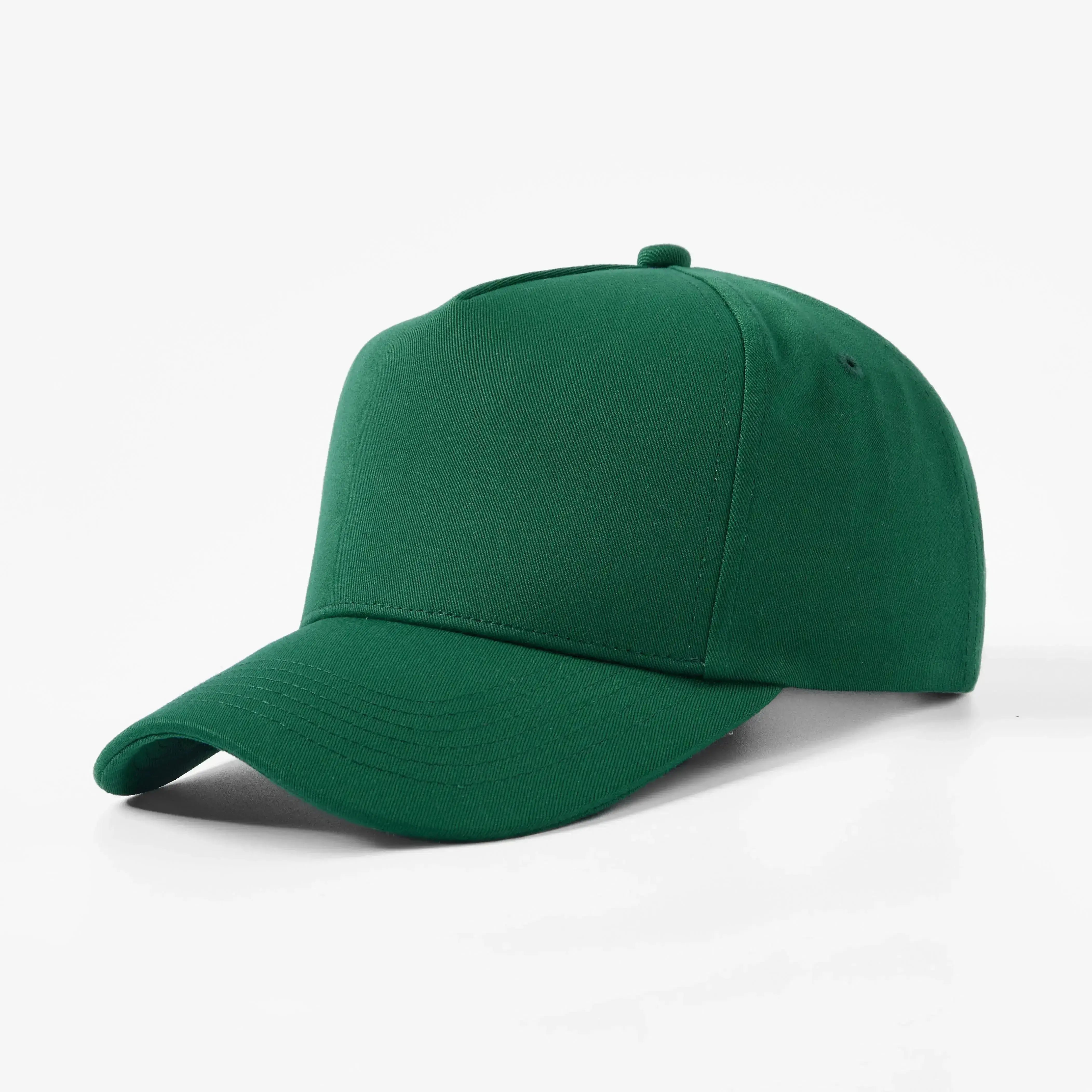
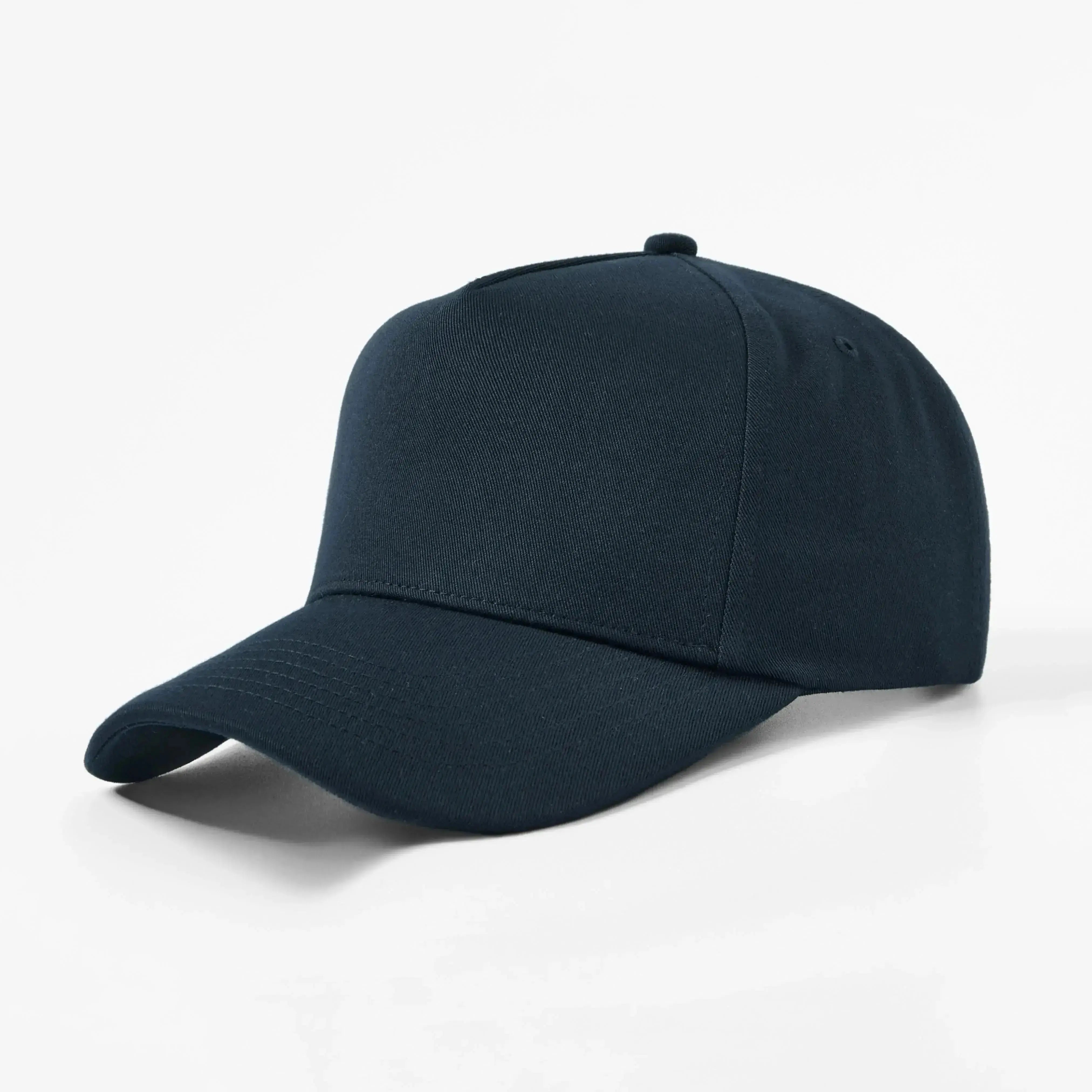
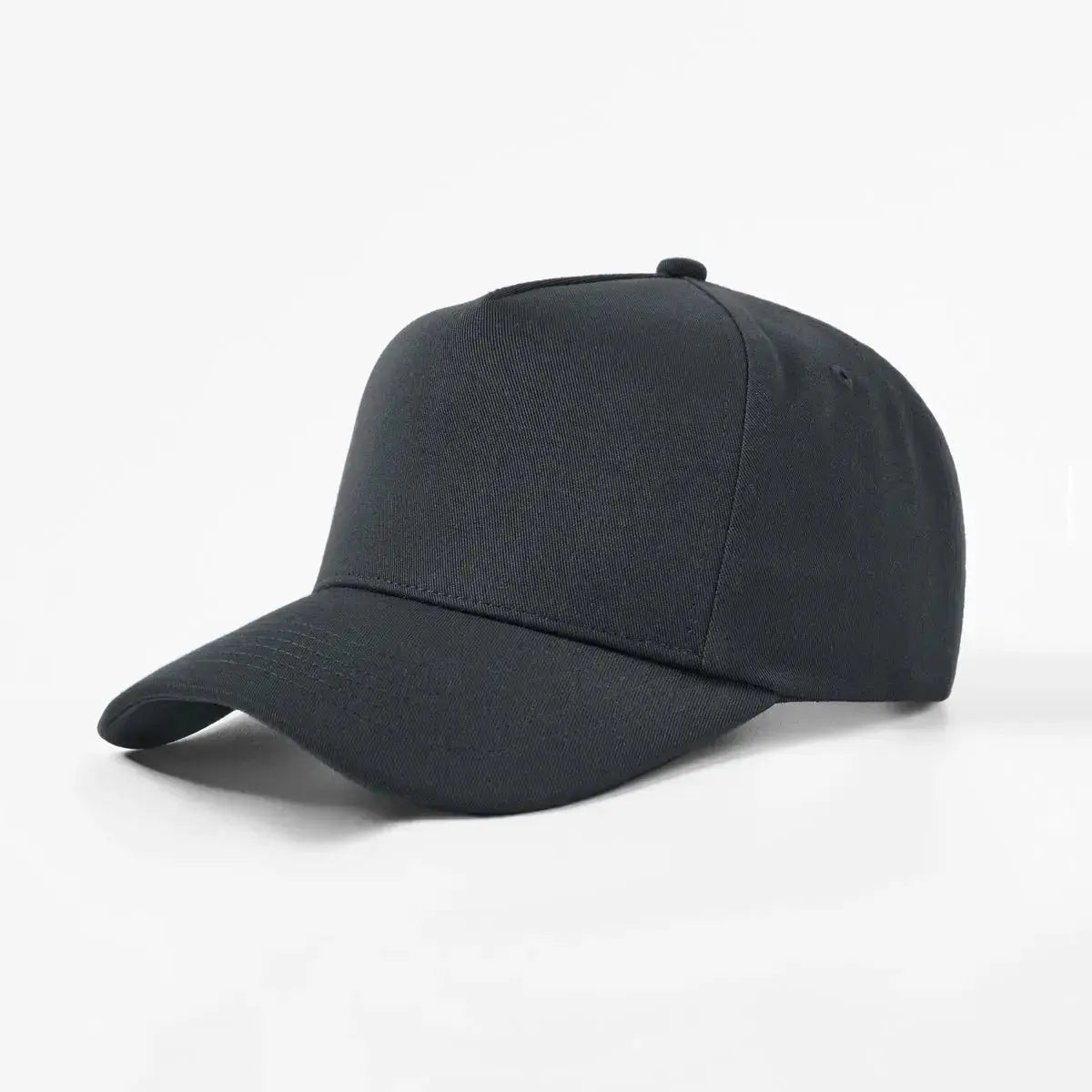
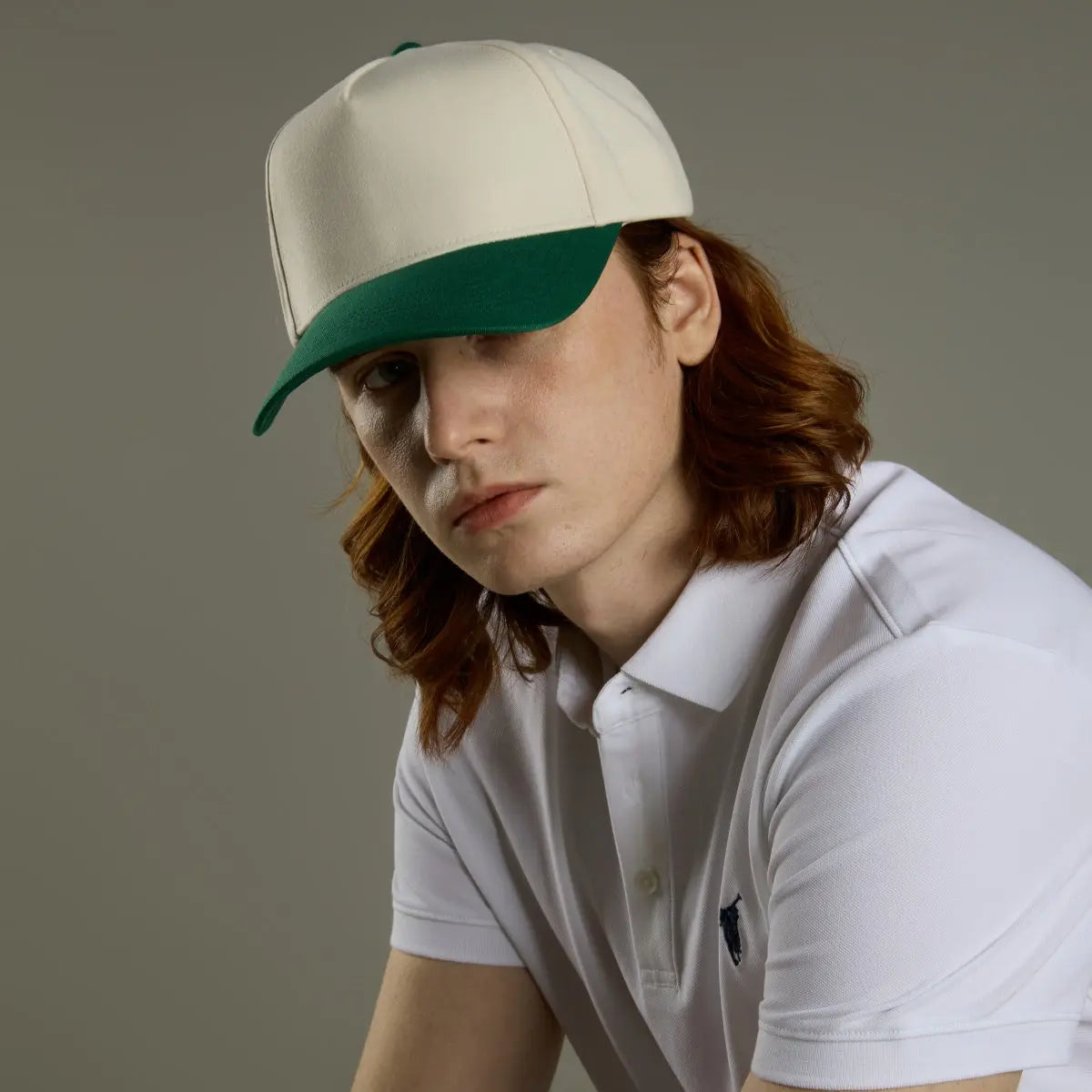
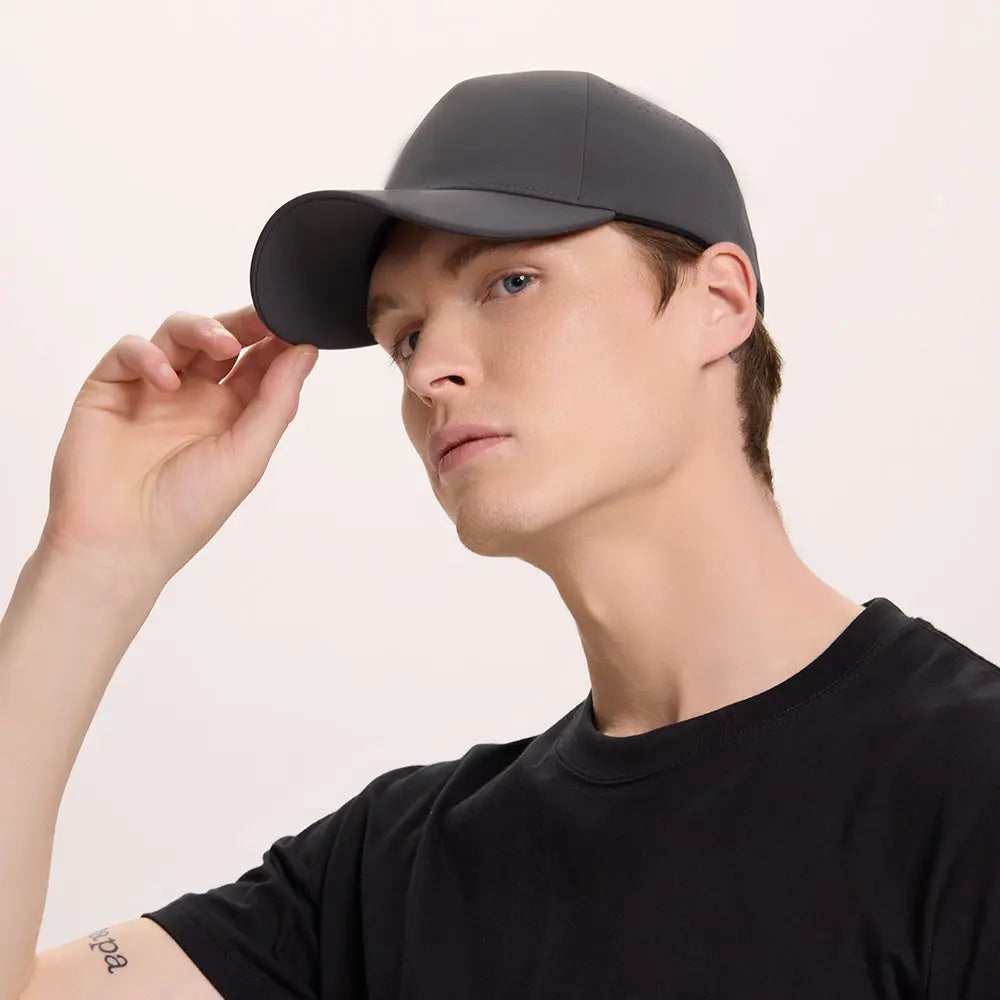
Custom hats are among the most versatile forms of branded merchandise because they combine practical use with visible logo placement.
Compared with many apparel products, adjustable hats require fewer size variations. This can simplify inventory planning for events, employee programs, retail collections, and online stores.
Popular options include:
Baseball Caps
Baseball caps have broad appeal and work well for corporate merchandise, schools, restaurants, sports clubs, and lifestyle brands.
Dad Hats
Dad hats feature a relaxed, unstructured crown and curved brim. They are suitable for minimalist embroidery, casual collections, and understated brand merch.
Trucker Hats
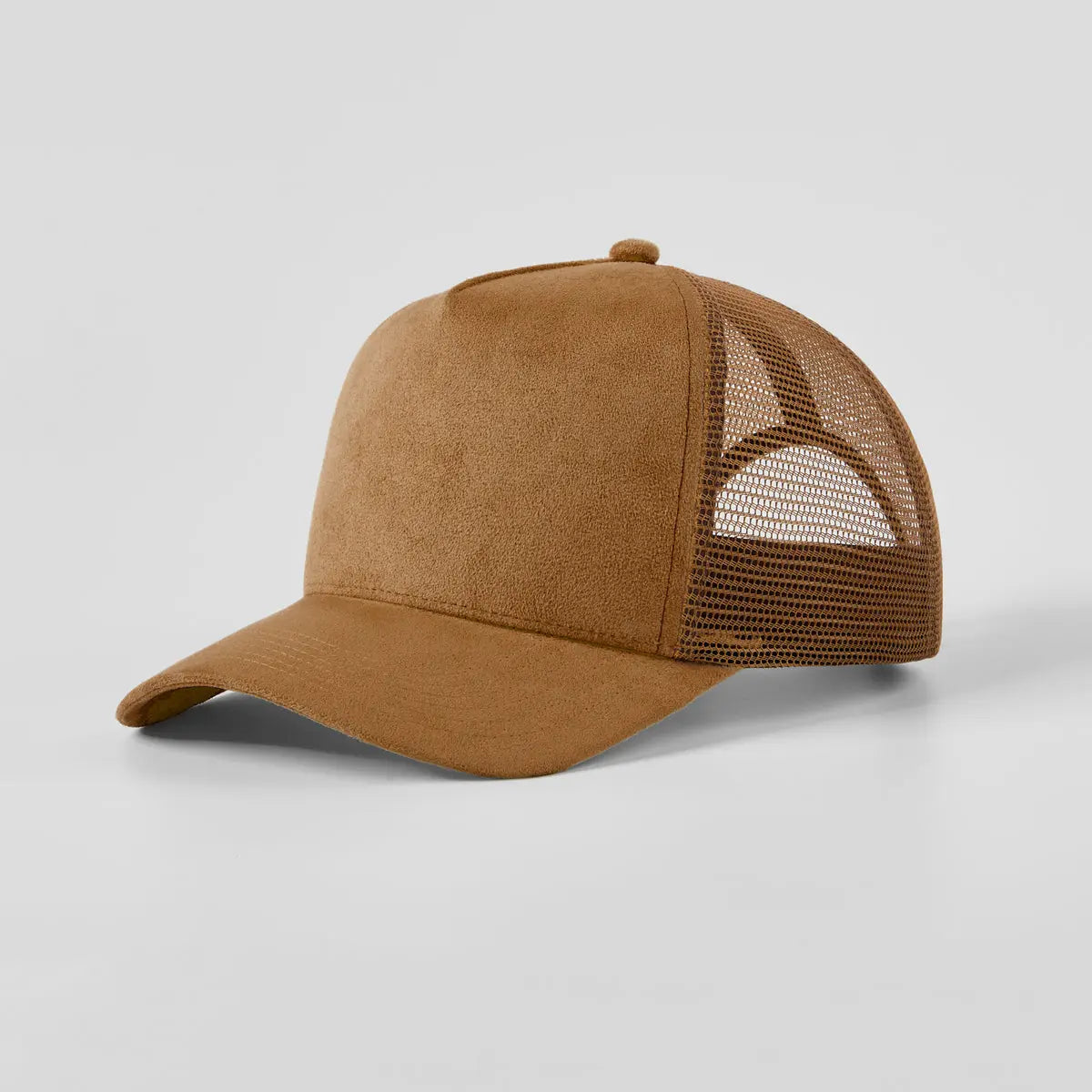
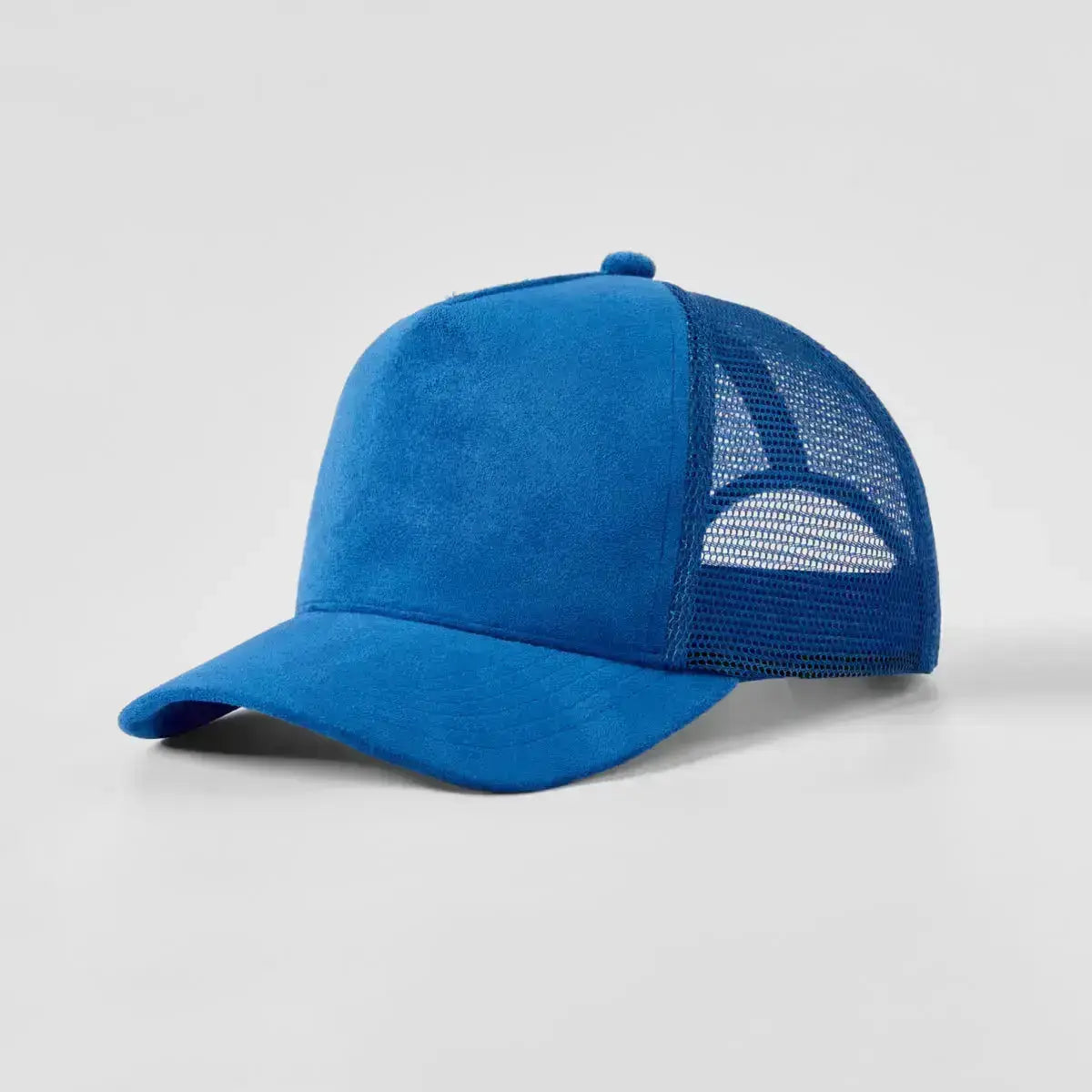
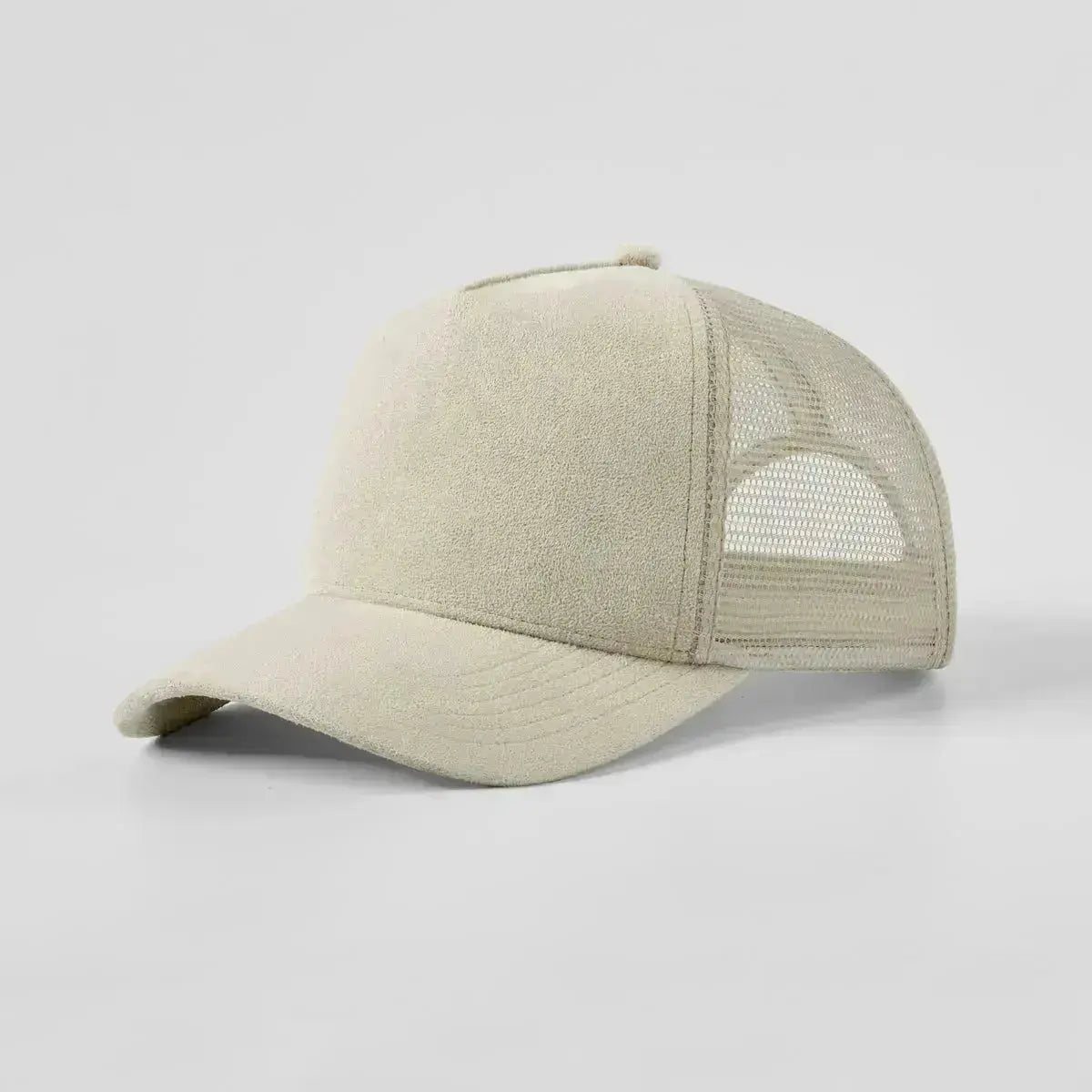
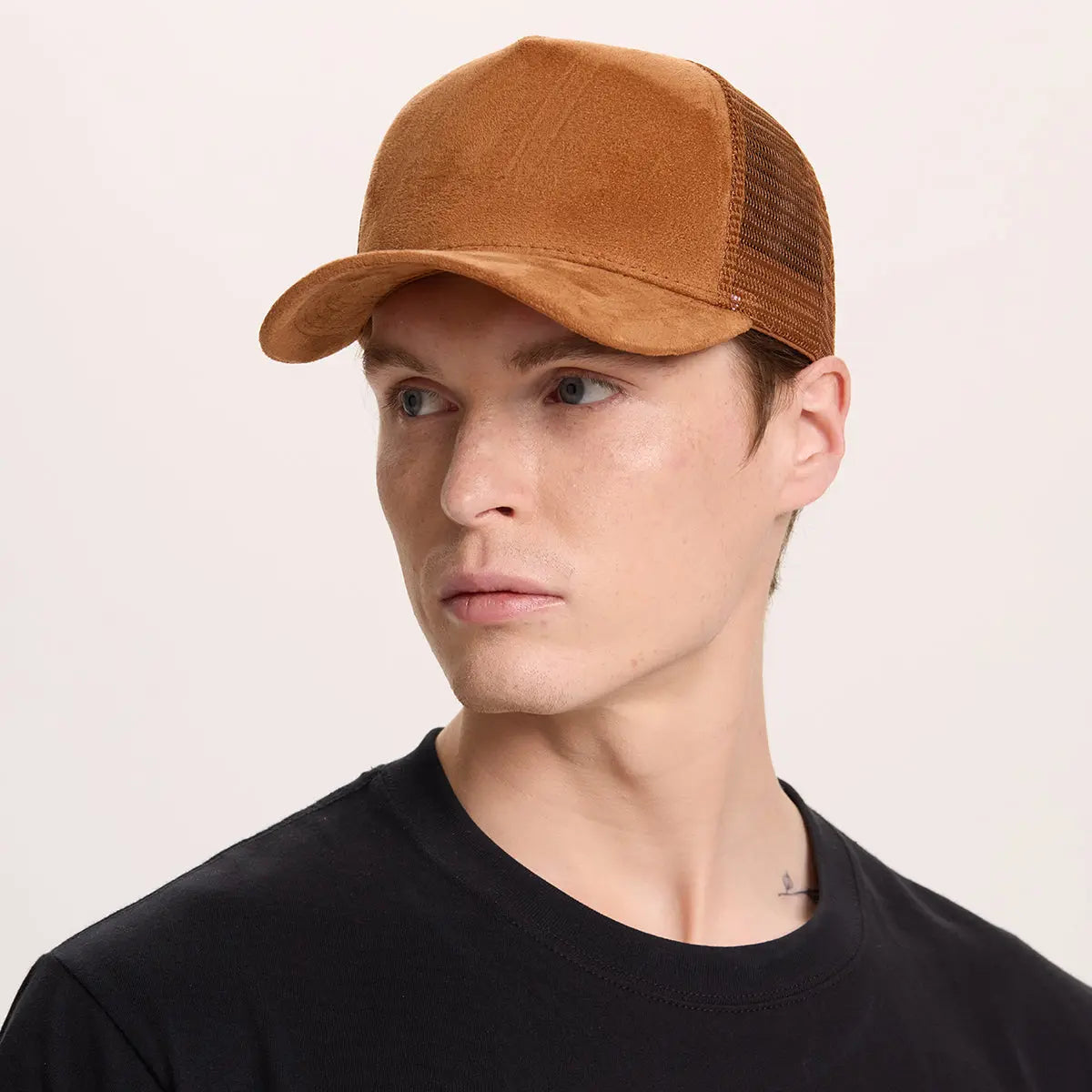
Trucker hats combine a structured front with breathable mesh back panels. They are popular with outdoor, automotive, agriculture, brewery, western, and lifestyle brands.
Performance Hats
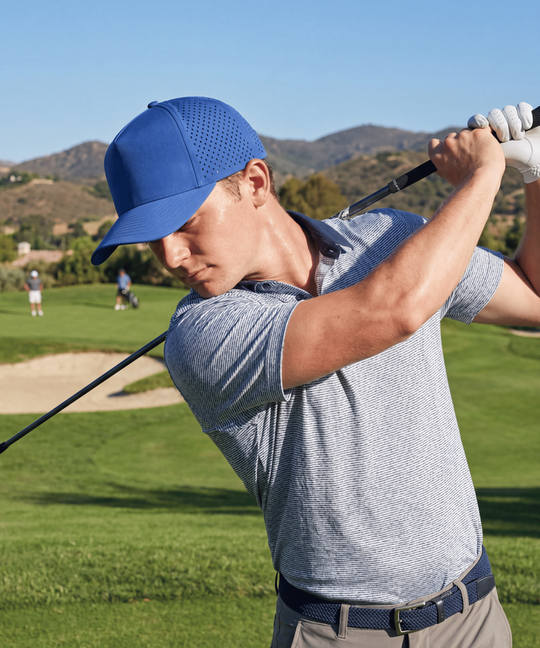
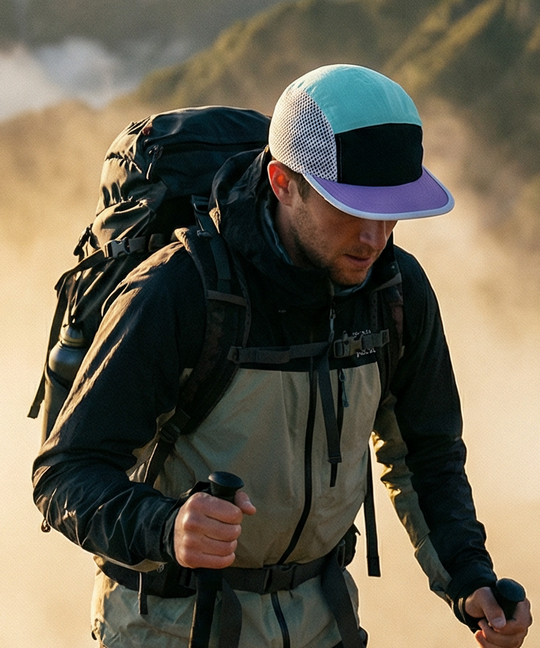
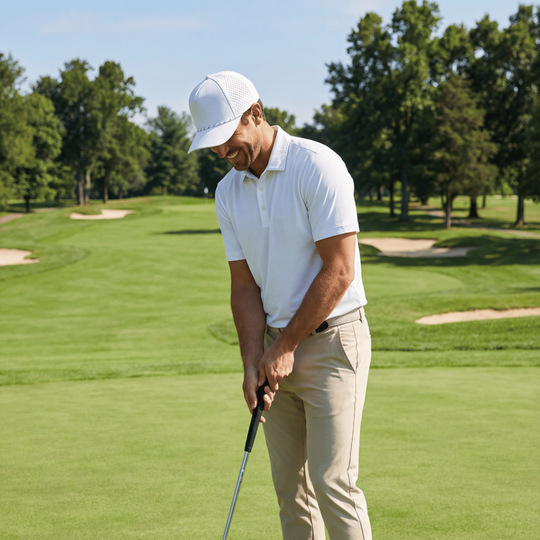
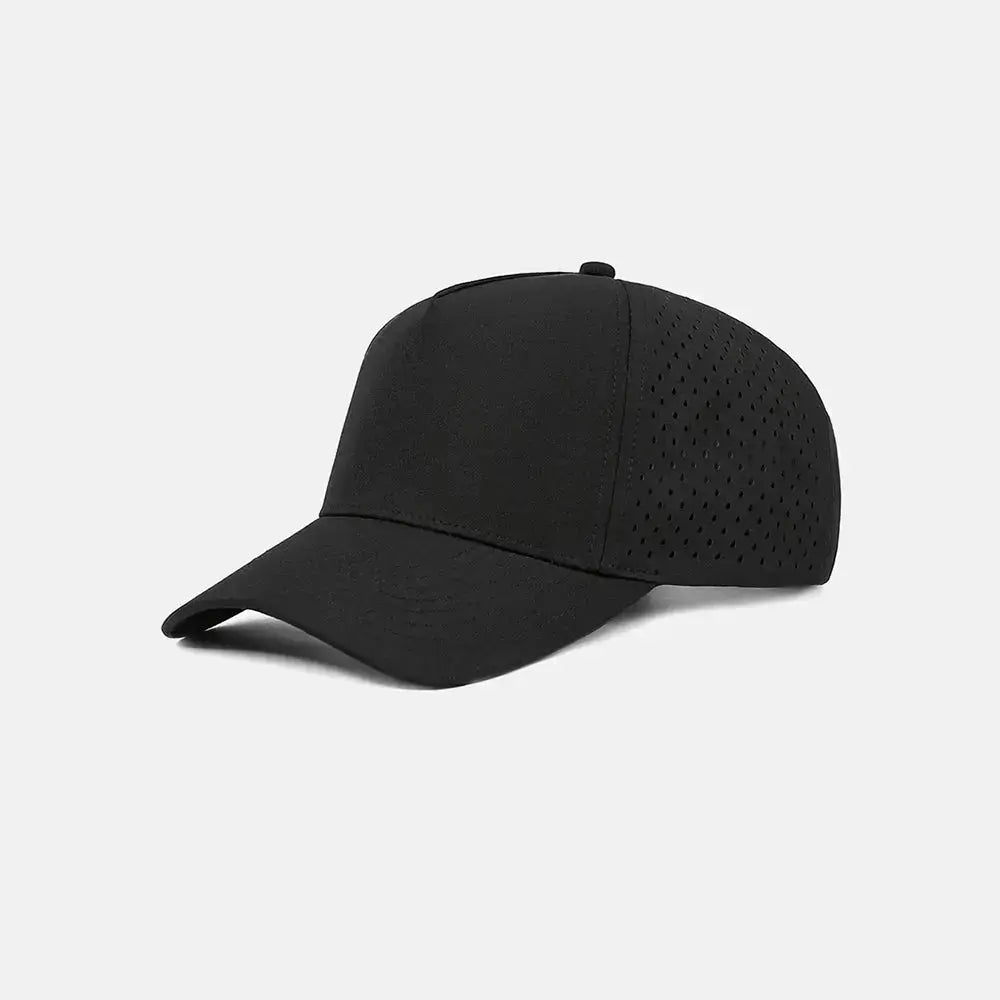
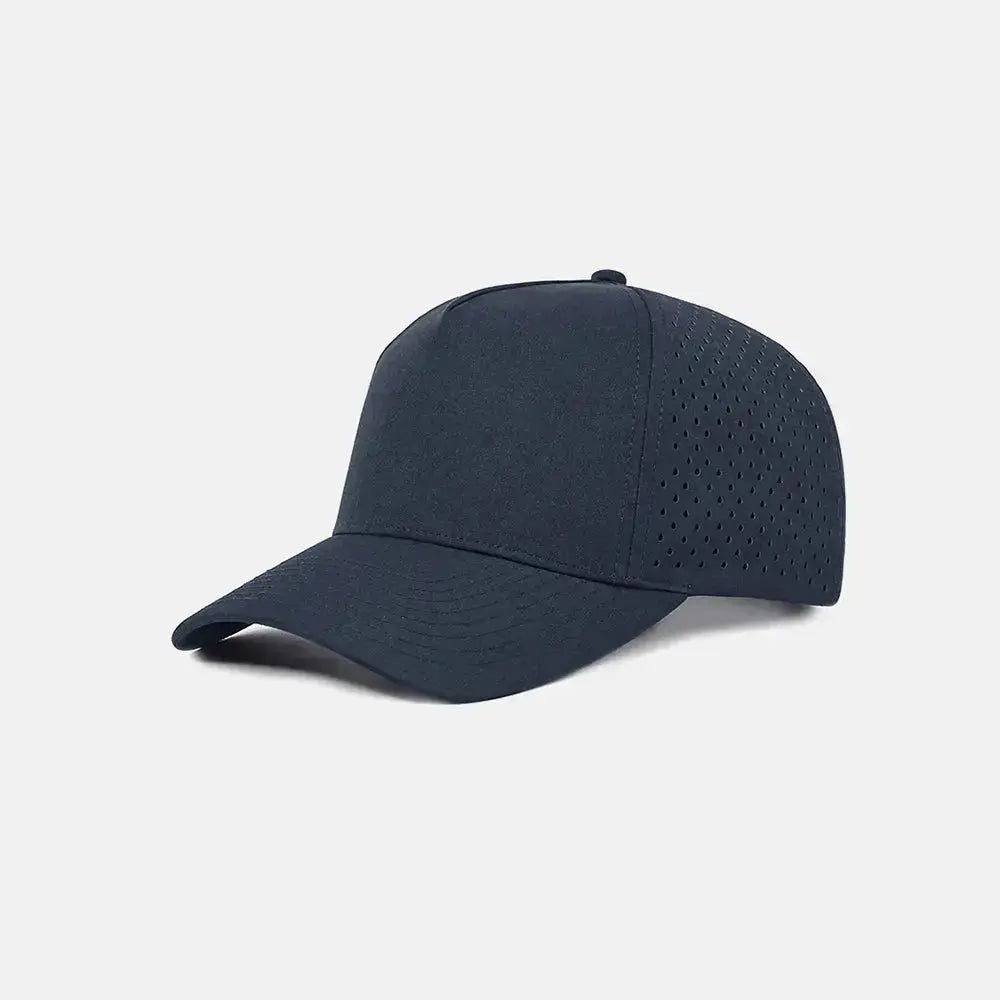
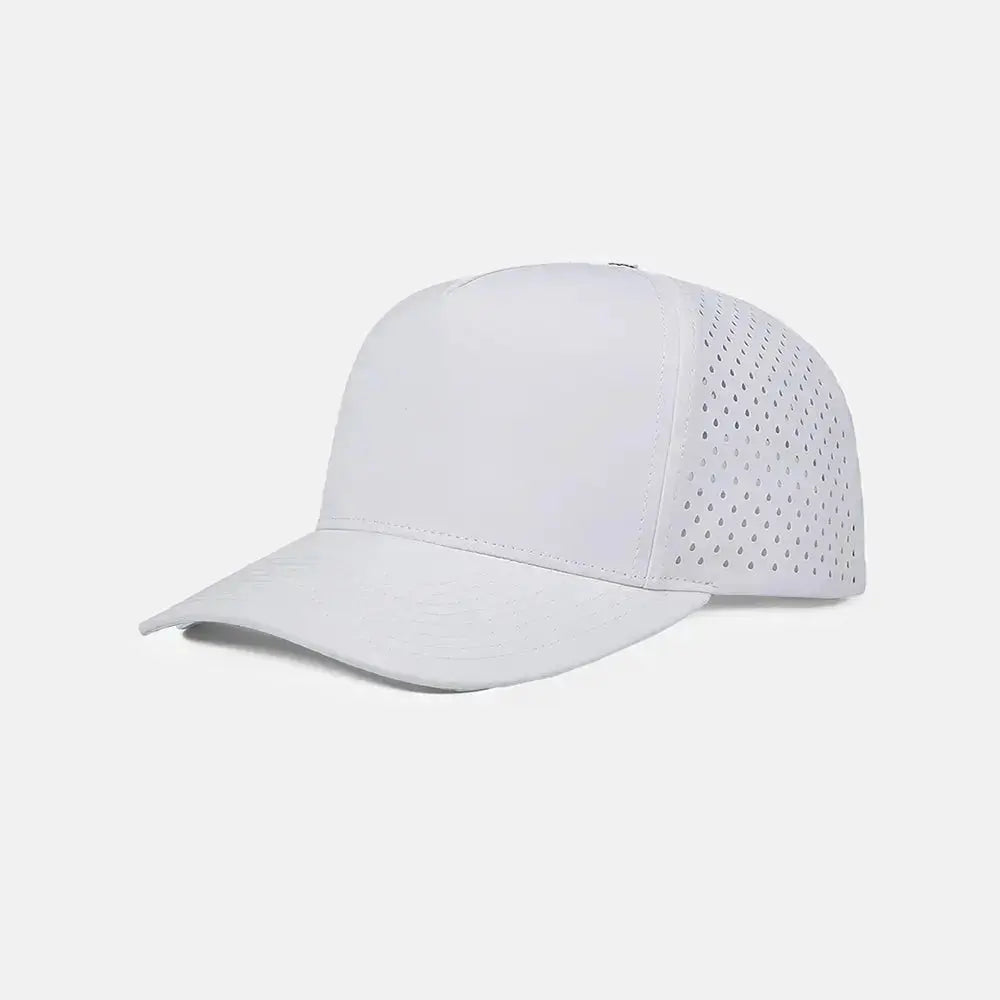
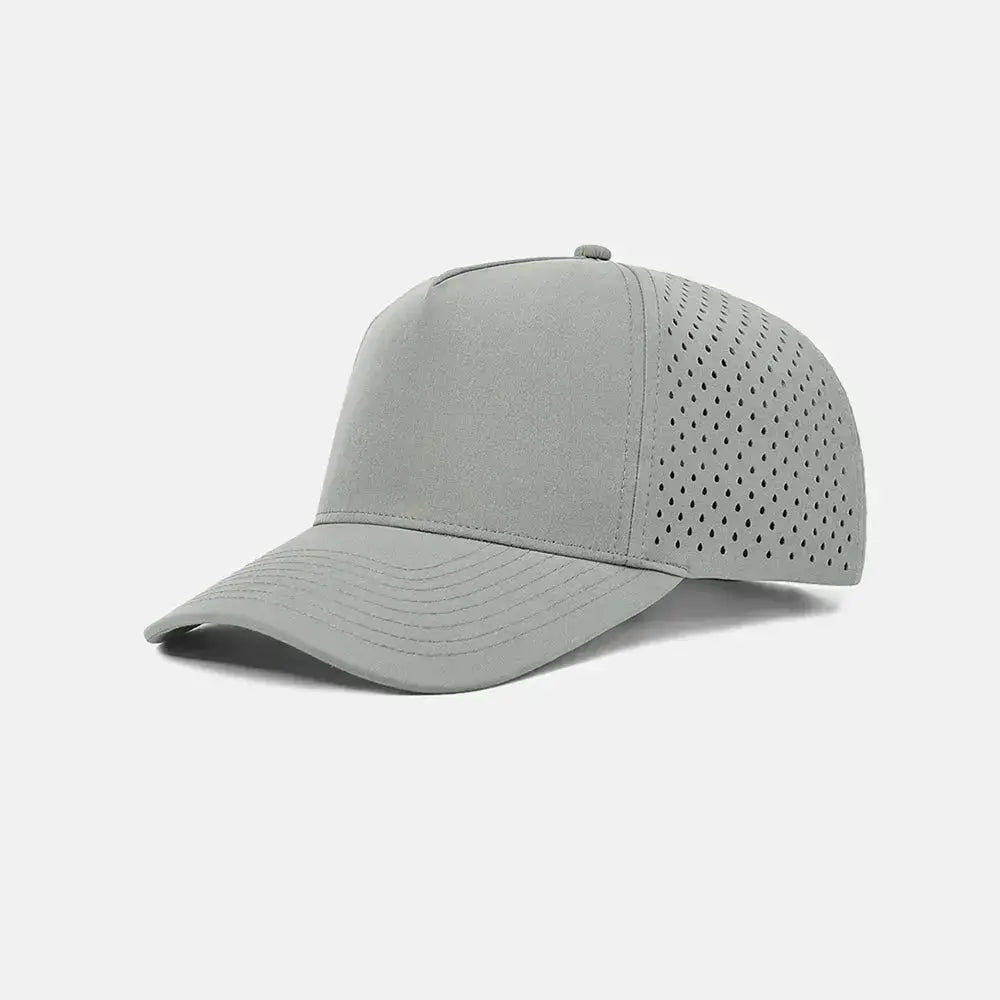
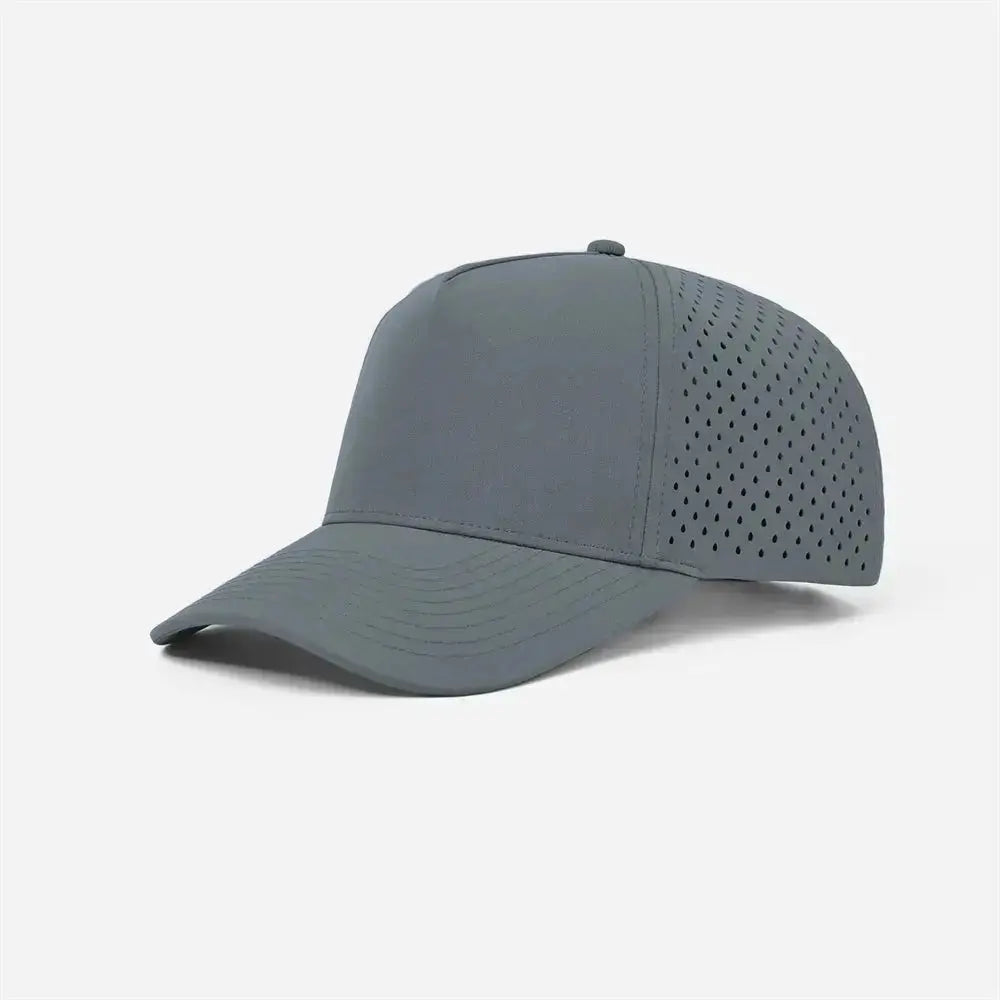
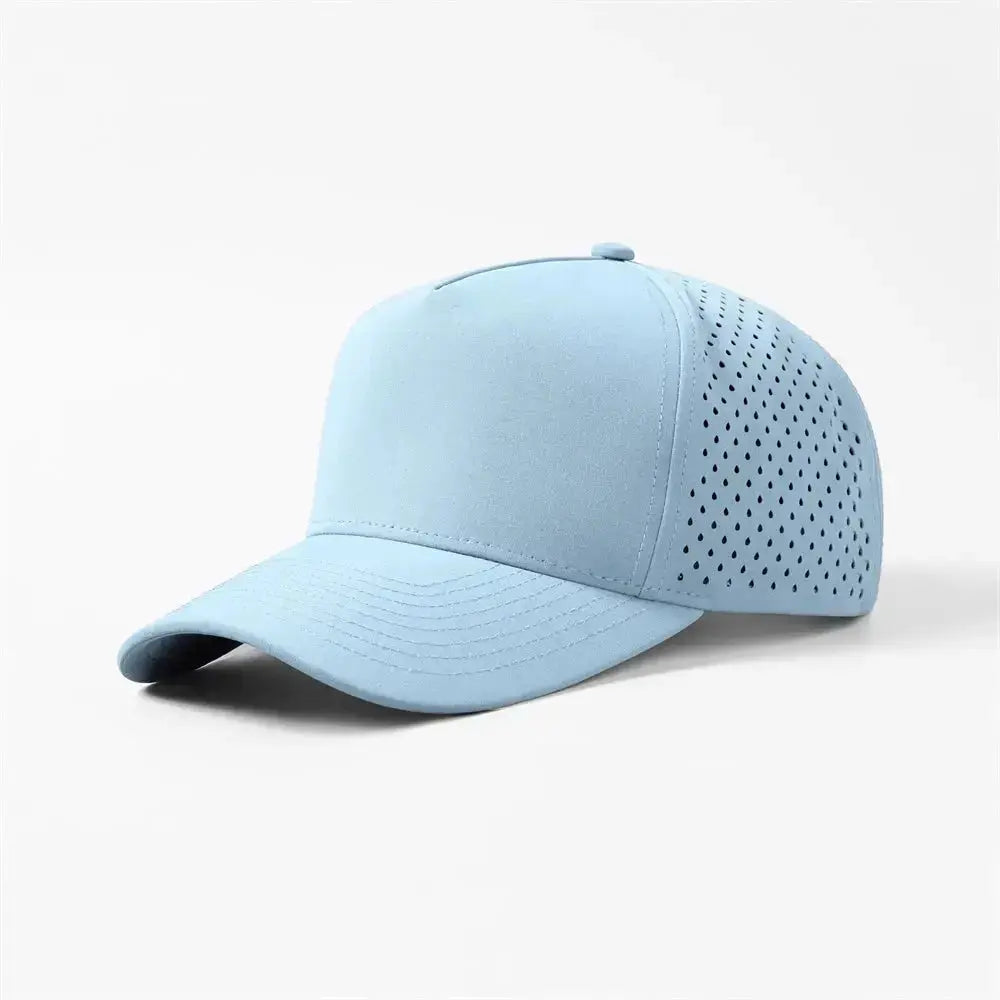
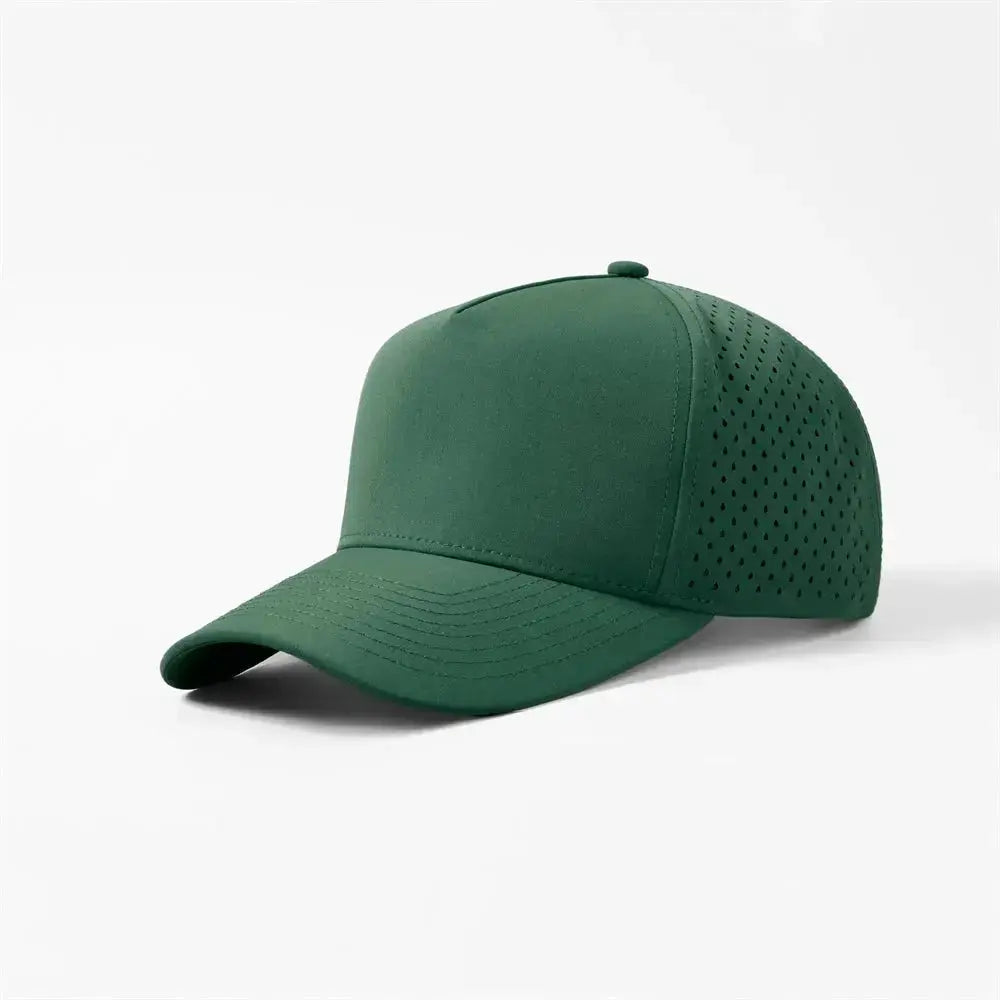
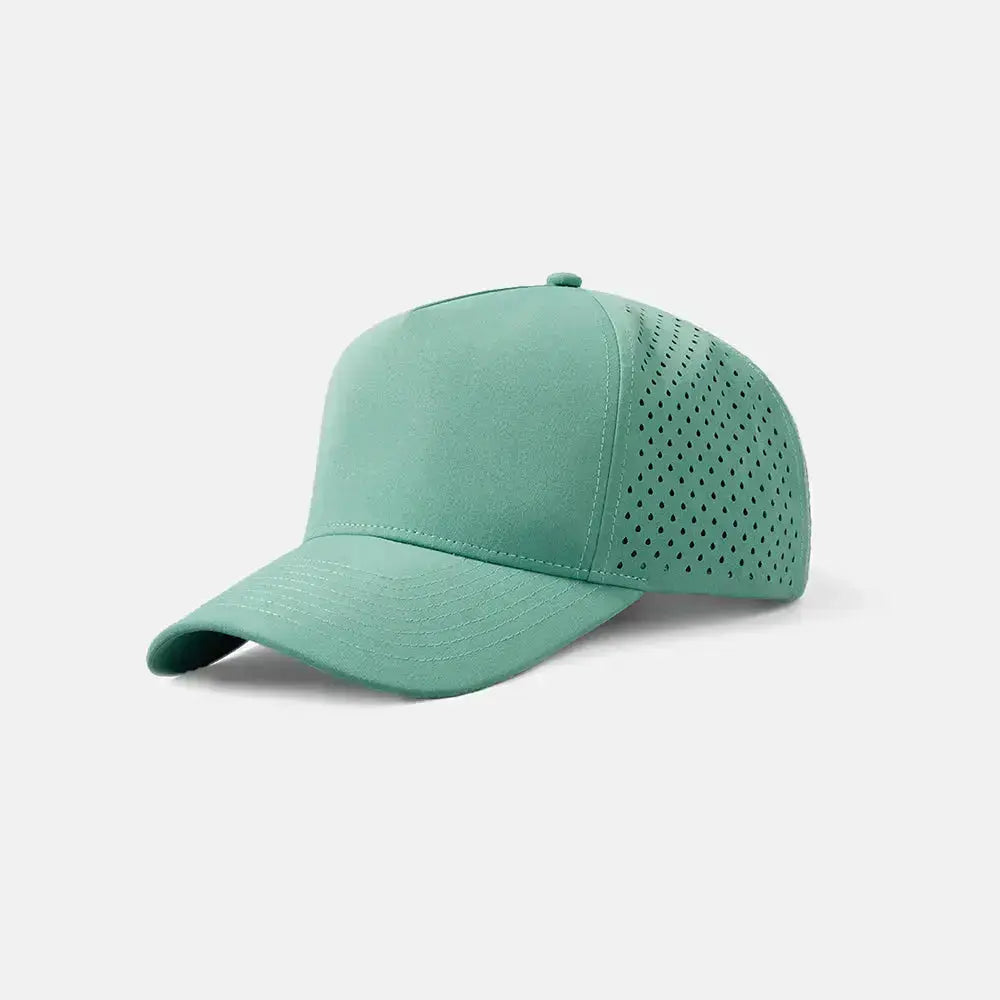
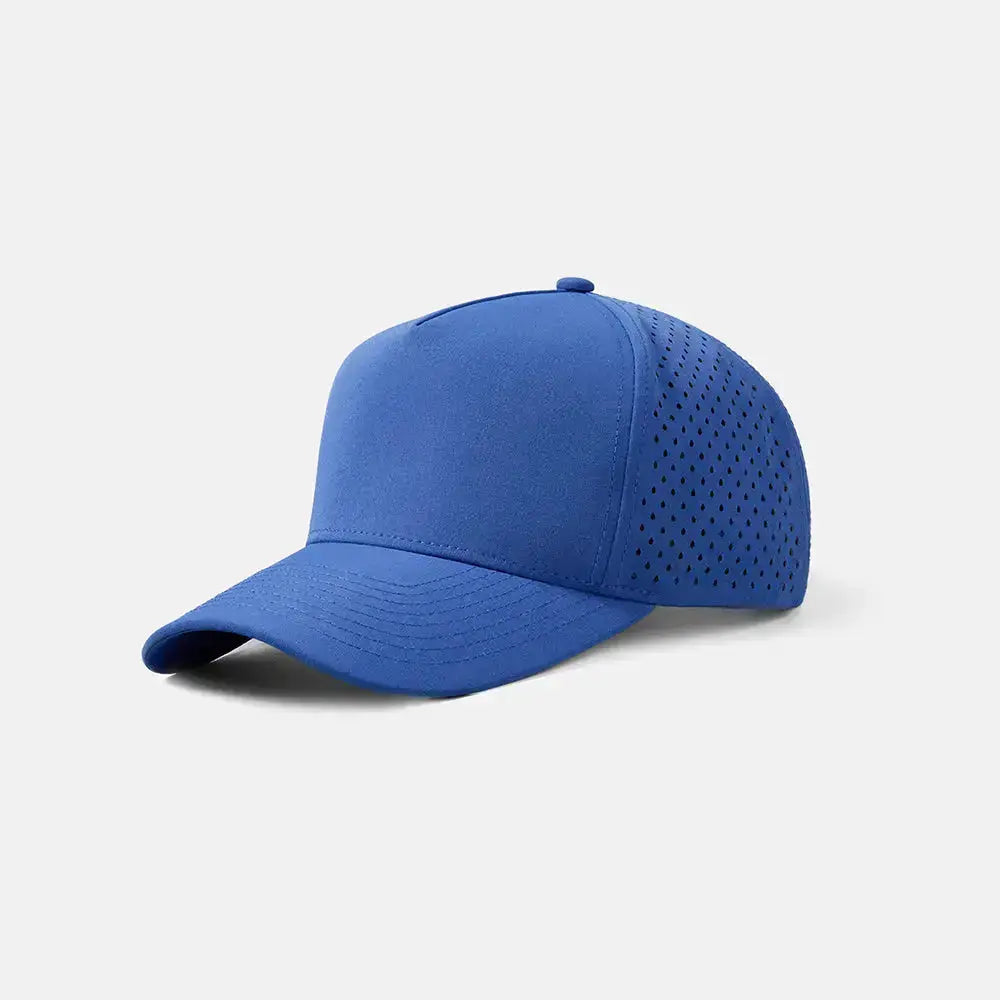
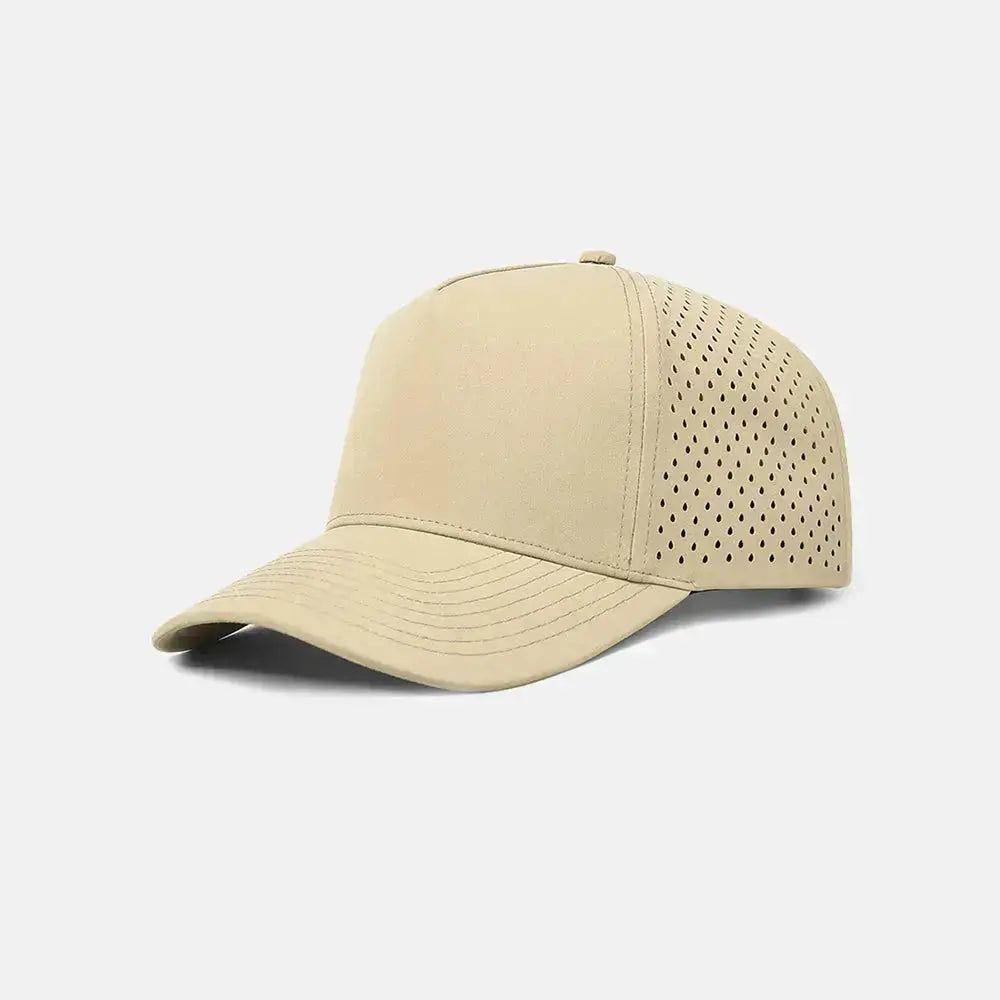
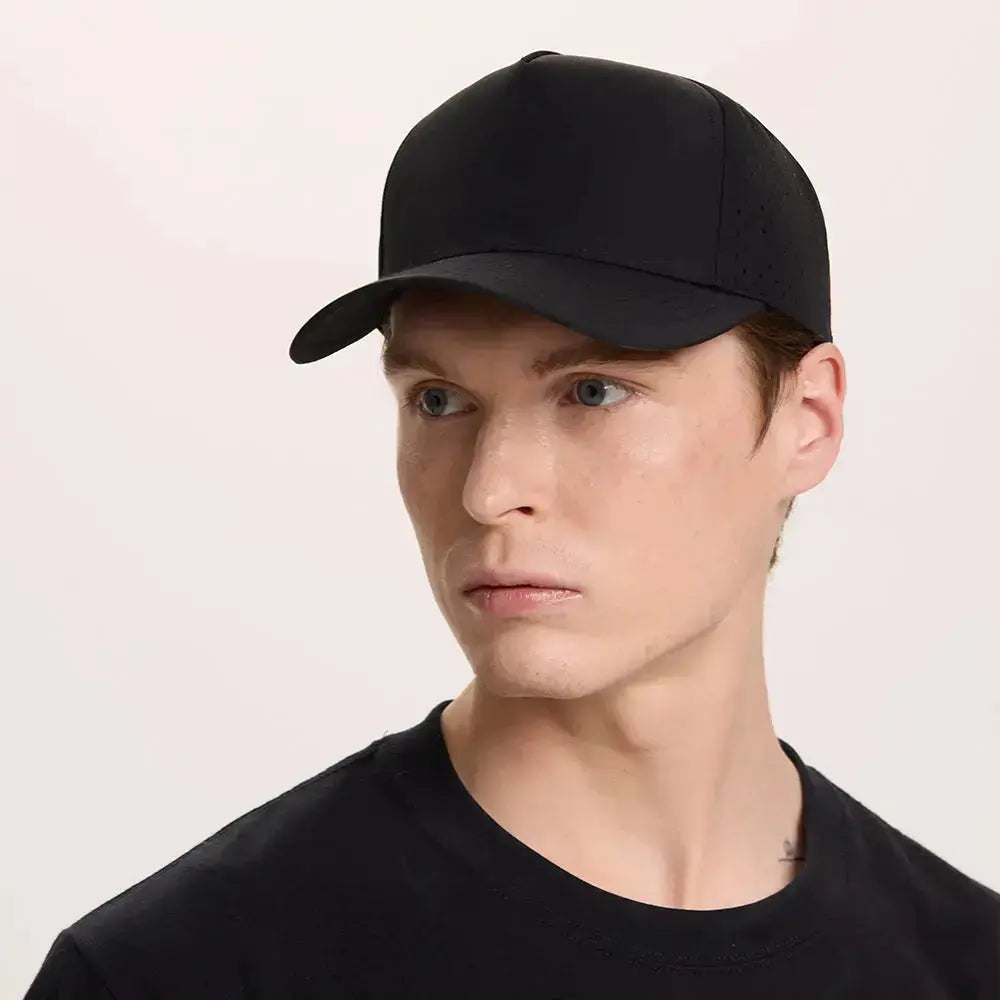
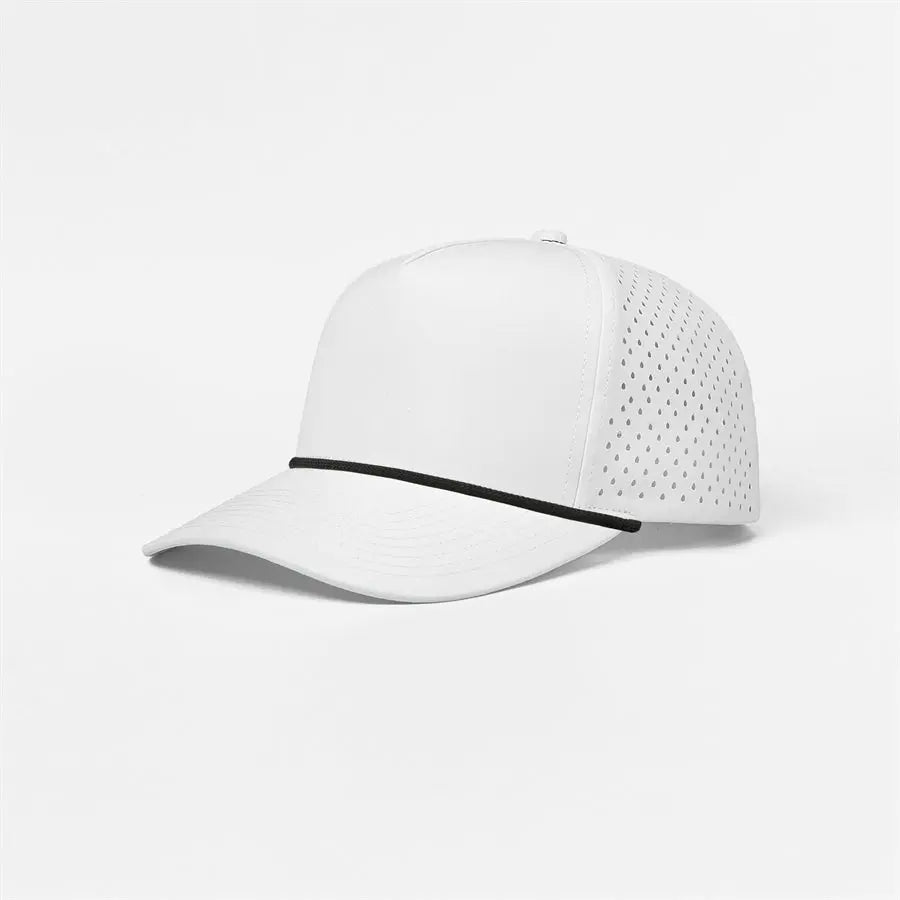
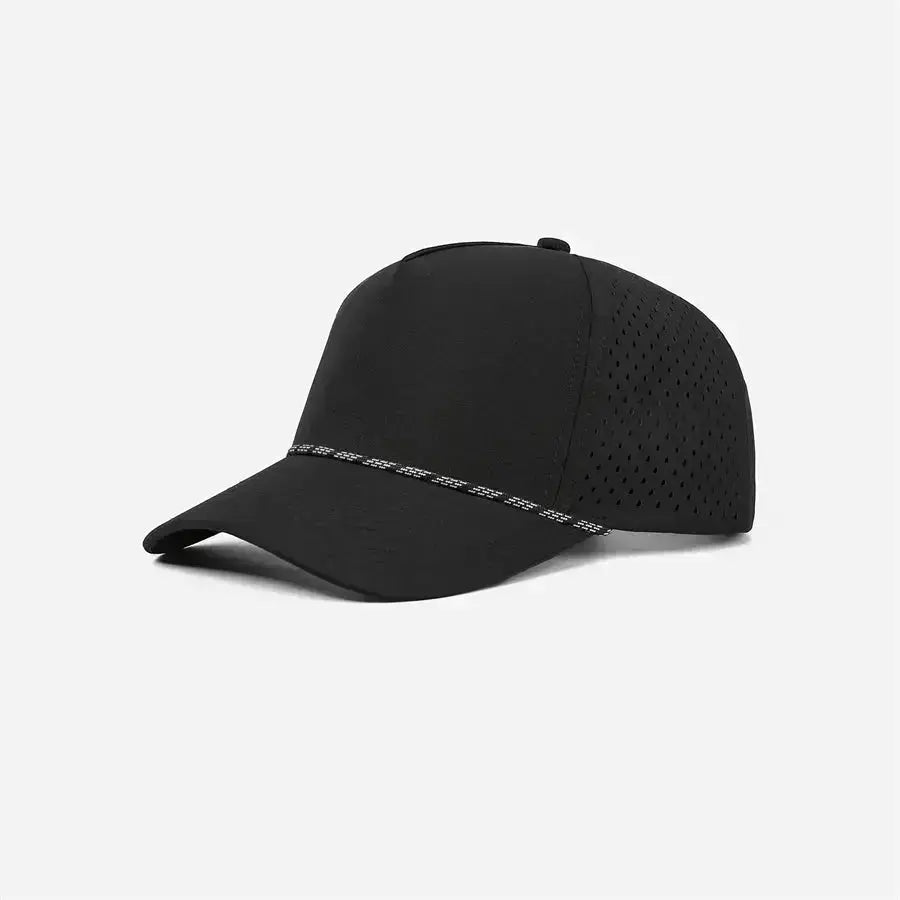
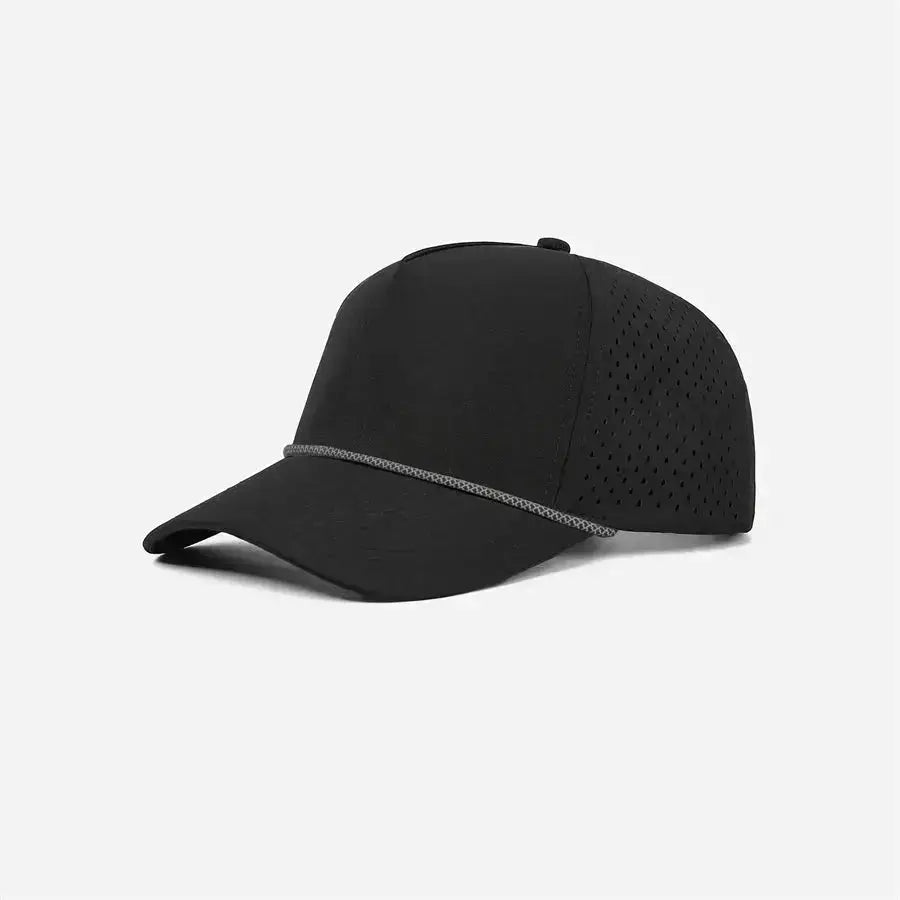
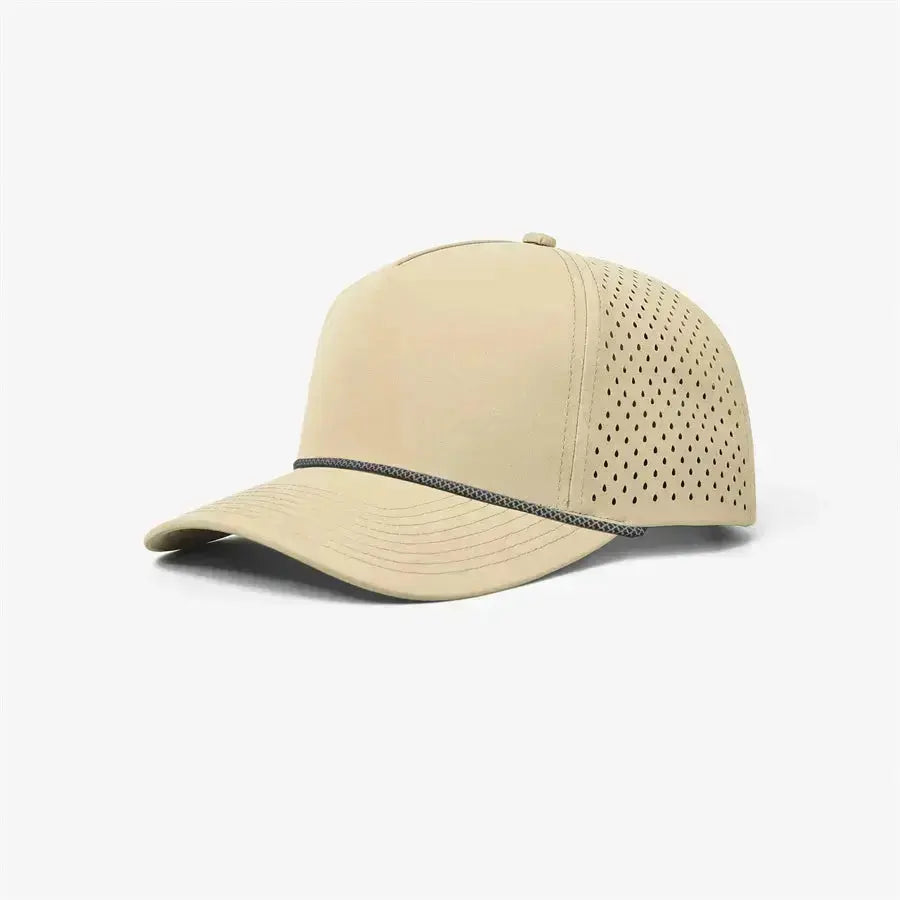
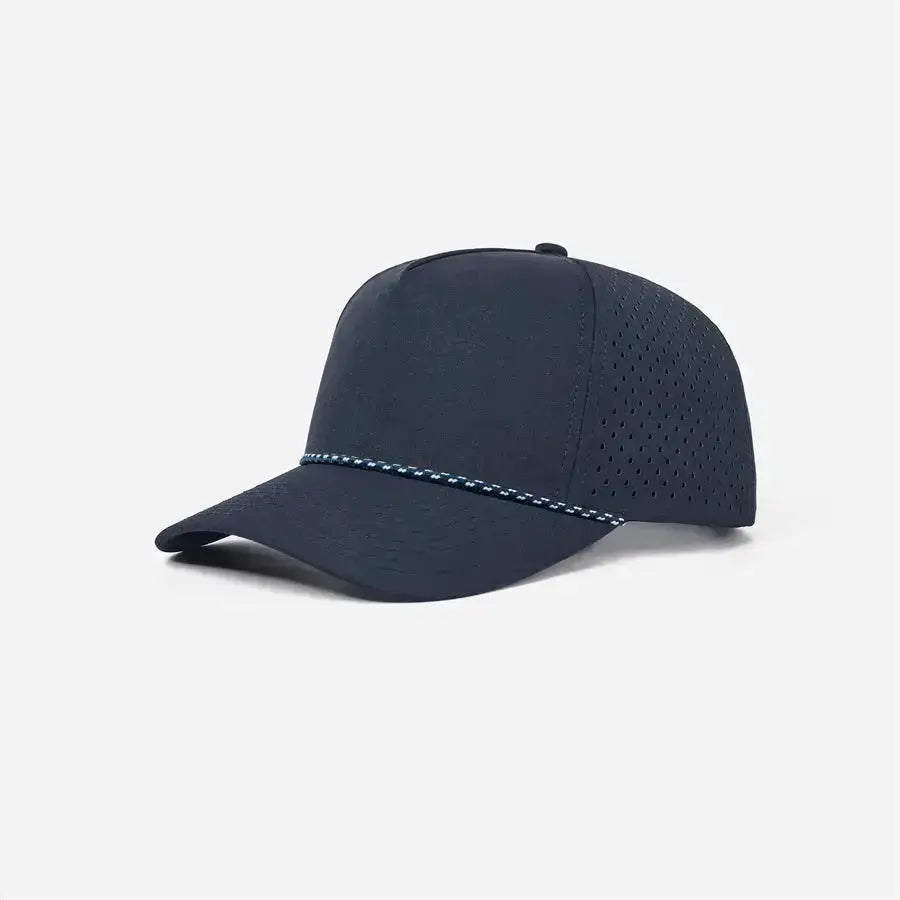
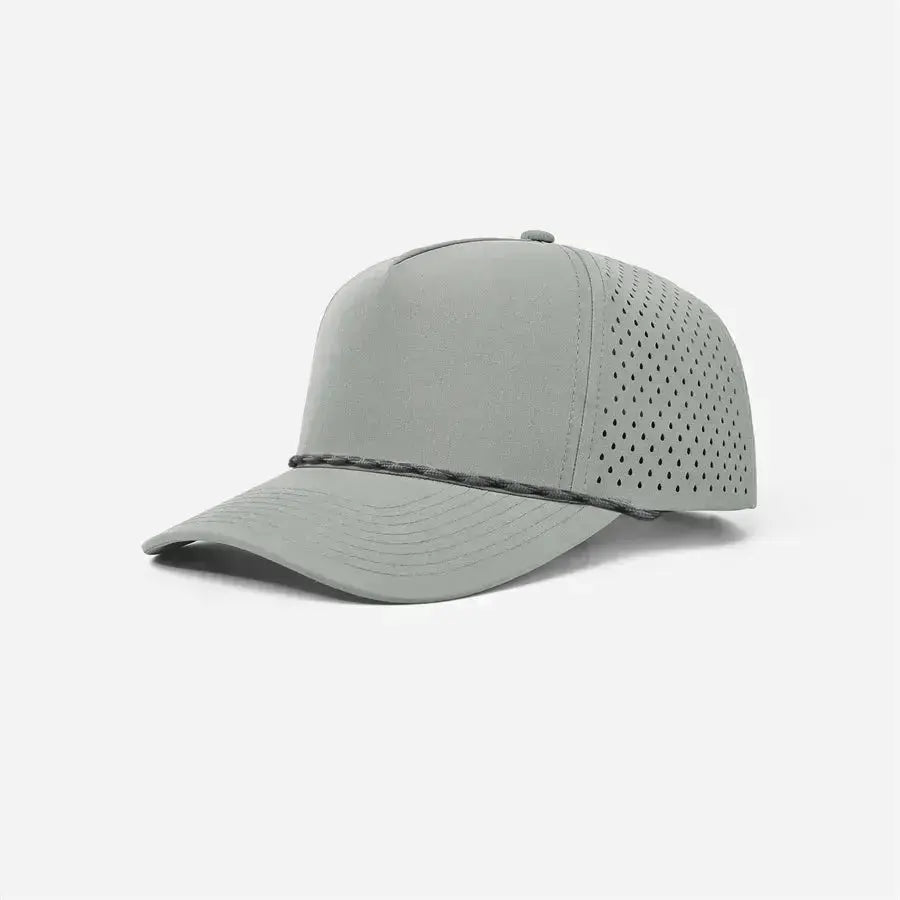
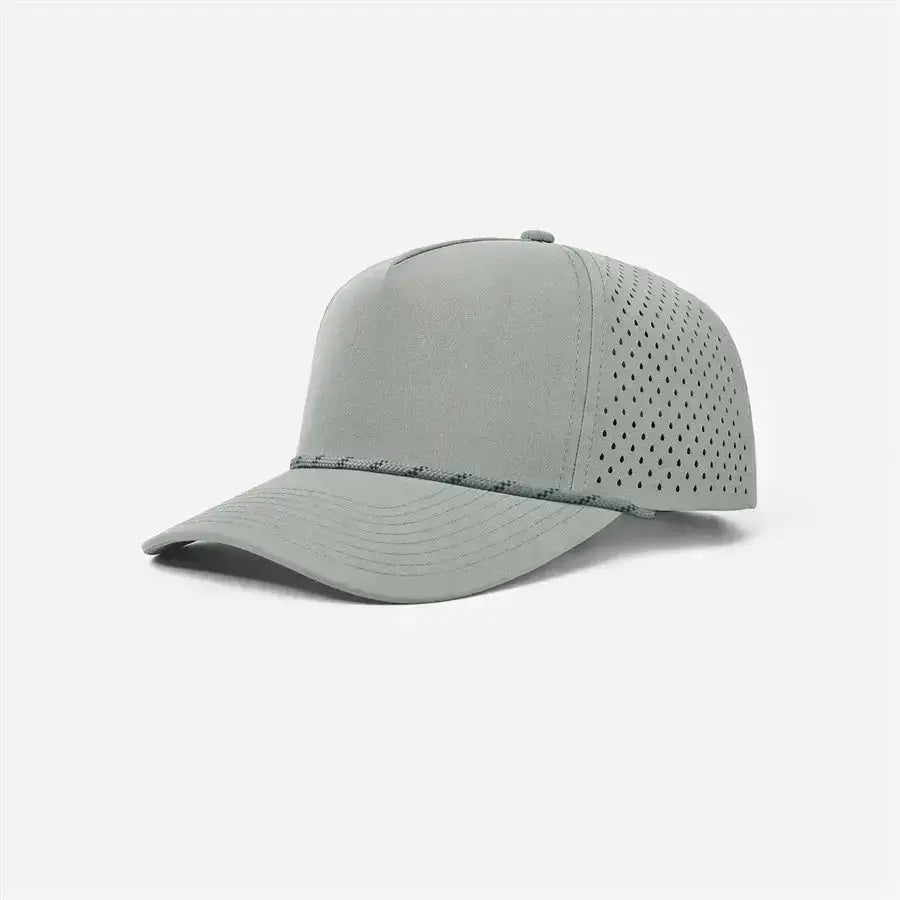
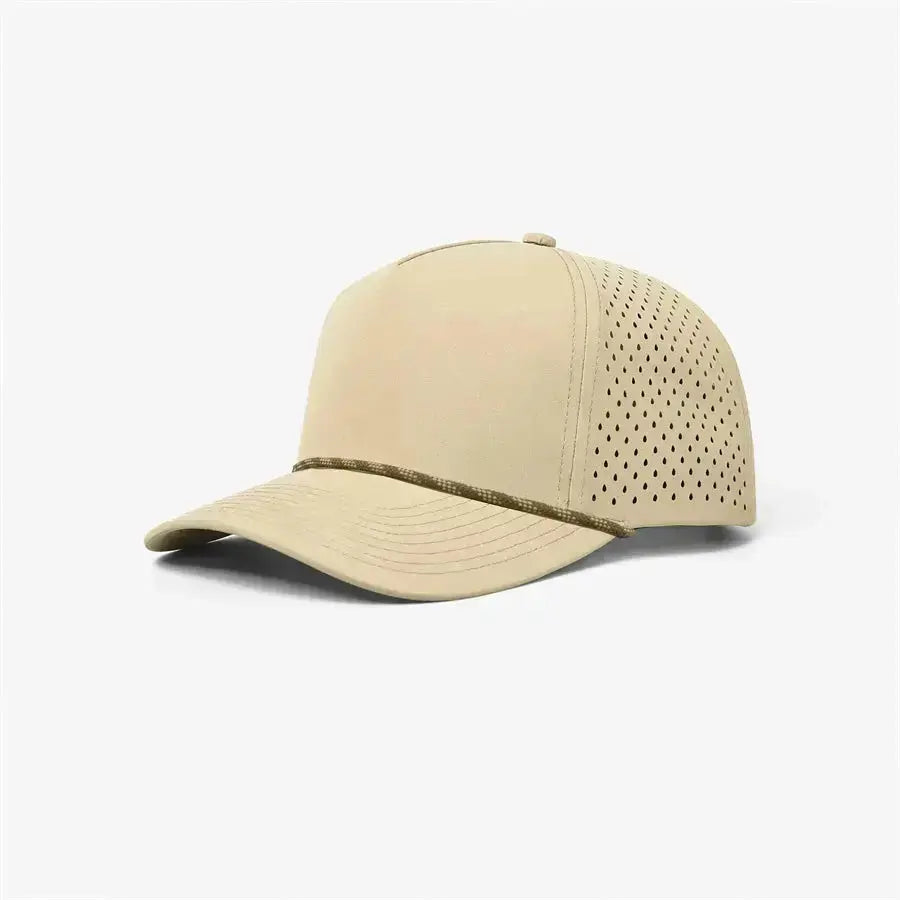
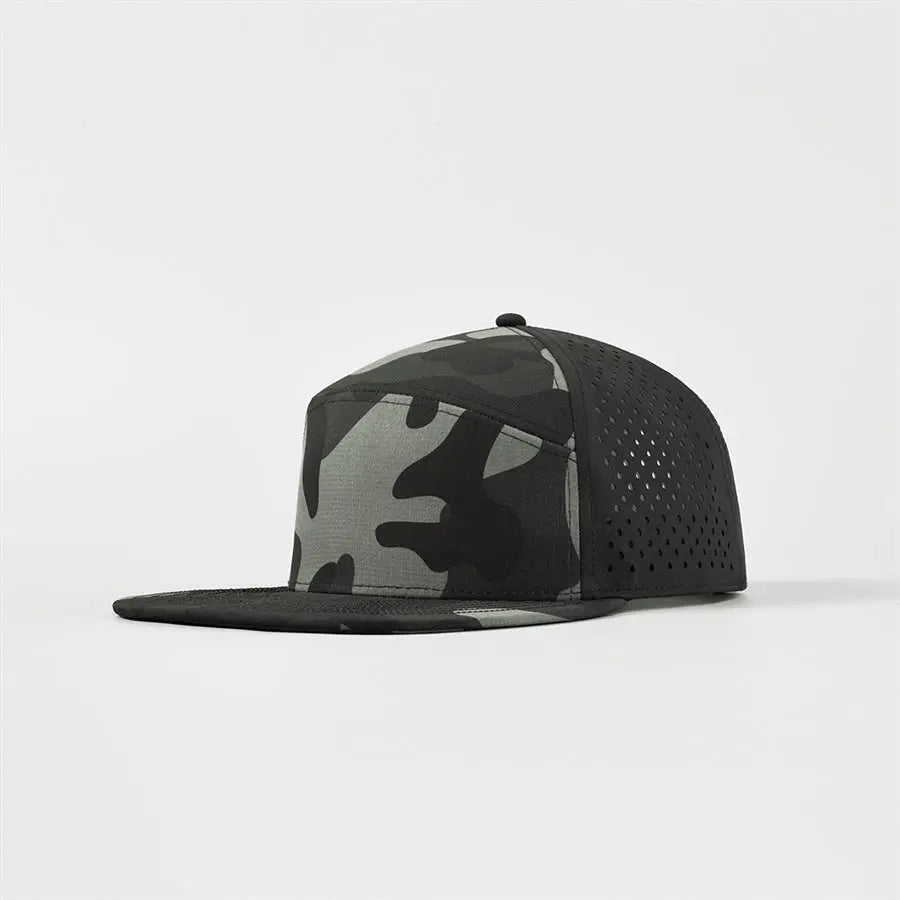
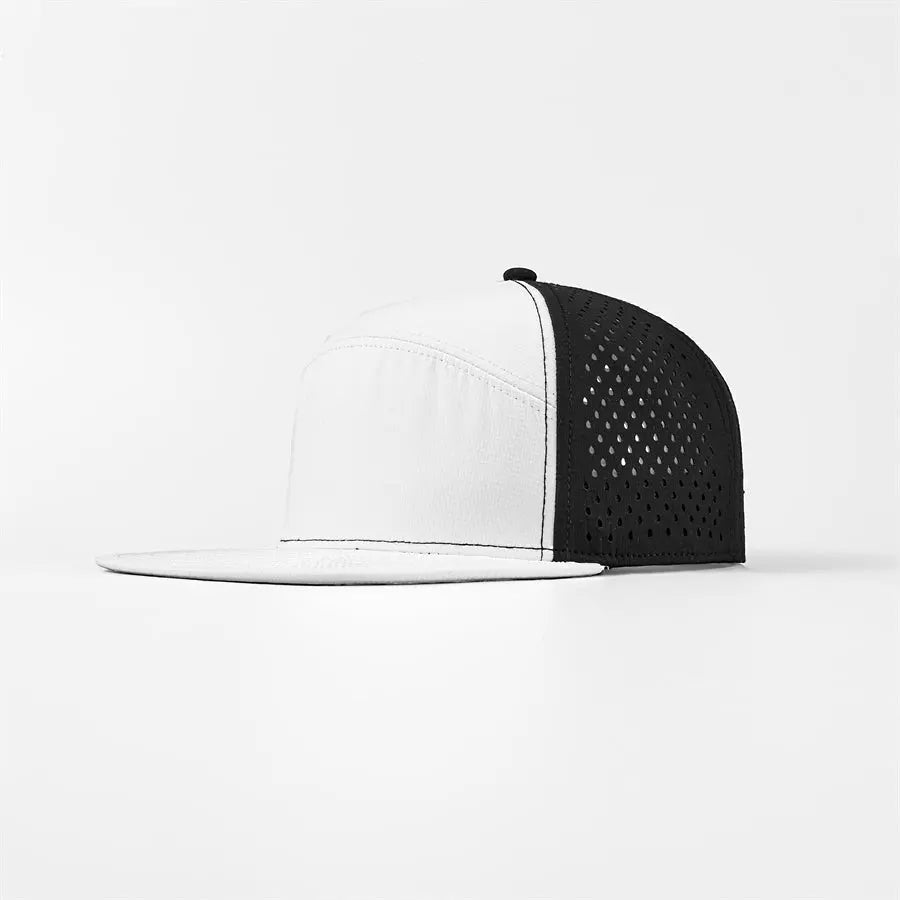
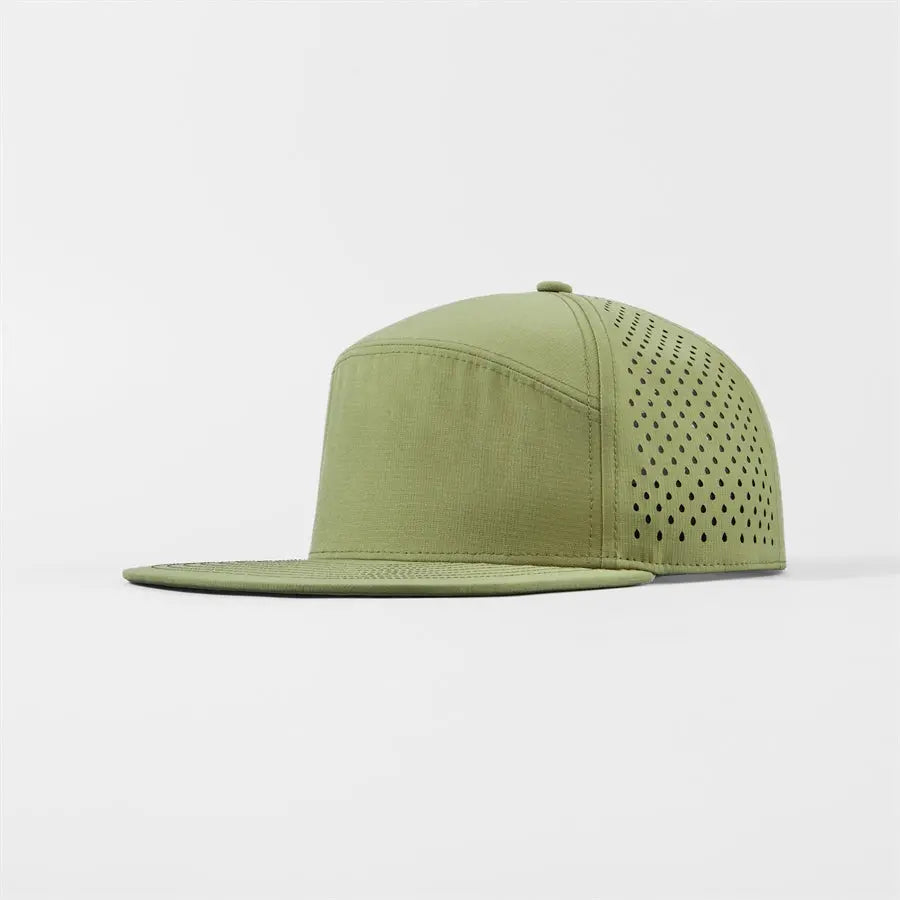
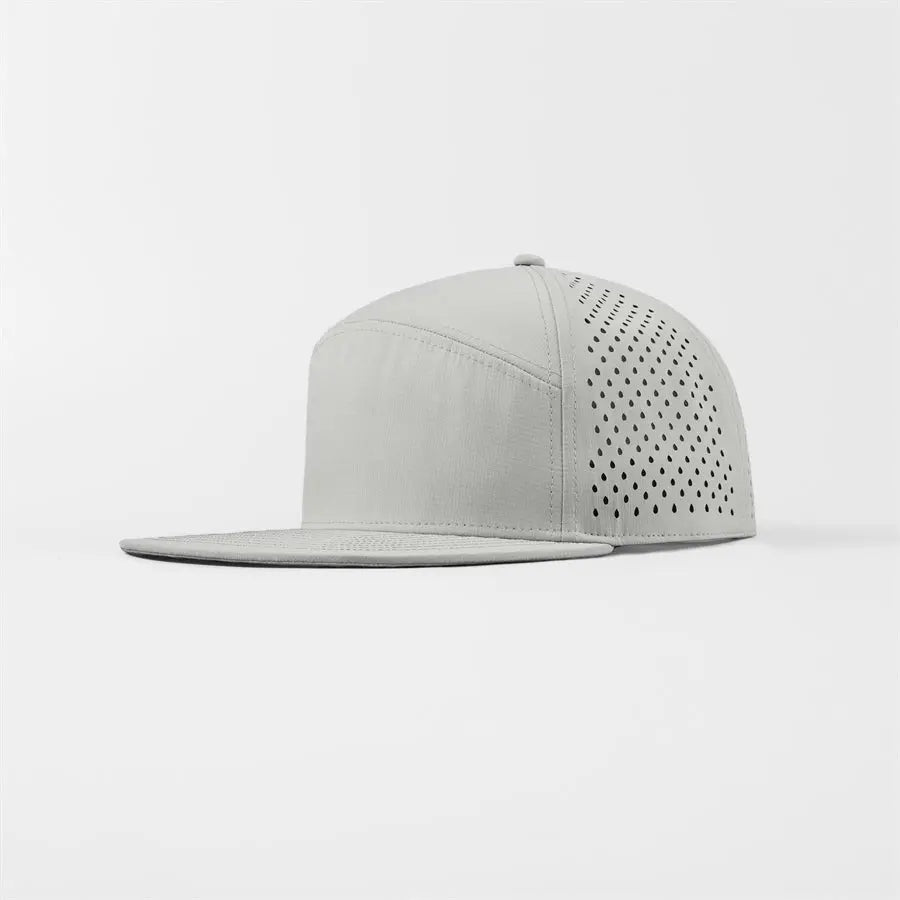
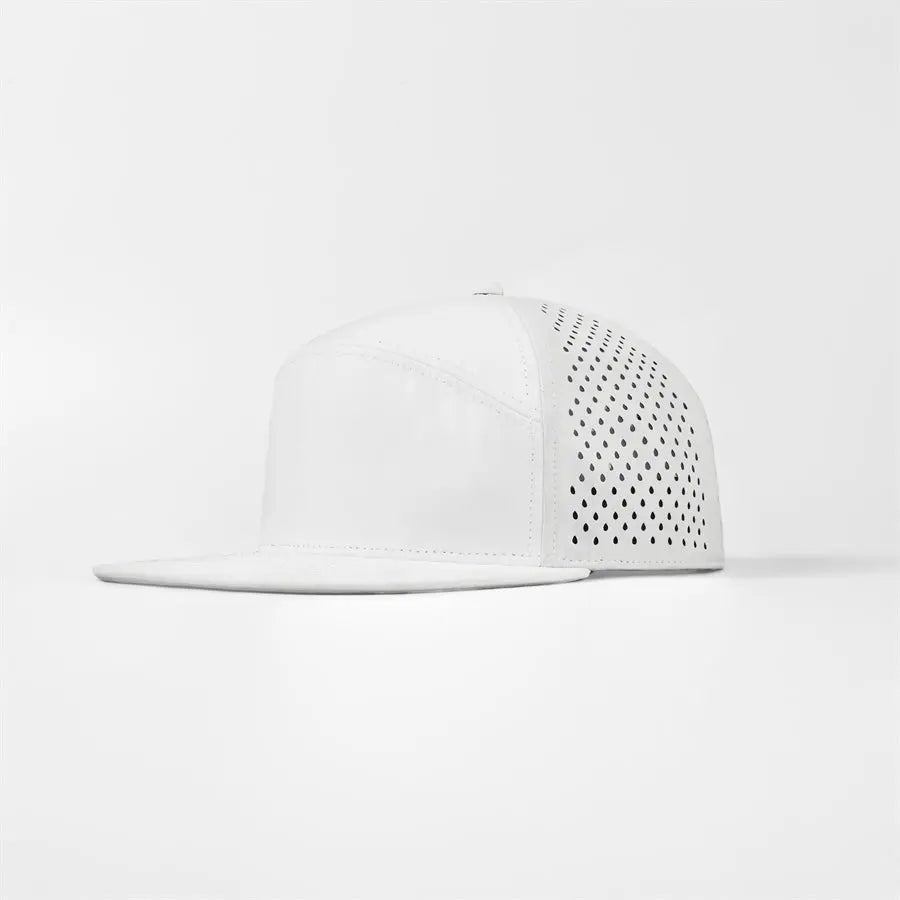
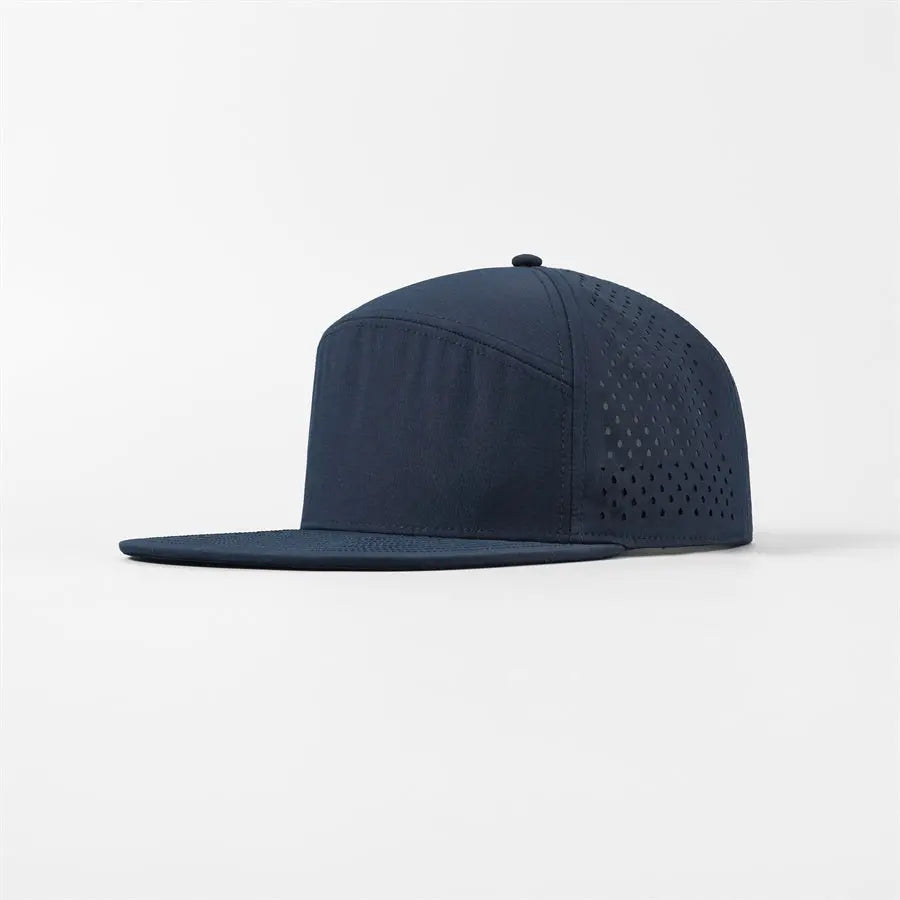
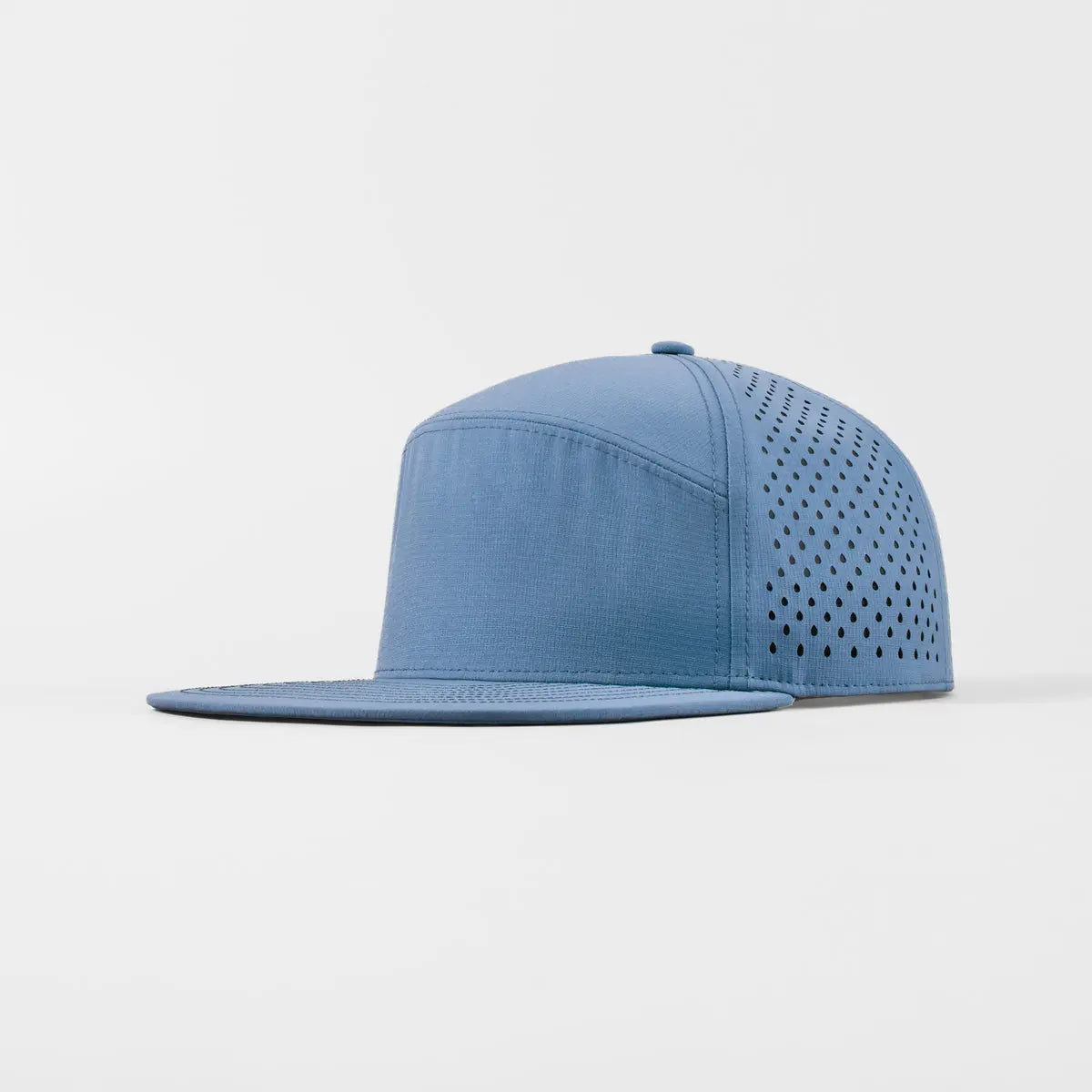
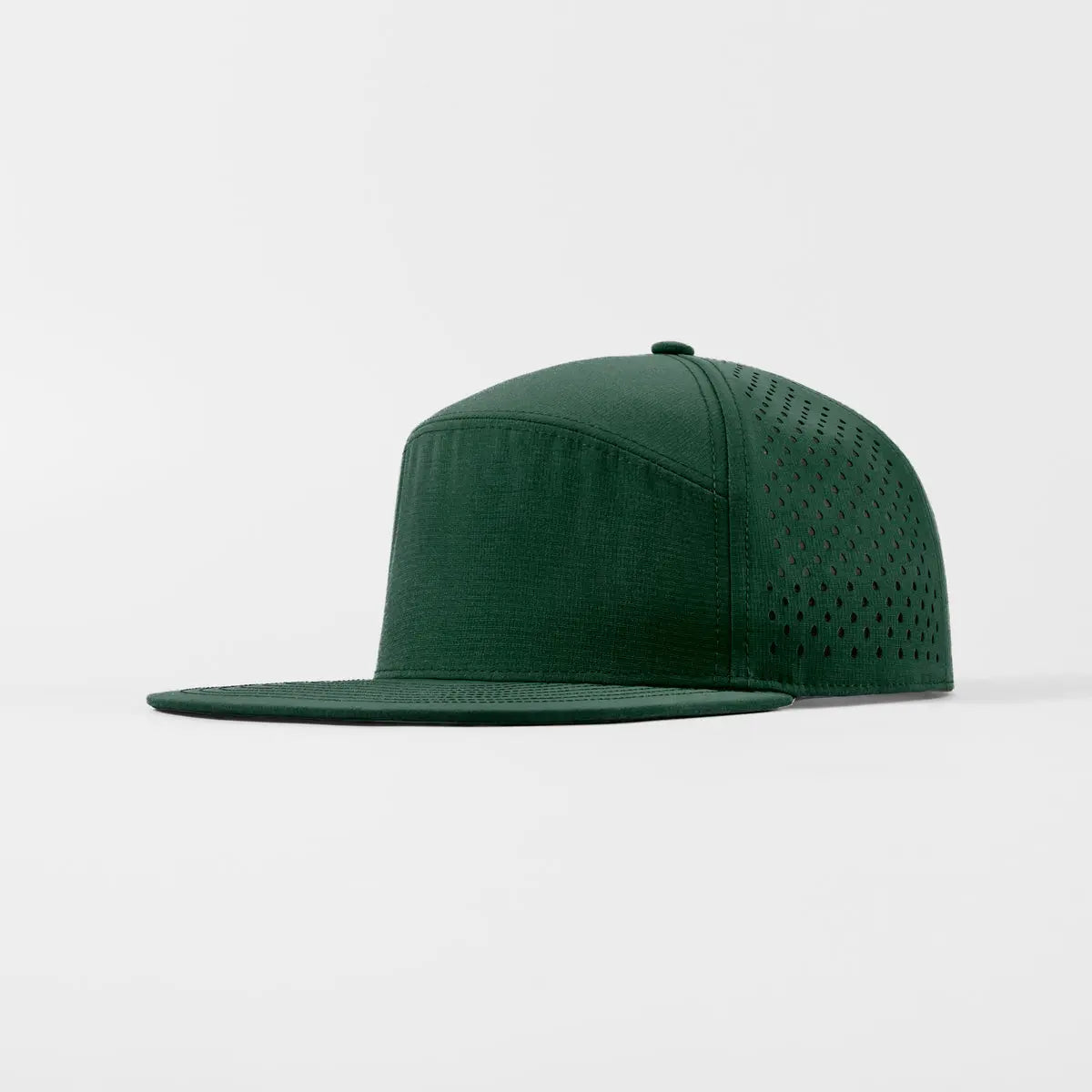
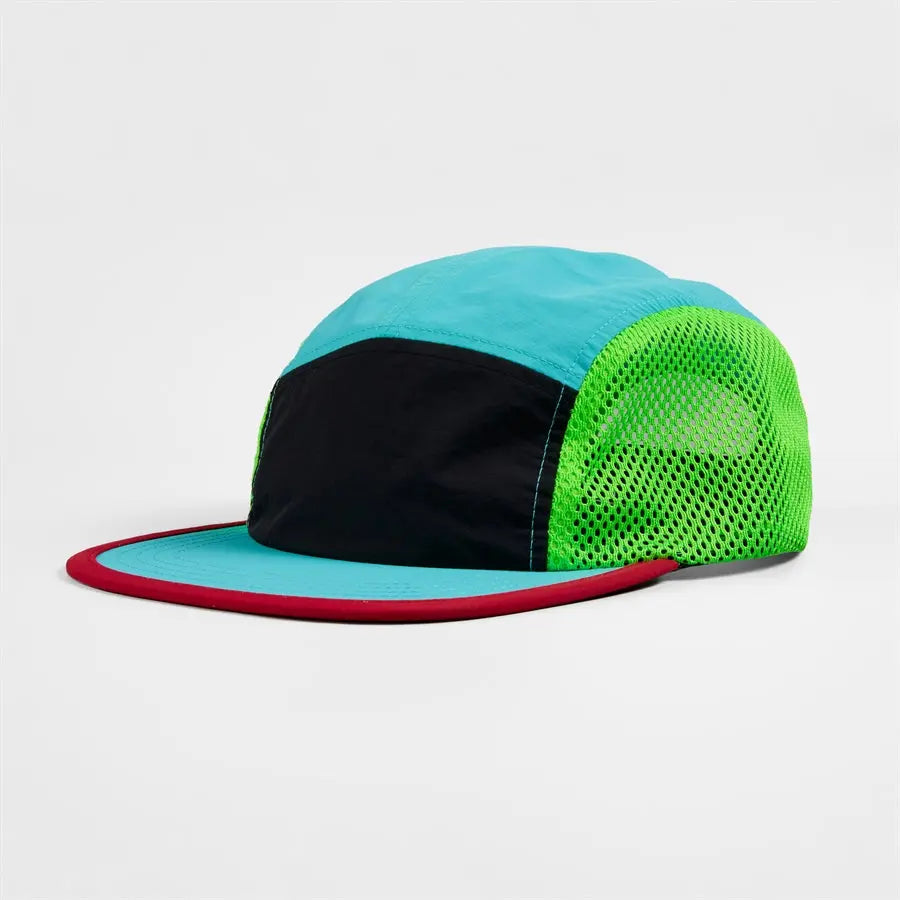
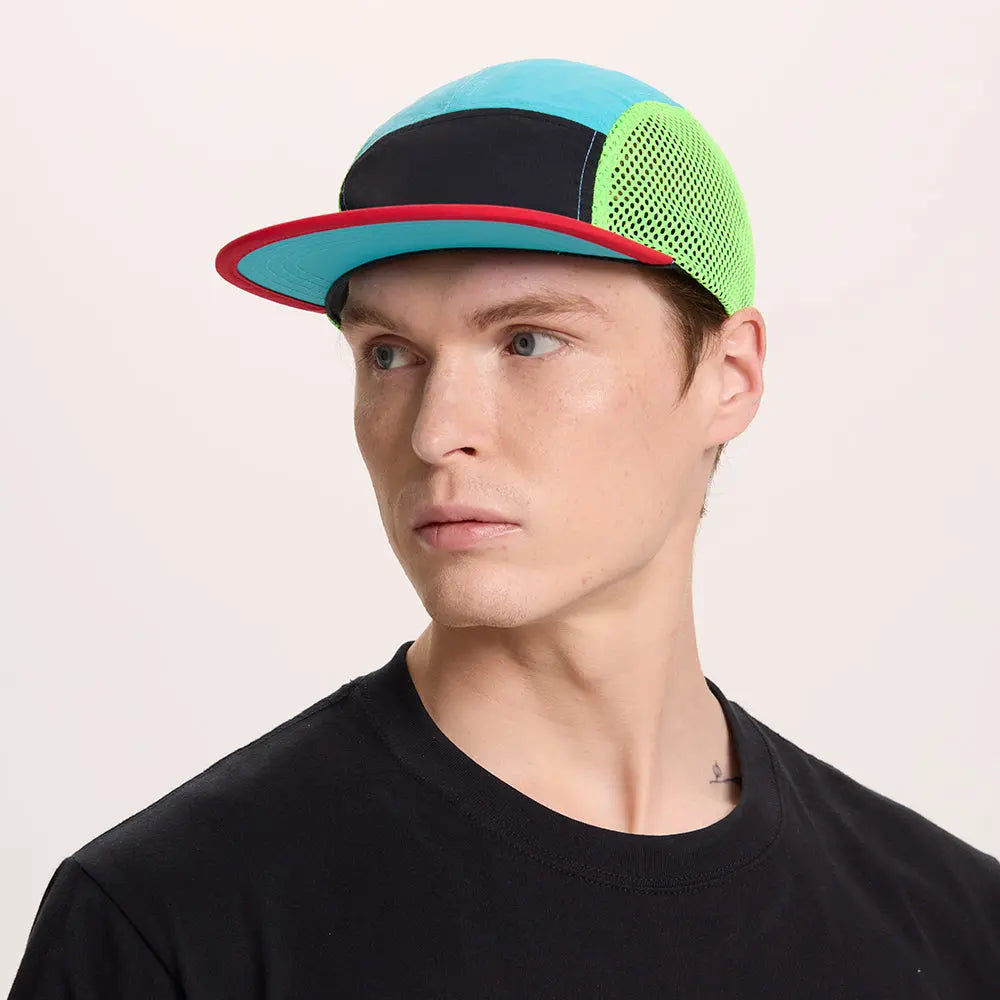
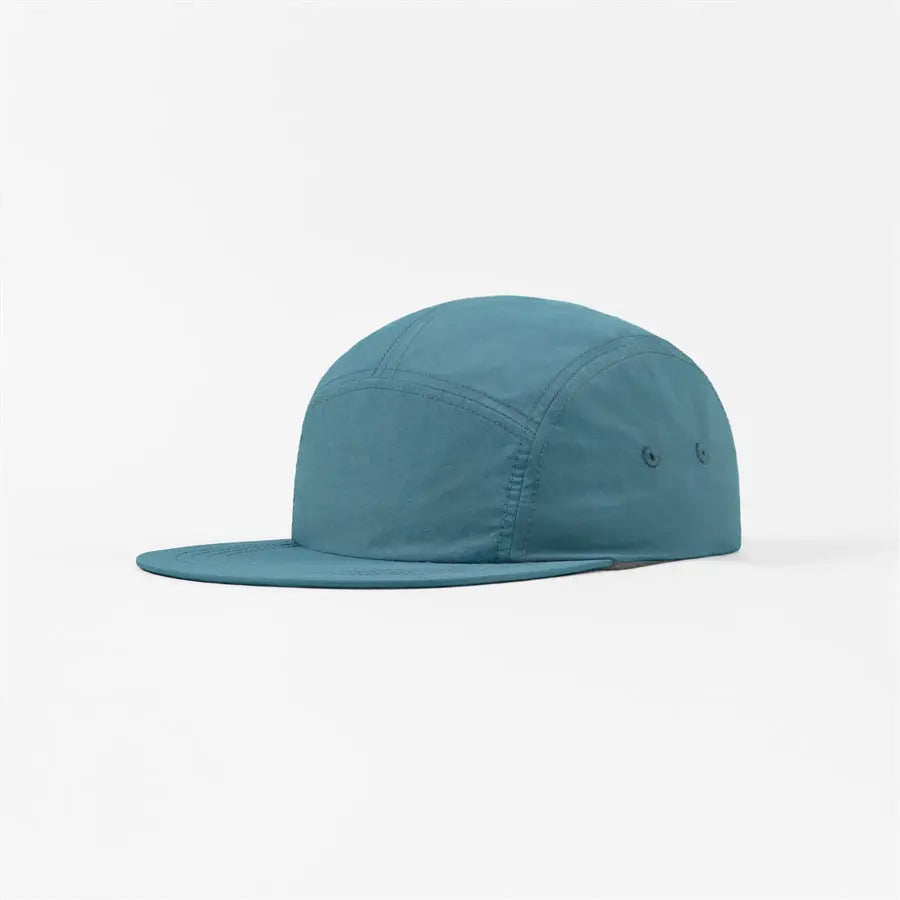
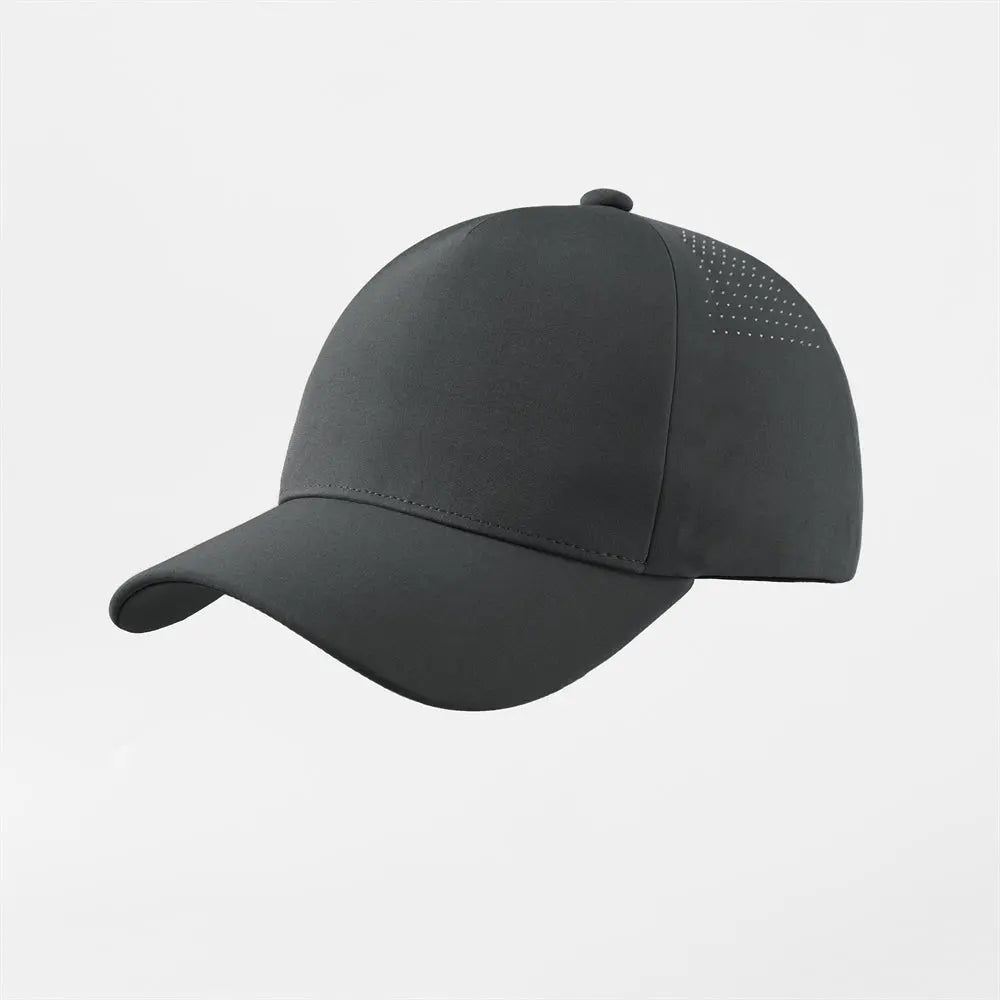
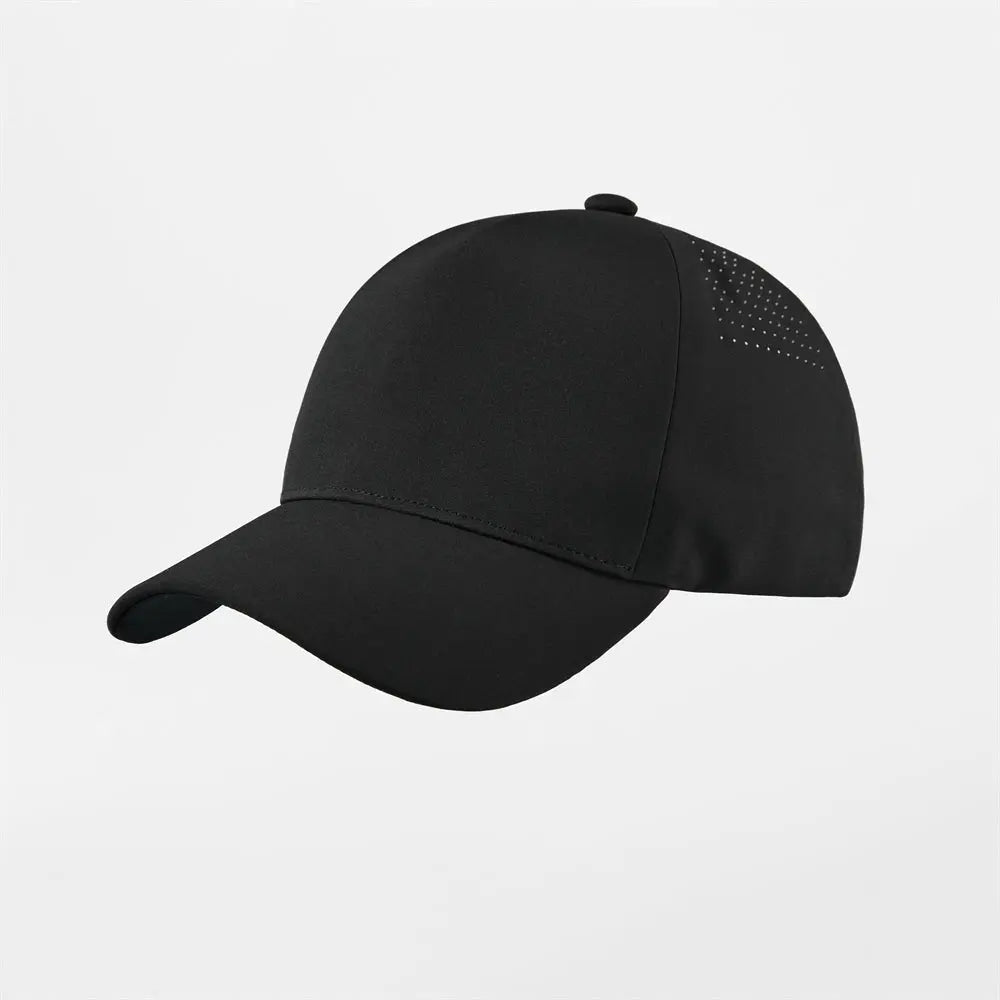
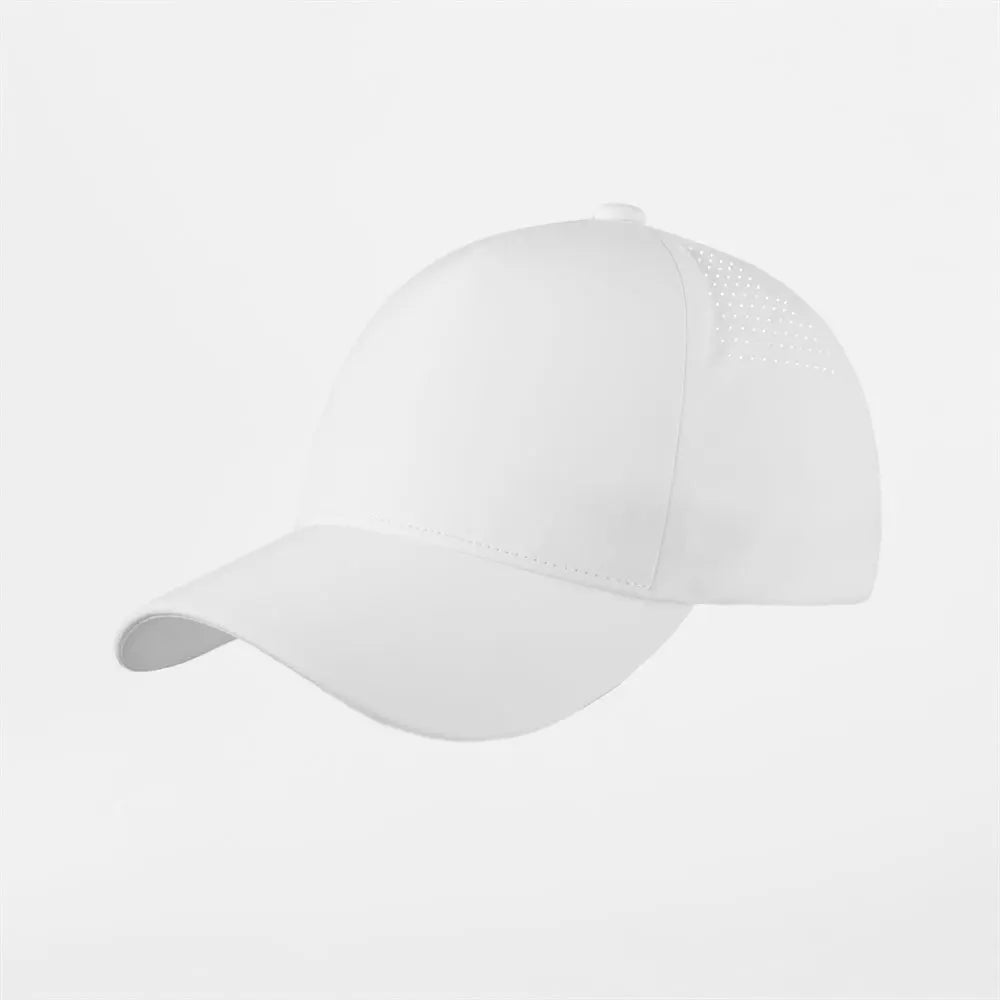
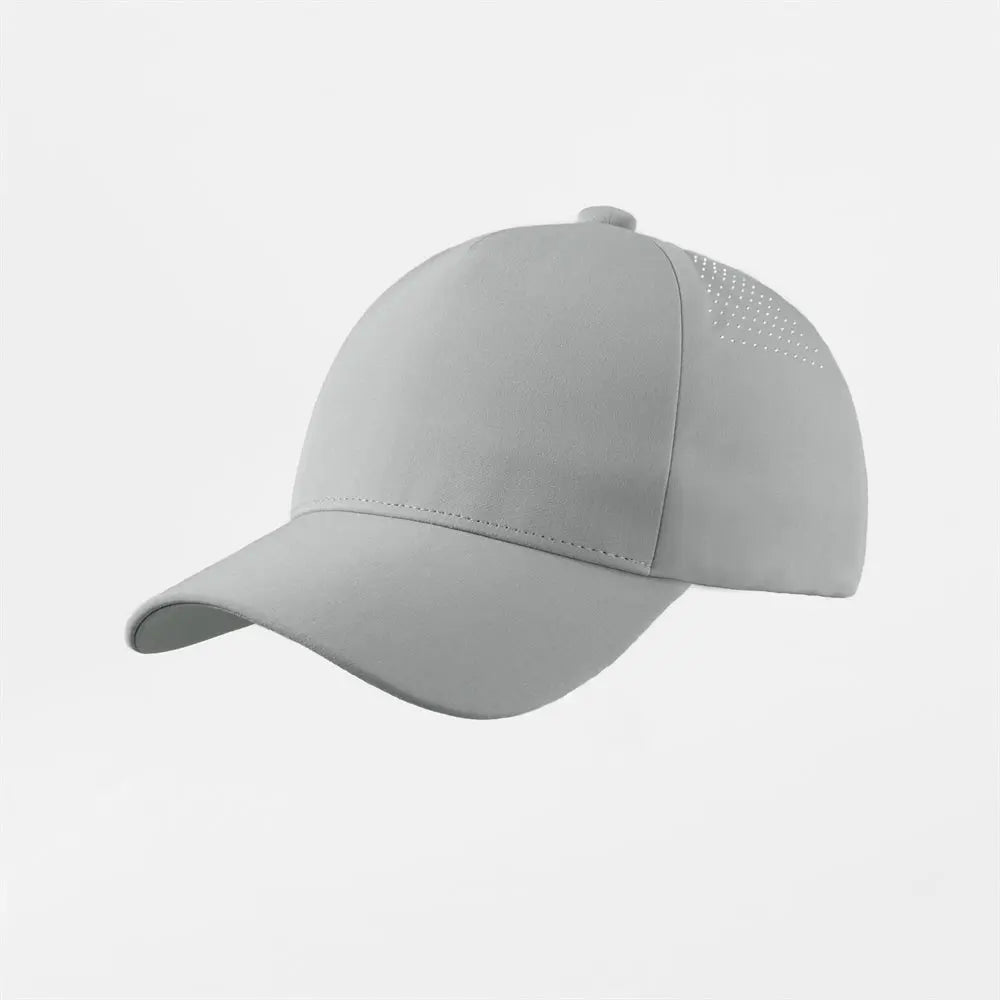
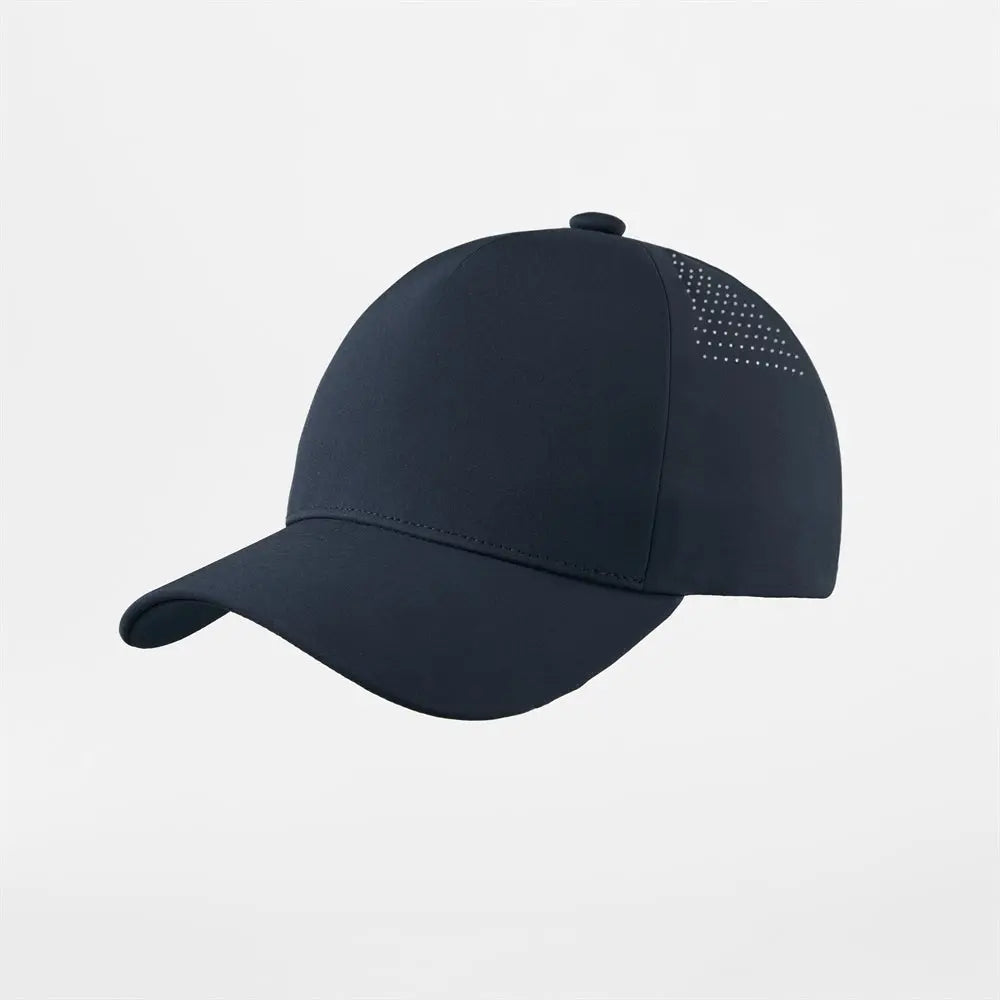
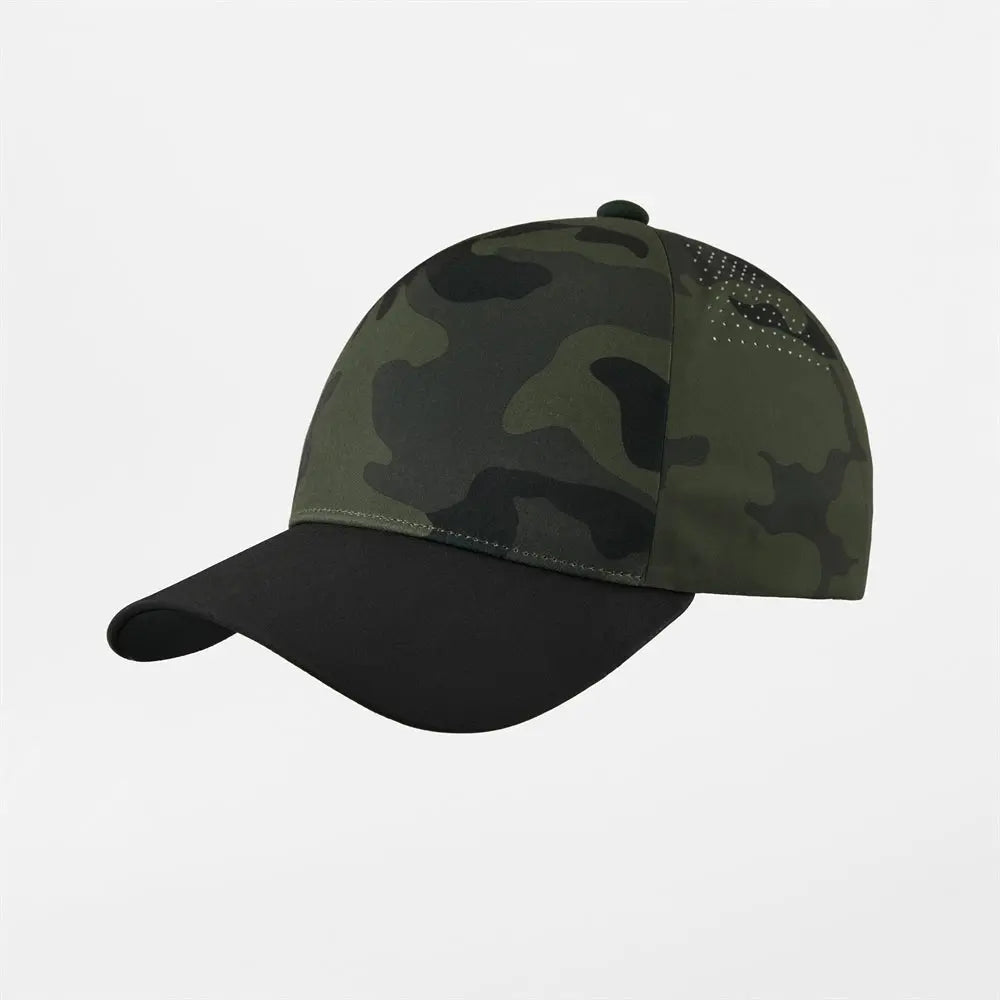
Performance hats may include lightweight fabrics, perforated panels, moisture management, and water-repellent finishes. They are ideal for running, golf, tennis, pickleball, hiking, and outdoor events.
Rope Hats
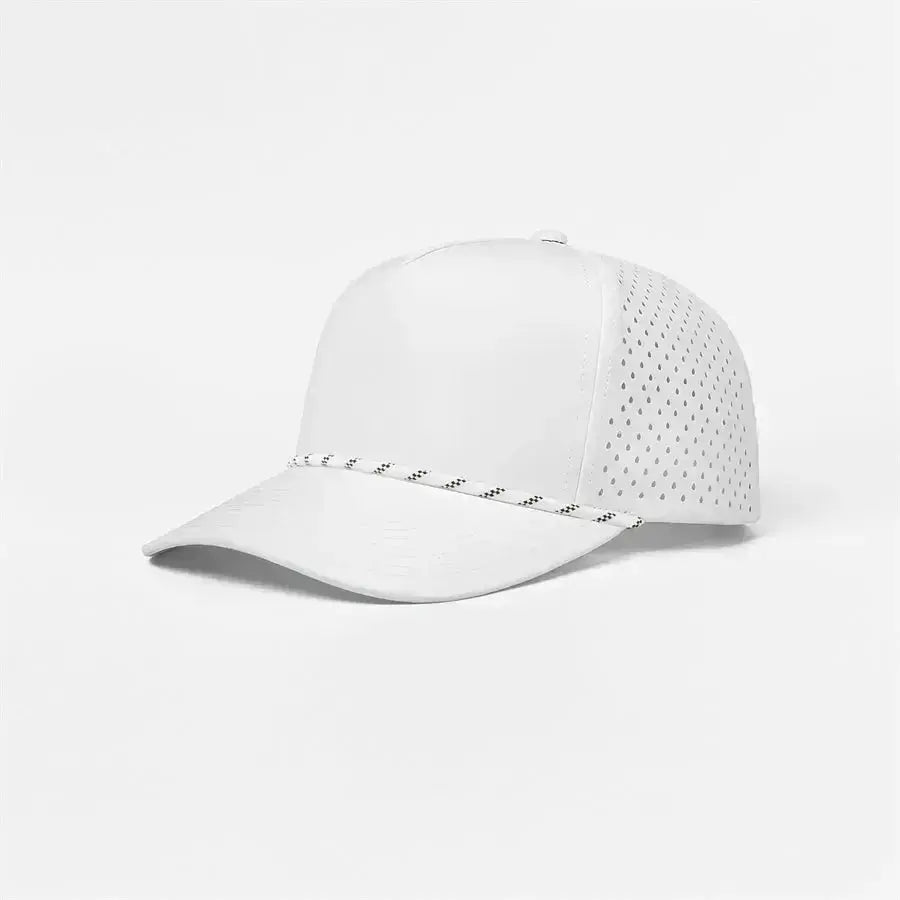
Rope hats combine retro styling with modern sportswear. They are frequently used by golf clubs, resorts, tournaments, and premium lifestyle brands.
Beanies
Beanies offer a large cuff area for embroidery and patches. Available materials may include acrylic, recycled polyester, organic cotton, wool blends, and merino wool.

Sustainable Materials for Brand Merchandise
Sustainability claims should be based on verifiable product information and appropriate certification documents.
Common options include:
- GOTS-certified organic cotton
- GRS-certified recycled polyester
- RWS-certified wool
- Recycled yarn
- PFC-free water-repellent treatments
- Recycled or reduced-plastic packaging
Brands should confirm whether a certification applies to the material, yarn, fabric, factory, or finished product before making environmental claims.
The most sustainable merchandise is also merchandise that people want to keep and use. Product quality, design, durability, and long-term relevance remain important.

Blank Products vs. Fully Custom Merchandise
There are two primary ways to make your own merch.
Customize In-Stock Blank Products
With this method, you select an existing product and add embroidery, printing, patches, or labels.
Advantages include:
- Lower order quantities
- Faster production
- Easier sampling
- Lower development costs
- Consistent restocking
- Less inventory risk
This option is suitable for new brands, events, corporate gifts, clubs, and small merchandise collections.
Develop a Fully Custom Product
Full-custom manufacturing allows greater control over:
- Product shape
- Fabric
- Color
- Panels
- Closures
- Trims
- Labels
- Interior details
- Packaging
However, fully custom merchandise generally requires higher minimum quantities, longer development times, and more sampling.
Many brands begin with decorated blank products and move into full-custom manufacturing after identifying their best-selling styles.
Common Merchandising Mistakes
Choosing Products Based Only on Price
An inexpensive product that customers do not want to use creates little long-term value. Balance price with comfort, quality, fit, and relevance.
Ordering Too Many Styles
A focused first collection is easier to explain, photograph, promote, stock, and reorder.
Using Overly Complicated Artwork
Small text and intricate details may not translate well into embroidery or patches. Simplify designs according to the decoration method.
Skipping Sample Approval
A digital mockup cannot replace a physical sample when exact colors, sizing, texture, or complex decoration matters.
Ignoring Production Time
Include time for artwork preparation, mockups, sample approval, production, shipping, inspection, and event deadlines.
Making Unsupported Sustainability Claims
Terms such as “eco-friendly,” “chemical-free,” and “100% sustainable” can be misleading without clear evidence. Use accurate, specific product information.
Frequently Asked Questions
How do I make my own merch?
Define your audience and goals, choose useful products, create suitable artwork, select a supplier and decoration method, review a mockup, approve a sample, calculate your total costs, and plan your launch.
What is promotional merchandise?
Promotional merchandise consists of branded products used to promote a business, organization, event, campaign, or community. It can be sold, gifted, or distributed as part of a marketing program.
How much does it cost to make your own merch?
The cost depends on the product, quantity, material, decoration method, number of logo locations, setup fees, packaging, and shipping. Request an itemized quote before approving production.
Can I make merch without a minimum order?
Yes. Some suppliers offer no-minimum blank products or low-quantity customization. Product availability, decoration methods, and setup fees may still vary.
Foremost Hat offers no-MOQ blank hats, allowing brands to test different styles before committing to a larger custom order.
What is the best product for first-time merch?
Adjustable custom hats, beanies, T-shirts, tote bags, and stickers are practical starting points. The best choice depends on the audience and how the product will be used.
Are custom hats good for brand merch?
Yes. Custom hats provide visible branding, practical use, broad appeal, and fewer sizing complications than many apparel products.
Can I approve a sample before production?
Yes. Sample approval allows you to inspect the product, logo size, placement, colors, materials, and decoration quality before bulk production.
How long does custom hat production take?
Production time depends on the decoration method and order details. At Foremost Hat, blank hats generally ship within two business days, embroidery and print orders can be completed in approximately 15 days, and patch orders in approximately 22 days after artwork and order approval.
Start Making Your Own Merch
Learning how to make your own merch is ultimately about creating products that represent your brand and provide real value to the people receiving them.
Start with a clear goal, understand your audience, select products they will genuinely use, and approve every design before production. Whether you are creating promotional merchandise for a company, launching a retail collection, building a club identity, or developing gifts for employees and customers, a focused and well-made product will deliver stronger results.
With wholesale pricing, no-MOQ blank hats, custom embroidery, printing, patches, free mockups, and sample approval, Foremost Hat helps businesses and organizations turn their ideas into professional branded headwear.
Start customizing your hats and create merchandise designed for your brand, audience, and next campaign.