



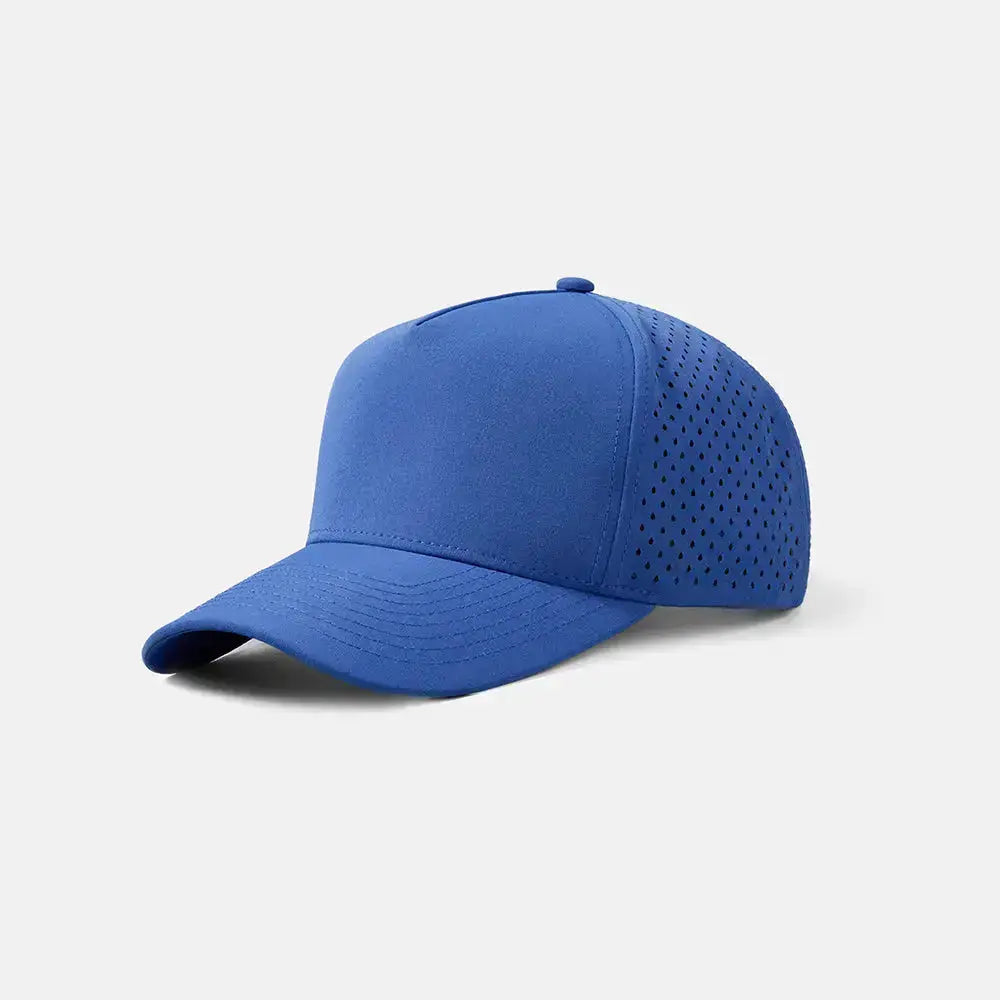
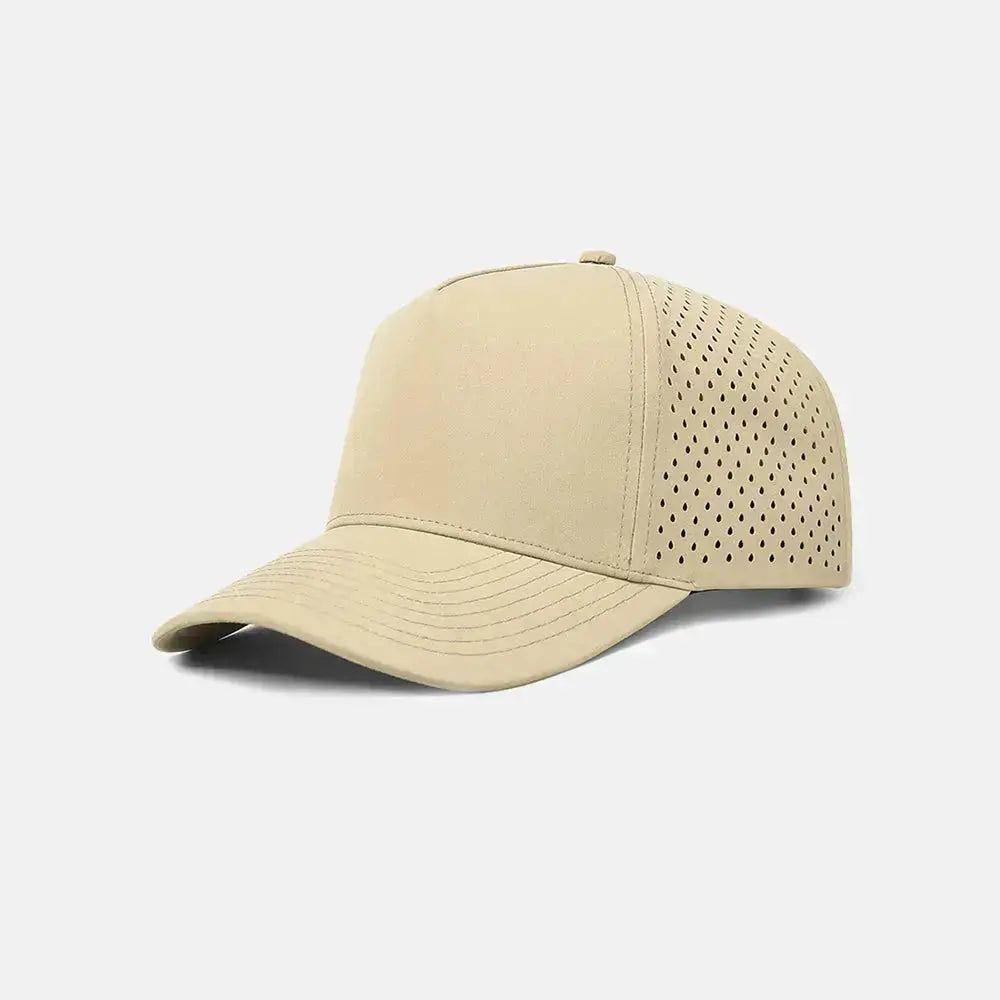

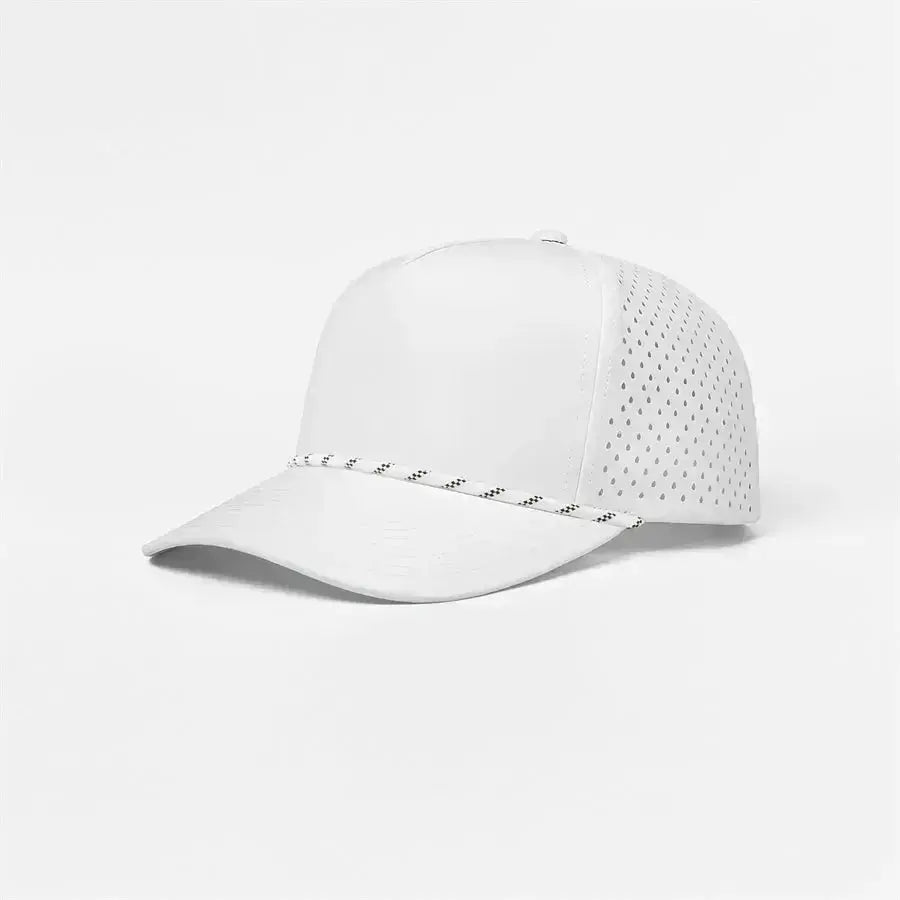
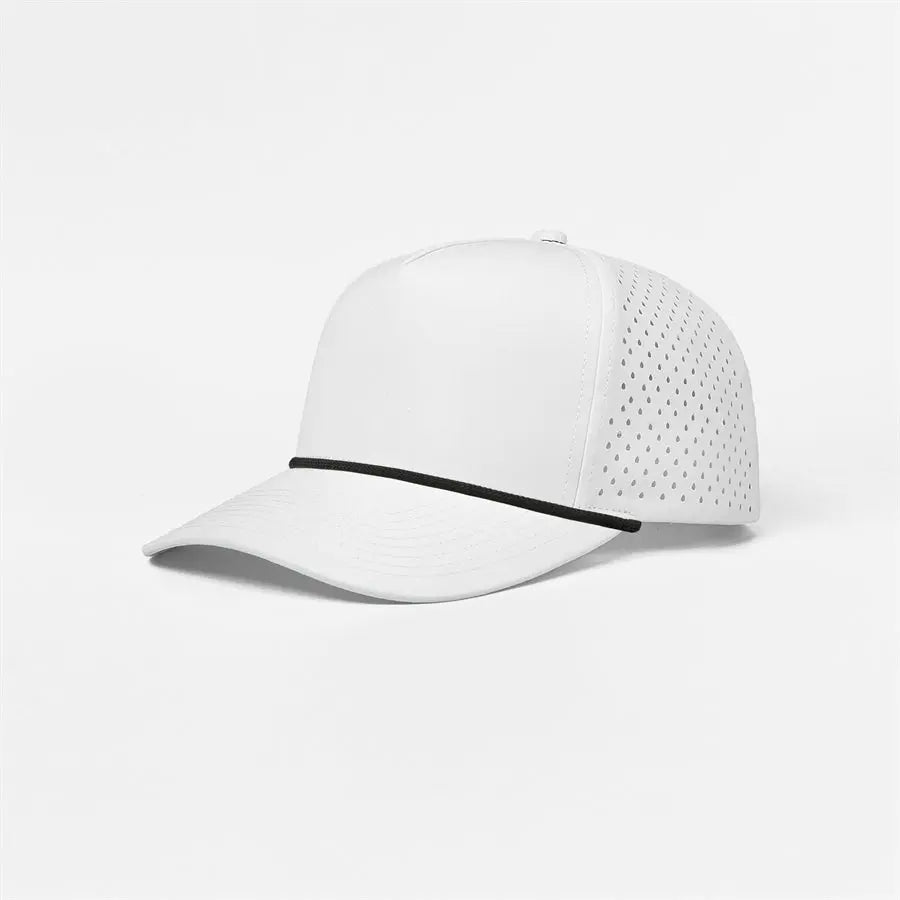
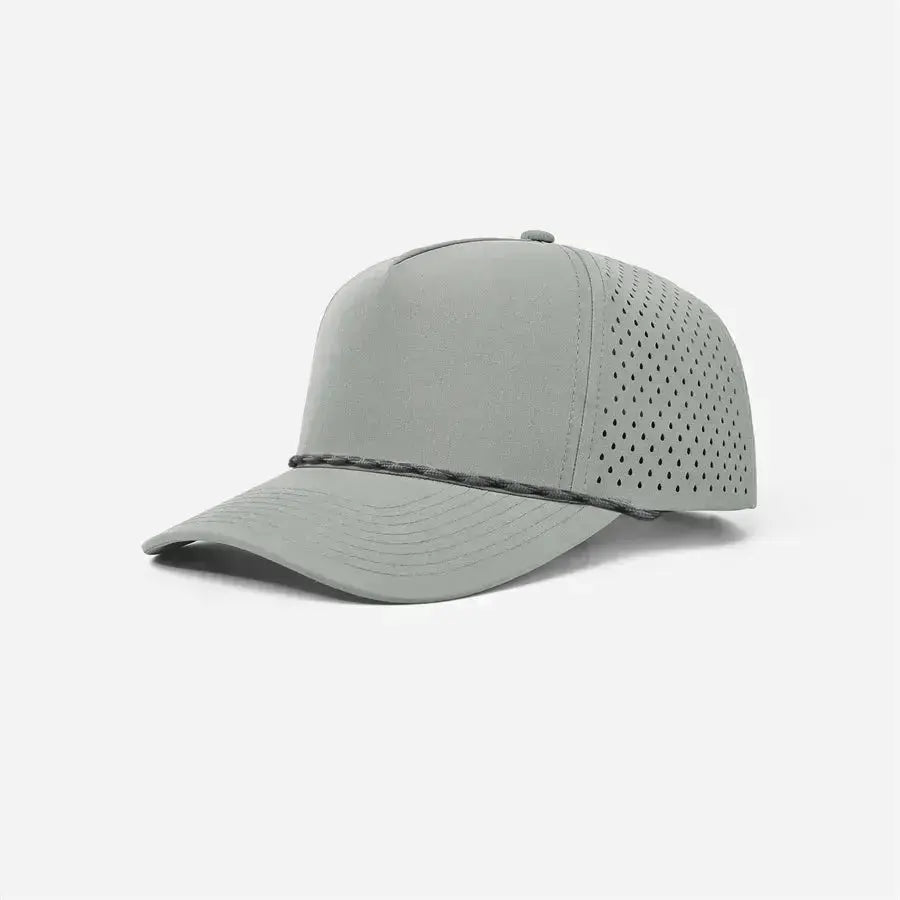
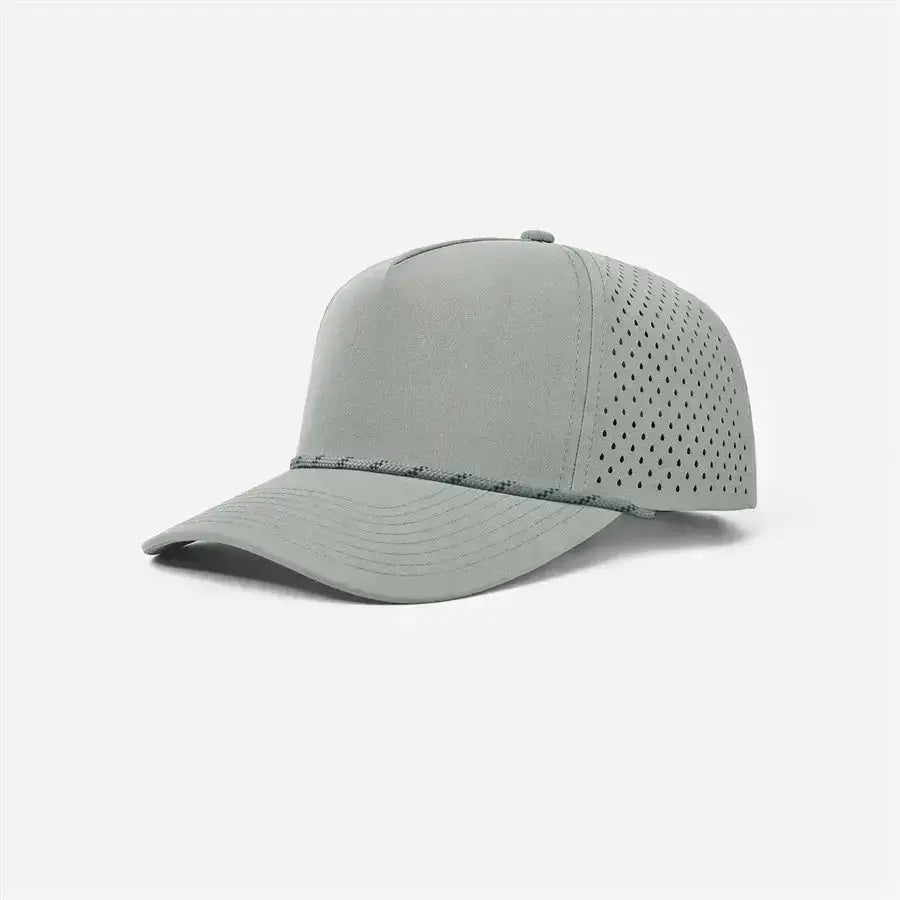
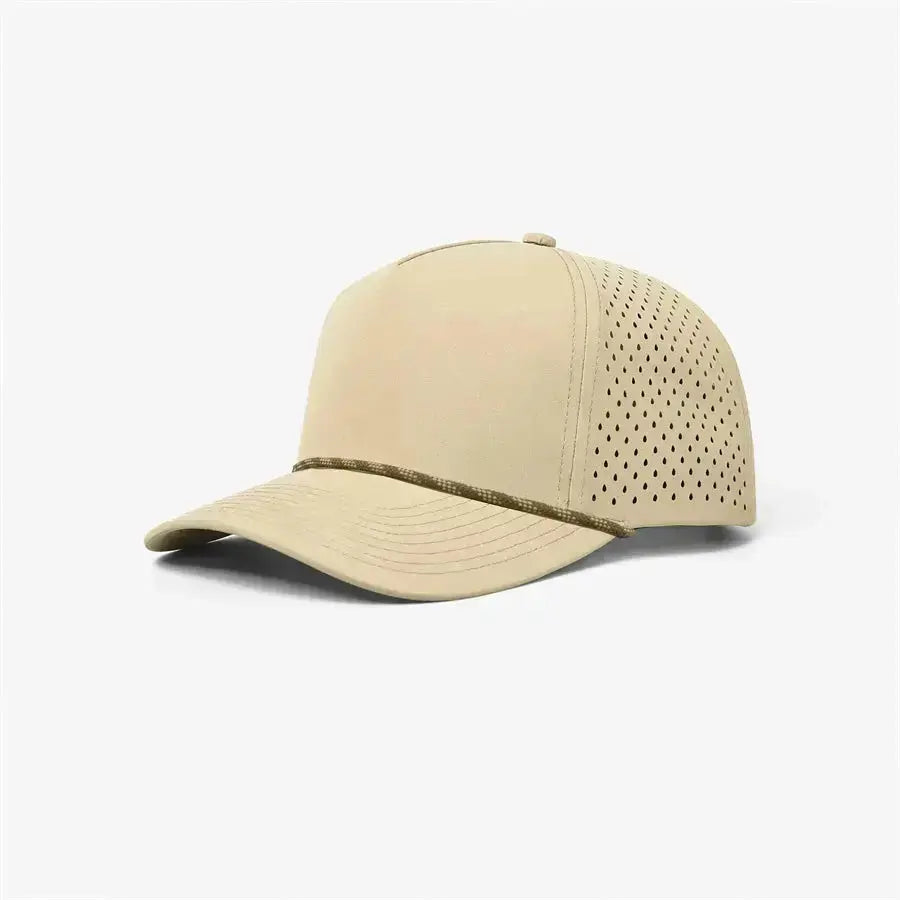
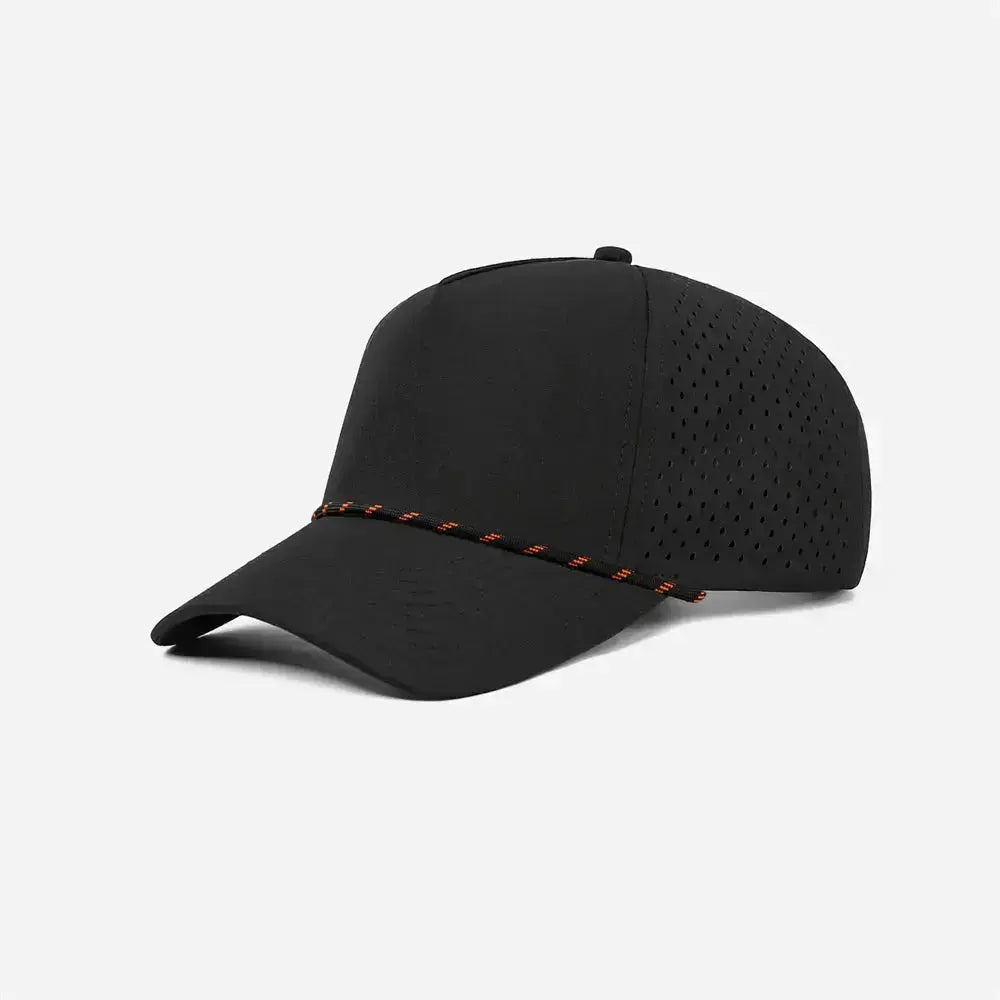





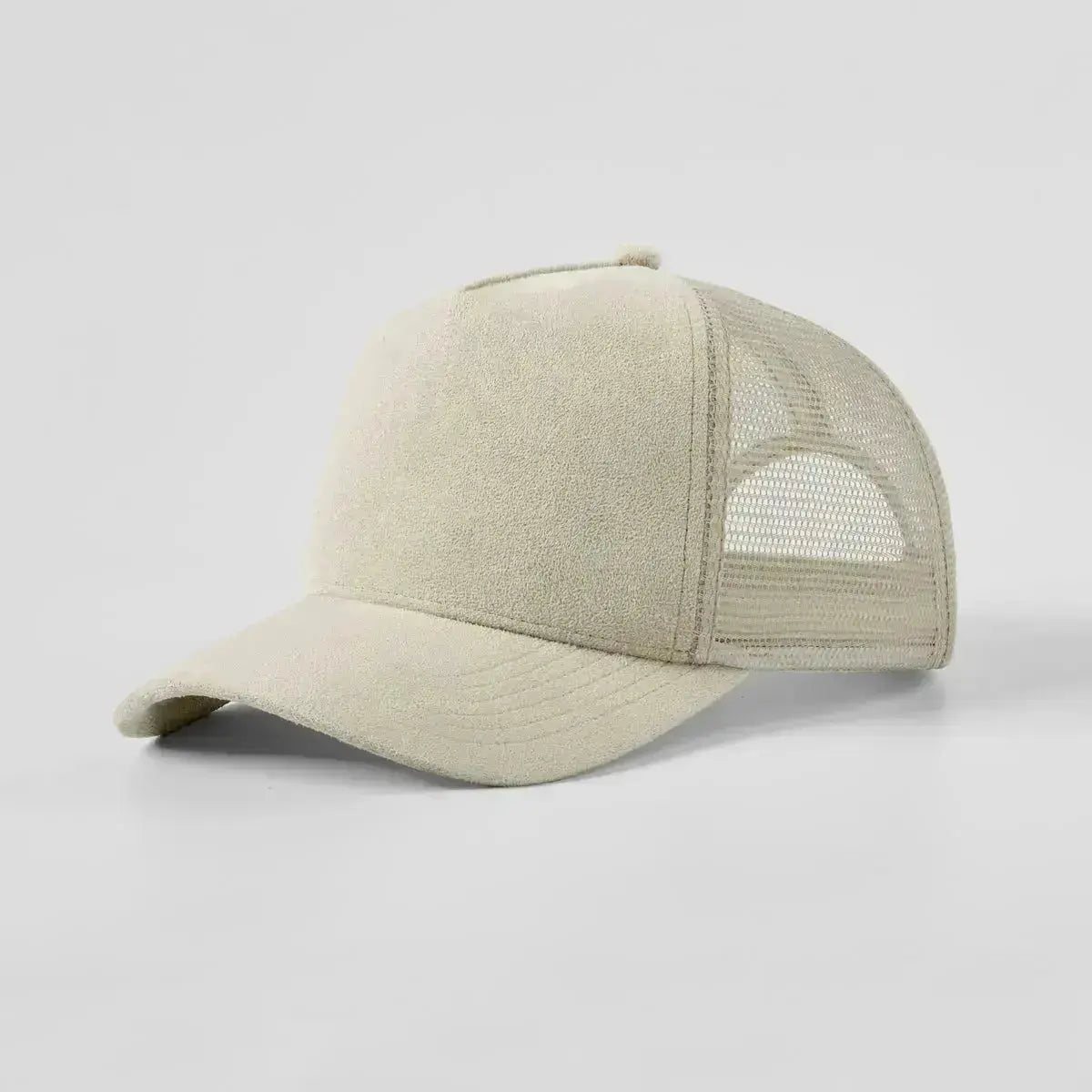
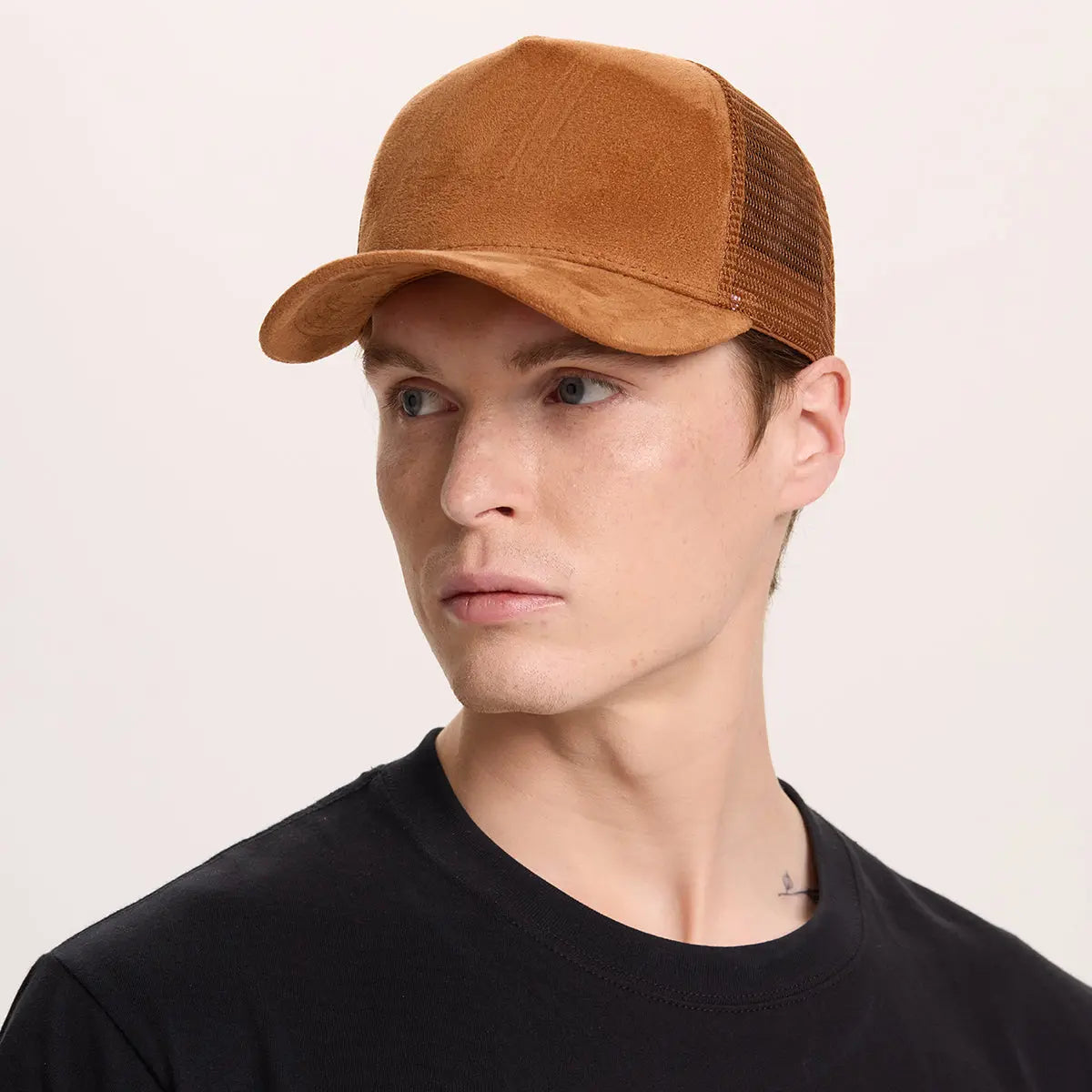
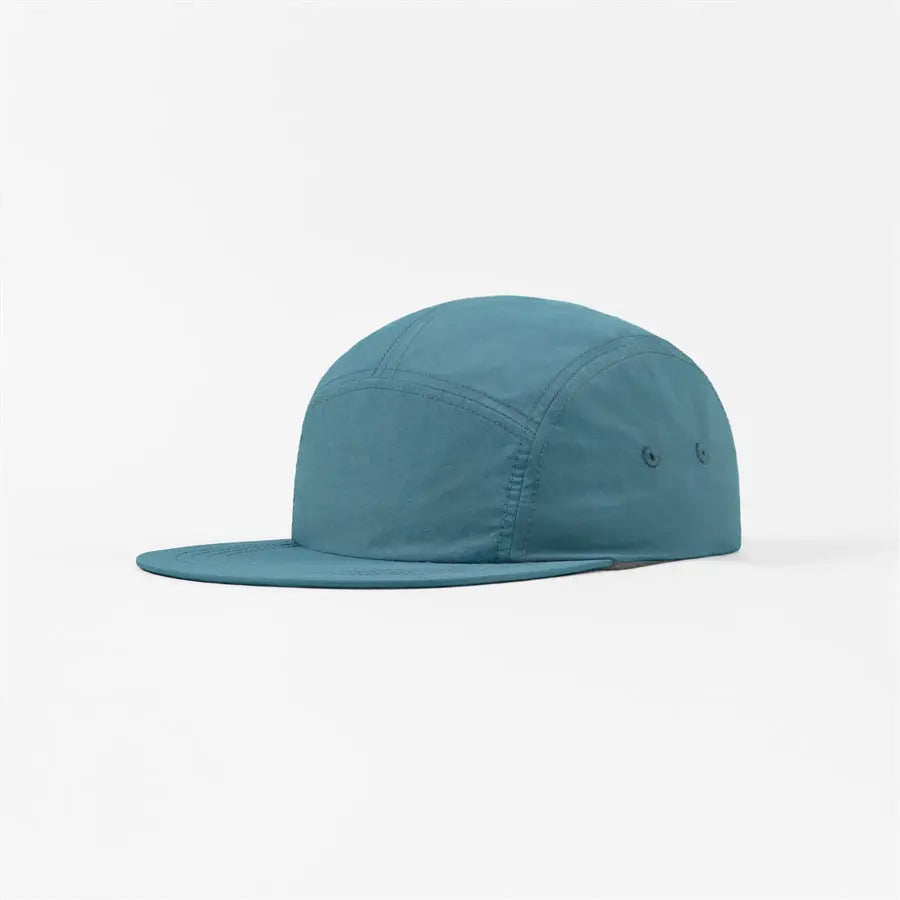



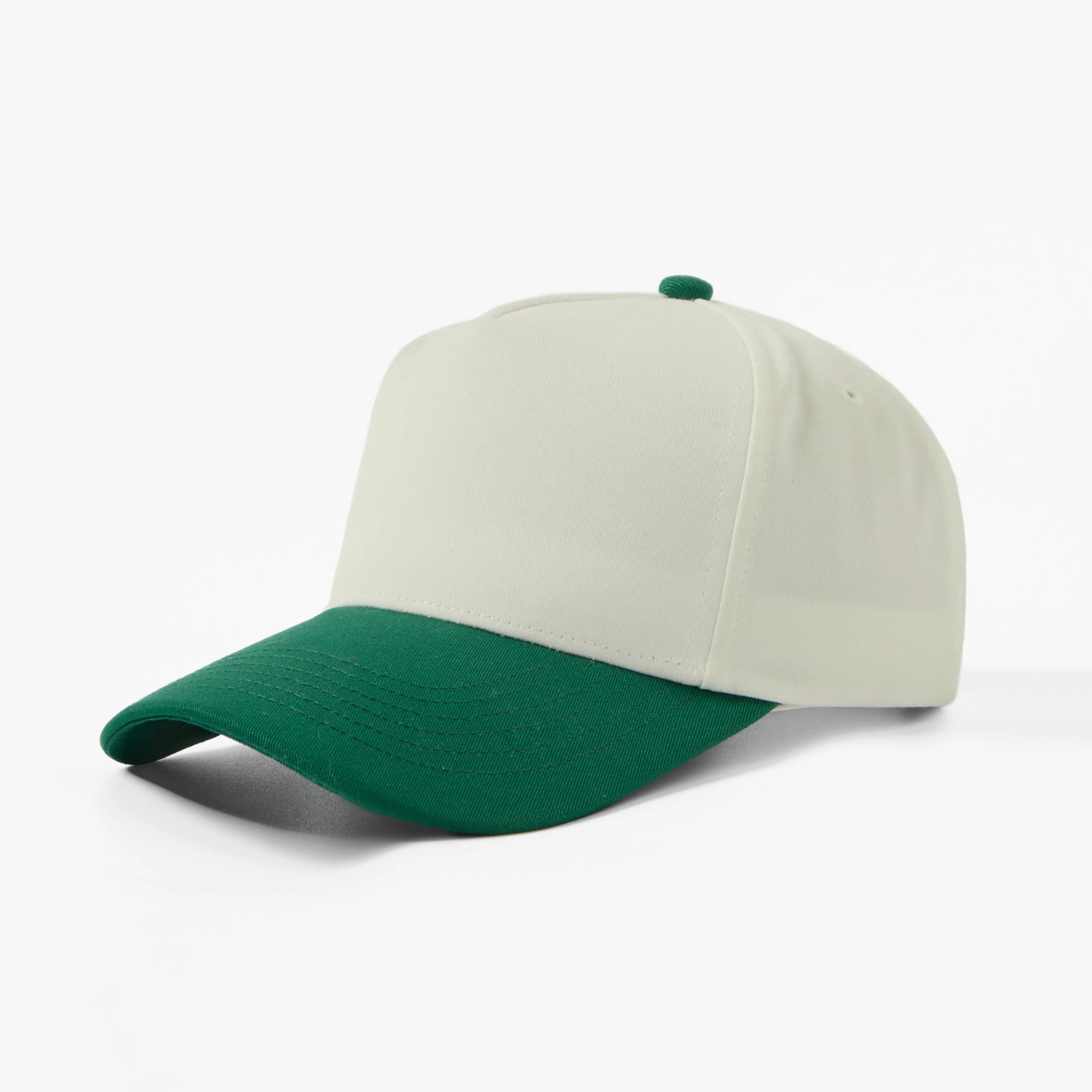

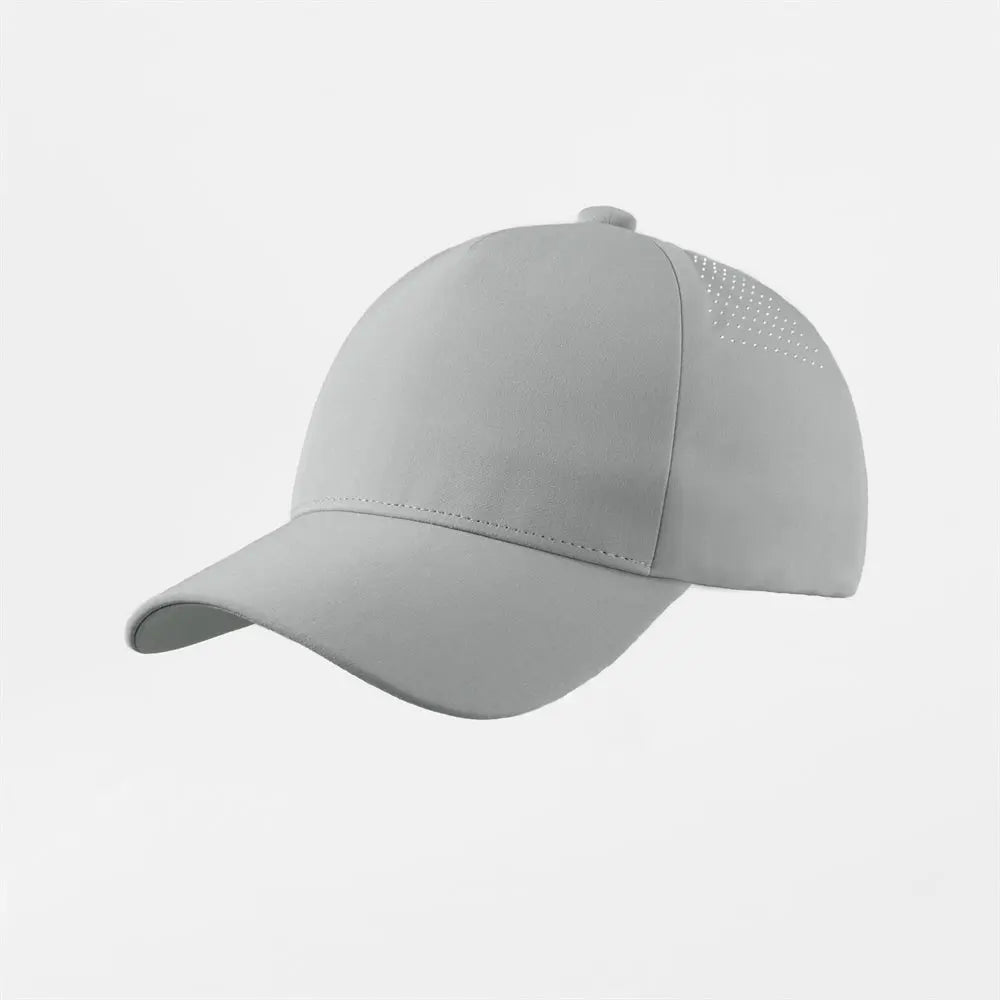
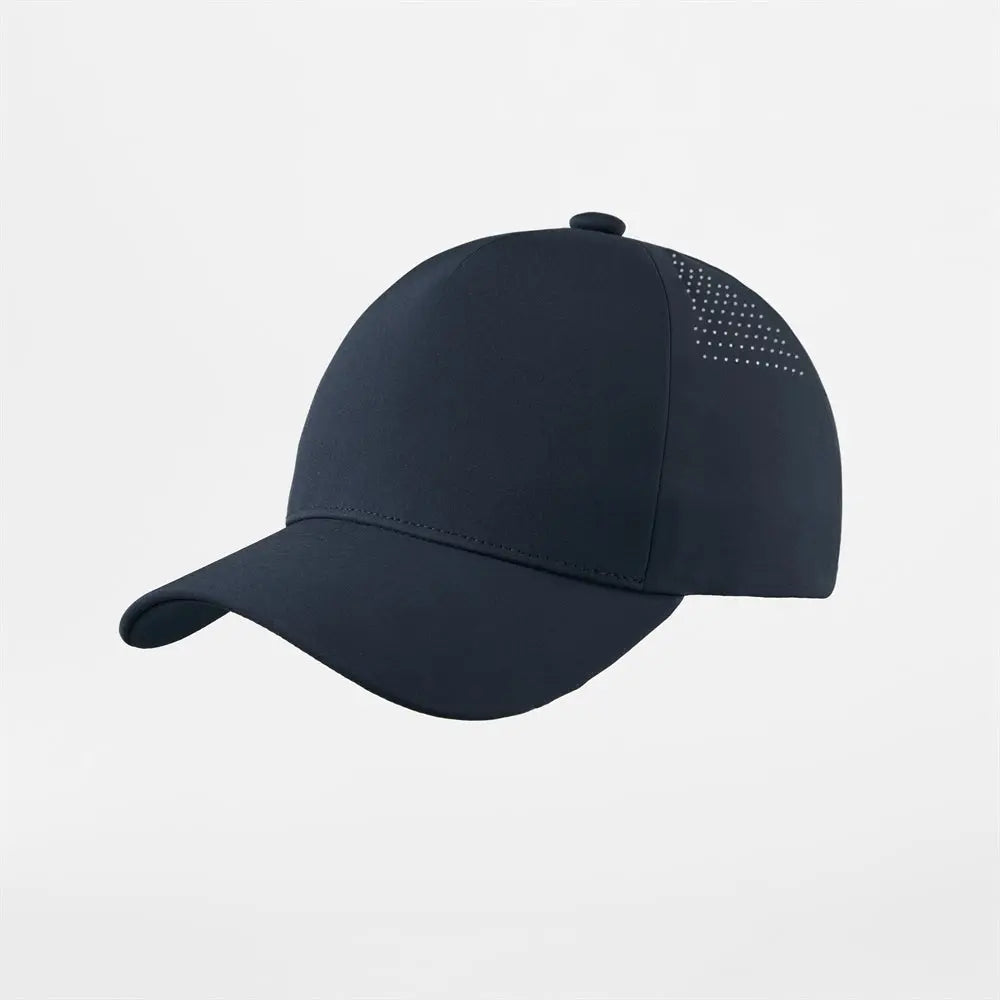
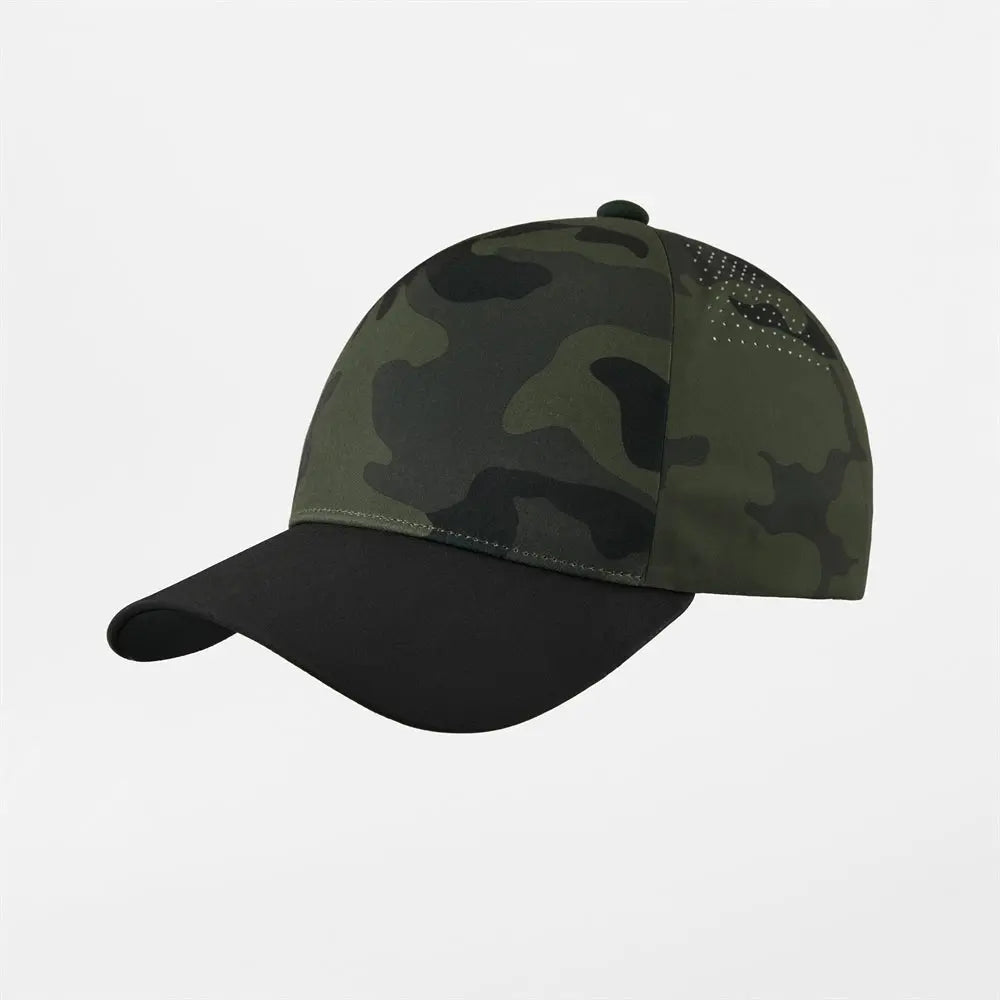


Introduction
Recycled hats combine practical headwear with a more responsible approach to material sourcing. Instead of relying entirely on newly produced fibers, they use materials recovered from consumer or manufacturing waste and processed into new yarns, fabrics, trims, or other components.
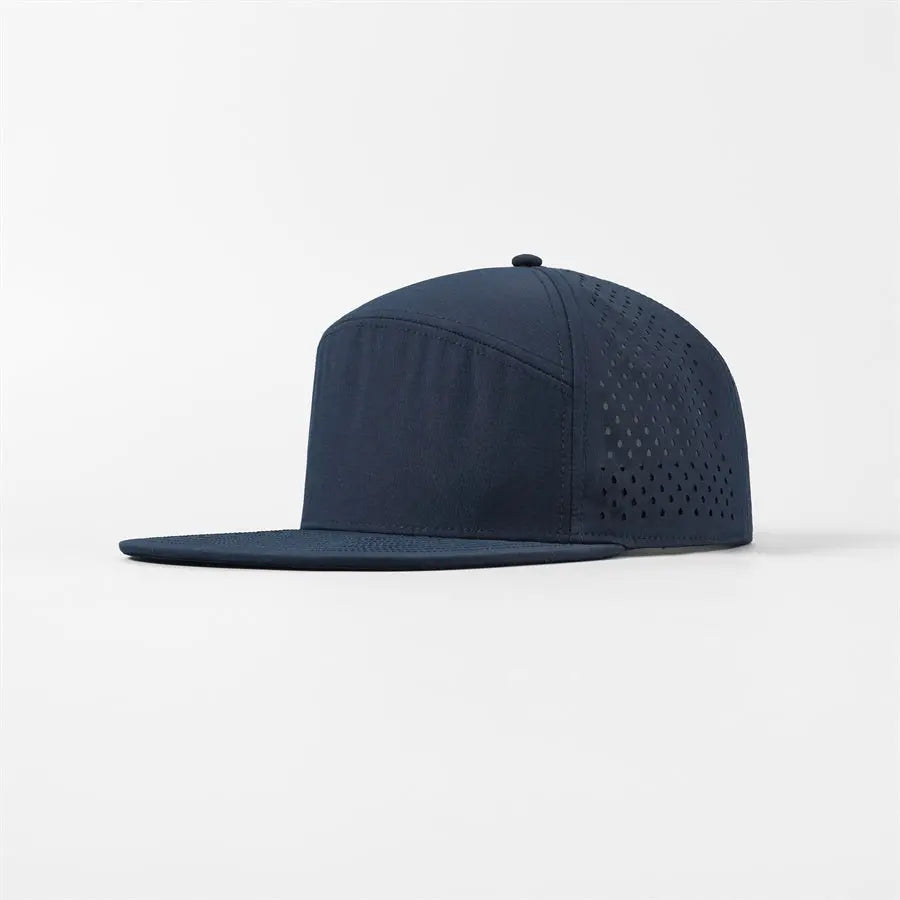
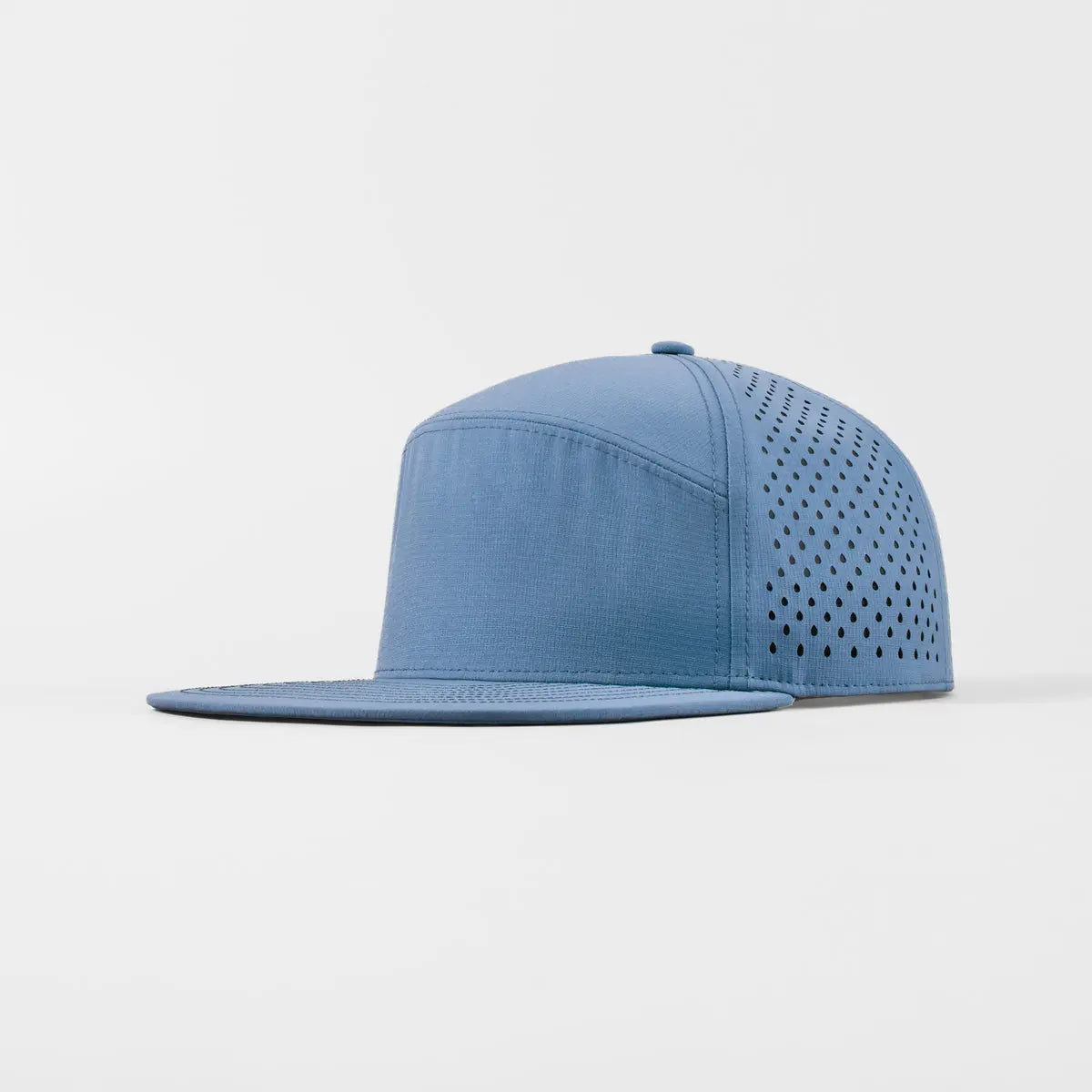
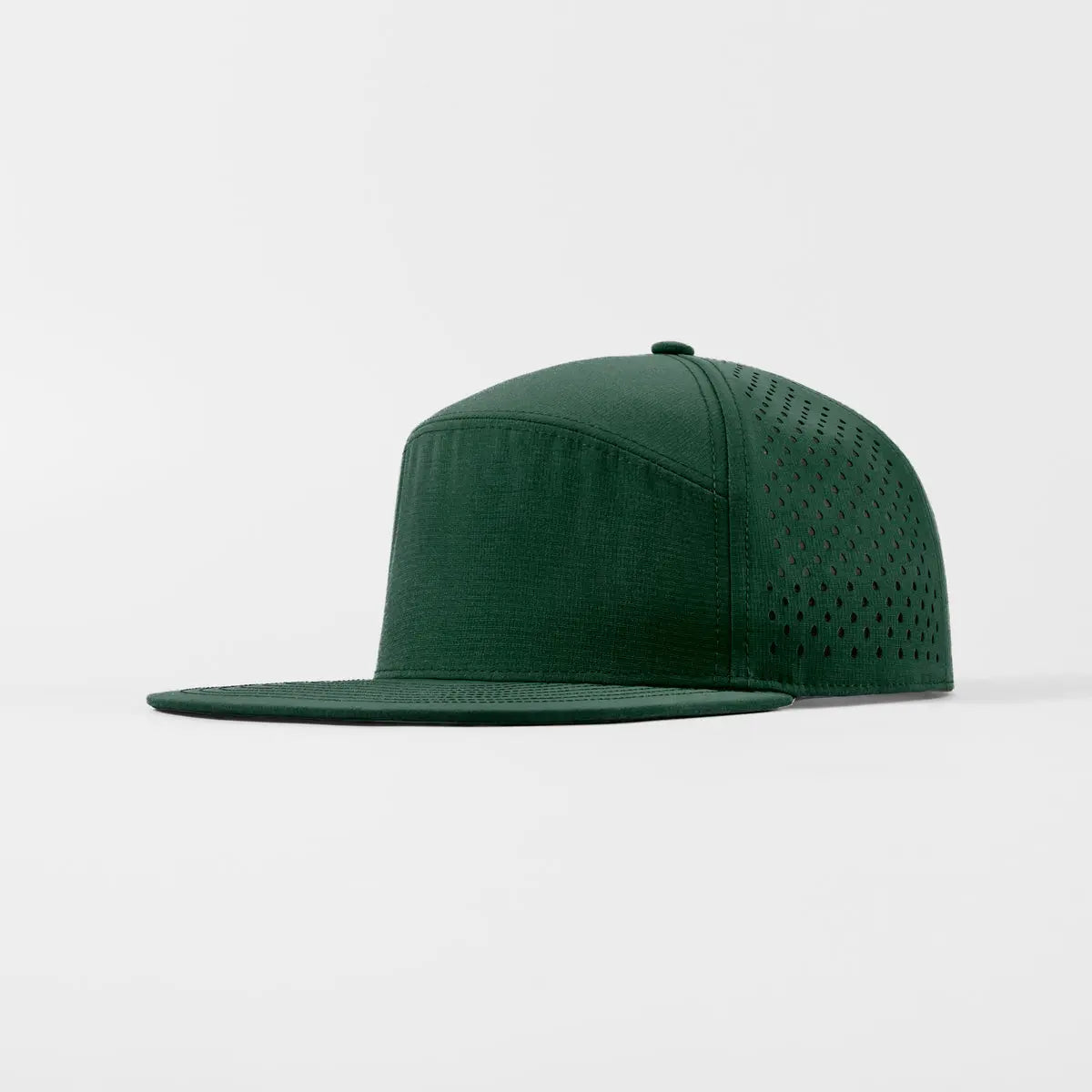
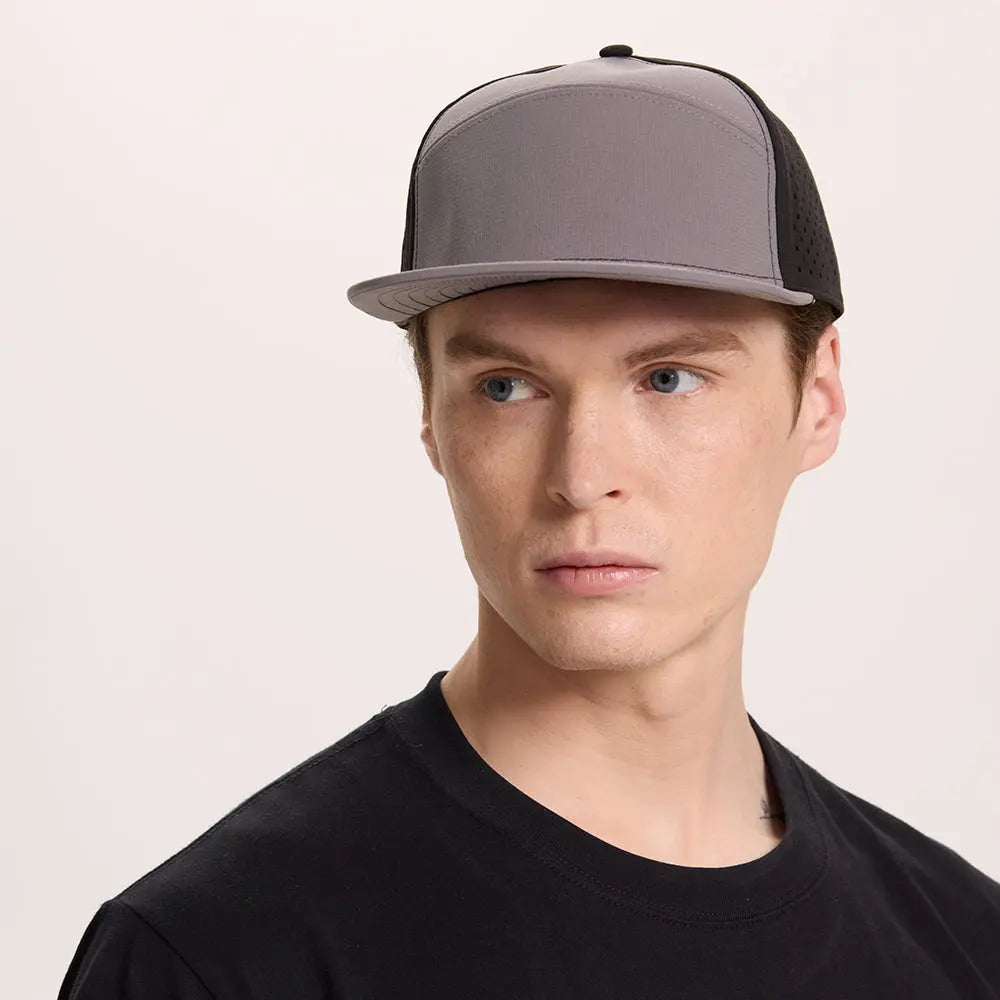
Recycled polyester is currently one of the most common options for baseball caps, performance hats, rope hats, trucker hats, bucket hats, and beanies. Recycled nylon and recycled cotton are also used depending on the required fit, texture, durability, and performance.
However, the term “recycled hat” does not automatically mean every component is recycled or that the product has no environmental impact. Buyers should examine the exact fiber percentage, source of the recycled content, product construction, certifications, durability, and supporting documentation.
This guide explains what recycled hats are, how they are made, their potential benefits and limitations, and what brands and businesses should check before ordering blank or custom recycled hats.

What Are Recycled Hats?
Recycled hats are hats made partially or entirely from materials that have been recovered from a waste stream and processed into new textile inputs.
These inputs may come from:
- Post-consumer plastic bottles
- Discarded fishing nets
- Used clothing and textiles
- Industrial fabric scraps
- Yarn and cutting waste
- Recovered nylon products
- Other pre-consumer or post-consumer materials
Recycled content may be used in the outer fabric, mesh panels, sweatband, closure, labels, rope, brim components, or sewing thread. The percentage can vary considerably between products.
A hat containing some recycled polyester is not necessarily a 100% recycled hat. Buyers should review the complete material specification rather than relying only on the product name.

Pre-Consumer vs. Post-Consumer Recycled Materials
Understanding where recycled materials come from can help buyers evaluate product claims.
Pre-Consumer Recycled Material
Pre-consumer material is recovered from the manufacturing process before reaching the final consumer.
Examples include:
- Fabric cutting scraps
- Yarn waste
- Defective textile materials
- Excess production materials
- Industrial nylon waste
Material reused within the same manufacturing process may not always qualify as recycled content, depending on the applicable standard and claim requirements.
Post-Consumer Recycled Material
Post-consumer material comes from products that have already been used and can no longer serve their original purpose.
Examples include:
- Used plastic bottles
- Discarded garments
- Worn fishing nets
- Consumer packaging
- Returned products that enter a recycling system
The Global Recycled Standard defines recycled content by mass and recognizes qualifying pre-consumer and post-consumer materials. It also distinguishes recycled materials from products that are simply reused without going through a recycling process.
Common Materials Used in Recycled Hats
Recycled Polyester
Recycled polyester, often called rPET, is one of the most widely used materials in recycled headwear.
Post-consumer plastic bottles are a common input, although recycled polyester can also come from textile and industrial waste.
Its useful characteristics include:
- Lightweight construction
- Good durability
- Quick-drying performance
- Wrinkle resistance
- Color consistency
- Compatibility with water-repellent finishes
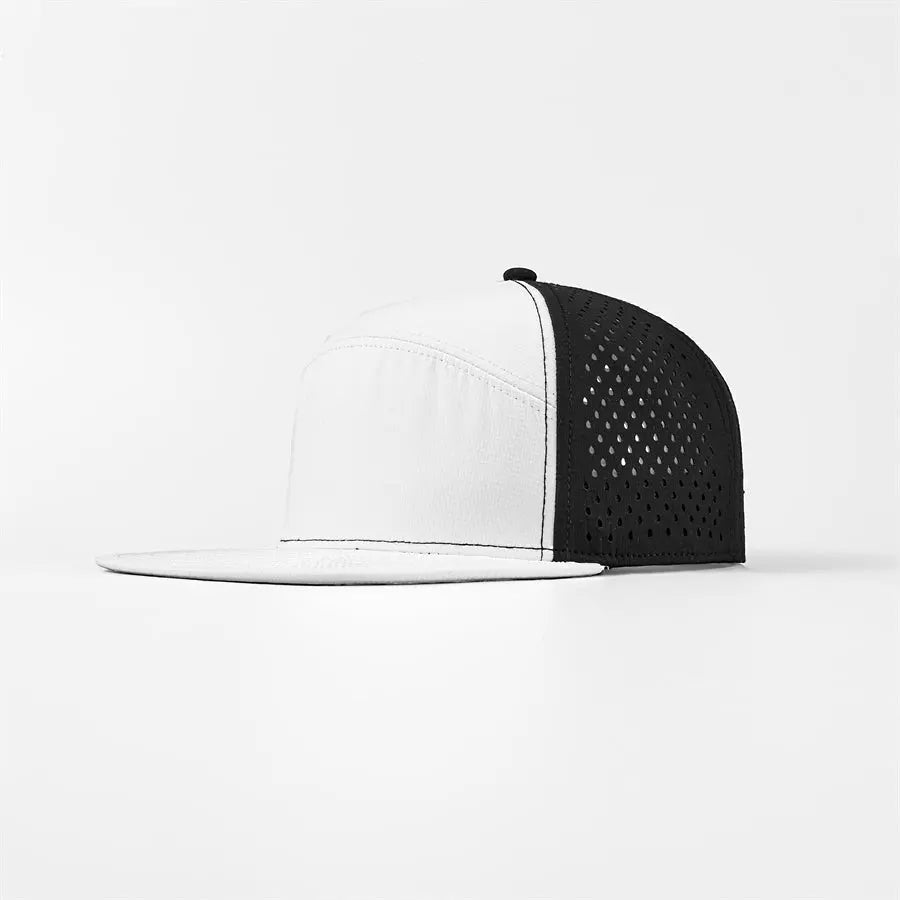
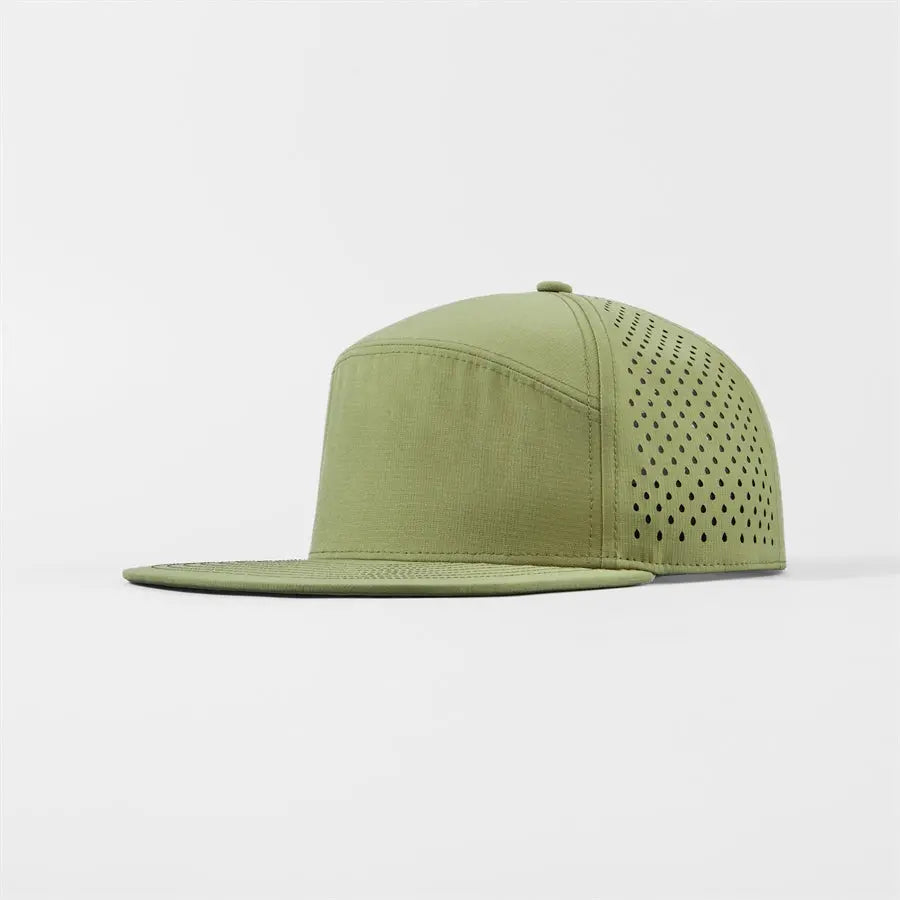
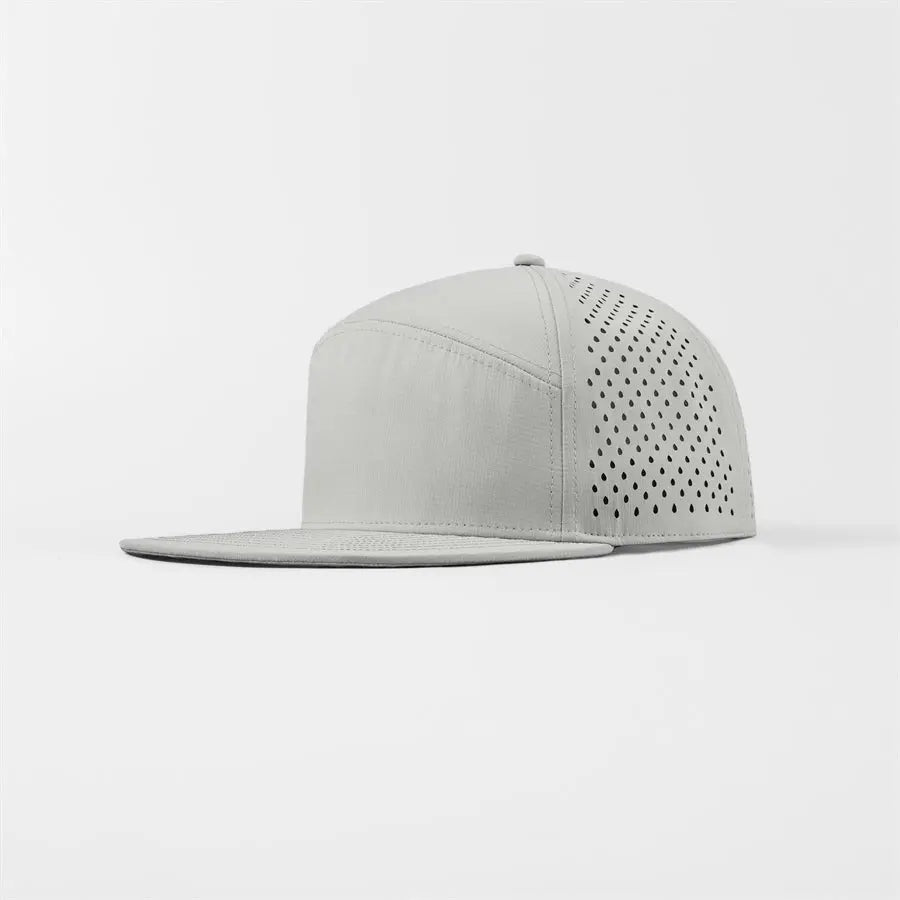
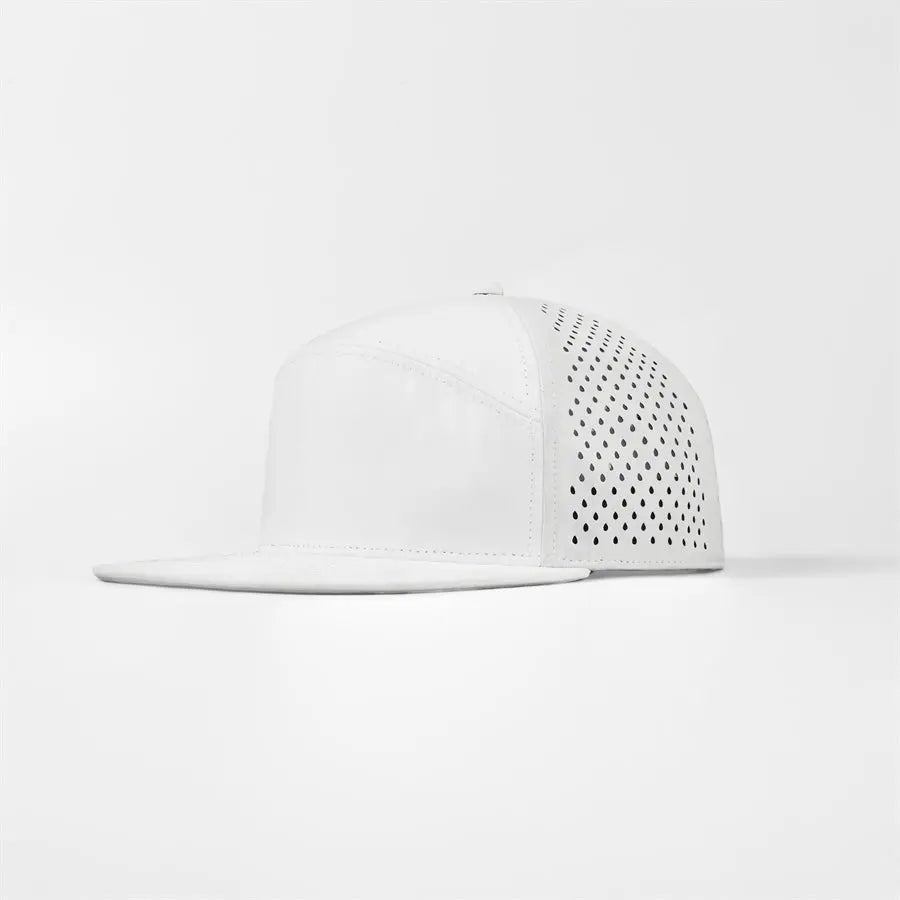
- Suitability for laser-cut perforations
- Strong performance for outdoor and athletic hats
Recycled polyester is commonly used for:
- Golf hats
- Running caps
- Rope hats
- Performance baseball caps
- Snapbacks
- Trucker hats
- Bucket hats
- Lightweight camper caps
Its performance can be similar to virgin polyester when the yarn, fabric, and manufacturing process are properly controlled.

Recycled Nylon
Recycled nylon may be produced from recovered fishing nets, carpeting, fabric scraps, industrial waste, and other nylon products.
It is frequently selected for lightweight outdoor hats because it can offer:
- High strength
- Abrasion resistance
- A smooth hand feel
- Low weight
- Quick-drying performance
- Compatibility with water-resistant constructions
Recycled nylon can be especially suitable for camper caps, running hats, packable caps, and outdoor headwear.
Not every recycled nylon product comes from ocean waste or fishing nets. Suppliers should state the actual source rather than using broad ocean-related language without documentation.

Recycled Cotton
Recycled cotton is commonly produced from pre-consumer textile scraps or post-consumer garments.
It can provide:
- A soft, natural texture
- A casual appearance
- Reduced demand for newly grown cotton
- Suitability for lifestyle and vintage-inspired headwear
Recycled cotton fibers are often shorter than virgin cotton fibers because the recycling process breaks down the original fabric. For this reason, recycled cotton may be blended with virgin cotton, polyester, or other fibers to improve strength and consistency.
It works well for:
- Dad hats
- Baseball caps
- Bucket hats
- Casual camper hats
- Lifestyle headwear
Recycled Wool
Recycled wool can be recovered from manufacturing scraps or used wool garments. The material is sorted, processed, and respun into yarn.
It is commonly used in:
- Beanies
- Winter caps
- Fashion headwear
- Wool-blend hats
Recycled wool is often blended with other fibers to improve durability, softness, stretch, and yarn stability.
Upcycled Fabrics
Upcycling differs slightly from conventional recycling. Instead of breaking waste into raw material and manufacturing a new fiber, upcycling gives an existing material a new use.
For example, old denim, uniforms, banners, or fabric remnants may be cut and reconstructed into hats.
Upcycled hats can provide:
- Distinctive textures
- Limited-edition designs
- A strong product story
- Reduced use of newly manufactured fabric
However, consistency can be difficult because the available material may vary in color, weight, quality, and quantity.
How Are Recycled Polyester Hats Made?
The production process varies by material and supplier, but a recycled polyester hat commonly follows these stages:
1. Collection
Qualifying plastic waste, such as post-consumer bottles, is collected from the waste stream.
2. Sorting and Cleaning
The materials are sorted by type and color. Labels, caps, contaminants, and unsuitable plastics are removed before cleaning.
3. Shredding
The cleaned plastic is shredded into small flakes.
4. Recycling
The flakes are processed mechanically or chemically into recycled polyester material.
5. Yarn Production
The recycled polyester is melted, extruded into filaments, and spun into yarn.
6. Fabric Production
The yarn is knitted or woven into fabric. The fabric may then be dyed, finished, coated, or perforated depending on the product requirements.
7. Hat Manufacturing
The fabric is cut into panels and assembled with the brim, sweatband, closure, labels, eyelets, rope, mesh, and other components.
8. Decoration and Finishing
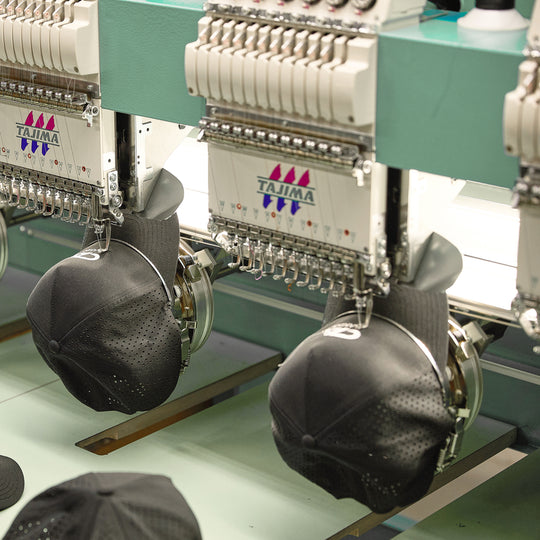
The finished hat may be customized with embroidery, printing, patches, woven labels, or private-label elements.

What Are the Benefits of Recycled Hats?
Reduced Reliance on Virgin Materials
Using recovered textile or plastic waste can reduce demand for newly produced raw materials.
This does not make production impact-free, but it helps keep existing materials in use for longer.
Diversion of Recoverable Waste
Recycling creates another use for materials that might otherwise be discarded, incinerated, or sent to landfill.
The actual benefit depends on the quality of the collection system, recycling technology, transportation, manufacturing process, and product lifespan.
Performance and Durability
Recycled polyester and recycled nylon can provide the durability, light weight, moisture management, and quick-drying performance needed for athletic and outdoor hats.
Recycled materials are therefore not limited to basic casual products. They can be used for highly functional headwear with features such as:
- Laser-cut perforations
- Moisture-wicking sweatbands
- Water-repellent finishes
- Lightweight construction
- Stretch panels
- Packable designs
- UPF-rated fabrics, when properly tested
Brand Positioning
Recycled hats can support product collections focused on responsible sourcing and material transparency.
They are particularly relevant for:
- Outdoor brands
- Sports clubs
- Corporate merchandise
- Schools and universities
- Golf tournaments
- Running events
- Retail collections
- Promotional programs
- Environmental organizations
Claims should remain specific and verifiable. For example, “made with 100% recycled polyester fabric” is clearer than a broad statement such as “completely sustainable.”
Versatile Customization
Recycled hats can generally be decorated using the same methods as conventional hats, including:
- Flat embroidery
- 3D embroidery
- Woven patches
- Embroidered patches
- Silicone patches
- PVC patches
- Leather-style patches
- DTF printing
- Screen printing
- Woven labels
- Private labeling
The decoration method should always be tested against the fabric, coating, panel structure, and intended use.

Are Recycled Hats Completely Sustainable?
No single hat is impact-free.
Recycled hats still require energy, water, dyes, chemicals, transportation, labor, packaging, and manufacturing. Synthetic recycled fibers may also release microfibers during use and washing.
Recycled content should therefore be considered one part of a broader product strategy that also includes:
- Durable construction
- Long-term wear
- Responsible manufacturing
- Appropriate chemical management
- Reduced packaging
- Repairability
- Accurate material claims
- Efficient transportation
- End-of-life planning
The United Nations Environment Programme identifies circularity as a system-wide goal for textiles rather than a claim based on one material choice alone.
Popular Styles of Recycled Hats
Recycled Performance Hats
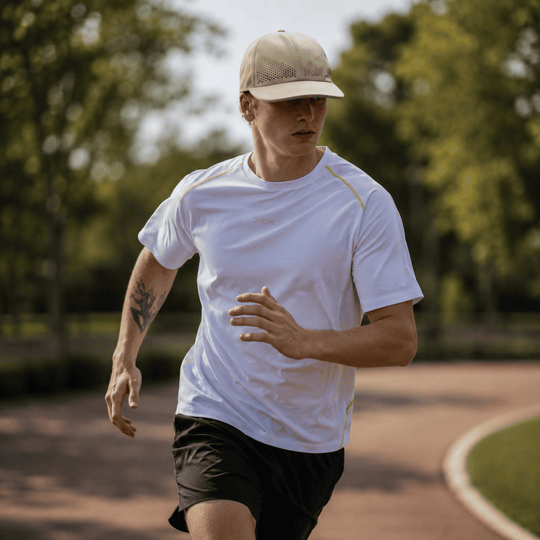
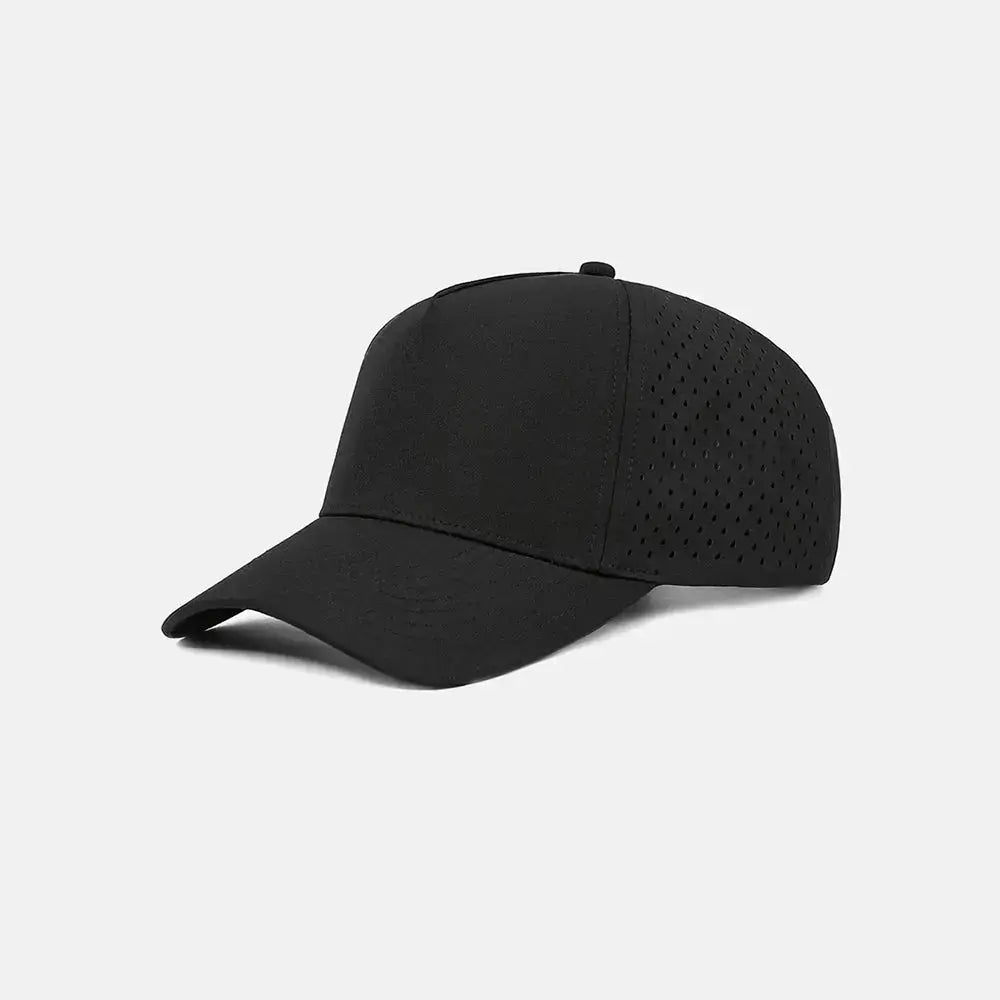
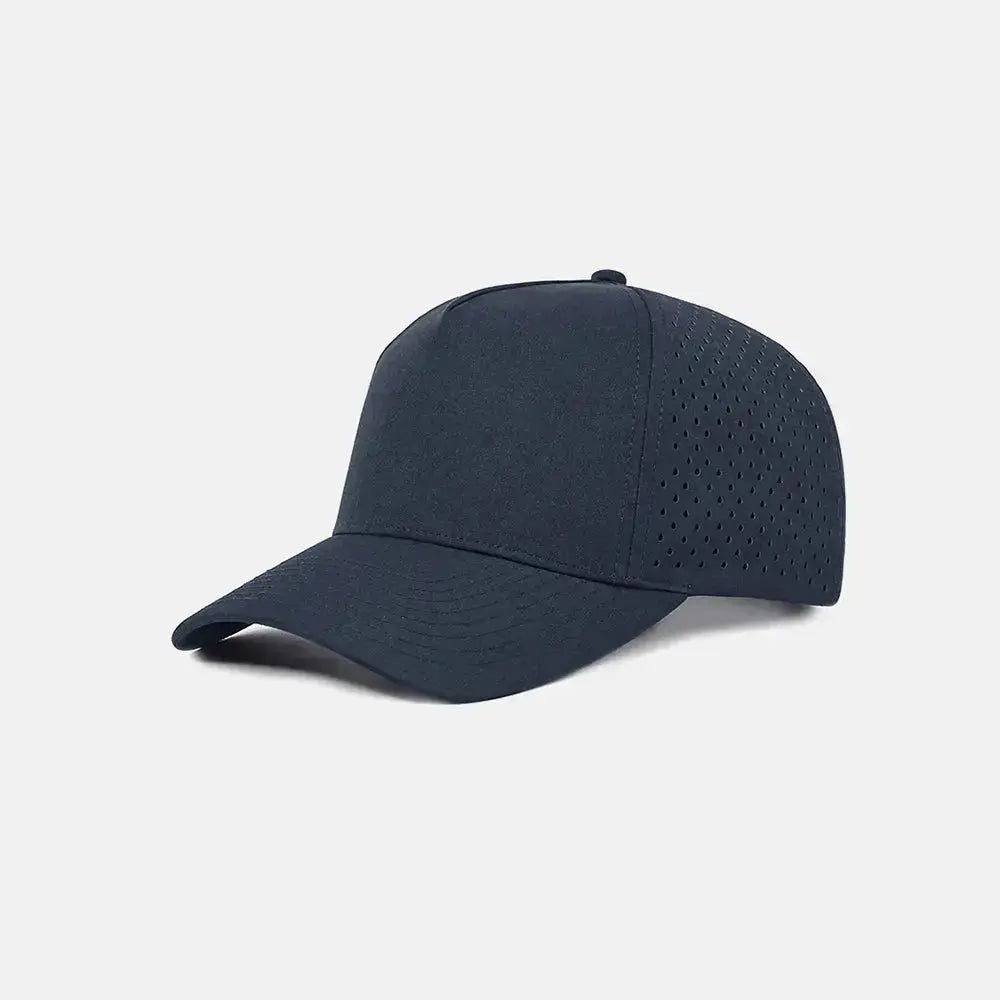
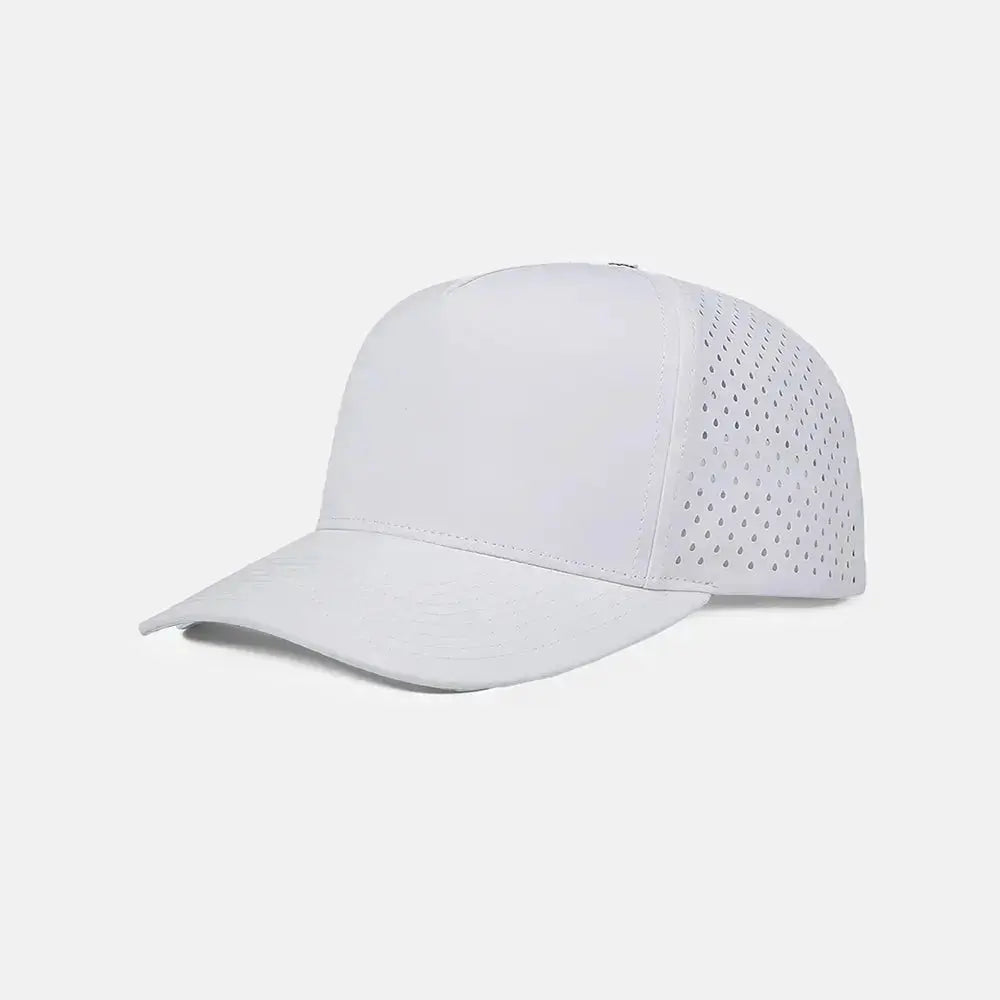
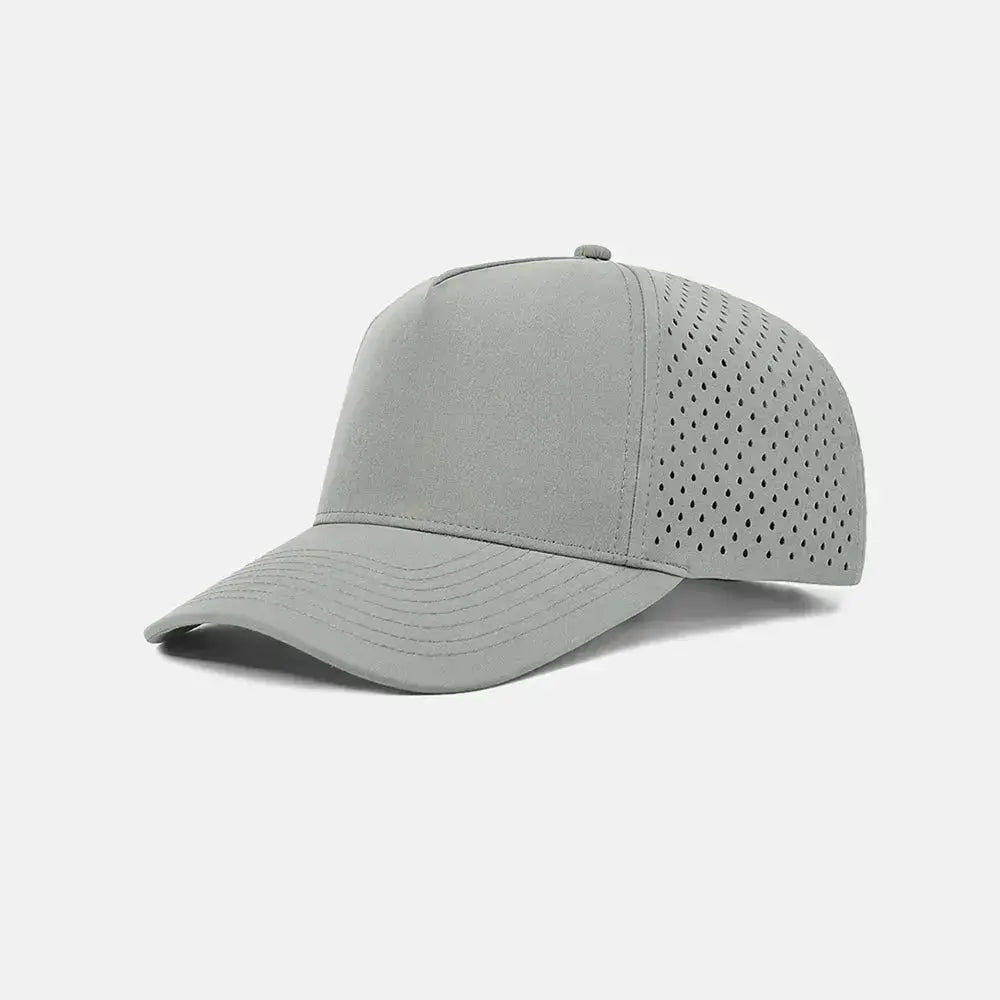
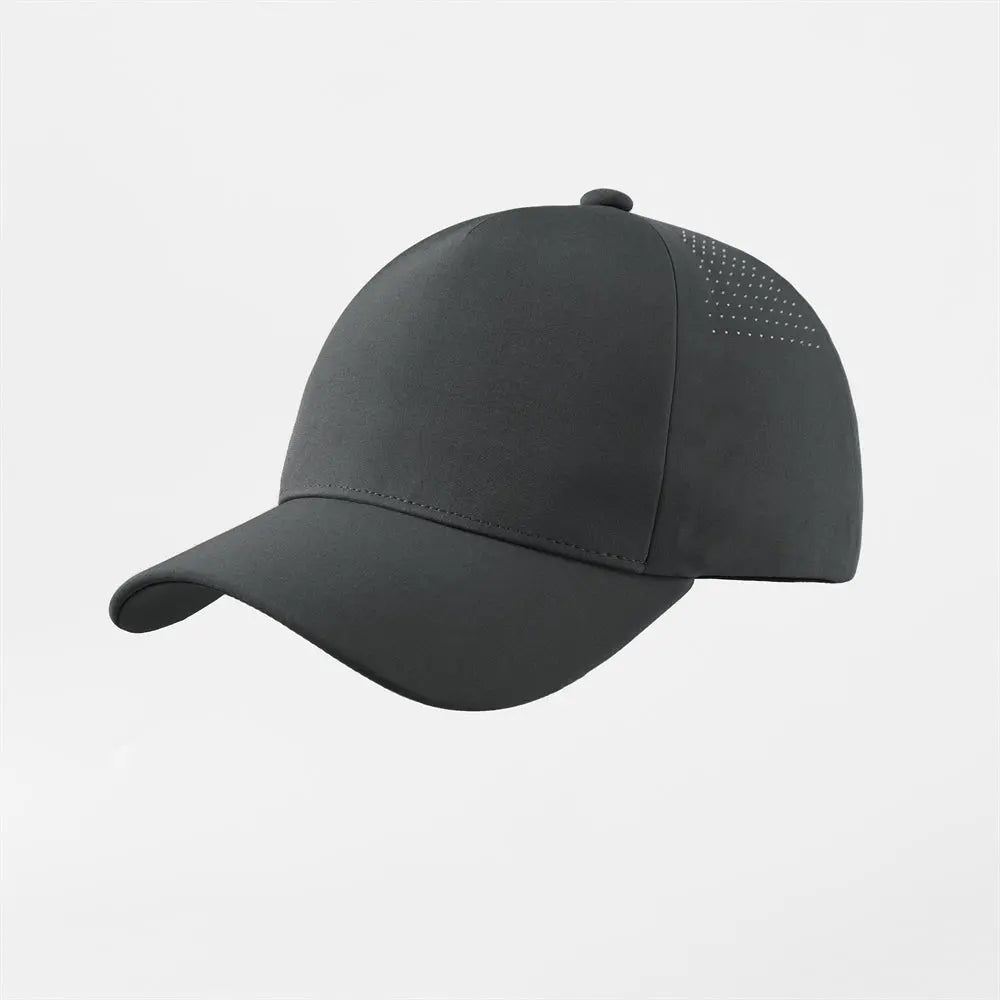
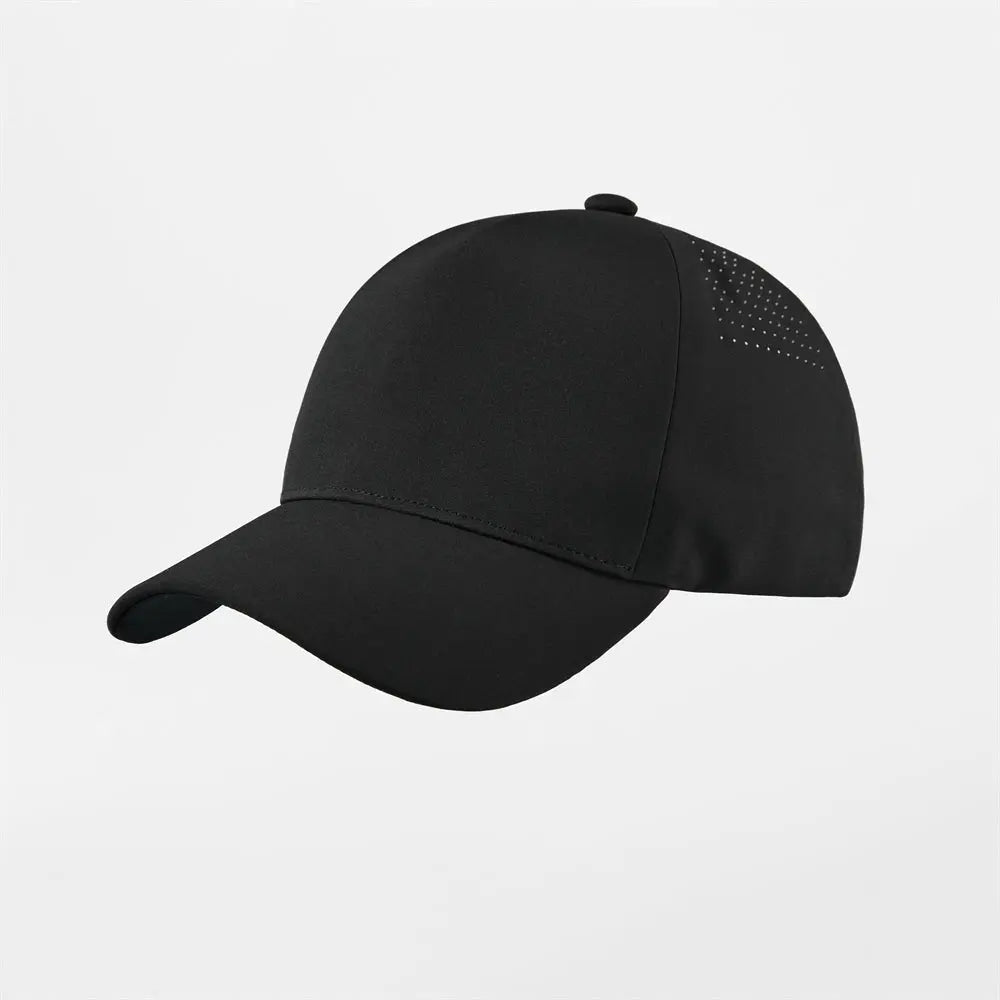
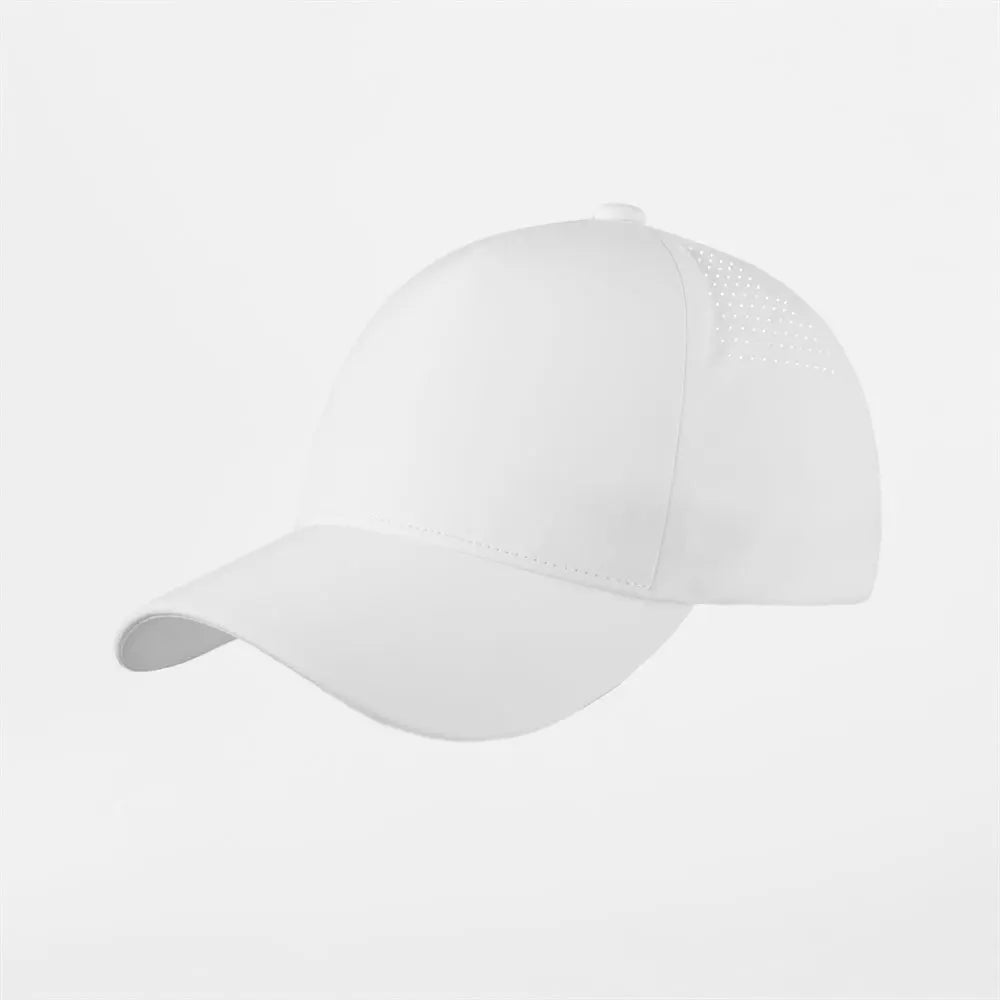
Performance hats made with recycled polyester or nylon are suitable for running, golf, tennis, pickleball, hiking, and outdoor events.
Common features include:
- Lightweight fabric
- Laser perforations
- Quick-drying sweatbands
- Water-repellent finishes
- Adjustable closures
- Flexible or lightweight brims

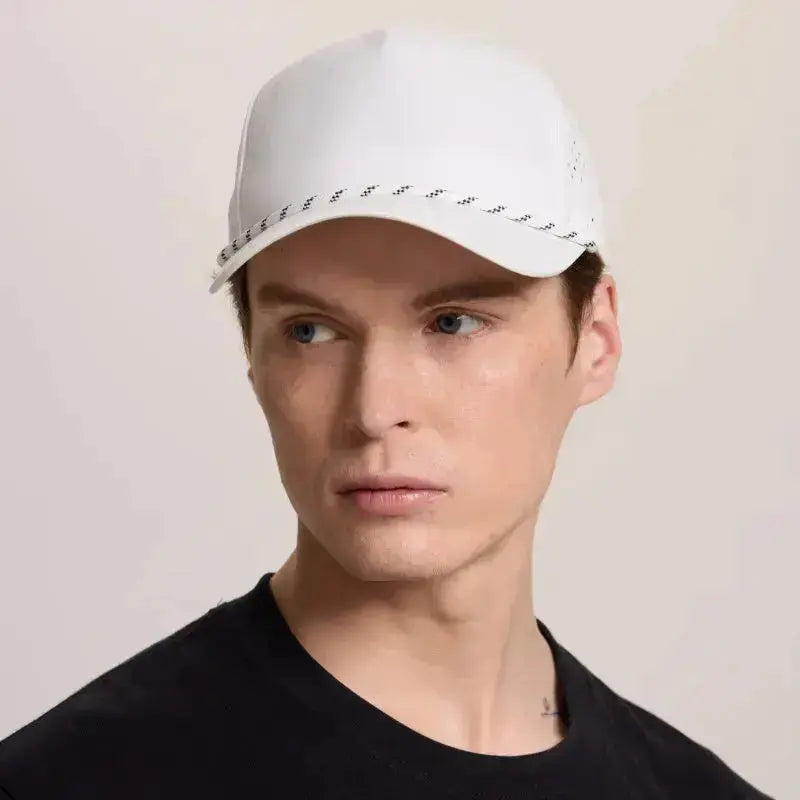
Recycled Rope Hats
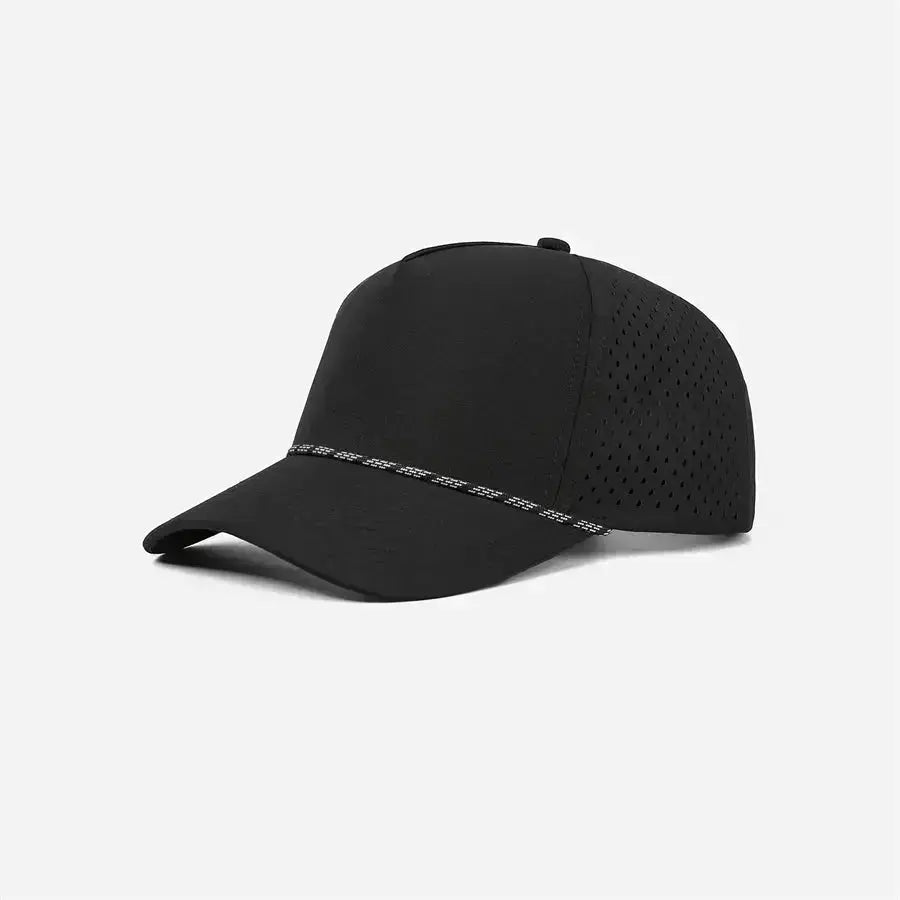
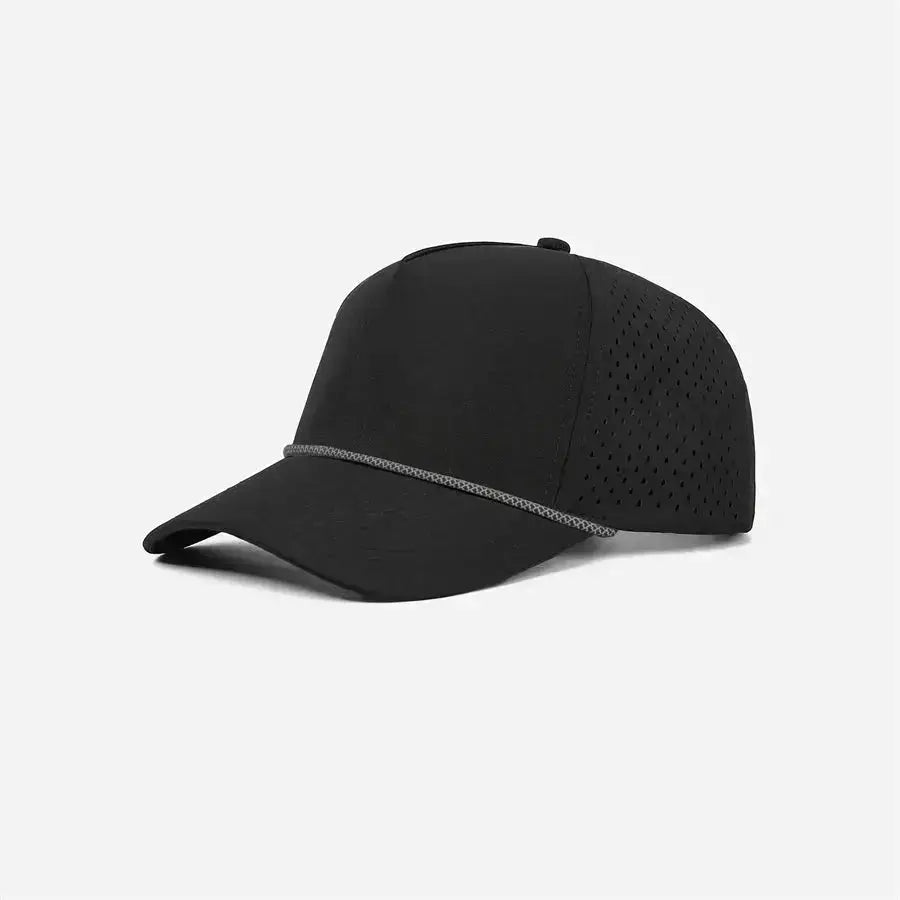
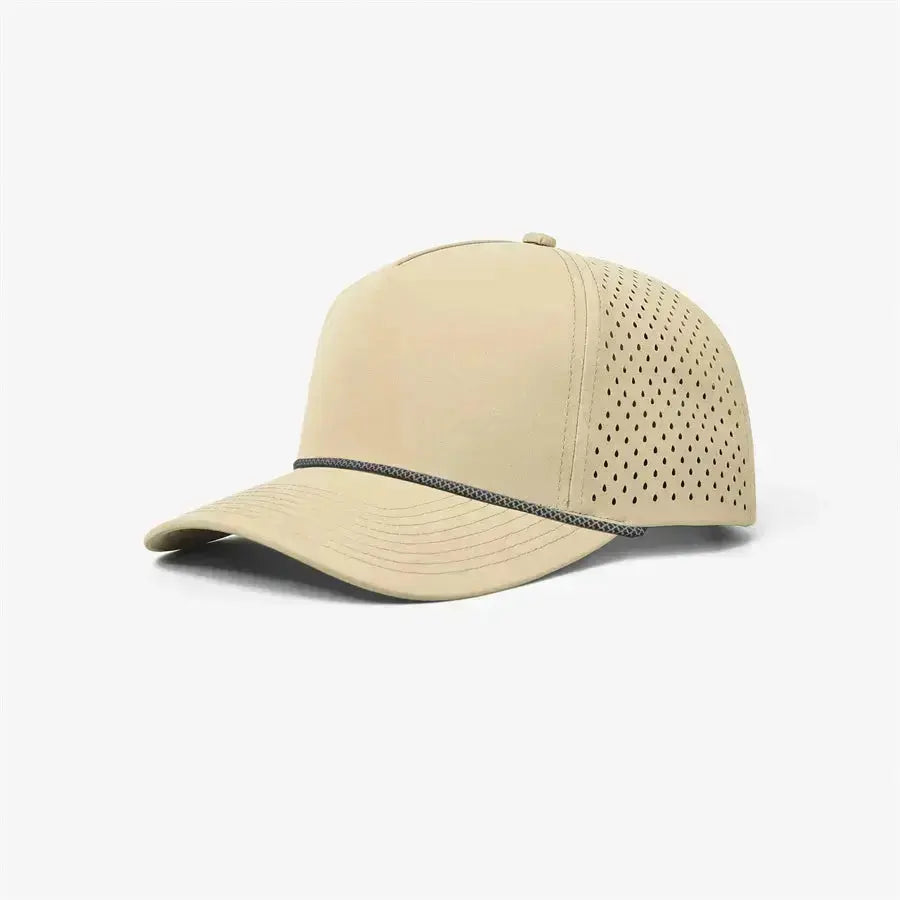
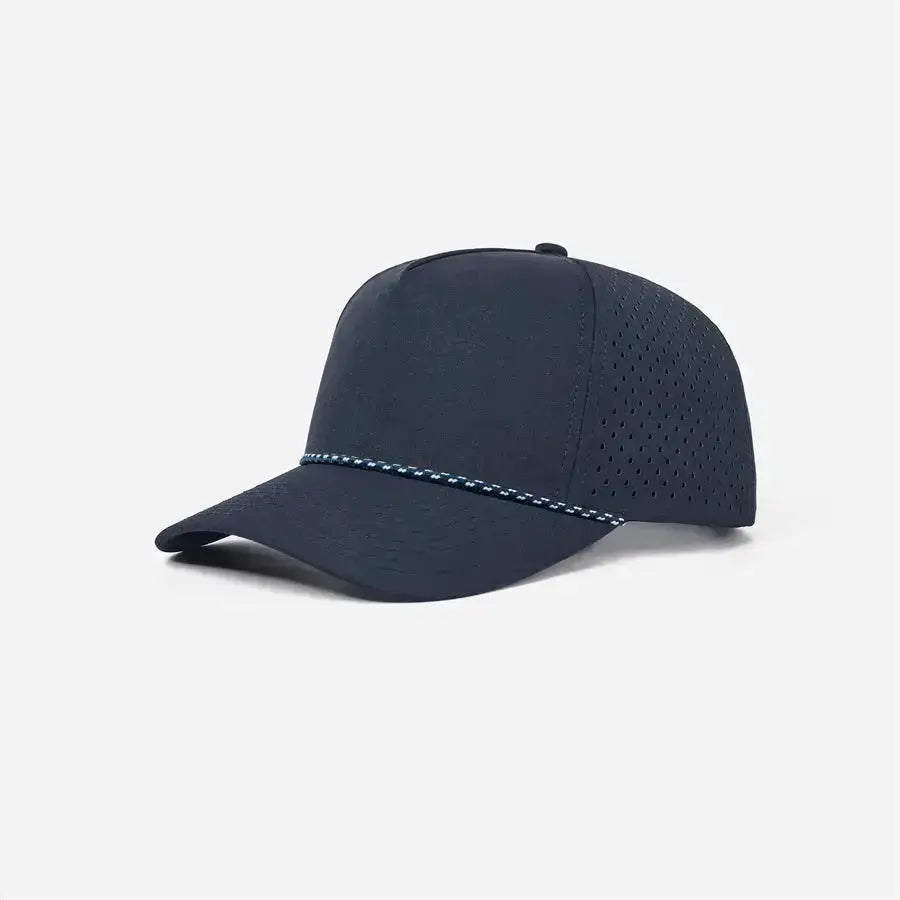
Rope hats combine a classic golf-inspired appearance with modern performance fabrics.
They work well for:
- Golf clubs
- Tournaments
- Resorts
- Corporate events
- Outdoor brands
- Promotional merchandise

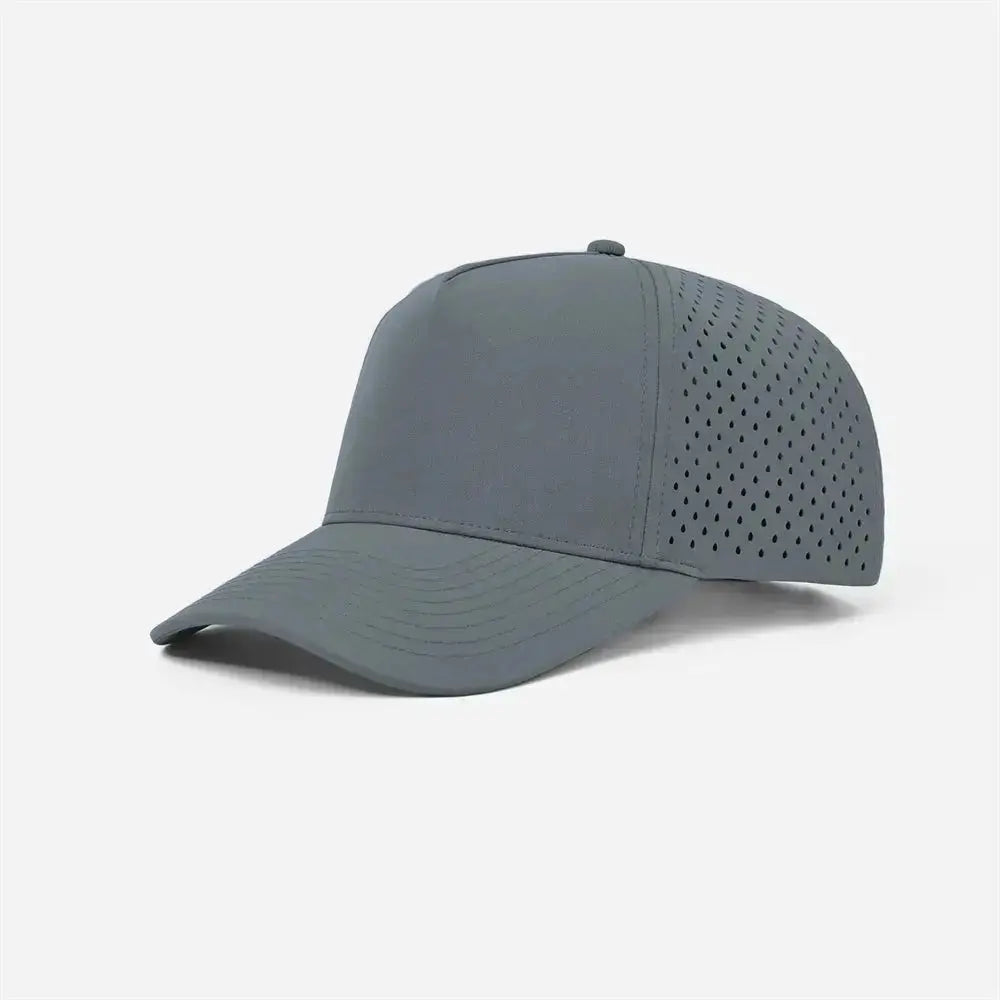
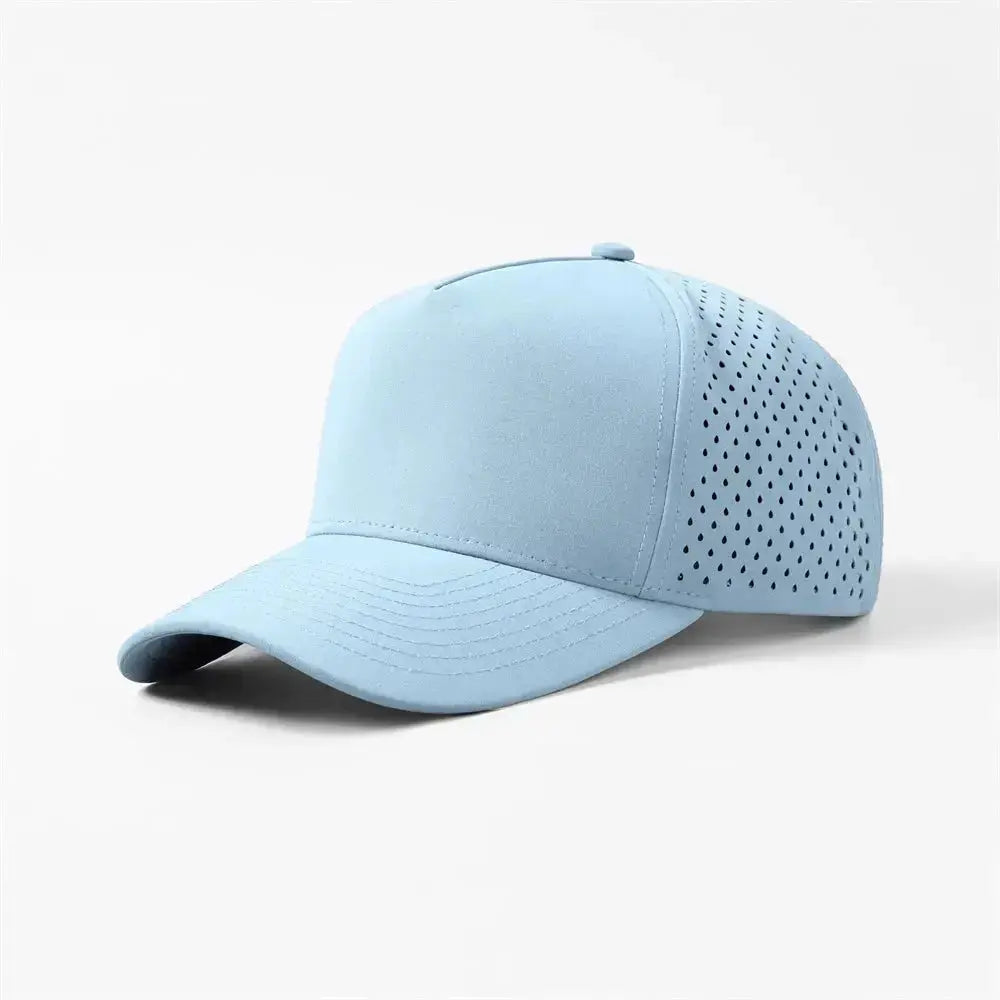
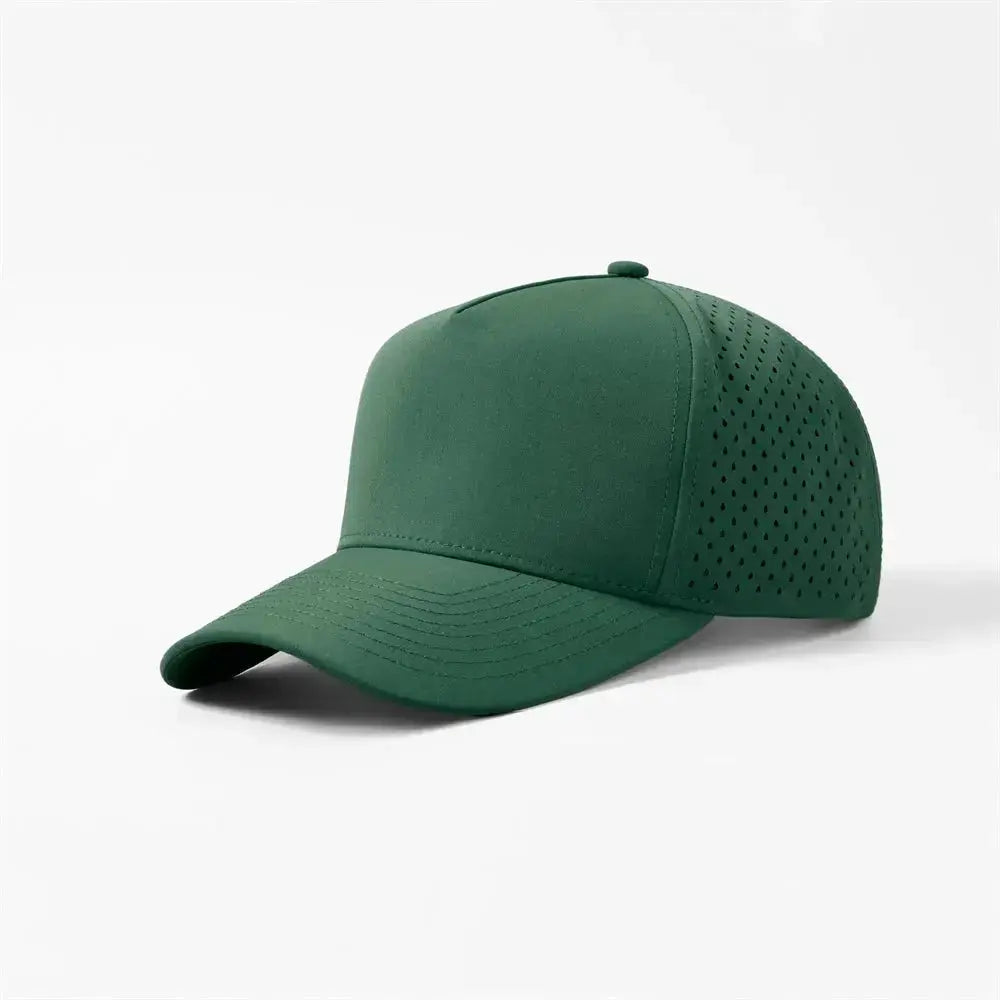
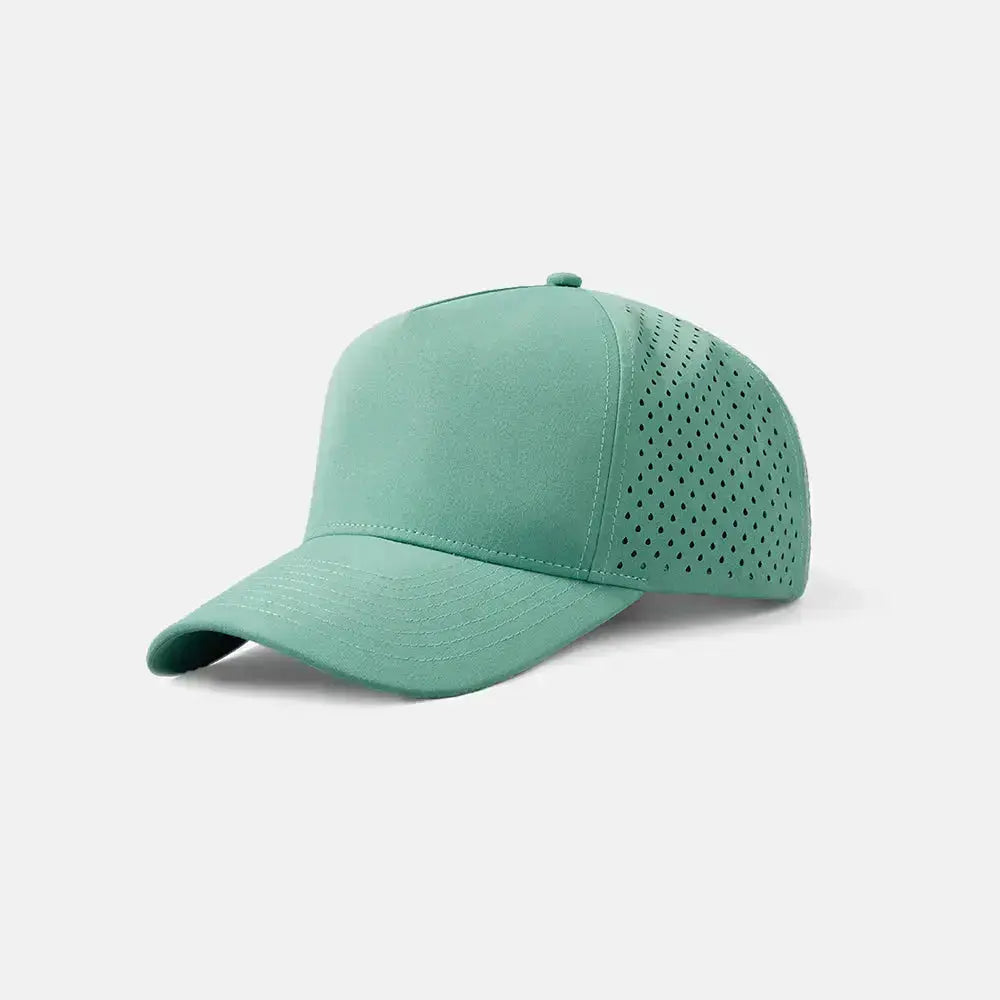
Recycled Baseball Caps
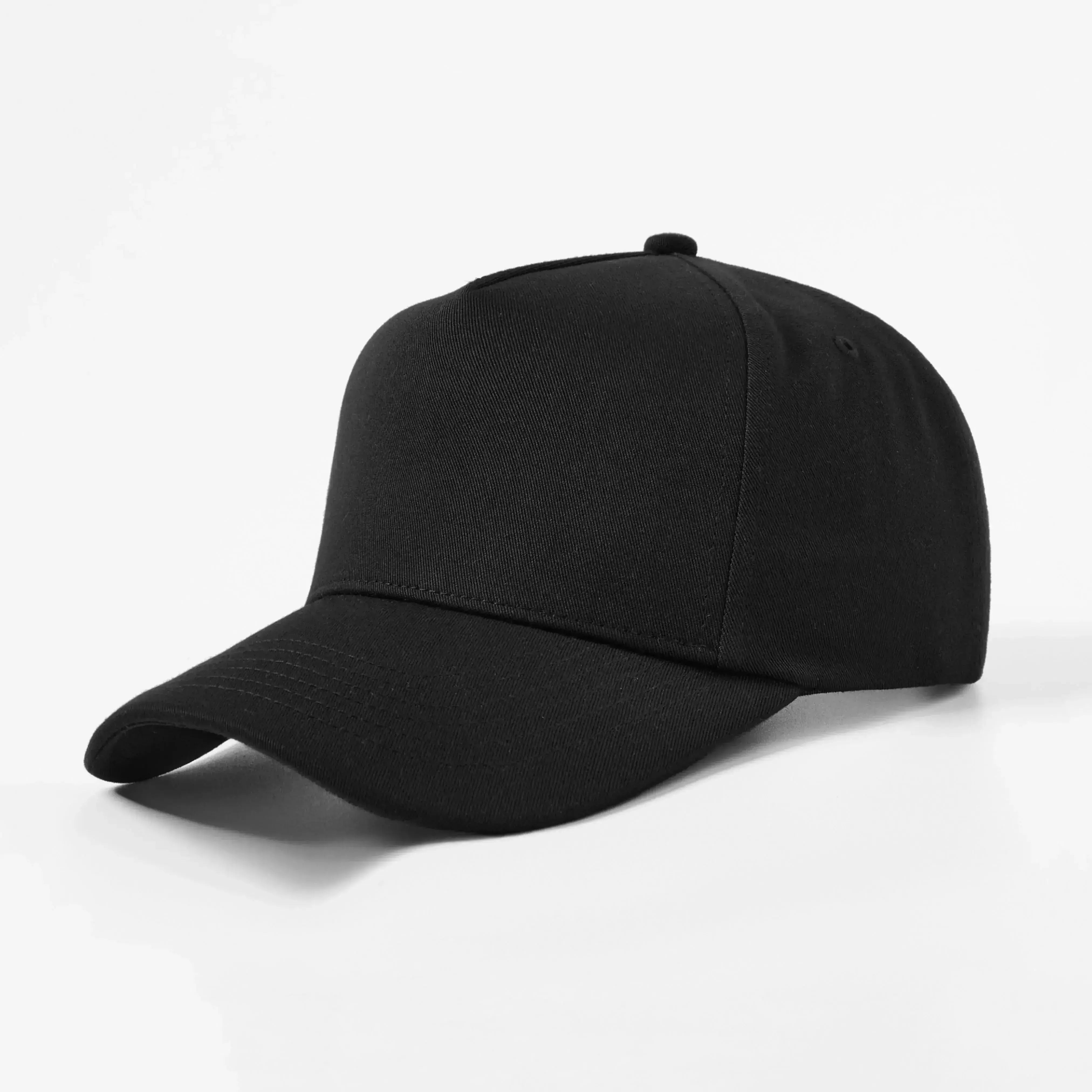
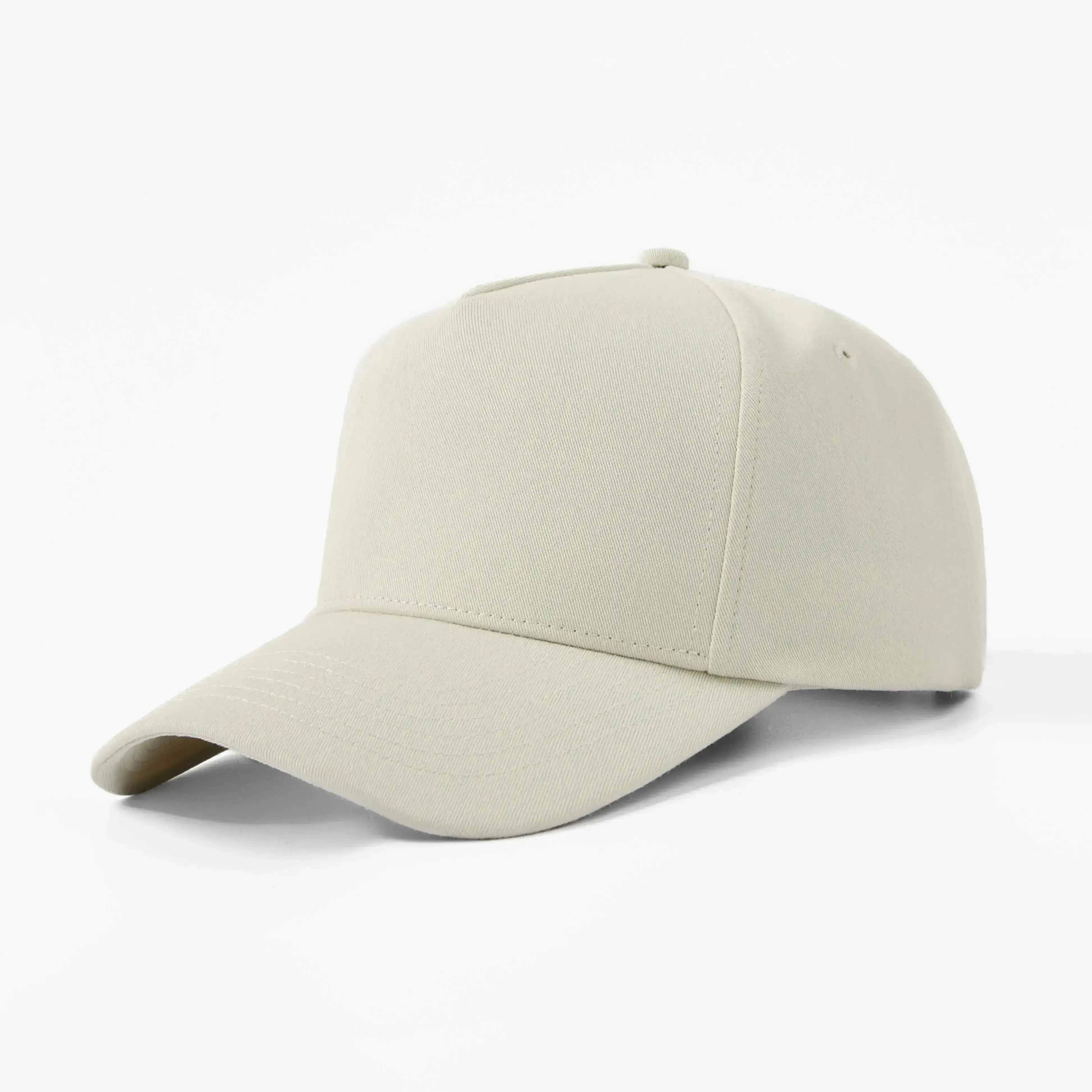
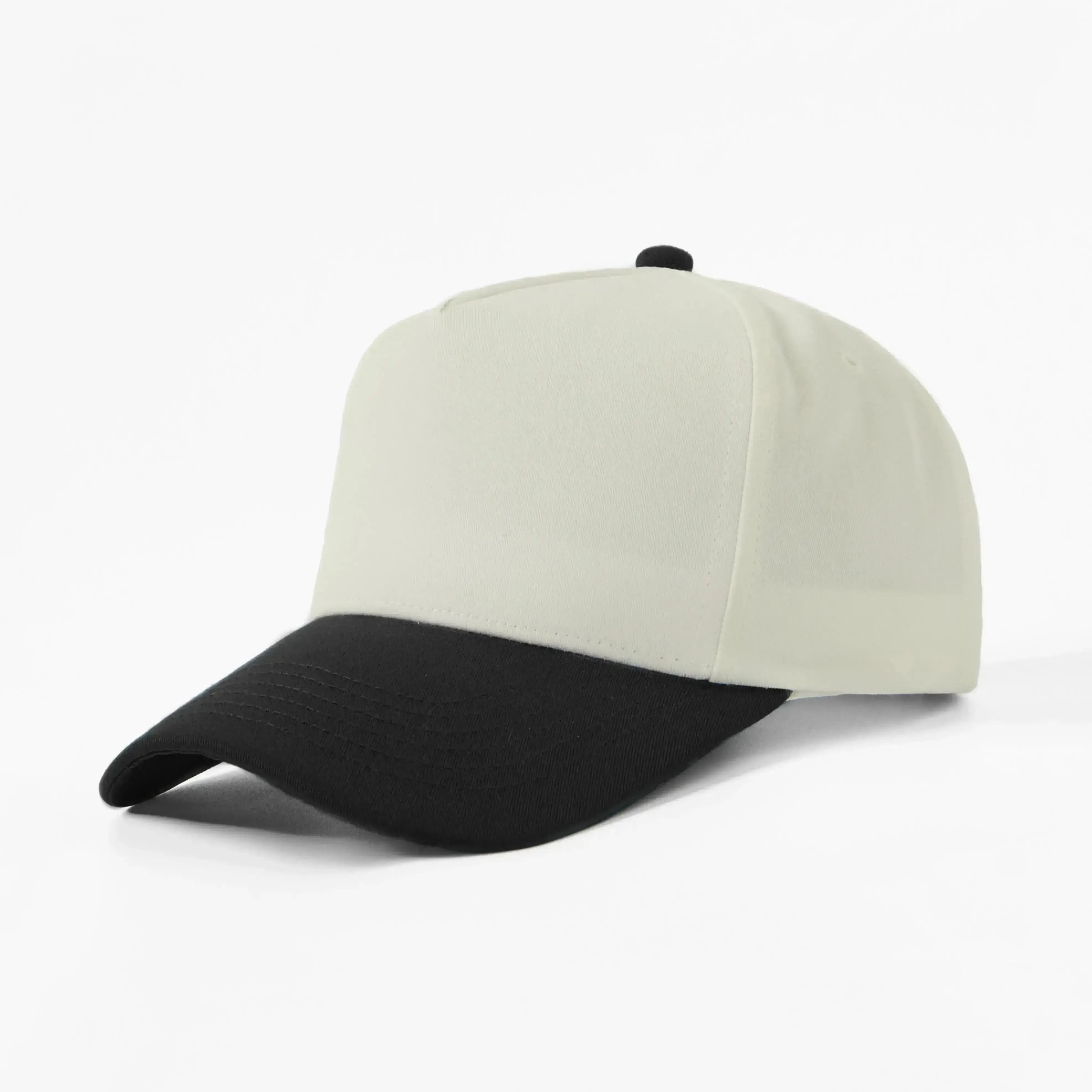
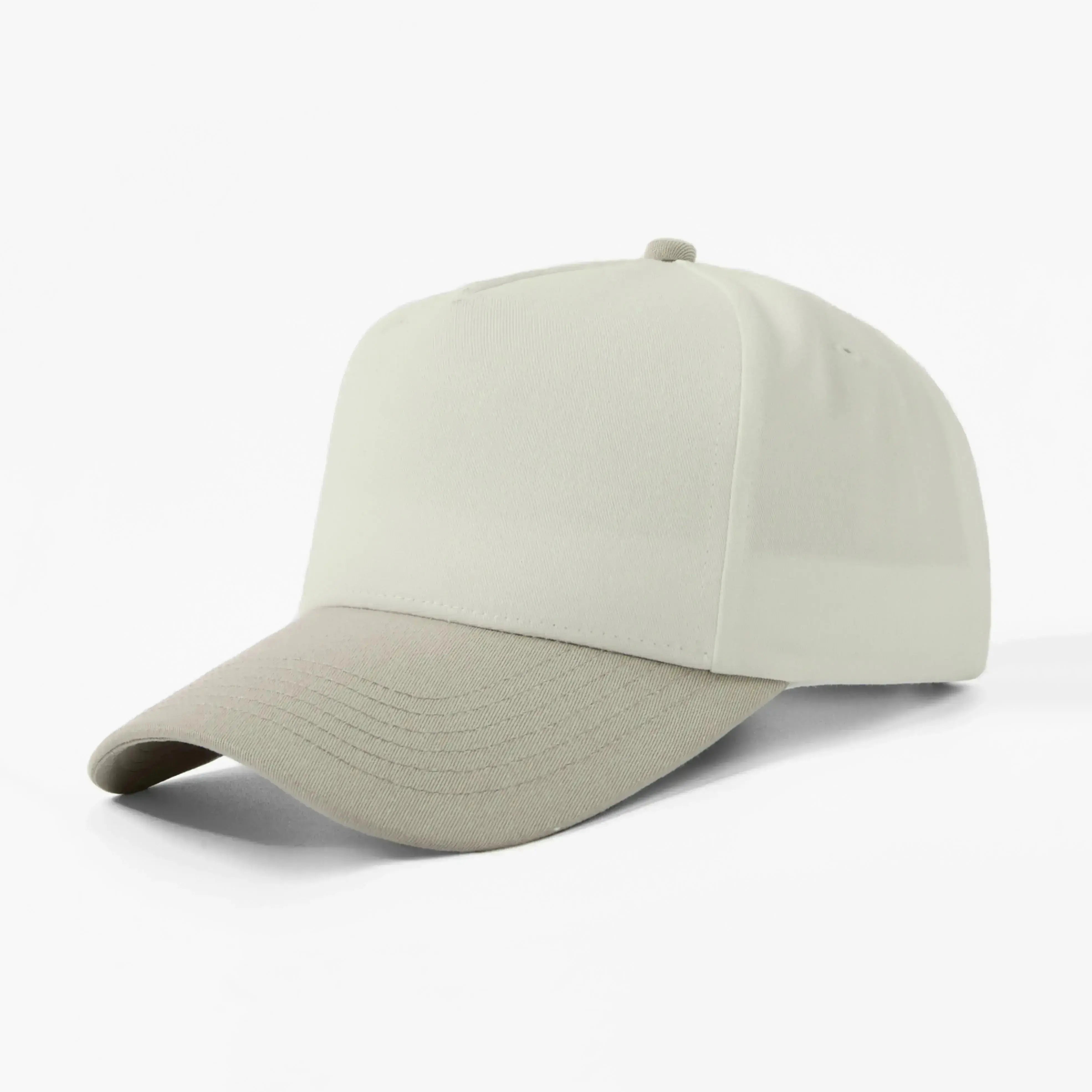
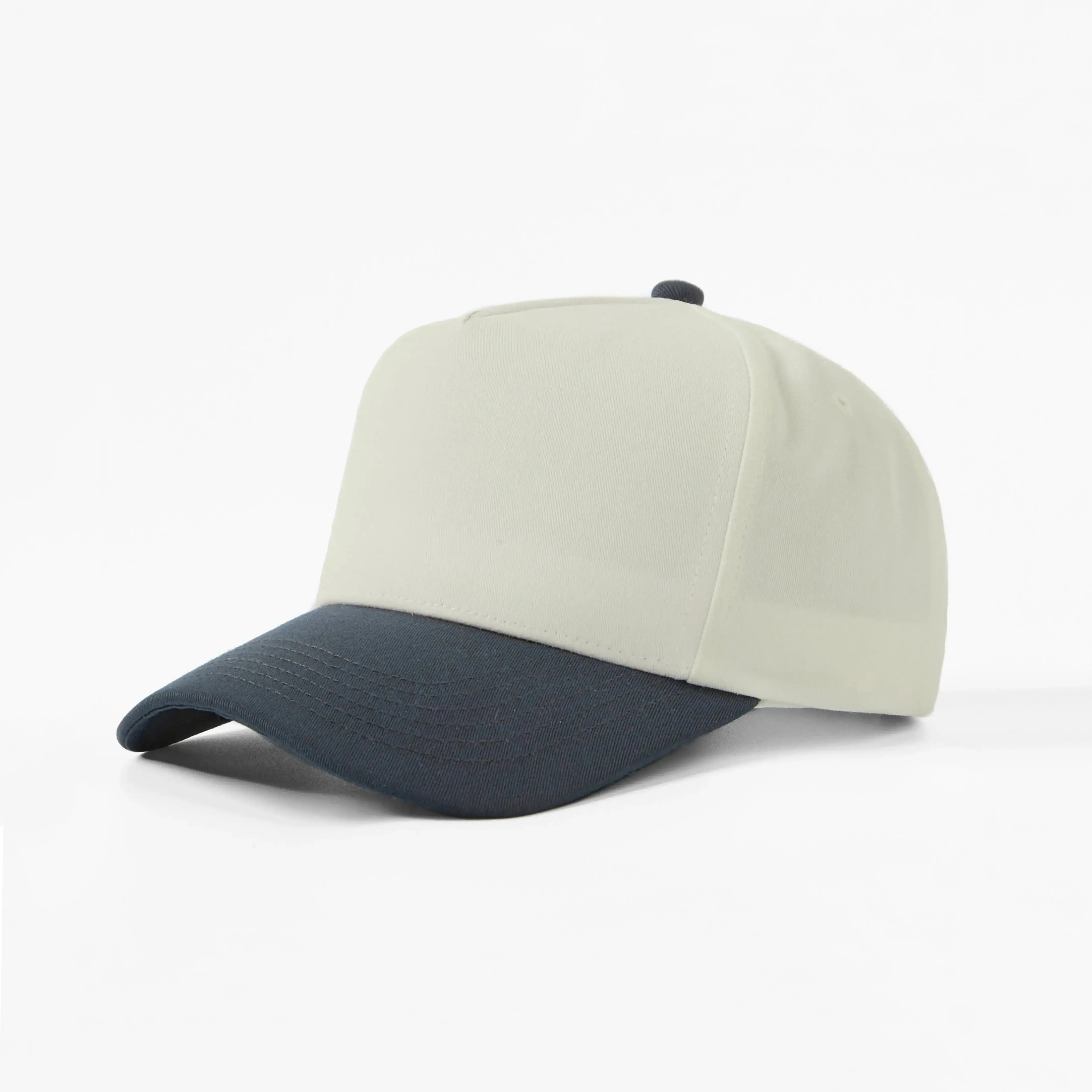
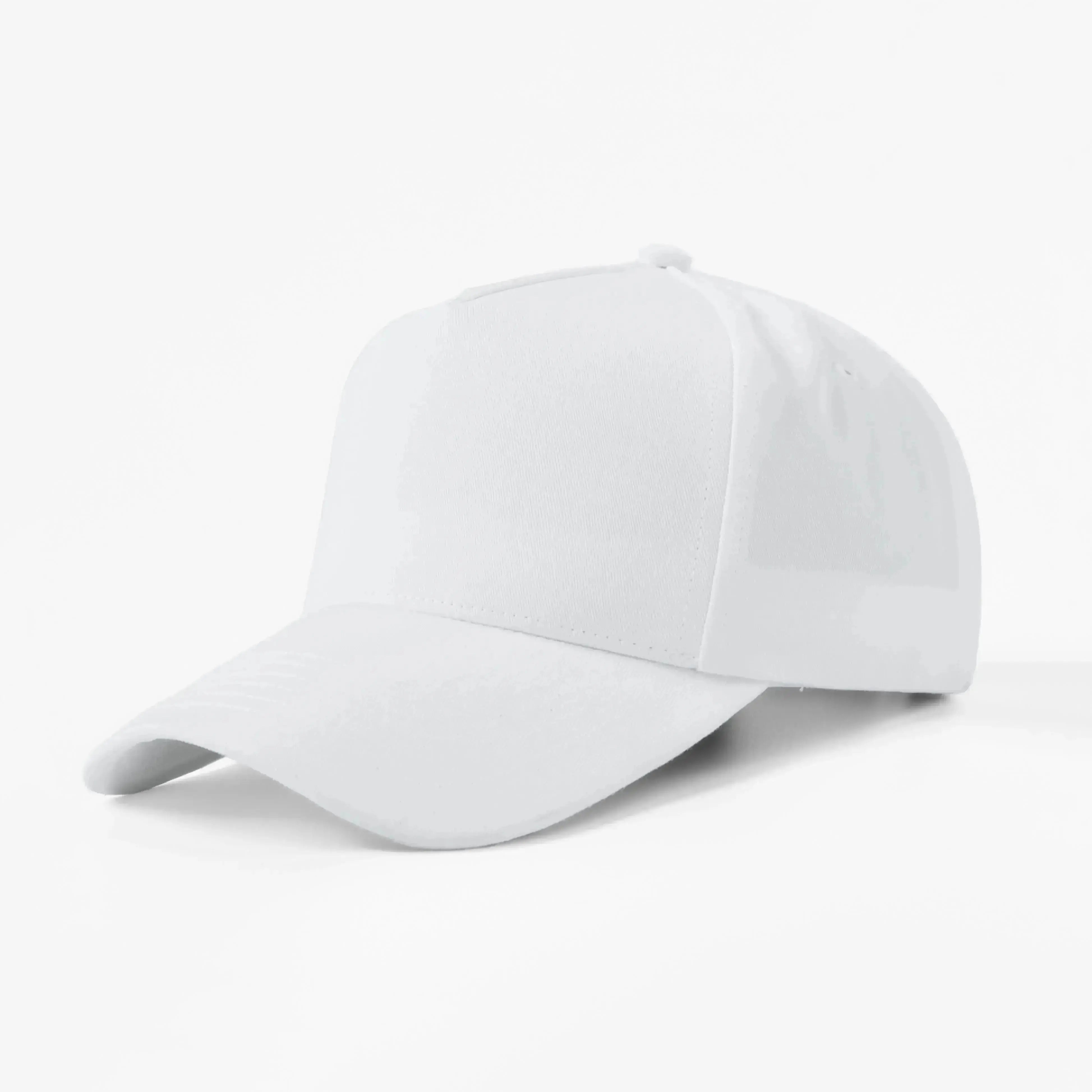
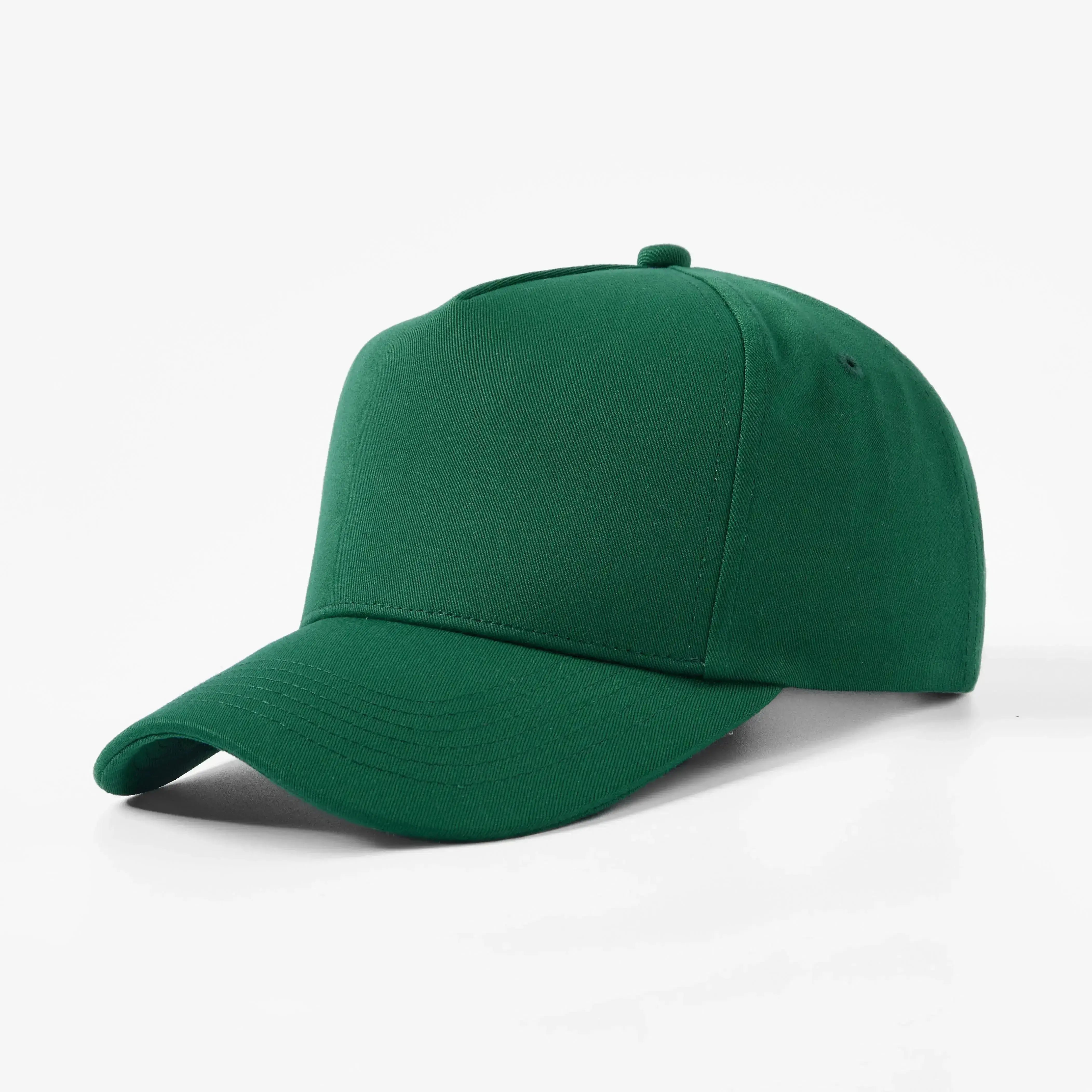
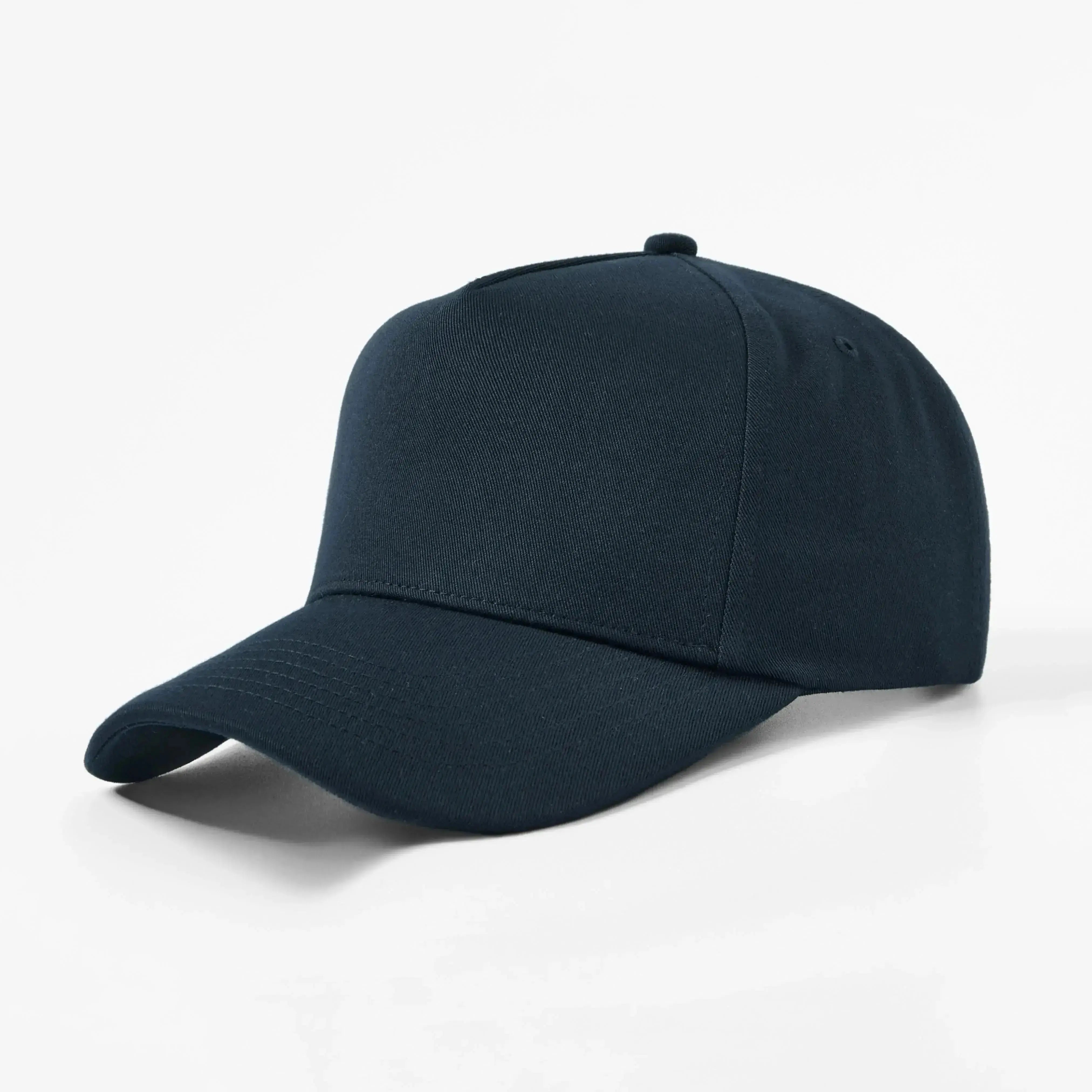
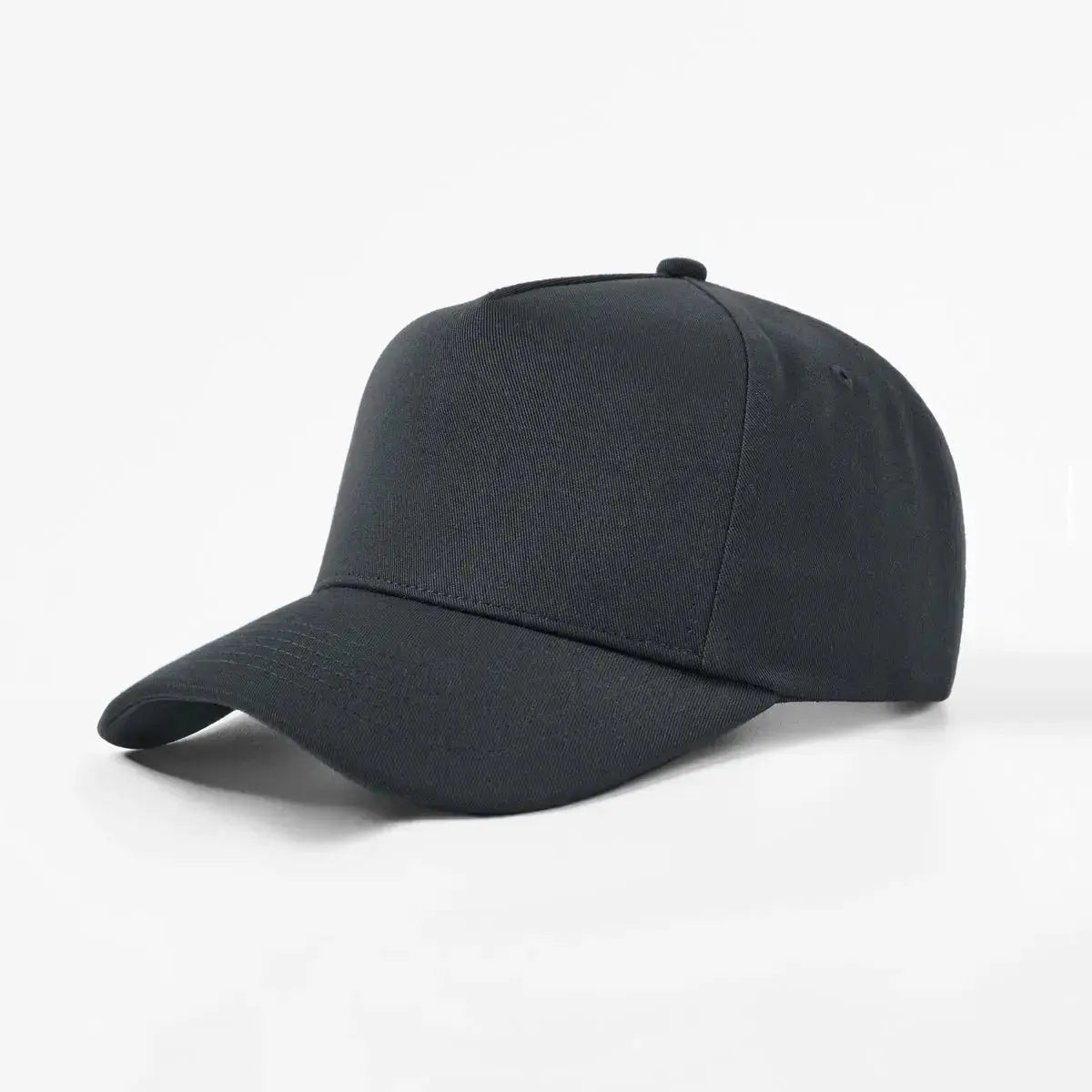
Recycled baseball caps offer a familiar shape suitable for companies, teams, schools, brands, and general retail.
Both structured and unstructured constructions are available.

Recycled Trucker Hats
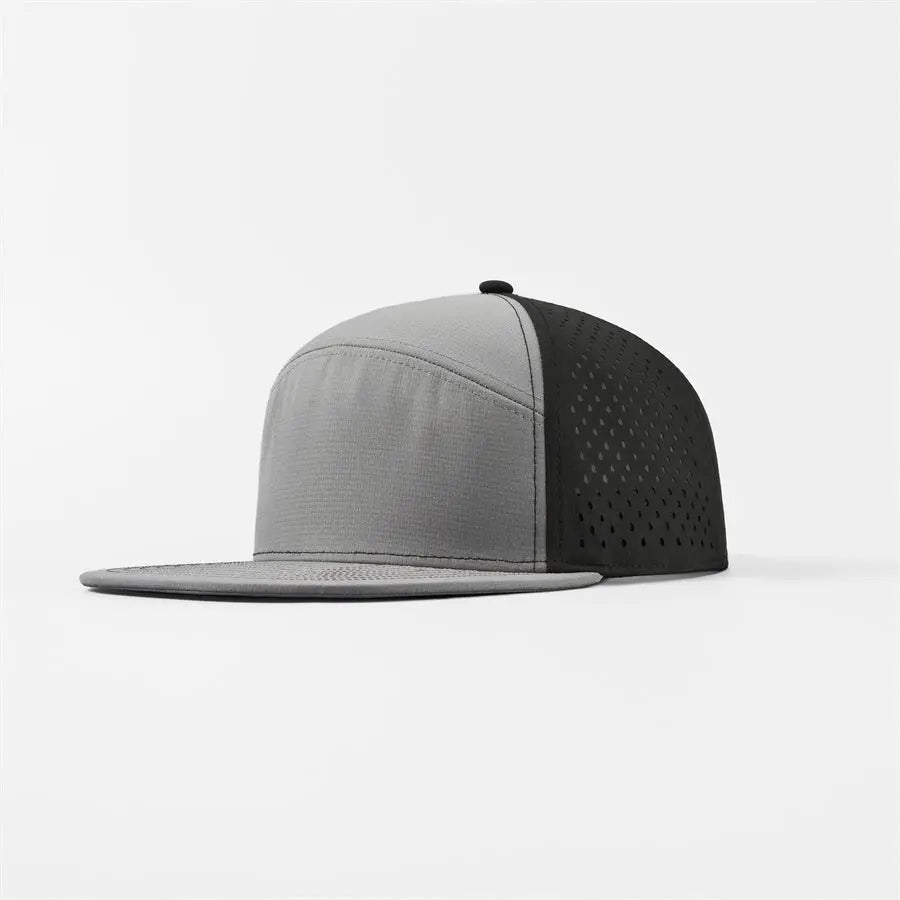
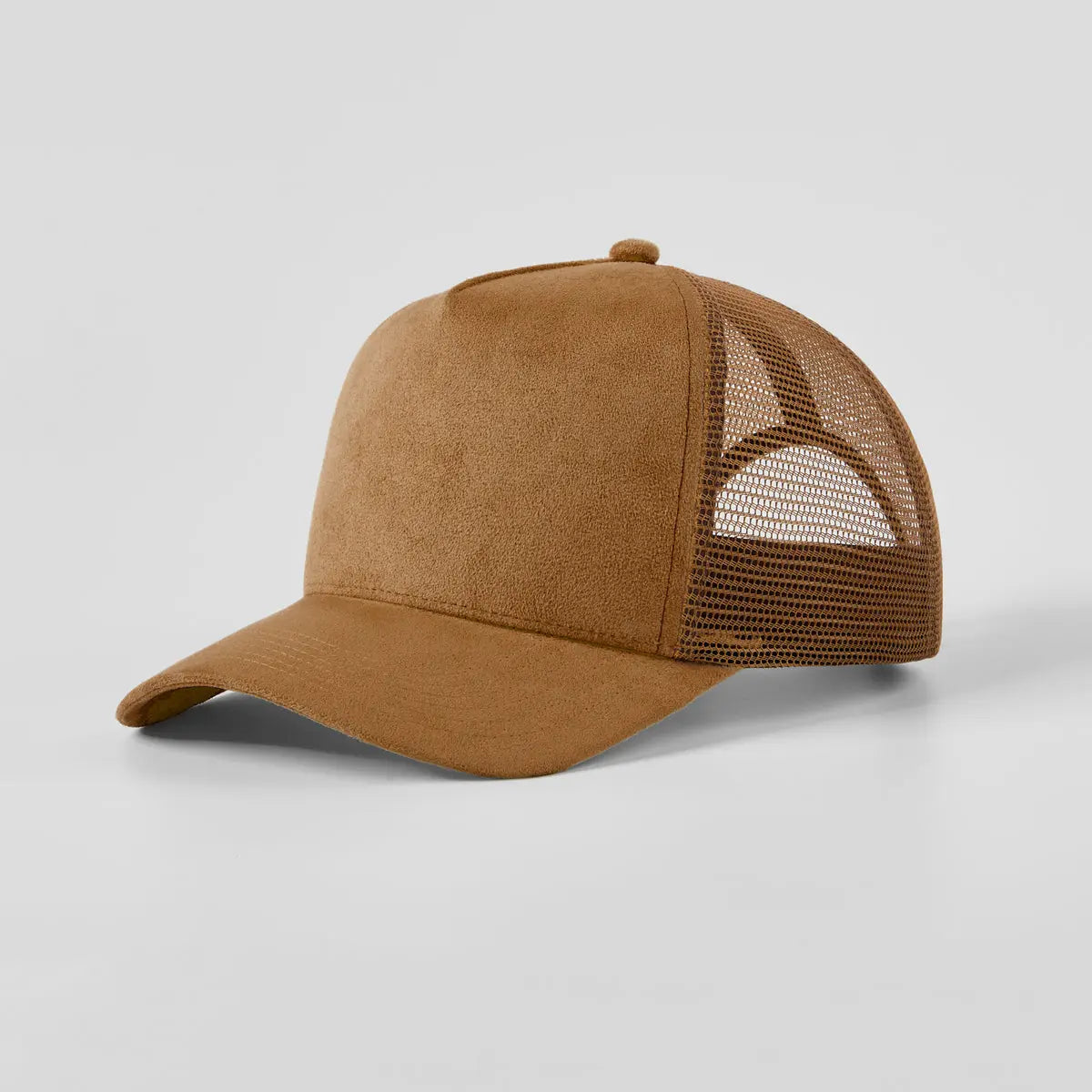
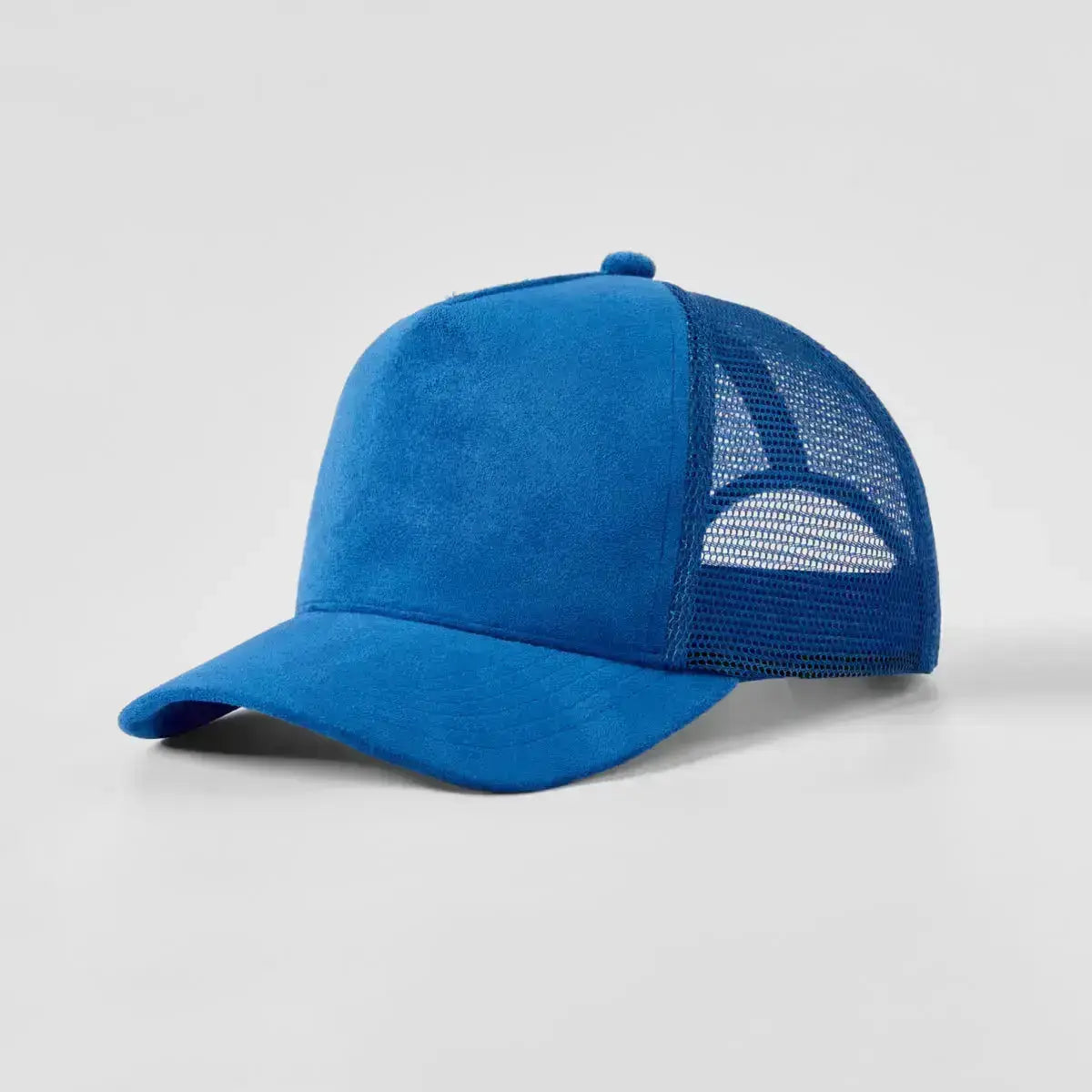
Recycled trucker hats may use recycled fabric on the front panels, recycled mesh on the back, or a combination of recycled components.
They are commonly used for outdoor, workwear, lifestyle, and promotional collections.
Recycled Camper Hats
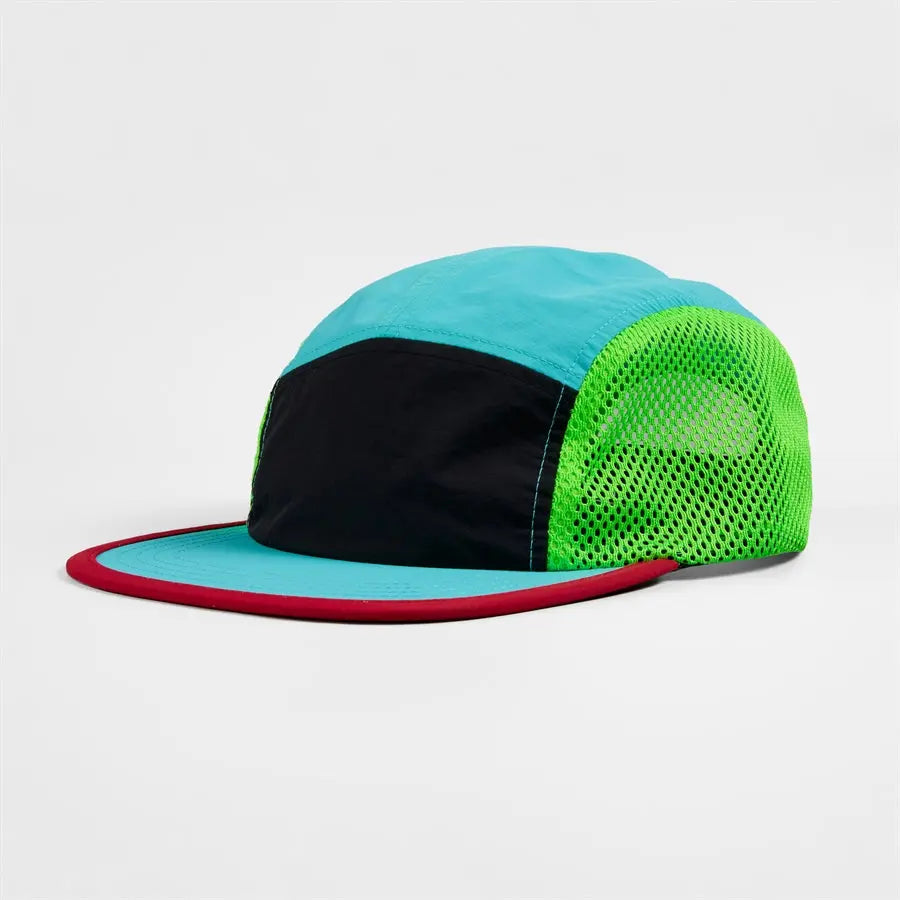
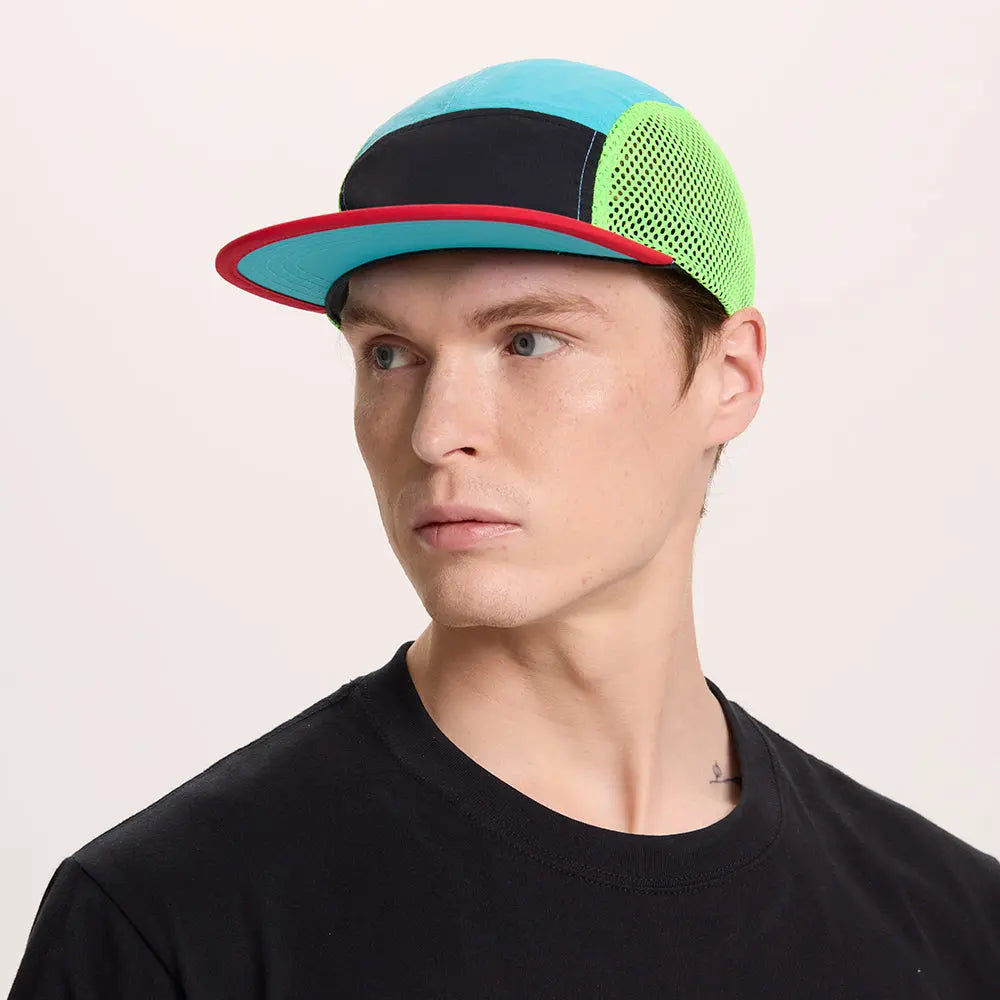
Five-panel camper hats are popular with running, cycling, hiking, streetwear, and outdoor audiences.
Recycled nylon and polyester work particularly well for lightweight and packable designs.

Recycled Bucket Hats
Bucket hats can be made with recycled polyester, recycled nylon, recycled cotton, or blended materials.
They are suitable for outdoor activities, festivals, travel, fashion collections, and branded merchandise.
Recycled Beanies
Recycled polyester, recycled wool, and blended recycled yarns can be used in winter beanies.
Common customization options include embroidery, woven labels, embroidered patches, leather-style patches, and silicone patches.

Understanding GRS Certification
The Global Recycled Standard is a voluntary third-party standard administered by Textile Exchange.
It covers:
- Verification of recycled content
- Chain-of-custody requirements
- Social requirements
- Environmental processing requirements
- Chemical restrictions
GRS applies to qualifying products containing at least 20% recycled material, while product-specific GRS labeling generally requires at least 50% recycled content. Certification must cover the relevant stages of the supply chain through the final business-to-business seller.
However, GRS does not automatically guarantee product quality, performance, legal compliance, or that every component of a hat is recycled.
For a wholesale order, buyers may need to review:
- Scope Certificates
- Transaction Certificates
- Fiber composition
- Recycled-content percentage
- Pre-consumer and post-consumer content
- Product labeling eligibility
- Which components are covered
- The certification scope of each supplier

What Does amfori BSCI Mean?
Amfori BSCI is a social-risk management and supply-chain due-diligence system. It uses audits and continuous improvement processes to assess areas such as working hours, remuneration, occupational health and safety, discrimination, child labor, forced labor, and ethical business practices.
Amfori specifically states that BSCI is not a product or factory certification. It should not be used as proof that a hat contains recycled materials.
GRS and amfori BSCI therefore serve different purposes:
| Program | Primary purpose |
|---|---|
| GRS | Recycled-content verification, chain of custody, and processing requirements |
| amfori BSCI | Social-risk management and continuous supply-chain improvement |
A supplier may participate in both, but the claims should not be combined or treated as interchangeable.

How to Verify a Recycled Hat
Appearance and touch alone cannot confirm recycled content. Virgin and recycled polyester can look and perform very similarly.
Before placing a wholesale or private-label order, ask for:
- Complete fiber composition
- Exact recycled percentage
- Pre-consumer or post-consumer source
- Current Scope Certificate
- Transaction Certificate when required
- Component-level material information
- Testing reports
- Product samples
- Care instructions
- Approved environmental claims
The U.S. Federal Trade Commission advises businesses to clearly qualify recycled-content claims when only part of a product or package contains recycled material.
How to Choose Recycled Hats for a Custom Project
Start With the Intended Use
Different projects require different product characteristics.
- Running events may need lightweight, perforated caps.
- Golf tournaments may prefer structured rope hats.
- Outdoor brands may need water-repellent nylon.
- Schools and companies may prefer classic baseball caps.
- Winter programs may need recycled beanies.
Confirm Material Composition
Check whether the product uses 100% recycled fabric or a blend of recycled and virgin fibers.
Also confirm whether the percentage refers to the main fabric or the entire finished hat.
Evaluate Fit and Construction
A responsible material claim cannot compensate for poor fit or construction.
Review:
- Crown depth
- Panel structure
- Brim shape
- Sweatband
- Closure
- Stitching
- Stretch
- Breathability
- Color consistency
Test the Decoration Method
Water-repellent finishes, perforated panels, thin fabrics, and stretch materials may require special embroidery or heat-transfer settings.
A sample can help confirm:
- Logo size
- Placement
- Thread color
- Stitch density
- Patch adhesion
- Fabric distortion
- Color accuracy
- Overall appearance
Request Supporting Documentation
If recycled content is important to a brand campaign or corporate sourcing policy, obtain the required documents before making marketing claims or approving bulk production.
Limitations of Recycled Hats
Recycled materials offer useful advantages, but buyers should understand their limitations.
They Are Not Automatically Recyclable
A hat made from recycled material may not be recyclable at the end of its life.
Hats often combine multiple materials, including fabric, foam, thread, adhesives, closures, metal hardware, sweatbands, and brim components. These may be difficult to separate.
Quality Can Vary
Performance depends on the recycled input, yarn production, fabric construction, dyeing, finishing, and manufacturing quality.
A physical sample is still necessary.
Blended Materials Can Be Difficult to Recycle Again
Blending polyester with cotton, nylon, or elastane may improve comfort and durability but can make future material separation more difficult.
Environmental Claims Require Evidence
Terms such as “green,” “eco-friendly,” “ocean-saving,” and “zero impact” can be misleading when they are not clearly defined and supported.
Specific material statements are generally more credible.
How to Care for Recycled Hats
Proper care can extend the useful life of a hat and reduce unnecessary replacement.
General recommendations include:
- Follow the product care label.
- Spot-clean when possible.
- Use cold water and mild detergent.
- Avoid harsh bleach.
- Do not scrub embroidery or patches aggressively.
- Reshape the hat while damp.
- Air-dry away from excessive heat.
- Avoid tumble drying unless permitted.
- Store the hat in a dry, ventilated place.
Care requirements vary by fabric, structure, decoration, and coating.
Frequently Asked Questions
What are recycled hats made from?
They may be made from recycled polyester, recycled nylon, recycled cotton, recycled wool, upcycled textiles, or blends containing recycled materials.
Are recycled hats made from plastic bottles?
Many recycled polyester hats use yarn produced from post-consumer plastic bottles, but not every recycled polyester product has the same source. Check the supplier’s documentation.
Are recycled hats good quality?
They can provide excellent durability, comfort, and performance. Quality depends on the yarn, fabric, construction, finishing, and manufacturing process—not simply whether the material is recycled.
Are recycled hats breathable?
Breathability depends on the fabric and design. Lightweight recycled polyester with laser perforations can provide strong ventilation for sports and outdoor use.
Are recycled hats waterproof?
Not automatically. Some recycled polyester or nylon hats include a water-repellent finish, but recycled content alone does not make a product waterproof.
Can recycled hats be embroidered?
Yes. Most recycled hats can be customized with embroidery, patches, labels, or printing. Thin, perforated, coated, or stretch fabrics should be tested first.
What does GRS-certified mean?
It means the applicable product and supply chain meet Global Recycled Standard requirements for recycled content, traceability, and specified processing practices. Buyers should confirm the exact certification scope and recycled-content claim.
Does GRS mean the entire hat is recycled?
Not necessarily. A GRS product may contain both recycled and non-recycled components. Review the fiber percentage and product documentation.
Is amfori BSCI a recycled-material certification?
No. Amfori BSCI is a social-risk management and supply-chain due-diligence system, not a recycled-content certification.
Are recycled hats better than conventional hats?
They can reduce reliance on virgin materials and provide another use for recovered waste. However, the overall impact also depends on durability, manufacturing, transportation, care, packaging, and product lifespan.
Conclusion
Recycled hats offer brands and consumers a practical way to incorporate recovered materials into everyday, promotional, and performance headwear.
Recycled polyester and nylon are especially suitable for lightweight golf, running, rope, camper, and outdoor caps, while recycled cotton and wool can provide natural textures for casual hats and beanies.
The most responsible purchasing decision goes beyond the word “recycled.” Buyers should verify the material percentage, understand whether the content is pre-consumer or post-consumer, review applicable certification documents, test the finished product, and use clear, accurate marketing claims.
At Foremost Hat, we offer blank and custom recycled hats for brands, businesses, embroidery shops, sports clubs, schools, events, and promotional distributors. Available options include recycled performance caps, rope hats, baseball caps, camper hats, and other styles suitable for embroidery, printing, patches, and private labeling.
With no minimum order quantity on blank hats, wholesale pricing, U.S. warehouse shipping, samples, and multiple customization options, businesses can test recycled headwear before committing to larger programs.