
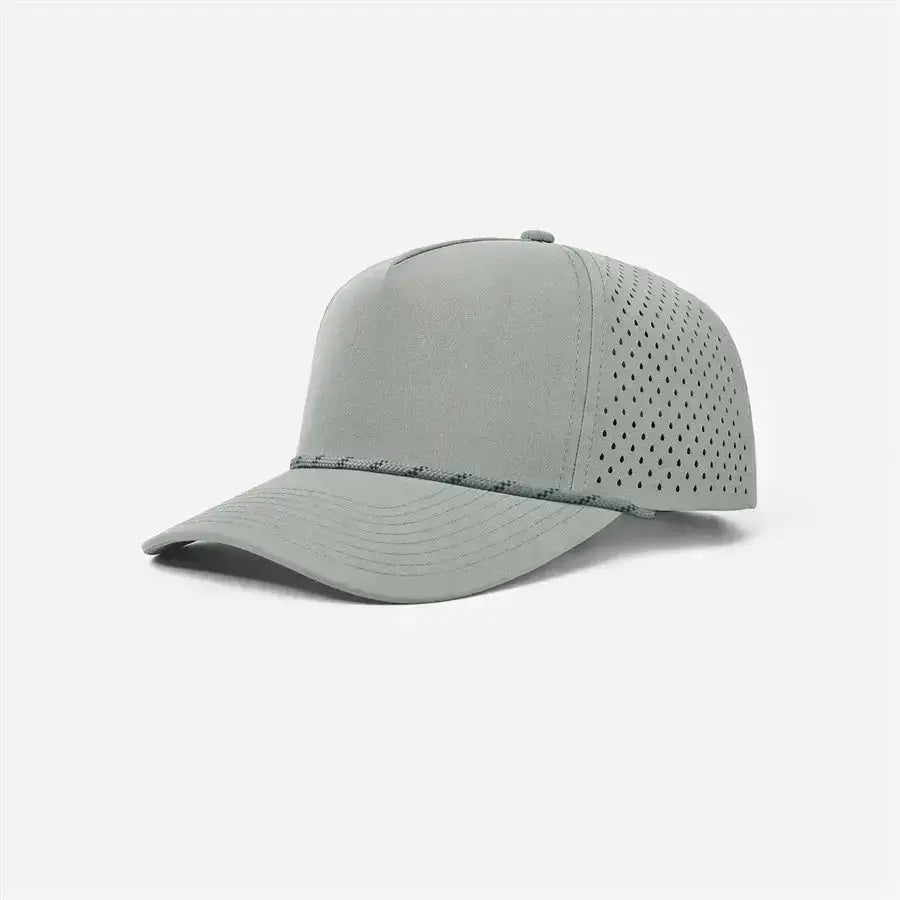
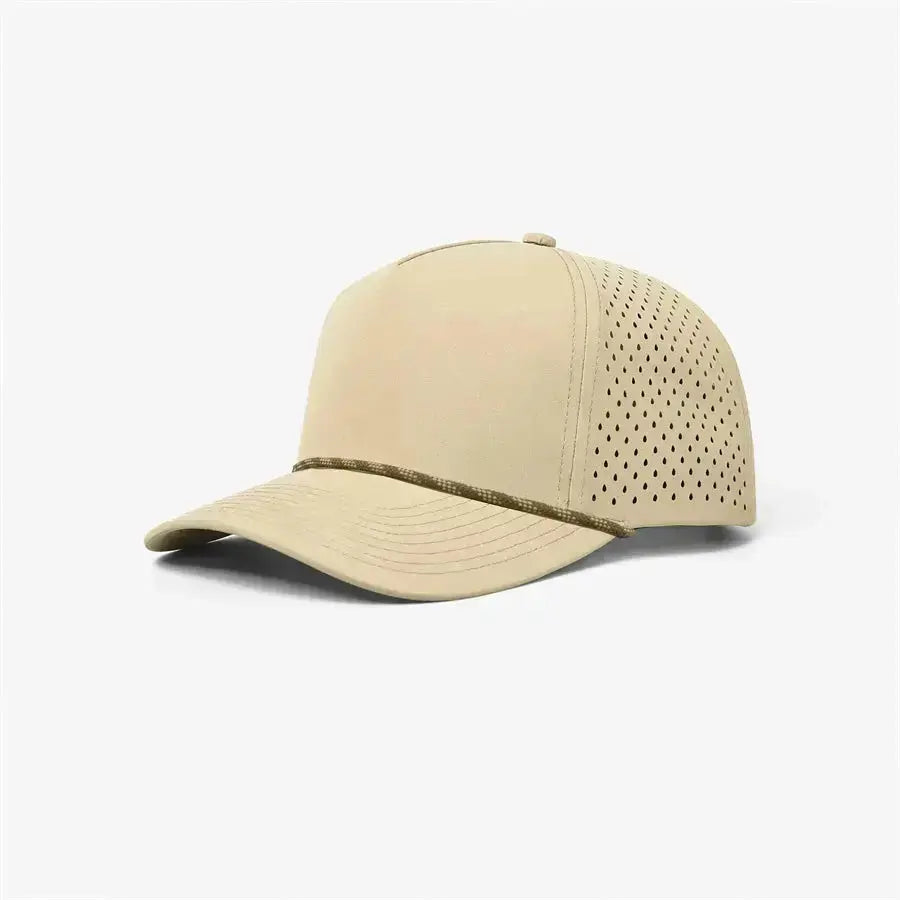
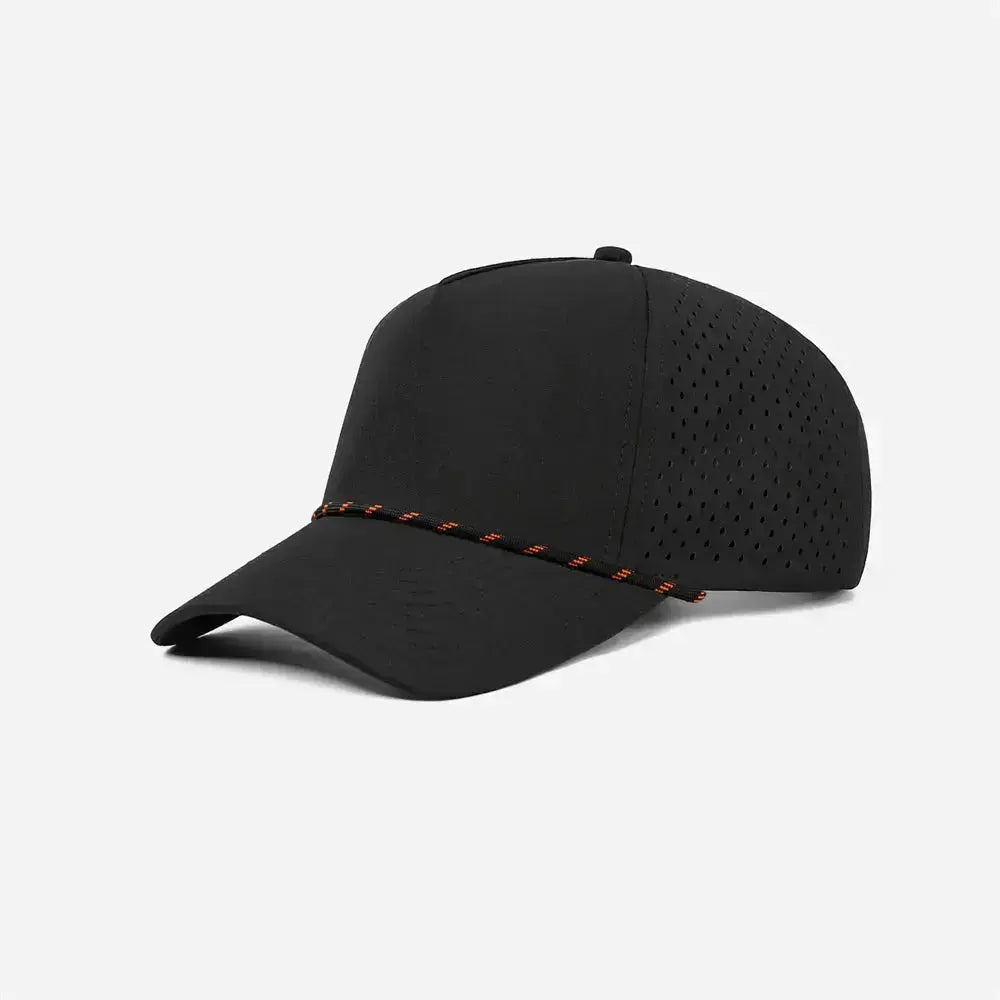
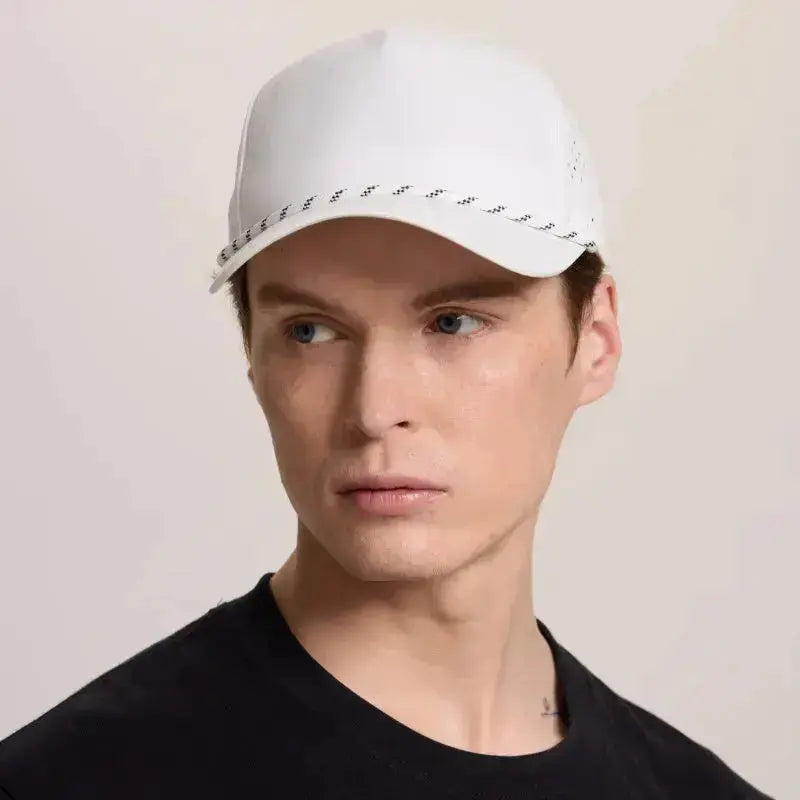
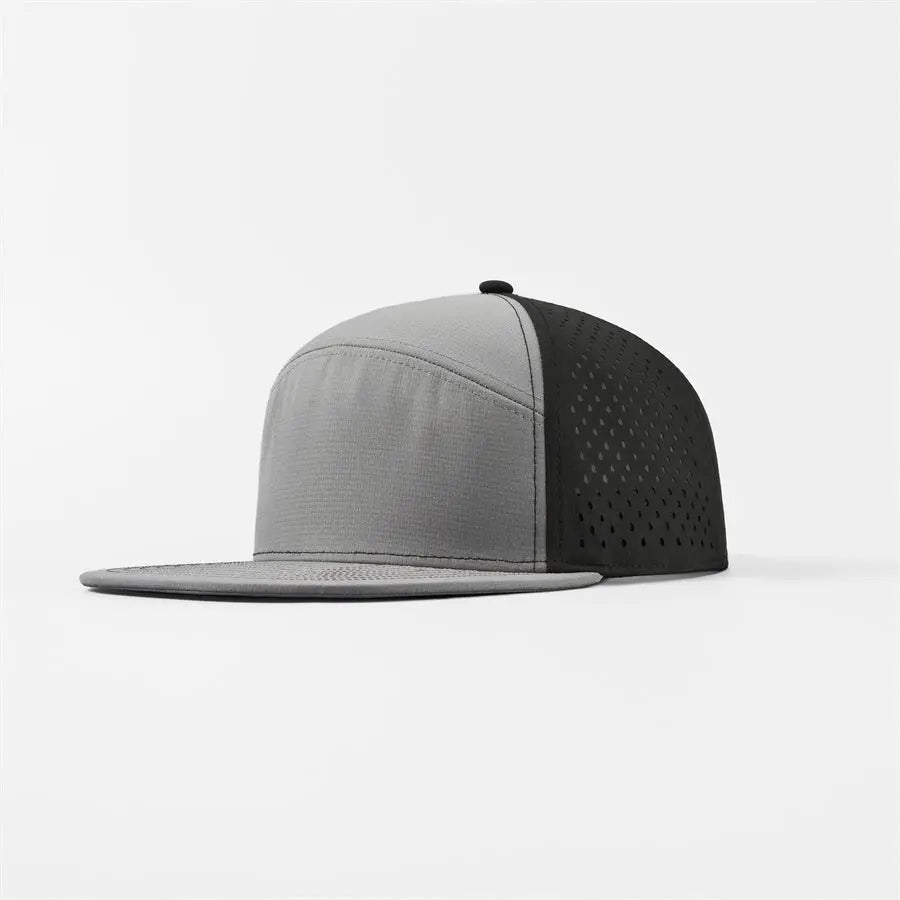
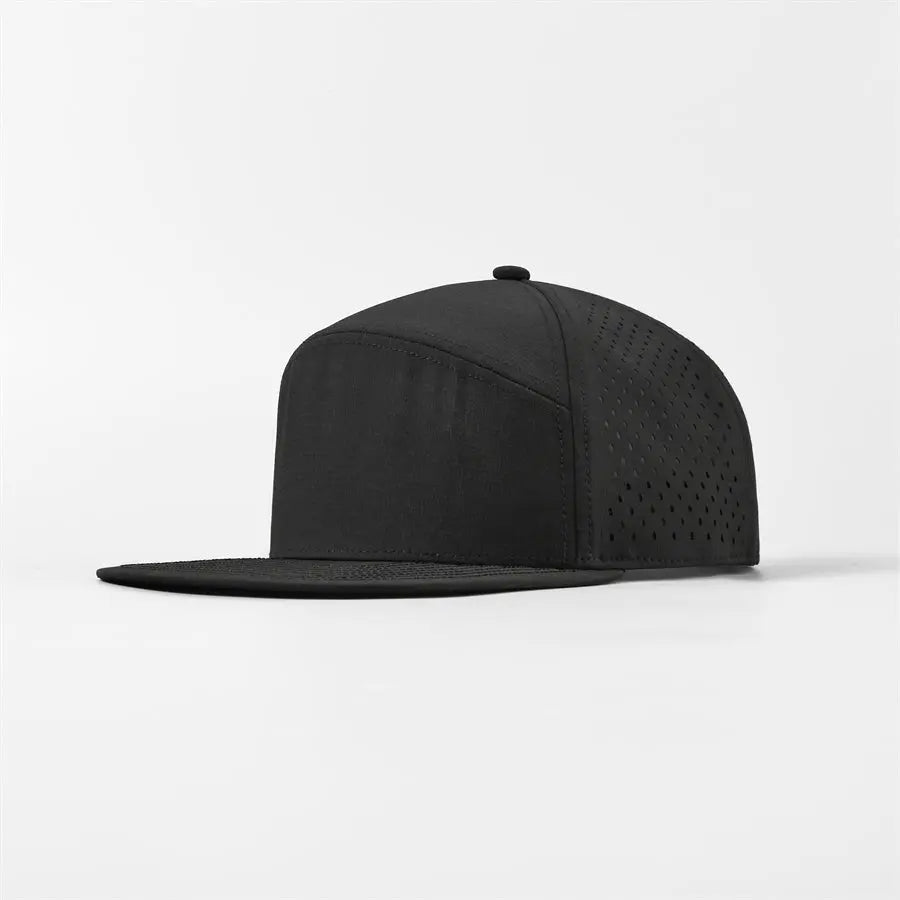
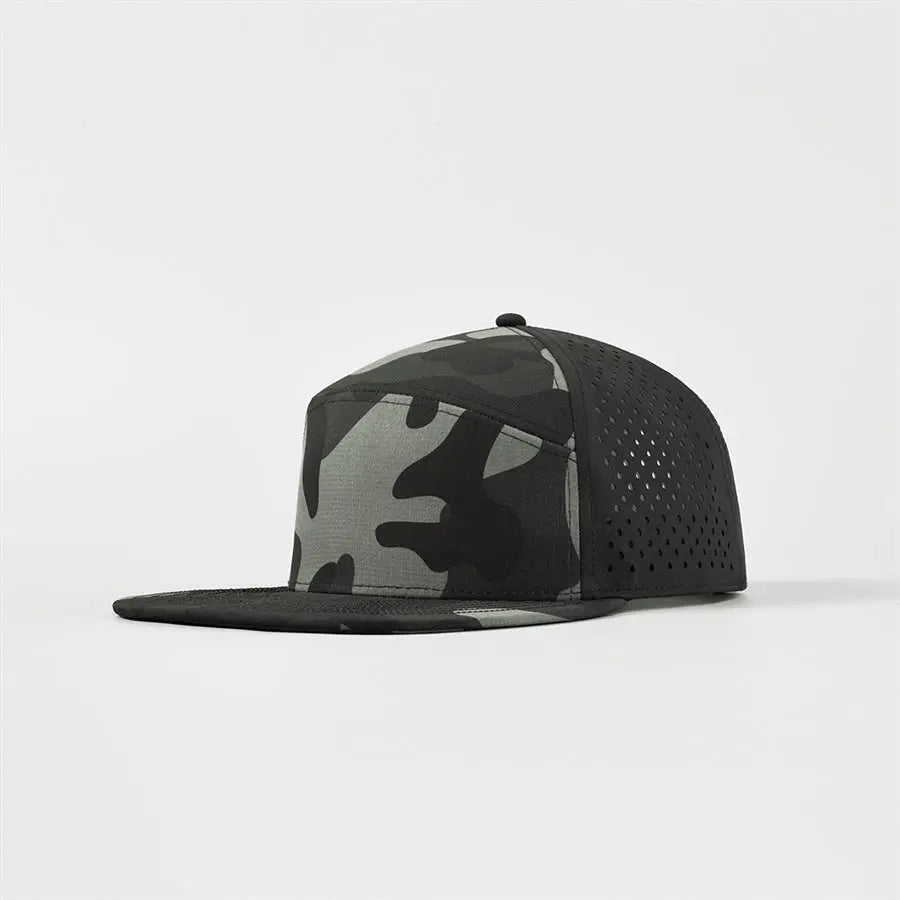
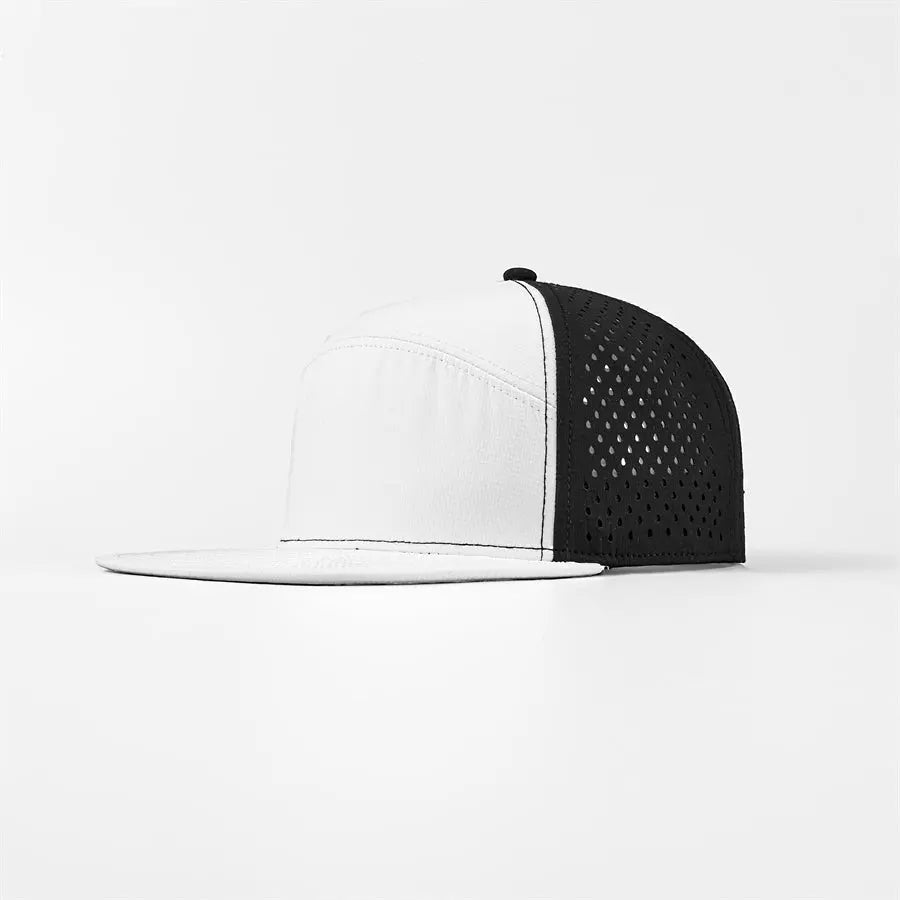
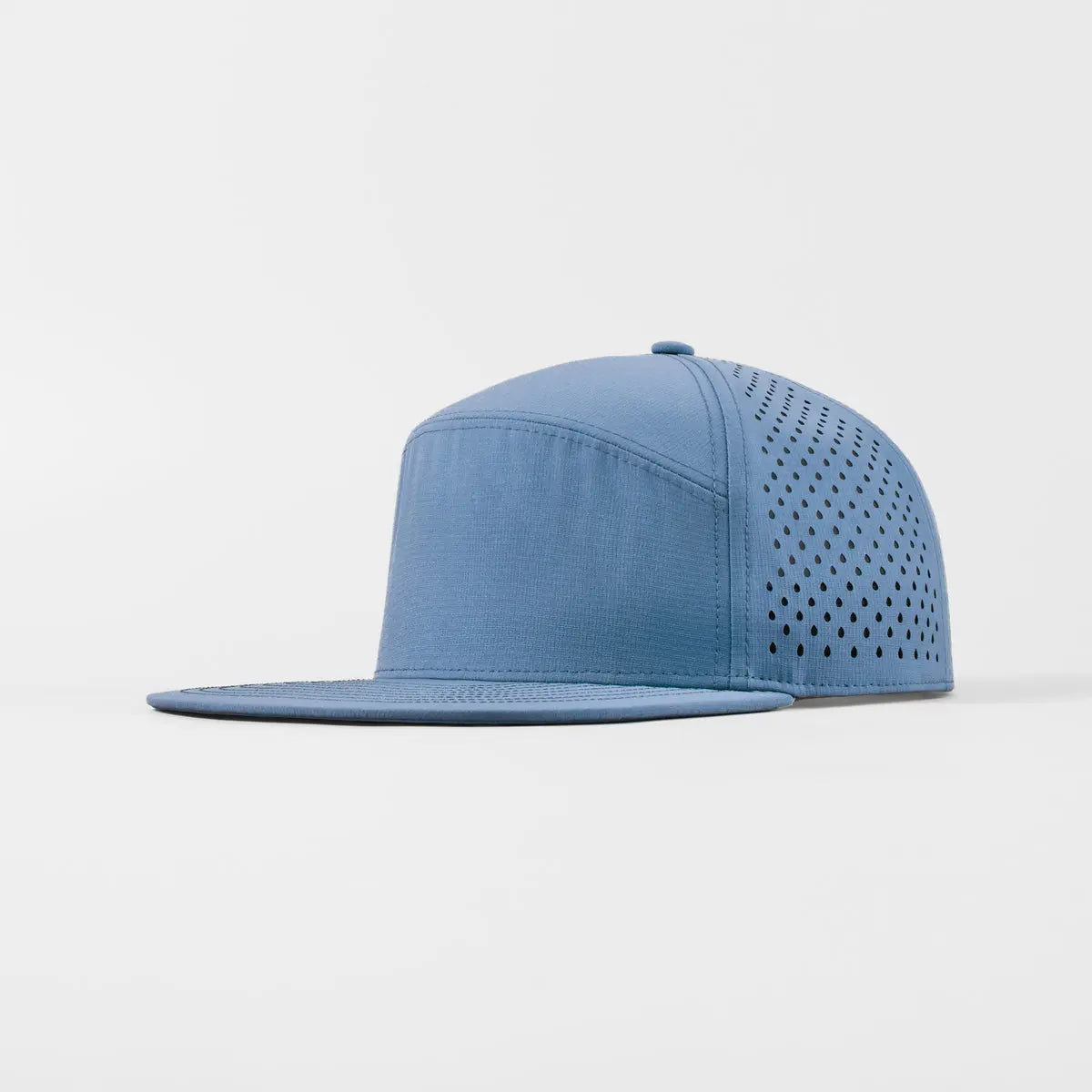
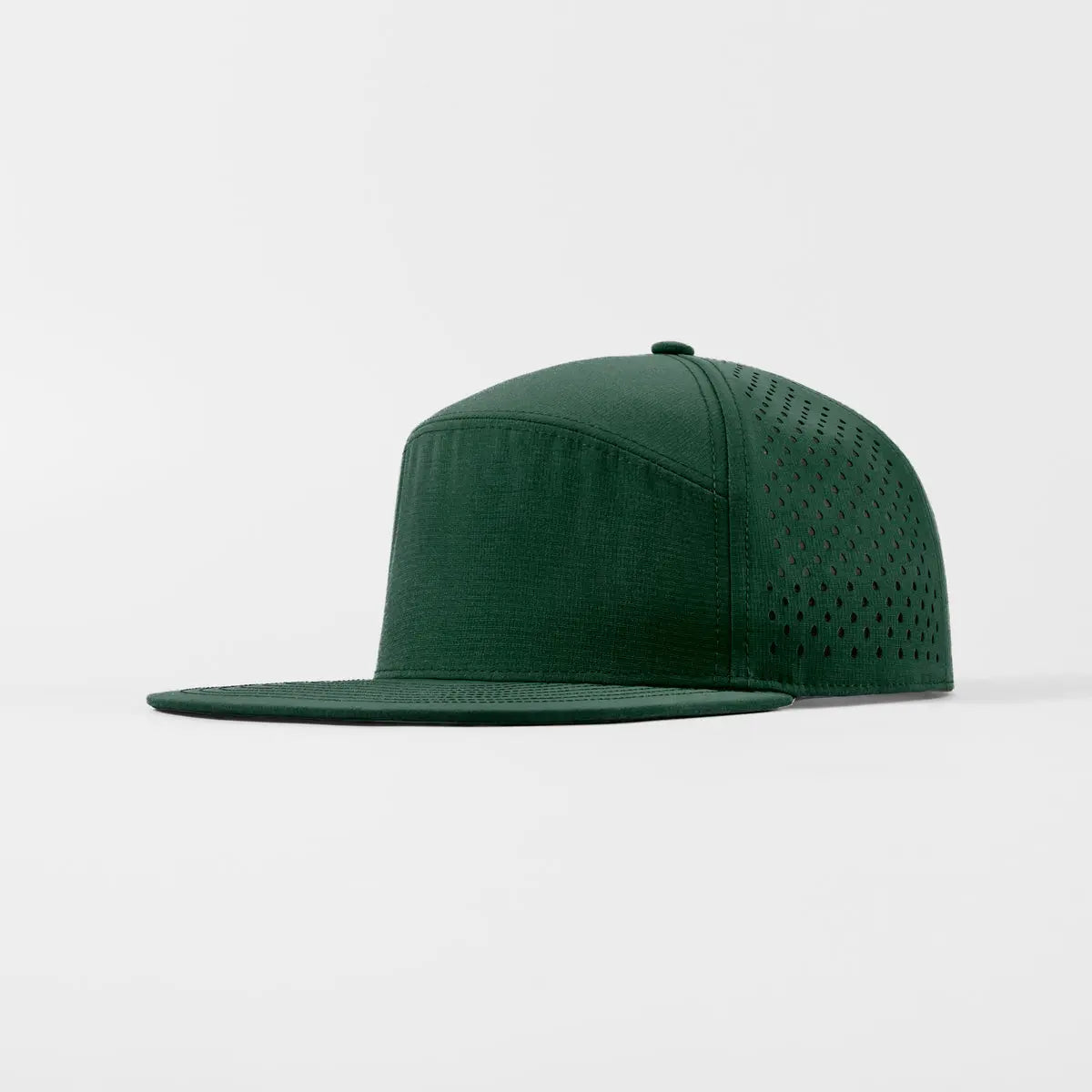
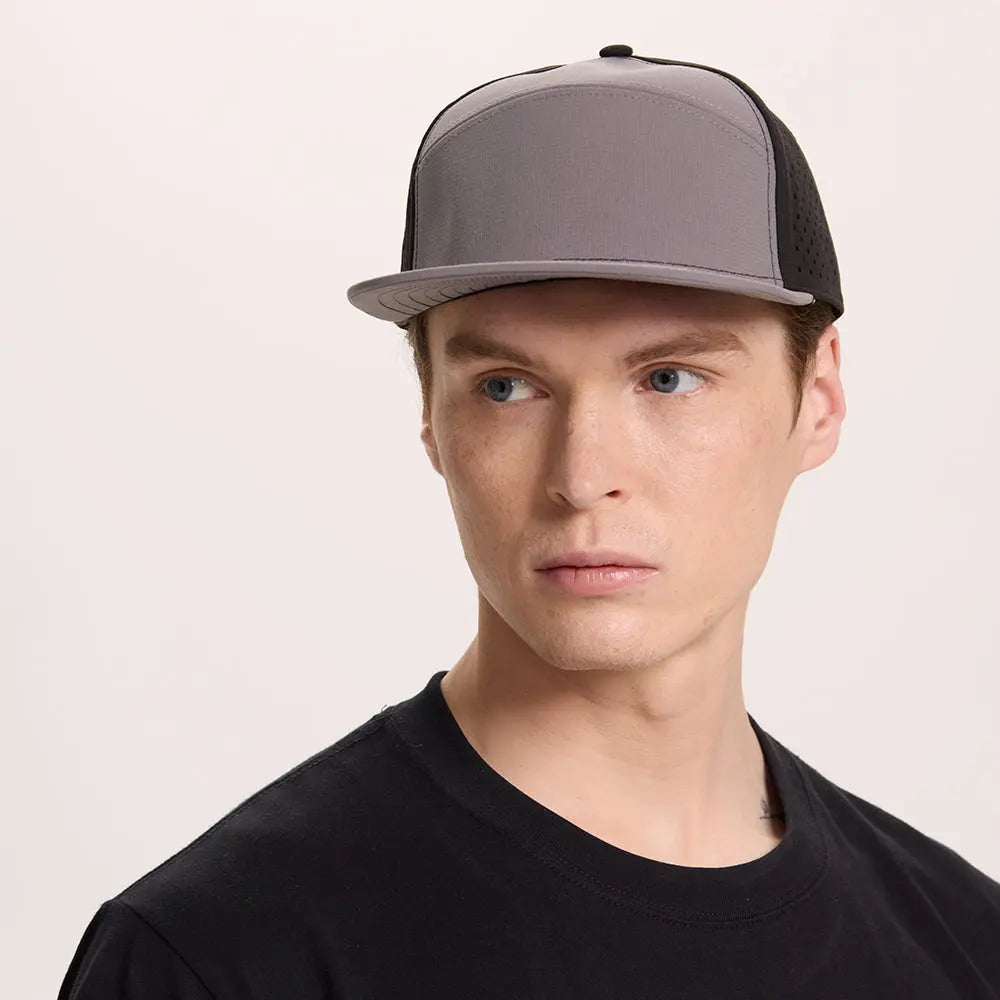
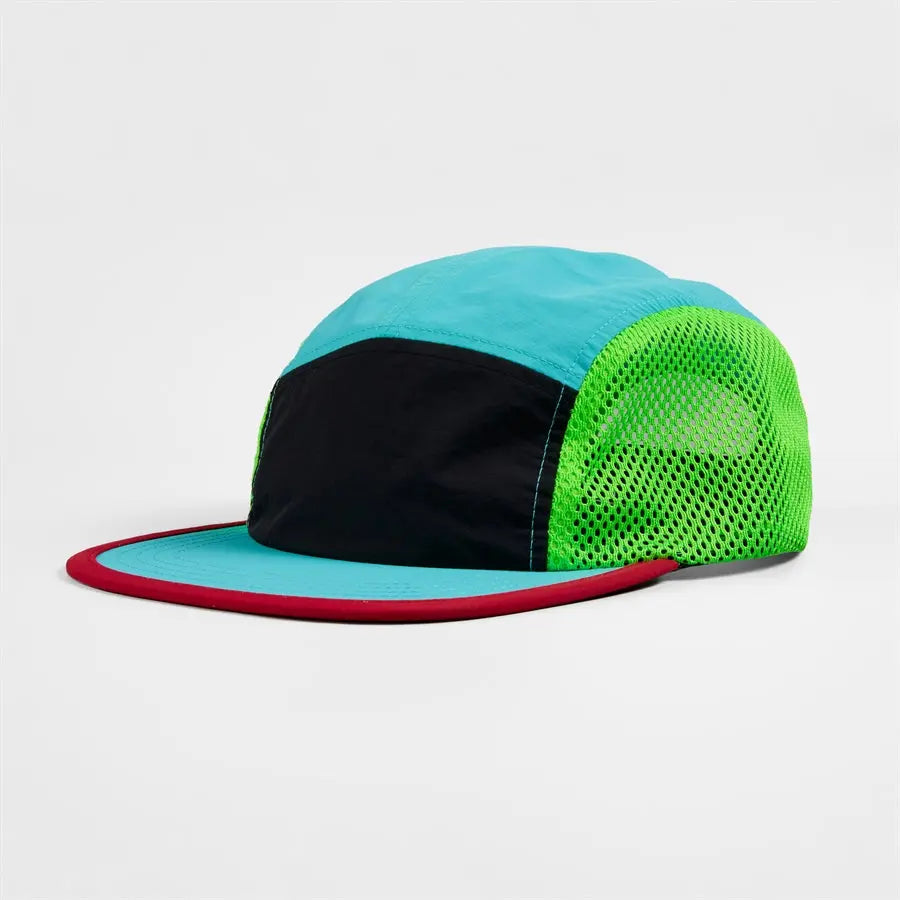









A good fishing hat does much more than complete your outdoor look. It protects your face from harmful UV rays, reduces glare, keeps you comfortable in changing weather, and helps you stay focused during long hours on the water.
However, fishing hats come in many different designs, including bucket hats, wide-brim hats, fishing caps, and lightweight fly fishing hats. Choosing the right one depends on where you fish, the weather conditions, and how much protection you need.
In this guide, we’ll explain the different types of fishing hats, compare their advantages, and show you which features to consider before buying one.
What Is a Fishing Hat?
A fishing hat is an outdoor hat designed to provide protection and comfort while fishing. Unlike an ordinary baseball cap, many fishing hats include functional features such as:
- A wide brim for better sun protection
- UPF-rated fabric
- Ventilation panels
- Quick-drying materials
- An adjustable chin strap
- Water-resistant construction
- Neck or ear protection
Although these hats are designed with anglers in mind, they can also be worn for hiking, boating, camping, gardening, and other outdoor activities.

Why Wearing the Right Fishing Hat Matters
Fishing often involves spending several hours in direct sunlight. Because water reflects sunlight, anglers may experience greater exposure to UV rays and glare than they would during many other outdoor activities.
The right fishing hat can make a significant difference in both comfort and protection.
Protection From the Sun
One of the most important purposes of a fishing hat is to protect your face, scalp, ears, and neck from sunlight. A hat with a wide brim provides more coverage than a standard fishing cap.
For stronger sun protection, look for a fishing hat made from UPF 50+ fabric. This rating means the material blocks at least 98% of the sun’s ultraviolet radiation.
A hat should still be used together with sunscreen, sunglasses, and suitable protective clothing.
Reduced Glare
Sunlight reflecting from the water can make it difficult to see fish, obstacles, and changes in water conditions. A well-positioned brim helps shade your eyes and reduce some of this glare.
For the best visibility, combine your hat with polarized sunglasses.
Protection From Wind and Rain
Fishing conditions can change quickly, especially on boats or open shorelines. A water-resistant hat can help keep light rain away from your face, while a chin strap prevents the hat from blowing off in strong wind.
Greater Comfort
A breathable, lightweight fishing hat can help manage heat during long fishing trips. Mesh ventilation panels and moisture-wicking sweatbands are especially useful in warm or humid environments.

Types of Fishing Hats
No single fishing hat is perfect for every angler. Each style offers a different balance of coverage, ventilation, stability, and convenience.
Fishing Bucket Hats
A fishing bucket hat has a downward-sloping brim that extends around the entire hat. It provides more protection for the ears and neck than a regular cap while remaining compact and easy to carry.
Bucket hats are a popular all-purpose option because they are:
- Lightweight
- Packable
- Comfortable
- Suitable for casual fishing
- Available with adjustable chin straps
However, the brim may not be wide enough for extreme sun exposure. Some soft brims can also fold upward in strong wind.
A fishing bucket hat is a good choice for short trips, bank fishing, travel, and everyday outdoor use.

Wide-Brim Fishing Hats
Wide-brim fishing hats offer some of the best overall sun coverage. Their larger brims help shade the face, ears, and part of the neck.
This style is especially suitable for:
- Offshore fishing
- Kayak fishing
- Fishing in open areas
- Long days under intense sunlight
- Anglers who need maximum coverage
The main disadvantage is size. Wide-brim hats can be less convenient to pack, and an unsecured brim may catch the wind. For boat fishing, choose a design with a firm brim and an adjustable chin cord.

Fishing Caps
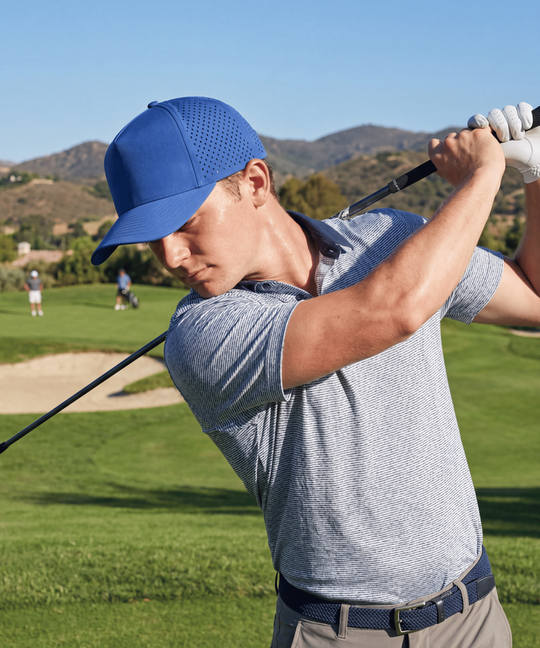
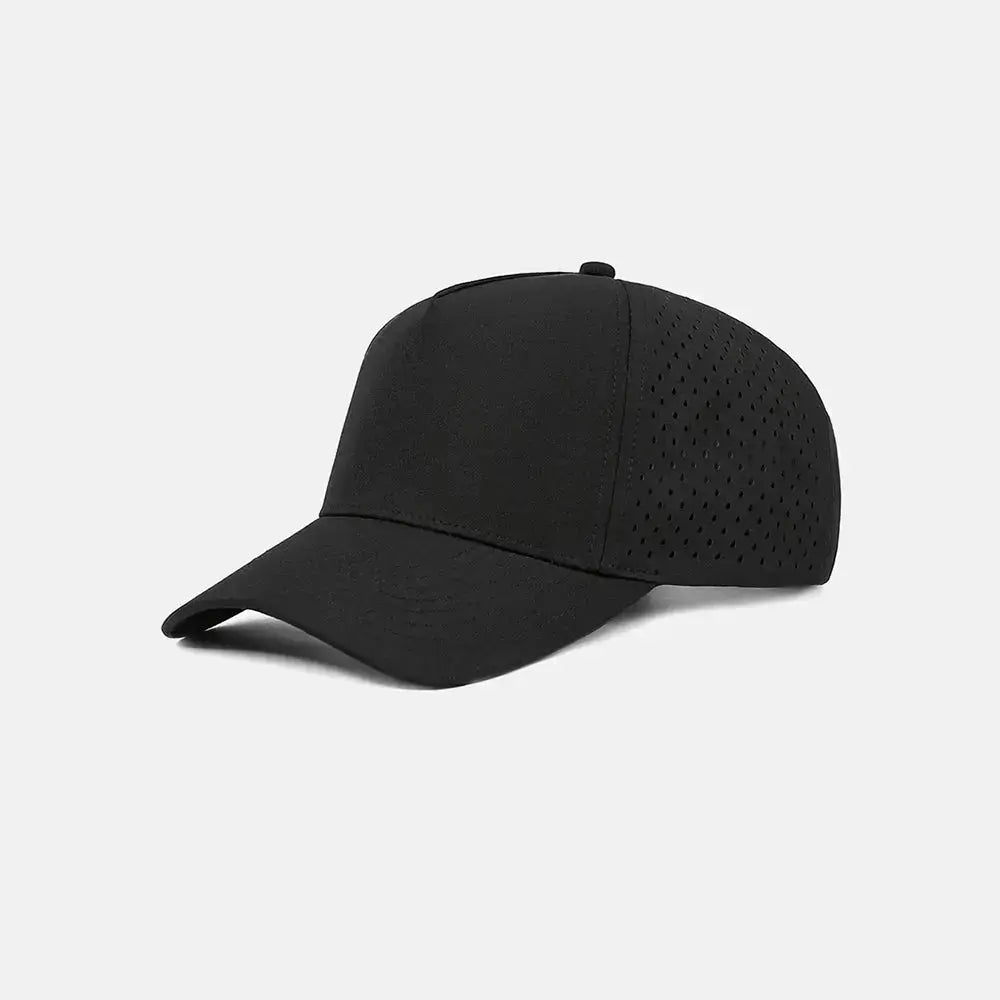
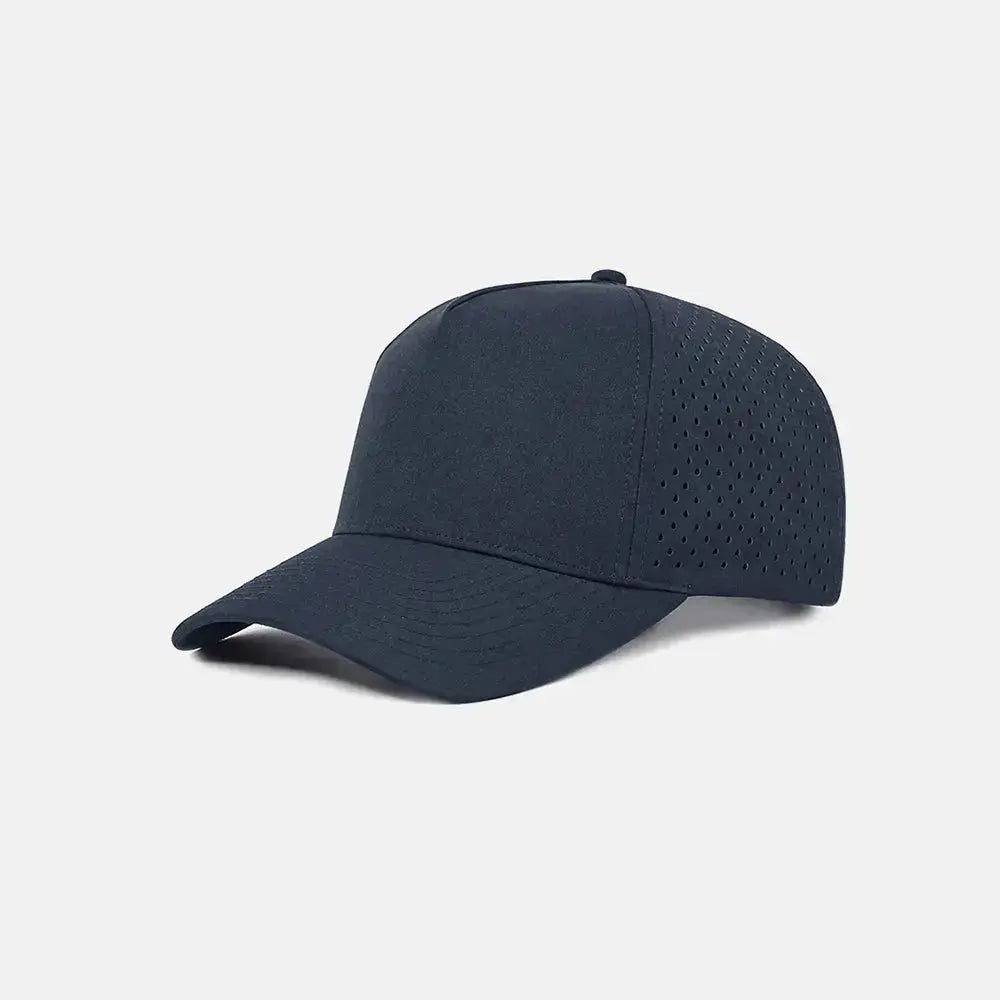
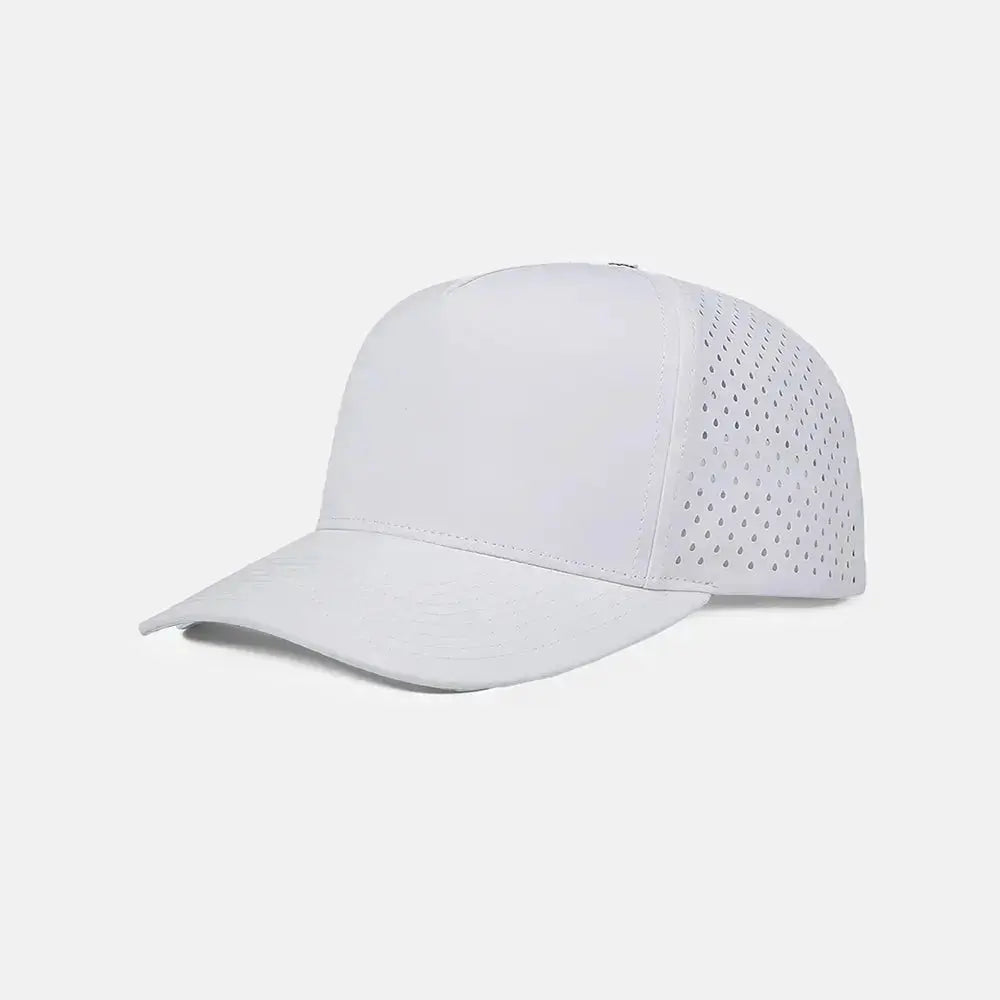
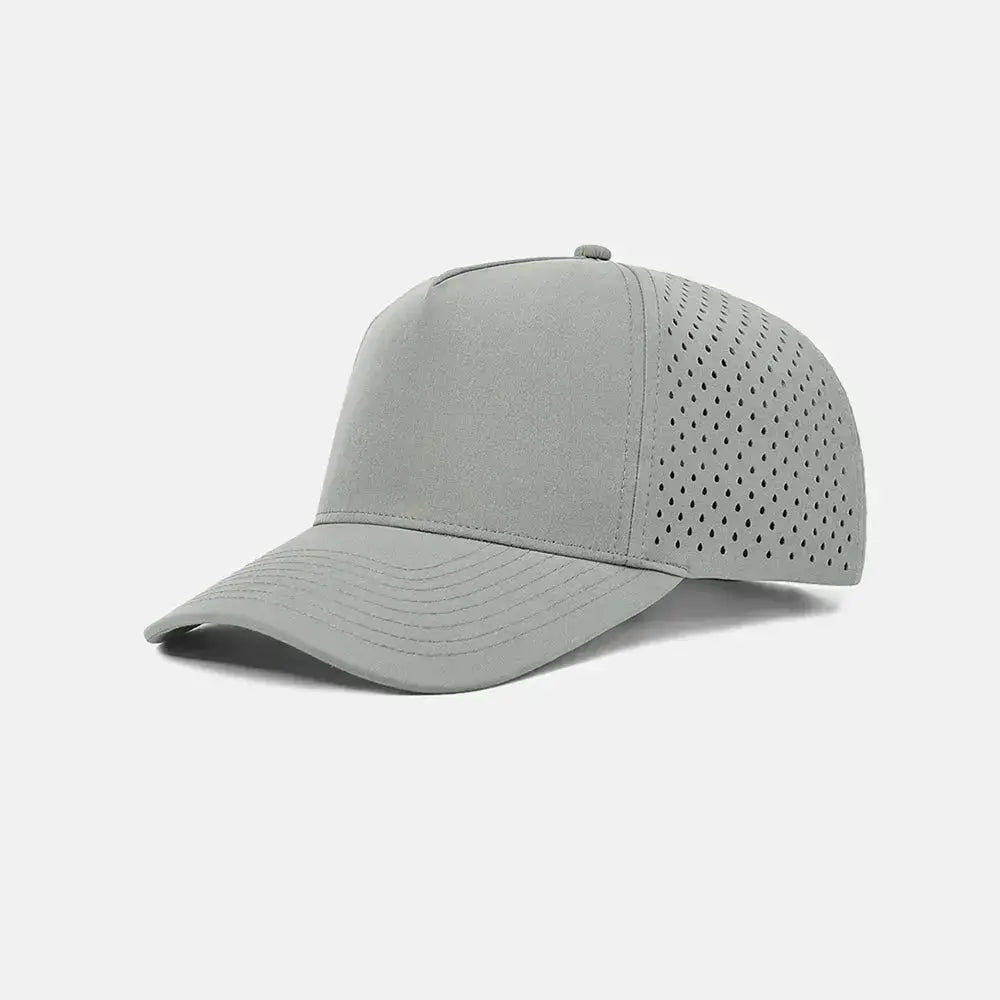
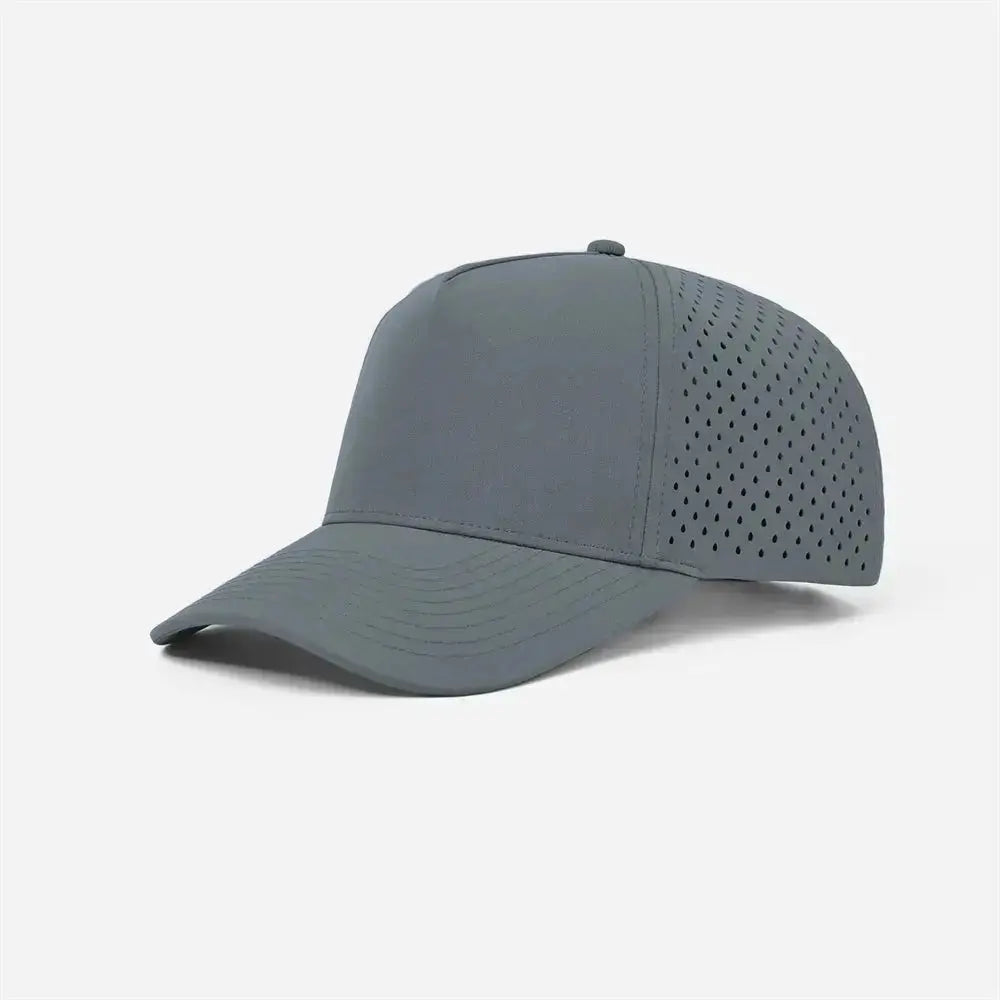
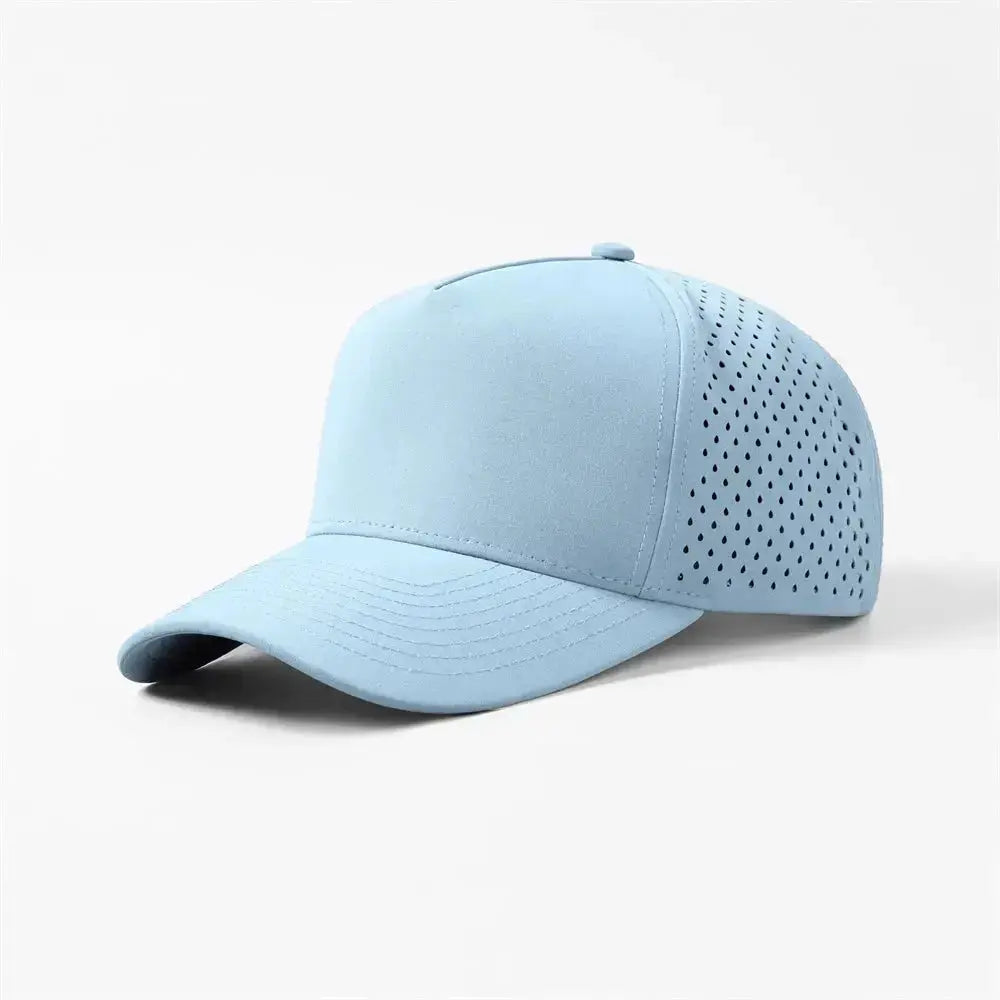
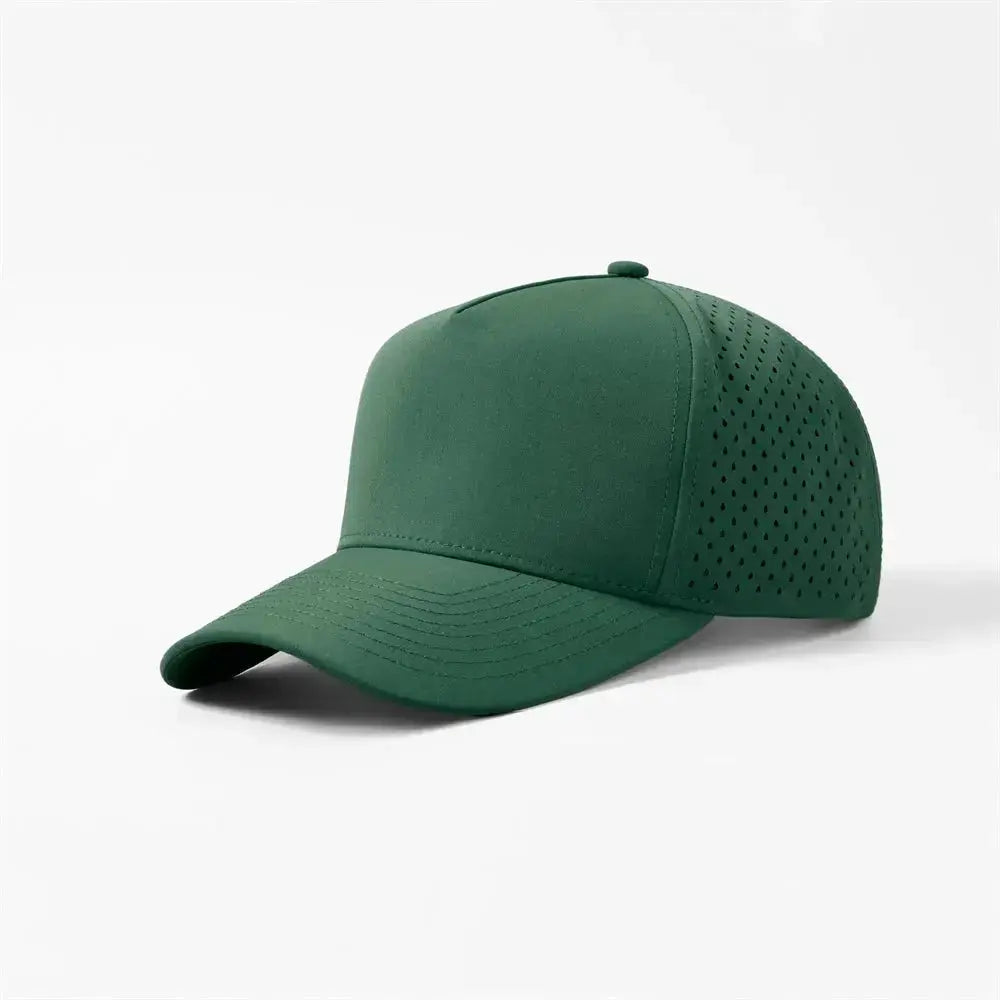
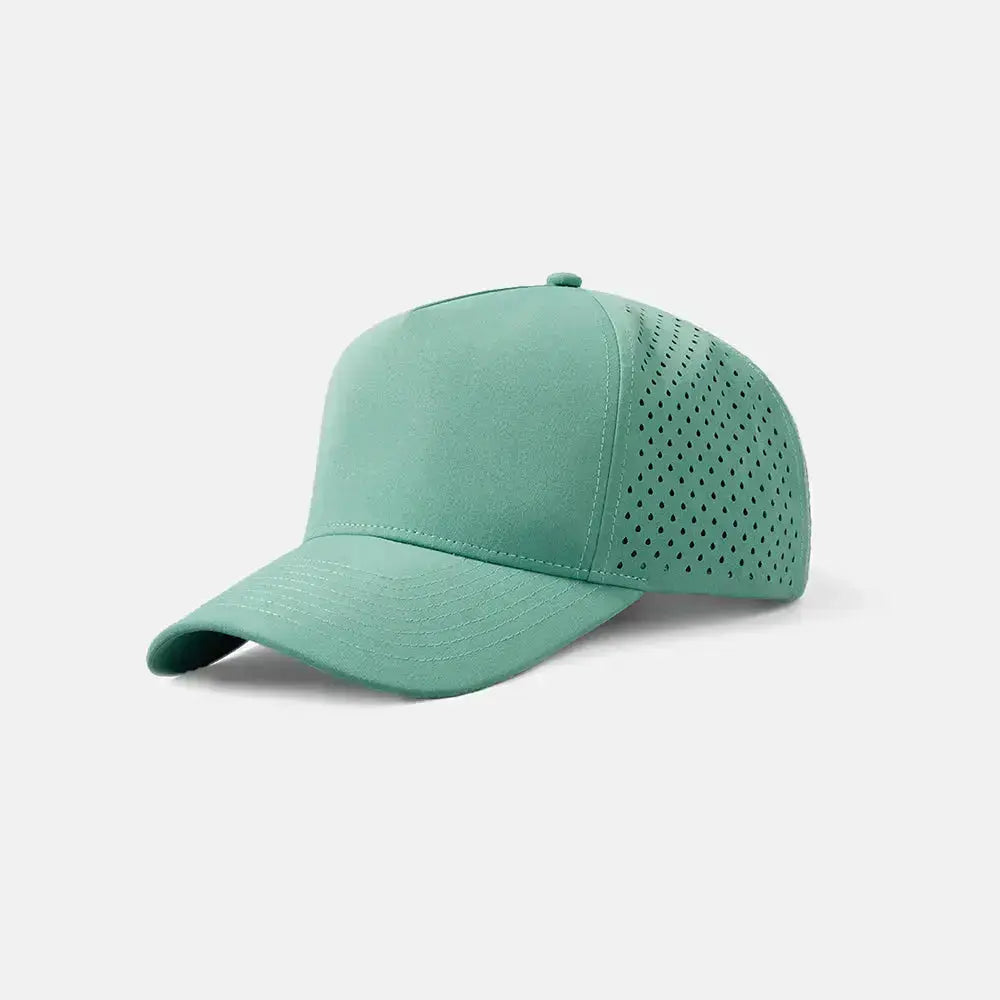
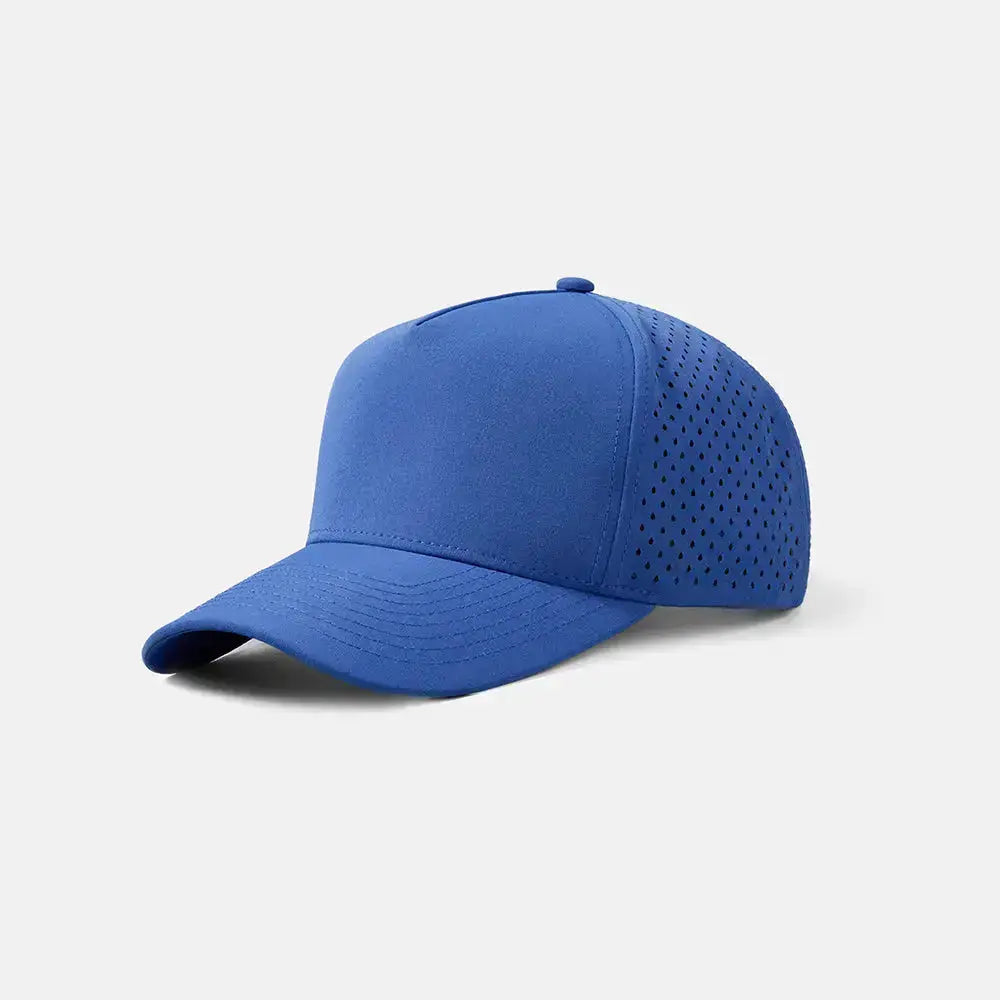
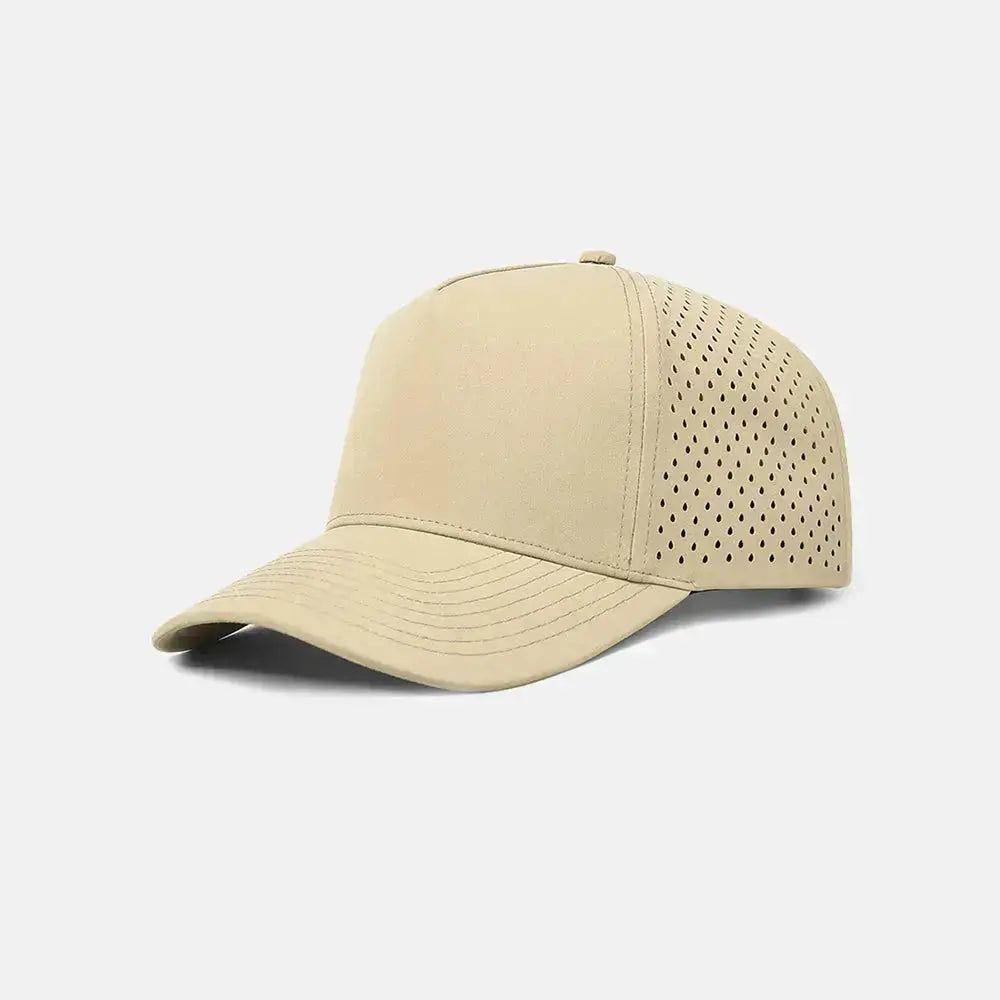
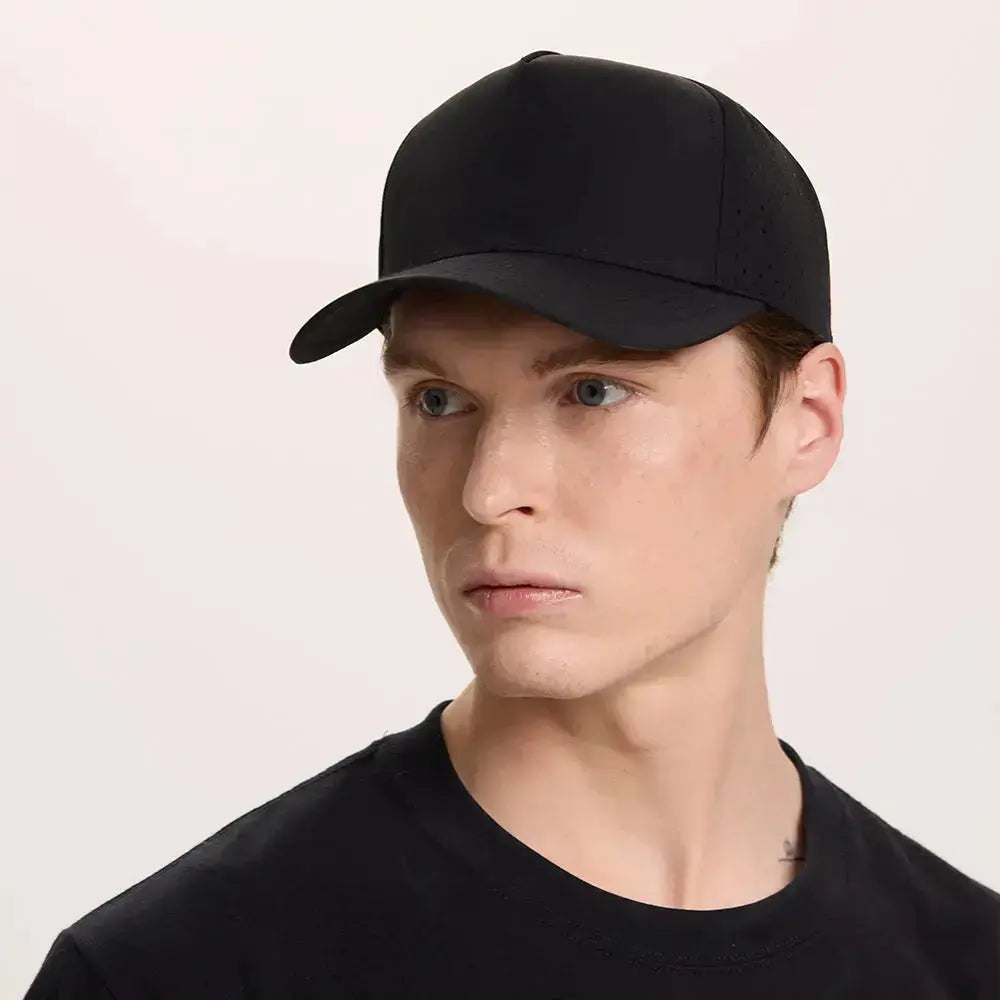
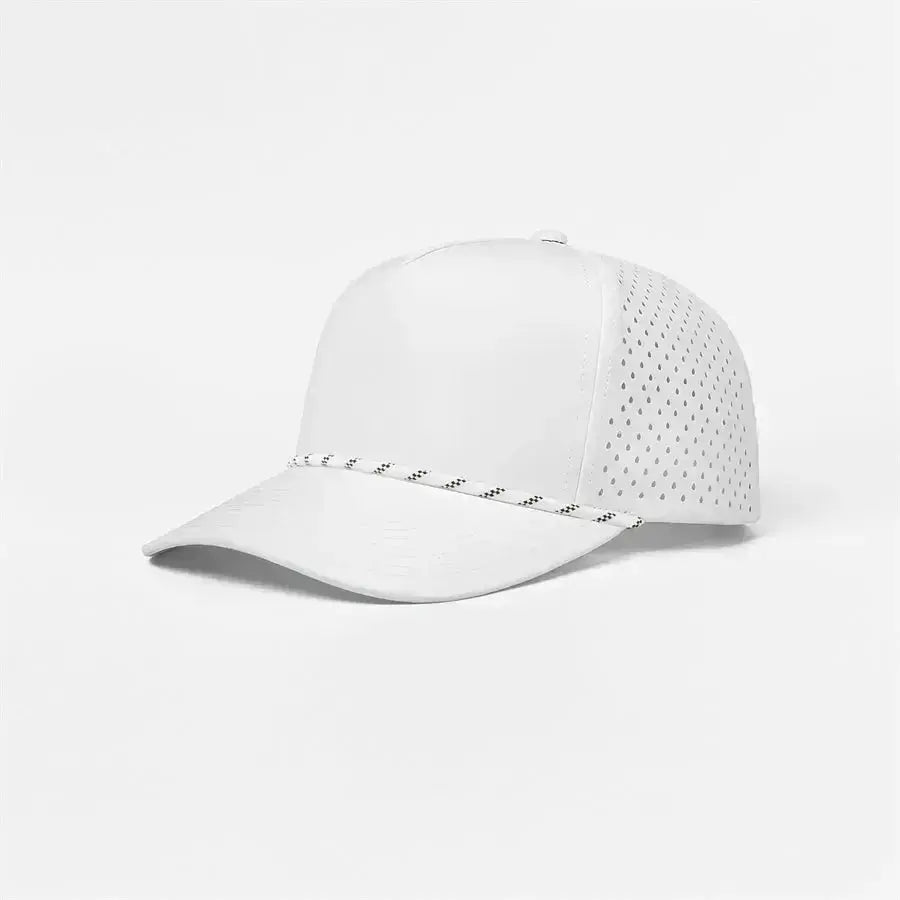
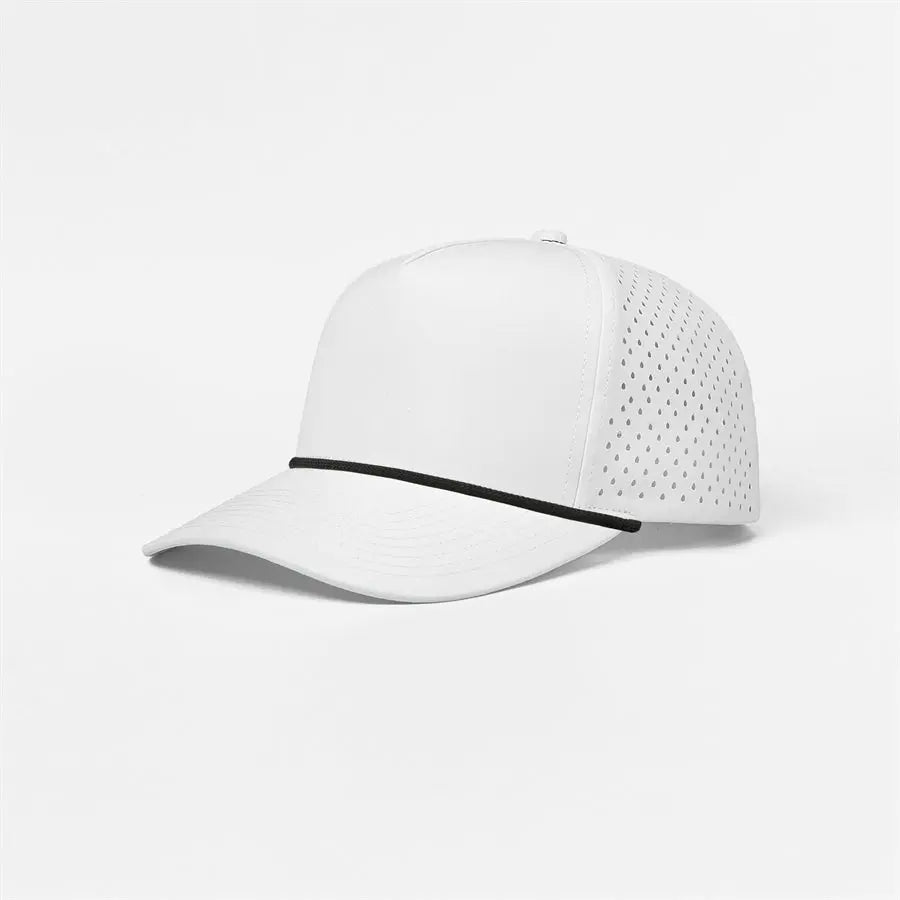
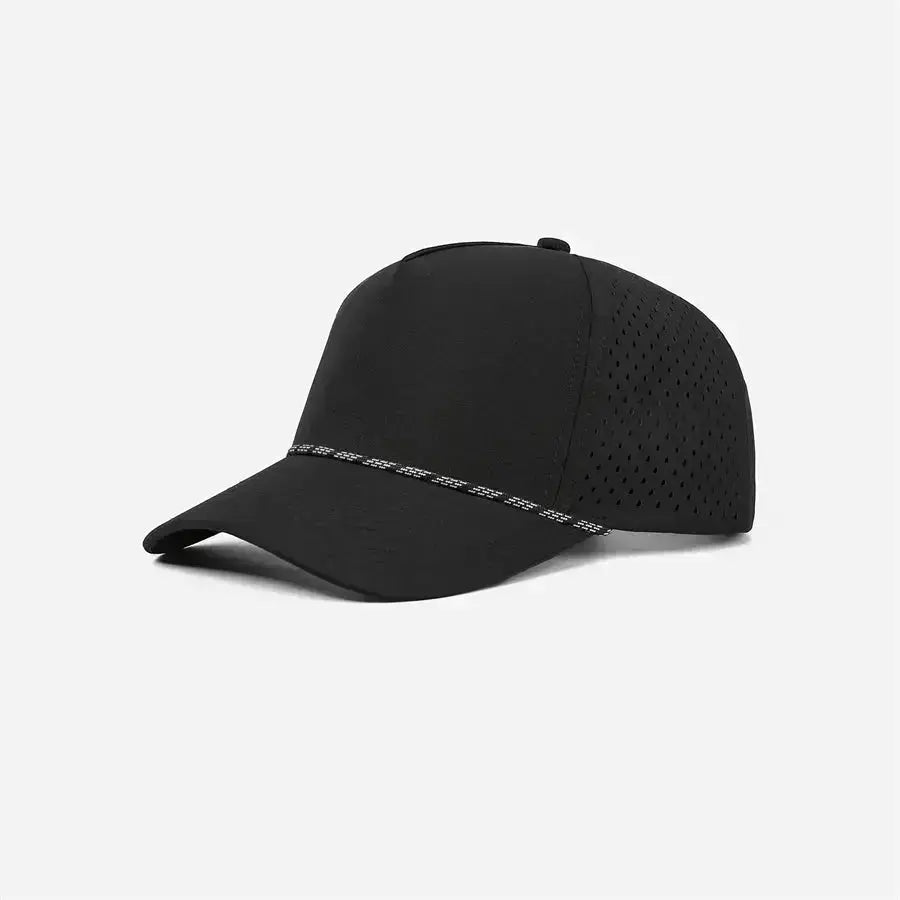
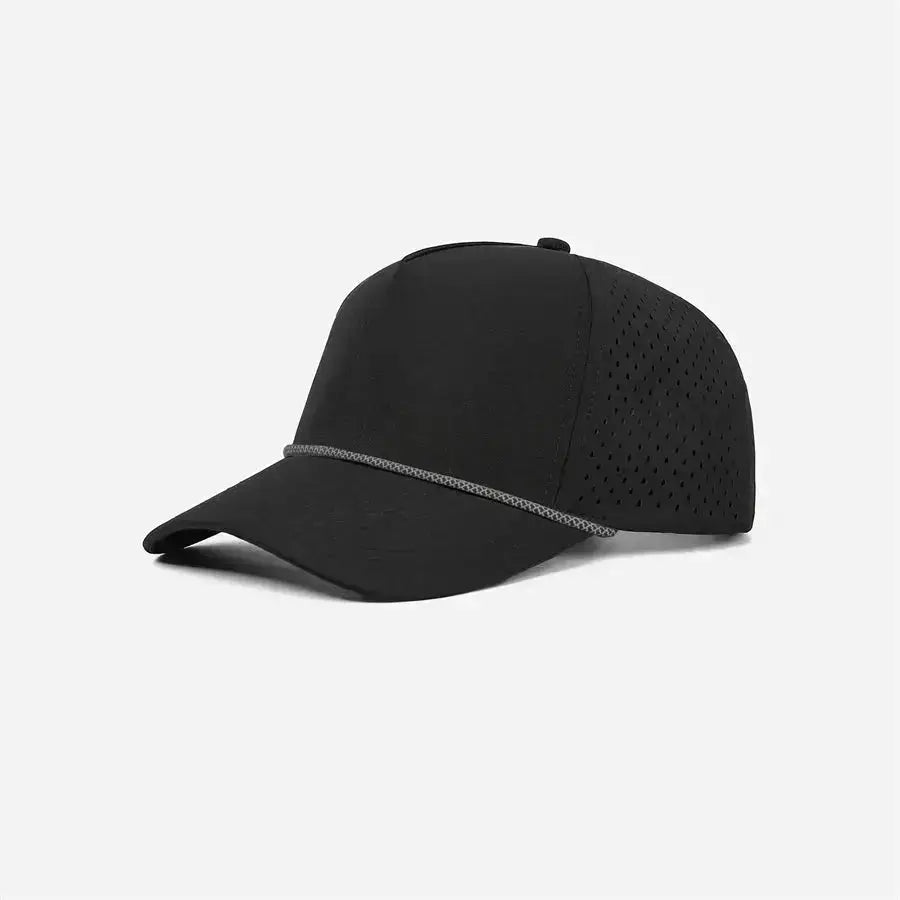
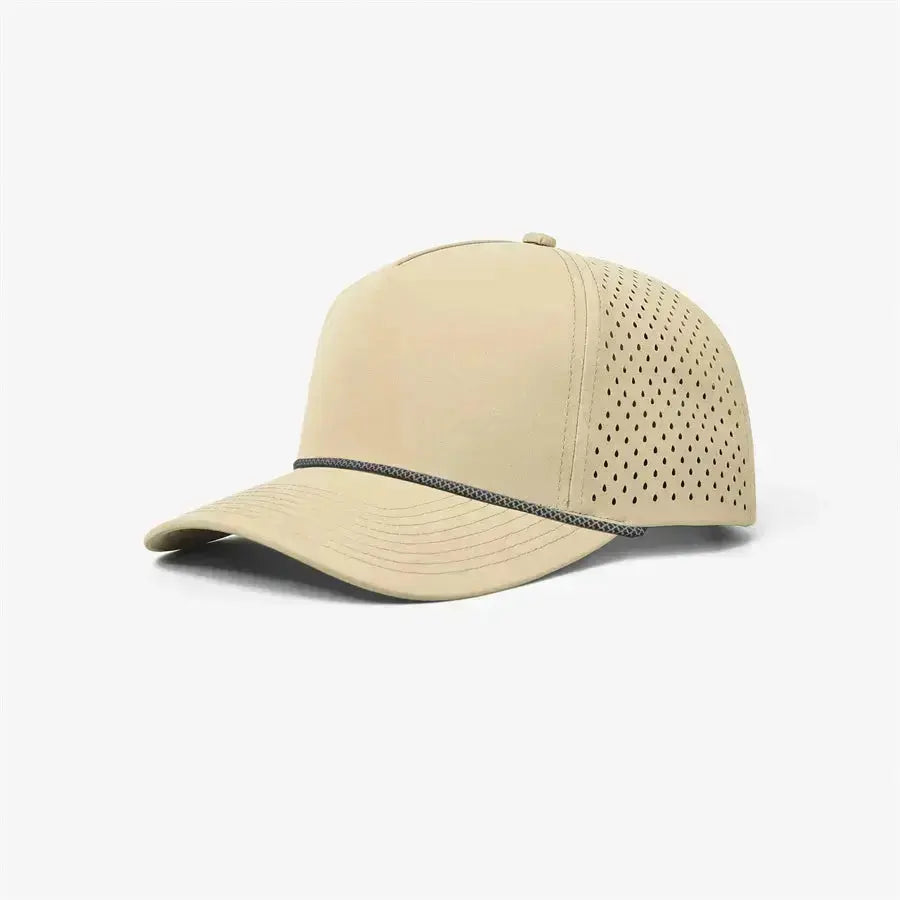
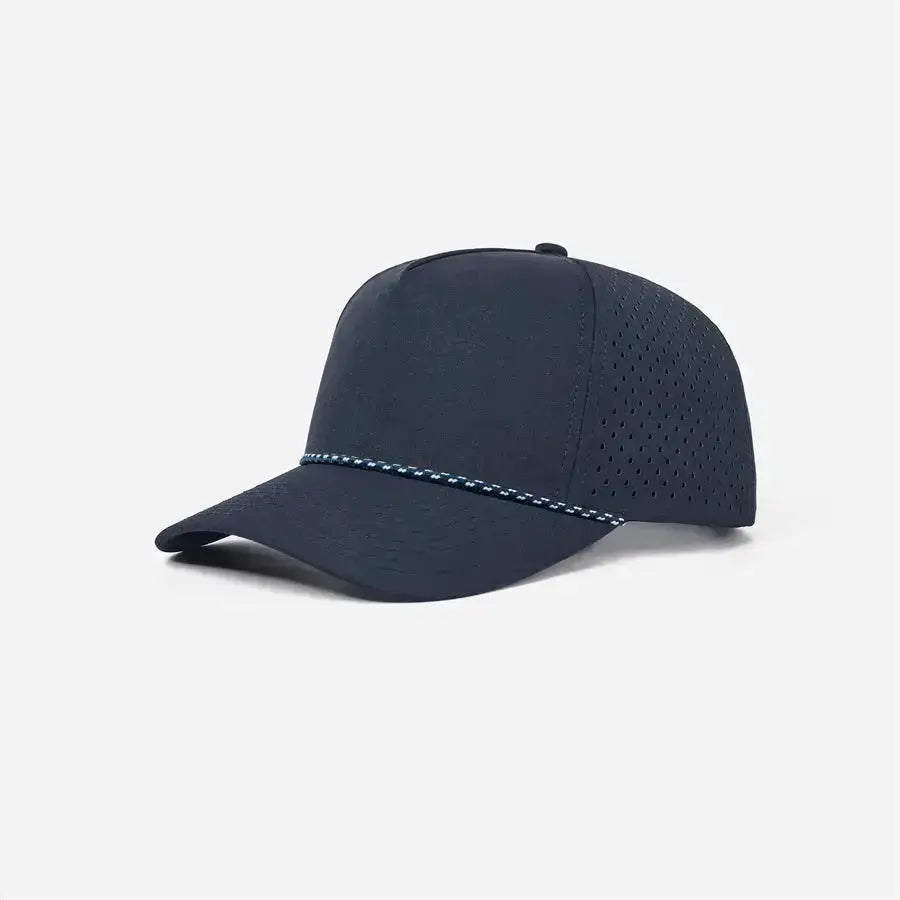
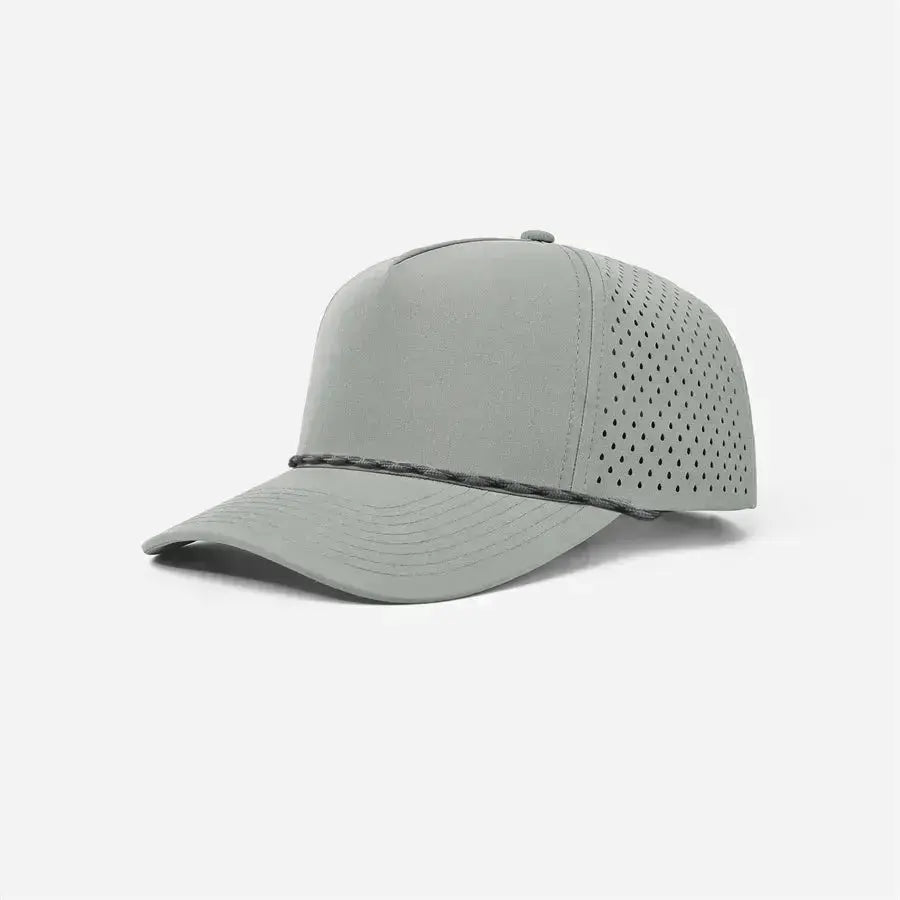
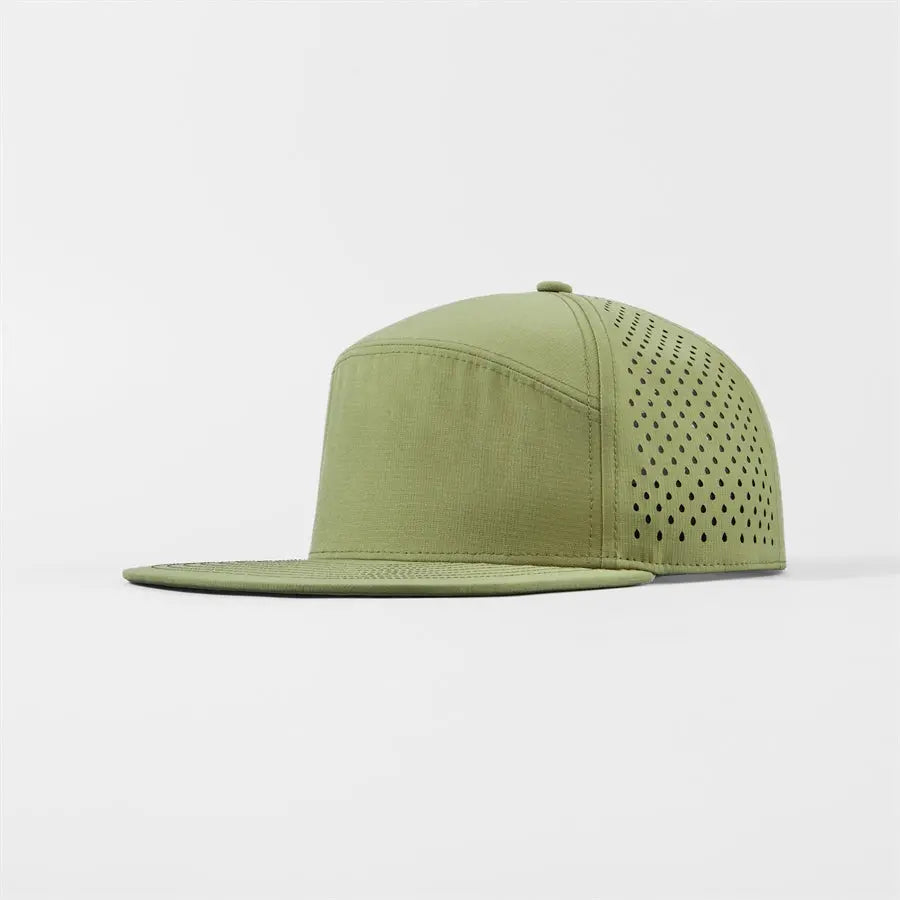
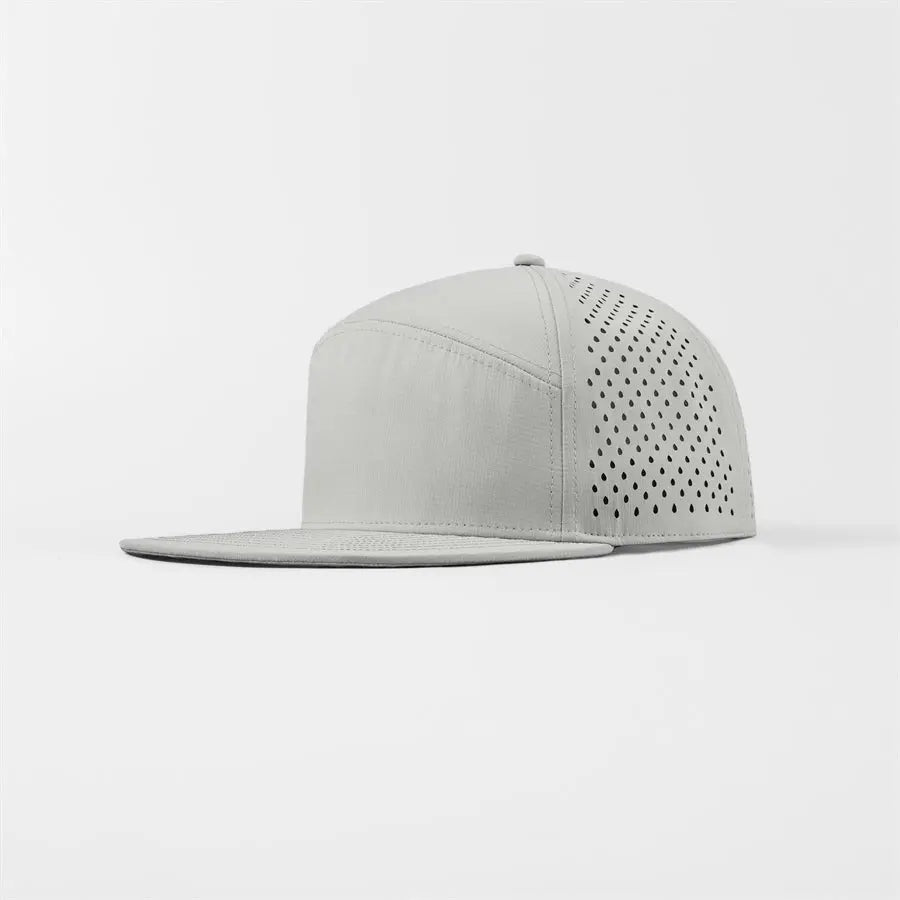
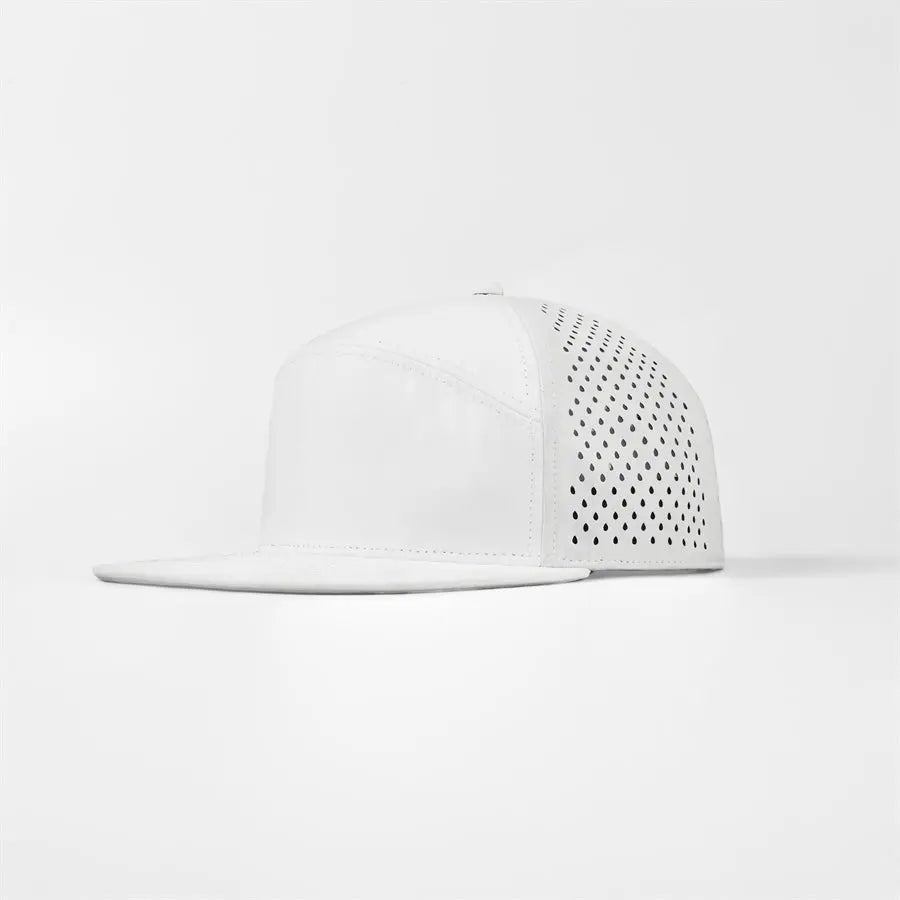
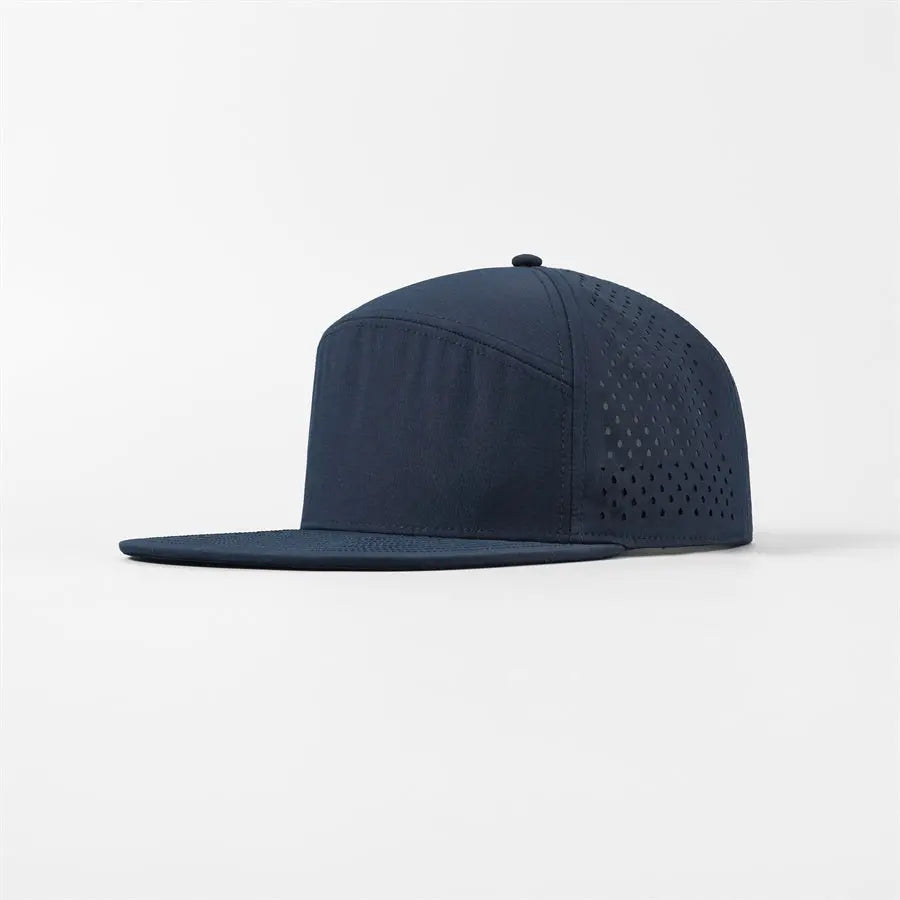
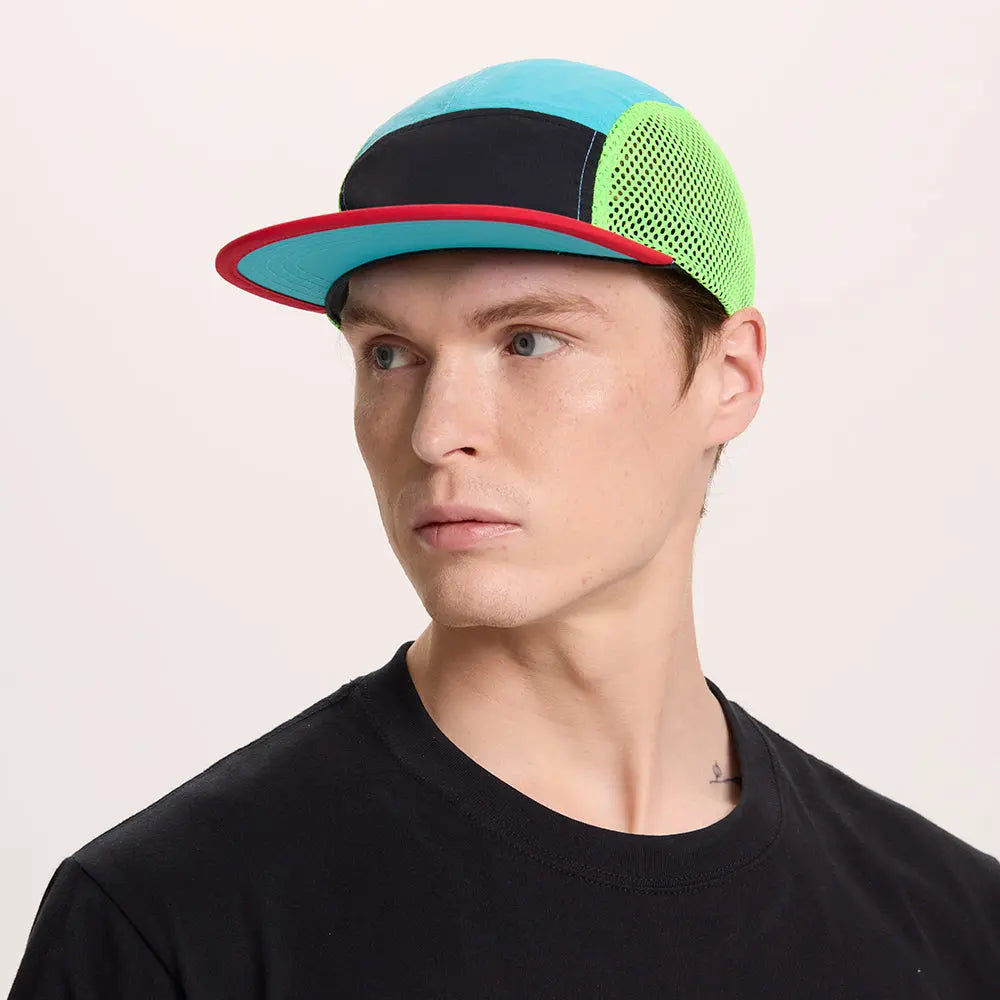
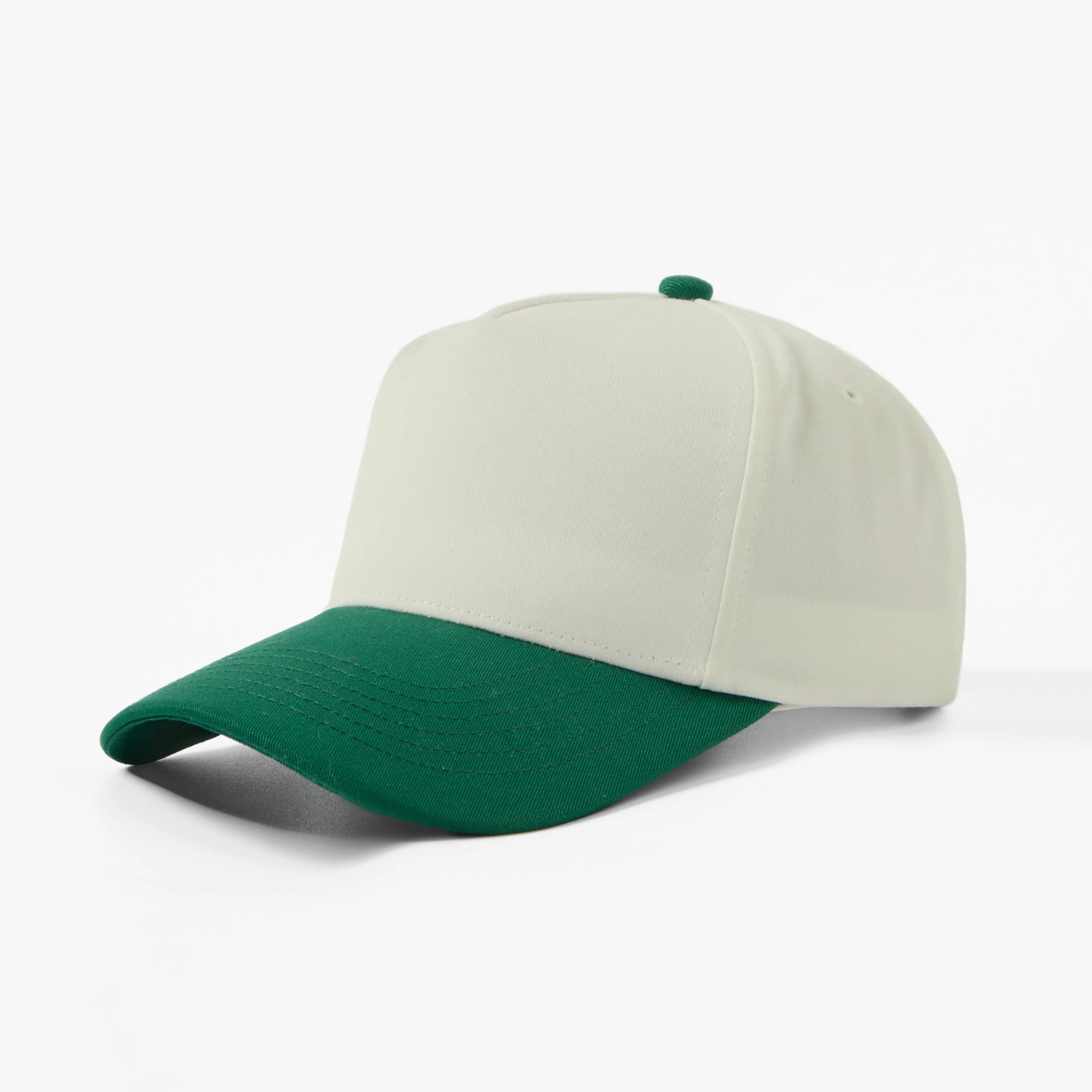
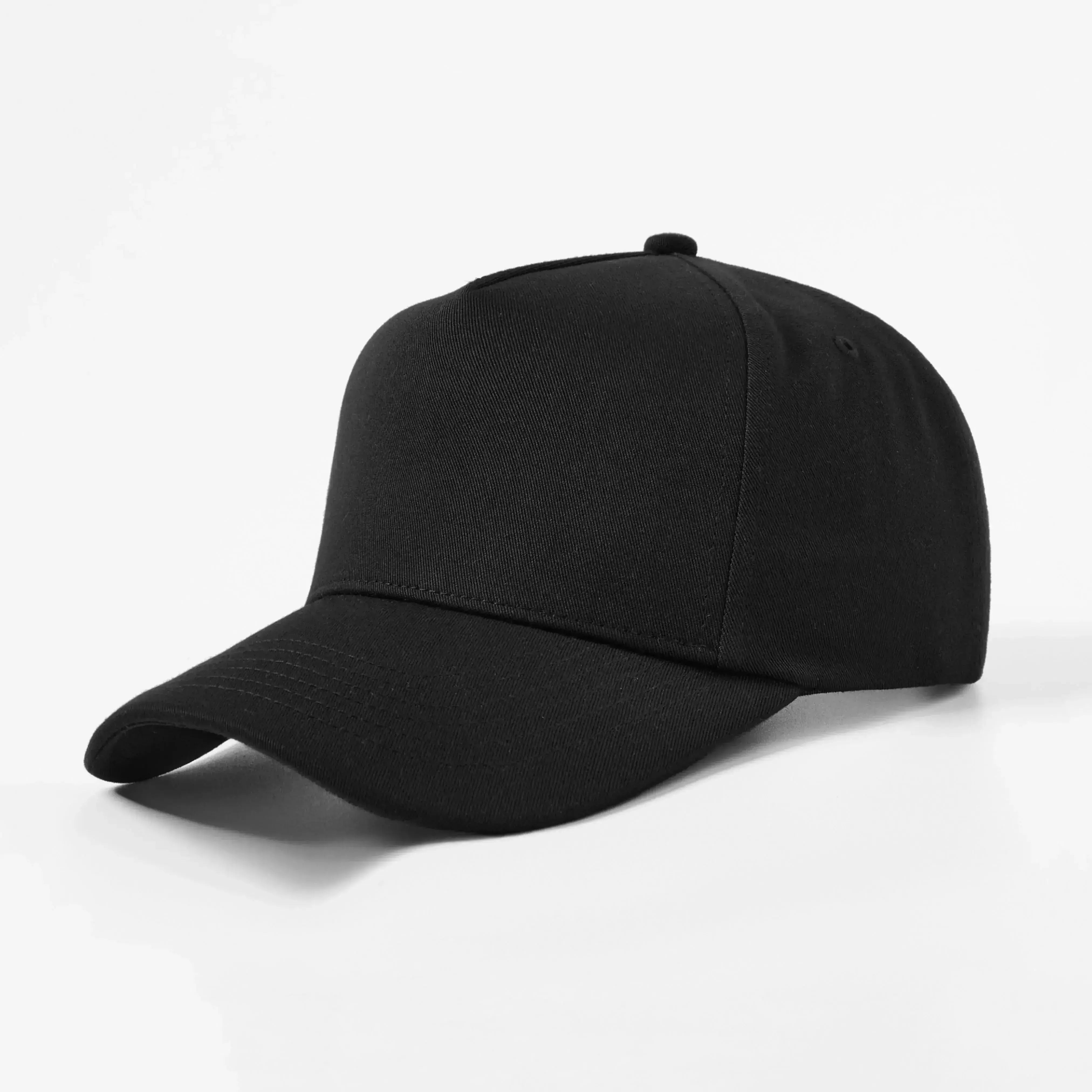
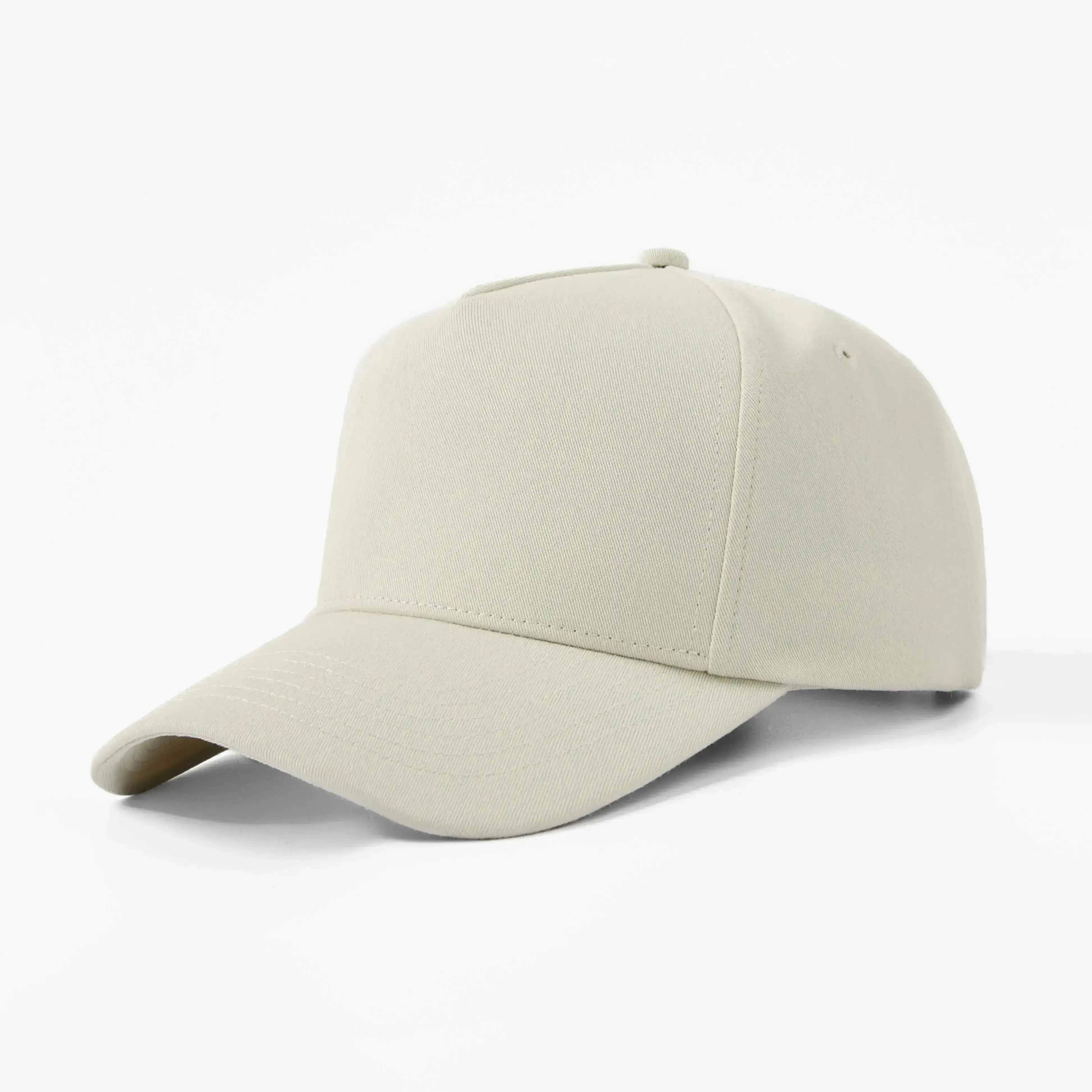
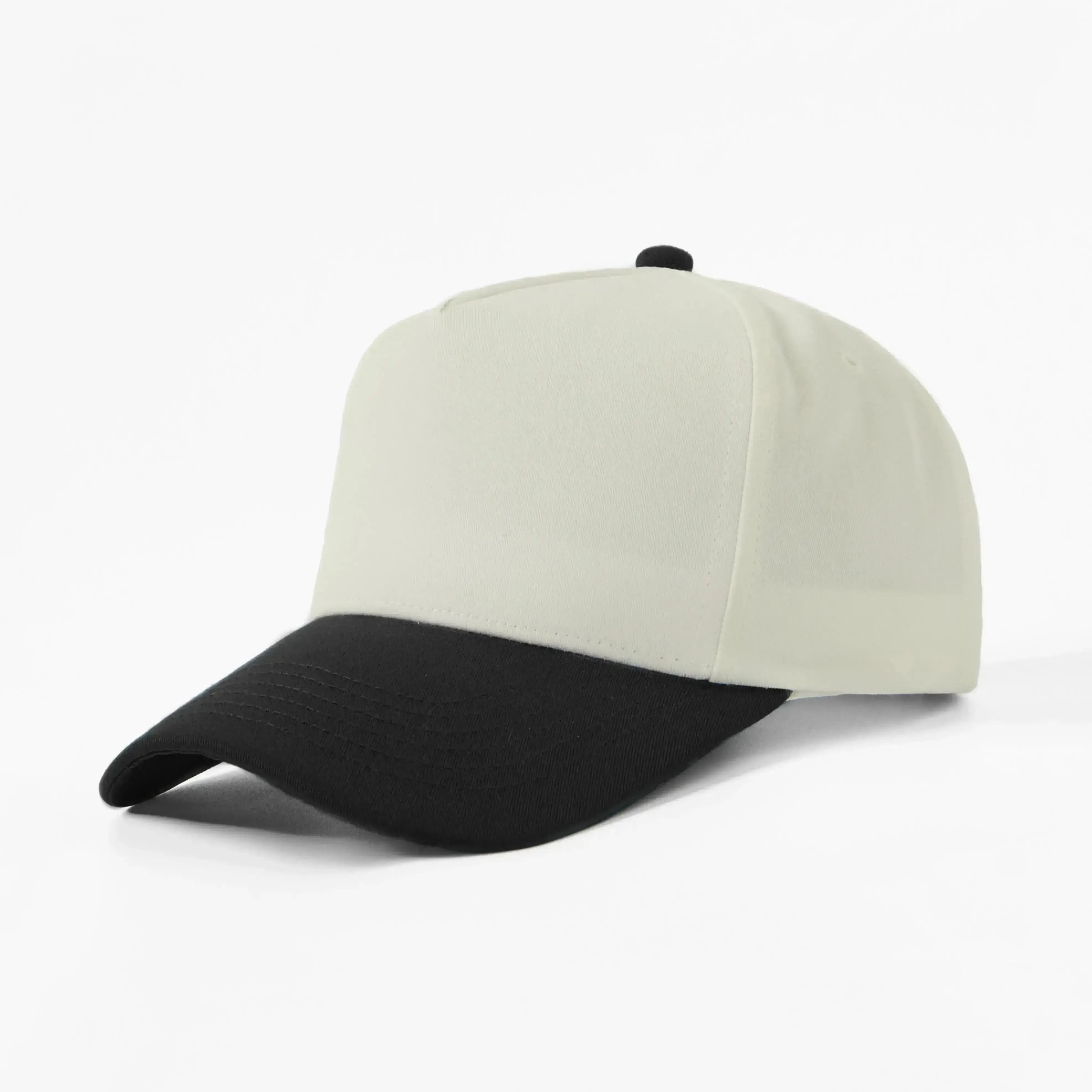
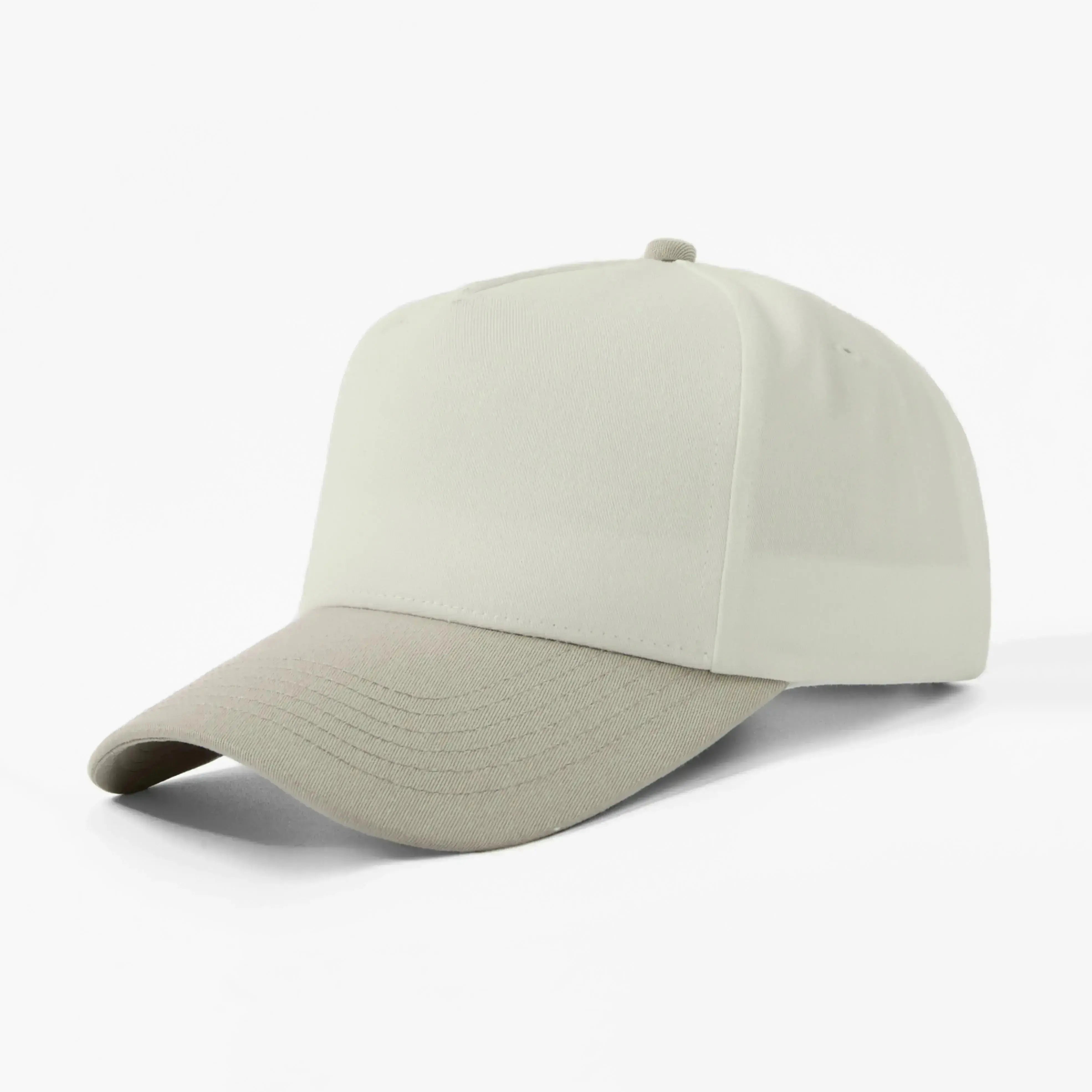
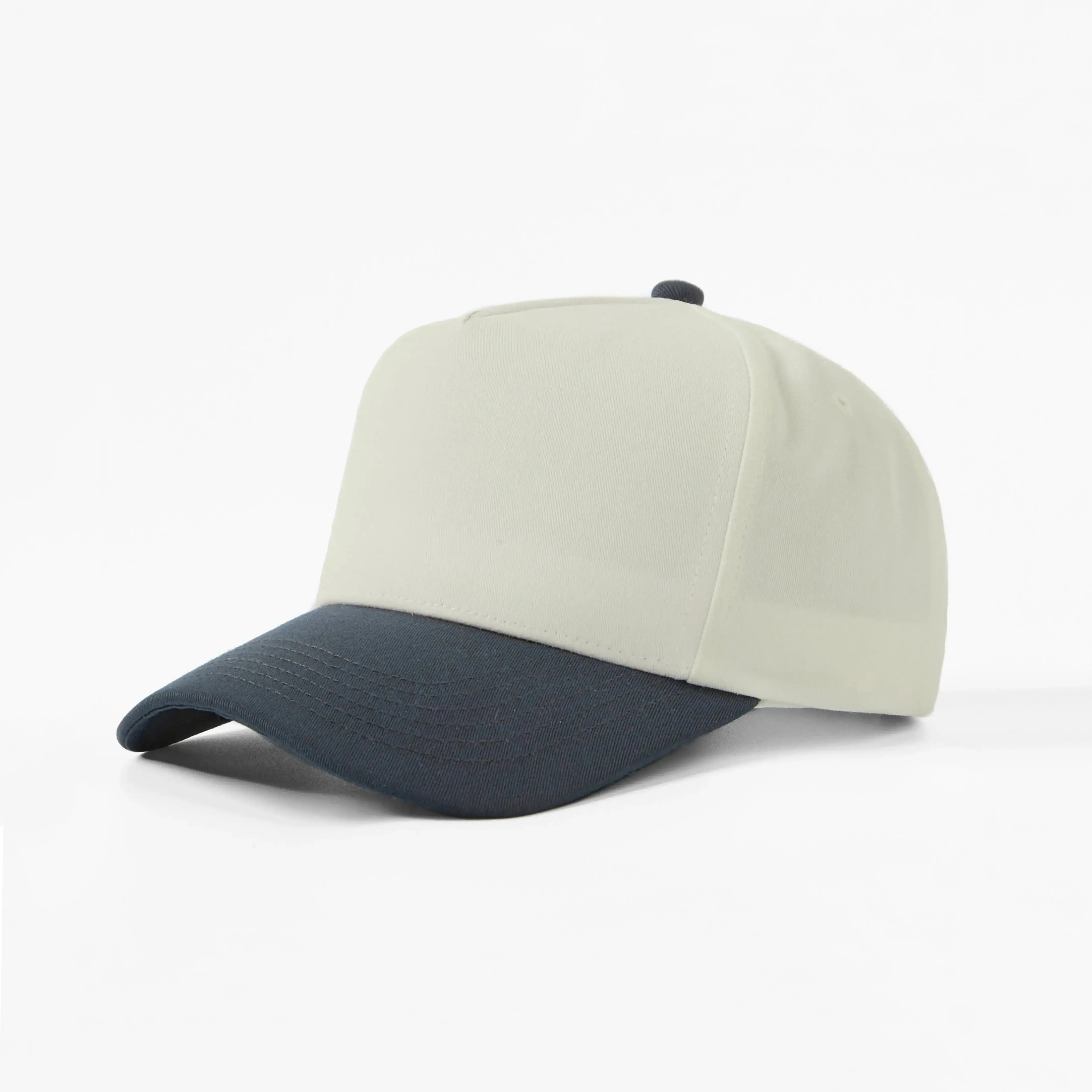
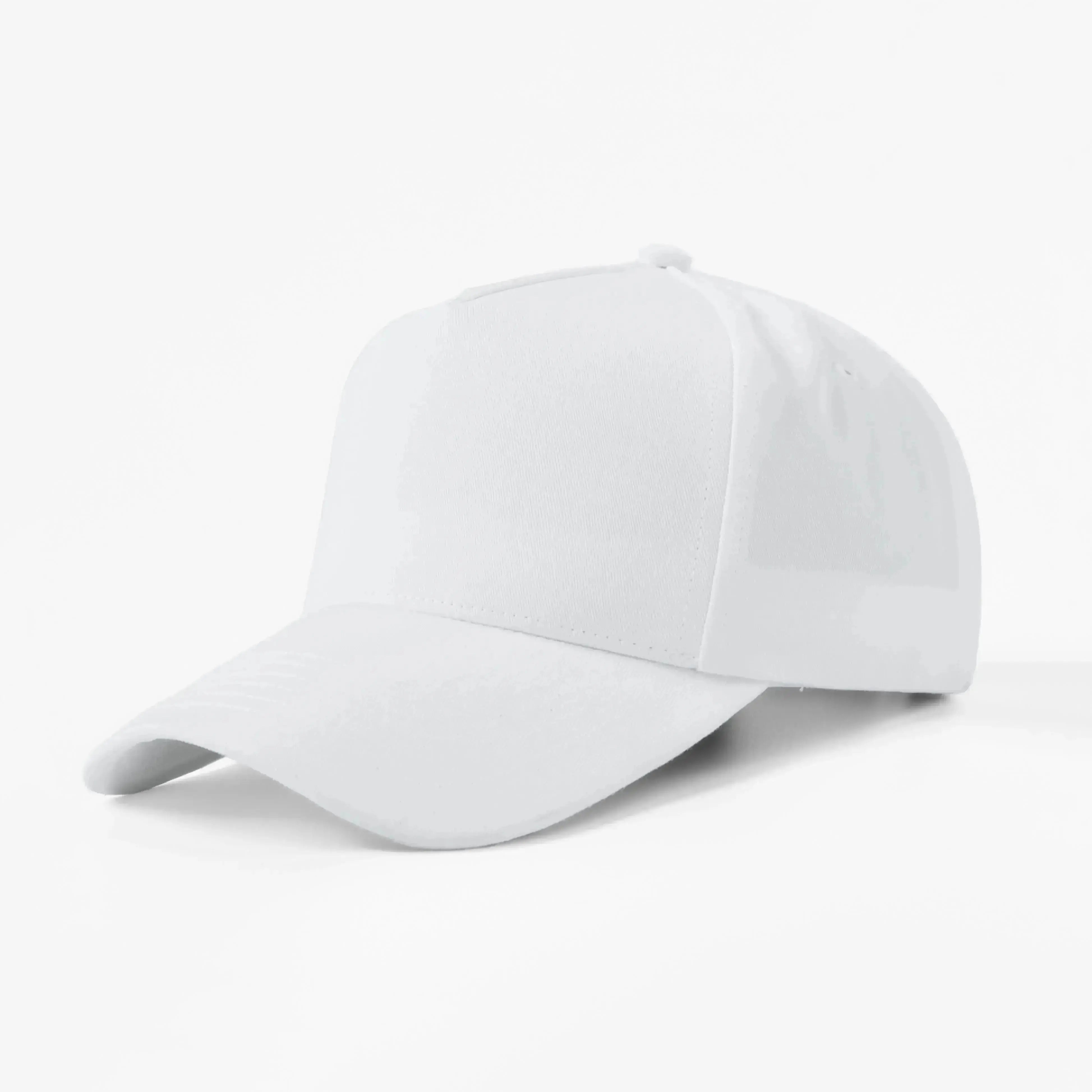
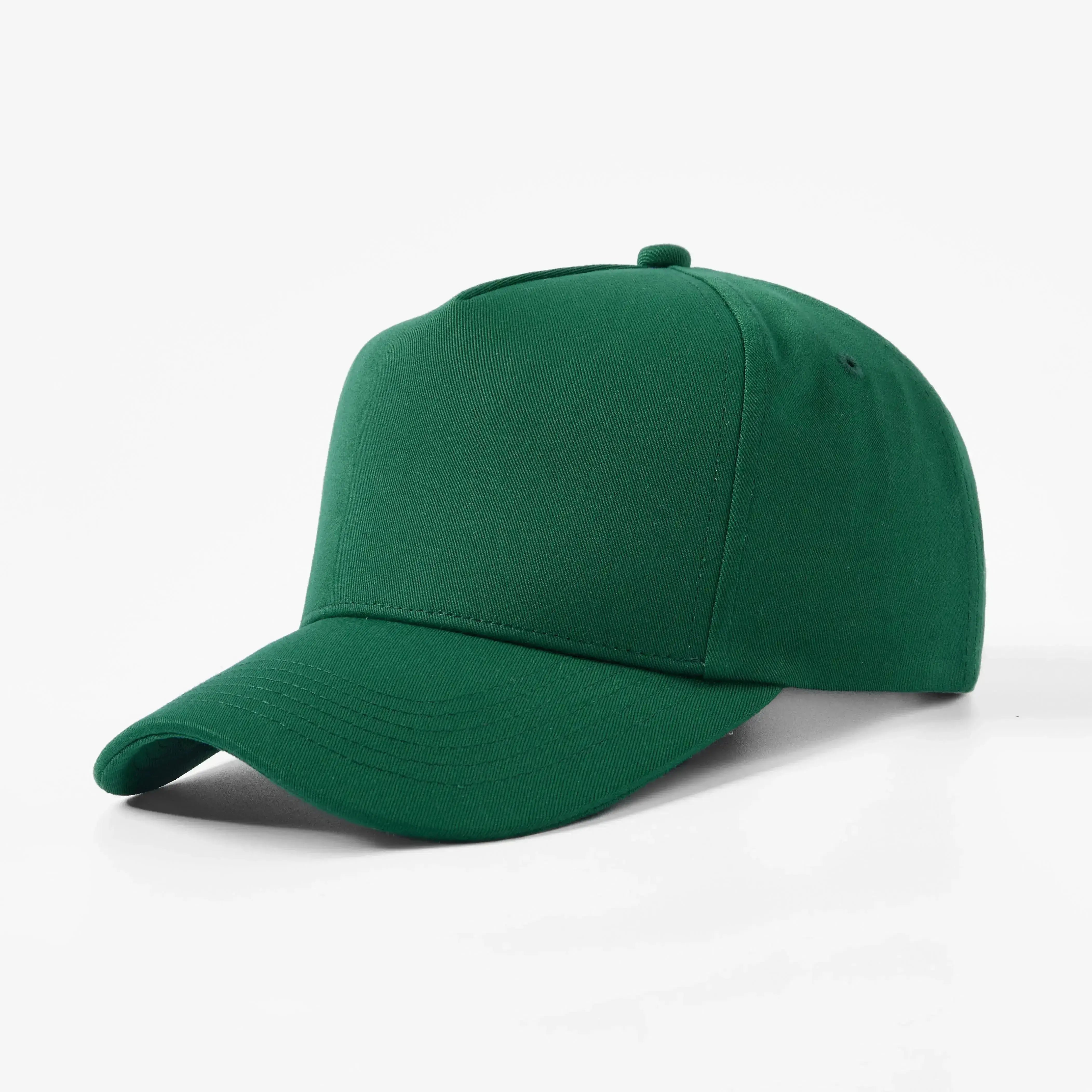
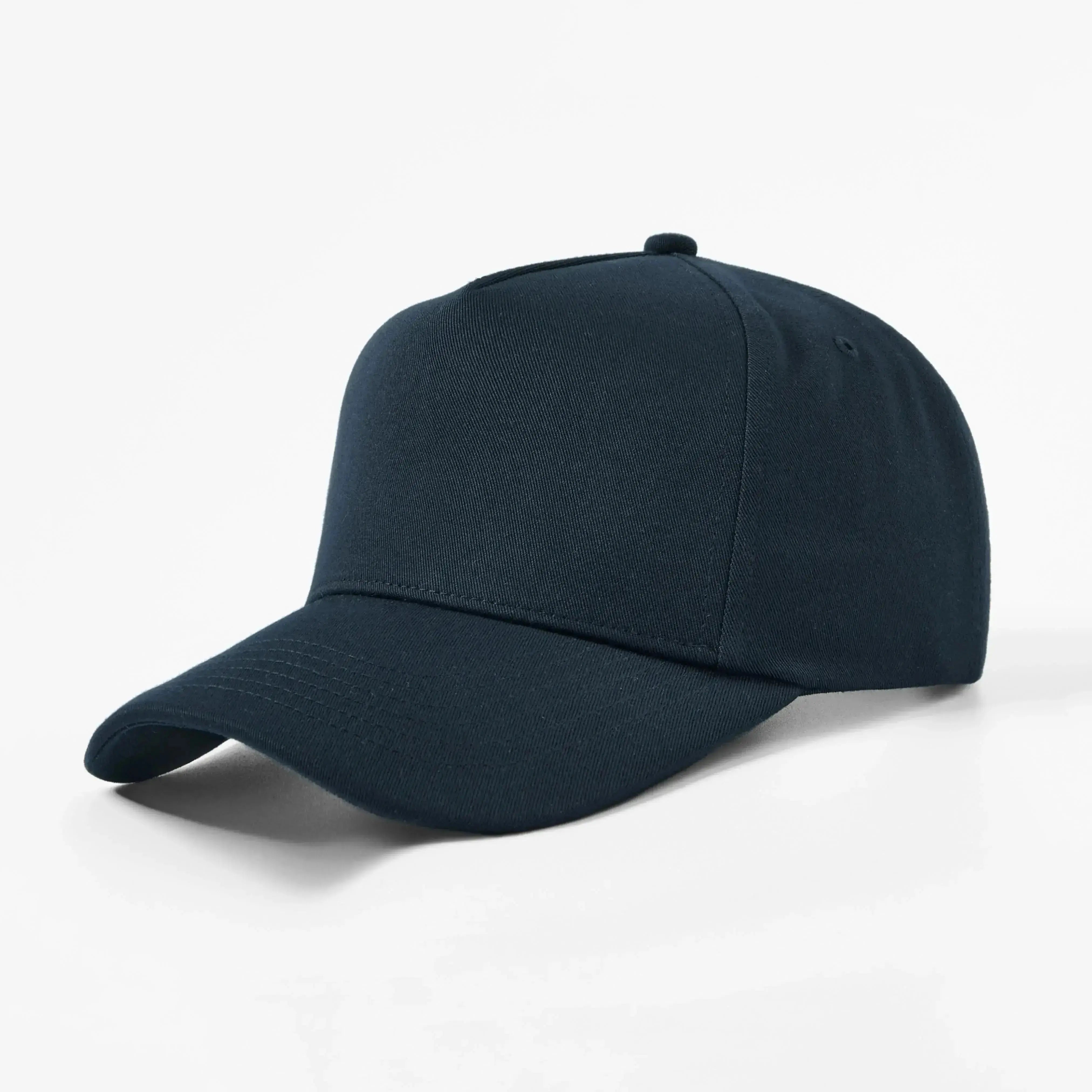
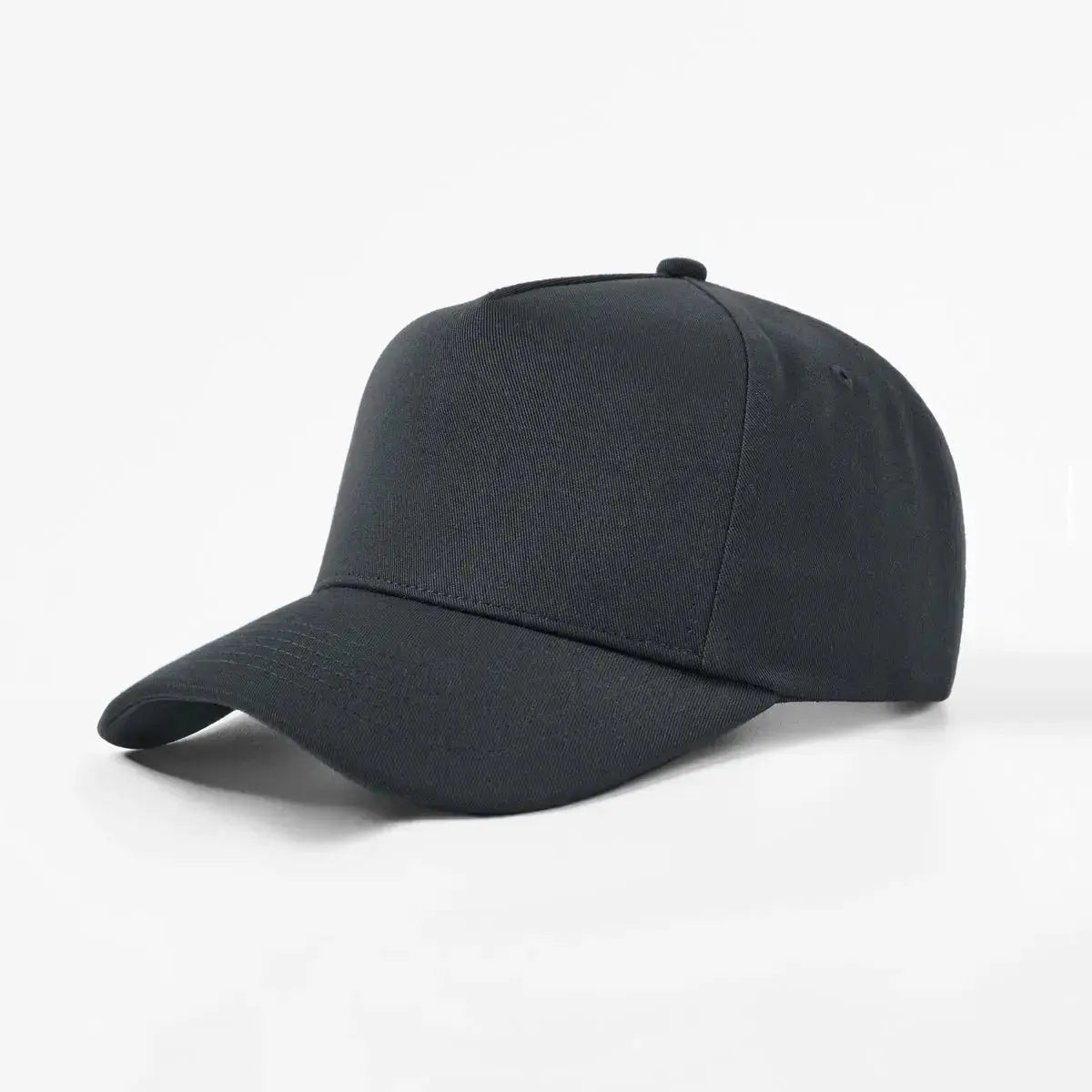
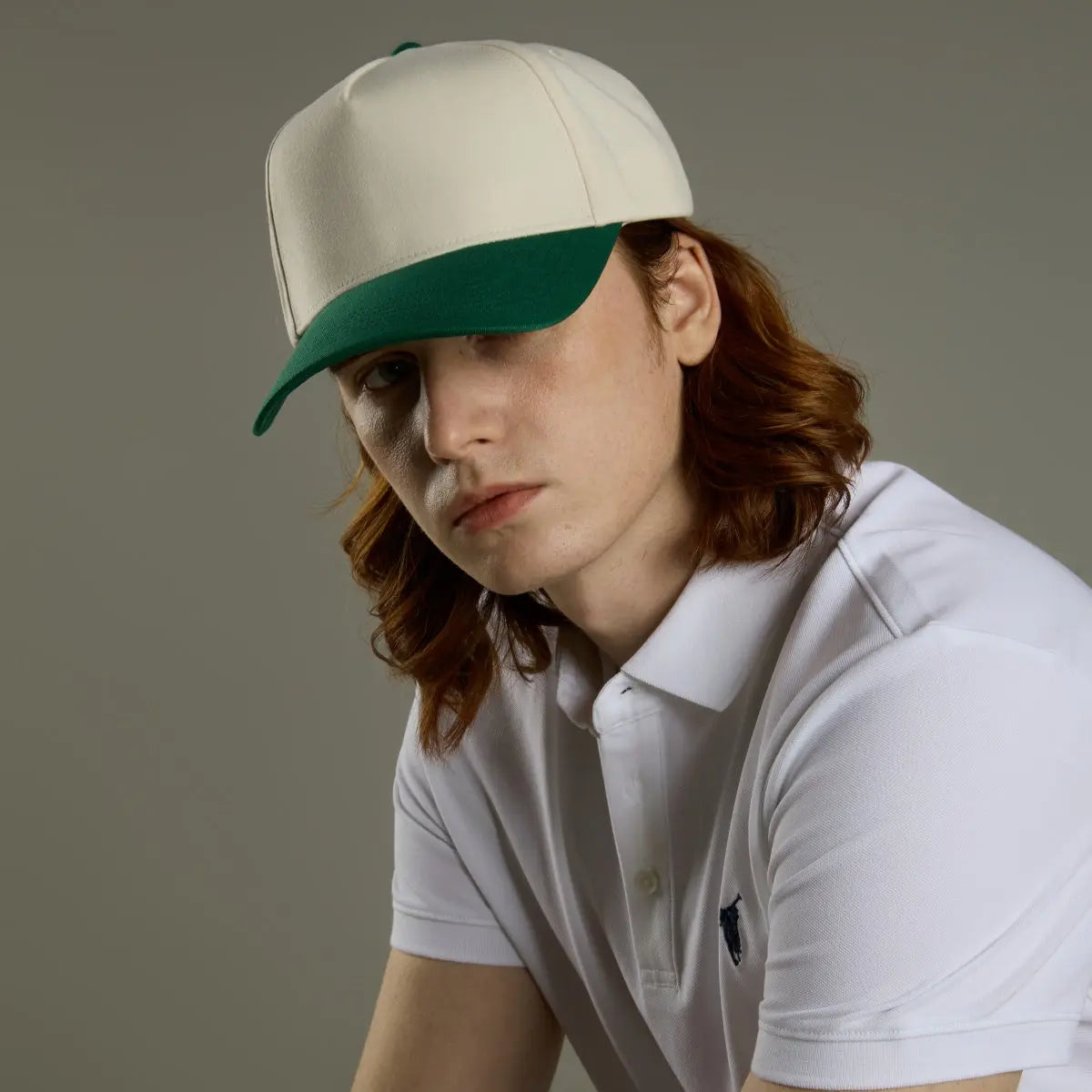
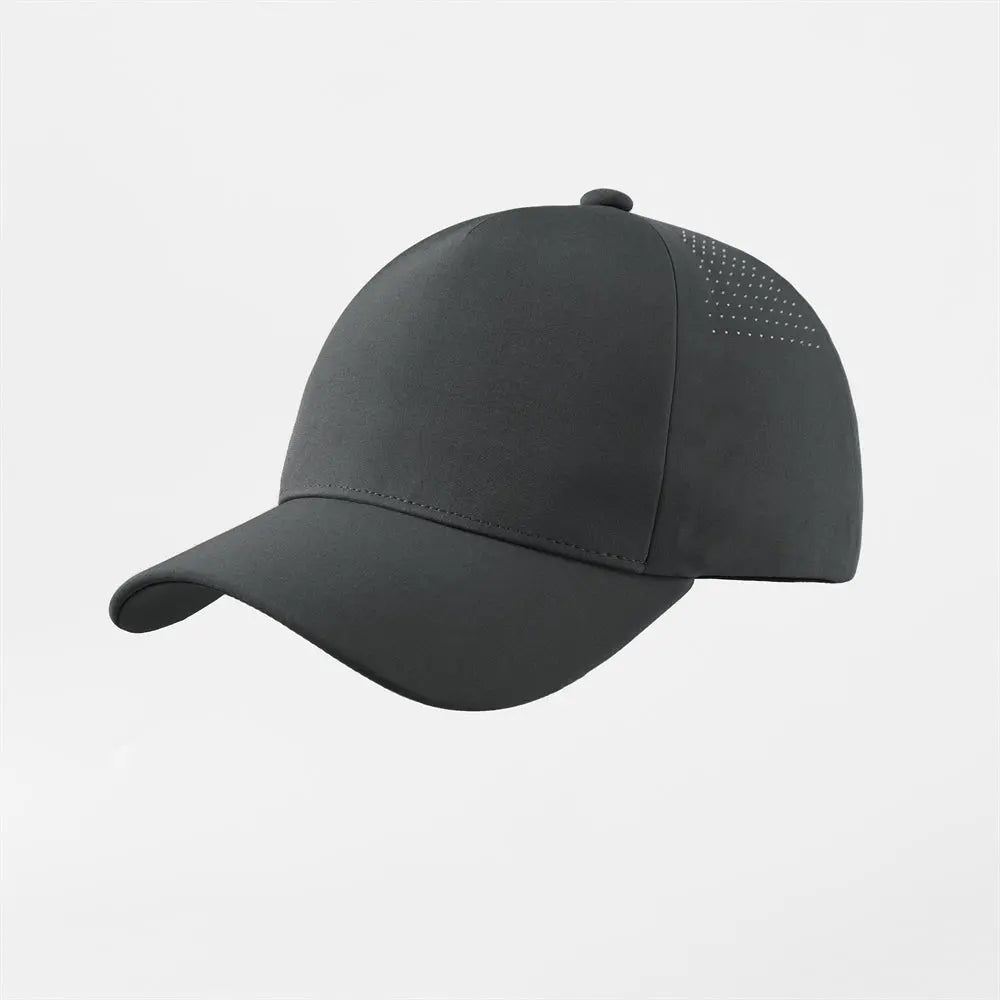
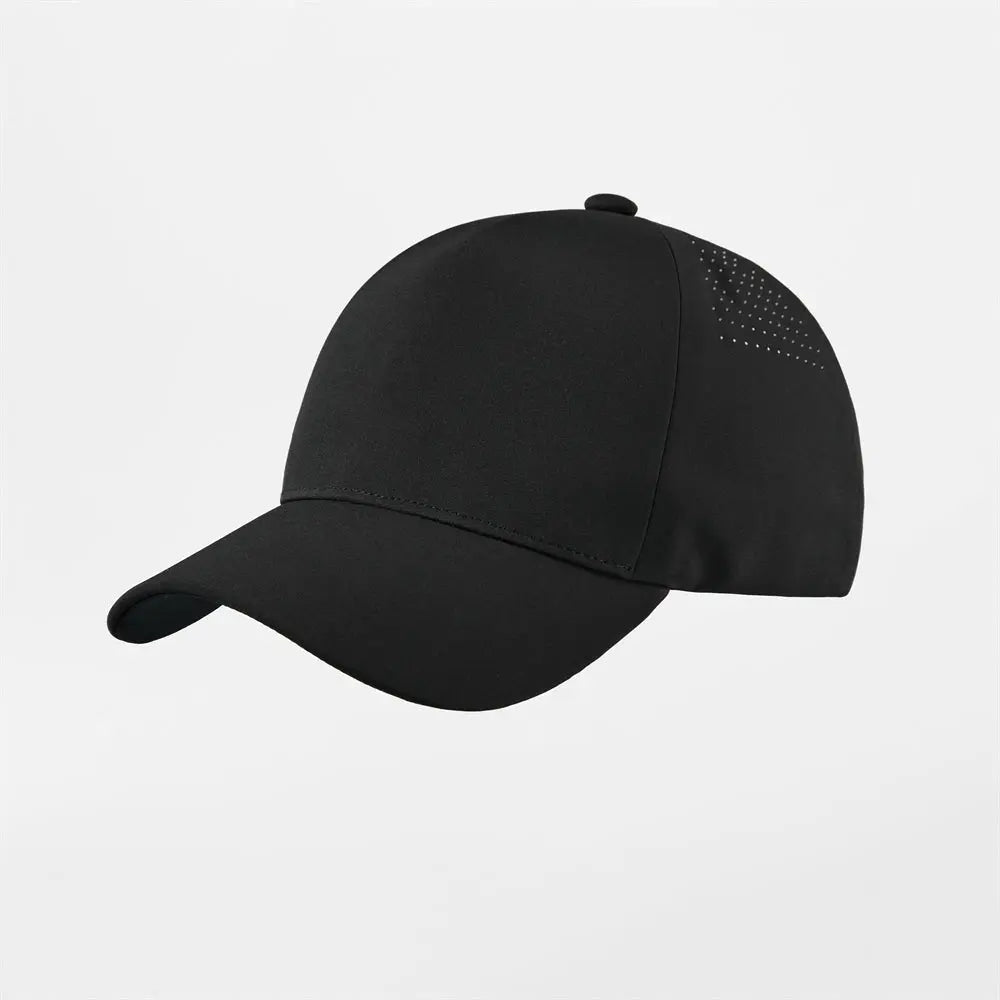
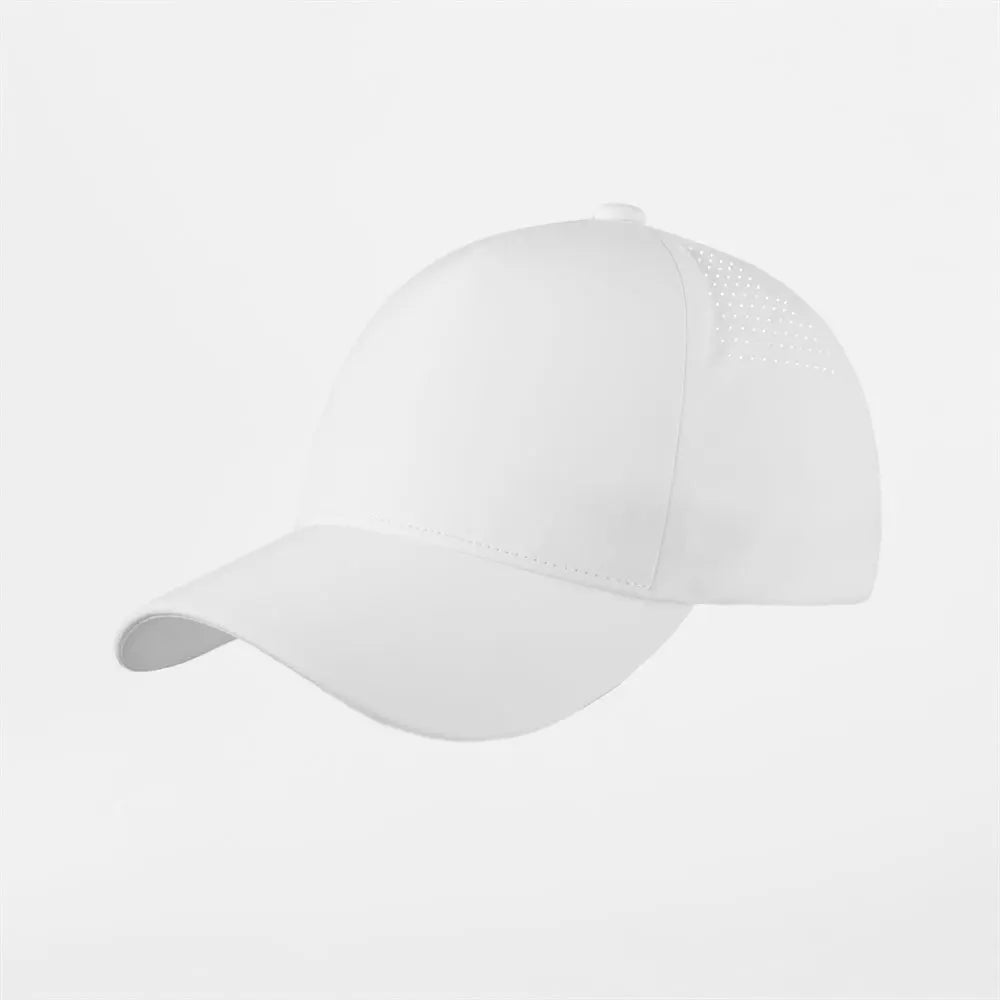
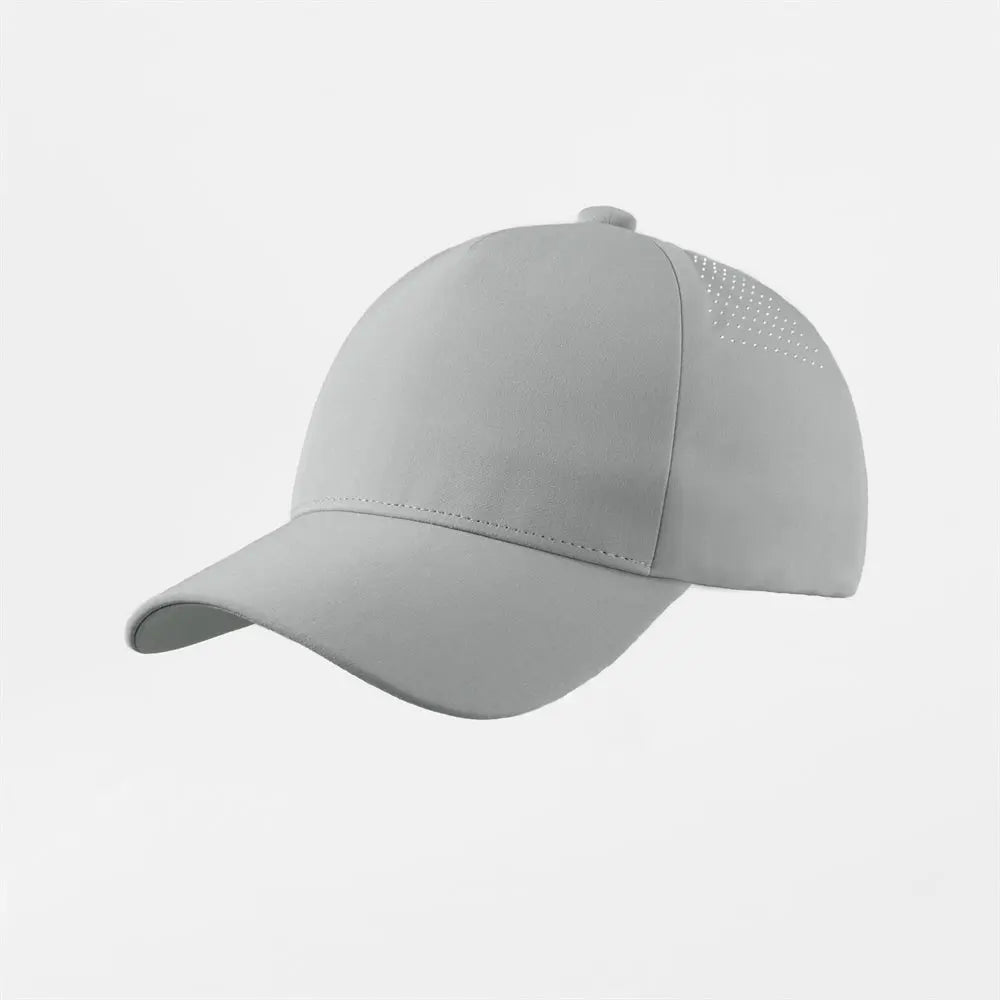
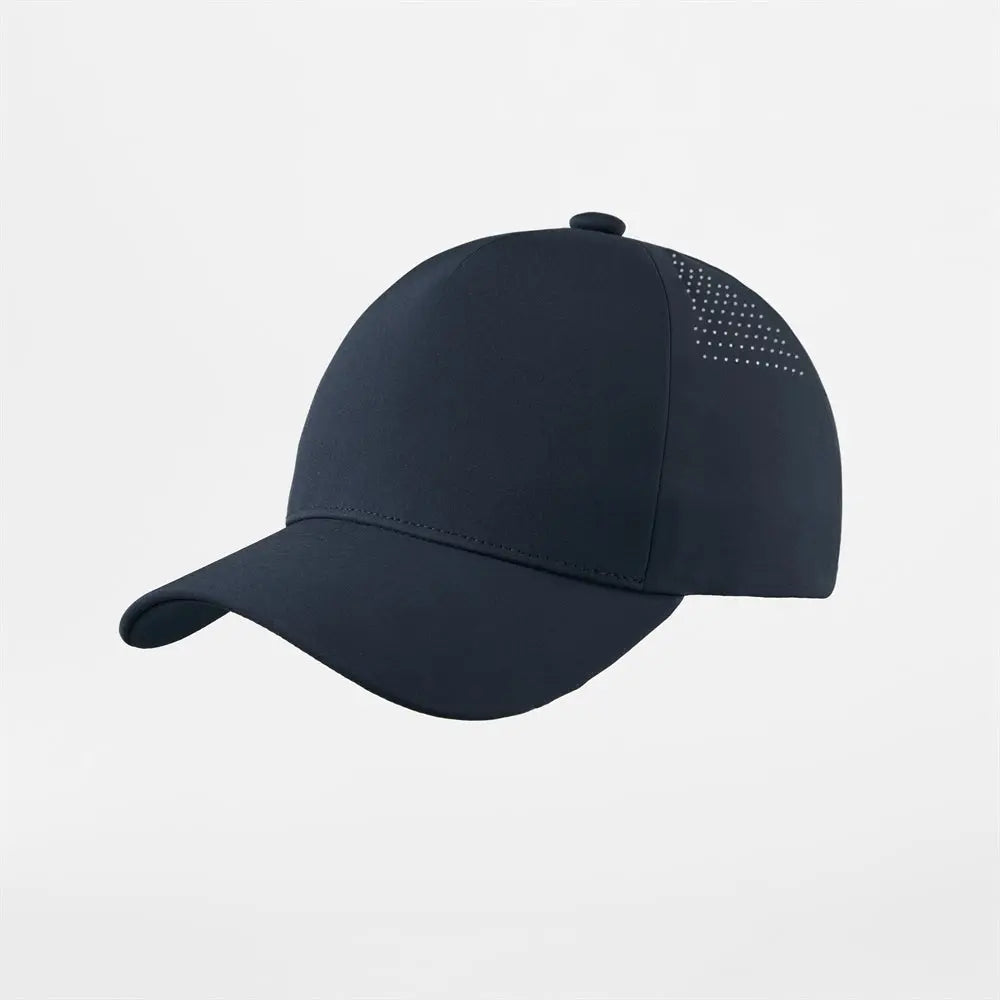
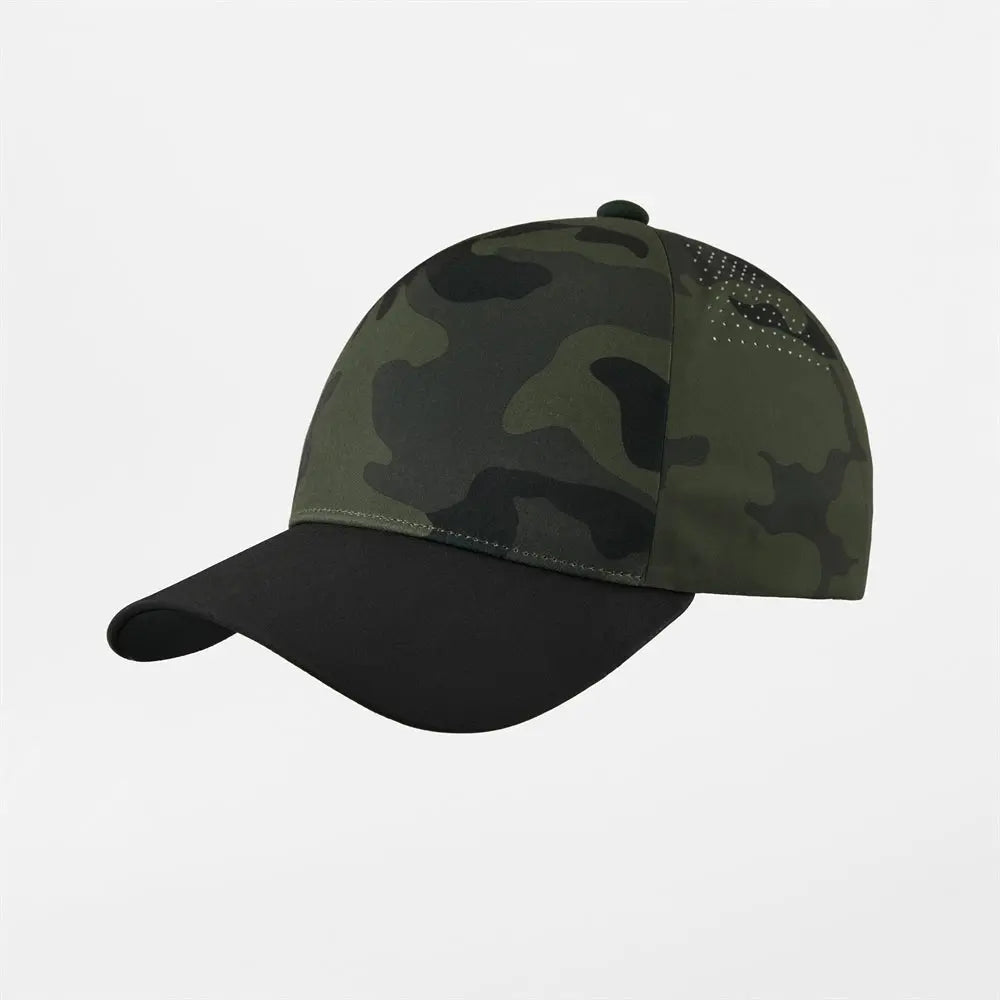
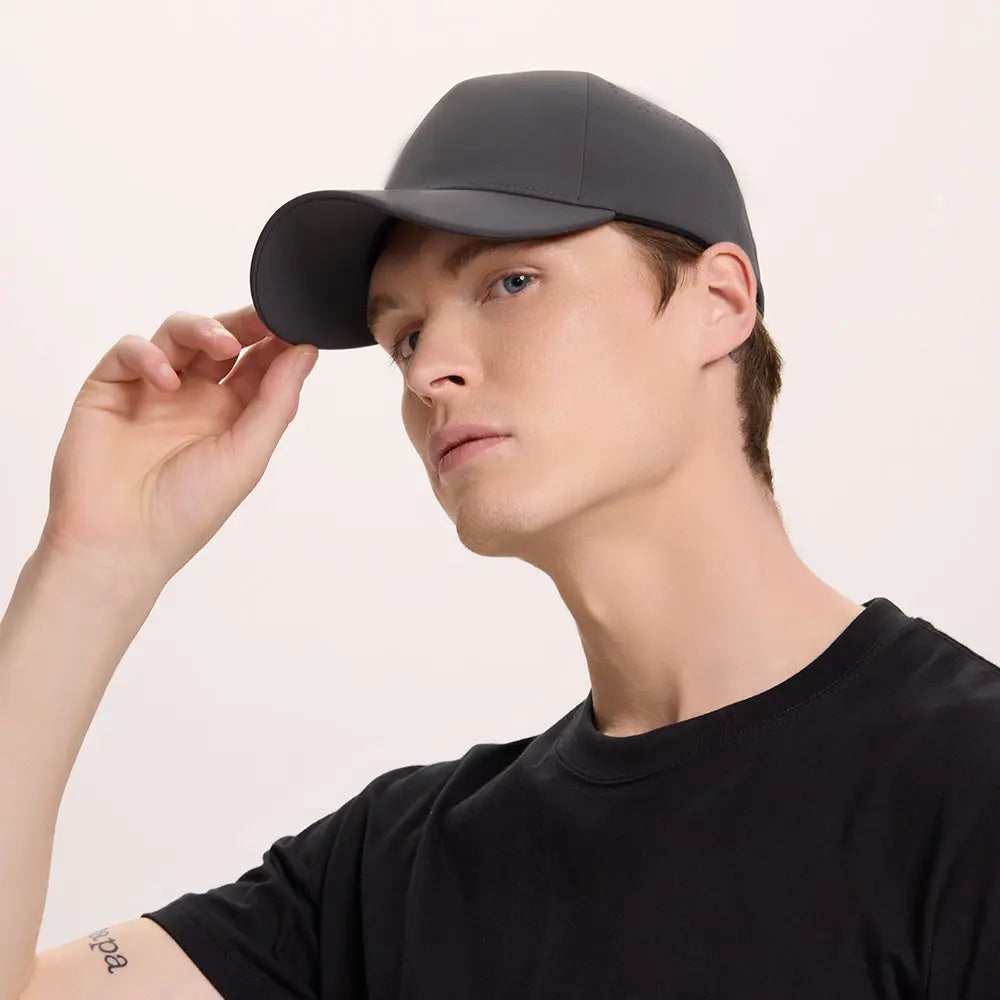
A fishing cap typically resembles a traditional baseball cap. It is lightweight, familiar, and easy to wear. The front bill provides useful shade for the eyes and works well with sunglasses.
Fishing caps are suitable for casual fishing and conditions where full sun coverage is not essential. However, they leave the ears, sides of the face, and neck exposed.
If you prefer wearing a cap, consider combining it with sunscreen, a neck gaiter, or a detachable sun cape.

Fishing Trucker Hats
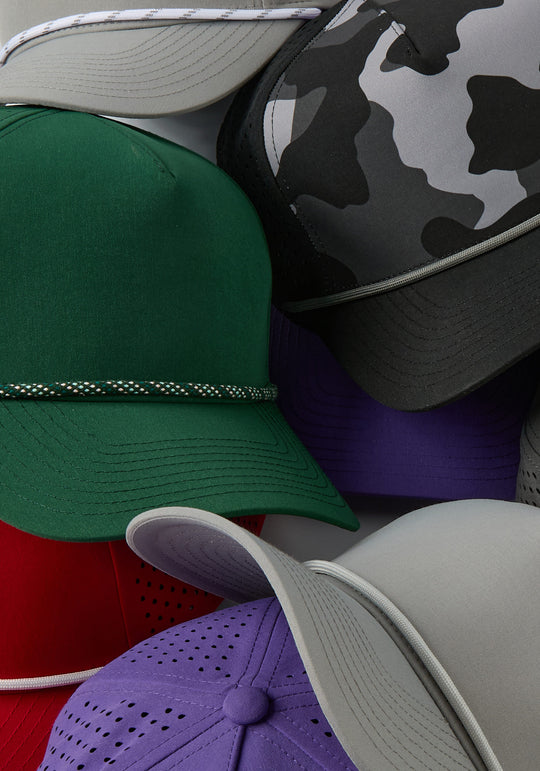
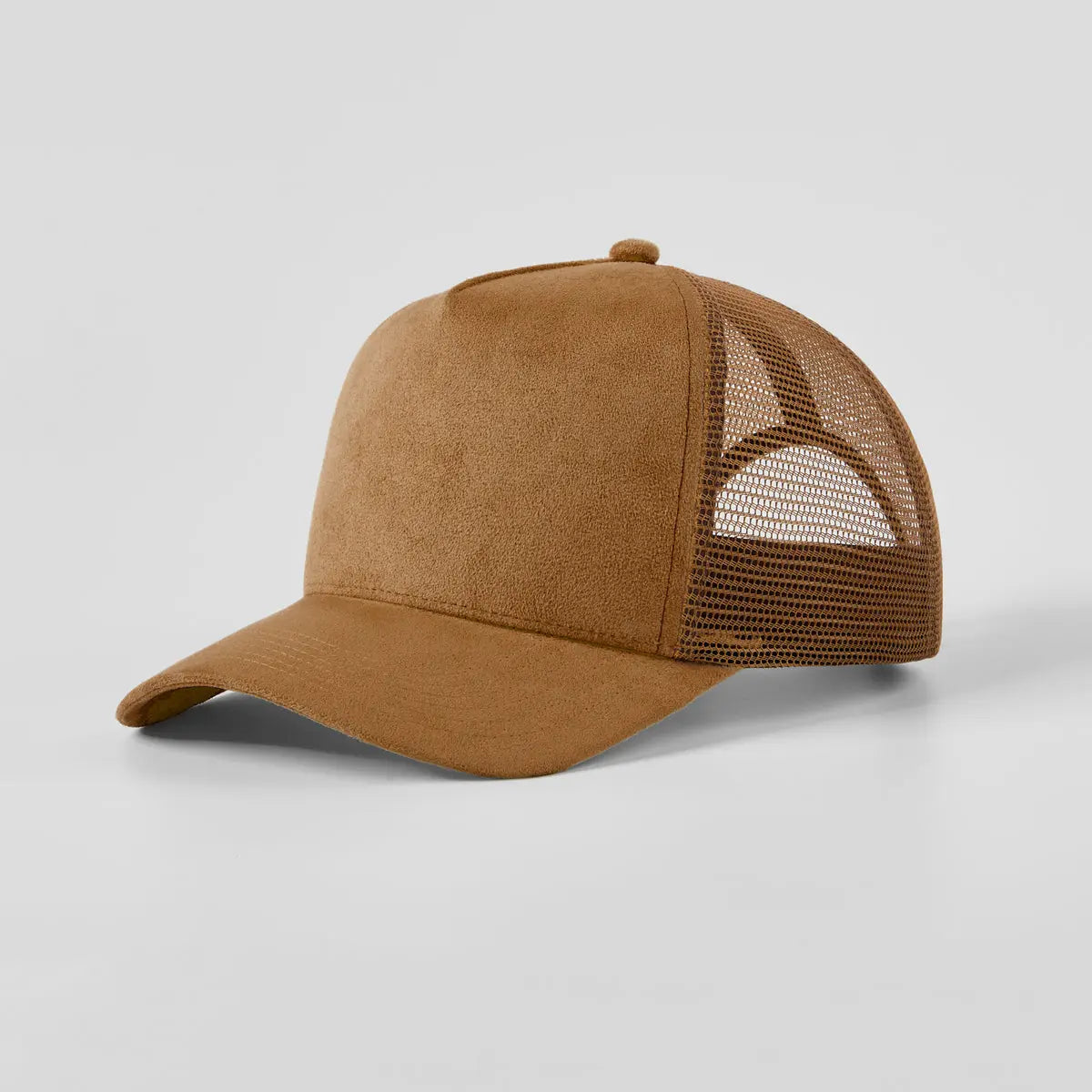
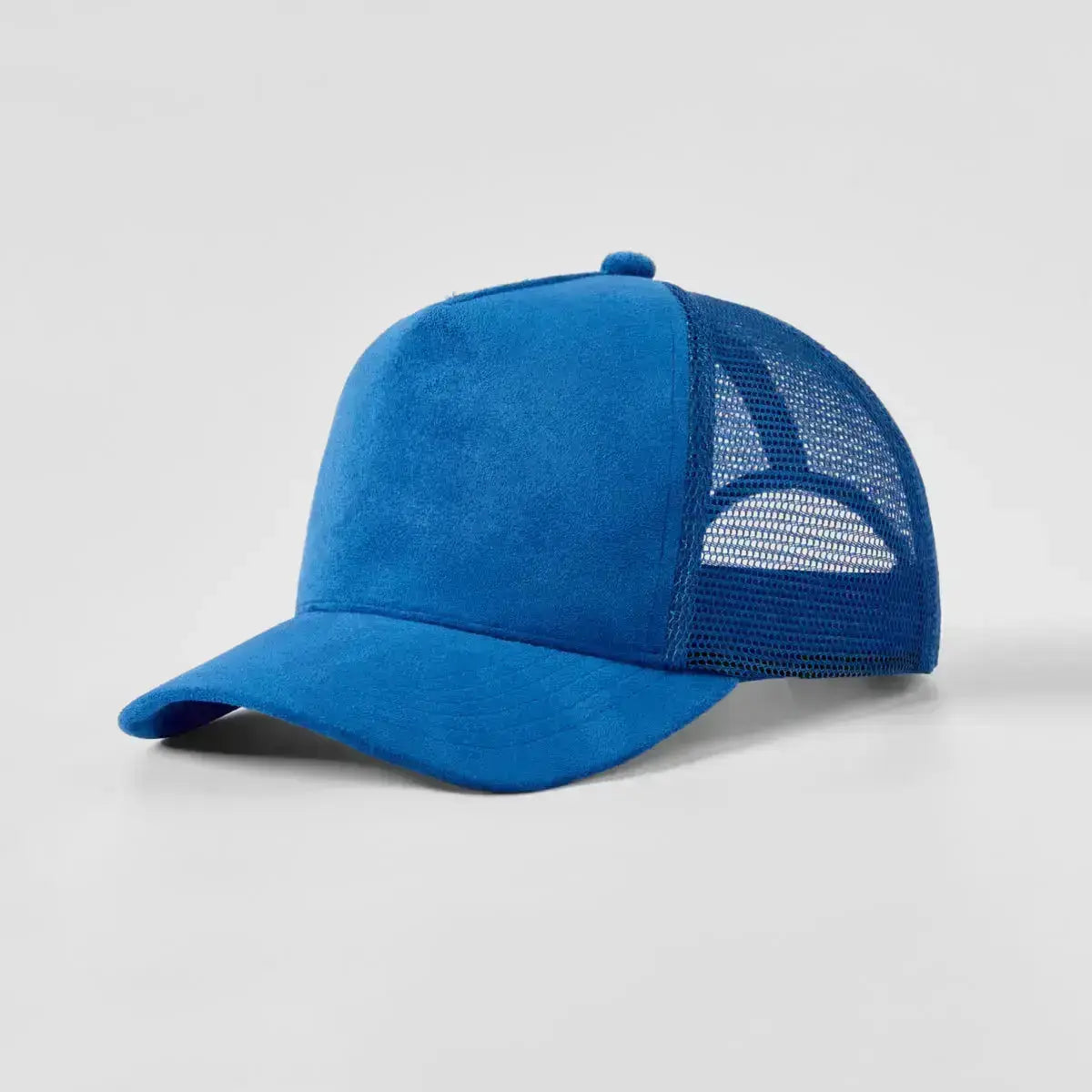
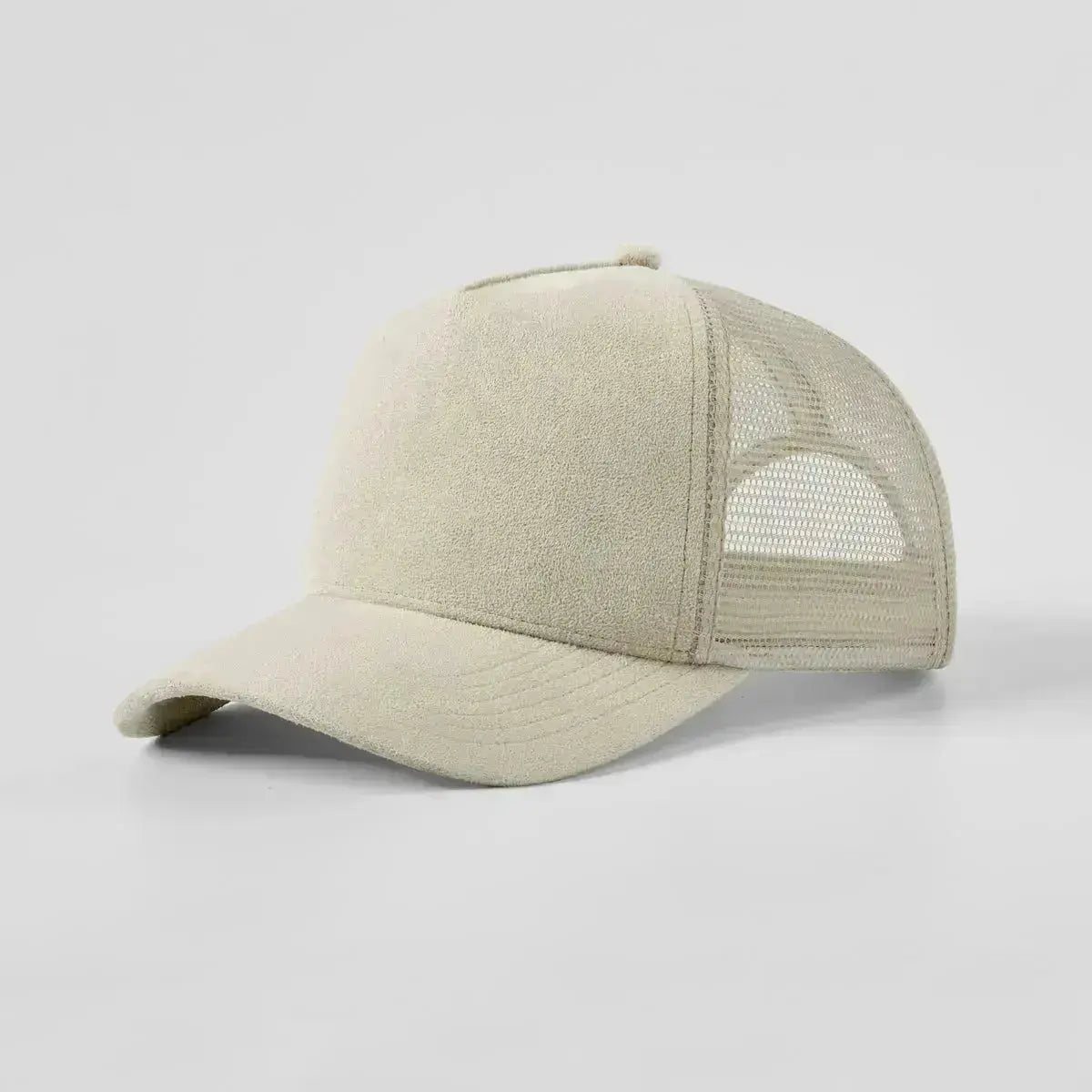
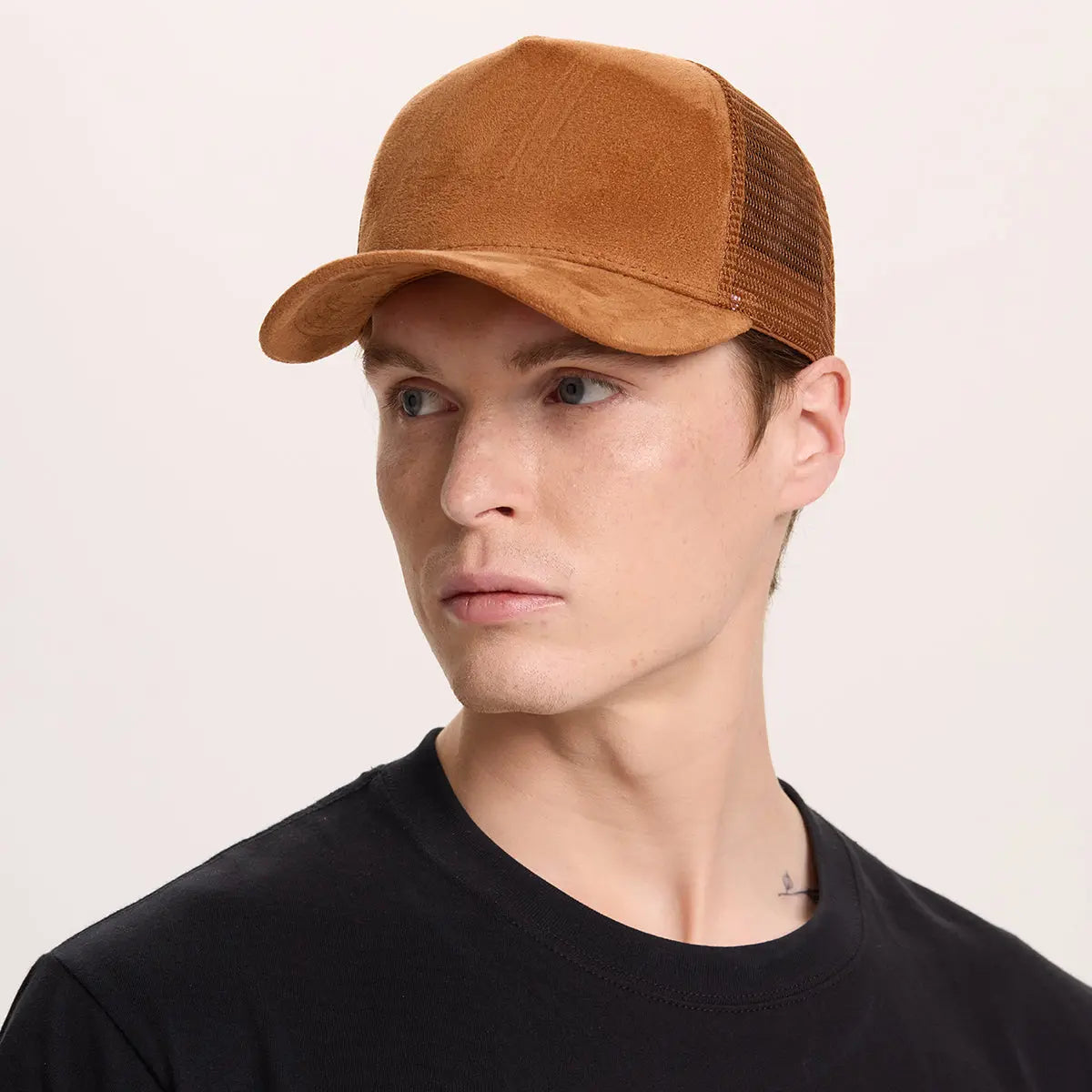
Fishing trucker hats usually have a structured front and mesh panels at the back. Their main advantage is ventilation, making them comfortable in hot weather.
They are also popular as lifestyle hats because they can feature fishing logos, artwork, or embroidered designs.
Like regular caps, trucker hats provide limited protection for the ears and neck. They are best suited to mild conditions, shaded environments, or shorter fishing sessions.

Fly Fishing Hats
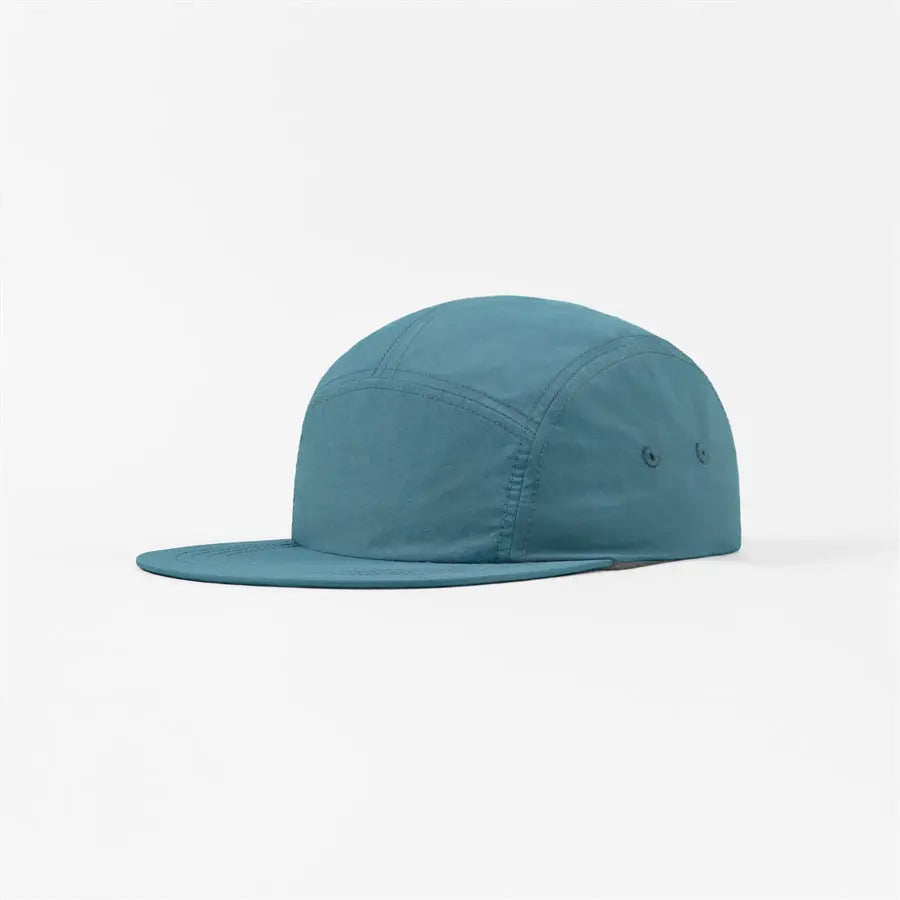
A fly fishing hat needs to remain comfortable during active movement and changing conditions. Fly anglers may spend hours wading in direct sunlight, so a lightweight hat with reliable UV protection is especially useful.
Depending on the location, a fly fishing hat may be a cap, bucket hat, or wide-brim design. Important features include:
- Quick-drying fabric
- Secure fit
- Good ventilation
- Glare-reducing brim
- Water resistance
- UPF-rated material
Because fly fishing often takes place near trees and vegetation, an overly wide or flexible brim may sometimes get in the way. A medium-width brim can offer a practical balance.

How to Choose the Best Fishing Hat
When comparing fishing hats, look beyond color and appearance. The best option should match your fishing environment and provide the right combination of protection, fit, and comfort.
Look for UPF 50+ Protection
UPF measures how effectively fabric blocks ultraviolet radiation. UPF 50+ is one of the highest commonly available ratings for outdoor clothing and accessories.
Check whether the UPF rating applies to the entire hat. Mesh sections may provide less protection than solid fabric, even when the rest of the hat has a high UPF rating.
Choose the Right Brim
Brim size determines how much shade the hat provides.
A baseball-style bill mainly protects the forehead and eyes. A bucket brim provides coverage around the head, while a wide brim offers greater protection for the face, ears, and neck.
Consider the brim’s structure as well as its size. A very soft brim may collapse in rain or blow upward in the wind. A firmer brim is often more reliable, especially on a boat.
Prioritize Breathable Fabric
In hot weather, breathability can be just as important as coverage. Look for ventilation holes, mesh panels, or lightweight performance fabrics that allow heat to escape.
A moisture-wicking internal band can also help prevent sweat from running into your eyes.
Keep in mind that large mesh panels improve ventilation but may reduce sun protection in those areas.

Select Quick-Drying Materials
Cotton can feel comfortable, but it absorbs water and may take a long time to dry. Synthetic fabrics such as nylon and polyester are generally lighter and dry more quickly.
A quick-drying fishing hat is particularly useful for:
- Kayak fishing
- Fly fishing
- Saltwater fishing
- Rainy conditions
- Hot and humid climates
Consider Water Resistance
Water-resistant fabric can protect you from light rain and spray, but it is not necessarily fully waterproof.
Completely waterproof hats may feel less breathable in hot weather. For most anglers, a water-resistant and quick-drying hat provides a better balance than a heavy waterproof design.

Check the Fit
A fishing hat should feel secure without causing pressure around your head. An adjustable drawcord, elastic band, or hook-and-loop closure makes it easier to customize the fit.
If you are buying online, measure around the widest part of your head and compare the measurement with the manufacturer’s sizing chart.
Choose a Fishing Hat With a String
A fishing hat with a string or chin strap is valuable in windy conditions. The strap helps keep the hat in place while boating, kayaking, or fishing from an exposed shoreline.
Look for an adjustable cord with a secure toggle. A removable chin strap provides more flexibility if you also want to wear the hat casually.
For safety, some outdoor hats use breakaway chin straps designed to release if they become caught.

Consider Packability
If you travel frequently, choose a hat that can be folded or rolled without permanently damaging its shape.
Bucket hats and soft wide-brim hats are generally easy to pack. Structured caps and stiff-brim hats may require more space but often hold their shape better.
Fishing Hat Comparison
| Hat type | Sun protection | Breathability | Wind resistance | Best use |
|---|---|---|---|---|
| Bucket hat | Good | Good | Good with a strap | Everyday and bank fishing |
| Wide-brim hat | Excellent | Moderate to good | Good with a strap | Strong sun and long trips |
| Fishing cap | Moderate | Good | Good | Casual and boat fishing |
| Trucker hat | Limited to moderate | Excellent | Moderate | Hot weather and short trips |
| Fly fishing hat | Good to excellent | Good | Good | Wading, rivers, and active fishing |
Common Mistakes When Choosing Fishing Hat
When choosing a fishing hat, avoid these common mistakes:
- Choosing style without considering UV protection
- Wearing a brim that is too small for the conditions
- Ignoring protection for the ears and neck
- Selecting heavy fabric for hot weather
- Using absorbent material that stays wet
- Wearing a loose hat without a chin strap in windy conditions
- Assuming all mesh fabric provides the same sun protection
- Buying without checking the sizing chart
The most stylish hat will not be useful if it becomes uncomfortable after an hour or blows into the water.
How to Clean a Fishing Hat
Sweat, salt, sunscreen, and dirt can build up on a fishing hat over time. Regular cleaning helps control odors and prevents these residues from damaging the material.
Always begin by checking the manufacturer’s care instructions.
For most performance fishing hats:
-
Rinse away salt and loose dirt with cool water.
-
Hand-wash the hat with a small amount of mild detergent.
-
Gently clean stained areas with a soft cloth.
-
Rinse thoroughly without twisting the brim.
-
Reshape the hat and allow it to air-dry completely.
Avoid high heat unless the care label specifically allows machine drying. Heat can damage coatings, shrink sweatbands, and distort structured brims.
Frequently Asked Questions
What type of hat is best for fishing?
A lightweight, breathable hat with UPF 50+ protection is best for most fishing conditions. Choose a wide-brim hat for maximum sun coverage, a bucket hat for versatility, or a fishing cap when ventilation and convenience are more important than full coverage.
Are bucket hats good for fishing?
Yes. Fishing bucket hats provide shade around the head, are easy to pack, and can be comfortable in warm weather. For stronger sun or wind, choose one with a wider structured brim and an adjustable chin strap.
What material is best for a fishing hat?
Lightweight synthetic materials such as nylon and polyester are popular because they dry quickly and resist moisture. The best material depends on the climate, but breathable fabric with a verified UPF rating is usually preferable.
Should a fishing hat have a chin strap?
A chin strap is strongly recommended for boating, kayaking, and fishing in windy locations. It keeps the hat secure and reduces the chance of losing it in the water.
What does UPF 50+ mean?
UPF 50+ means the fabric blocks at least 98% of ultraviolet radiation. It offers excellent fabric-based sun protection, although uncovered skin should still be protected with sunscreen.
How should a fishing hat fit?
A fishing hat should fit securely without feeling tight or causing pressure. It should remain stable when you move your head. Adjustable sizing and a chin cord can improve the fit.
Can fishing hats be used for hiking?
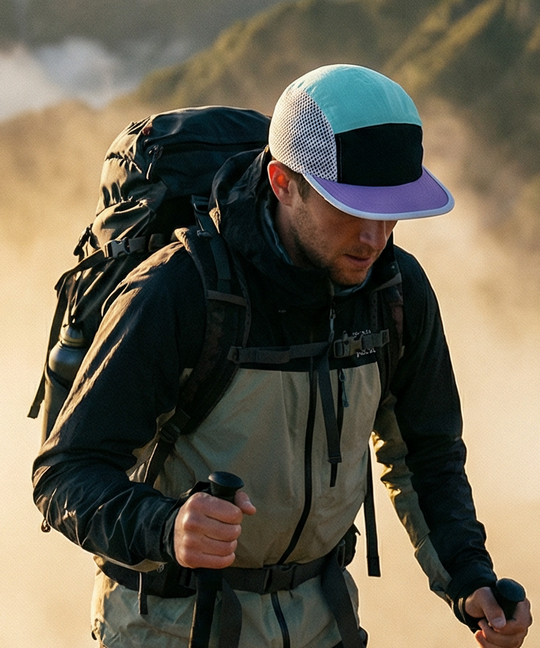
Yes. The same features that make a hat useful for fishing—sun protection, ventilation, low weight, and quick-drying fabric—also make it suitable for hiking, boating, camping, and travel.
What color fishing hat is best?
Light colors can feel cooler in direct sunlight, while darker colors under the brim may help reduce reflected glare. The fabric, brim coverage, and UPF rating are generally more important than color alone.
Final Thoughts
The best fishing hat is one that matches both the weather and the way you fish.
For strong sunlight, choose a wide brim and UPF 50+ material. For hot weather, prioritize breathable, quick-drying fabric. If you fish from a boat or in windy conditions, look for a secure fit and an adjustable chin strap. For travel, select a lightweight hat that can be packed without losing its shape.
A thoughtfully chosen fishing hat can keep you cooler, improve your comfort, and provide valuable protection throughout your time on the water.