










Introduction
Choosing the right beanie material affects much more than warmth. It can also influence softness, breathability, durability, washing requirements, customization results, and price.
Acrylic and wool are two of the most widely used beanie materials. Acrylic is affordable, colorful, and easy to maintain, while wool is valued for its natural warmth, breathability, and moisture management. Neither material is automatically better—the right choice depends on the weather, intended use, budget, and target customer.
This guide compares acrylic and wool beanies to help consumers, brands, retailers, clubs, and promotional buyers choose the best material for their needs.
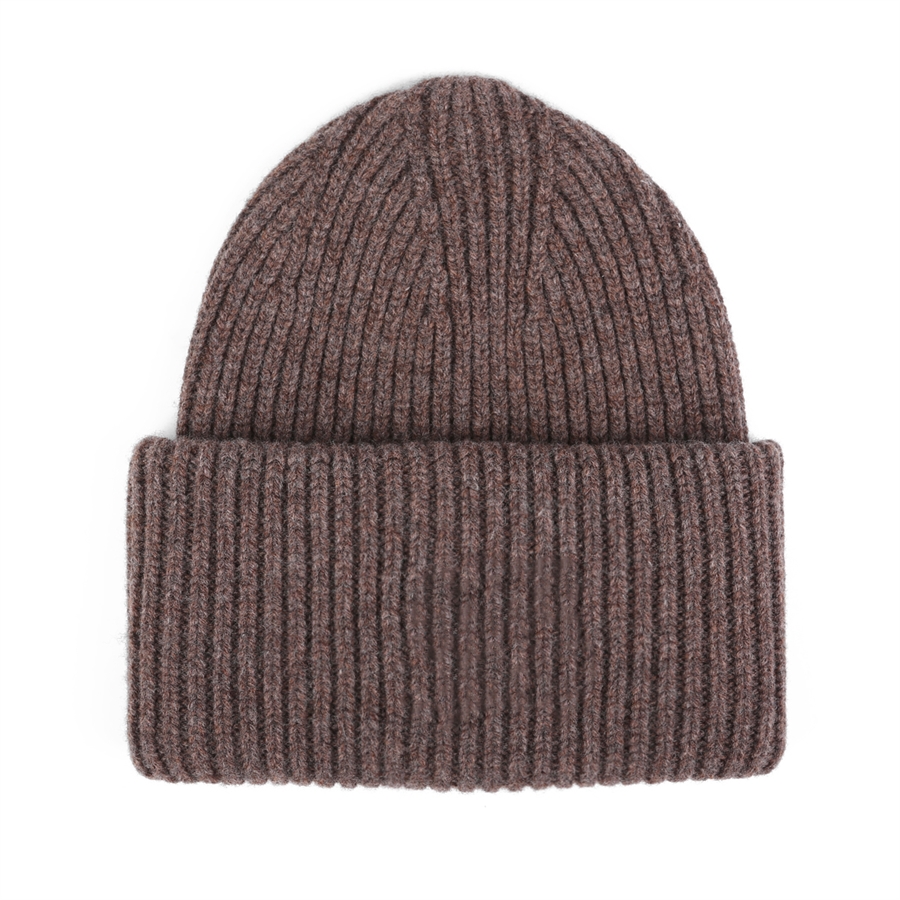
1. What Are Acrylic and Wool?
Acrylic:
- Synthetic fiber made from polymer (acrylonitrile).
- Known for being lightweight, durable, and cost-effective.
Acrylic fiber is a synthetic fiber that is often used as a substitute for wool. It is made from acrylonitrile, a flammable, toxic, and carcinogenic liquid that comes from petroleum or coal-based chemicals. Acrylic fiber is known for being warm and durable. Acrylic fiber is strong and warm, making it a popular choice for sweaters, tracksuits, and boot and glove linings. Also, acrylic fiber is resistant to moisture, sunlight, chemicals, mildew, and shrinkage.
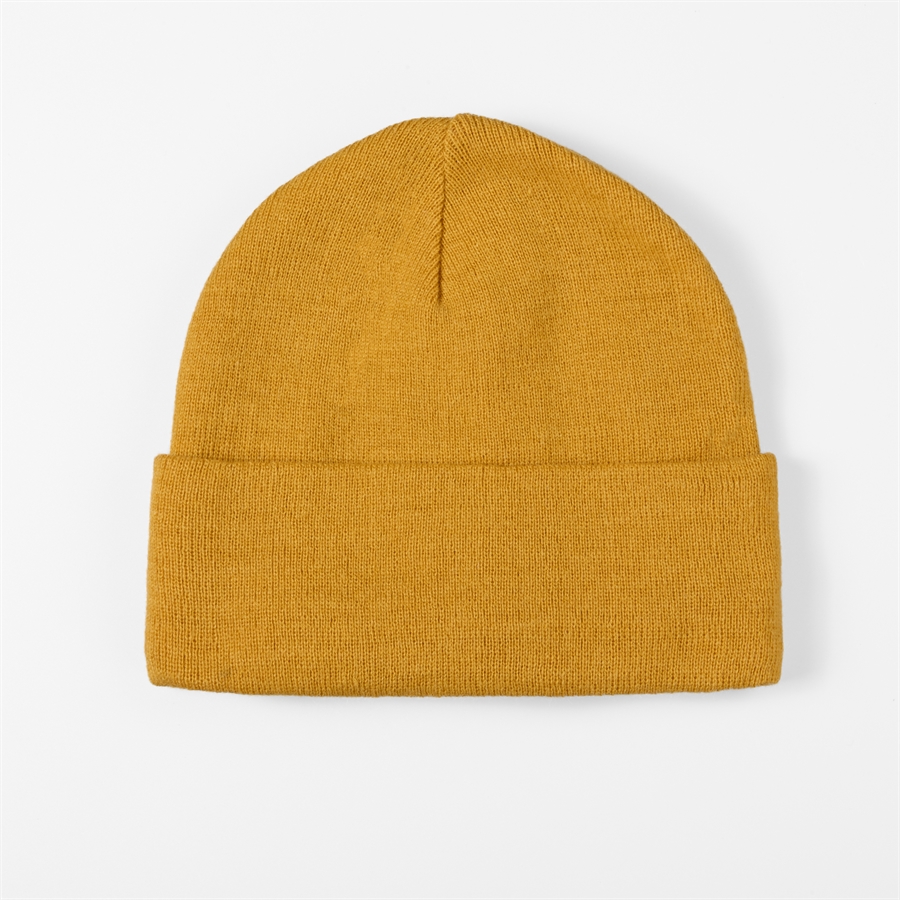
Wool:
- Natural fiber sourced from sheep or other animals (e.g., alpaca, merino).
- Renowned for warmth, softness, and natural breathability.
Wool fiber is a natural protein fiber that comes from the fleece of sheep, goats, camels, oxen, and other animals with fur. It's made up of keratin, a protein polymer, and is usually crimped in a three-dimensional pattern.
Wool is used in a variety of fabrics, including luxury sweaters, coats, and suits. The type of wool used depends on its properties, with superfine wool used for hosiery and coarse wool used for felt.
Wool has many unique properties, including:
Elasticity: Wool is very elastic because of its keratin-based protein composition.
Absorbency: Wool can absorb up to 30% of its weight in water without feeling wet.
Resilience: Wool can return to its original shape after being stretched or compressed.
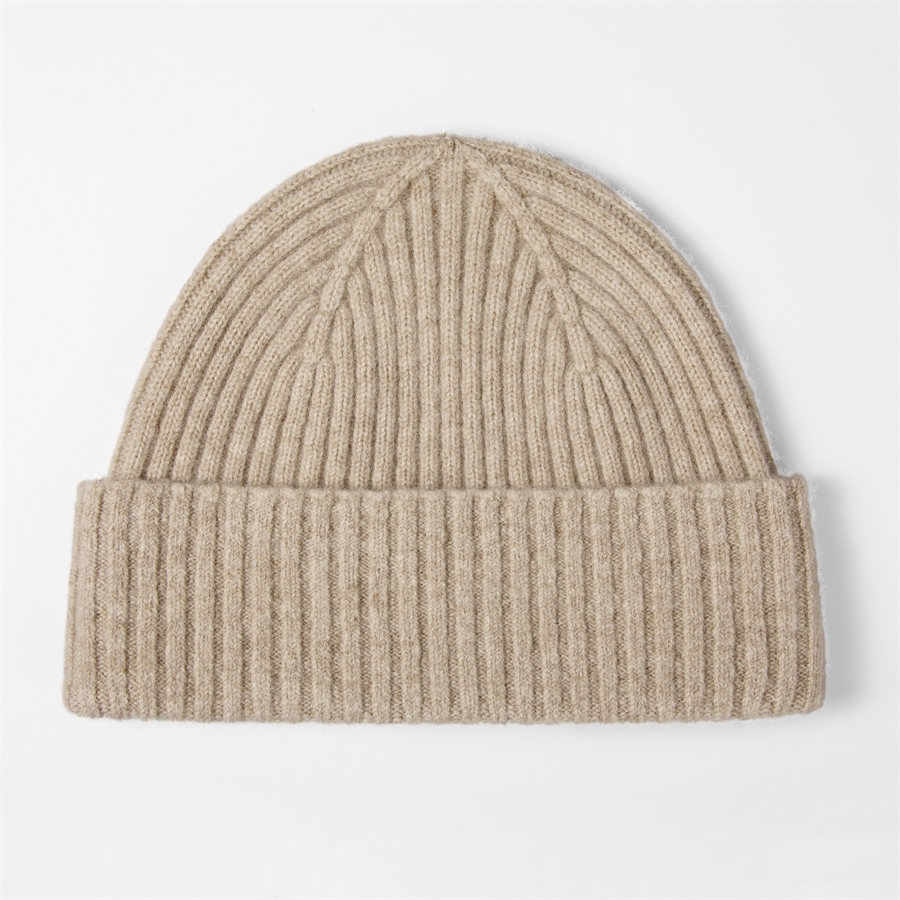
2. What Is an Acrylic Beanie?
An acrylic beanie is made from synthetic fibers designed to offer a soft, wool-like feel at a more accessible price.
Acrylic yarn is lightweight, easy to dye, and available in a wide range of colors. It also holds its shape relatively well, making it a popular choice for everyday winter hats, promotional merchandise, team apparel, and large custom orders.
Common benefits of acrylic beanies include:
- Affordable pricing
- Lightweight construction
- Bright and consistent colors
- Good shape retention
- Easy everyday care
- Wide availability
- Compatibility with embroidery, patches, and woven labels
However, acrylic is generally less breathable than wool and may retain perspiration odors more easily. Friction can also cause some acrylic yarns to pill over time.

3. What Is a Wool Beanie?
A wool beanie is made entirely or partly from natural animal fibers, most commonly sheep’s wool.
Wool fibers have a naturally crimped structure that creates small insulating air spaces within the fabric. This helps a wool beanie retain warmth while remaining breathable.
Common wool varieties used in winter hats include:
- Standard sheep’s wool
- Merino wool
- Lambswool
- Recycled wool
- Wool-blend yarns
Merino wool is especially popular for premium beanies because its finer fibers generally feel softer and less scratchy than traditional coarse wool.
Common benefits of wool beanies include:
- Excellent insulation
- Natural breathability
- Moisture-vapor management
- Temperature regulation
- Natural odor resistance
- Premium appearance and feel
- Renewable natural-fiber positioning
Wool usually costs more than acrylic and often requires more careful washing. Depending on the fiber quality and knit construction, it may also pill, shrink, or feel itchy to sensitive skin.

4. Acrylic vs. Wool Beanies: Key Differences
| Feature | Acrylic Beanie | Wool Beanie |
|---|
| Fiber type | Synthetic | Natural |
| Warmth | Good | Very good |
| Breathability | Low to moderate | High |
| Moisture management | Moderate | Very good |
| Odor resistance | Limited | Naturally better |
| Softness | Consistently soft | Depends on wool grade |
| Durability | Good, but may pill | Durable with proper care |
| Shape retention | Generally good | Varies by yarn and construction |
| Washing | Usually easier | Often requires gentle care |
| Color range | Very wide | Wide, but may cost more |
| Price | More affordable | More expensive |
| Best for | Promotions, everyday use, large-volume orders | Premium products, outdoor use, cold climates |
The finished performance also depends on yarn thickness, knit density, lining, cuff depth, and overall construction. A thick double-layer acrylic beanie may be warmer than a lightweight single-layer wool hat.
5. Which Material Is Warmer?
Wool generally provides better natural insulation than acrylic, particularly in cold or changing weather conditions.
The crimped structure of wool fibers helps trap warm air, while the material’s breathability allows excess heat and moisture vapor to escape. Wool can also retain some insulating ability when damp.
Acrylic can still provide effective warmth, especially when used in a thick, tightly knitted, or double-layer construction. It is suitable for most everyday winter conditions, but it may feel less comfortable during strenuous activity because it does not regulate heat and moisture as effectively as wool.
When selecting the warmest beanie, consider:
- Yarn thickness
- Knit density
- Single- or double-layer construction
- Cuff depth
- Ear coverage
- Wind resistance
- Lining material
- Overall fit
For severe cold, a thick double-layer wool beanie or a wool beanie with a fleece or wind-resistant lining will usually provide stronger protection.

6. Which Material Is Softer?
Acrylic usually feels smooth and consistent because manufacturers can control the size and finish of the synthetic fibers. It can be a practical choice for people who dislike the texture of traditional wool.
Wool softness varies considerably.
Coarse wool may feel scratchy, especially around the forehead and ears. Fine merino wool is generally much softer because its thin fibers bend more easily against the skin.
For sensitive skin, consider:
- Fine merino wool
- A wool-blend beanie
- An acrylic beanie
- A beanie with a soft inner lining
- Testing a physical sample before purchasing in bulk
A product being labeled “wool” does not indicate how soft it will feel. Fiber quality, yarn construction, finishing, and knit density all matter.

7. Which Material Is More Breathable?
Wool is generally more breathable than acrylic.
It can absorb moisture vapor and help regulate the environment between the skin and the fabric. This makes wool particularly suitable for skiing, hiking, running, commuting, and other activities in which body temperature changes frequently.
Acrylic can provide warmth but may trap more heat and perspiration. This may make it feel clammy during intense activity or when moving repeatedly between indoor and outdoor environments.
For active winter use, wool or a performance wool blend is usually the better option. For casual wear and short periods outdoors, acrylic often provides sufficient comfort.
8. Which Material Manages Moisture Better?
Wool offers better moisture management than acrylic.
It can absorb moisture vapor before it condenses into liquid sweat and can remain relatively comfortable in moderately damp conditions. Wool also tends to develop noticeable odors more slowly than many synthetic fibers.
Acrylic absorbs very little moisture into the fiber itself. Although this can help it dry relatively quickly, perspiration and body oils may remain on the fabric surface and contribute to odor buildup.
For sports, travel, outdoor work, or repeated wear between washes, wool usually offers better overall performance.

9. Which Beanie Is More Durable?
Both materials can be durable, but they have different weaknesses.
Acrylic is resistant to shrinking and is generally easy to maintain. It also retains color well, although repeated friction can cause pilling and lower-quality yarns may lose softness over time.
Wool fibers are naturally elastic and can recover from stretching, but the finished hat may shrink or felt if it is exposed to hot water, strong agitation, or high dryer temperatures. Fine wool can also wear more quickly in high-friction areas.
A wool blend may offer a useful balance. Adding nylon, recycled polyester, acrylic, or elastane can improve:
- Abrasion resistance
- Stretch
- Shape recovery
- Washing stability
- Product lifespan
- Cost control
A well-designed blend may be more practical than either 100% wool or 100% acrylic for certain commercial applications.

10. Which Material Is Easier to Wash?
Acrylic beanies are generally easier to wash and maintain. Many can be machine-washed, although the product’s care label should always be checked first.
Wool requires more careful handling. Heat, friction, and agitation can cause wool fibers to shrink or felt.
For most wool beanies:
- Check the care label.
- Use cold or lukewarm water.
- Select a wool or delicate cycle if machine washing is allowed.
- Use a mild wool-safe detergent.
- Avoid bleach and fabric softener.
- Do not twist or wring the hat.
- Reshape it while damp.
- Lay it flat to air-dry.
Avoid tumble drying unless the care instructions specifically permit it.

11. Which Material Is More Sustainable?
The environmental impact of a beanie cannot be determined by fiber type alone.
Wool is renewable and biodegradable under suitable conditions, but its impact depends on animal welfare, land management, farming practices, processing, dyeing, transportation, and product lifespan.
Buyers looking for responsibly sourced wool may consider standards such as the Responsible Wool Standard, while confirming exactly which part of the supply chain is certified.
Acrylic is made from fossil-based raw materials and does not biodegrade like natural wool. It may also release synthetic microfibers during washing. However, an acrylic beanie that is durable, worn frequently, and kept for many years may still provide greater practical value than a poorly made product that is quickly discarded.
When comparing sustainability, consider:
- Raw-material sourcing
- Recycled content
- Manufacturing quality
- Dyeing and finishing processes
- Product durability
- Washing requirements
- Packaging
- Transportation
- Available certification documents
Specific, verifiable material claims are more useful than broad labels such as “eco-friendly.”

12. Acrylic vs. Wool: Price Comparison
Acrylic beanies are generally more affordable because synthetic yarn can be produced consistently and at large scale.
This makes acrylic suitable for:
- Promotional giveaways
- School programs
- Team merchandise
- Corporate events
- Fundraising
- Large-volume retail orders
- Budget-conscious custom projects
Wool costs more because of animal care, shearing, fiber grading, cleaning, spinning, traceability, and more demanding quality control. Fine merino wool typically costs more than conventional wool because premium-grade fibers are limited and require careful processing.
Wool is often a better fit for:
- Premium retail collections
- Outdoor brands
- Ski and snowboard clubs
- Resorts
- Corporate gifts
- Sustainable product programs
- High-end branded merchandise
13. Customization Options
Both acrylic and wool beanies can be customized, but the decoration method should match the yarn, knit structure, and intended appearance.
Embroidery
Embroidery is widely used for logos, names, text, and simple graphics.
Because knit fabric stretches, extremely large or dense embroidery can distort the surface. Small and medium-sized designs with controlled stitch density usually produce cleaner results.
Embroidered Patches
Embroidered patches add structure and work well for club crests, outdoor branding, and vintage-inspired designs.
Woven Labels
Woven labels are suitable for detailed logos and small text. They can be placed on the cuff, side seam, or lower edge without making the beanie feel excessively heavy.
Leather or Faux-Leather Patches
Leather-style patches create a premium outdoor or workwear appearance. Logos can be engraved, debossed, embossed, or printed depending on the material.
Custom Yarn and Private Labeling
Fully customized programs may include:
- Custom yarn colors
- Custom fiber blends
- Branded care labels
- Side-seam labels
- Custom packaging
- Pom-poms
- Jacquard patterns
- Custom cuff depths
- Single- or double-layer construction
A pre-production sample should be confirmed before bulk manufacturing to check the fit, stretch, color, logo placement, decoration quality, and overall shape.

14. When Should You Choose an Acrylic Beanie?
Choose acrylic when you need:
- Affordable wholesale pricing
- A large selection of colors
- Easy care
- Consistent production
- High-volume promotional products
- Everyday winter merchandise
- An alternative for customers who avoid wool
- Flexible embroidery or patch decoration
Acrylic is often the most practical material for cost-sensitive programs and projects that require many colors or large quantities.
15. When Should You Choose a Wool Beanie?
Choose wool when you need:
- Stronger natural insulation
- Better breathability
- Moisture management
- Improved odor resistance
- Premium product positioning
- Natural-fiber content
- Outdoor performance
- Cold-weather merchandise
- A softer luxury feel, especially with fine merino
Wool is particularly suitable for outdoor brands, ski clubs, winter resorts, premium corporate gifts, and higher-value retail collections.
16. What About Wool Blends?
A wool blend can combine the benefits of natural and synthetic fibers.
For example:
- Wool and nylon can improve durability.
- Wool and acrylic can reduce cost while maintaining warmth.
- Wool and recycled polyester can improve shape retention and drying performance.
- Wool and elastane can improve stretch and recovery.
The exact fiber percentage matters. A product described as a “wool blend” may contain either a high or very low percentage of wool, so buyers should always check the fiber-content label.
17.How to Choose the Right Beanie Material for a Custom Project
Before choosing a material, consider the following questions:
- Will the beanie be used casually or during outdoor activity?
- How cold is the intended environment?
- Does the customer prioritize natural materials?
- Is easy machine washing important?
- What is the target retail or promotional price?
- Will the beanie require dense embroidery or a large patch?
- Is certification or traceability required?
- Does the project need a specific color?
- How many units are required?
- Will the product be reordered regularly?
For wholesale and private-label projects, request samples before placing a large order. A sample makes it easier to evaluate:
- Softness
- Warmth
- Fit
- Cuff depth
- Stretch and recovery
- Knit density
- Color accuracy
- Logo size and placement
- Embroidery distortion
- Patch attachment
- Care instructions
Frequently Asked Questions
Is wool warmer than acrylic?
Wool generally provides better insulation, breathability, and temperature regulation. However, the thickness, knit density, layers, lining, and fit of the beanie also affect warmth.
Is acrylic good for winter beanies?
Yes. Acrylic is warm, lightweight, affordable, and suitable for most everyday winter conditions. It is especially practical for promotional merchandise and large custom orders.
Is a wool beanie itchy?
Coarse wool can feel itchy, but fine merino wool is usually much softer. Comfort also depends on yarn quality, construction, finishing, and individual skin sensitivity.
Does acrylic make your head sweat?
Acrylic is less breathable than wool and may trap more heat and moisture during intense activity. This does not affect everyone equally, and the beanie’s thickness and knit structure also matter.
Which material is better for custom embroidery?
Both materials can be embroidered. Acrylic often provides a stable and economical base, while wool creates a more premium appearance. Large or dense designs should be tested because they may distort stretchy knit fabric.
Do acrylic beanies shrink?
Acrylic is generally resistant to shrinking, but high heat can damage or deform synthetic fibers. Always follow the care label.
Can wool beanies be machine-washed?
Some wool beanies can be machine-washed on a wool or delicate cycle, while others require hand washing. Always follow the product-specific care instructions.
Is merino wool better than acrylic?
Merino wool usually performs better in breathability, moisture management, odor resistance, and temperature regulation. Acrylic is more affordable, easier to maintain, and available in more colors. The better material depends on the intended use and budget.
Are wool-blend beanies good?
Yes. A carefully designed wool blend can improve durability, stretch, washing stability, and affordability while retaining some of wool’s natural warmth and breathability.
Which material is best for wholesale custom beanies?
Acrylic is often best for affordable, high-volume programs. Wool or merino wool is better for premium brands, corporate gifts, outdoor clubs, and higher-value retail collections.
Final Verdict: Acrylic or Wool?
Choose acrylic if affordability, easy care, color variety, and high-volume customization are the main priorities.
Choose wool if warmth, breathability, moisture management, natural-fiber content, and premium positioning are more important.
For many custom projects, the best solution may be a carefully selected blend that combines wool’s comfort and temperature regulation with the durability and shape retention of synthetic fibers.
Before placing a bulk order, compare the fiber composition, construction, fit, care requirements, customization method, and target price—not just the material name.
Explore blank and custom wholesale beanies for embroidery, patches, woven labels, private labeling, and other branding applications.