








Introduction
Why fashion industry’s waste is a problem?
The fashion industry's waste is a major environmental problem because it leads to overflowing landfills and incinerators, pollution from toxic chemicals and microplastics, and significant greenhouse gas emissions that contribute to climate change. The fast fashion model promotes a cycle of buying and discarding clothes, often made from synthetic, non-biodegradable materials, which exacerbates these environmental issues by increasing textile waste and depleting natural resources.
Integral knitting is revolutionary because it allows the direct, seamless creation of complex 3D shapes on a knitting machine, eliminating much of the cutting, sewing, and material waste of traditional garment production. This process uses knitting machinery to shape yarn directly into a final product, from 2D panels with 3D elements like pockets to completely seamless, three-dimensional garments, significantly reducing labor costs and time to market. The technology's advancement has led to its adoption across luxury and mass-market brands, promising greater sustainability, efficiency, and comfort in apparel.
For today’s article, we would talk about integral knitting is changing the way clothes are made by offering a more sustainable, efficient, and innovative alternative to traditional cut-and-sew methods, let’s dive in!!
What is Integral Knitting?
Contrast with Traditional Methods: Use an analogy. Compare it to 3D printing a sweater versus building it from separate pieces (the sleeves, front, and back) and then gluing them together. Mention the elimination of cutting and sewing.
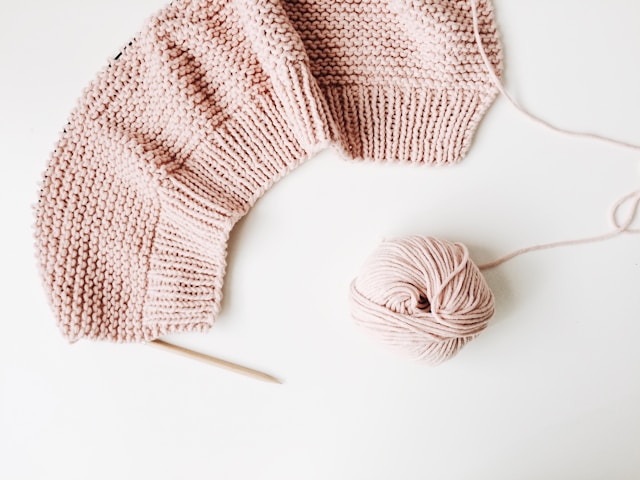
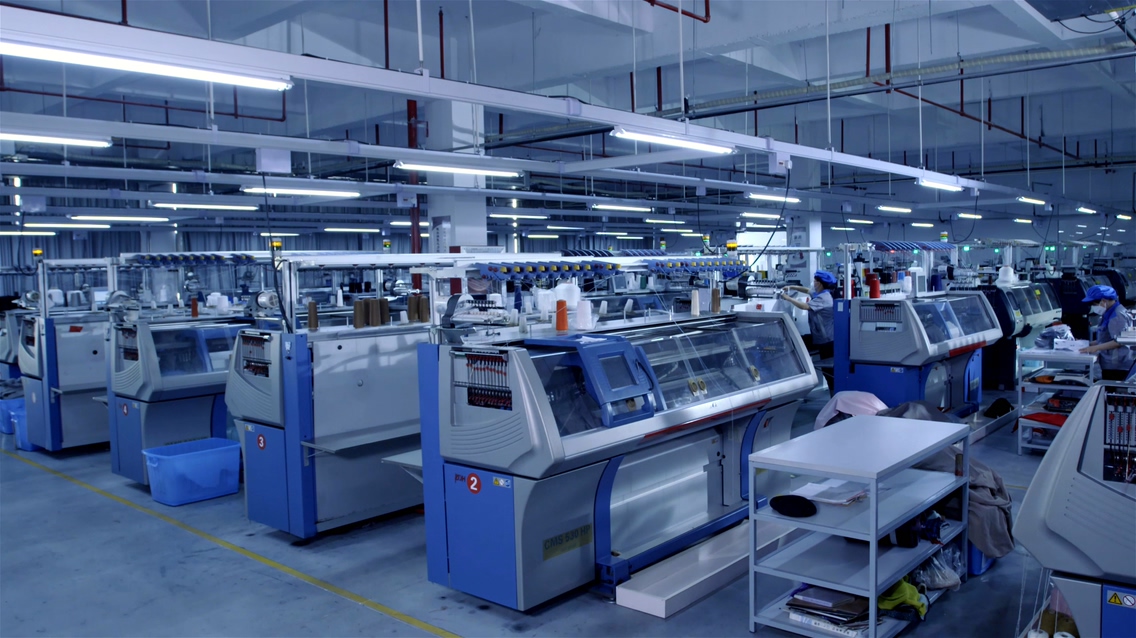
Integral knitting is where the near-net shape of the final composite component is manufactured on the knitting machine and subsequently used as the preform for the component to be produced. The added advantages are low material wastage and labour costs (Savci and Curiskis, 1997). With present day knitting machinery such as Shima-Seiki’s ‘wholegarment’ flat bed knitting machines, it is possible to produce gaugeless (loops of any size) and seamless three-dimensional preforms directly by specifying the geometry using KnitCAD data. The manufacturing process is illustrated in Fig. 8.5; the only post forming manufacturing procedure that may be required is part trimming – however, this can also be incorporated into the tooling.
How it Works
Computer-Aided Design (CAD): The process starts with designing the 3D component using specialized CAD software (like KnitCAD).
Advanced Knitting Machines: Specialized flatbed or circular knitting machines are used to carry out the design.
Integrated Stitch Formation: Instead of knitting flat panels that must be assembled later, the machine's needles and yarn carriers are precisely controlled to form the garment's structure directly, integrating different sections (e.g., a body and sleeve) as it is produced.
Yarn and Needle Control: Advanced yarn tension systems and needle movements allow for shaping and joining parts of the garment, creating the desired 3D form.
Seamless Construction: By knitting all parts into a single piece, integral knitting completely removes the need for traditional cutting and sewing processes, resulting in a garment with no seams.
Key Technologies Behind Integral Knitting
1.3D Knitting: Controls fabric in the X, Y, and Z directions, shaping curves like hat crowns and shoulders.
2.Stitch Variation: Mixes rib, jersey, jacquard, and lace for different textures, thicknesses, and breathability in one garment.
3.Yarn Selection: Works best with blends of wool, cotton, polyester, nylon, and especially elastic fibers like spandex.
4.Digital Design (CAD to Knit): Specialized software (e.g., SDS-One APEX, M1plus) allows designers to model, program, and send directly to knitting machines.
Pros and Cons of Integral Knitting
Advantages of Integral Knitting
Integral knitting, also known as seamless knitting, is a modern textile manufacturing method that produces garments directly to shape on specialized machines. By eliminating the need to cut, sew, and assemble multiple panels, it creates high-quality, sustainable, and comfortable garments with reduced waste and faster production.
1.Sustainability & Reduced Waste
One of the strongest advantages of integral knitting is its sustainability. Because garments are knitted to shape, material waste is minimized—there are virtually no offcuts compared to traditional cut-and-sew methods. Fewer production steps also mean a lower carbon footprint, contributing to a more eco-friendly manufacturing process.
2.Reduced Costs
Lowers labor costs, reduces the number of machines required, and minimizes costs associated with assembly and linking.
3.Faster Production
Shortens the overall manufacturing process and lead times, allowing for quicker delivery to market and faster responses to fashion trends.
4.Improved Consistency and Quality
Automated control systems ensure consistent yarn tension and precise stitch formation, leading to uniform and high-quality fabric.
5.Efficient Process
Integrates design and production with less post-processing, creating a streamlined workflow.
6.Superior Comfort & Fit
Seamless construction is the hallmark of integral knitting. Without bulky side seams, garments offer greater comfort, freedom of movement, and improved drape. This makes the technology especially well-suited for activewear, underwear, and body-hugging garments, where comfort and flexibility are critical.
7.Enhanced Durability
By removing weak points created by stitched seams, integral knitting produces garments that are often stronger and more resilient. This results in longer-lasting wear, better performance, and improved customer satisfaction.
8.Design Innovation
Integral knitting empowers designers with unmatched creative flexibility. Patterns, textures, and even functional elements—such as pockets, darts, and plackets—can be seamlessly integrated during the knitting process itself.
Disadvantages
* High upfront equipment investment (Shima Seiki machines can cost hundreds of thousands to millions of RMB).
* Requires advanced programming and design expertise.
* Production capacity is typically lower than mass-market knitting.
The Current Impact & Future Outlook
Integral knitting is used by apparel brands, including Nike and Adidas, in the production of seamless garments like athletic wear, intimate apparel, and hosiery to create items with integrated functional zones and enhanced performance. Beyond fashion, the technology is adopted by the technical textile industry for products such as upholstery and medical implants, and by sportswear companies for sports equipment like the netting in lacrosse sticks.
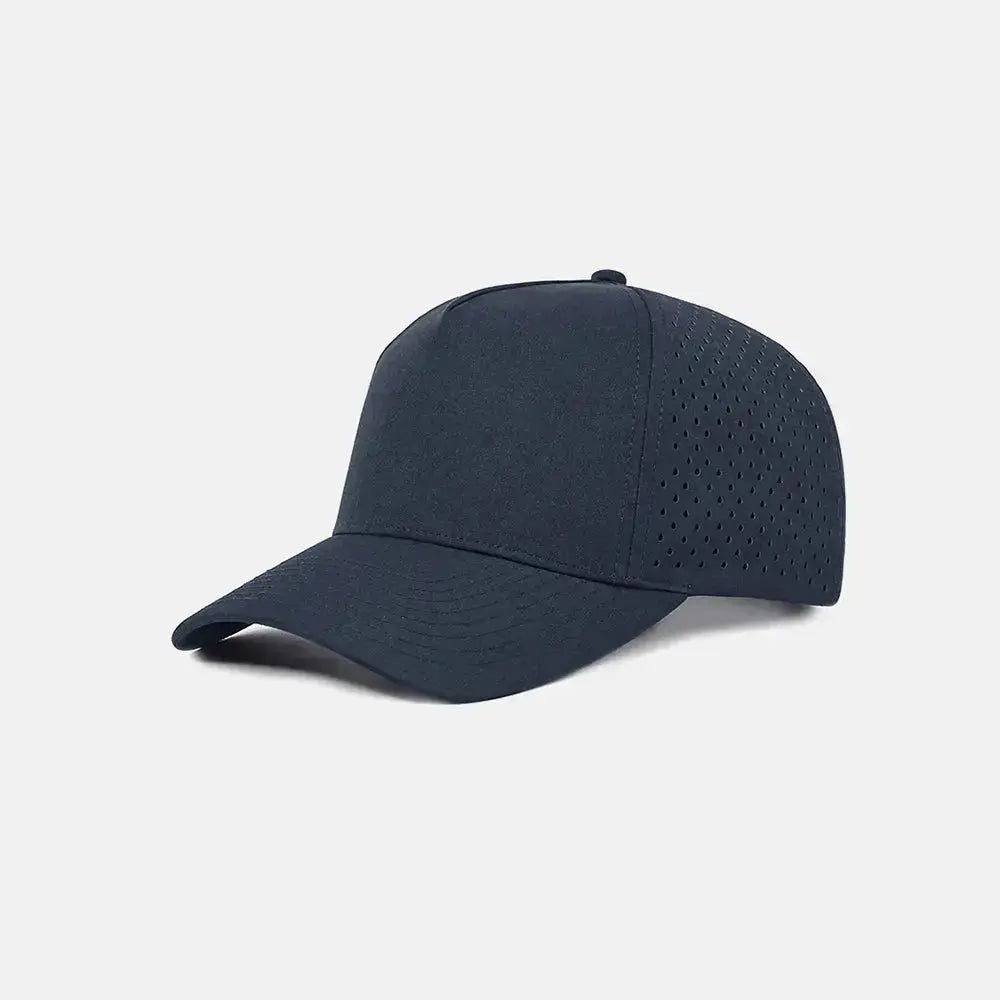
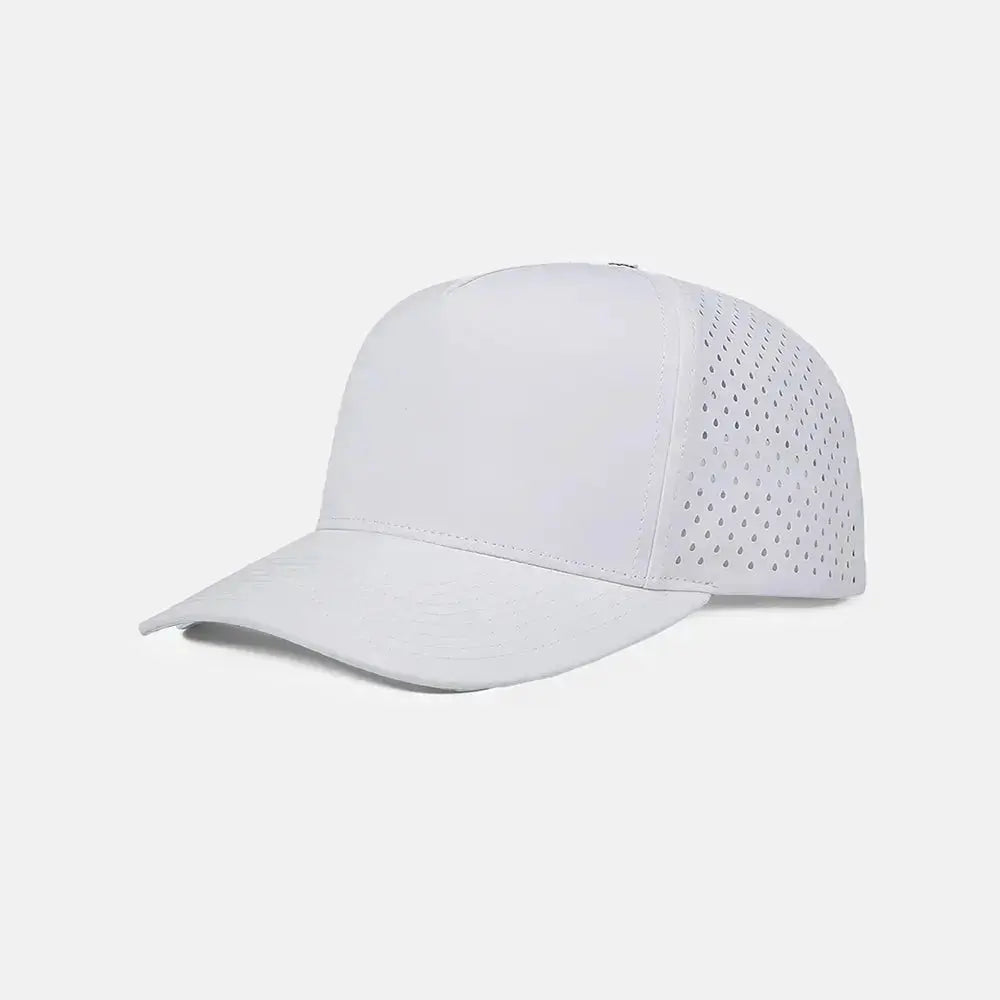
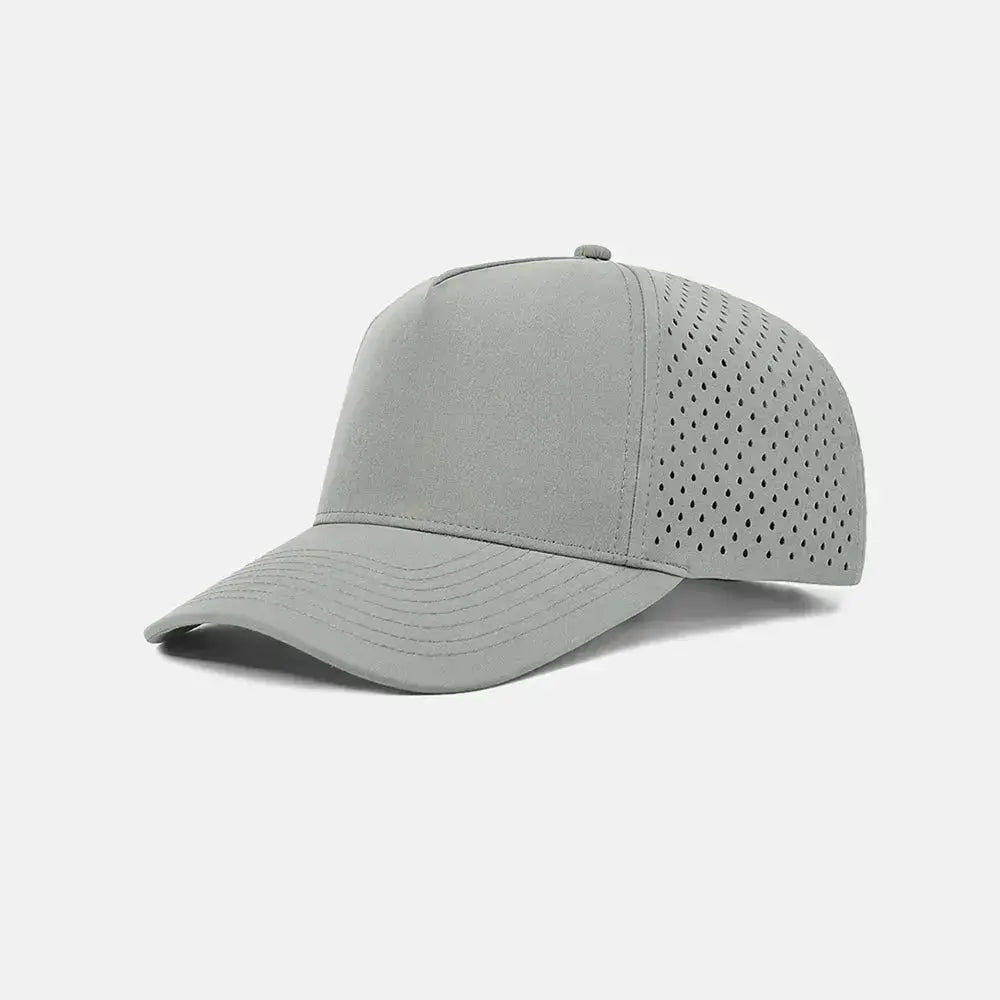
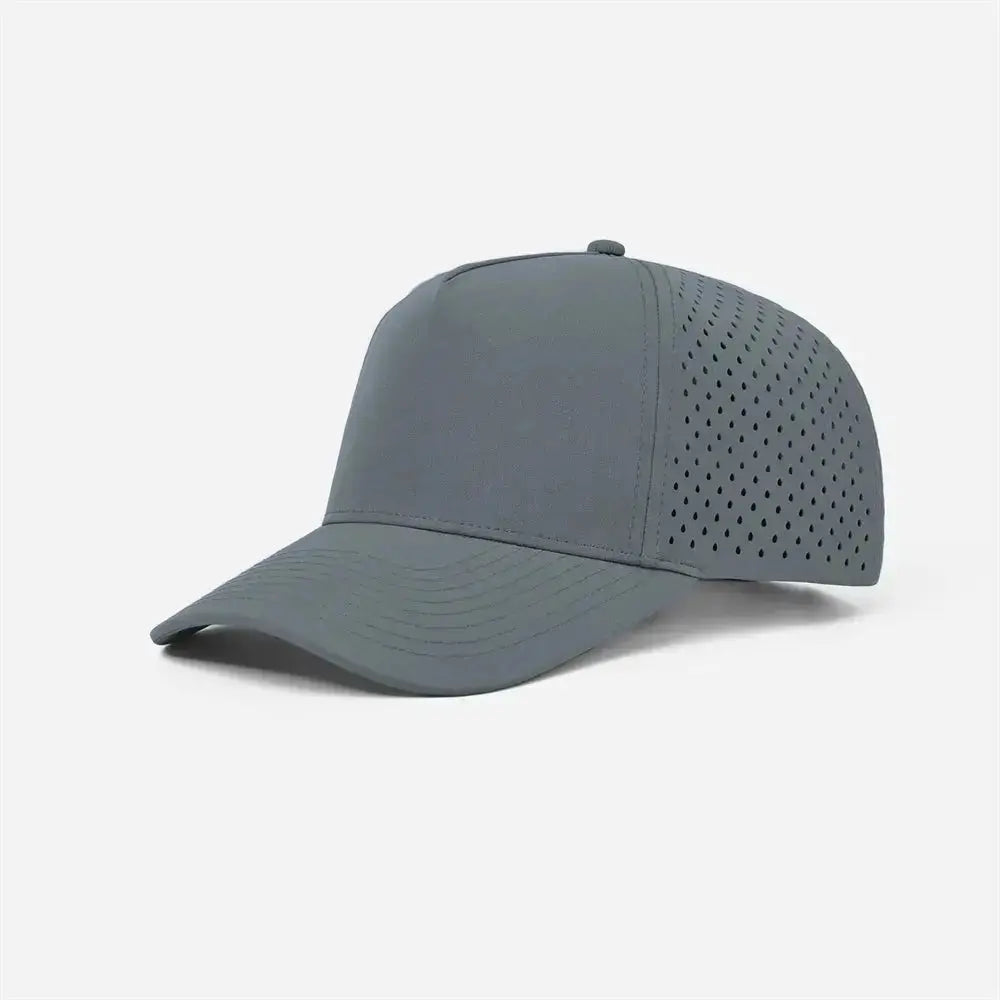
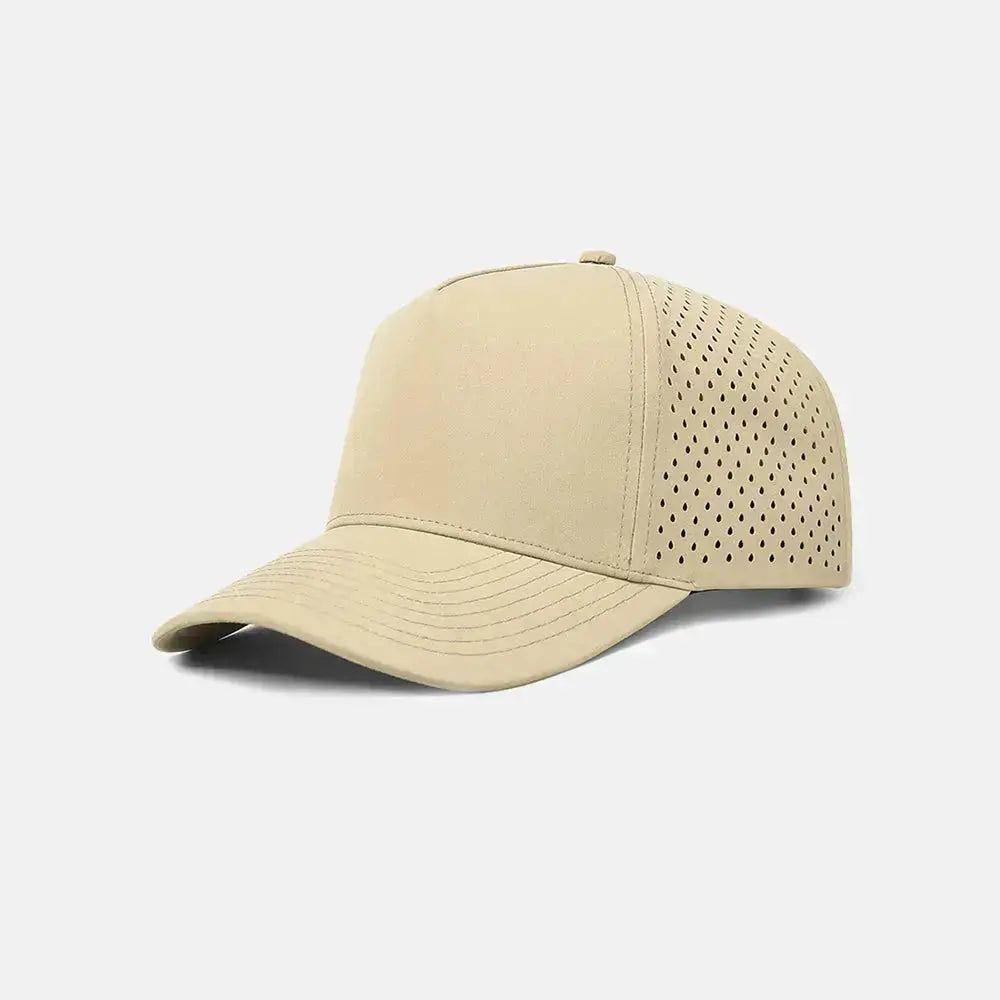
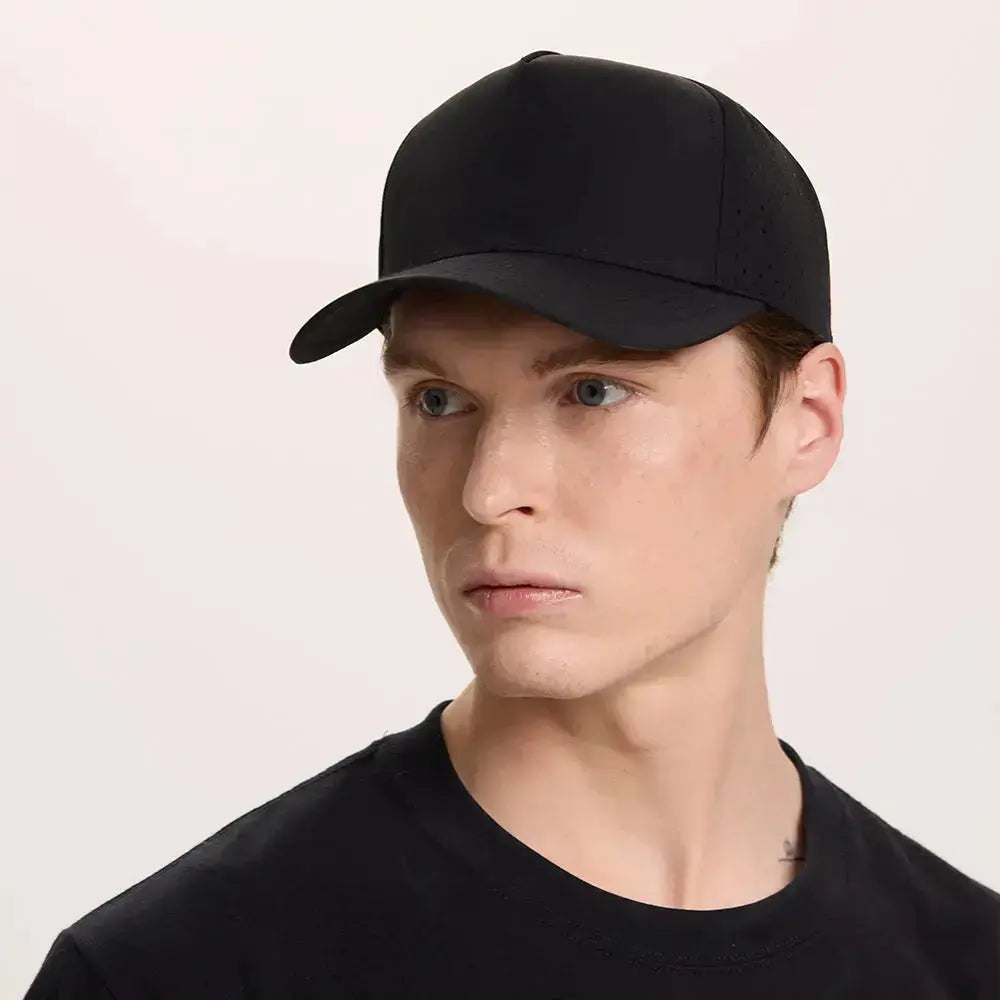
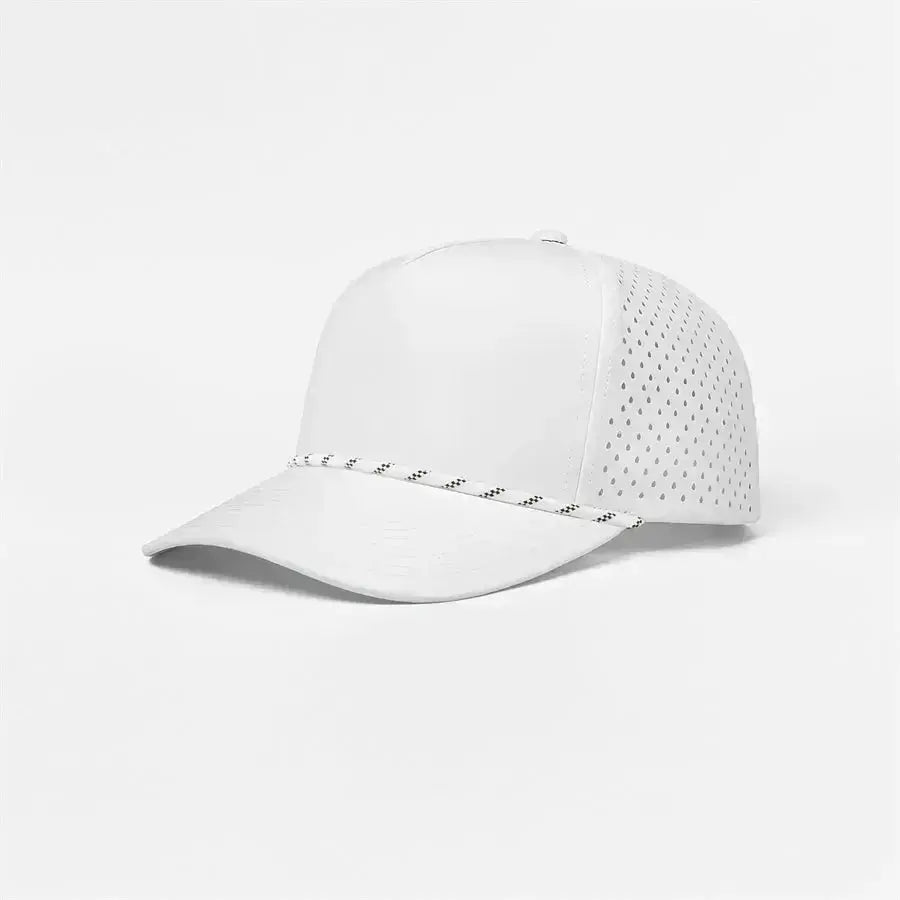
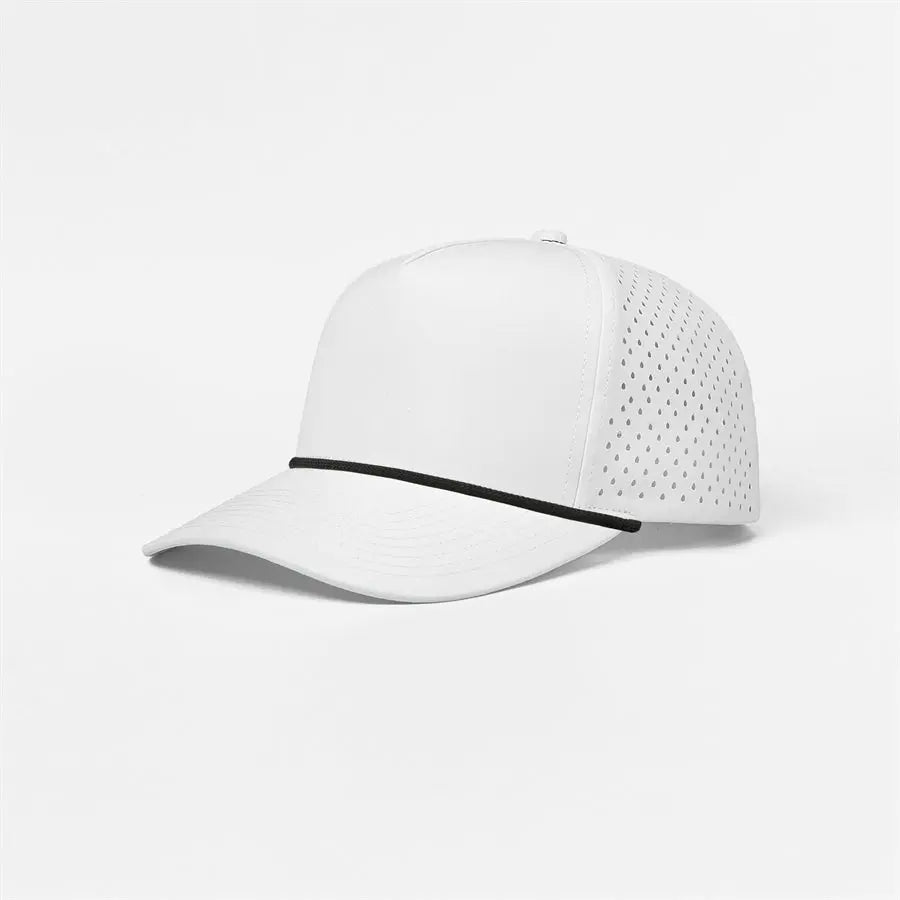
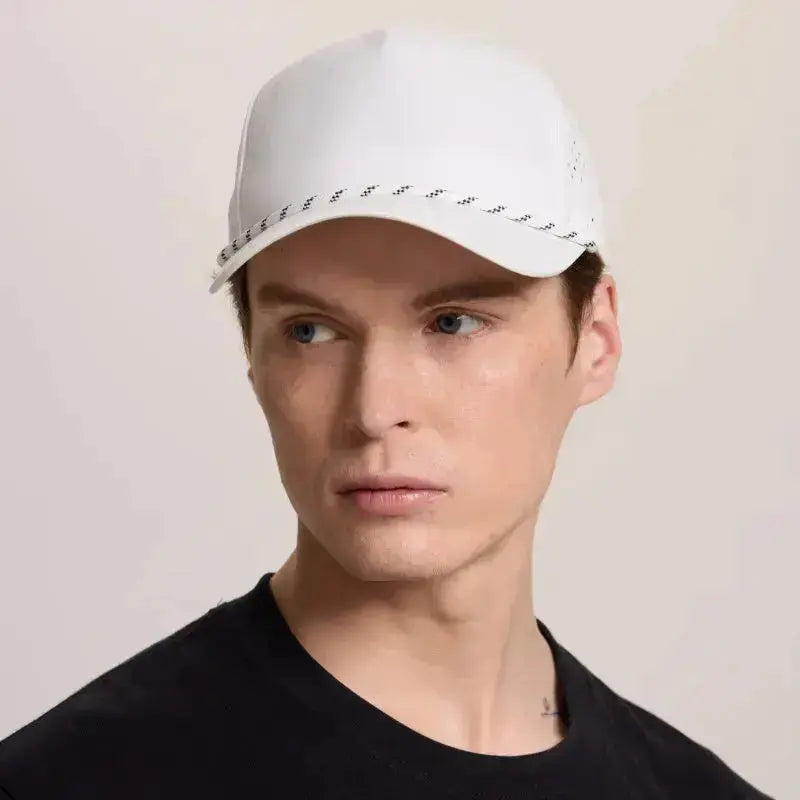
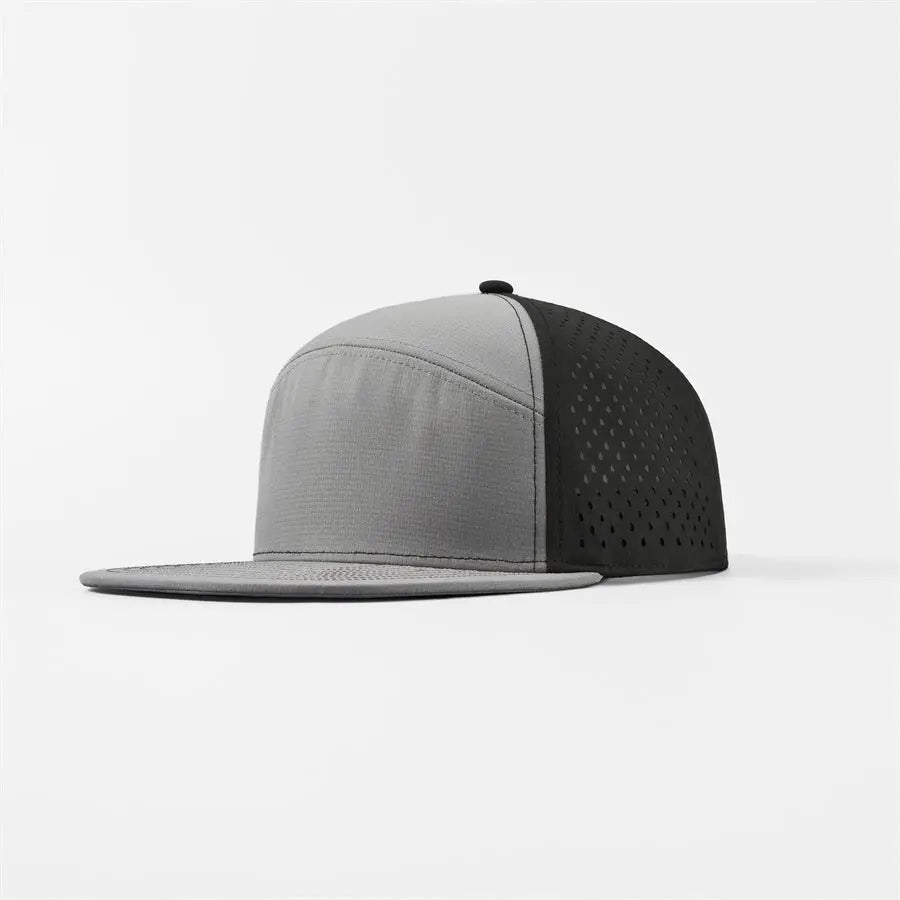
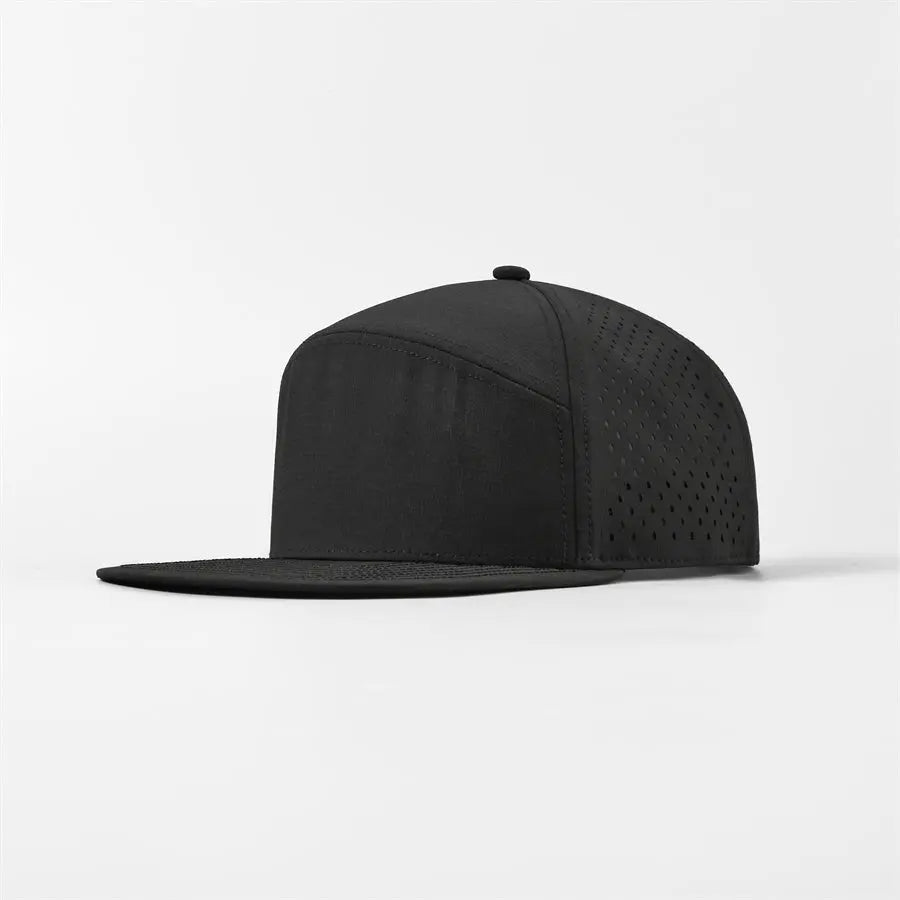
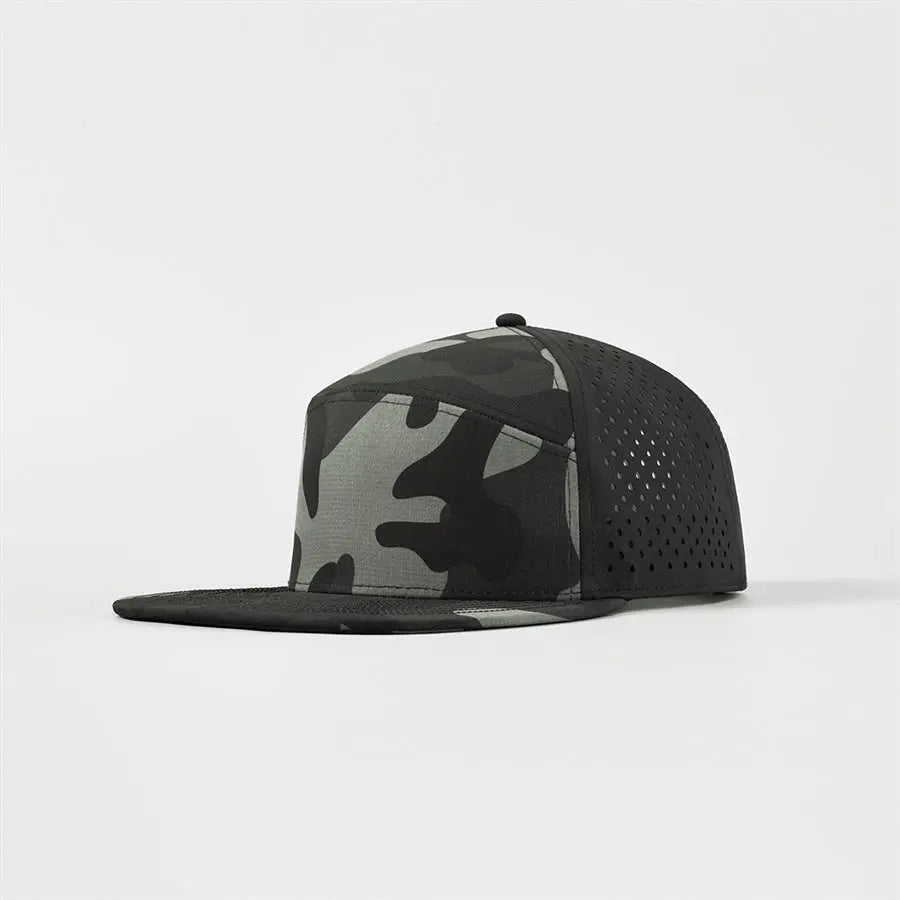
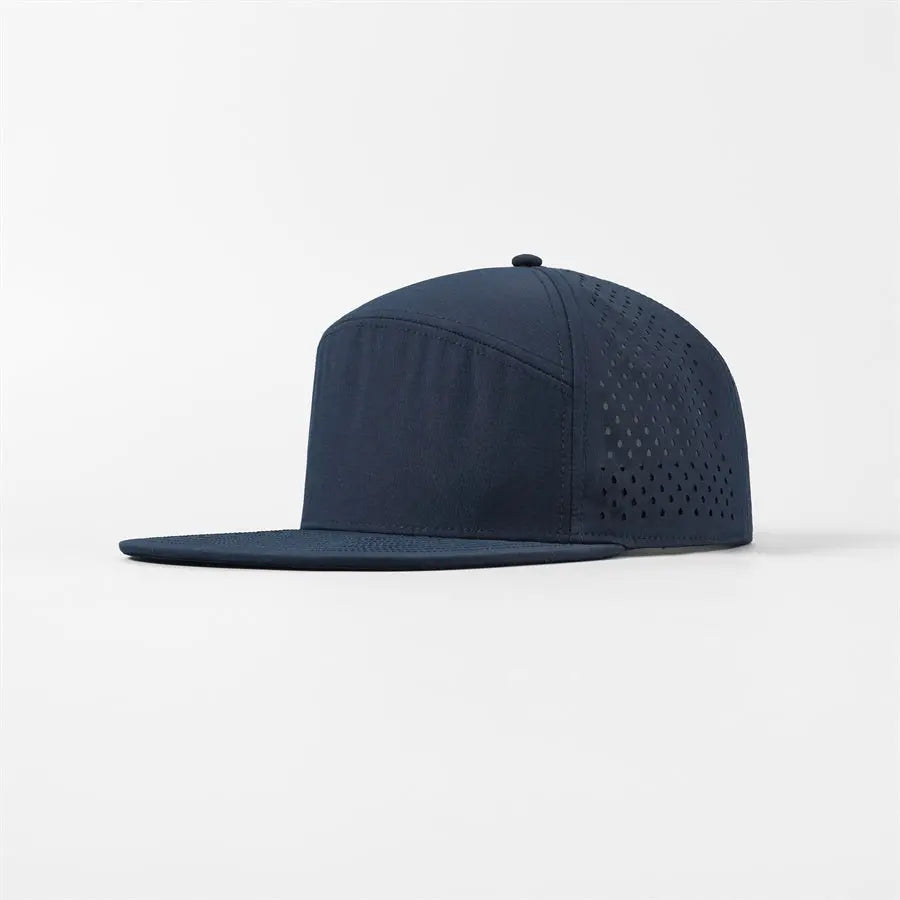
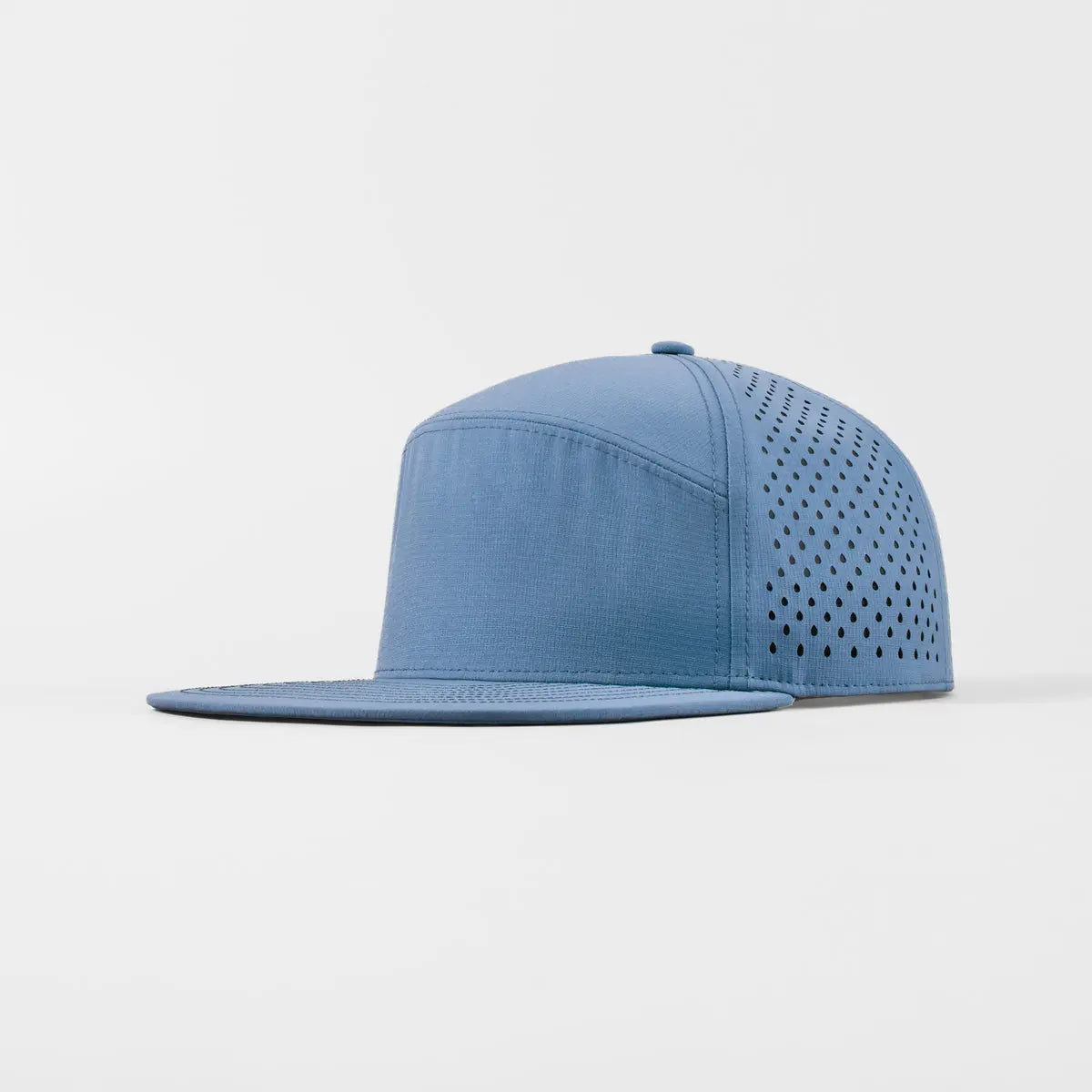
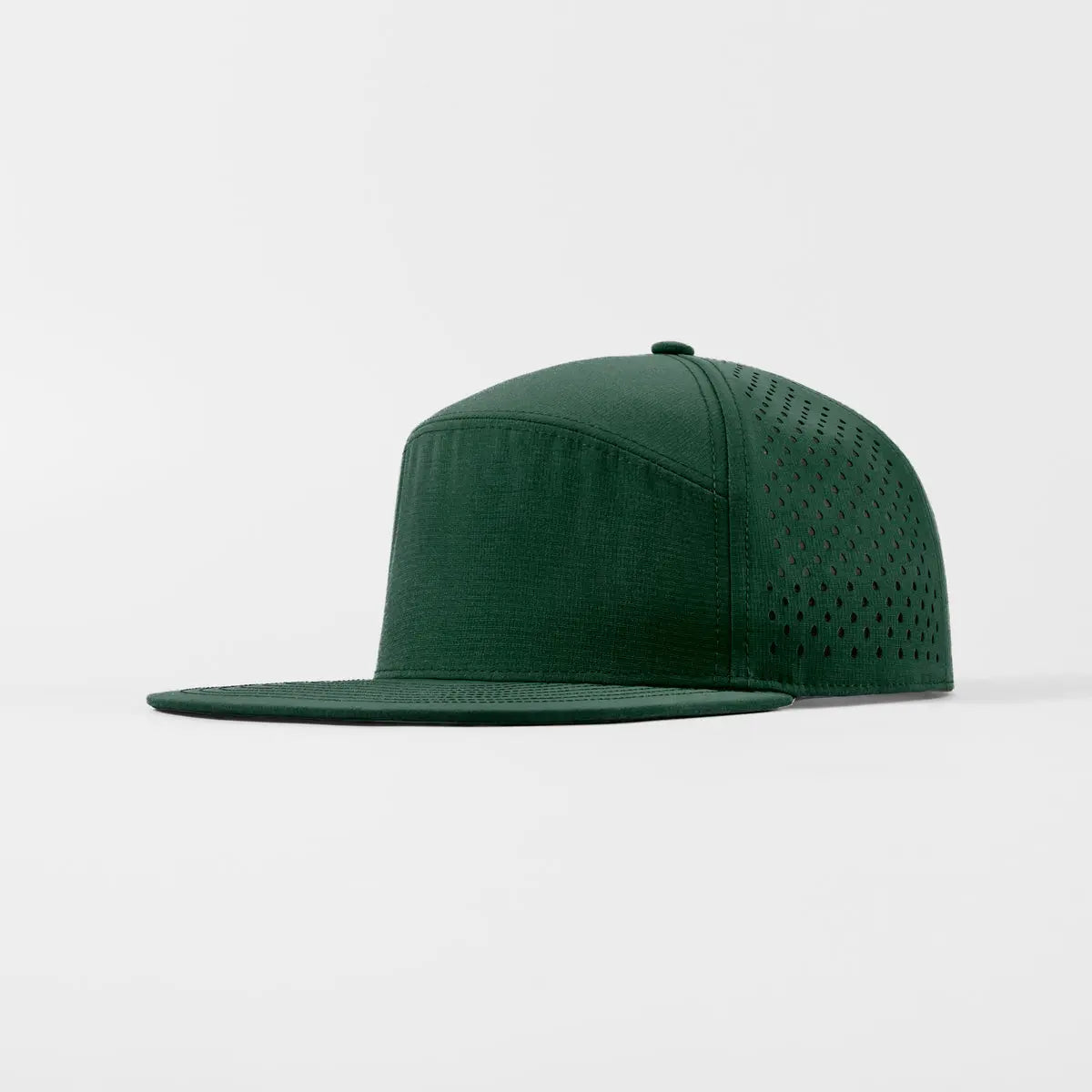
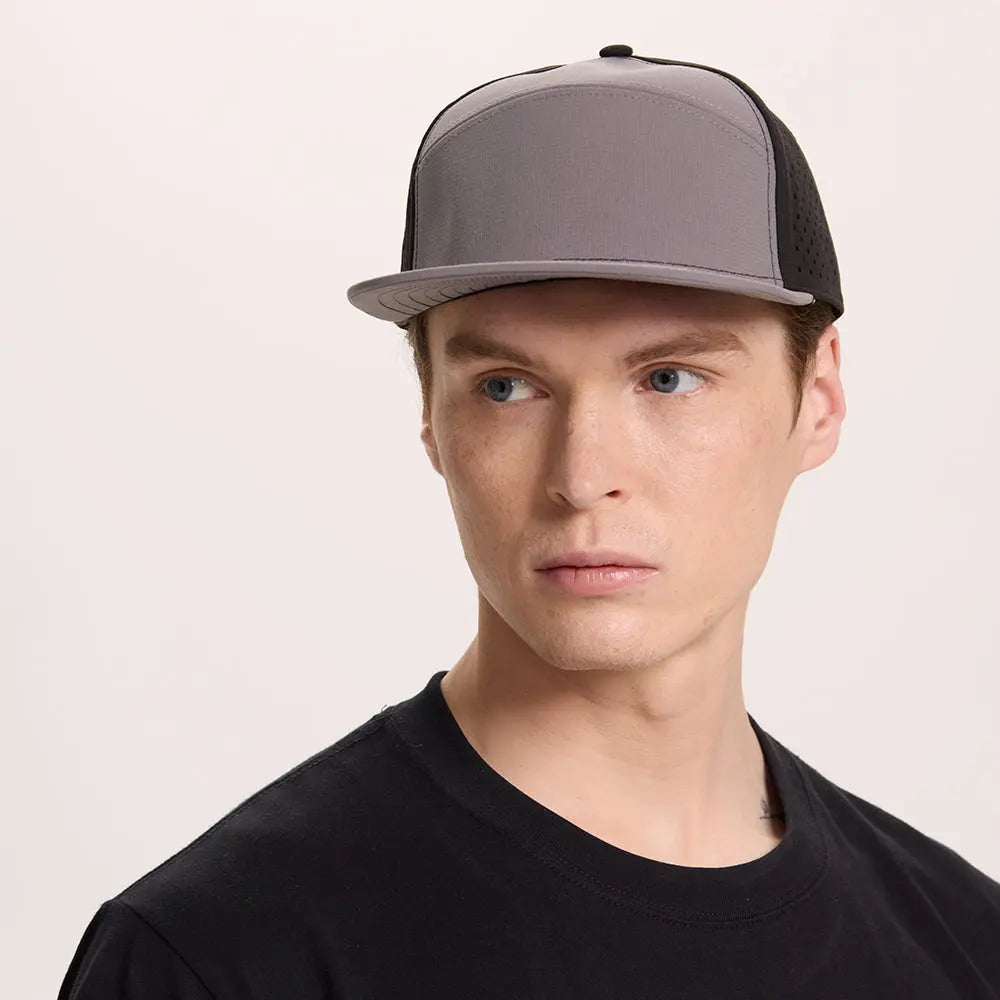
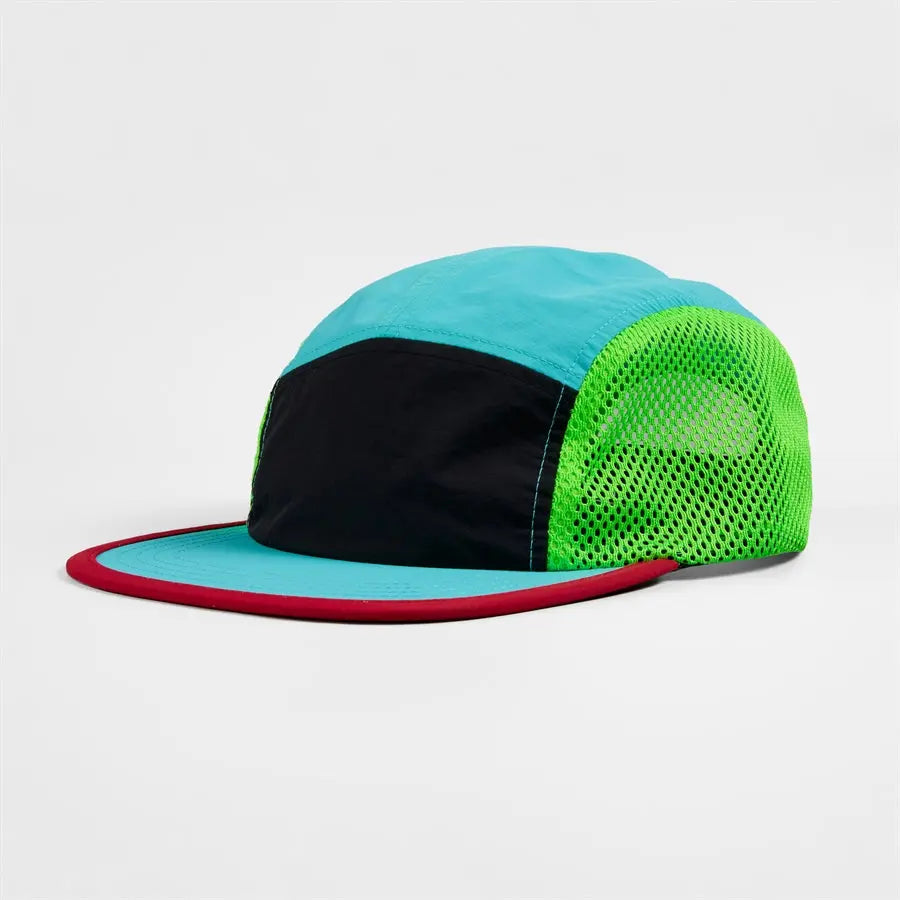
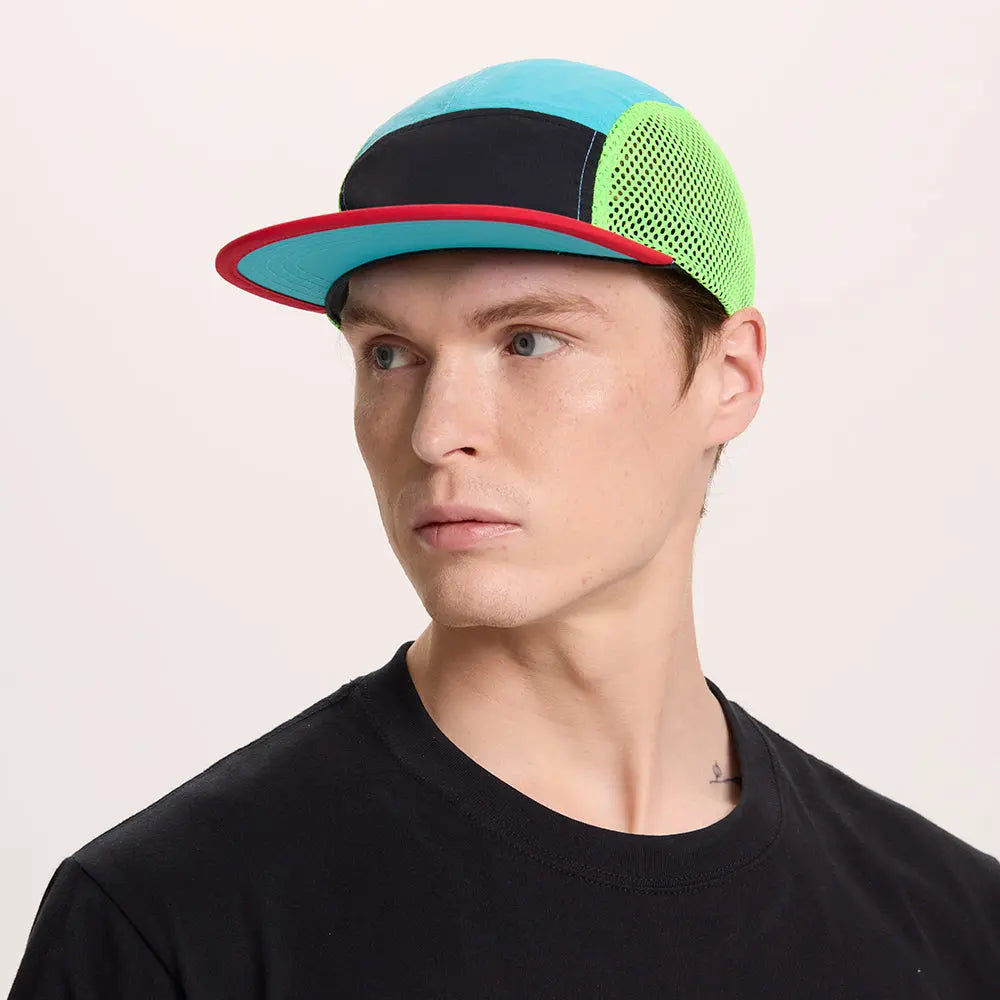
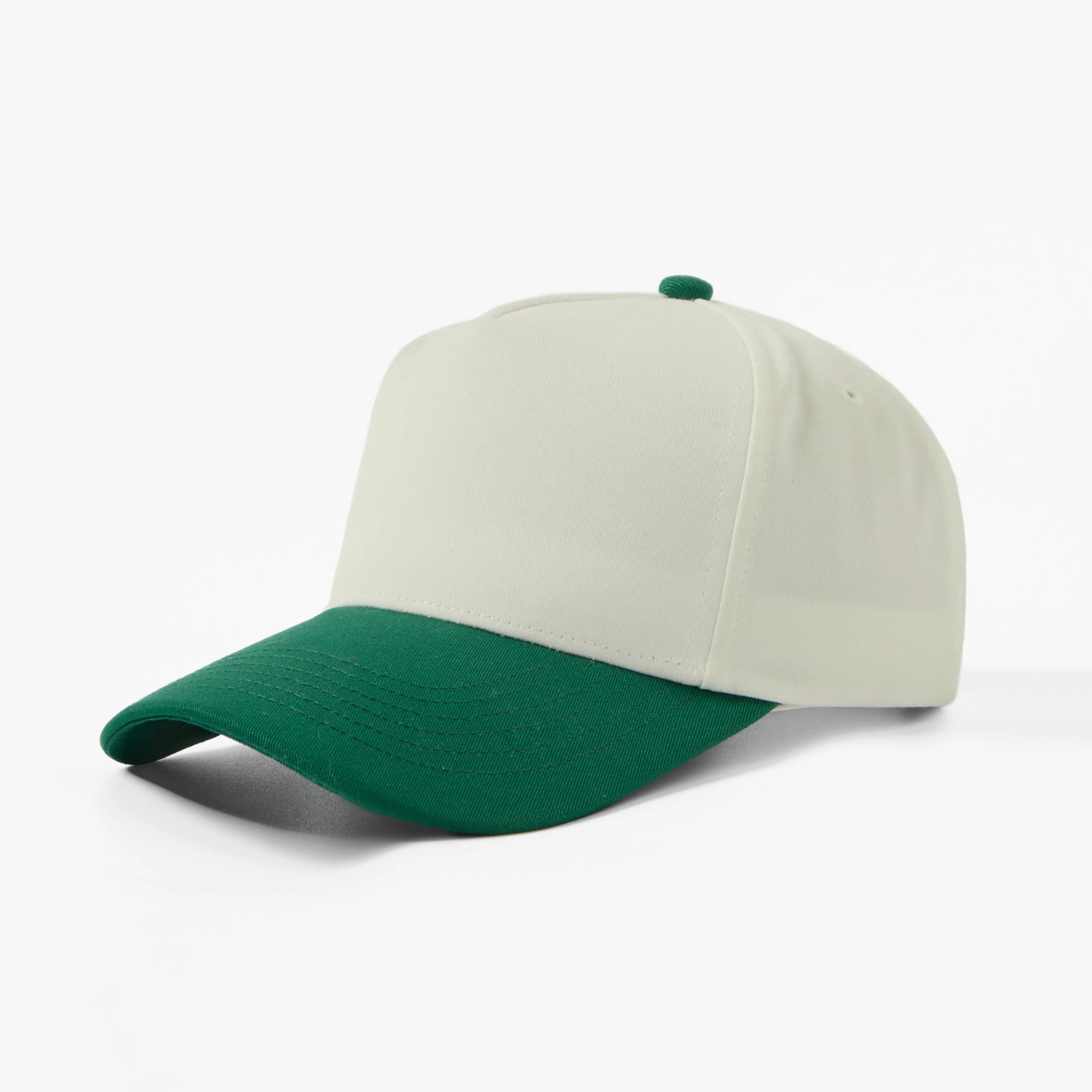
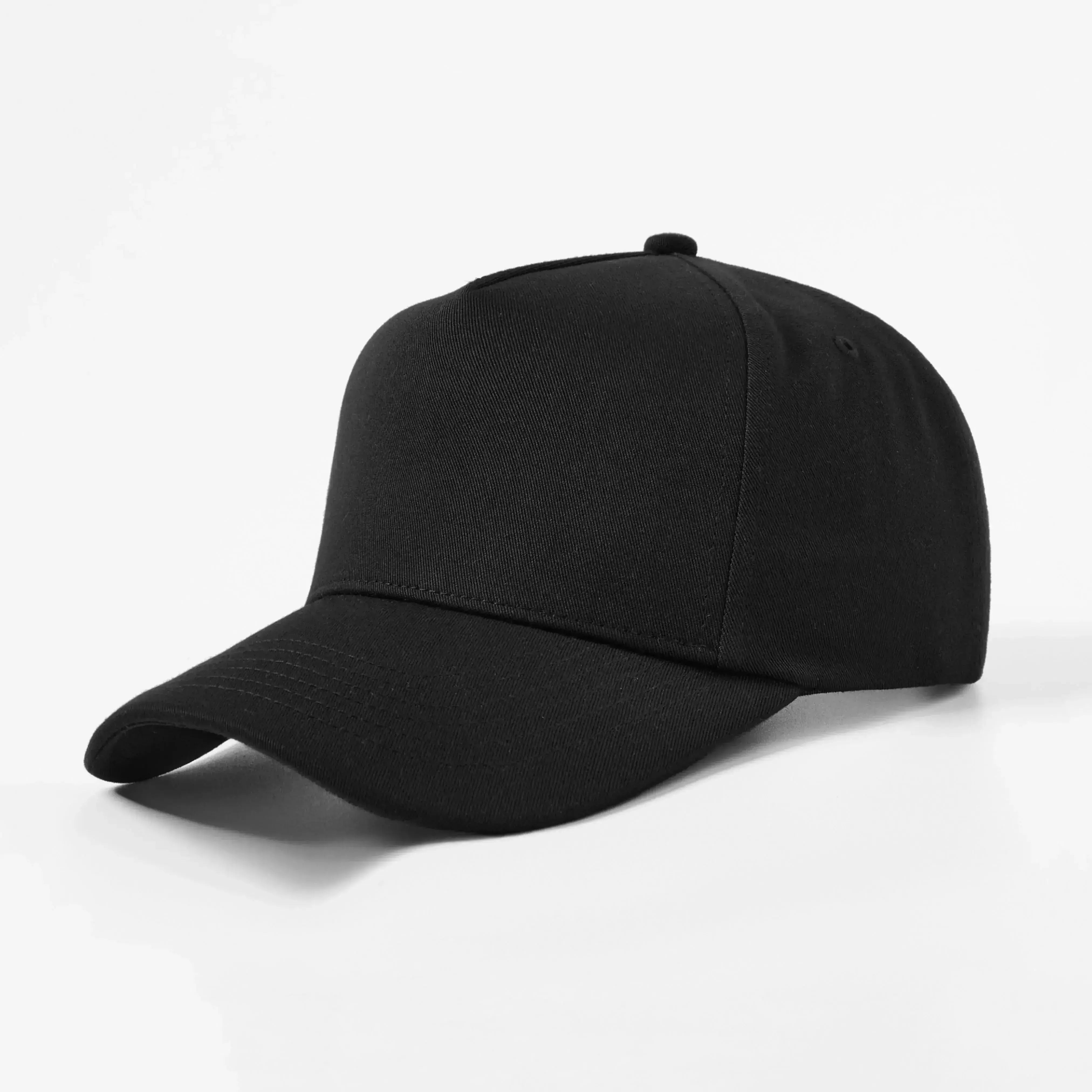
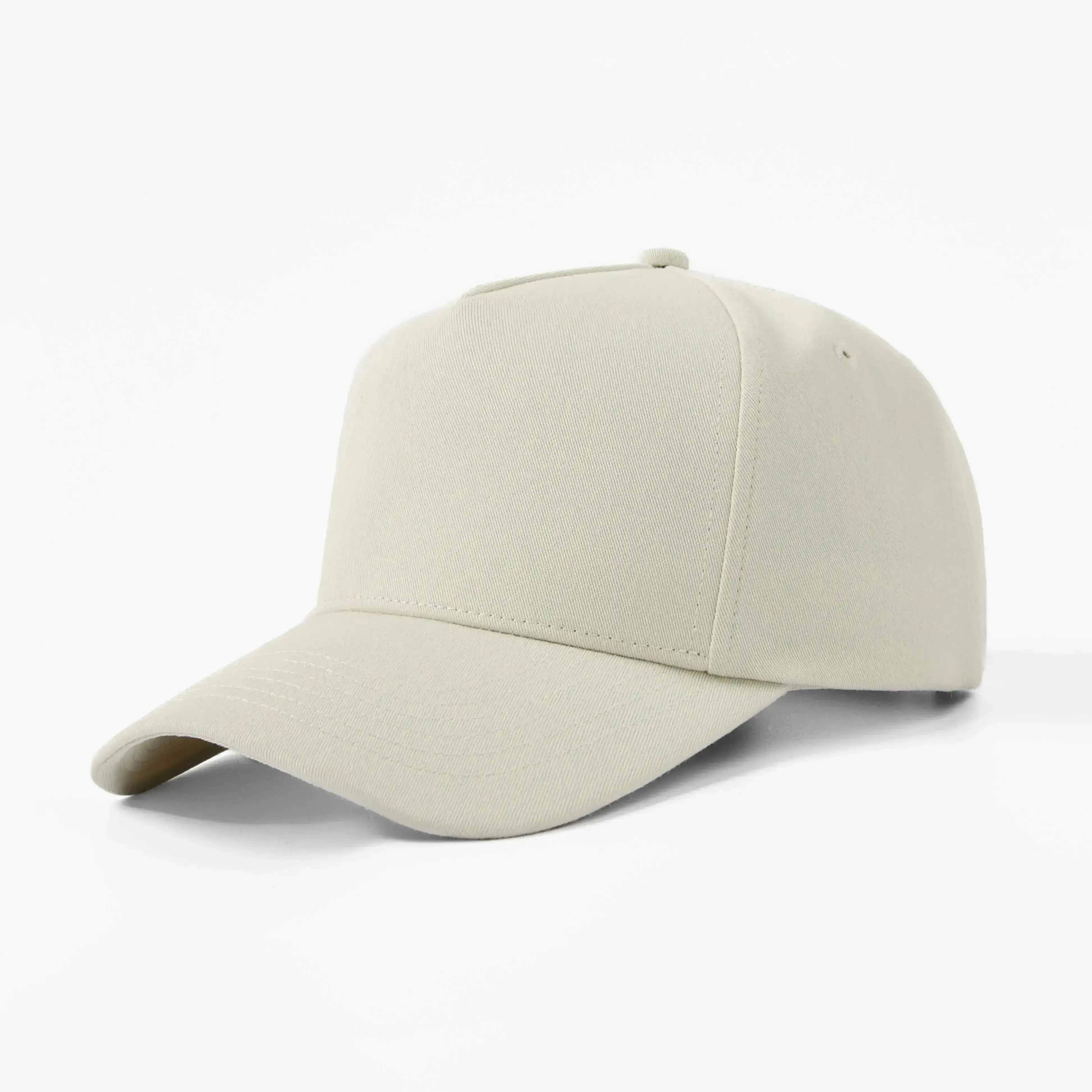
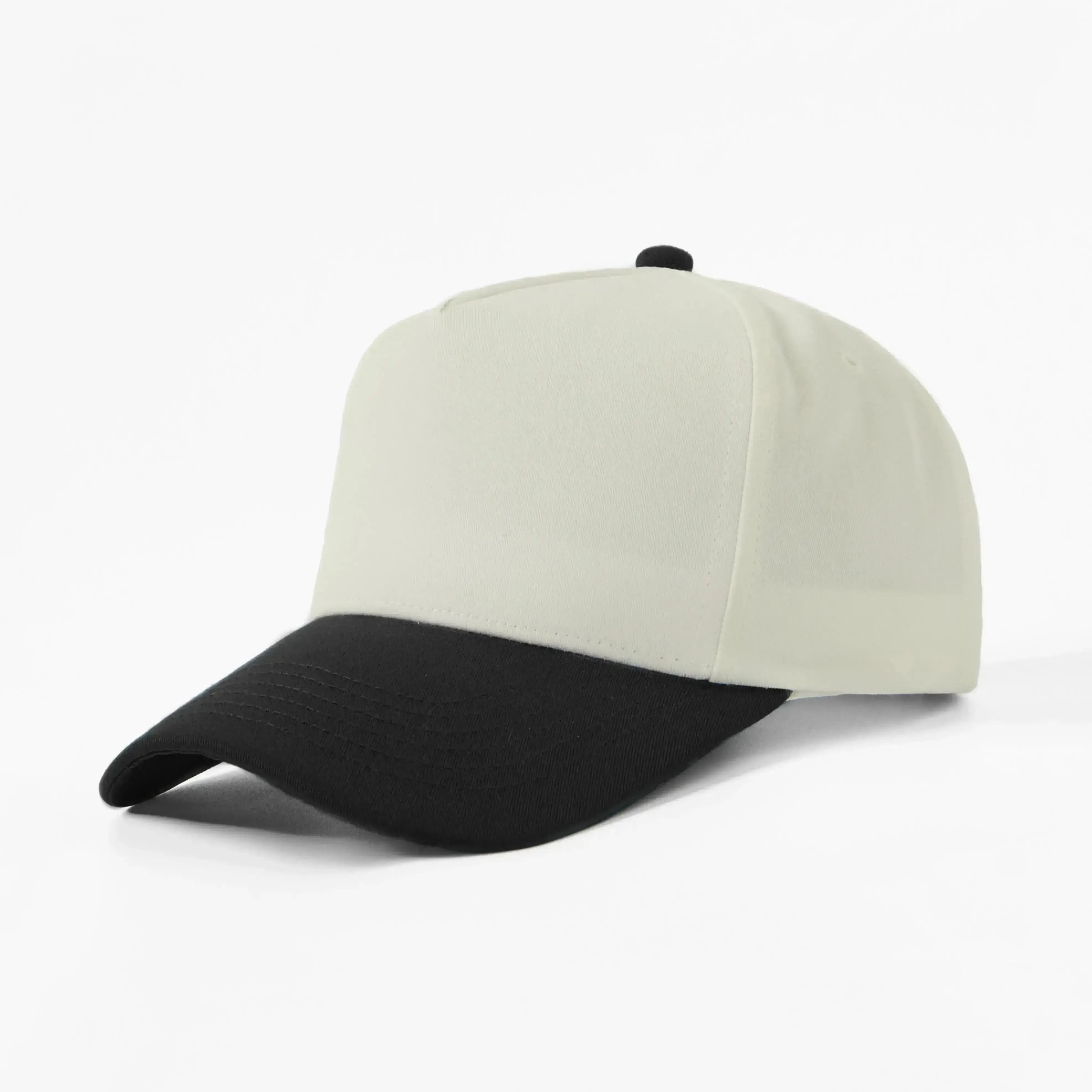
Applications in Hats
1. Knitted Hats (Beanies & Caps)
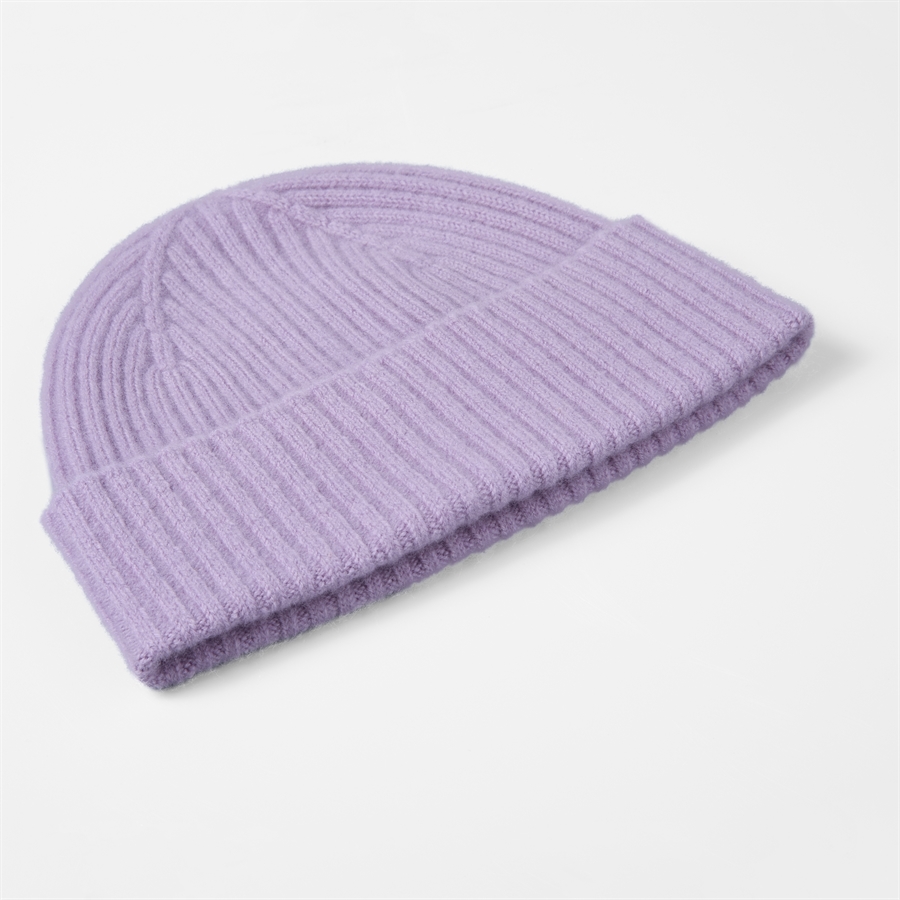
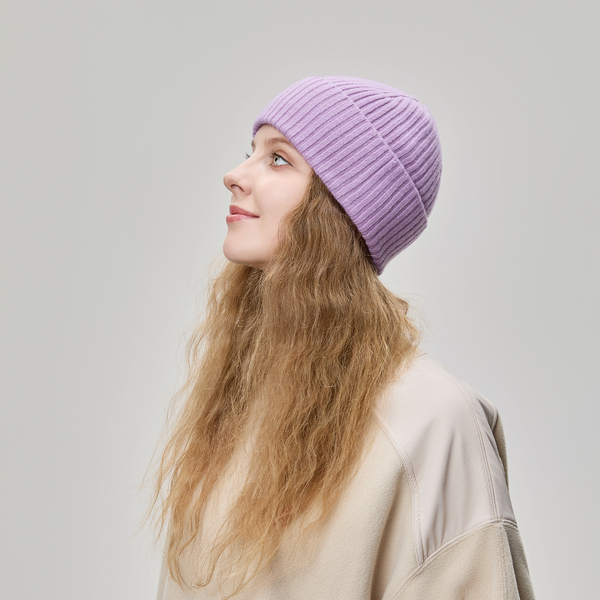
Cuffed Beanies: Both the cuff and crown are produced in a single process with no extra stitching.
Slouchy Beanies: Advanced programming creates a natural drape at the crown, giving that effortless look.
Balaclavas: Mouth and eye openings can be knitted directly, removing the need for cutting and sewing.
2. Functional Sports Caps
Running & Cycling Caps: Zoned knitting allows breathable mesh in high-sweat areas and warmth in others.
Seamless Fitted Caps: Designed for use under helmets, offering superior comfort and elasticity.
3. Fashion Hats
Openwork or Jacquard Designs: Lace-like effects and patterns are built into the knitting process.
Integrated Decoration: Ribs, stripes, and color blocks are created seamlessly without post-processing.
.jpg?w=600&h=600)
Applications in Clothing
1. Sweaters & Knitwear
Seamless Sweaters: Front, back, and sides are knitted together, creating a smooth, lightweight garment.
3D Sleeves: Sleeves and shoulders are directly connected to the body for a natural fit.
Zoned Knitwear: Breathable mesh at the shoulders with warmth in the chest and abdomen—perfect for active lifestyles.
2. Knitted Sportswear
Close-Fitting Activewear: Yoga and running wear made with seamless technology for elasticity and friction-free comfort.
Functional Zones: Built-in compression bands, ventilation holes, or anti-slip areas for performance enhancement.
3. Accessories
Gloves, Socks, and Neck Warmers: Produced as a single piece—especially useful for five-finger gloves, eliminating tricky sewing steps.
Conclusion
Integral knitting is sustainable because it produces near-final, seamless garments on a single machine, drastically reducing material waste and labor costs compared to traditional cut-and-sew methods. This "Wholegarment" technology eliminates separate assembly steps, saves energy and time, and allows for "just-in-time" production, minimizing inventory waste and supporting a circular economy.
Sustainability aspects encompassing the following: the savings through the use of dyed yarns, zero waste manufacturing approach through elimination of cutting process, lesser use of energy in product development are elaborated through case study approach.
That’s all for today, if you have any questions, please don’t hesitate to comment below and let us know!!