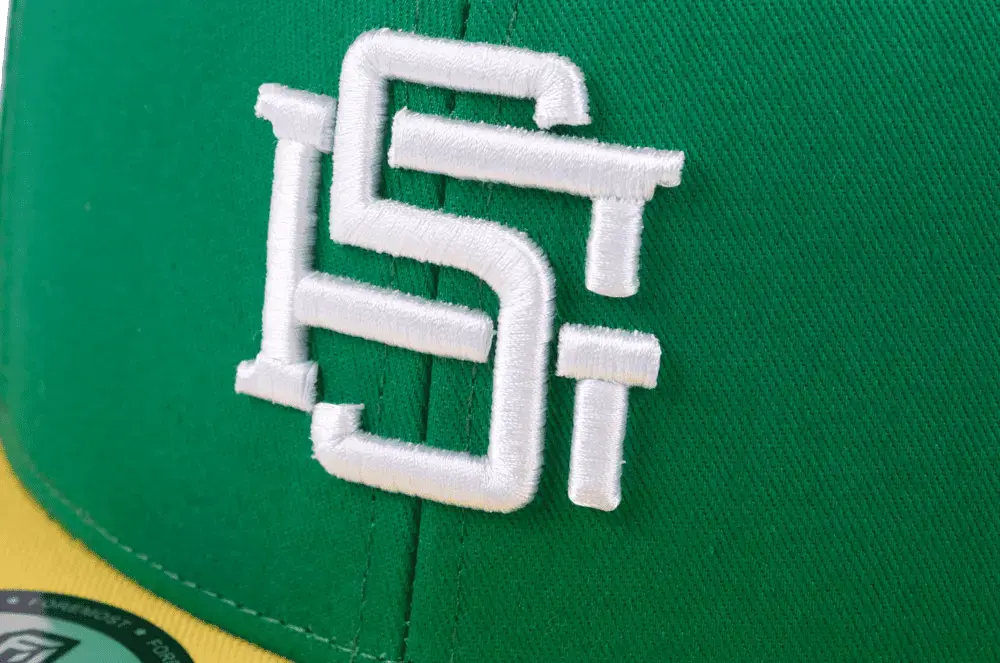




















Have you ever fallen in love with a piece of clothing—only to be put off by an embroidered logo or design that just doesn’t sit right with you? Or maybe you’ve made a misstep in a DIY embroidery project and need a do-over. Either way, the big question is: Can embroidery be removed?
Absolutely, yes! While it takes a bit of time and care, removing embroidery is a useful skill that can rescue garments from the donation pile and open up a world of creative possibilities. In this guide, we’ll walk you through how to remove embroidery step-by-step, from prepping your tools to restoring your fabric post-removal.
Why Remove Embroidery?
People remove embroidery for all kinds of reasons:
-
Fixing Mistakes: Misplaced stitches, wrong colors, or flawed designs can all be undone with a little patience.
-
Upcycling and Customization: Transform secondhand or outdated items into unique, personalized pieces.
-
Removing Corporate Logos: Reclaim uniforms or promotional items by stripping away unwanted branding.
-
Salvaging Damaged Areas: If embroidery is frayed or snagged, removal may be the only way to save the garment.
What You’ll Need: Your Embroidery Removal Toolkit
Before diving in, gather these essentials. Quality tools make a big difference and reduce the risk of fabric damage.
-
Small, sharp scissors: Embroidery or cuticle scissors work best.
-
Seam ripper: Your go-to tool for precise thread cutting.
-
Tweezers: For pulling out those tiny, stubborn threads.
-
Lint roller or sticky tape: Helps clean up loose fibers.
-
Good lighting: Essential for spotting stitches clearly.
-
Magnifying glass (optional): Handy for intricate embroidery.
-
Iron and ironing board: For smoothing the fabric afterward.
Step-by-Step: How to Remove Embroidery
Removing embroidery requires a steady hand and a little patience. Don’t rush the process—slow and careful wins the day.
Step 1: Prep Your Workspace
-
Lay the item flat on a clean, well-lit surface.
-
Identify the stitch type: Is it a dense satin stitch, light fill, or appliqué?
-
Examine the back of the embroidery—this is where you’ll do most of your work.
Step 2: Snip from the Back
-
Turn the item inside out to access the bobbin threads.
-
Using your seam ripper or sharp scissors, carefully snip small sections of the bobbin thread.
-
Go slowly and avoid cutting the fabric itself.
Step 3: Push and Pull
-
Turn the garment right side out.
-
Gently push the top threads through from the front using a seam ripper or your fingernail.
-
Once loosened, use scissors and tweezers to snip and pull out the remaining threads.
Tip: Work in small sections to avoid stretching or damaging the fabric.
Step 4: Clean and Care
-
Use a lint roller or sticky tape to pick up stray threads.
-
Iron the area to help the fabric fibers settle and reduce any needle marks.
-
For visible impressions or holes, try steaming or gently rubbing the fabric to smooth it out.
Tips for Success (and Avoiding Damage)
-
Go slow: Rushing can lead to mistakes or ruined fabric.
-
Always start from the back: Snip the bobbin threads first.
-
Use sharp tools: Dull scissors can tug and tear.
-
Test first: If unsure about the fabric, try a hidden section.
-
Be cautious with delicate fabrics: Silk, chiffon, or fine knits require extra care.
-
Accept the “ghost” when needed: Some fabrics may retain a slight outline—better that than a tear.
Aftercare: Hiding the Evidence
Even with perfect technique, you may still notice slight impressions. Here’s how to handle that:
-
Embrace the ghost: A subtle outline can add vintage character.
-
Cover it up: Use a patch, appliqué, or embellishment.
-
Re-embroider: Replace the old design with a new one.
-
Fabric markers or paint: For minor marks, carefully blended color may help (always test first).
Final Thoughts: A Fresh Start for Your Favorites
Learning to remove embroidery is a satisfying and empowering skill. Whether you're fixing a mistake, refreshing a thrifted find, or reimagining an old favorite, this technique lets you give garments a second chance.
So grab your tools, take your time, and give your wardrobe a little DIY love—because every piece deserves a fresh start.