










Ever dreamed of adding a personal, artistic touch to everything you own? Imagine transforming plain fabrics into personalized masterpieces, whether it's a custom logo on a jacket, a unique design on a baby blanket, or intricate patterns on home decor. This isn't just a dream; it's a reality made possible with the magic of an embroidery machine.
An embroidery machine is a specialized tool that takes digital designs and translates them into beautiful stitches on fabric. It's a gateway to endless creative possibilities, allowing you to personalize, decorate, and even start a small business from the comfort of your home.
In this comprehensive guide, we'll walk you through everything you need to know about embroidery machines. You'll learn about the different types available, key features to consider when buying, essential supplies, and a step-by-step guide to starting your first project. Whether you're a complete beginner eager to explore a new hobby, a seasoned crafter looking to expand your skills, or an aspiring small business owner, this post is for you!
What is an Embroidery Machine?
At its core, an embroidery machine is a computerized device that automates the process of creating intricate designs on fabric using thread. You feed it a digitized design (a file containing stitch information), hoop your fabric, and the machine's needle(s) precisely follow the pattern, stitching it onto your material.
This differs significantly from traditional hand embroidery. While hand embroidery offers a unique charm and meditative process, machine embroidery provides unparalleled speed, precision, and the ability to create complex, multi-color designs with professional-level consistency. It opens up a world where detailed logos, elaborate monograms, and vibrant scenes can be replicated flawlessly, time and time again.
Common Uses for an Embroidery Machine:
-
Personalizing Clothing: Add monograms to shirts, intricate designs to jackets, names to uniforms, or fun patches to jeans.
-
Home Decor: Embellish towels, create custom throw pillows, add decorative borders to curtains, or personalize quilts.
-
Gifts: Craft thoughtful, custom gifts for birthdays, weddings, baby showers, or holidays.
-
Small Business Branding: Produce professional-looking logos on uniforms, merchandise, or promotional items.
-
Crafts and Art Projects: Incorporate embroidery into mixed-media art, scrapbooking, or unique textile creations.
Types of Embroidery Machines
Embroidery machines come in various forms, each suited for different needs and budgets. Understanding the distinctions will help you choose the right one for your creative journey.
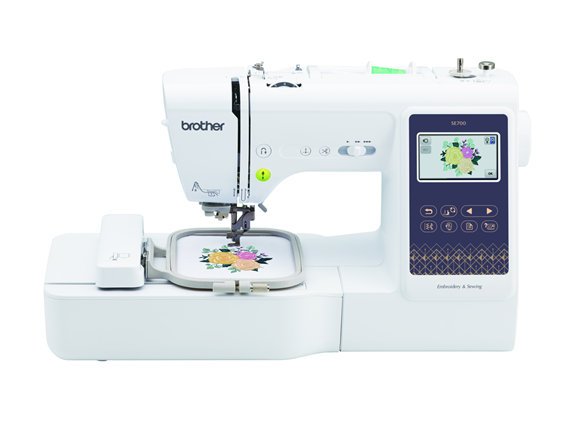
A. Combination Sewing & Embroidery Machines (All-in-one machines)
These versatile machines offer both traditional sewing functions and embroidery capabilities.
-
Description: You can switch between sewing garments, quilting, or general crafting, and then attach an embroidery unit to transform it into an embroidery machine. These machines are often ideal for people who only embroider occasionally, usually don't own another machine, and primarily need to do simple tasks like text-only labels.
-
Pros: Excellent versatility, saving space and money by combining two machines into one. They are often a great starting point for beginners who want to explore both crafts without committing to two separate machines.
-
Cons: Can be a compromise on features for either sewing or embroidery compared to dedicated machines. Hoop sizes can sometimes be smaller, and switching between modes can take a moment. For serious embroidery, they might feel like more of a "gimmick" rather than a robust tool.
-
Ideal for: Crafters who enjoy both sewing and embroidery, those with limited workspace, or beginners who want to test the waters of machine embroidery and handle occasional, simpler projects.
B. Standalone Embroidery Machines (Home Embroidery-Only Single-Needle Machines)
These machines are dedicated solely to embroidery. They do not have sewing capabilities.
-
Description: Designed specifically for stitching out designs, they often feature larger embroidery areas (hoop sizes) and more robust motors built for continuous embroidery. These are far more common for home use and are generally what you'll find in most sewing stores. They are highly computerized, and while their interfaces can be "kind of awful, but okay once you get used to them," they offer a good range of features. Since there's a single needle, you have to stop the machine and manually swap out the spool of thread for multi-color designs, which can be mildly tedious but is the trade-off for not moving to a multi-needle machine.
-
Pros: Typically offer larger embroidery fields, more powerful and durable motors, and specialized features optimized purely for embroidery. They can handle more intensive use and larger, more complex designs with precision.
-
Cons: Higher initial cost compared to combination machines and require dedicated space, as they don't serve a dual purpose. The manual thread changes for each color can be a minor inconvenience.
-
Ideal for: Serious hobbyists who focus primarily on embroidery, or small businesses looking for a reliable, dedicated machine for production without the high cost of multi-needle systems.
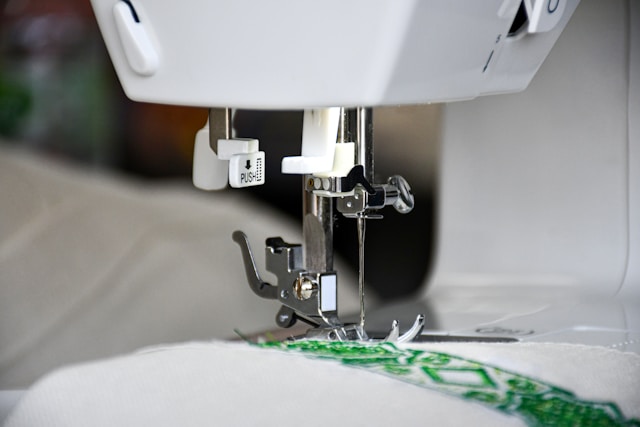
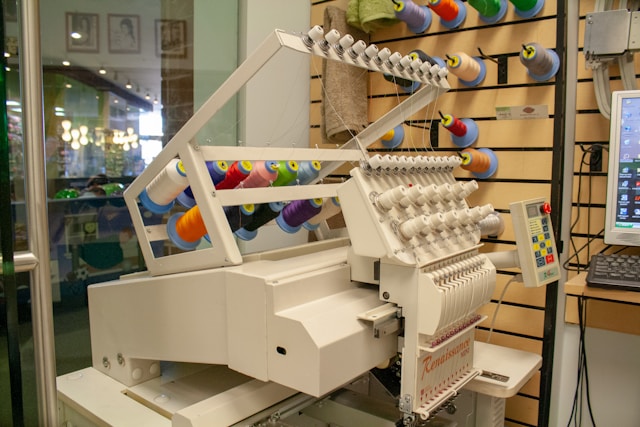
C. Multi-Needle Embroidery Machines ("Pro-sumer" Multi-Needle Machines)
These are typically more advanced, semi-industrial or industrial machines.
-
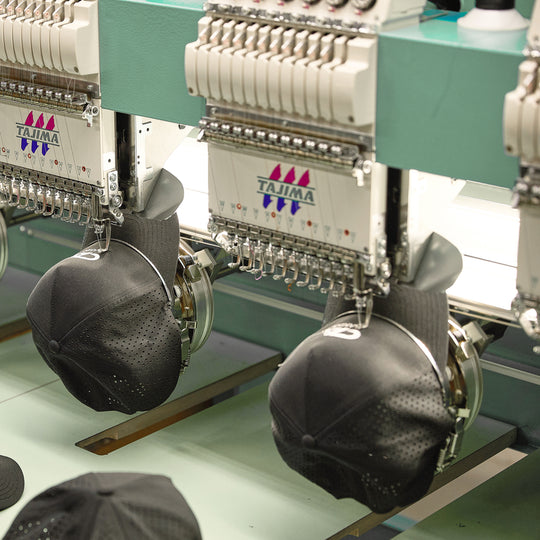
Description: Unlike single-needle machines, multi-needle machines have several needles (e.g., 4, 6, 10, or even 16) that can be pre-threaded with different colors. The machine automatically switches between colors as needed. These are often what small businesses, like those on Etsy, use due to their speed and efficiency. You load multiple spools of thread (one for each color in your design), and the machine automatically selects the correct needle. They can come with many options, from loads of built-in designs to utilitarian models, and some even feature cool additions like swappable heads for embroidering hats.
-
Pros: Extremely fast and efficient, especially for multi-color designs, as you don't need to manually change threads for each color. They produce highly professional results and are built for higher-volume production. The sky's the limit for what you can create.
-
Cons: Very expensive, large, and require a steeper learning curve to operate and maintain. The price point can vary dramatically depending on the number of needles and features.
-
Ideal for: Commercial use, home-based embroidery businesses with higher production demands, or serious enthusiasts who prioritize speed, efficiency, and professional results for complex projects.
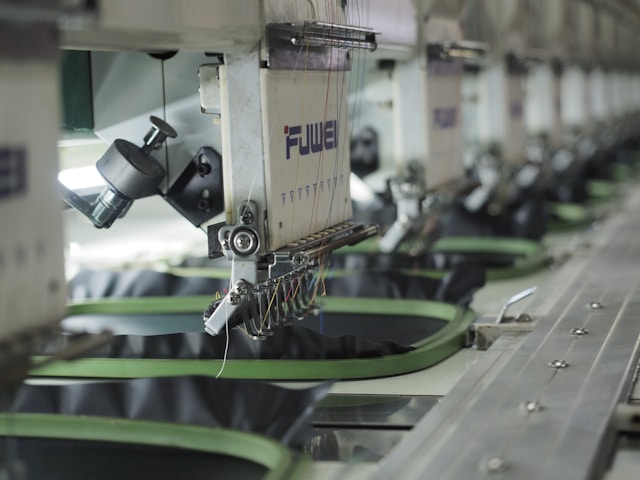
D. True Professional/Industrial Multi-Head Machines
-
Description: These are the largest and most powerful embroidery machines, featuring multiple "heads" (each with multiple needles) that can embroider the same design simultaneously on different items.
-
Pros: Unmatched production speed and volume, ideal for large-scale commercial operations.
-
Cons: Extremely high cost, very large footprint, and require specialized training and maintenance.
-
Ideal for: Large-scale manufacturing, garment factories, and businesses with very high production demands.
Key Features to Look For When Buying
Choosing an embroidery machine can feel overwhelming with the array of features available. Here's what to prioritize:
-
A. Hoop Size: This is crucial! The hoop size determines the maximum area you can embroider in a single pass. Consider the projects you envision: small monograms might be fine with a 4"x4" hoop, but larger designs for jacket backs or quilt blocks will require a 5"x7" or even larger hoop. You can often purchase additional hoops of different sizes.
-
B. Built-in Designs & Fonts: For beginners, a good selection of pre-loaded designs and fonts is incredibly convenient, allowing you to start embroidering right away. More advanced users will also want the ability to easily upload custom designs via USB or Wi-Fi.
-
C. Connectivity (USB, Wi-Fi): How will you get your designs onto the machine? USB ports are standard, allowing you to load designs from a flash drive. Wi-Fi connectivity, available on newer models, offers seamless transfer from your computer or mobile device, often through a dedicated app.
-
D. Editing Capabilities: Look for machines with on-screen editing features. This allows you to resize, rotate, mirror, combine, and even add lettering directly on the machine's screen without needing external software. Software compatibility is also important if you plan to create or extensively edit designs on your computer.
-
E. Automatic Features: These features significantly enhance ease of use and efficiency:
-
Automatic thread cutting: The machine trims threads between color changes or at the end of a design.
-
Automatic needle threading: A huge time-saver, especially if you struggle with threading small needles.
-
Color change detection: The machine pauses and prompts you when a thread color change is needed.
-
-
F. Stitch Speed: Measured in Stitches Per Minute (SPM), this indicates how fast the machine can embroider. Higher SPM is beneficial for larger or production-oriented projects, as it reduces the overall time.
-
G. Brand Reputation & Support: Research brands known for reliability, good customer service, and strong warranties. Check for active online communities or local dealers that offer support and classes. Popular brands include Brother, Janome, Baby Lock, Bernina, and Singer.
-
H. Price Point: Set a realistic budget. Entry-level machines (often combination models) can start from a few hundred dollars, while dedicated or multi-needle machines can range from over a thousand to several thousands. Understand what features are standard at different price levels.
Popular Embroidery Machine Brands
When it comes to embroidery machine brands, there are several highly reputable manufacturers known for their quality, features, and reliability, catering to a range of users from hobbyists to small businesses and industrial operations.
Here are some of the most popular and well-regarded embroidery machine brands:
For Home Users & Small Businesses (often offer combination sewing/embroidery machines and dedicated embroidery machines):
-
Brother: Consistently ranks as a top choice, especially for beginners and home users. They are known for user-friendly interfaces, a good range of built-in designs, and reliable performance across various price points. Models like the Brother SE600 (combination) and PE800 (embroidery-only) are very popular.
-
Janome: Another highly respected brand, known for durability, smooth operation, and excellent stitch quality. They offer a wide range of machines, from beginner-friendly models to more advanced dedicated embroidery machines like the Memory Craft series.
-
Baby Lock: Often considered a premium brand, Baby Lock machines are known for their advanced features, innovative technology, and high-quality results. They have a strong reputation for precision and ease of use, appealing to both serious hobbyists and professionals.
-
Bernina / Bernette: Bernina is a Swiss brand synonymous with high-end, precision engineering and robust machines. Their Bernette line offers more accessible options that still carry the Bernina quality. They are known for their durability and excellent stitch quality.
-
Singer: A long-standing name in sewing, Singer also offers a range of embroidery machines, often at more budget-friendly price points, making them a good option for those just starting out.
-
Husqvarna Viking / Pfaff: These brands (often under the same corporate umbrella) are known for their innovative features, strong performance, and appeal to serious crafters and quilters who also want embroidery capabilities.
For Commercial & Industrial Use (often multi-needle machines):
-
Tajima: A Japanese giant in the industrial embroidery world, known for its high-speed, multi-head machines, precision, and durability. They are a top choice for large-scale production.
-
Barudan: Another leading Japanese manufacturer, highly regarded for extremely durable and reliable commercial embroidery machines with excellent stitch precision.
-
Ricoma: An American brand (with manufacturing often in China) that has gained popularity by offering more affordable commercial and multi-needle embroidery machines, often with strong online support.
-
Melco: Known for their modular and versatile commercial embroidery machines, offering scalability for businesses.
-
ZSK: A German brand specializing in high-precision, automated embroidery solutions, often used in technical textiles and high-end fashion.
When choosing a brand, it's always a good idea to research specific models within that brand, read reviews, and consider what features are most important for your projects and budget.
Conclusion: Your Embroidery Journey Begins
Embroidery machines are incredible tools that empower you to bring your creative visions to life. From personalizing everyday items to crafting unique gifts or even building a small business, the possibilities are truly limitless. With a little practice and the right knowledge, you'll be amazed at what you can create.
So, what's the first thing you'll embroider? Share your project ideas in the comments below! And if you're ready to dive in, be sure to check out our recommended machines to find the perfect fit for your new embroidery journey.