


















- 📌 Introduction
- 📌 Beanie Material & General Cleaning Rules
- 📌 Hand-Wash and Machine-Wash Beanies
- 📌 Wool, Merino Wool, and Satin-Lined Beanie Care
- 📌 Odor Removal, Pilling Control, and Proper Drying
- 📌 How Often Should You Wash Beanies?
- 📌 Final Tips for Long-Lasting Beanies
- 📌 Conclusion
1. Introduction
- Why beanies need proper cleaning
- Common issues: shrinking, pilling, losing shape
- What this guide covers
Beanies need regular, proper cleaning to remove built-up oils, sweat, and dirt that can cause odors and gradually weaken the fabric. Routine washing helps maintain the hat’s shape, prevent fading, and extend its lifespan, while improper care can lead to damage, stretching, or discoloration.
- Odor & hygiene: Your scalp naturally produces oils and sheds skin cells, which accumulate in the fibers and create unpleasant smells.
- Stain prevention: Pollution, dust, and residue from your hands settle into the knit and eventually form stains.
- Fabric preservation: Regular cleaning prevents stains from setting—sweat, for example, is acidic and can cause permanent discoloration if left untreated.
- Maintaining appearance: Proper washing keeps the beanie’s color, elasticity, and shape looking fresh for longer.
In this article, we’ll walk you through how to clean beanies without shrinking, stretching, or damaging them. Let’s dive in!
2. Identify Your Beanie Material
Different materials require different cleaning methods.
- Wool / Merino Wool Beanies – prone to shrinking; needs gentle care
- Acrylic Beanies – durable and easy to maintain
- Cotton Beanies – may stretch or fade
- Satin-Lined Beanies – dual-material care
- Cashmere Beanies – very delicate
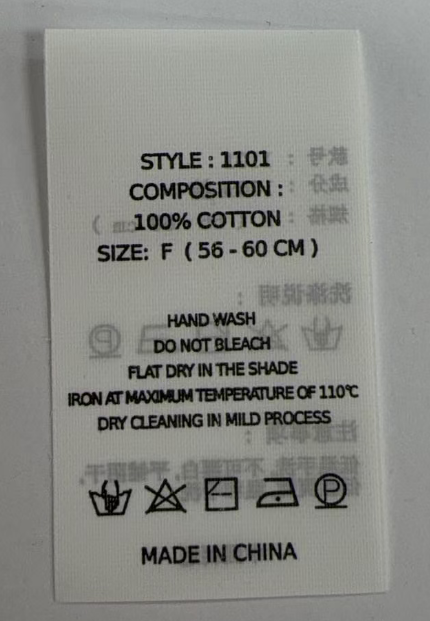
To identify your beanie’s material, check the care label inside the hat. Common materials include wool (warm, breathable), acrylic (durable, quick-drying), and cotton (lightweight, comfortable). Many beanies are blends of these materials or made from eco-friendly recycled fibers.
- Wool: Excellent warmth, natural water resistance, breathable.
- Merino wool: Softer, less itchy, and naturally odor-resistant.
- Acrylic: Synthetic, durable, and quick-drying—great for everyday and workwear.
- Cotton: Soft, breathable, ideal for mild weather.
- Blends: Combine benefits like warmth + durability.
- Eco-friendly fabrics: Recycled polyester or nylon from post-consumer materials.
Always check the care label first.
3. General Cleaning Rules for All Beanies
- Avoid hot water
- Avoid dryers
- Don’t wring or twist
- Use mild detergent
- Test for colorfastness
For most beanies, hand wash in cold water with mild detergent, gently press out excess water (never wring), then lay flat to air dry. Avoid machine washing unless the label allows it, and always skip bleach or harsh chemicals.
- Check the care label, especially for wool.
- Spot clean small stains before washing.
- Avoid bleach or strong detergents.
- Use a fabric shaver to remove pilling.
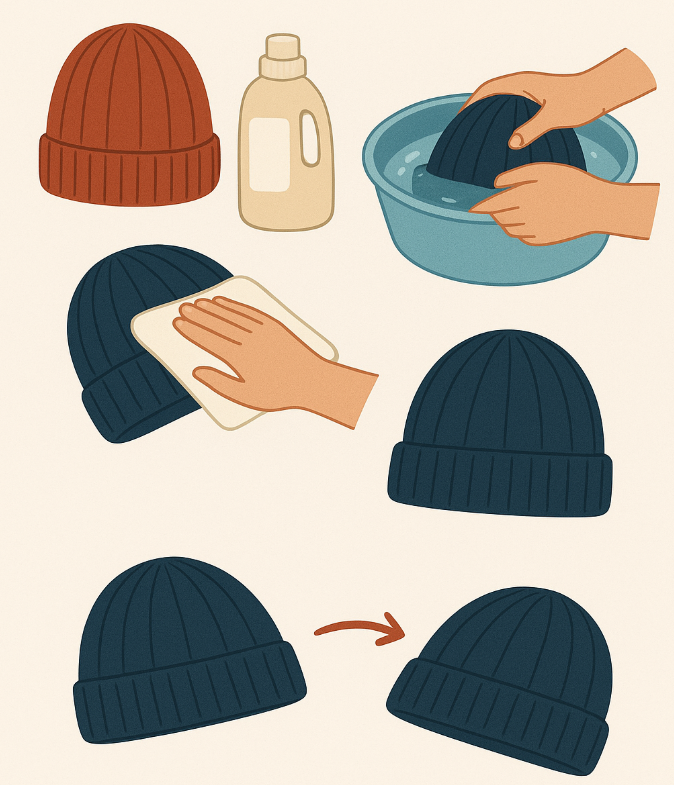
4. How to Hand-Wash Beanies (Recommended for Most Materials)
Steps:
- Fill a basin with cold or lukewarm water
- Add mild detergent
- Submerge and gently agitate
- Soak 10–15 minutes
- Rinse thoroughly
- Press water out with a towel
- Lay flat to dry
Hand-washing instructions (polished):
Fill a sink with cool water and a small amount of mild detergent. Submerge the beanie and gently swish it around—avoid scrubbing or wringing. Rinse until the water runs clear, then press out excess water by rolling the beanie in a towel. Reshape it and lay it flat to air dry away from sunlight.
5. How to Machine-Wash Beanies (For Durable Fabrics Only)
- Use a mesh laundry bag
- Gentle or delicate cycle
- Cold water only
- Avoid heavy items
- Air-dry only
To machine-wash a beanie, confirm it’s machine-safe, then place it in a mesh laundry bag. Use cold water on a delicate cycle with mild detergent, and reshape and air-dry afterward. Never use a dryer.
6. How to Clean Wool or Merino Wool Beanies (Special Care)
- Wool detergent
- Never wring or rub
- Avoid temperature changes
- Reshape while wet
- Dry flat away from heat
Clean wool beanies by hand using cool water and a wool-specific detergent. Gently press instead of rubbing or twisting, rinse thoroughly, then roll in a towel to remove moisture. Reshape and air-dry flat, away from heat. Machine washing wool is only safe if the care label explicitly allows it.
7. How to Clean Satin-Lined Beanies
- Gentle cleaning for outer knit
- Wash satin lining separately if removable
- If attached, treat like delicate silk
- Avoid abrasion
Hand wash or use a delicate cycle with a mesh bag. Use cool water and mild detergent, avoid high heat, wringing, or harsh chemicals, and always air-dry flat.
8. How to Remove Odors, Sweat, or Oil Build-Up
- Vinegar soak (1:10 ratio)
- Baking soda paste (spot treatment)
- Brief sunlight exposure
Remove odors and buildup using natural solutions like diluted vinegar or baking soda. Wash sweaty items promptly, turn beanies inside out, avoid overloading the washer, and skip fabric softeners—which trap odors—using white vinegar instead.
9. How to Remove Lint, Pilling, or Fuzz
- Fabric shaver
- Sweater comb
- Avoid scissors
- Use laundry bags to prevent future pilling
Use a fabric shaver, lint roller, or sweater comb depending on the severity. Always lay the beanie flat while de-pilling and avoid scissors to prevent snags.
10. Drying Your Beanie the Right Way
- Never use a dryer
- Reshape while damp
- Lay flat to dry
- Avoid hanging
Press out water with a towel—never wring—then reshape and air-dry flat. Avoid heat sources and hanging, which can stretch the knit.
11. How Often Should You Wash Beanies?
- Daily-use: every 1–2 weeks
- Winter-only: every few wears
- Sports/work: more frequent
- Wool: less often
Typically, wash beanies once a month for everyday wear, weekly for sweaty activities, and immediately if stained or smelly. Always check the care label and adjust the frequency based on material.
12. Final Tips for Long-Lasting Beanies
- Store flat
- Avoid over-washing
- Use gentle detergents
- Rotate beanies
Follow care labels, wash gently, use cold water, reshape while damp, and dry flat away from heat. Proper care prevents shrinking, stretching, and fading.
13. Conclusion
Proper beanie care improves hygiene, maintains appearance, and significantly extends lifespan. Routine cleaning prevents odors, pilling, stains, and fabric damage, helping your beanies look and feel great season after season.
That’s all for today—don’t forget to explore our durable Merino wool beanies and leave your thoughts in the comments!