

















🔽 Quick Navigation
- 📌 Introduction: What Are PVC Patches?
- 📌 What Are PVC Patches Made Of?
- 📌 The Complete PVC Patch Manufacturing Process
- 📌 How to Use PVC Patches (Applications)
- 📌 PVC Patch Care Instructions
- 📌 Can You Make PVC Patches at Home?
- 📌 Summary: How PVC Patches Are Made (Simple Version)
- 📌 Final Thoughts
🧵 Introduction: What Are PVC Patches?
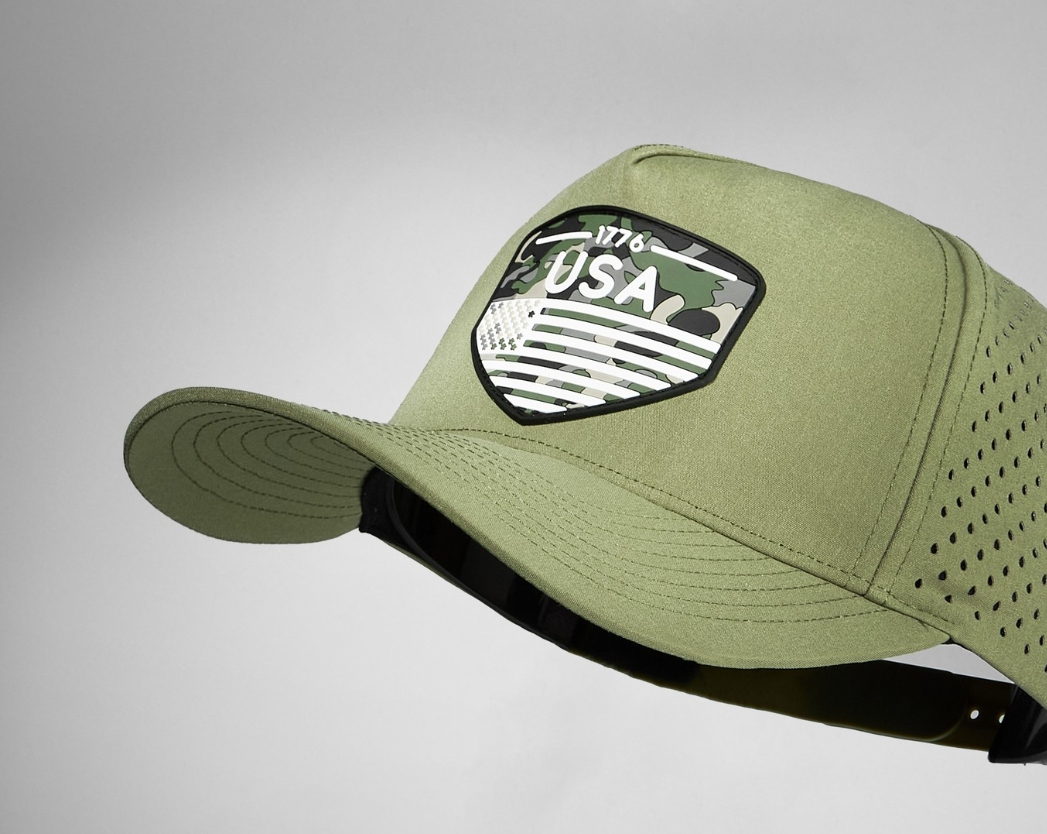
PVC (Polyvinyl Chloride) patches have become one of the most popular choices for apparel decoration, brand labels, outdoor gear, tactical gear, and corporate merchandise. Their flexible rubber-like texture, vivid colors, and 2D/3D effects make them stand out compared to embroidered or woven patches.
PVC patches are:
- Waterproof
- UV-resistant
- Extremely durable
- Highly customizable
- Easy to clean
- Resistant to bending and cracking
This makes them ideal for hats, jackets, military gear, backpacks, and outdoor products.
In this complete guide, you’ll learn how PVC patches are made, the industrial equipment involved, the design process, and why most PVC patches must be produced by professional manufacturers—not at home.
1. What Are PVC Patches Made Of?
PVC patches are made from soft polyvinyl chloride, a flexible and durable plastic that can be molded into any shape. When heated and cured properly, PVC becomes:
- Waterproof
- Heat-resistant
- Fade-resistant
- Bendable without losing shape
The result is a high-performance patch perfect for outdoor and tactical use.
2. The Complete PVC Patch Manufacturing Process
PVC patches require professional factories, industrial ovens, CNC engraving machines, and specialized liquid PVC materials. Making true PVC patches at home is nearly impossible (and unsafe).
Below is the step-by-step industrial process.
Step 1: Artwork & Patch Design
1) Create Your Artwork
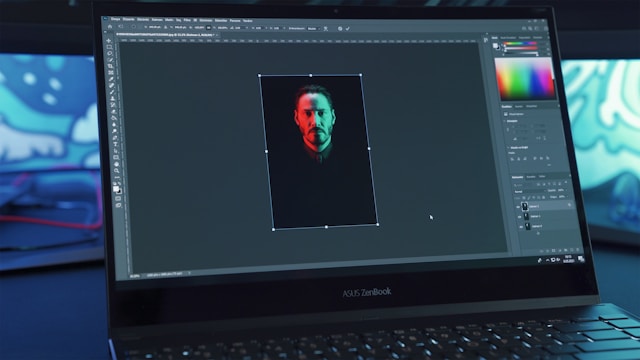
Designers use vector software such as:
- Adobe Illustrator
- CorelDRAW
- Affinity Designer
PVC patch artwork must include:
- Bold, simple shapes
- Strong outlines
- Clean color separations
- Defined 2D or 3D layers
2) Convert to CAD File
Once finalized, the design is converted to a CAD (Computer-Aided Design) file.
The CAD file defines:
- Patch dimensions
- 2D/3D heights
- Layer depths
- Mold boundaries
This is required for CNC engraving.
Step 2: CNC Mold Engraving
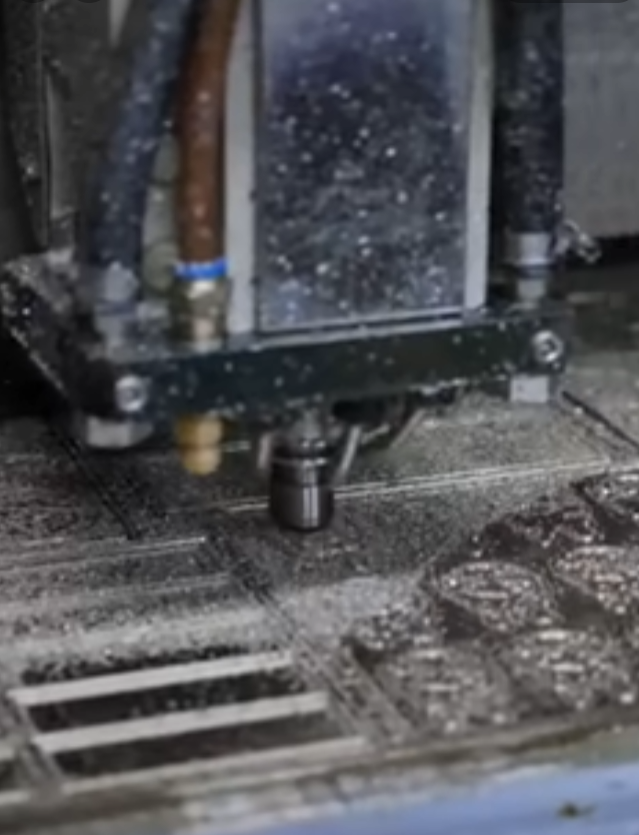
PVC patches are produced using custom metal molds.
The Mold Creation Process:
-
Import CAD file
-
CNC engraving machine carves the design into steel or aluminum
-
Deep grooves and recessed areas form the design outline
-
Mold is polished for smooth edges and clean details
Every different patch design requires its own mold.
Step 3: Preparing Liquid PVC Material
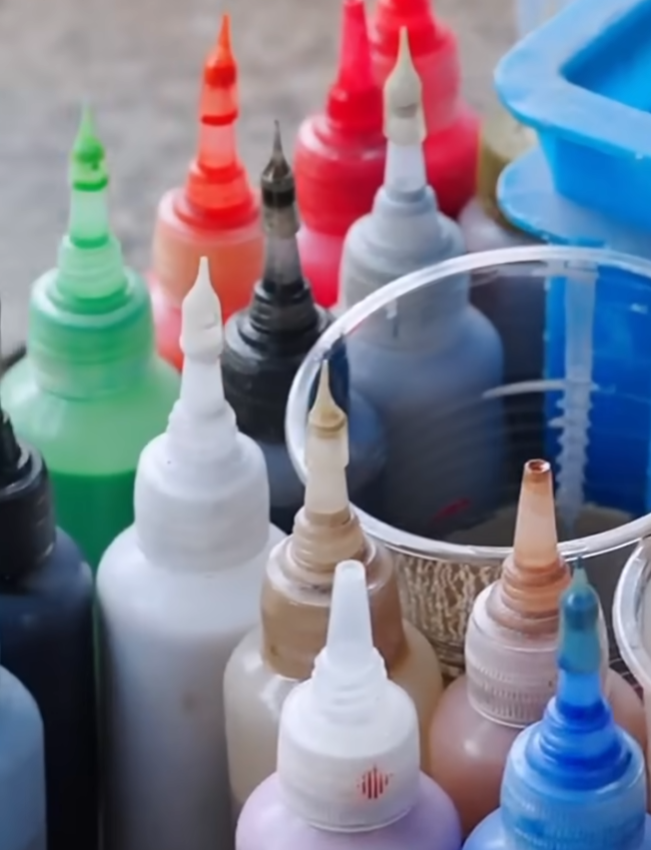
PVC material is created by mixing:
- PVC powder (polyvinyl chloride resin)
- Plasticizer (creates softness)
- Catalyst (helps curing)
- Pigments (color elements, matched to Pantone colors)
The mixture forms a colored liquid PVC paste used for each patch layer.
Step 4: Layering & Curing (The True Magic of PVC Patches)
Now the factory creates the patch layer-by-layer.
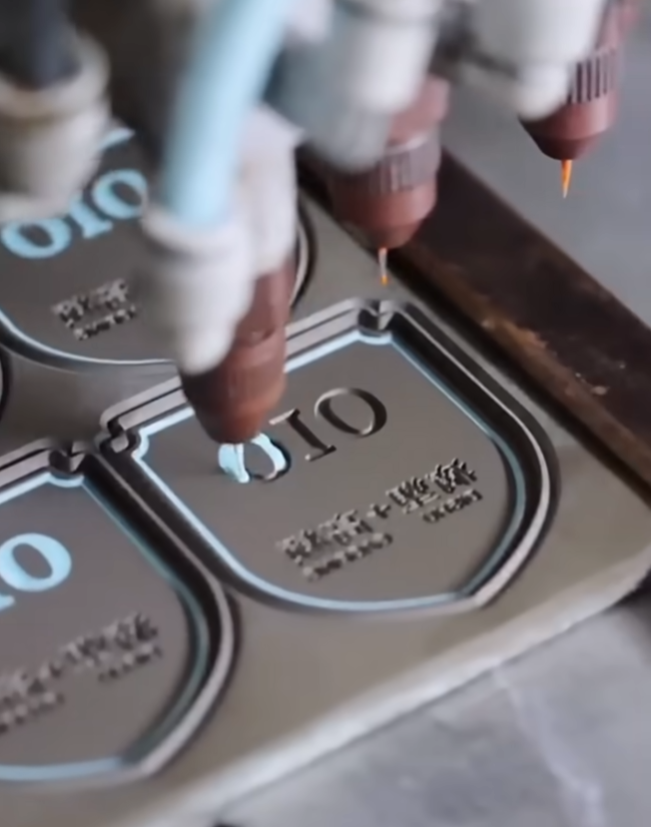
1) Dispensing the First Color
Liquid PVC is injected into the mold using precision dispensing equipment.
2) Partial Curing in Industrial Oven
After the first color is poured, the mold is baked at 160–180°C (320–356°F) to harden the layer.
This prevents colors from mixing.
3) Repeat for Each Color
Each layer is:
- Filled
- Leveled
- Partially cured
This creates the signature PVC 2D or 3D raised effect.
4) Final Curing
The final bake solidifies all layers into a strong, rubber-like finished patch.
Step 5: Patch Finishing Process
After the PVC cools:
1) Remove from Mold
The hardened PVC patch is peeled off.
2) Trim Excess Edges
Excess flash is cut off for clean borders.
3) Add Backing Options
Common backing types:
- Velcro (hook & loop) — most popular
- Adhesive sticker back
- 3M adhesive
- Iron-on backing
- Sew-on plain backing
- Magnetic backing
For hats and tactical gear, Velcro is the top choice.
4) Quality Inspection
Factories check:
- Color accuracy
- Border consistency
- Layer depth
- Air bubbles or color bleed
Only flawless patches move to packaging.
3. How to Use PVC Patches (Applications)
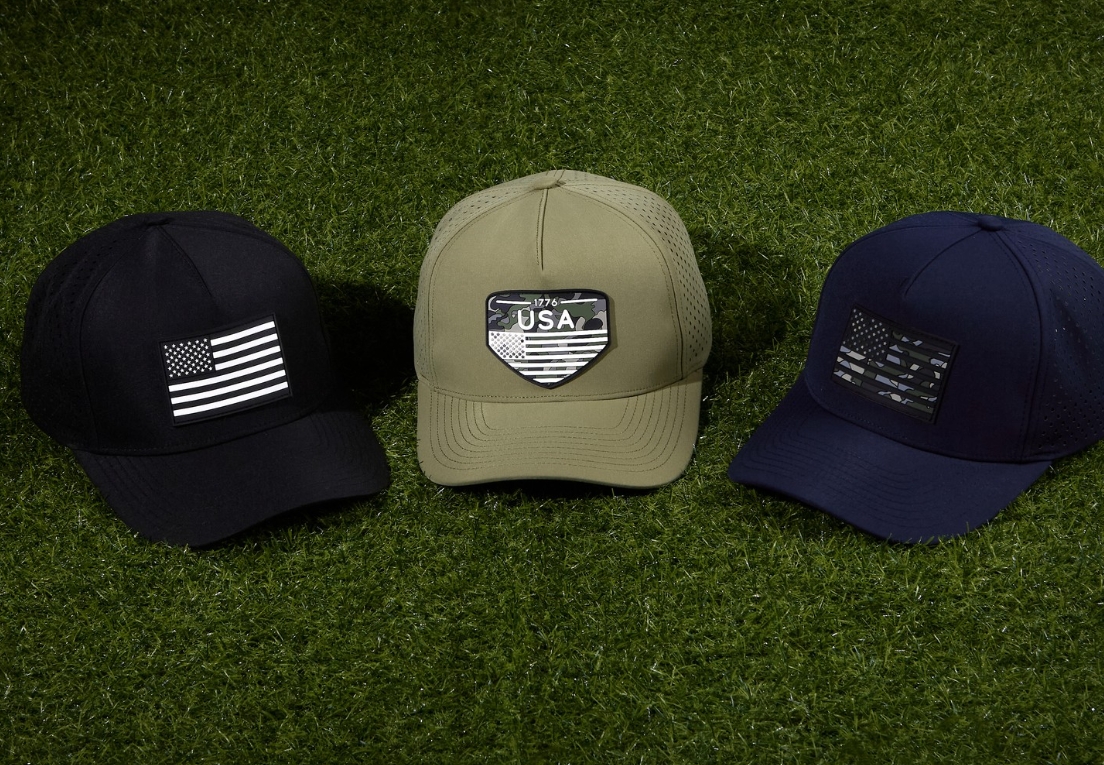
PVC patches are used everywhere:
Apparel & Fashion
- Hoodies
- Jackets
- Hats & caps
- Streetwear & designer labels
Military & Tactical Gear
- Morale patches
- Unit insignia
- Airsoft & paintball teams
- Plate carrier IDs
Outdoor & Sports
- Backpacks
- Ski gear
- Cycling teams
- Fishing & hiking accessories
Corporate Branding
- Employee uniforms
- Promotional merchandise
- Custom branded gifts
Footwear & Accessories
- Crocs charms
- Bags and luggage
- Keychains & wristbands
4. PVC Patch Care Instructions
PVC patches are extremely low-maintenance.
How to Clean PVC Patches
- Wipe with a damp cloth
- Use mild soapy water
- Avoid harsh chemicals
- Do not dry clean
PVC does not absorb moisture, so it stays looking new even in rain or snow.
5. Can You Make PVC Patches at Home?
Short answer: No — not real ones.
DIY PVC patch attempts commonly use:
❌ craft resin
❌ silicone molds
❌ home oven baking
❌ household plastic sheets
These cannot match industrial PVC patches in durability or precision.
Why Home Production Is Not Recommended:
- Requires CNC metal mold
- Involves heating PVC chemicals at 160–180°C
- Needs industrial ventilation
- Requires precise pressure/dispensing equipment
- Risk of toxic fumes when heated
For safety and quality reasons, PVC patches should always be made by a professional manufacturer.
6. Summary: How PVC Patches Are Made (Simple Version)
-
Create vector artwork
-
Convert to CAD file
-
CNC engrave metal mold
-
Mix liquid PVC material
-
Fill mold layer by layer
-
Cure each layer in oven
-
Final bake for strength
-
Trim and finish
-
Add backing
-
Inspect and package
This industrial process produces the high-quality, durable PVC patches used by brands around the world.
Learn more:
7. Final Thoughts
PVC patches are one of the most durable and eye-catching patch types available today. Their waterproof, flexible structure and 3D layering make them perfect for apparel, tactical gear, outdoor equipment, and brand merchandise.
By understanding the full manufacturing process—from design to mold creation to curing—you can make better decisions when ordering custom PVC patches for your business.