







1. Introduction
A balaclava is a close-fitting head covering that wraps around the head, neck, and sometimes shoulders, leaving only part of the face—typically the eyes and mouth—exposed. Originally designed to protect against cold weather and wind, balaclavas have long been used for winter sports, outdoor work, and military or tactical purposes.
Recently, balaclavas have surged in popularity due to a mix of functional appeal and cultural trends. High-fashion brands, social media virality (especially on TikTok), celebrity endorsements, and music culture influences—such as UK drill rap—have all helped make the balaclava a stylish, must-have accessory for many.
In this article, we’ll explore the history, evolution, types, materials, features, and styling of balaclavas. Let’s dive in!
2. What Is a Balaclava?
A balaclava is not just a “ski mask”—it’s a versatile headwear option that offers more coverage and adaptability than a typical neck gaiter.
Common Uses: Skiing, snowboarding, running, tactical work, outdoor jobs, and fashion.
Key Benefits:
- Protection from the Elements: Shields against cold, wind, and frostbite during winter sports, motorcycling, or mountaineering.
- Versatility: Can be worn as a full mask, hood, or neck gaiter depending on weather and activity.
- Layering: Lightweight, close-fitting designs allow use under helmets, hoods, or goggles.
- Materials: Modern balaclavas use technical fabrics like fleece, polyester blends, and merino wool, providing breathability, moisture-wicking, UV protection, and comfort.
3. Types of Balaclavas
Balaclavas vary by coverage, style, and material. Common types include:
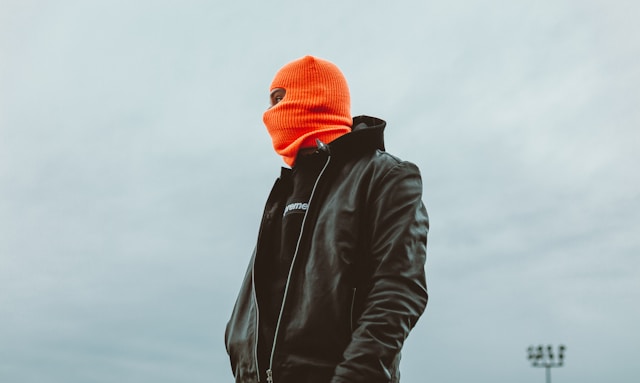
- Full-Face Balaclava: Covers the entire head, leaving only the eyes or eyes and mouth exposed. Ideal for extreme cold.
- Half-Face Balaclava: Covers the lower face and neck, leaving the forehead exposed. Lightweight for milder conditions.
- Open-Face Balaclava: Covers the head but leaves nose and mouth open.
- Convertible Balaclava: Can be worn in multiple ways—face mask, neck gaiter, or hood.
- Hooded Balaclava: Adds extra coverage with a hood, often worn over helmets for snowboarding.
- Hoodless / Helmet Balaclava: Snug fit designed to be worn under helmets.
Balaclavas also come in seasonal variations: lightweight summer versions, thermal winter options, and knit styles for fashion-forward looks.
Photo by Chris Henry on Unsplash
4. Materials Used in Balaclavas
Fabric choice affects warmth, breathability, and performance:
- Merino Wool: Breathable, temperature-regulating, naturally odor-resistant.
- Acrylic Knit: Durable, warm, affordable.
- Fleece: Soft, insulating, perfect for winter sports.
- Polyester / Performance Blends: Moisture-wicking, quick-drying, lightweight.
- Spandex Blends: Provide stretch and a snug fit.
- Neoprene: Water-resistant, ideal for motorcycling or wet conditions.
- Other: Cotton, silk, or cashmere for comfort, softness, and varying warmth levels.
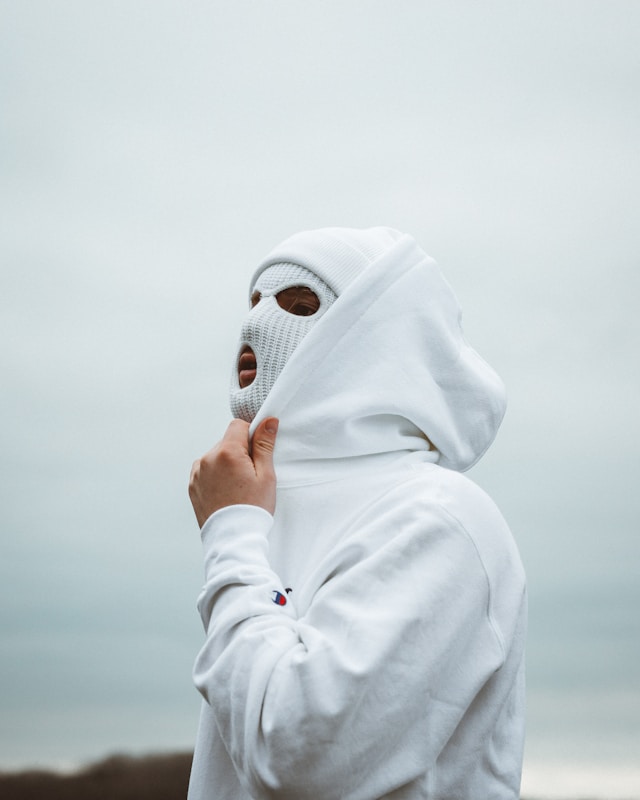
5. Key Features to Look For
When choosing a balaclava, consider:
- Warmth and insulation
- Breathability and ventilation
- Moisture-wicking performance
- Stretch, comfort, and fit
- Seam construction (flat seams reduce irritation)
- Helmet-compatibility
- Anti-odor properties
- UV protection (for summer use)
Specialized fabrics may offer windproof, flame-resistant, or quick-dry features depending on activity needs.
6. How to Choose the Right Balaclava
Your choice depends on activity, weather, and gear compatibility:
- Skiing & Snowboarding: Thick, insulated, windproof, moisture-wicking fabrics. Prevent goggle fogging.
- Cyclists & Runners: Lightweight, breathable, quick-drying options for active use.
- Outdoor Workers: Durable, flame-resistant (if required), and weatherproof.
- Hiking & Camping: Layering-friendly, moisture-managing, versatile coverage.
- Military/Tactical Use: Concealment, protective features, snug fit, and functional materials.
- Fashion & Streetwear: Knit or patterned balaclavas for style, warmth, and self-expression.
Photo by Dwayne Joe on Unsplash
7. How to Wear a Balaclava
- Full Face: Covers head, eyes, nose, and mouth.
- Half Face: Covers lower face and neck.
- Neck Gaiter Style: Worn around neck; pull up as needed.
- Hoodie Style: Worn over head like a hood.
- Under a Helmet: Balaclava first, then helmet for proper fit.
- With Goggles: Ensure eye openings align and prevent fogging.
Tips: Adjust openings for comfort, align with helmet or hood, and pull up or down for varying weather conditions.
8. How to Care for Balaclavas
- Check the Label: Follow manufacturer’s instructions.
- Hand Wash: Ideal for wool or delicate fabrics.
- Machine Wash: Safe for most synthetics; use gentle cycles.
- Avoid Fabric Softeners and Bleach: Preserves performance fabrics.
- Air Dry: Maintains shape and insulation; avoid ironing or dry cleaning.
- Store Properly: Hang or place in a breathable bag; avoid long-term compression.
- Wash Regularly: Keeps fabric fresh and odor-free.
9. Safety Considerations
- Visibility: Ensure clear peripheral vision.
- Breathability: Avoid fabrics that restrict airflow during exercise.
- Fit and Comfort: Snug but not tight; prevents cold air from entering or circulation issues.
- Legal & Social Awareness: Some public spaces restrict face coverings.
10. Why Balaclavas Are Popular in Fashion
Balaclavas have transitioned from functional gear to fashion must-have:
- Y2K & Winter Streetwear: Nostalgic trends boost appeal.
- Celebrity Influence: Kim Kardashian, rappers, and influencers drive visibility.
- High Fashion: Luxury brands like Balenciaga, Gucci, and Prada elevate balaclavas as statement pieces.
- Matching Sets: Beanies, scarves, and balaclavas create coordinated winter looks.
- Social Media: TikTok and Instagram accelerate trend adoption, inspiring DIY and styled versions.
11. Custom Balaclavas for Brands (Optional)
Brands can leverage balaclavas for customization and marketing:
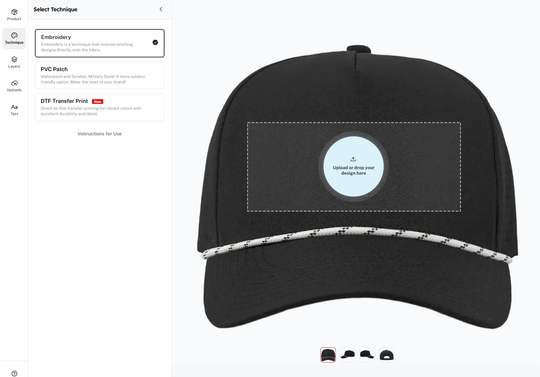
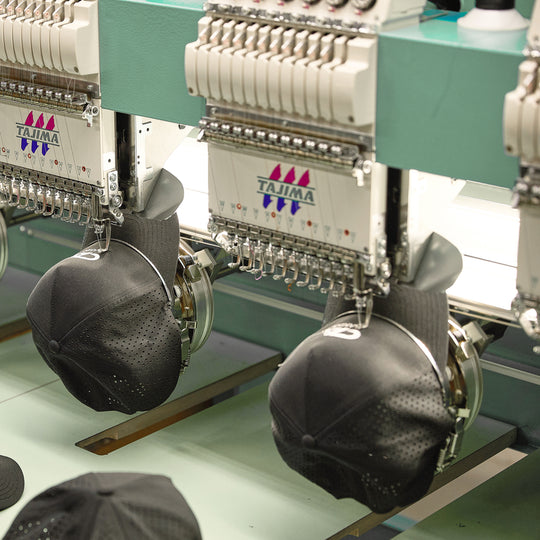
- Branding: Embroidery, patches, woven labels, or screen printing.
- Material Options: Warm fleece, merino wool, lightweight polyester blends.
- Styles: Single-hole, two-hole, convertible designs, helmet-compatible cuts.
- Sizing: Unisex, youth, or custom measurements.
- Packaging: Retail-ready bags, hang tags, or branded boxes.
Use cases include ski resorts, outdoor shops, corporate gifting, schools, and promotional events.
12. Conclusion
Balaclavas are versatile, functional, and stylish. They provide warmth, protection, comfort, and even anonymity in professional or recreational settings.
From winter sports to streetwear fashion, balaclavas serve both practical and stylistic purposes. Explore different styles, materials, and designs to find the perfect balaclava for your activity or brand.
Call-to-Action: Browse our balaclavas for winter, sports, and wholesale customization today, and let us know your favorite style in the comments!